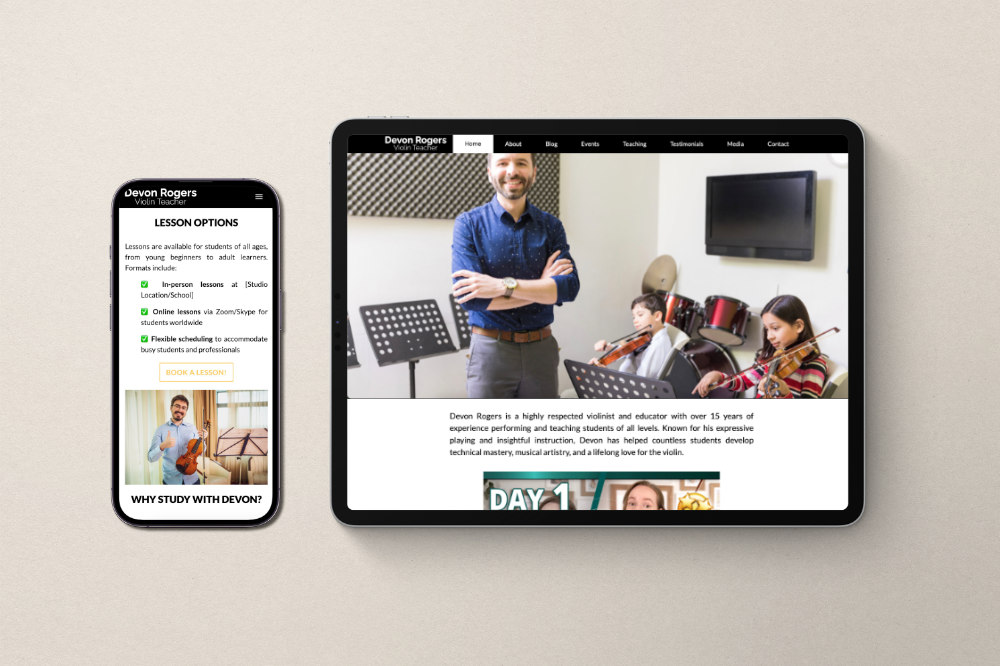
Musician Website Design: The Ultimate Guide to Creating a Professional Online Presence
Welcome to this comprehensive resource on musician website design ultimate guide. If you’re a musician looking to make your mark, you already know how vital it is to stand out in a competitive music industry. However, achieving visibility isn’t just about raw talent—it’s also about establishing a strong online presence that highlights your art, engages your audience, and attracts industry professionals who can help propel your music career forward. In this blog post, we’ll explore everything from web design fundamentals and choosing the right website builder to advanced strategies for building a compelling music website that truly resonates with fans and collaborators alike. Along the way, you’ll see how taking a well-structured approach to website creation can offer the edge you need.
Why You Need a Music Website
It’s easy to think your social media channels alone are enough to promote your work. While social media is certainly a big part of building momentum in today’s world, it can’t compare to the level of ownership and flexibility you get with a dedicated music website. A personalized site offers:
- Complete Control Over Content
Algorithms on social media platforms frequently change, impacting who sees your posts. Owning your own music website means you decide how your music, merchandise, and visuals are displayed, without being at the mercy of platform updates. - User Experience Tailored to Your Style
By focusing on user experience, you ensure fans find exactly what they want, whether that’s a quick biography, show dates, or a simple store layout. This approach keeps people on your site longer than any random scroll through a crowded feed. - Direct Connection to Fans
Visitors who land on your site are already interested in what you have to offer. Through email marketing and integrated merch pages, you can deepen the relationship, keeping fans engaged even when they’re not actively browsing your social media. - Enhanced Visibility in Search Engines
Popular search engines rank original, high-quality websites more favorably, especially when they’re updated with fresh content and optimized pages. Over time, a dedicated music website can become a powerful vehicle for discovery.
These are just some of the advantages you gain by creating a music website. While social media remains an excellent channel for announcements and casual interactions, there’s no substitute for a strong online presence anchored by your own domain.
Laying the Foundation: Picking the Right Website Building Platform
Choosing the best website building platform is a critical first step toward success. The platform you select influences everything from layout flexibility to how easily you can integrate a music player.
1. Platform Ease of Use
Look for a platform with an intuitive interface and drag-and-drop features if you’re new to website building. This ensures you can focus more on creative decisions and less on coding challenges.
2. Scalability of the Platform
Your music career could evolve, bringing bigger audiences, more content, or complex e-commerce solutions. The right platform should grow with you, adapting to changing needs without forcing you to rebuild from scratch.
3. Community and Support for the Platform
Each platform has a support ecosystem—forums, help centers, or direct customer service. When you hit a snag, you’ll want to rely on resources that address musician-centric issues, like integrating music tracks or listing an upcoming concert schedule.
4. Examples of Great Platform Options
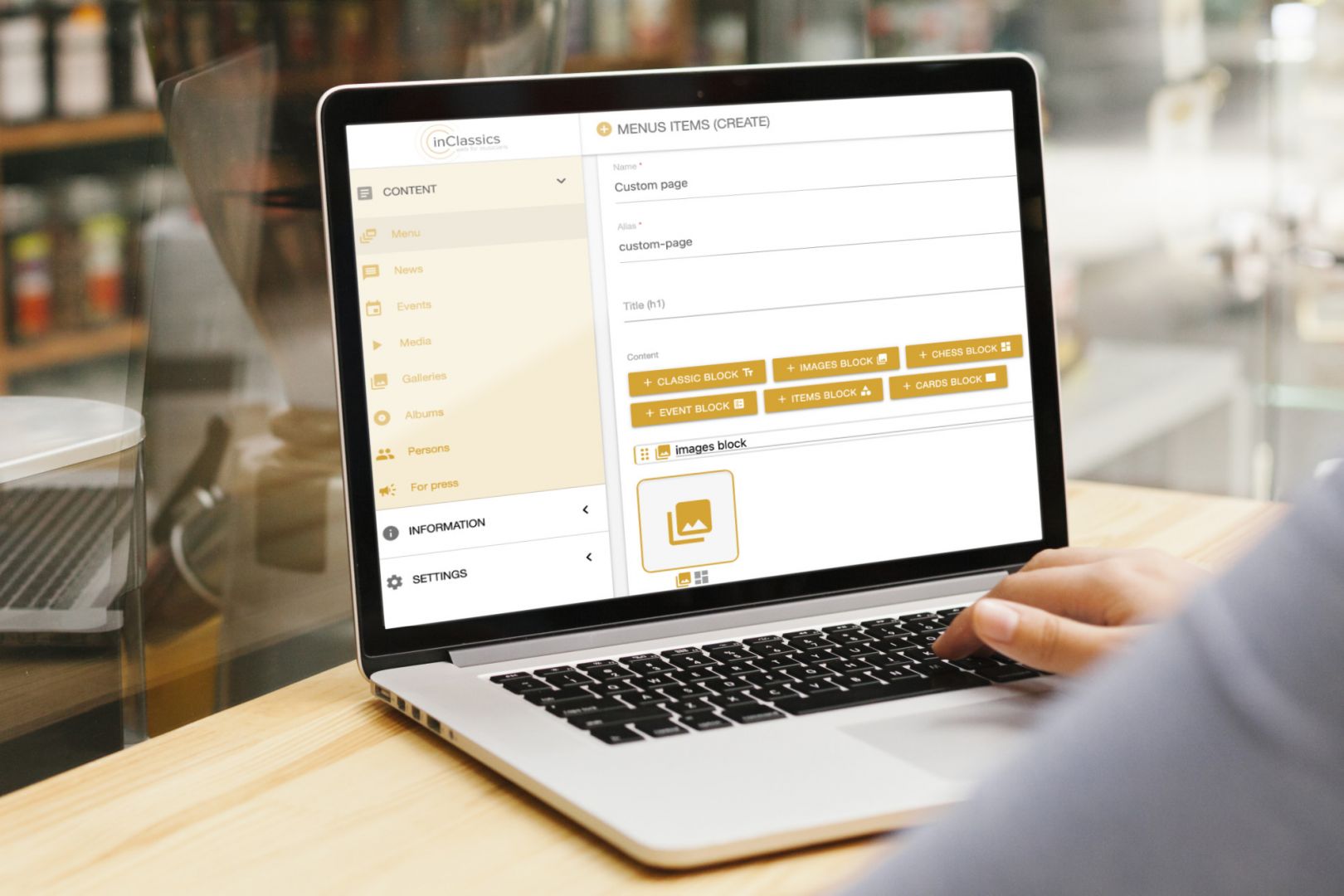
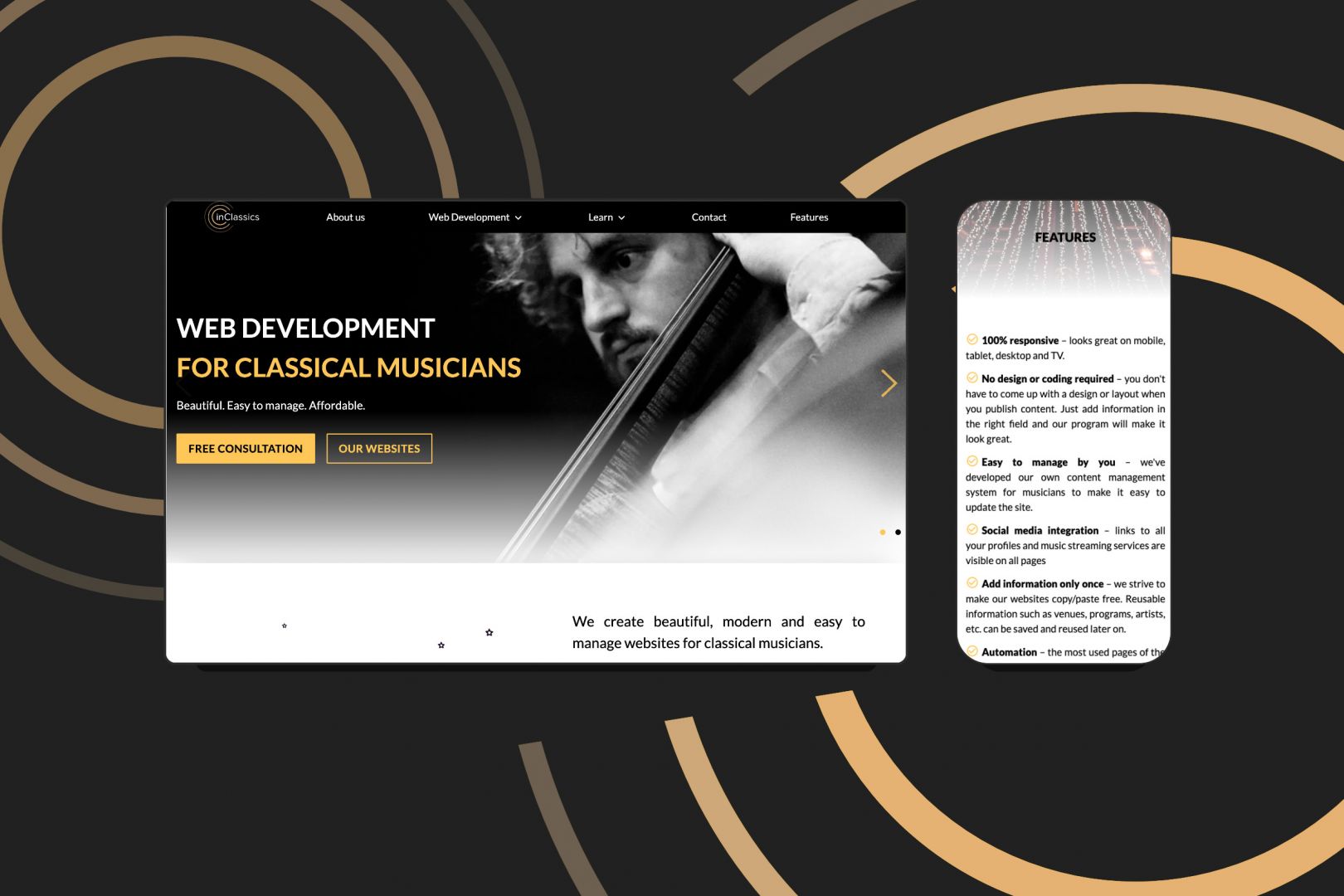
- inClassics: Perfect platform created specifically for musicians and full service website development by an experienced team
- Wix Music: Boasting user-friendly features, this is a widely recognized website builder with specialized modules like ticket sales or integrated stores.
- WordPress Theme: If you prefer open-source flexibility, a dedicated wordpress theme designed for musicians can offer deeper customization, although the learning curve might be steeper.
- Music Glue: Some independent musician communities love music glue because it’s optimized for direct-to-fan sales, EPK (electronic press kit) features, and data analytics in one platform package.
Selecting the right platform puts you on the path to building a professional website that meets your evolving needs.
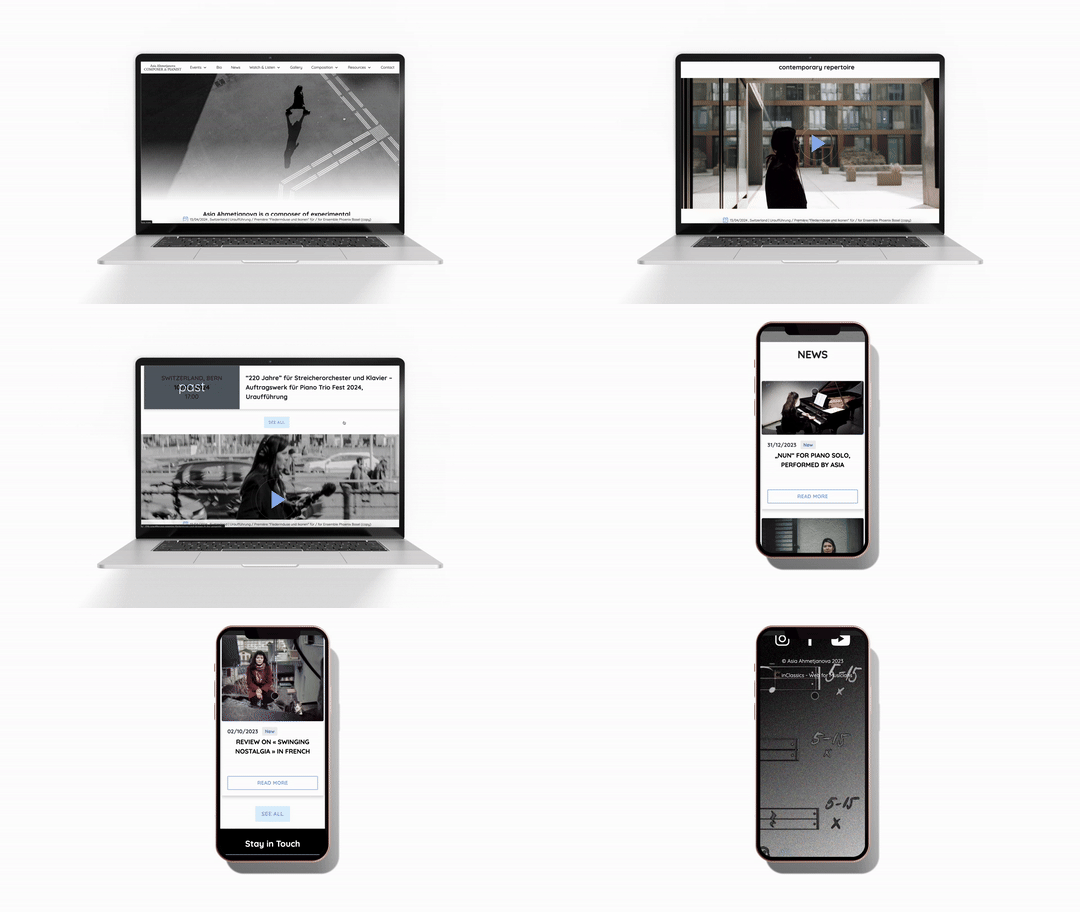
Essential Elements of a Music Website
Designing a music website for maximum impact goes beyond aesthetics. It’s about making your site functional, user-friendly, and uniquely representative of who you are as a musician. Here’s what you need:
Clear Branding and Consistency
Your brand identity is a visual and thematic extension of your artistic persona. Whether you’re a classical musician emphasizing refined elegance or an alternative rock band with gritty flair, your site’s typography, color palette, and layout need to consistently echo these artistic vibes. That consistency reassures visitors they’ve come to the right place.
Engaging Homepage for a Strong First Impression
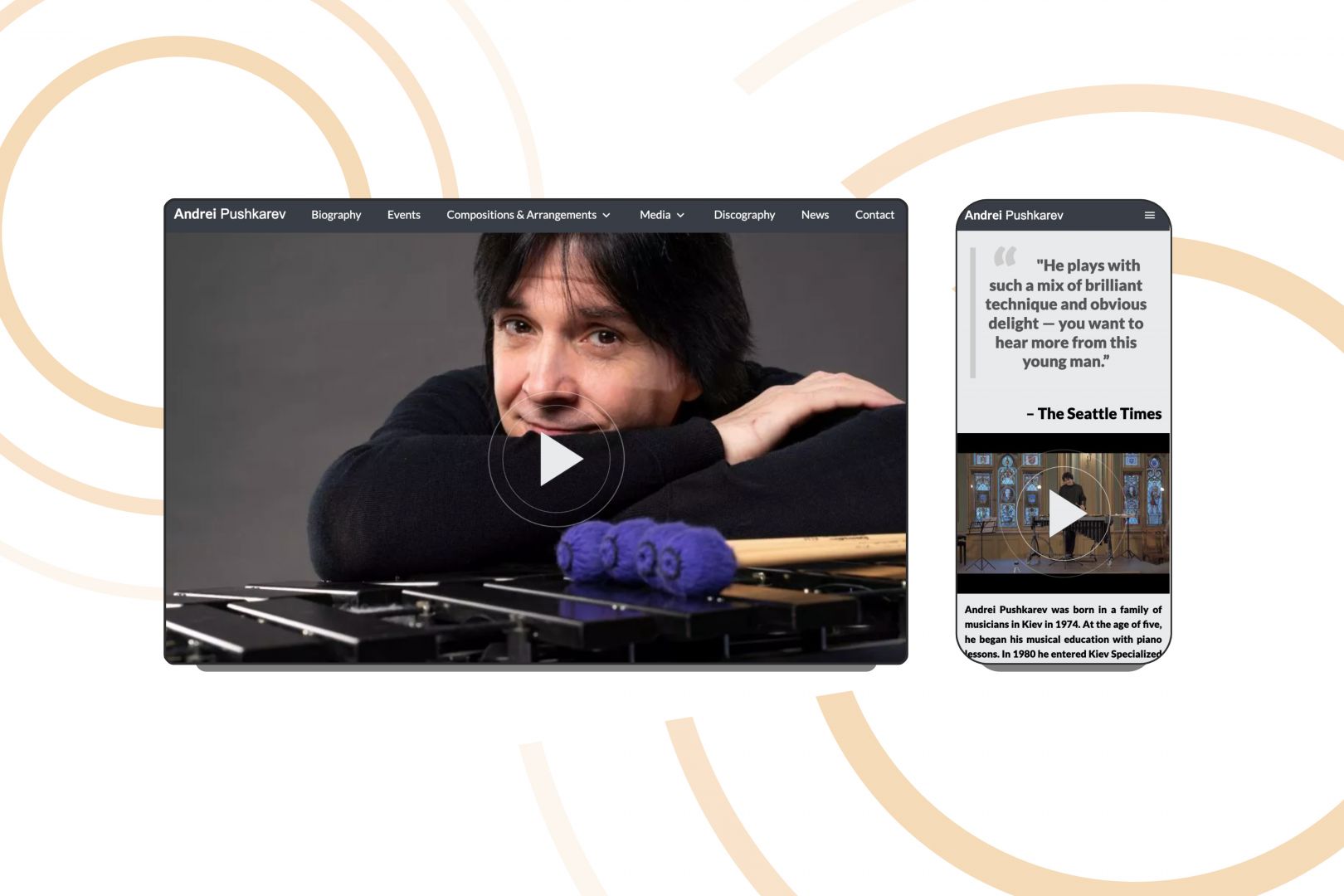
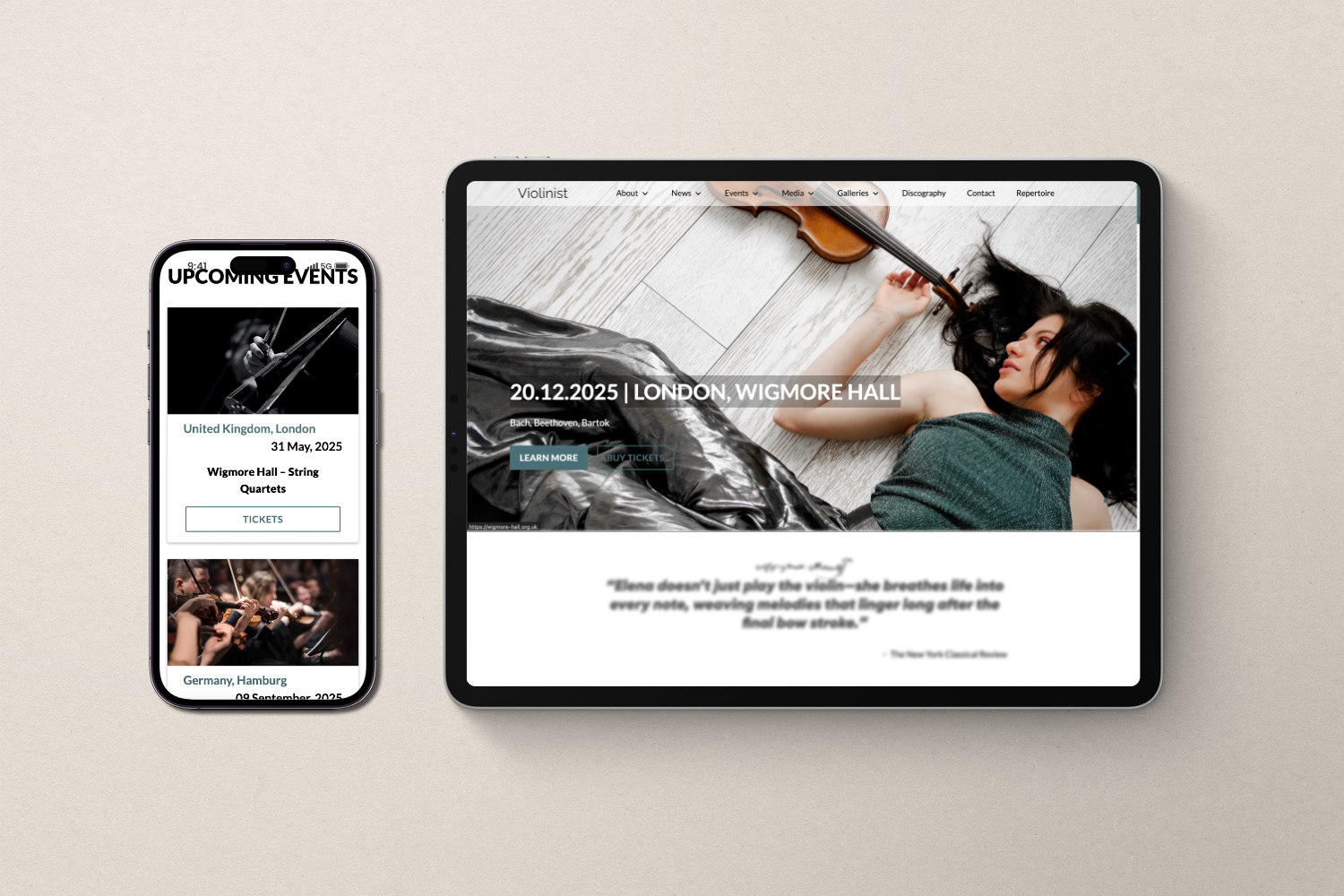
In the digital realm, visitors decide within seconds whether they’ll stay on your page. Make sure your homepage includes a prominent introduction or hero banner, featuring either a music video, a captivating image, or even an embedded music player that encourages immediate listening. If you prefer a minimalistic approach, let your best track speak for itself through that integrated music player.
Multimedia Integration
Most fans want direct access to your art, making multimedia integration crucial. This might entail:
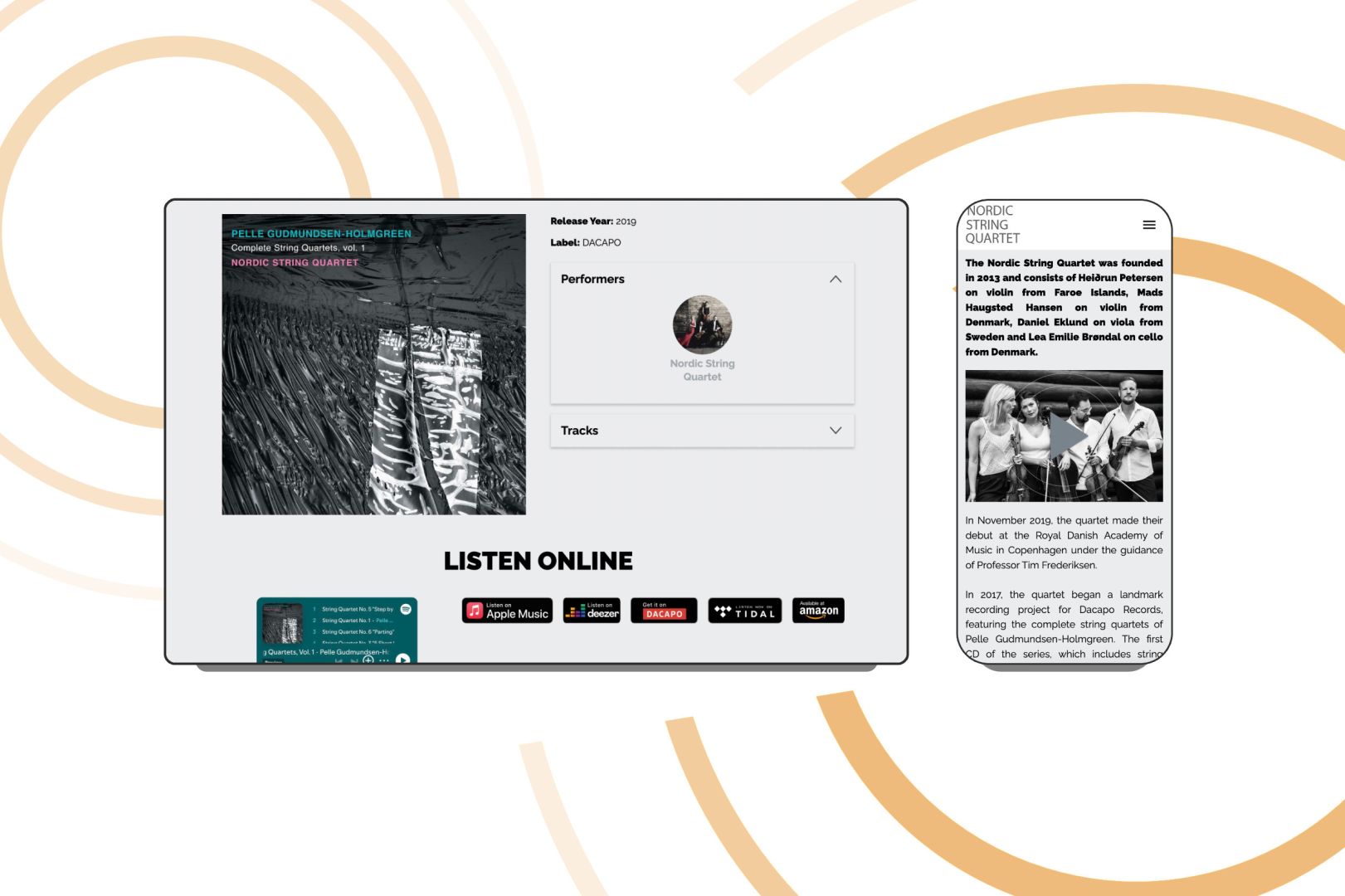
- A “Listen” page where your embedded music player streams your latest songs
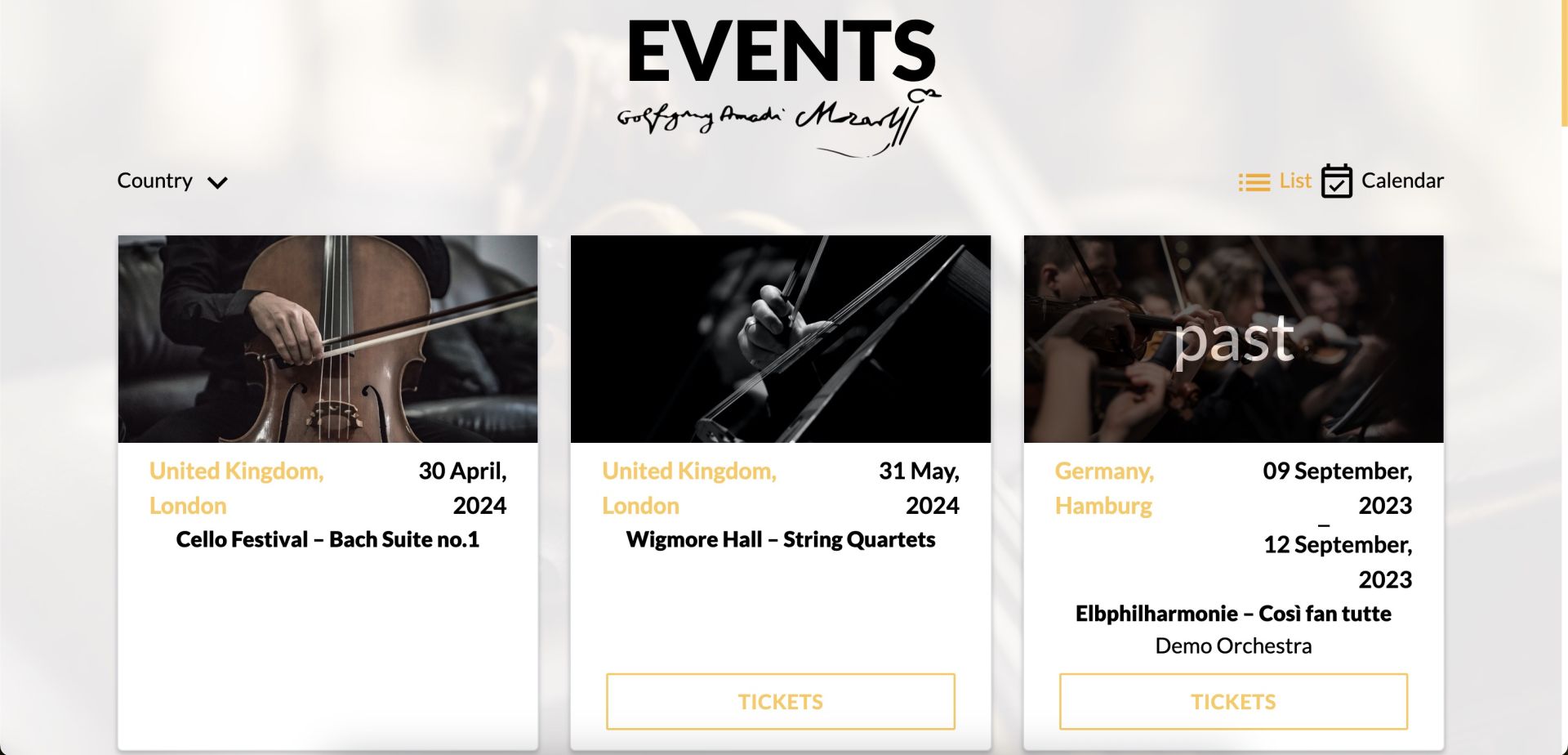
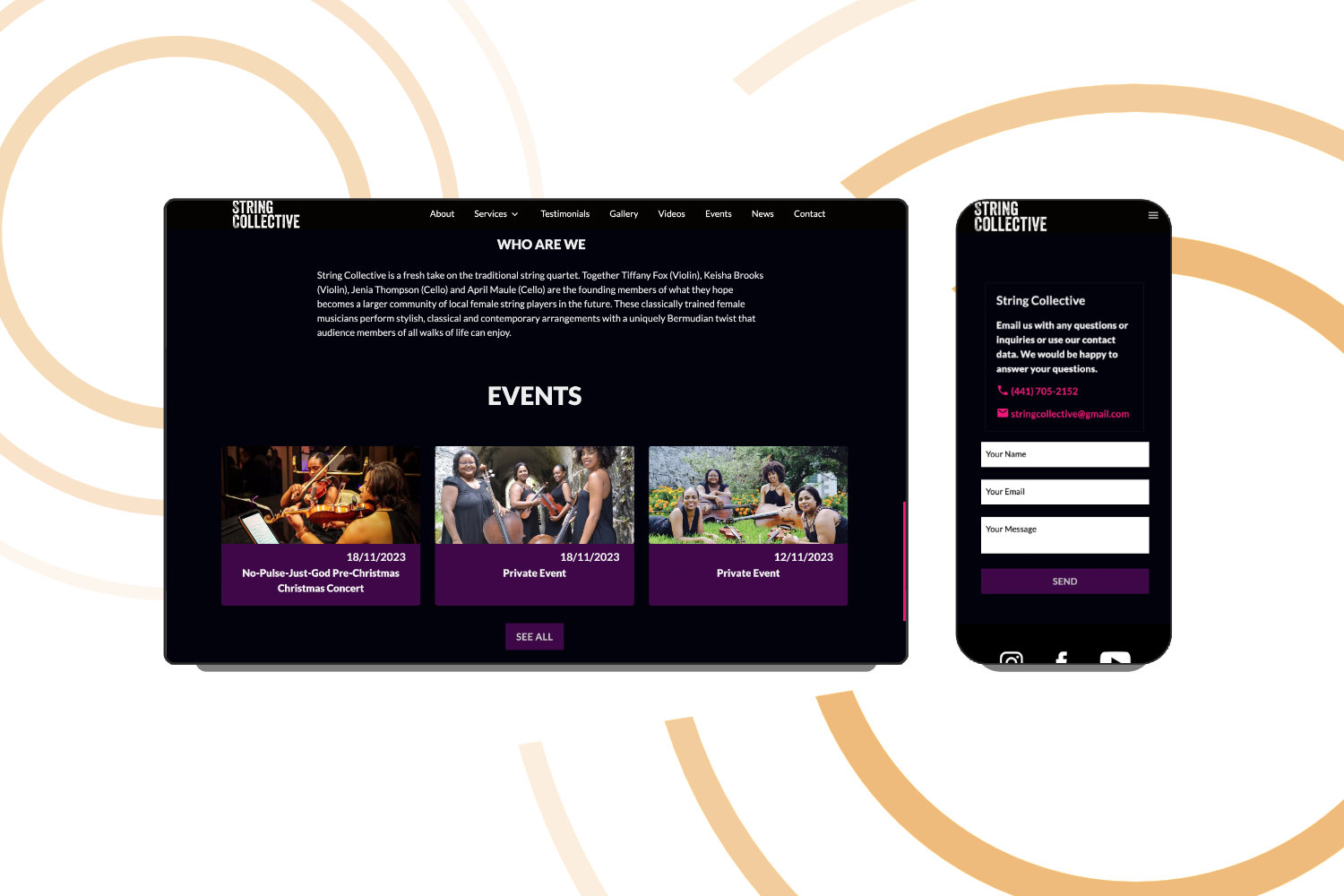
- A dedicated gallery for images from your live performance sessions
- A page to house your best or newest music video
Bringing all formats together creates an immersive experience that keeps fans returning.
Smooth Navigation and User Experience
Everything from your site’s menu structure to how quickly pages load influences user experience. If visitors can’t find what they need—or the site is cumbersome on mobile—your bounce rates will soar. Since over 50% of web traffic often comes from phones, mobile responsiveness is vital.
Clear Calls to Action
Encourage visitors to do more than just browse. Prompt them to:
- Sign up for your mailing list (an excellent gateway for email marketing)
- Listen to a newly released EP
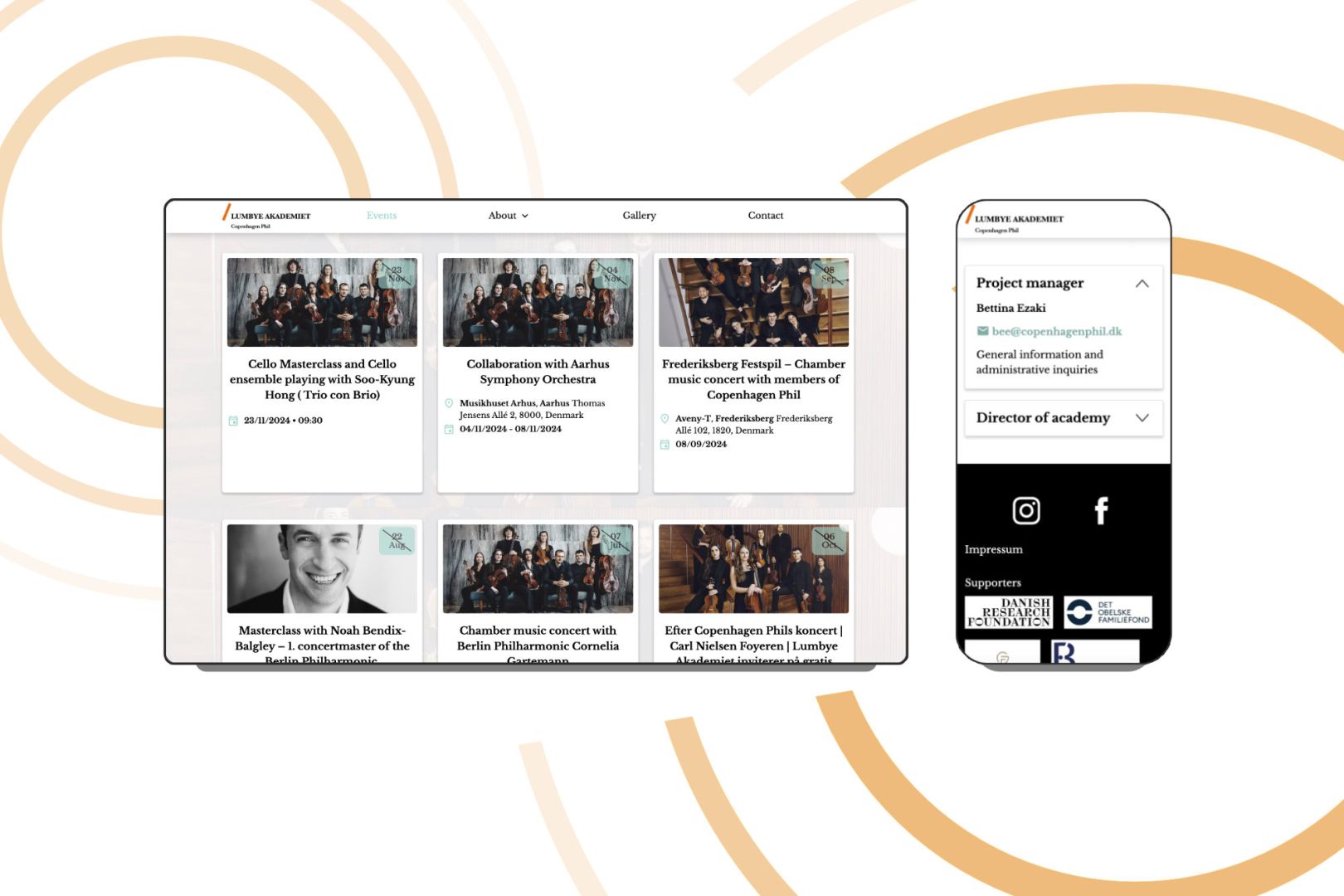
- Browse upcoming show dates and buy tickets
- Follow your social media profiles for day-to-day updates
By sprinkling subtle, well-placed CTAs throughout, you encourage deeper engagement while keeping your approach user-friendly.
Website Builder Choices and Comparison
While “one size fits all” rarely works in the music industry, some website builder tools specifically cater to musicians website requirements. Below are some recommended picks:
inClassics — the Best Website Builder for Musicians
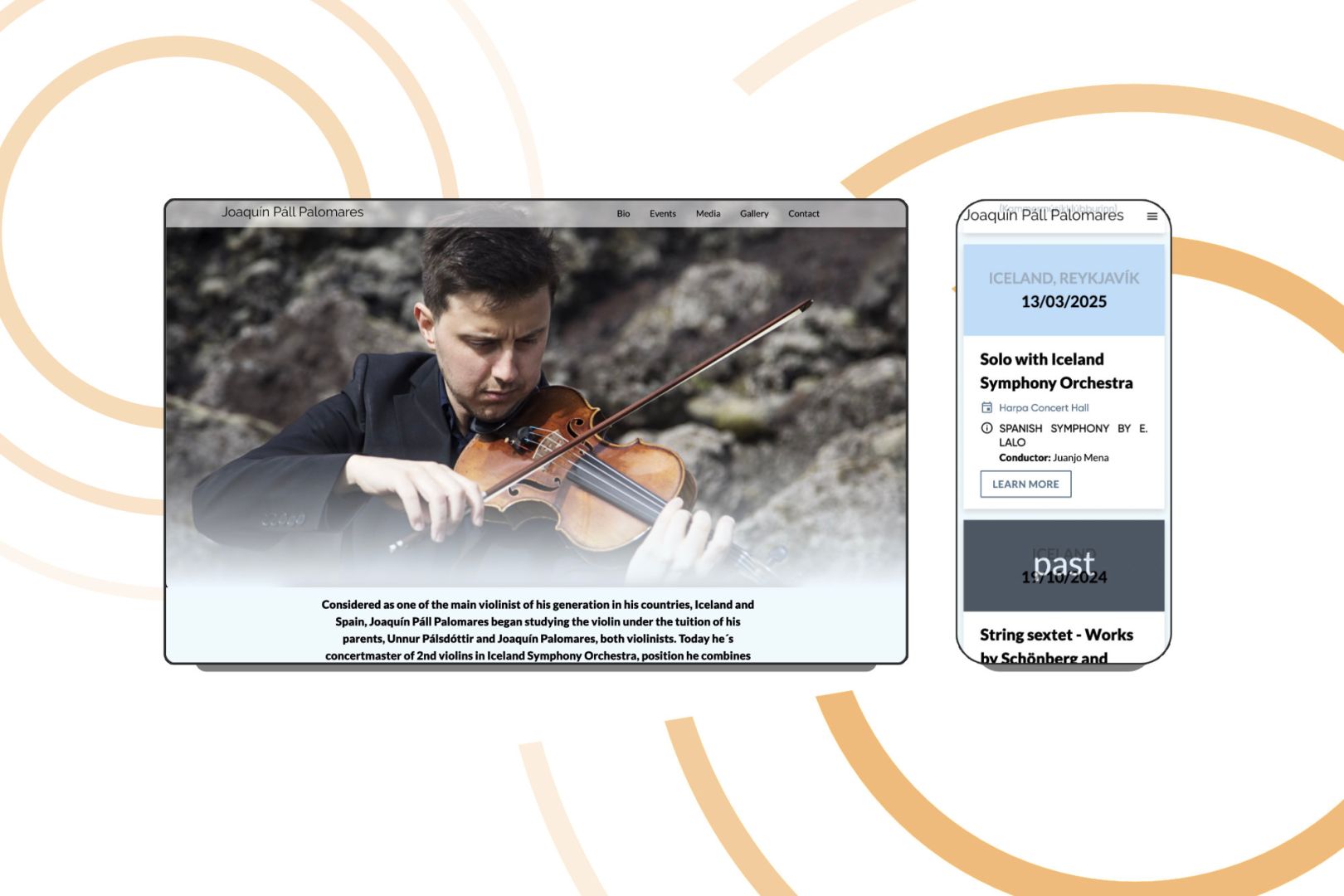
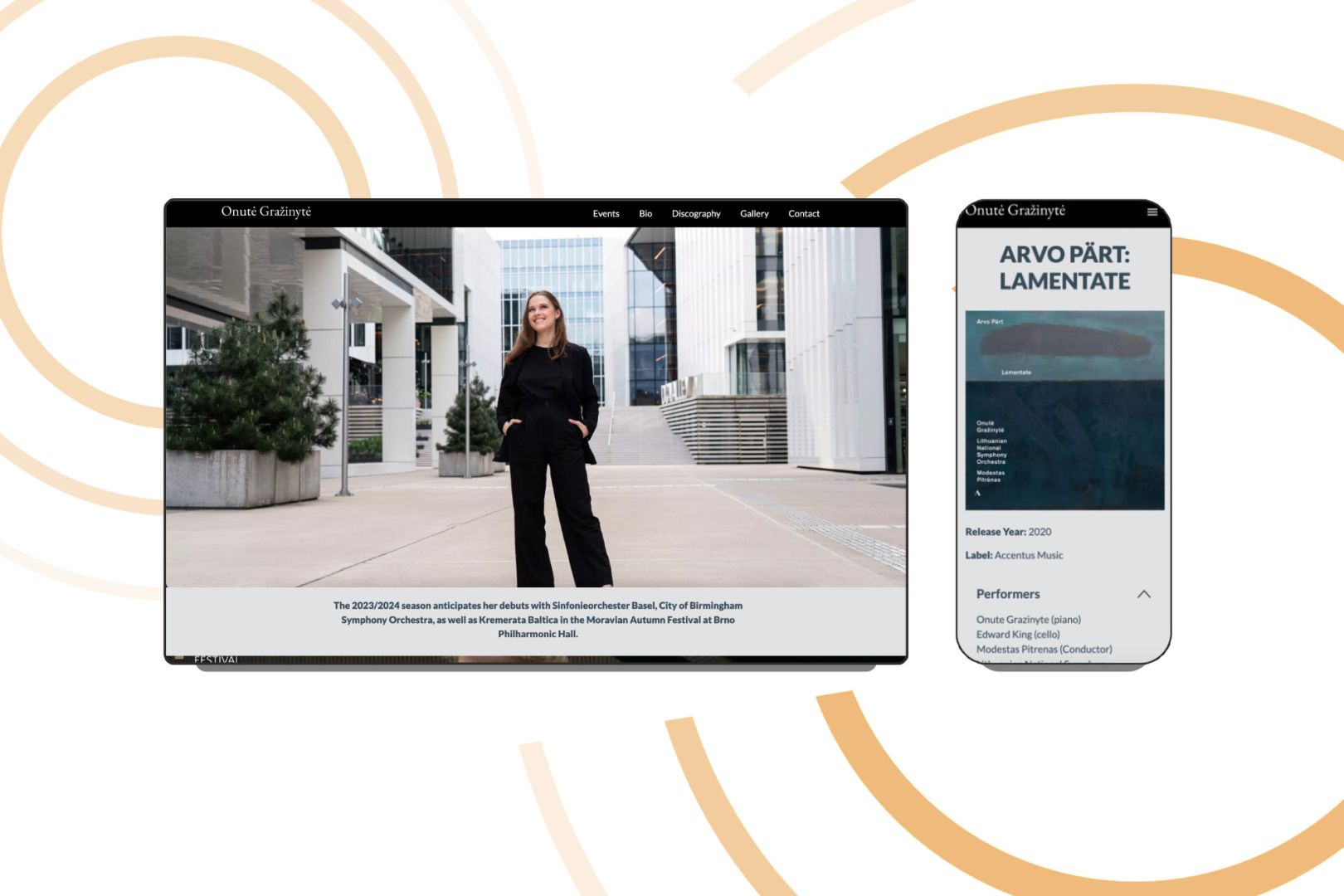
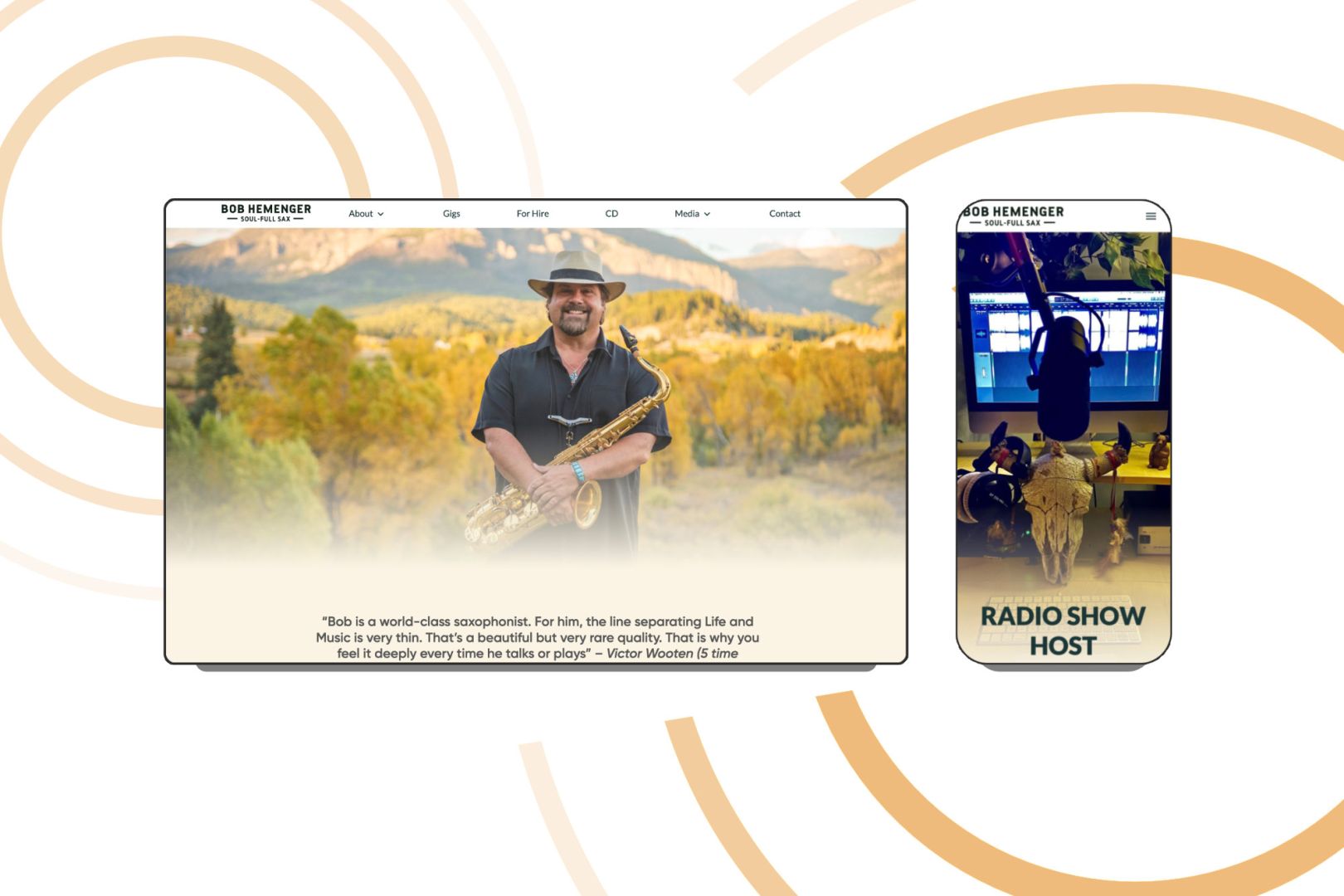
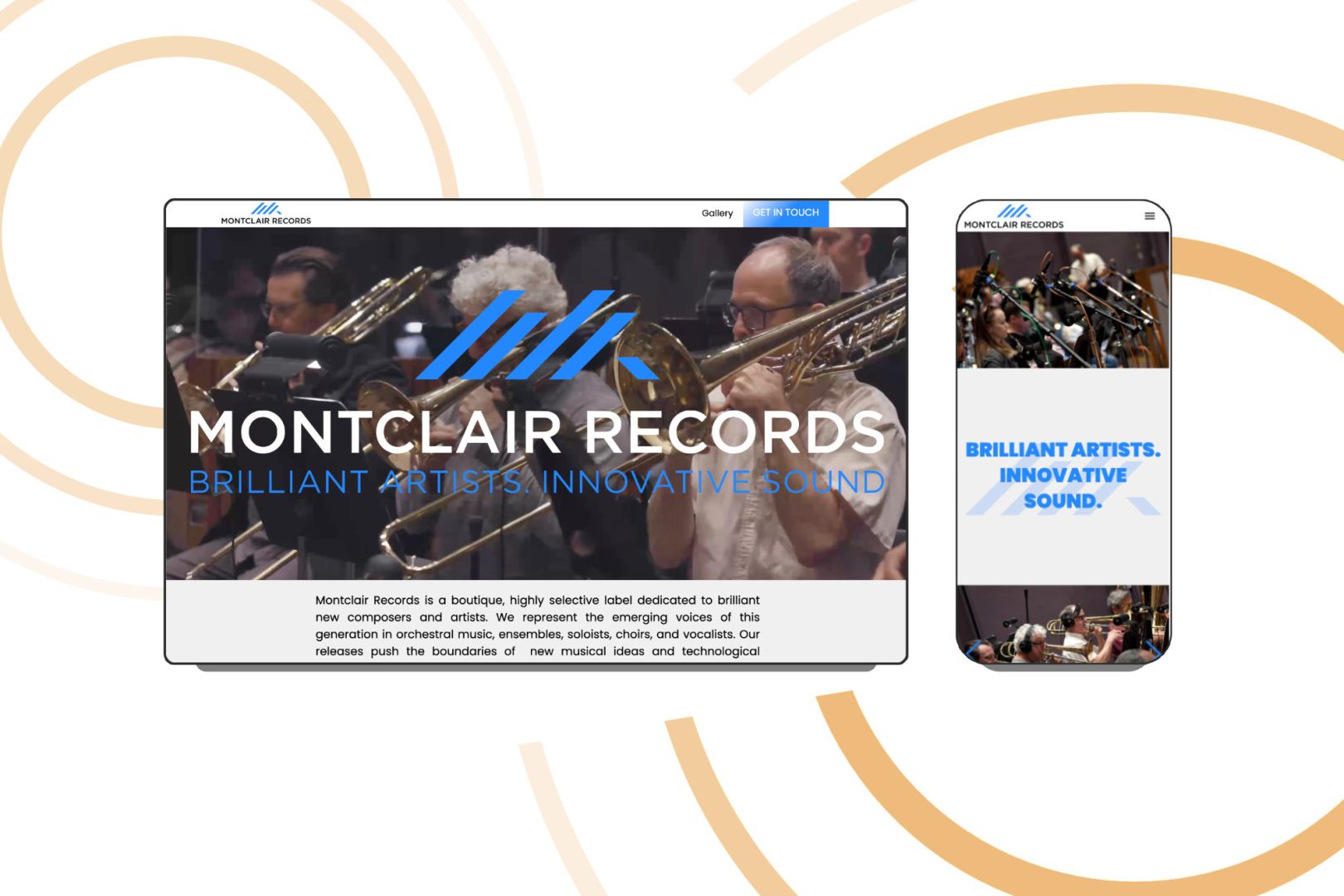
If you’re seeking a specialized platform that understands the unique challenges and aesthetics of the music industry, look no further than inClassics. Unlike generic website builder tools, inClassics has been crafted from the ground up by experts who truly grasp the needs of musicians—from independent singer-songwriters to orchestras and ensembles. Here’s why inClassics stands out:
1. Tailored Design and Functionality
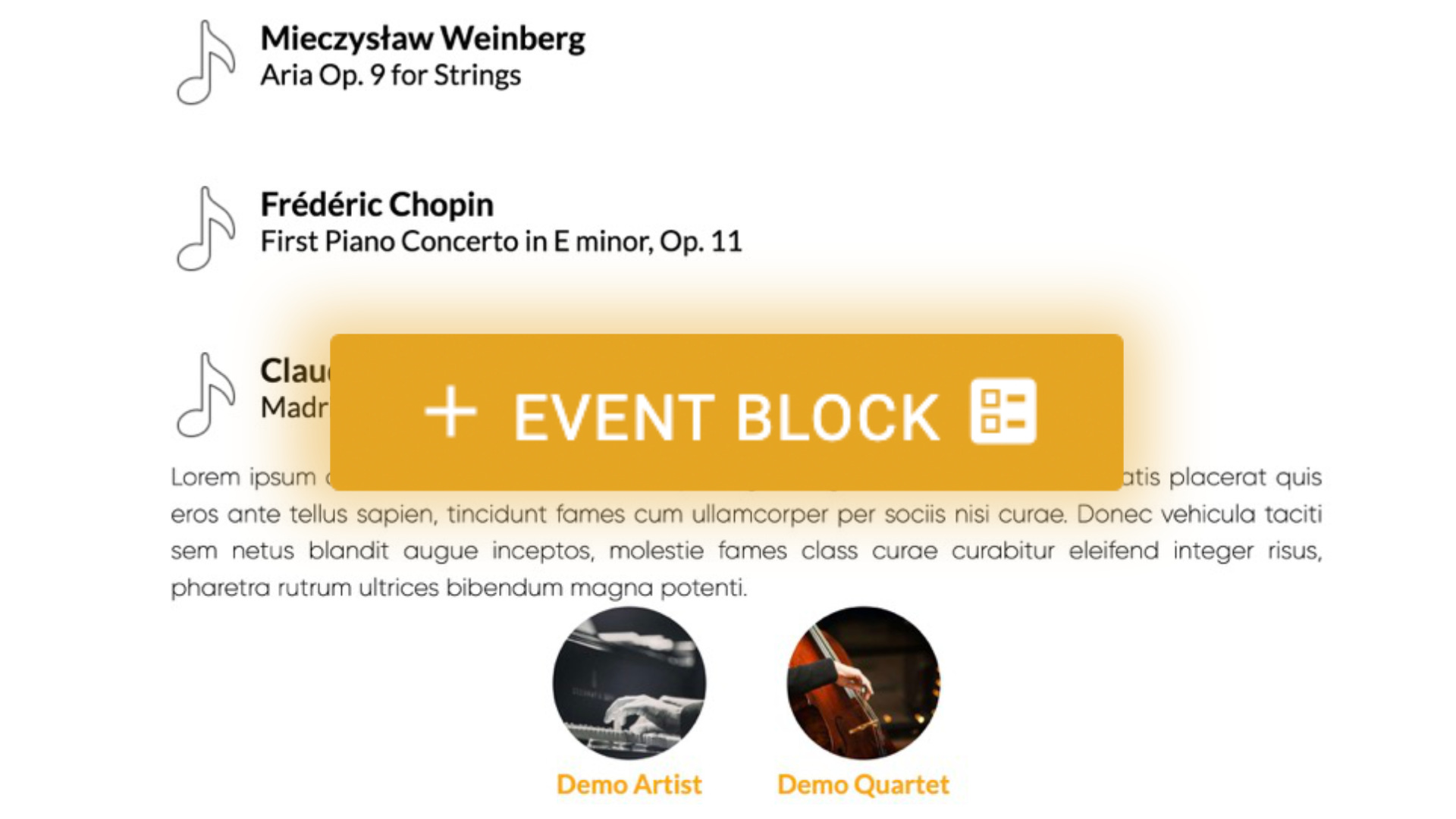
inClassics goes beyond standard templates, offering features built with musicians in mind—like integrated music player options, fan engagement tools, and dedicated sections for press kits. This ensures your music website isn’t just functional, but showcases your artistry in the best possible light.
2. Expertise in Both Web Dev and Music
Created by musician and professional web developers, inClassics combines cutting-edge design practices with an understanding of what works for musicians, captivates industry professionals and fans alike. This dual knowledge base helps you create an online presence that is easy to manage and resonates with your audience and provides real career benefits.
3. Streamlined Setup and Management
From domain registration to seamless updates, inClassics handles technical complexities behind the scenes so you can focus on what you do best—making music. It’s an all-in-one solution that simplifies website creation into a straightforward, musician-friendly experience.
4. Personalized Support and Consultation
Worried about the learning curve or unsure which features you need? The inClassics team offers consultative support, guiding you through everything from brand development to advanced e-commerce integrations. You won’t just get a site; you’ll get a partner invested in your music career success.
Wix Music as an All-in-One Solution
If you’re short on technical skills but big on creativity, wix music stands out. This platform:
- Simplifies e-commerce for selling digital or physical merch
- Lets you embed audio tracks seamlessly
- Provides built-in SEO tools to improve your rank in search engines
However, keep in mind that advanced or highly specific features might sometimes require third-party apps.
Band Website Approach Using Music Glue
If you’re looking to build a band website with minimal fuss, music glue may be up your alley. Known for direct-to-fan sales, integrated mailing list options, and streamlined design features, it’s a platform tailor-made for the needs of a typical independent musician or group. Its design flexibility is more limited than a full CMS, but the tradeoff is simpler functionality for tasks like bundle sales or exclusive behind-the-scenes content.
DIY with a Content Management System
For those who want limitless customization, building a music website using a content management system like WordPress can be the ultimate solution. Install a specialized wordpress theme, and you can incorporate features like:
- An internal store
- Private membership areas
- Various plugins for advanced functionalities
Just remember, this route usually demands more effort to handle updates, manage security, and ensure everything runs smoothly.
Steps to Creating a Music Website That Shines
Here’s a quick guide to help you approach website creation with clarity:
1. Plan Your Site Map
Before firing up any website builder, outline how many pages you’ll need: homepage, about page, discography, events, store, contact, etc.
2. Choose Your Platform
Decide which platform suits your skill set and budget. A quick test run on a free trial can reveal whether a chosen platform meets all your needs.
3. Purchase a Custom Domain
A custom domain (like yourbandname.com) looks professional and makes your online presence easier to remember.
4. Select a Template or Theme
Look for modern, music-friendly designs that reflect your style. Whether you pick wix music or a specialized wordpress theme, be consistent with fonts and visuals.
5. Incorporate a Music Player
Fans appreciate immediate access to your songs. This also keeps them on-site longer, bolstering your performance metrics with search engines.
6. Add Engaging Content
Populate your pages with an updated biography, high-quality photos, a robust show schedule, and possibly a short behind-the-scenes snippet for extra fan engagement.
7. Test on Multiple Devices
Mobile and tablet optimization matter for both user experience and SEO. Ensure your site looks seamless, no matter the screen size.
8. Optimize for Search Engines
Strategically place keywords in headings, meta descriptions, and alt tags. This is how your site gains more visibility among search engine results.
9. Embed a Social Media Link or Two
Connect fans to your most active channels. Keep the icons visually cohesive with your brand design.
10. Maintain & Update
Ongoing maintenance is crucial. Post new gig announcements, fresh pictures, or highlight a new track to keep repeat visitors engaged.

Designing a User-Focused Experience
Excellent website design merges form and function. To elevate your site:
- Embrace Minimalism
A clutter-free layout with ample white space draws attention to your music and your calls to action. Busy backgrounds or random text blocks can overwhelm fans and hamper clarity. - Optimize Load Speed
Users often leave if a page doesn’t load within seconds. Compress high-resolution images, use modern file formats, and choose reliable hosting for your platform. - Prioritize Accessibility
Consider visitors with visual or hearing impairments. Tactics like consistent color contrast, descriptive alt text, and closed captions on videos foster inclusive online presence. - Incorporate Visual Hierarchy
Reserve bigger headings for your main messages and smaller text blocks for descriptions. This hierarchy helps visitors scan pages quickly.
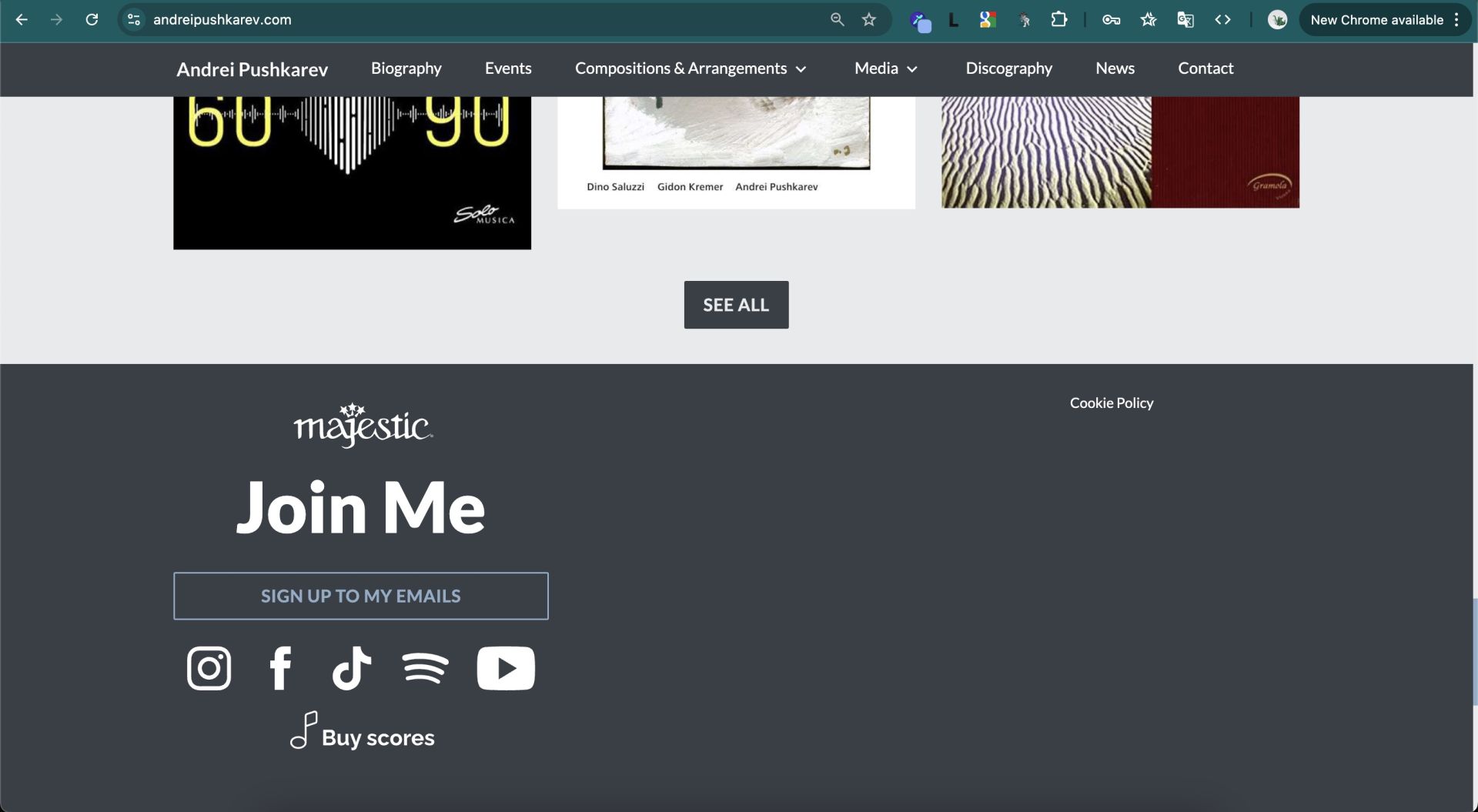
Harnessing Social Media for Your Music Website
Social Media Link Integration
An embedded social media link or feed can provide live updates without overshadowing your site’s main offerings. However, use them strategically—your site should never feel like an afterthought to your social media pages.
Balancing Social Media Profiles and a Music Website
Some artists mistakenly believe their presence on social media platforms can fully replace an official music website. While social media fosters real-time conversation, it can’t replicate the brand-building potential of a site you own. Instead, let these channels reinforce each other:
- Tease new releases on social media
- Direct your audience to your official store or deeper content on your site
- Use your site to encourage fans to follow your social media profiles for daily interaction
By interlinking both, you create a fluid ecosystem that exposes you to more website visitors.
Building an Audience Through Social Media Integration
Social media is a gateway to forging genuine relationships with fans worldwide. Rather than confining them to random glimpses of your day, channel them toward your music website where they can learn more about your art, sign up for newsletters, or support you through merch and event tickets. This synergy underscores why social media integration is vital for sustained growth and a robust digital presence.
Showcasing Your Music Portfolio
Your site doubles as an online portfolio—a curated display that captures your unique sound. Whether you’re a new vocalist or a seasoned session guitarist, your best tracks or notable collaborations belong front and center. This music portfolio approach can include:
- Featured Tracks: Place a short list or playlist at the top for immediate listening.
- Discography Section: Group your releases by album or era, offering context for fans who crave deeper exploration.
- Behind-the-Scenes Content: Use videos or text to explain your creative process, giving fans a glimpse into how you produce your music online.
A well-executed portfolio can resonate with promoters or event planners searching for new talent, delivering the perfect pitch to the right people.
Exploring Revenue Streams with Your Music Website
A successful music website can serve as more than a promotional tool. It can also become an income generator:
1. Merchandising
A well-integrated online store allows fans to buy T-shirts, signed posters, or digital downloads directly from you, bypassing third-party cuts that come with some social media platforms.
2. Ticket Sales
Promote each upcoming concert on your site, from small club gigs to major tours. Add direct purchase links or embedded checkout forms. Fans appreciate not having to jump between different pages.
3. Membership or Patreon Model
Offer exclusive content to paying subscribers, from unreleased demos to private Q&A sessions. The key is consistent, engaging content that justifies their monthly pledge.
4. Affiliate Promotions
If you endorse or recommend gear, you can include affiliate links. Doing so can generate additional revenue, provided you’re transparent about the nature of these links.
The Power of Email Marketing
Email marketing remains one of the most effective tools for reaching fans. Social feeds can be chaotic, but an inbox is personal territory. Here’s how to make it work:
- Craft a Great Lead Magnet
Offer a free track or a short behind-the-scenes album video to entice fans to sign up. - Segment Your List
You might separate local fans (who care about show tickets) from international ones (more interested in streaming your music). Tailoring messages heightens relevance. - Engage Regularly, Not Excessively
Balance is key. Too many newsletters can feel spammy, while too few makes fans forget about you. - Promote Key Content
Use email marketing to direct subscribers to your latest single, new merch lines, or special discount codes.

SEO and Marketing for a Strong Online Presence
A major advantage of having a dedicated music website is improving your discoverability through search engines. Basic tactics include:
- Keyword Optimization
Identify phrases fans might search, like “upcoming concert in [city]” or “[your genre] musician in [region].” Include them organically in your content, headings, and meta tags - High-Quality Links
Encourage music bloggers or local event sites to link to your site. These backlinks signal to search engines that your content is relevant and authoritative. - Regular Updates
Frequent changes—like adding new music or releasing a music video—tell search engines that your site is active, boosting your ranking over static pages. - Multimedia SEO
Use descriptive alt text for images and transcripts for videos. This practice not only aids accessibility but also helps your site appear in image or video searches.
Avoiding Common Pitfalls in Music Websites
From the collective wisdom of experts, certain missteps can derail your efforts:
- Ignoring Mobile Optimization
Given that 60% of global page views might come from phones, mobile readiness is crucial. Failing here risks losing a large share of potential fans. - Poor Navigation
Confusing menus frustrate visitors. A logical layout means they find bios, tour dates, or merch with minimal clicks. - Excessive Bells and Whistles
Overloading your site with animations or slideshows can slow load times and distract from your music. Balance aesthetic flair with function. - Failing to Update
Stale content signals inactivity. Keep your site fresh with news, show announcements, or a quick recap of your recent live performance.
Beyond the Basics—Advanced Tactics
If you’re serious about expansion, consider advanced features for your music website:
- Fan Club Memberships
Offer early-bird tickets, exclusive merch, or special lounge chats to members. This fosters loyalty and helps you gather valuable feedback. - Live Streaming
Platforms exist to embed live streams or video broadcasts directly on your site. If you can’t physically tour everywhere, live-streamed mini-concerts can reach fans globally.
Integration with Streaming Platforms
You can embed playlists from major streaming platforms. This approach can drive up your streaming numbers, as fans remain on your site while they listen. - Interactive Elements
Think Q&A sections, mini-games, or polls that let fans vote on setlists. Engagement leads to longer site visits.
Maintaining a Digital Presence Over Time
Your digital presence isn’t static. As you release new albums or shift to different musical styles, your site should evolve with you:
- Regular Content Reviews
Refresh your bio, photos, and event listings at least quarterly. Outdated details can make you seem inactive. - Seasonal or Thematic Redesigns
A subtle facelift tied to a new album launch can reinvigorate fan interest. Keep your core structure while updating color schemes or banners. - Performance Insights
Monitor analytics data to see which pages are most popular. If you notice a spike on your events page, make it even more prominent in your top menu. - Active Community
Encourage fans to leave comments or share experiences. This ongoing dialogue helps shape your next creative moves.
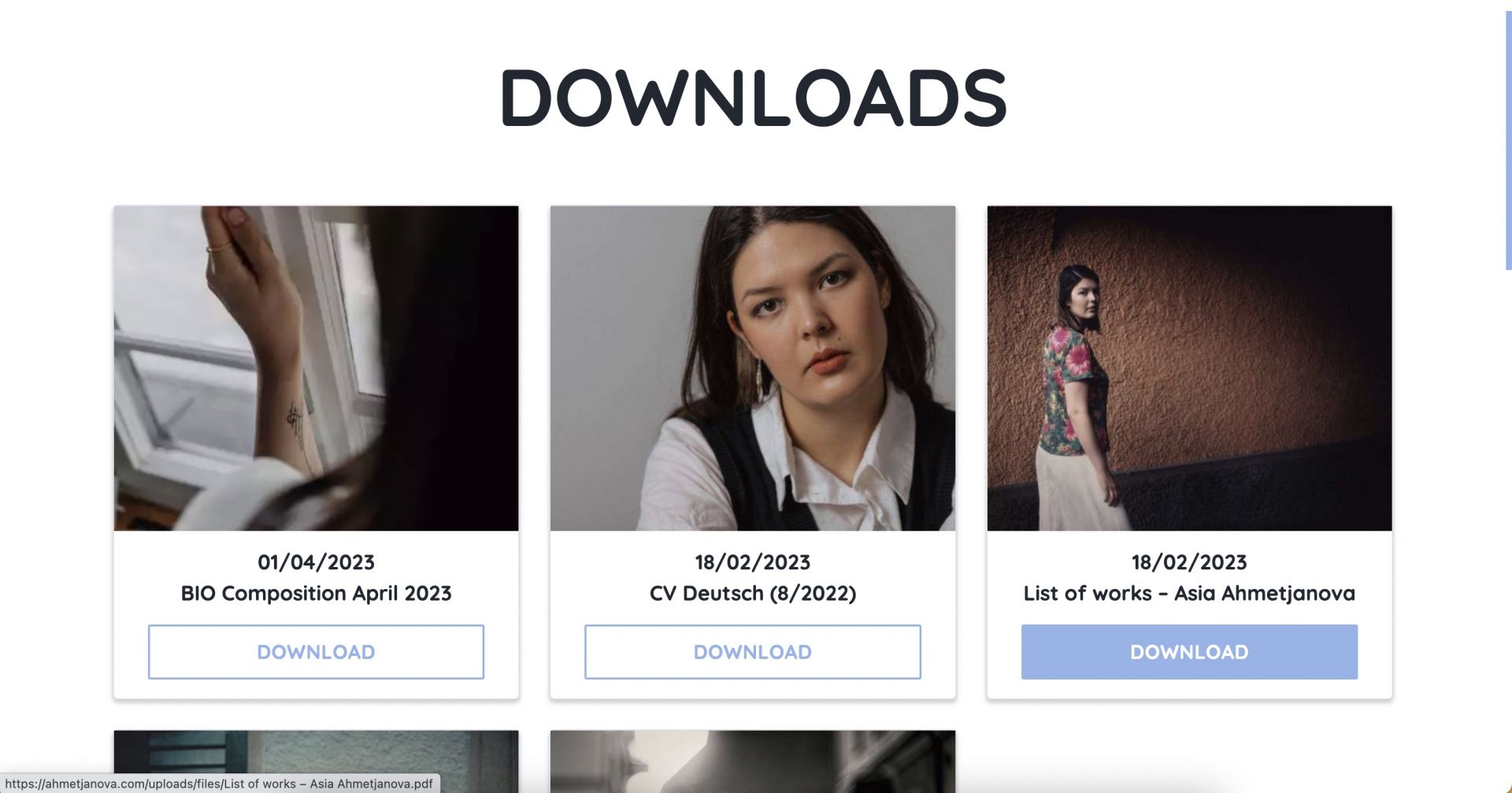
Showcasing Your Value to Industry Professionals
While your site caters primarily to fans, it’s also a calling card for industry professionals—labels, booking agents, venue managers. To catch their attention:
- Professional Website Impression
Crisp design, cohesive branding, and a user-friendly interface show you’re serious about your art and your career. - Organized Press Kit
Include a concise EPK page with quick facts, notable press quotes, and performance highlights. This info is gold for journalists or promoters who need data fast. - Highlight Milestones
Did you chart on Spotify? Perform with a known artist? Indicate these achievements to establish credibility and distinguish yourself from others in the music industry.

Why Hire a Web Designer Specializing in Music Websites
If juggling music creation and site maintenance feels overwhelming, consider hiring a web designer with music expertise. An experienced professional can:
- Align your site’s visuals with your brand identity
- Ensure consistent maintenance, so your pages always look top-tier
- Integrate features like custom streaming, events calendar or advanced membership portals
- Offer marketing guidance so you can expand your fan base systematically
Investing in expert help can save you time and elevate your results, freeing you to focus on your art instead of mastering web mechanics. Ready to get started? Get in touch with us for a free consultation
Growing as an Independent Musician
For an independent musician, your site can be a lifeline that ties together your entire presence—social media channels, live gigs, potential collabs, and direct sales. Done right, it transforms curiosity into devoted fandom.
- Leverage your site to stream your music online.
- Advertise a new track via social media and direct fans to exclusive site content.
- Offer fans a peek into your daily creative process through a quick behind-the-scenes feed or short blog entries.
All of these keep your site dynamic and spark valuable interactions with your audience.
Tips for Ongoing Website Building and Optimization
While initial website building is a big project, ongoing refinement is equally important:
1. A/B Testing
Test different page layouts to see what resonates. Even small tweaks—like changing button colors—can improve conversions.
2. Analytics Monitoring
Track how many visitors come from social media or how many spend significant time on your discography page. Use these insights to guide content updates.
3. Email Marketing Strategy
Consistency in email delivery fosters loyal relationships. Let fans know you appreciate their inbox attention by providing real value, not just promotional hype.
4. Fresh Media Content
It’s easier to rank in search results if your site is regularly updated. Whether it’s a new single or behind-the-scenes footage from your last studio session, keep content flowing.
5. Security and Updates
Don’t forget site maintenance tasks like backing up data and updating plugins or themes. This keeps everything running smoothly and protects you from vulnerabilities.
Creating a Community-Focused Music Website
A music website is more than a collection of pages; it can be a hub for building a musical community. Whether it’s hosting a small forum, encouraging fans to share concert photos, or spotlighting fan art, you can cultivate a sense of family. This sense of belonging transforms casual listeners into lifelong supporters.
Conclusion
Building an exceptional music website is one of the most powerful ways to develop your online presence as a musician. While social media and social media platforms are crucial for real-time engagement, they can’t offer the same level of creative freedom, brand control, or direct monetization. With the right website builder, strategic design decisions, and consistent updates, your site can serve as a one-stop hub for fans, a sales channel for merchandise, and a strong portfolio for attracting industry professionals.
If you’re ready to elevate your visibility and want a custom solution that aligns with your artistic goals, Order a website now! As someone who specializes in creating sites for the music industry, we understand the nuances of design, search engine optimization, and how to develop an authentic, strong online presence. Let’s transform your creative vision into a reality. Whether you’re a classical musician, a brand-new singer-songwriter, or a band with years of touring under your belt, a tailored site built by an expert can make all the difference.
Embrace your music online with a carefully crafted site that spotlights your talent, fuels your music career, and captivates new fans day after day. By leveraging website building platform tools or employing a dedicated web designer, you’ll be well on your way to establishing a definitive digital home for your art. It’s time to meet your audience where they are—in the digital realm—and offer them an immersive experience they’ll remember.
Thank you for reading this ultimate guide. May your next steps in website design help you achieve the successful, far-reaching digital presence your talent deserves.