How to get more Music Students
Table of Content
Introduction
If you' are a music teacher offering private lessons, you know how important it is to attract new students. But with so many music teachers, how can you get more music students to sign up for your lessons?
In this article, we'll share strategies and tips that can help you attract new students and retain more students. We'll cover topics such as identifying your target audience, finding potential students, effective marketing strategies, and ways to stand out from other music teachers in your area. We' will also cover topics such as creating a website that attracts potential students, optimizing your online presence for search engines, and using social media to promote your private music lessons.
Identifying the target audience
Before you begin to publicize your lessons, you need to know your ideal target audience.
Who do you want to reach? What age group and level can you teach? When you know your target audience, you can better tailor your marketing messages and teaching approach to meet their needs. If you want to attract more music students, you need to know who you' want to target.
Put yourself in your potential students shoes. Some may want to learn classical music and master a musical instrument, while others may want to take guitar lessons to quickly join a band with their friends.
If you know what kind of people want to take music lessons, you can convince them that you are just the right teacher to help them achieve their goals.
For example, if you are a piano teacher looking for piano students, you might want to diversify your content on social media. You can post videos of your recent recital to appeal to people who are passionate about classical music, while you can also include covers of trending songs to appeal to amateur musicians who just want to learn their favorite pieces.
Pro tip #1: Do not focus on appealing only to young students. Many adults are passionate about learning music and are willing to pay for their music education with a private teacher.
Pro-Tip #2: If you only want to teach younger students, you should tailor your marketing message differently depending on the age of the students. Depending on who you want to target - high school students, middle school students, or younger students - decide whether to address your message directly to them or to their parents.

Now that you know who your target audience is, the next step is to find potential students interested in private music lessons. There are several channels to find potential students, including online and offline methods.
Finding music students offline
Networking
Building networks is an important part of any business, and that includes music teaching. You can join organizations such as the local teachers association to meet other music teachers and possibly collaborate on projects or refer students to each other. You can visit facilities that offer music lessons (e.g., various community centers, etc.) and see if they need a teacher.
There are even more ways to expand your network online, which we'll explore in a moment.
Word of mouth and Referral Programs
When satisfied students and parents share their positive experiences with others, it can lead to new referrals and a steady stream of new students. People are more likely to trust referrals from people they know and trust, so word of mouth can be more effective than traditional advertising methods.
Referral programs are an effective way to encourage your current students to recommend your private music lessons to their friends and family. Offer incentives such as discounts or free lessons for each new student who is referred to you. Not only can you attract new students, but you can also retain your current students by showing them that you appreciate their business and support.
Excellent teaching services, good relationships with your current students, and incentives for referrals can encourage your satisfied students and parents to tell others about your private music lessons.
Flyer distribution
Flyer distribution is a classic marketing tactic that is still effective today. Create flyers that highlight your private music lessons and distribute them at high-traffic locations in your community, such as music stores, recital venues and concert halls, coffee shops, community centers, and libraries. Be sure to include your contact information, website, and social media contacts on the flyer so potential students can easily contact you.
Participate in local events
Participating in local events is a great way to promote your private music lessons and connect with potential students. Look for events like music festivals, community fairs, and other local gatherings where you can perform to showcase your talents and offer information about your lessons.
Group Lessons
Offering group lessons in addition to private lessons can have numerous benefits for your music studio. Each group music class provides students with the opportunity to learn and practice together, which can help build relationships and a sense of community among them. This can increase motivation and engagement, and help develop social skills and confidence when playing in front of others.
You can also offer open classes where students can bring their friends and family. This will help raise awareness of your music studio and establish yourself as an expert in a field.
In addition, group lessons can help make music education more affordable for students who may not be able to afford individual lessons.
Recitals and performance opportunities
Offering your students recitals and other performance opportunities is a great way to keep them engaged and motivated. It also gives them a chance to showcase their skills and get a sense of accomplishment.

Finding music students online
In today's digital age, finding new students online is an essential part of a music teacher's marketing strategy.
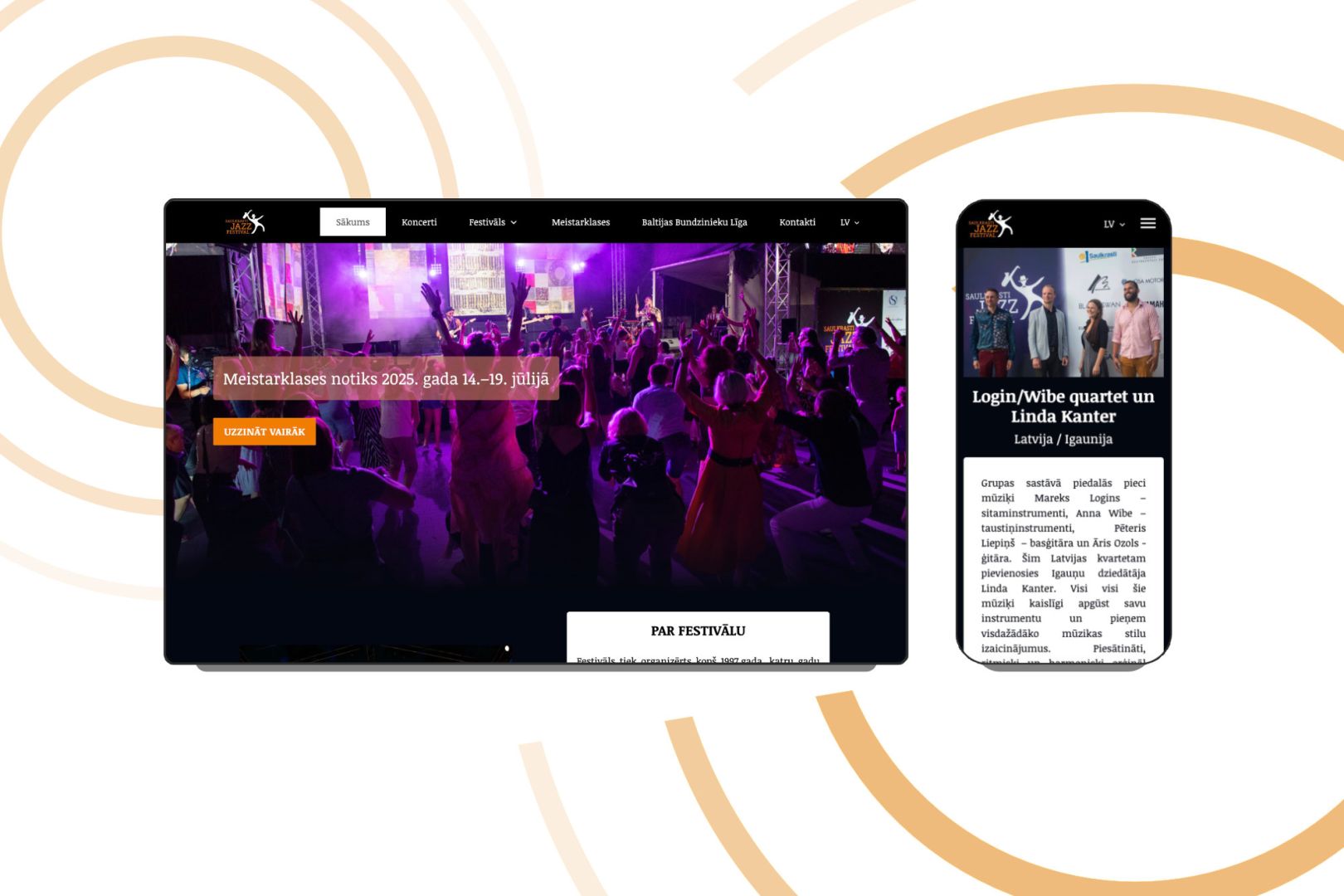
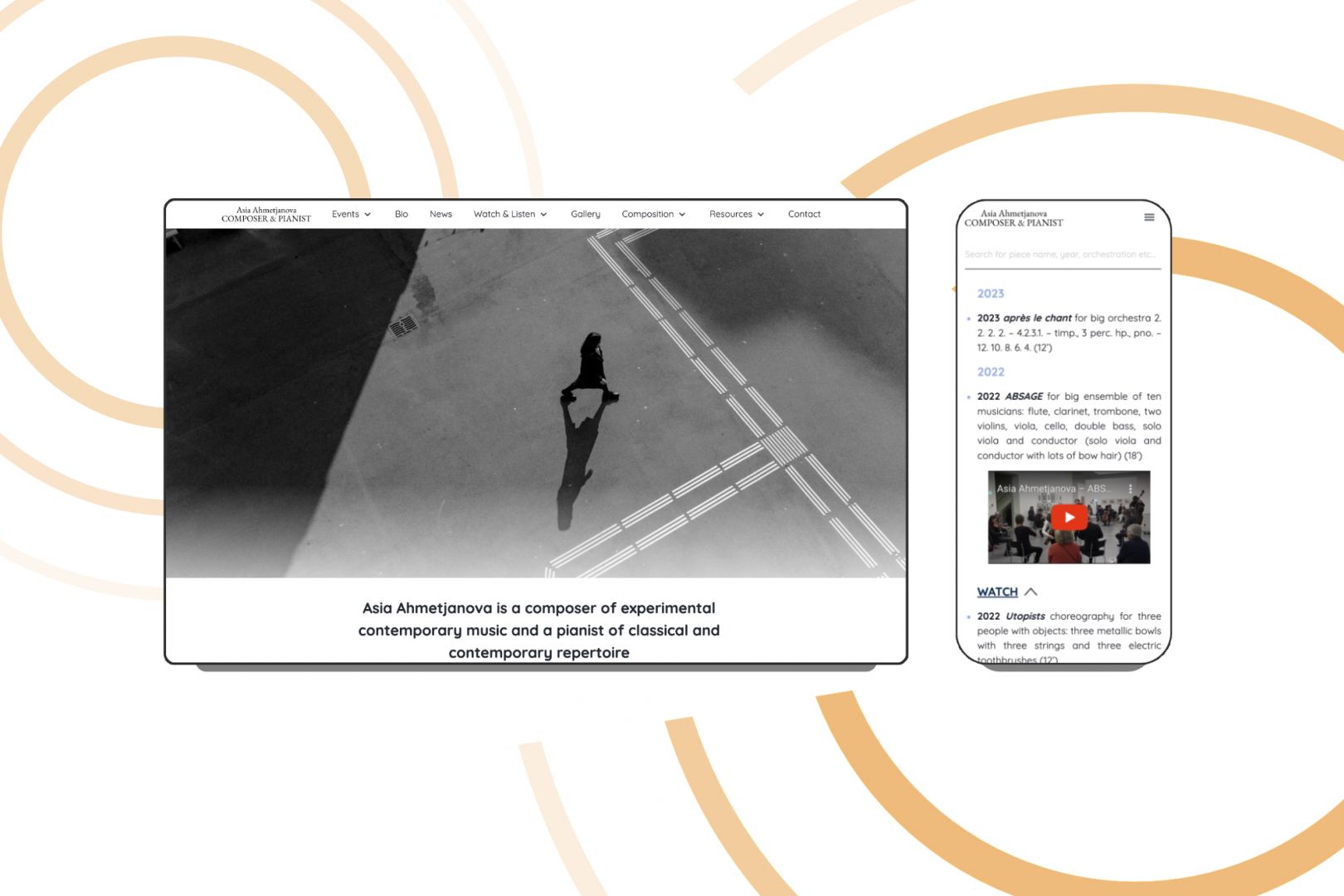
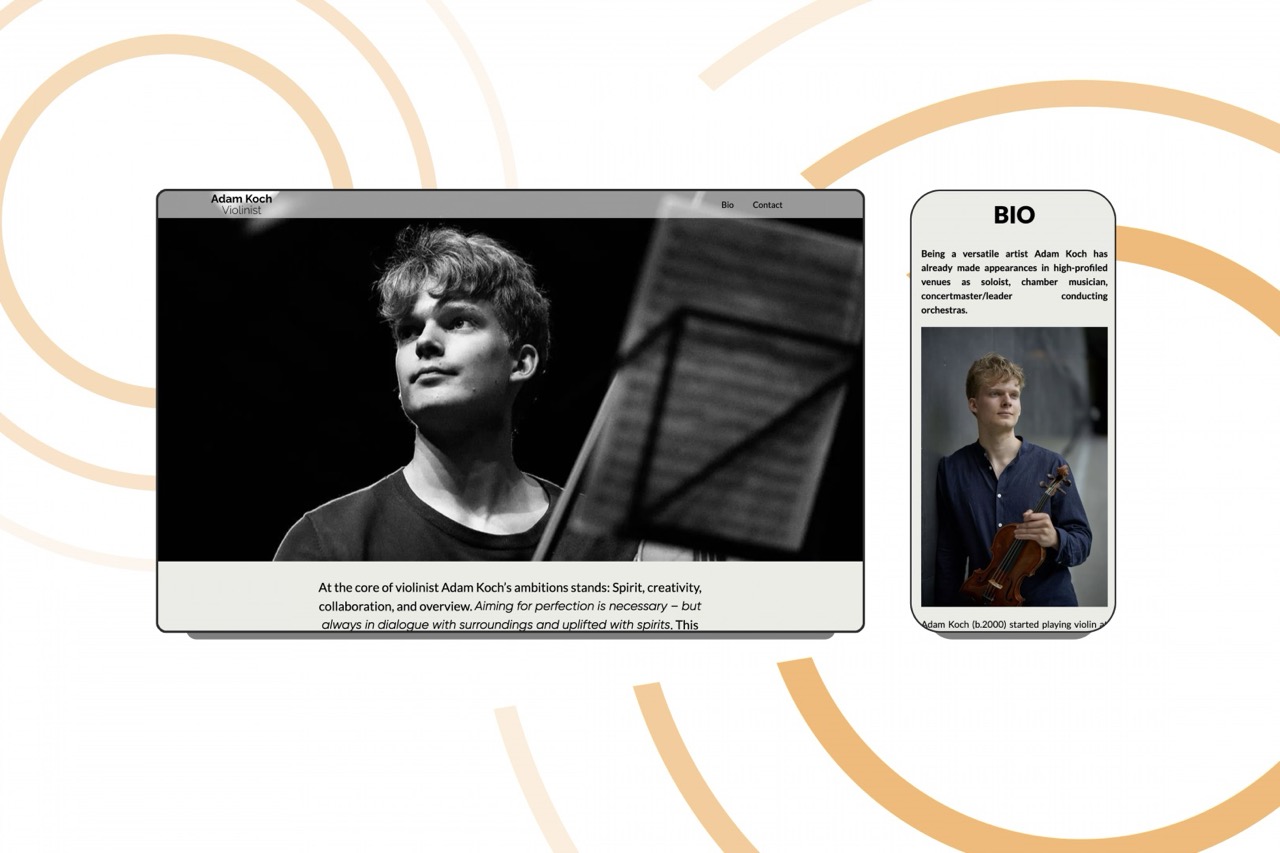
Create a website that attracts potential students
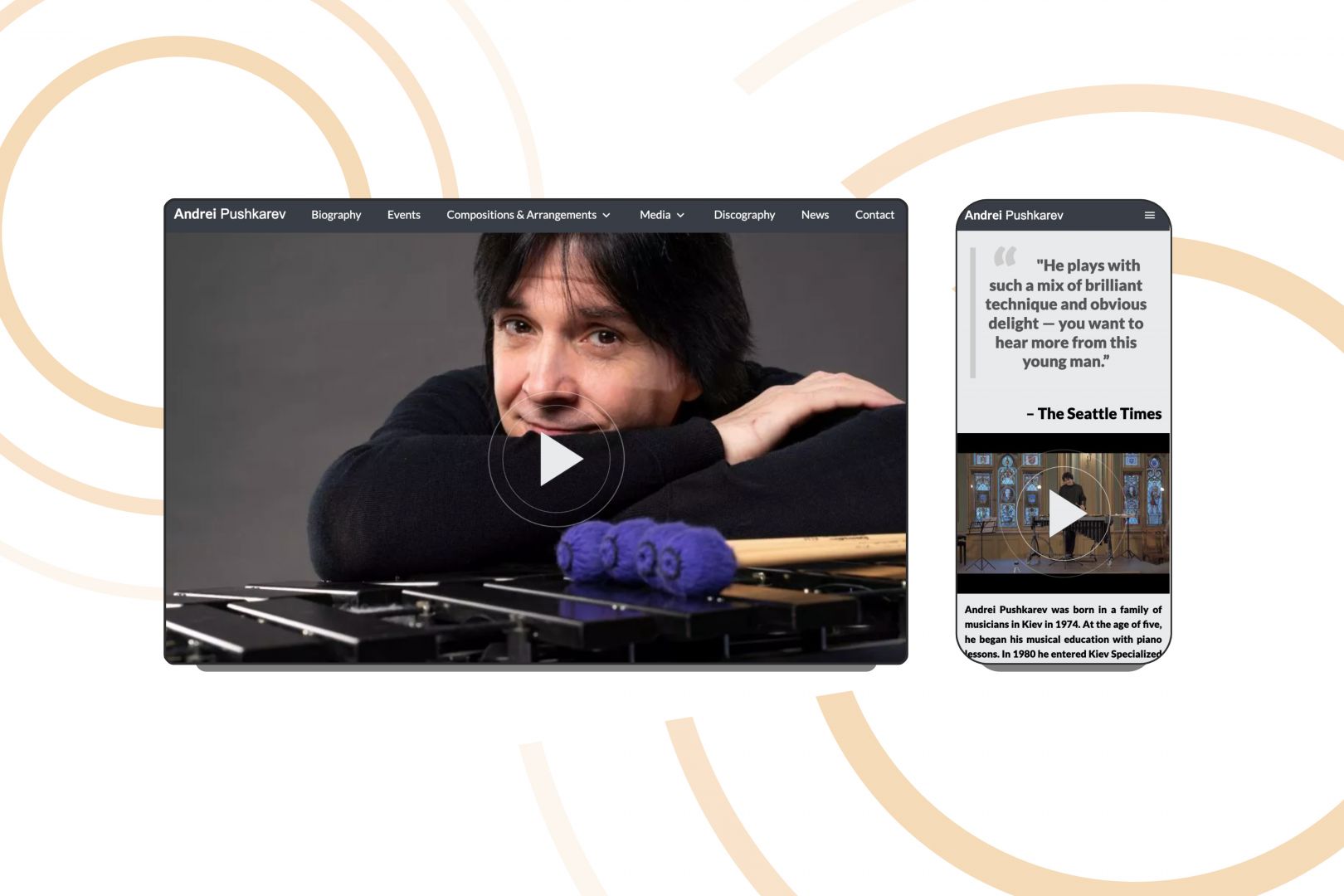
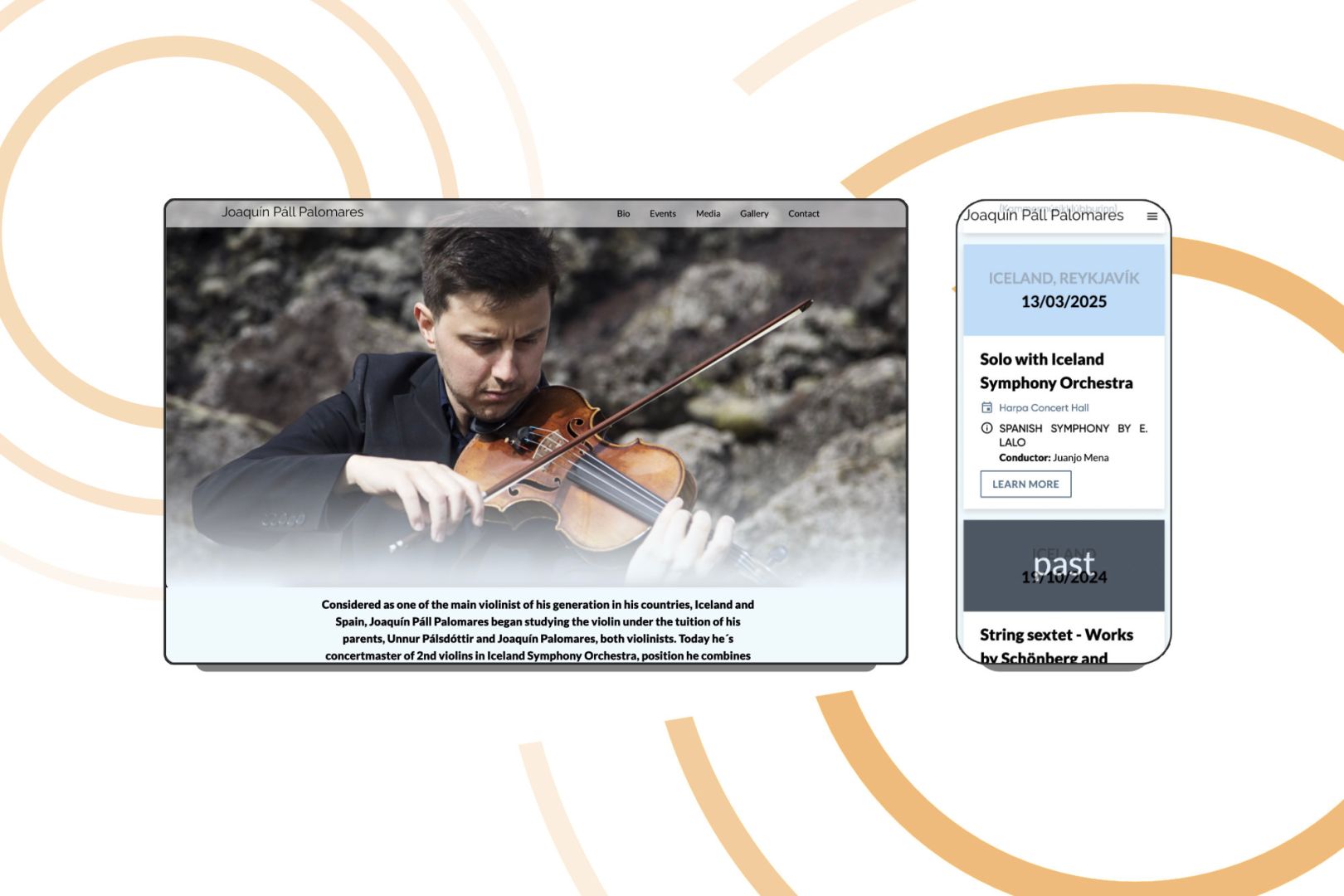
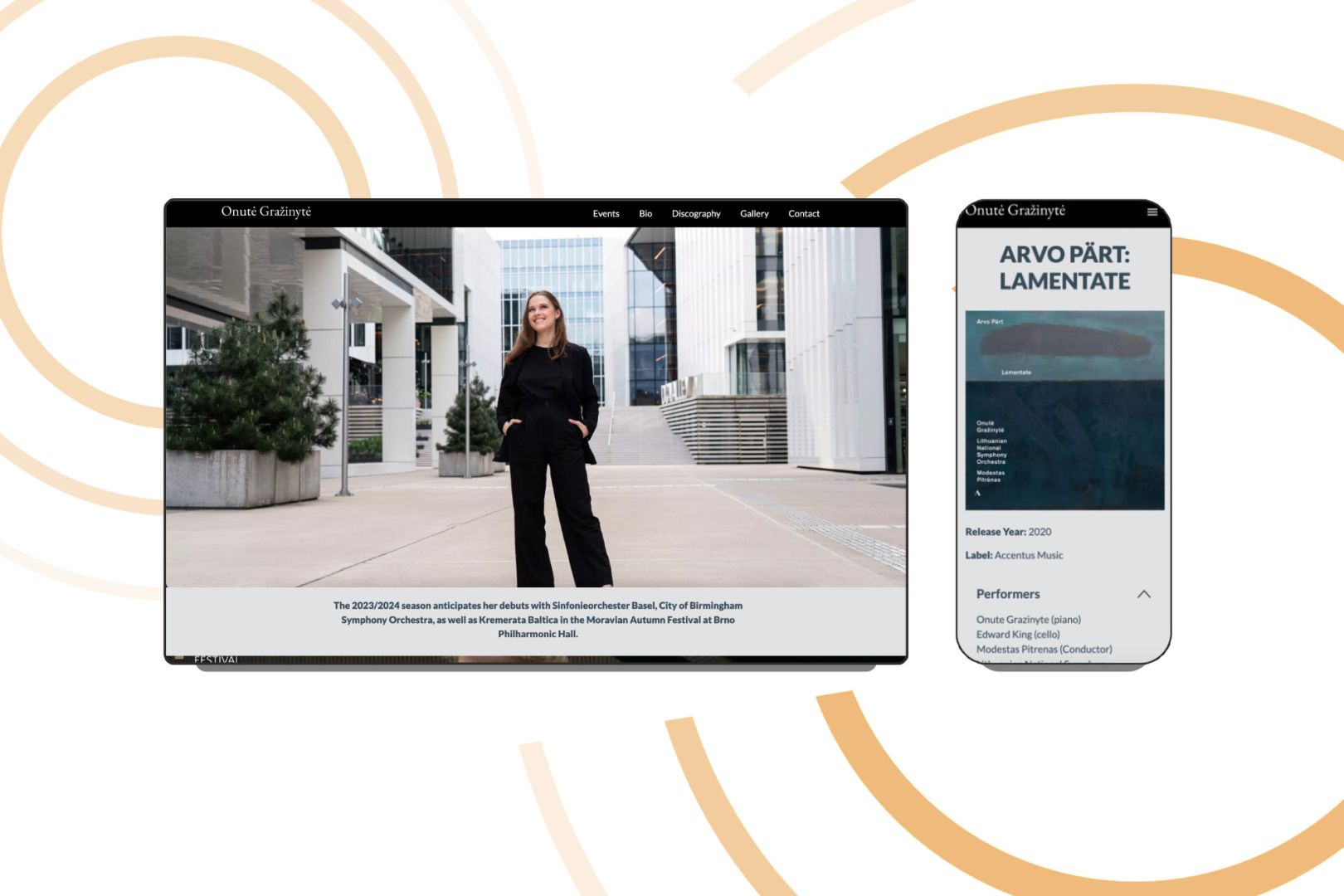
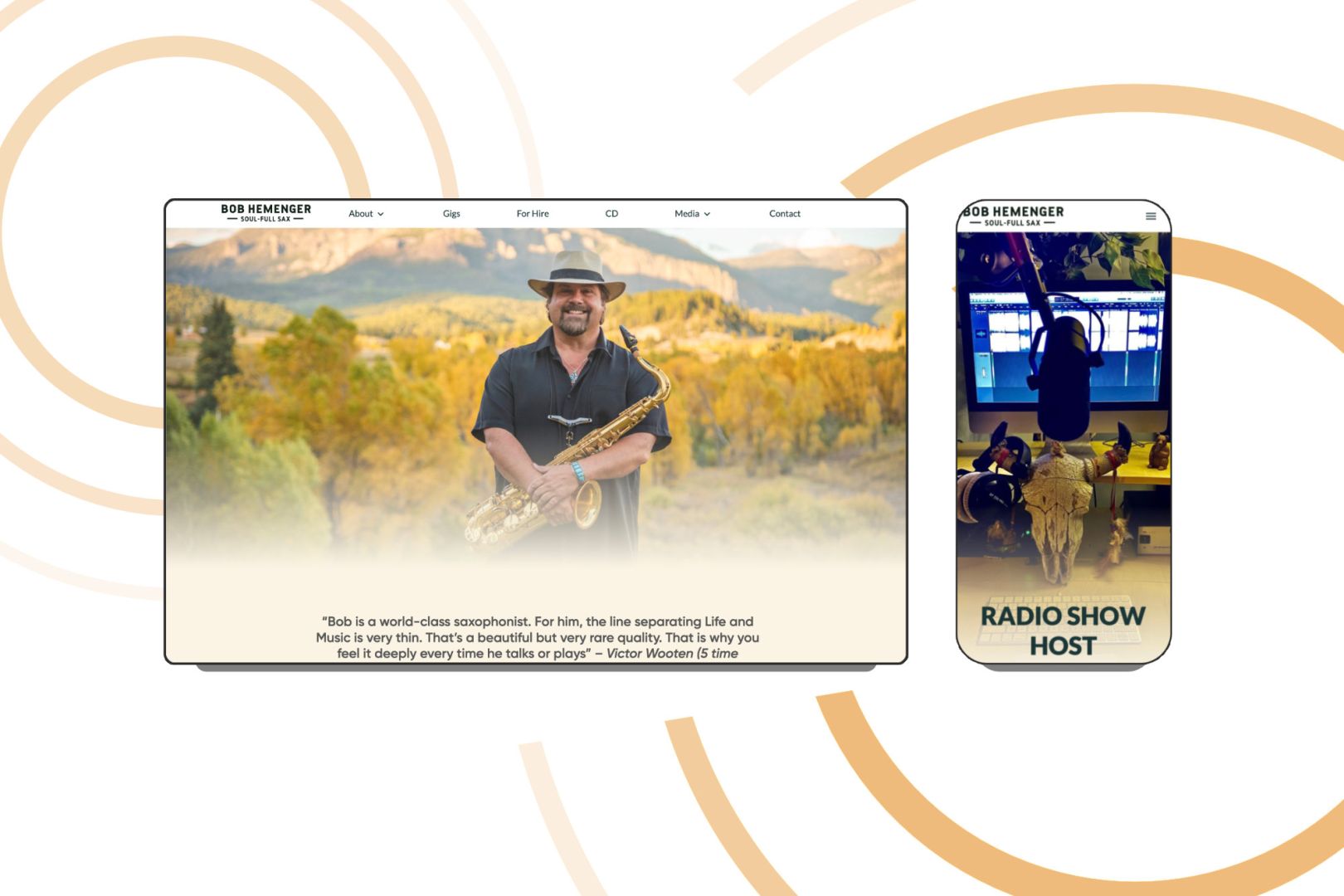
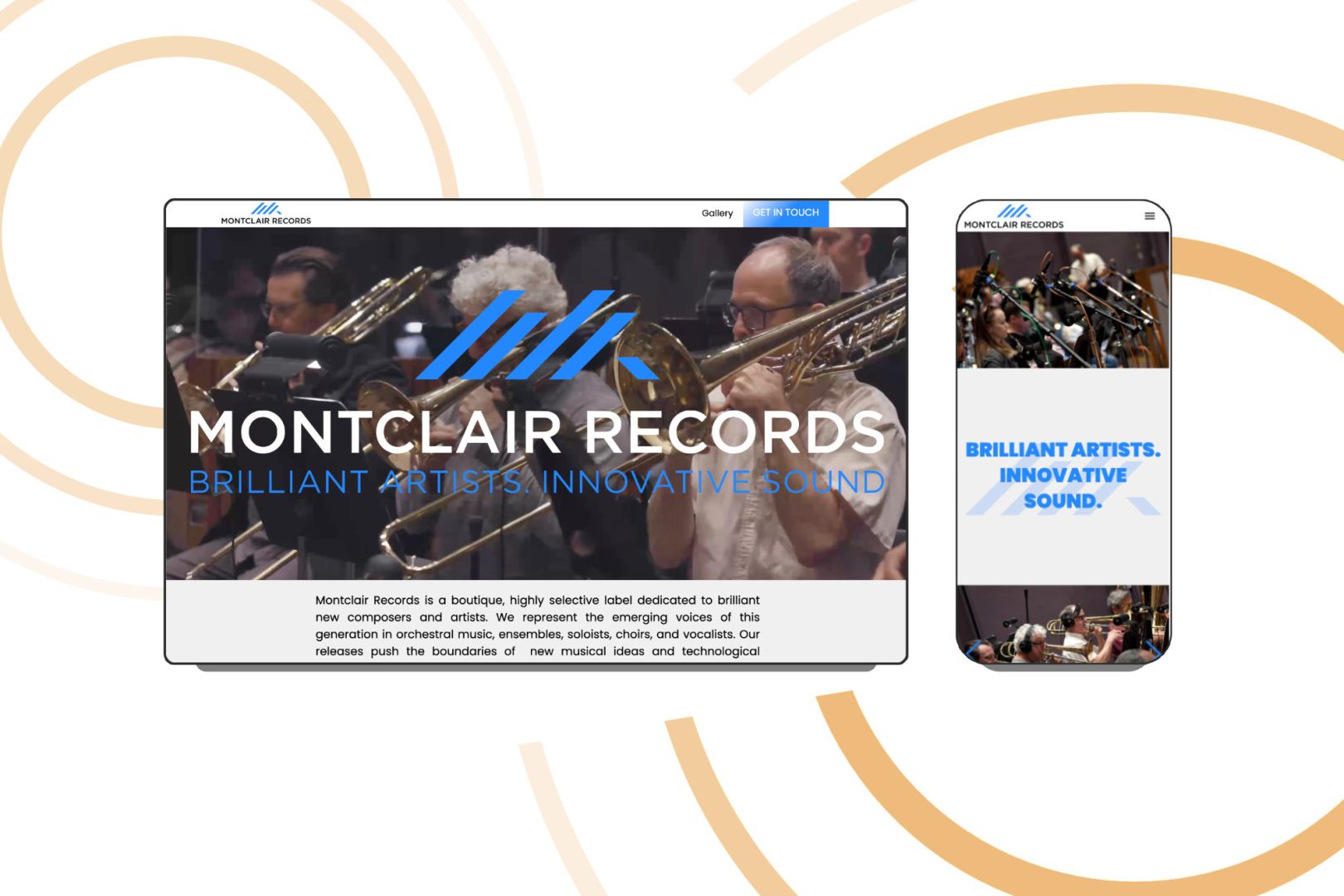
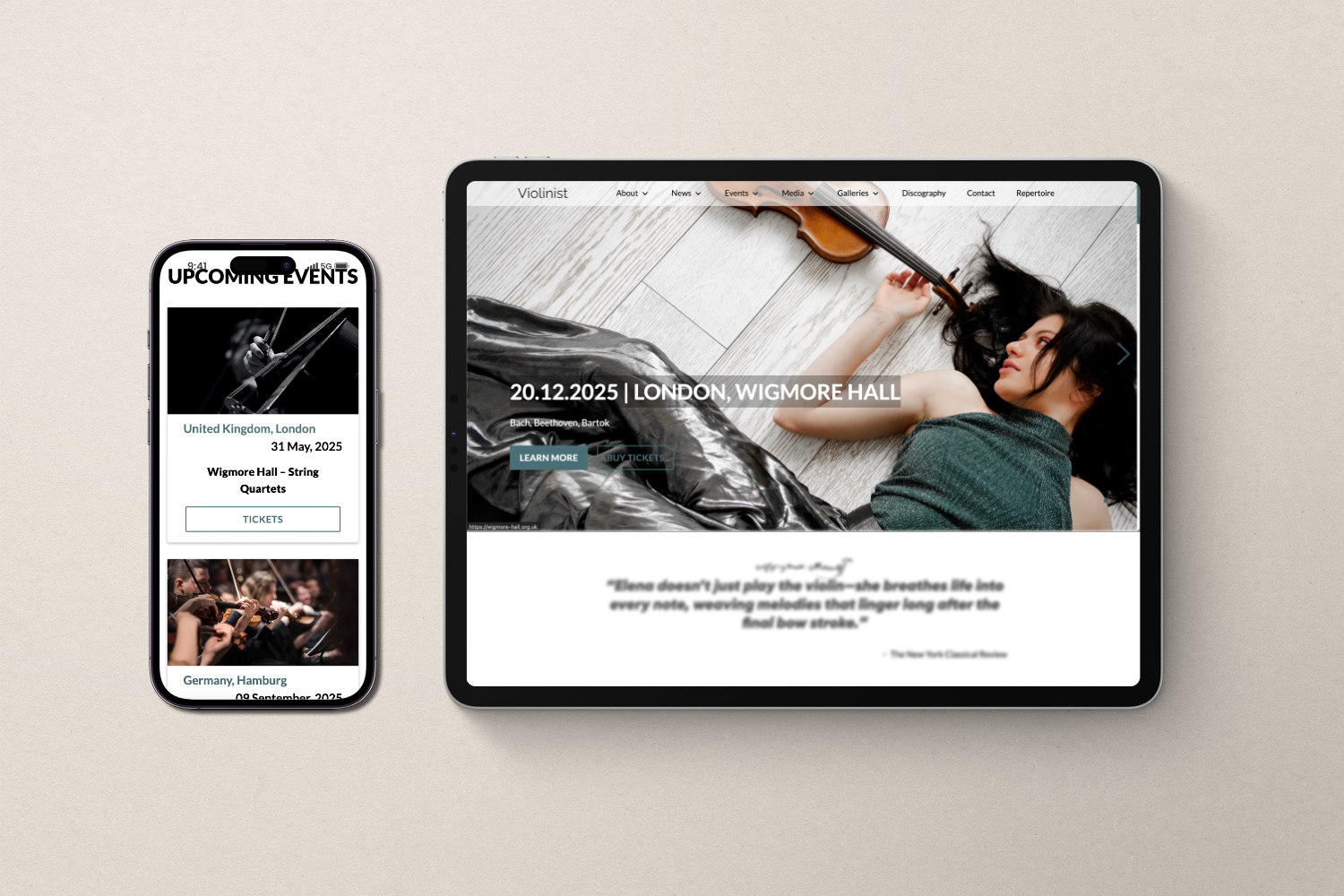
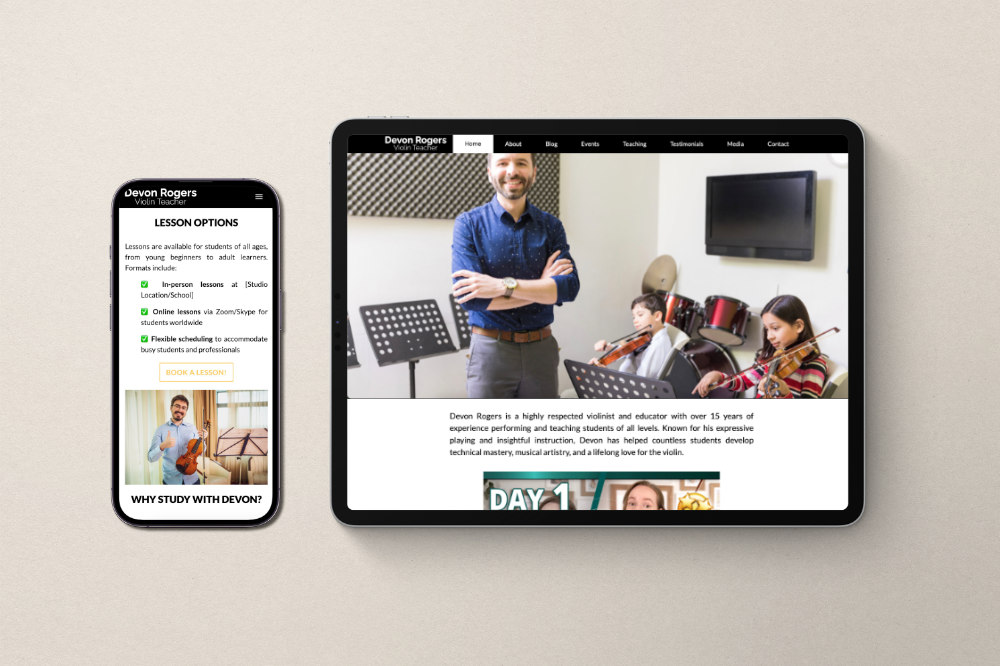
A website is an important part of any marketing plan and can help you attract potential students. By creating a website that showcases your services and expertise in a way that appeals to potential students, you can increase your chances of attracting more students to your music program.
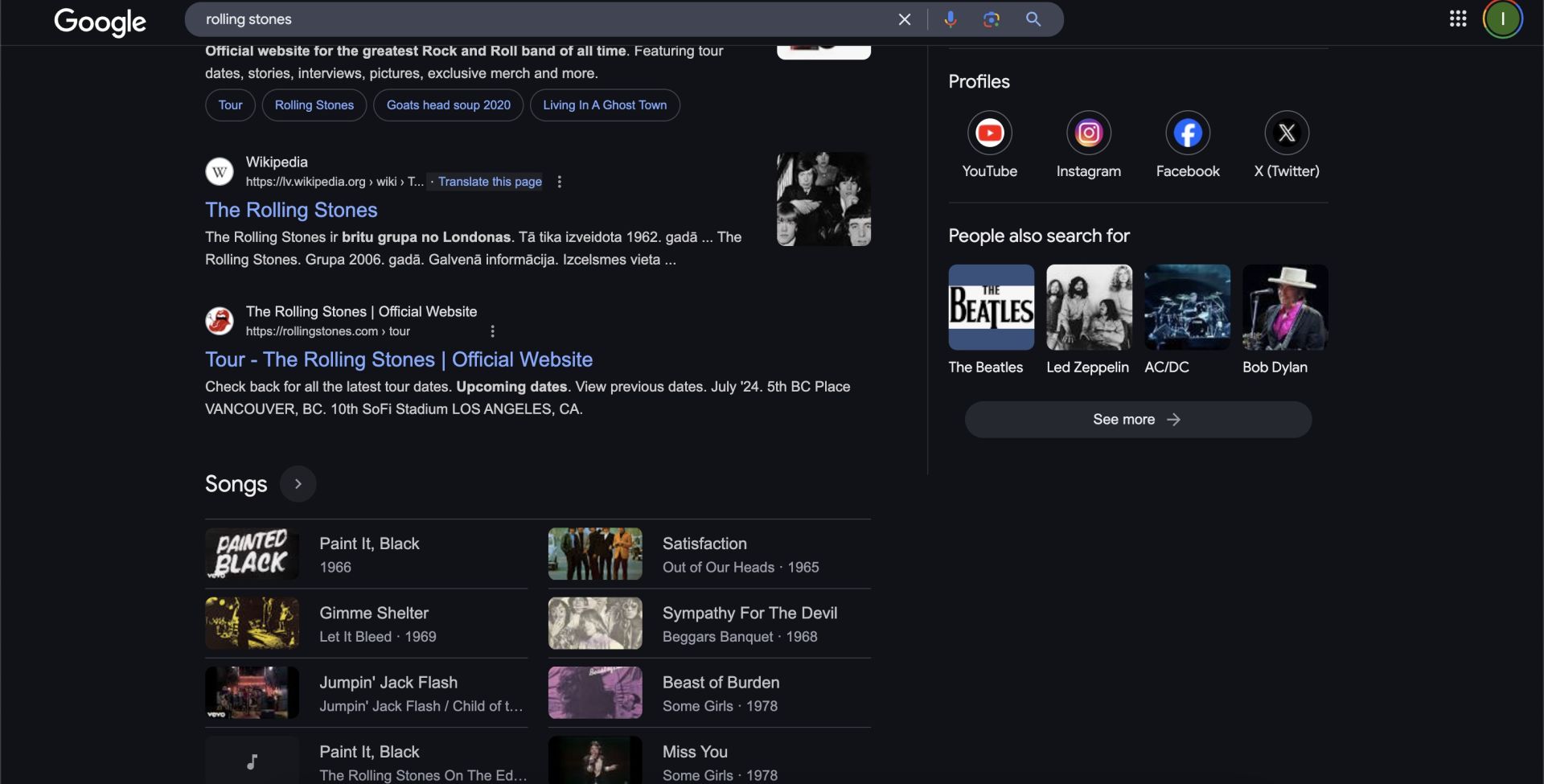
However, you need to make sure that your website can be found when students search for a music teacher. To ensure that your website appears at the top of search results, you can use search engine optimization techniques.
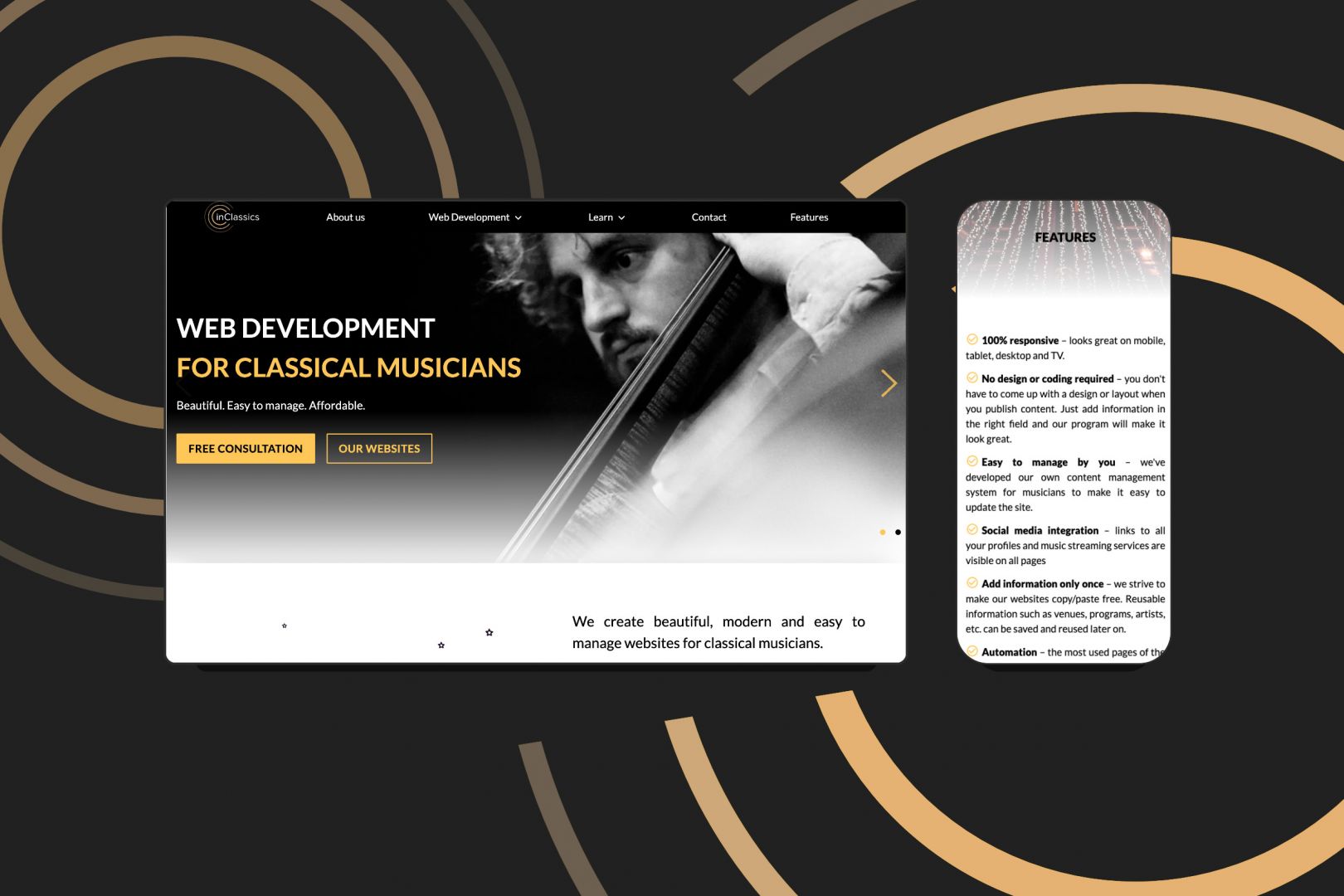
Contact us if you need a website for your performance or teaching career
Search Engine Optimization (SEO)
Search engine optimization (SEO) is about optimizing your website to appear higher in search engine results pages (SERPs).
By optimizing your website for relevant keywords and terms (such as "piano lessons in New York," "music theory classes online," "guitar lessons for adult students"), you can increase your chances of appearing on the first page of Google when visitors type those keywords into a search bar.
If you want to learn more about SEO for musicians, contact us for a free consultation!
Leveraging Social Media
Social media platforms such as Facebook, Twitter, TikTok, YouTube, and Instagram can be powerful tools to promote your private music lessons. By creating engaging and shareable content that resonates with potential students (and/or their parents), you can increase your chances of attracting more students.
Remember, this is a SOCIAL media. To use it successfully for your business, you need to interact with potential students and connect with people who might be interested in the lessons you offer.
Online directories and marketplaces such as Music Teachers Directory, ArtistWorks, etc. can provide a platform for music teachers to connect with students who are actively seeking private lessons.
Don't forget to check out social media sites like LinkedIn to connect with other teachers, music school directors, and other professionals who might hire you or refer their students to you.
With a combination of these online strategies, you can expand your reach and attract new students to your private music teaching business.
Outreach
Email marketing is one of the most effective ways to promote your services. That's why every website must include a newsletter sign-up button. However, you don't need to wait until you have a large email list. You can start by finding out where your potential students or their parents hang out online (e.g. Facebook groups, profiles they follow on Instagram, etc.) and start interacting and reaching out to them.

Growing your Music Teaching Studio
Converting potential students into paying customers
Once you' have attracted potential students, the next step is to convert them into paying customers. By building relationships and establishing trust, you increase your chances of converting them into paying customers.
Offer a potential student a free trial music lesson, free samples of your teaching materials, consultations, or your online tutorials to build trust and show your strengths as a music educator.
Differentiate yourself from other music teachers
Because there are so many music teachers out there, it's important to stand out from the competition. By highlighting and communicating your unique strengths as a music teacher, you can attract more music students who are interested in what you have to offer. You need to find a way to stand out from other music teachers in your area.
If you play more than one instrument, are knowledgeable about music theory, have experience with different musical styles, specialize in working with adult students, or have developed a unique music program, you should always communicate this through your online and offline channels.
Build a positive reputation
Establishing a positive reputation in the community is critical to attracting and retaining music students. By providing quality instruction and building positive relationships with students and their families, you can create a reputation that will help you attract more students over time.
Retaining Students
Retaining music students is just as important as attracting them in the first place. By providing engaging and challenging lessons, you can keep students interested and motivated to continue their music education with you. If you want to attract more music students, you must also focus on retaining your existing students.
Conclusion
Attracting and retaining music students is an ongoing process that takes time and effort. By following the strategies and tips outlined in this article, you can increase your chances of attracting and retaining more music students for your private lessons. Remember to focus on your target audience, communicate effectively, and provide quality lessons that meet your students needs. With perseverance and dedication, you can build a thriving private music teaching practice that brings joy and fulfillment to you and your students.