Importance of Networking in the Music Industry
Table of Content
Networking in the music industry is an essential aspect of building a successful career. Making meaningful connections with industry professionals, fellow musicians, and others in the music business can open doors to new opportunities and collaborations. In this article, we'll explore the role of networking in the music industry, share practical tips for in-person and online networking, and discuss how to overcome common challenges when it comes to networking.
The Role of Networking in Building a Successful Music Career
In the competitive world of music, building relationships is vital for success. Networking helps you establish connections with the right people who can offer you opportunities such as music production, music publishing, and record label deals. Some benefits of networking in the music industry include:
- Collaborations and creative partnerships
- Access to resources and opportunities
- Enhanced professional reputation and credibility
Practical Tips for Effective Networking
In-person Networking
Attend industry events and conferences: Industry events are a great place to meet new people and make meaningful connections with professionals in the music business. Look for networking events and music conferences that cater to your niche, and be prepared to engage in conversation.
Volunteer for music-related organizations or events: Volunteering is an excellent way to gain experience, build your network, and demonstrate your commitment to the music scene. Look for organizations, festivals, or events where you can volunteer and meet like-minded people.
Master the art of small talk and active listening: Engage in small talk and show genuine interest in others. Ask open-ended questions and listen attentively to the answers. This helps you build lasting relationships and find common ground with other professionals.
Online Networking
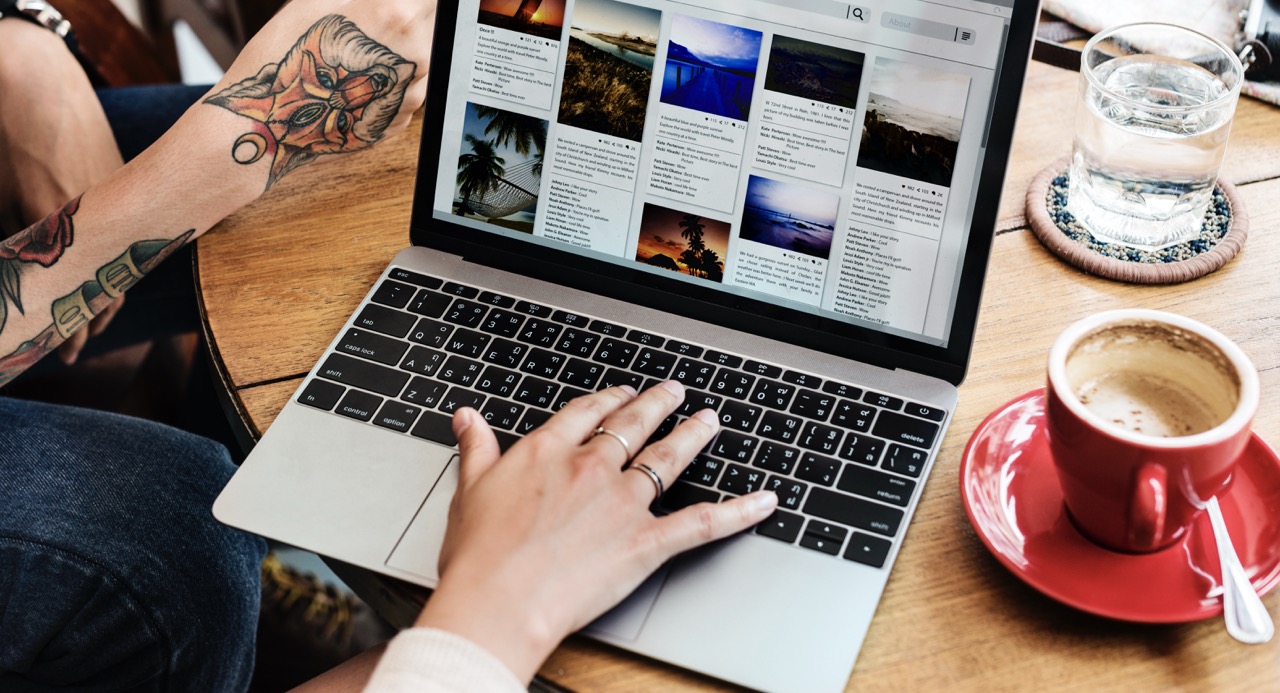
Engage on social media platforms: Social media is a powerful tool for networking in the music industry. Join conversations on platforms like LinkedIn, Twitter, Facebook, and Instagram, and connect with musicians, producers, and other professionals.
Join music-related forums, groups, and communities: Participate in online discussions and share your expertise, ask questions, or provide feedback on relevant topics. This will help you establish credibility and connect with others in the music community.
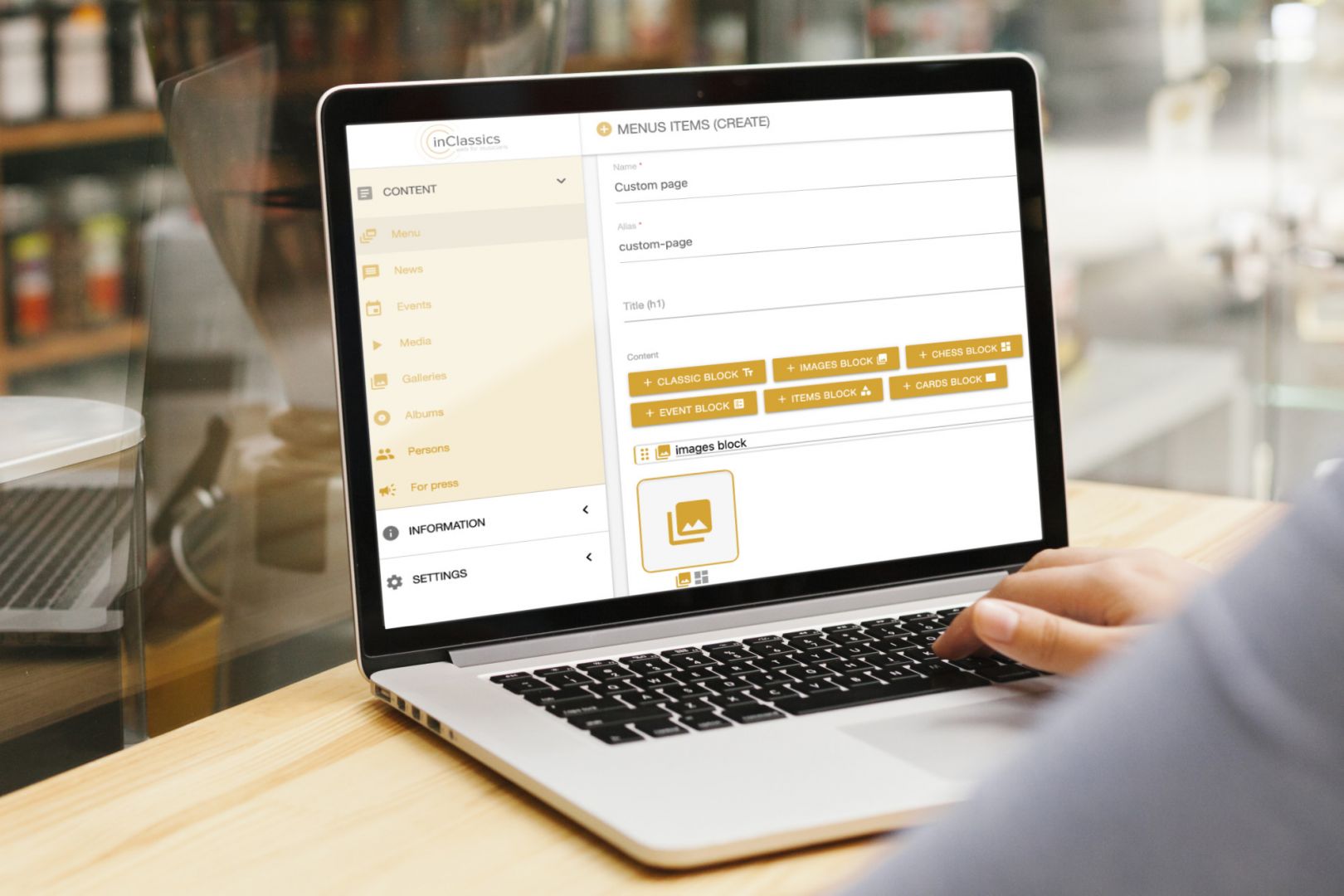
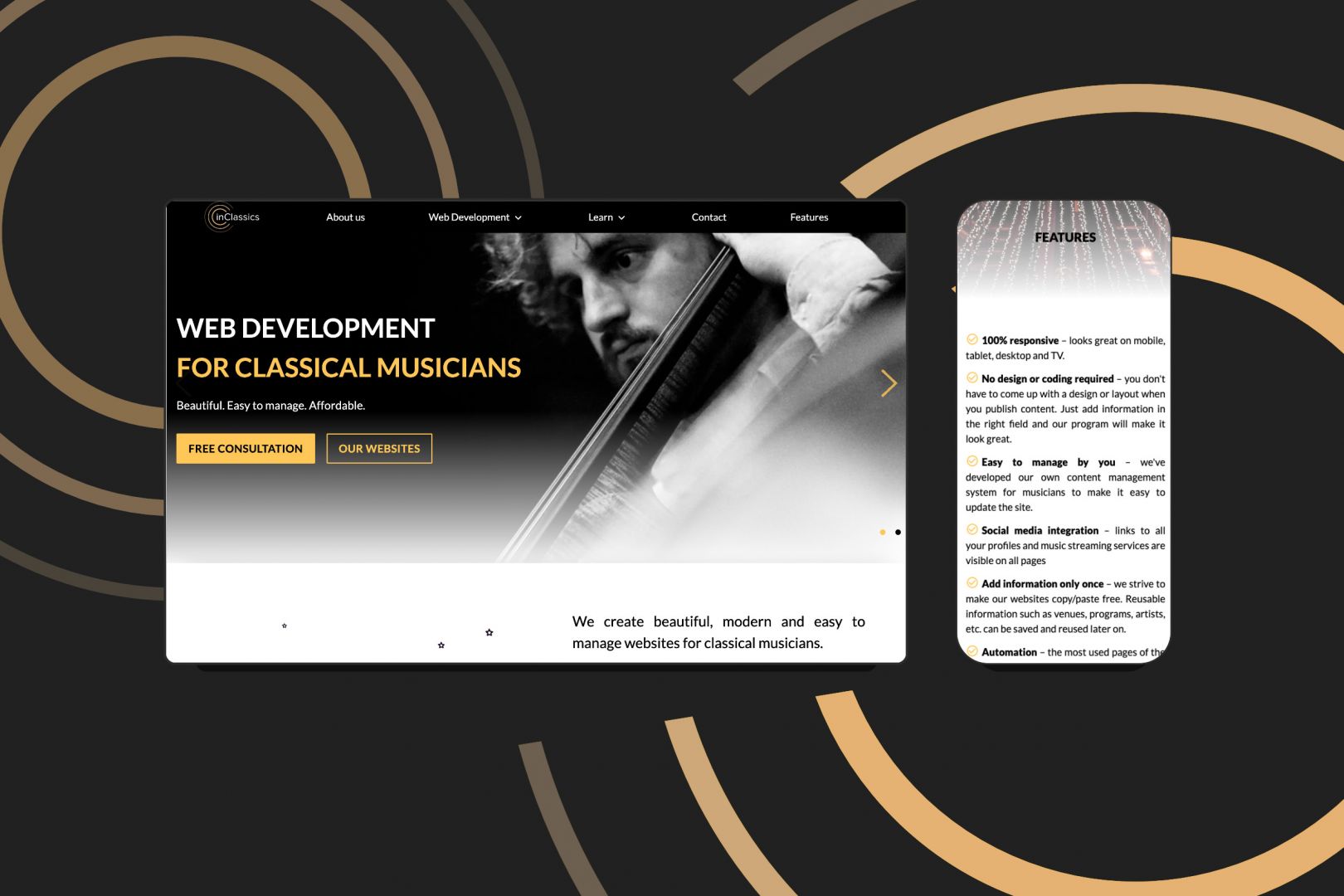
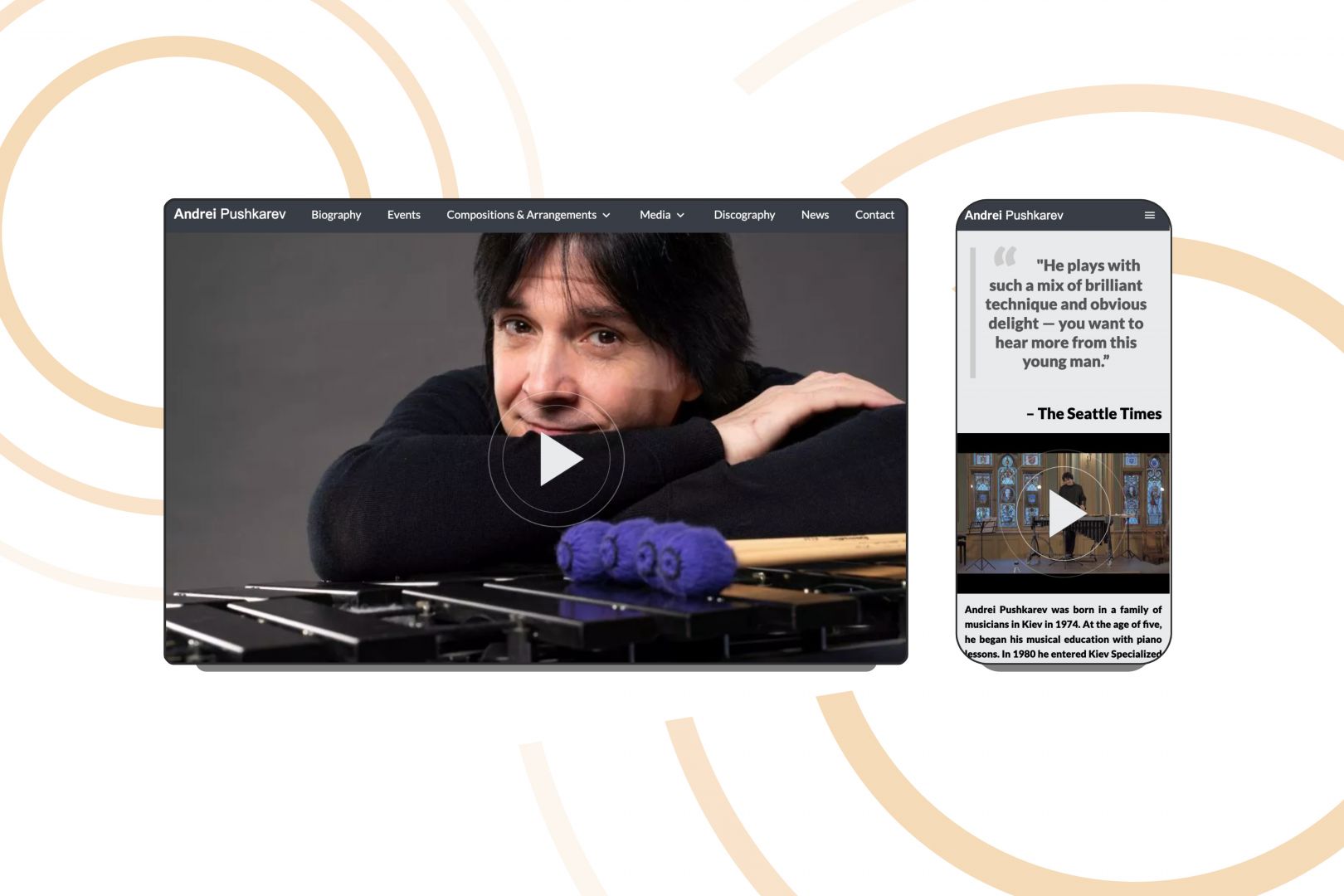
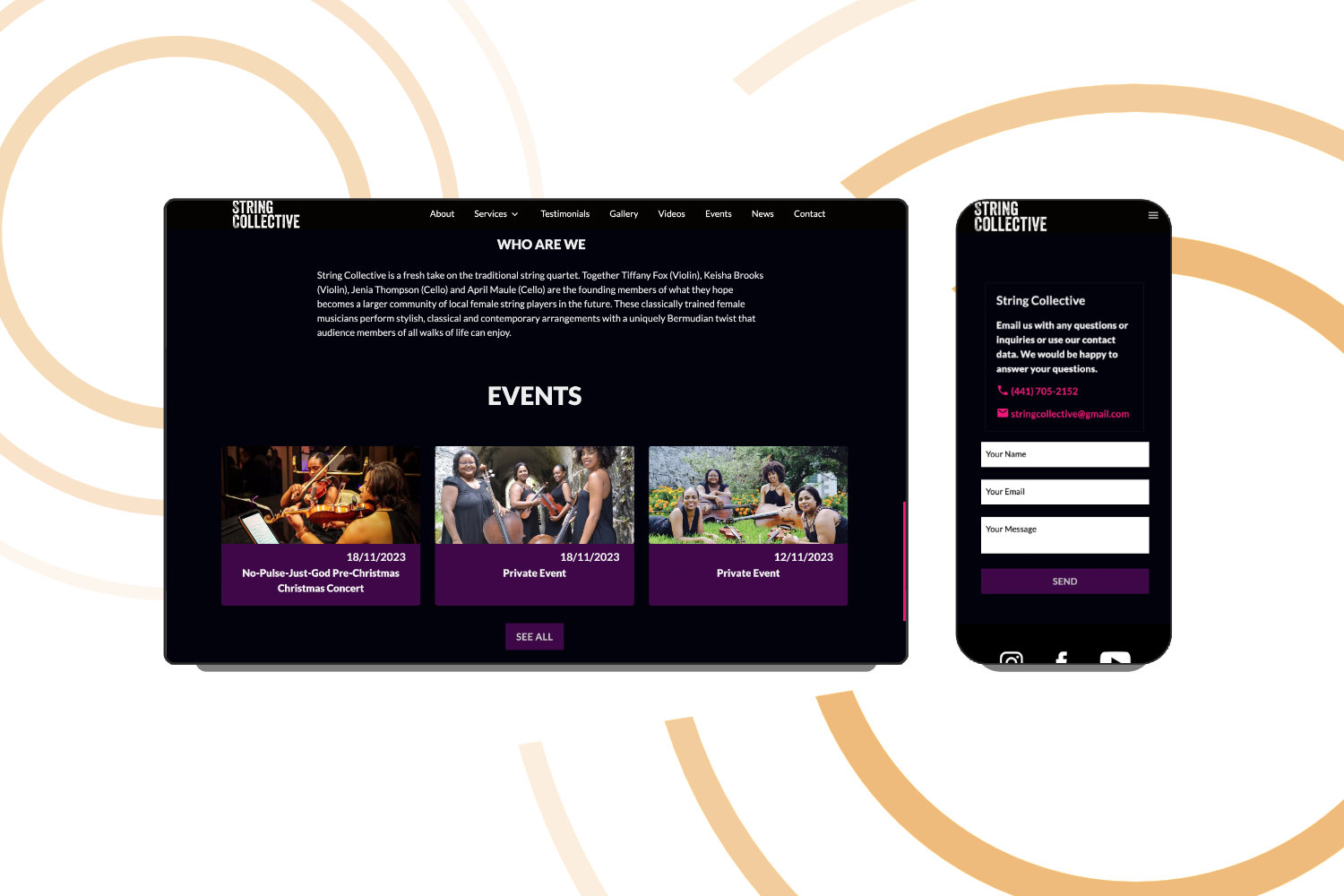
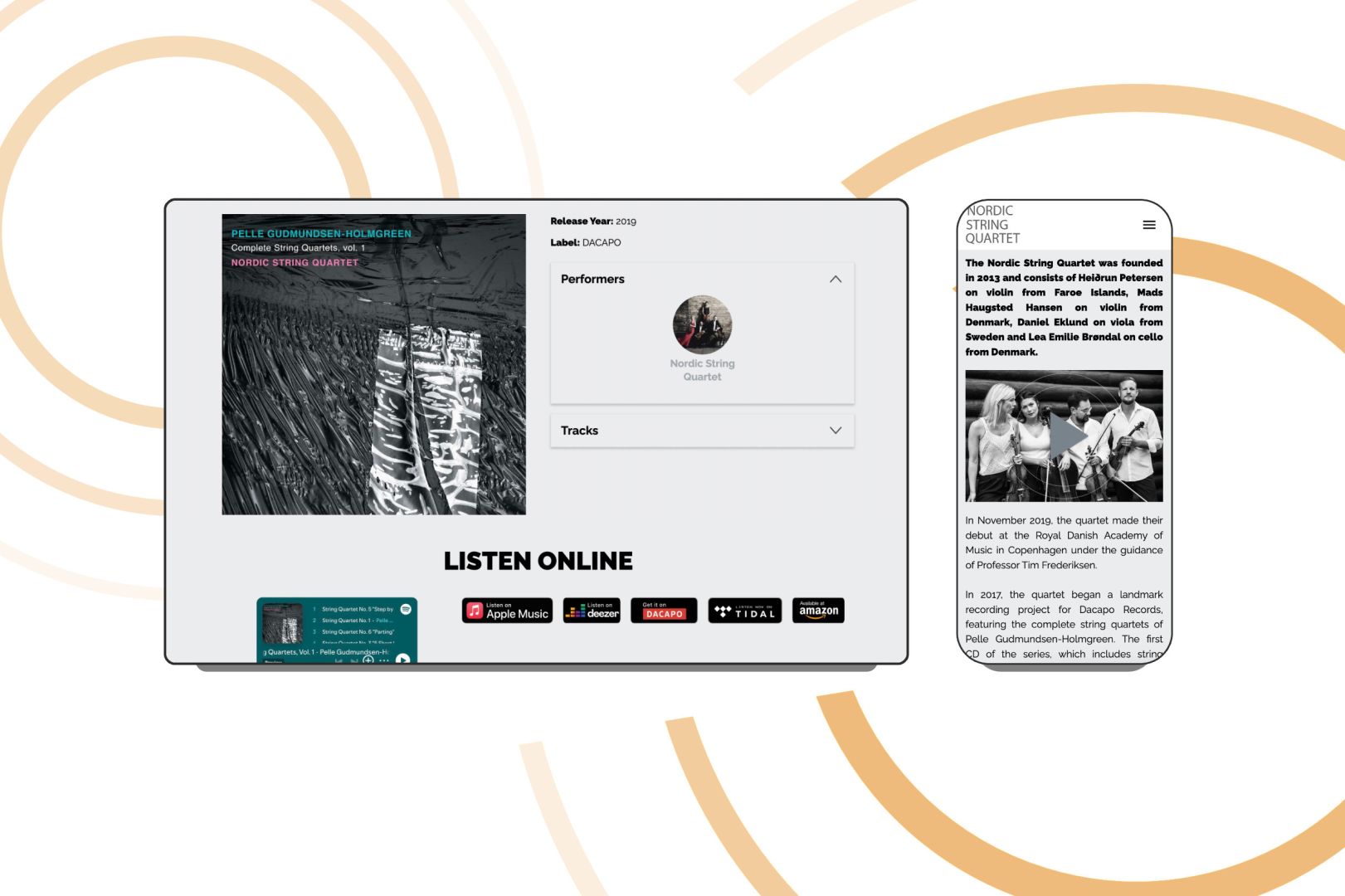
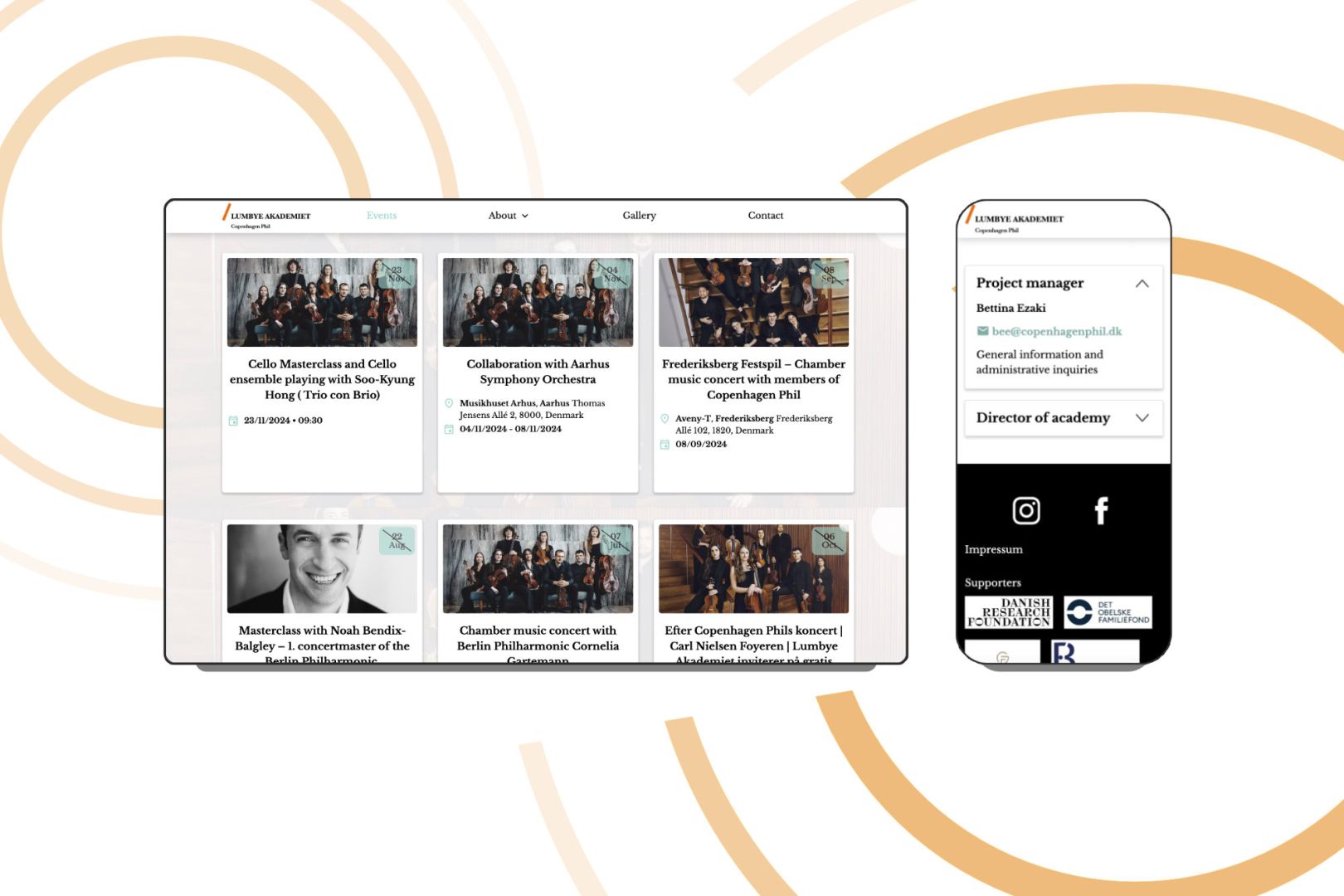
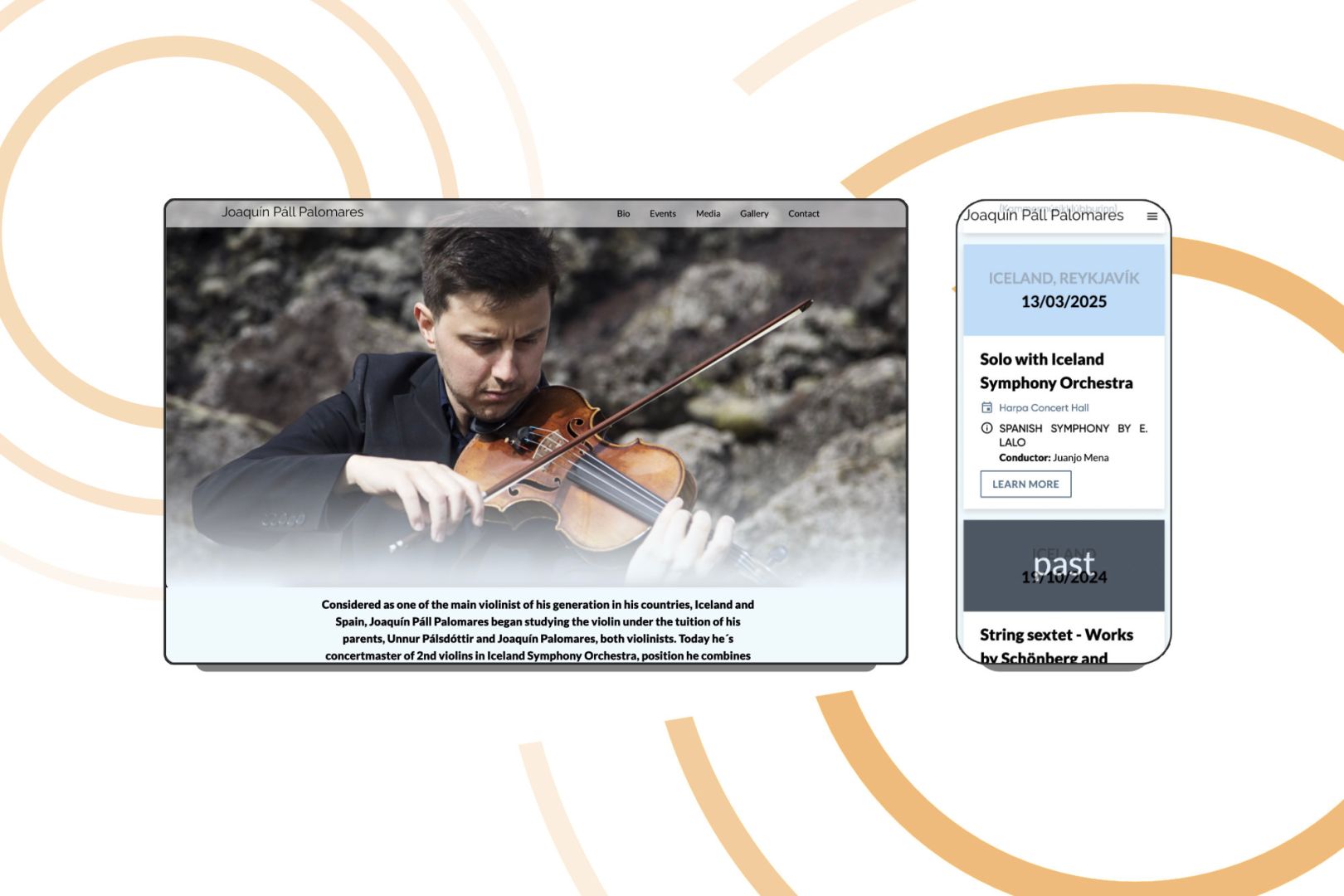
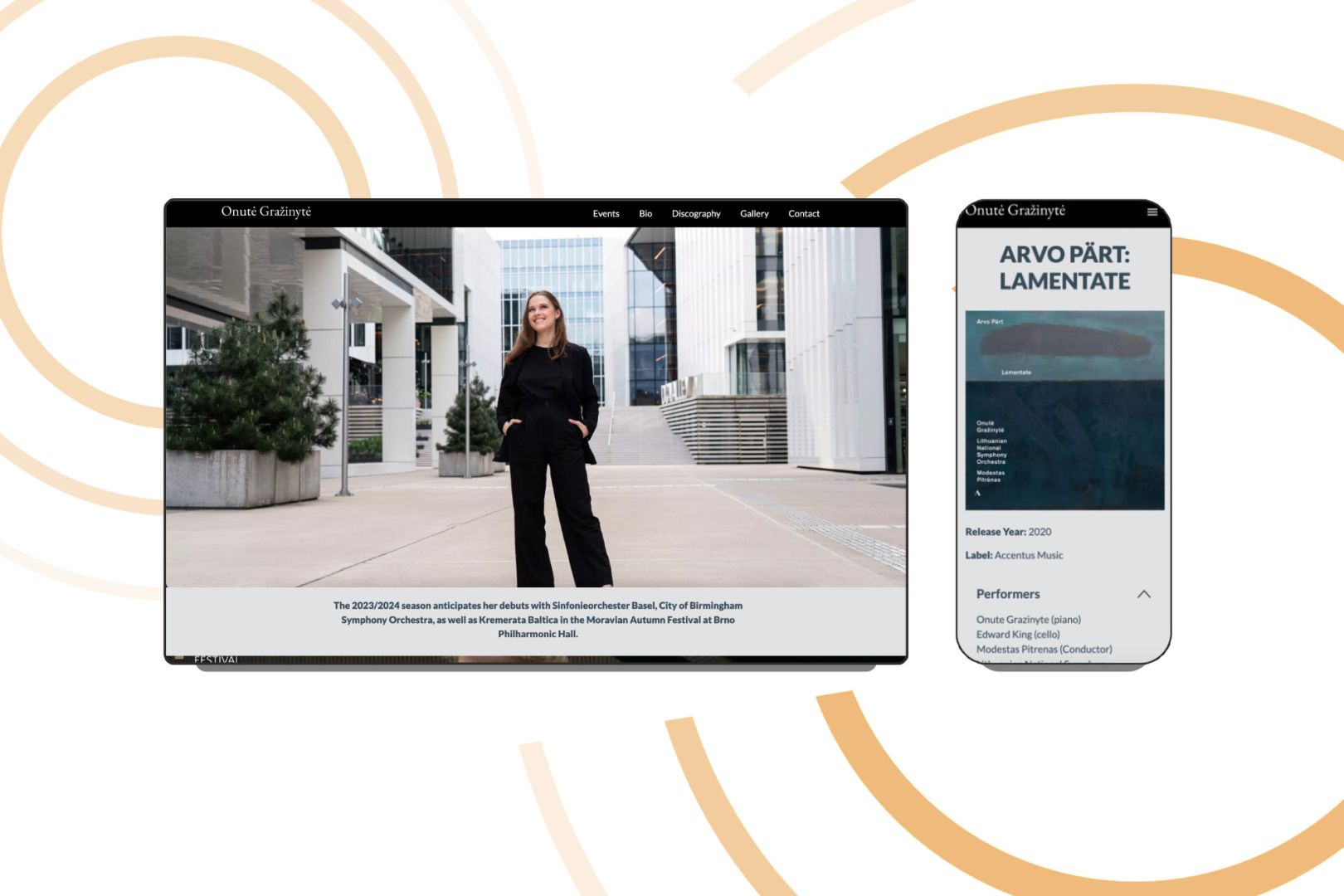
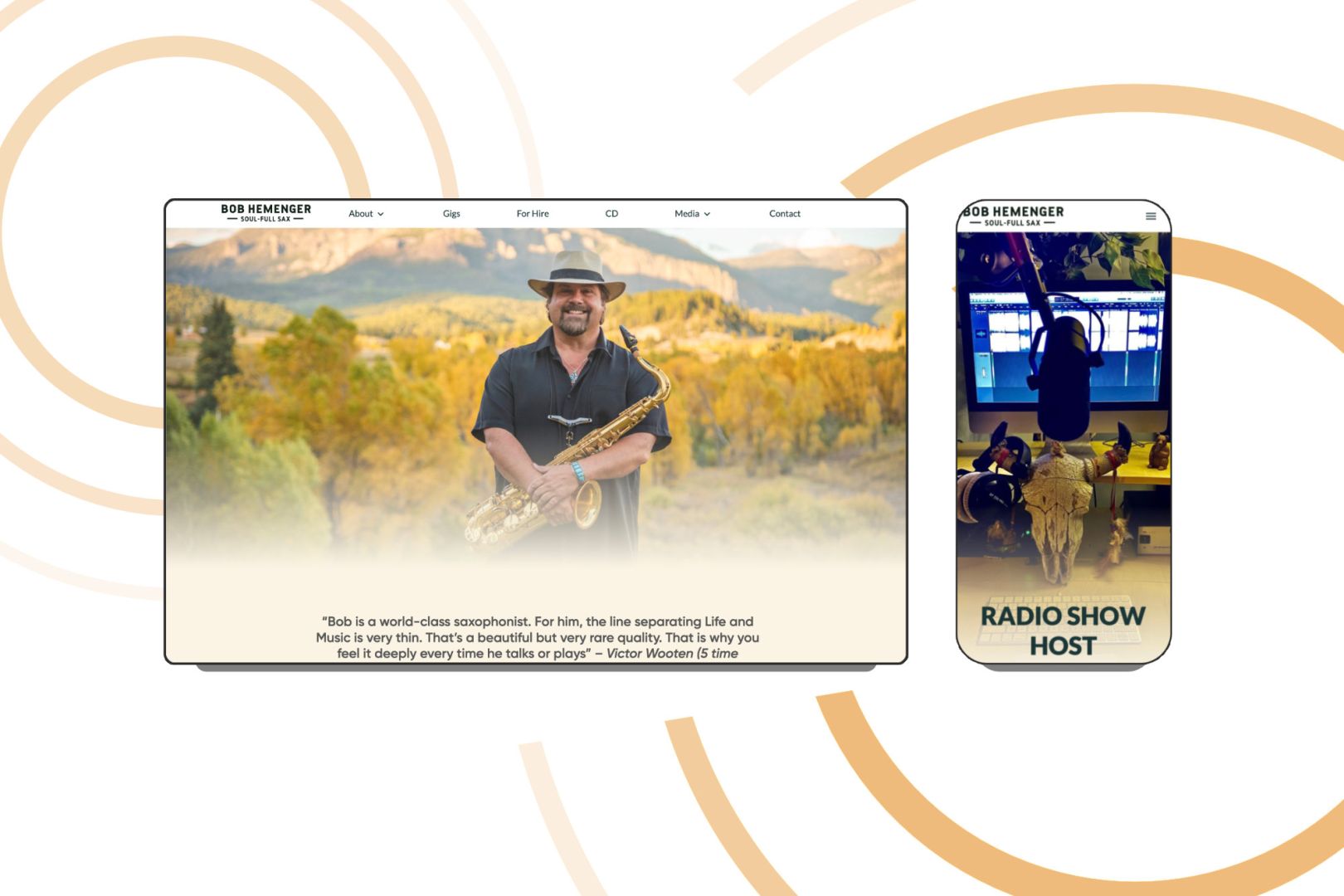
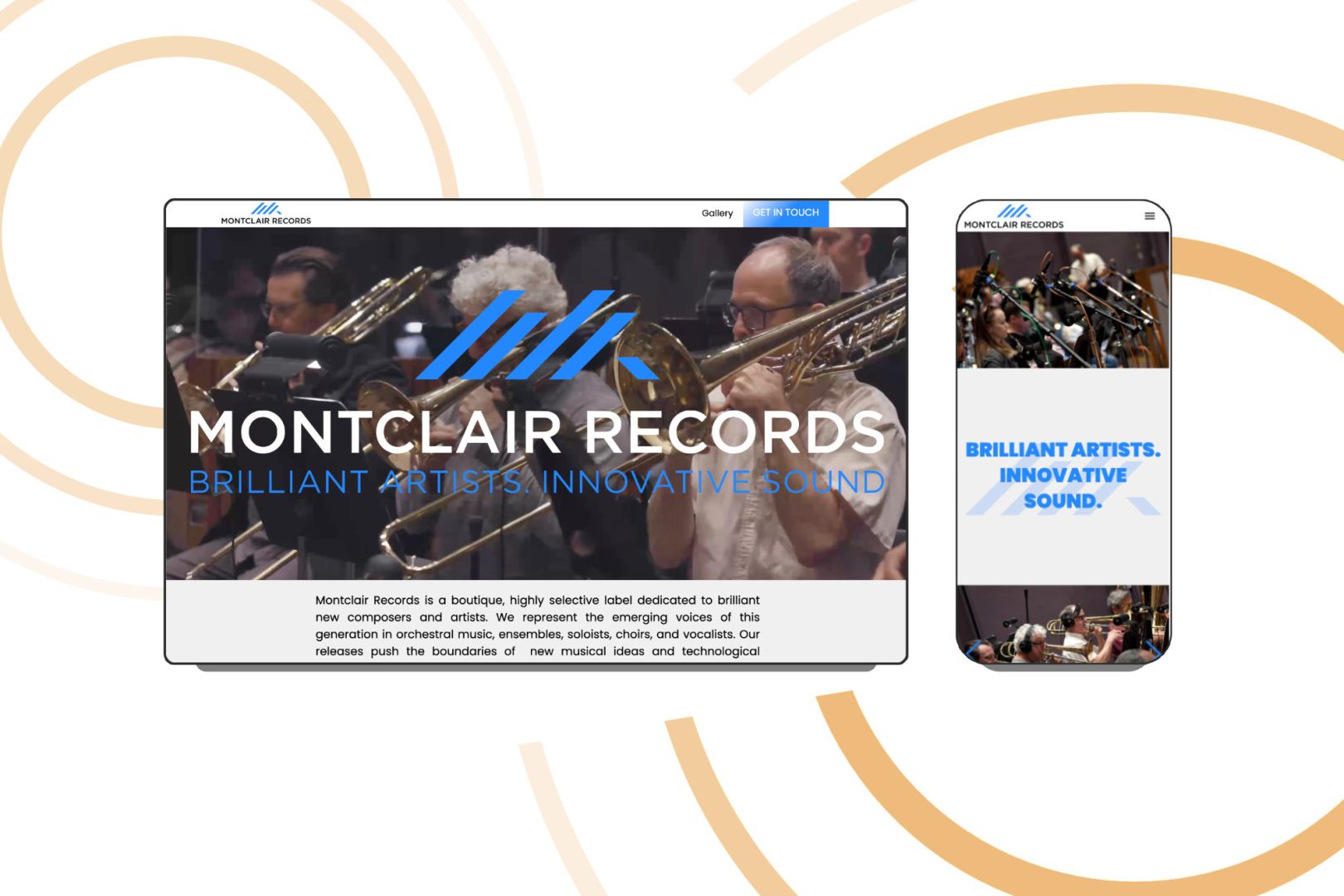
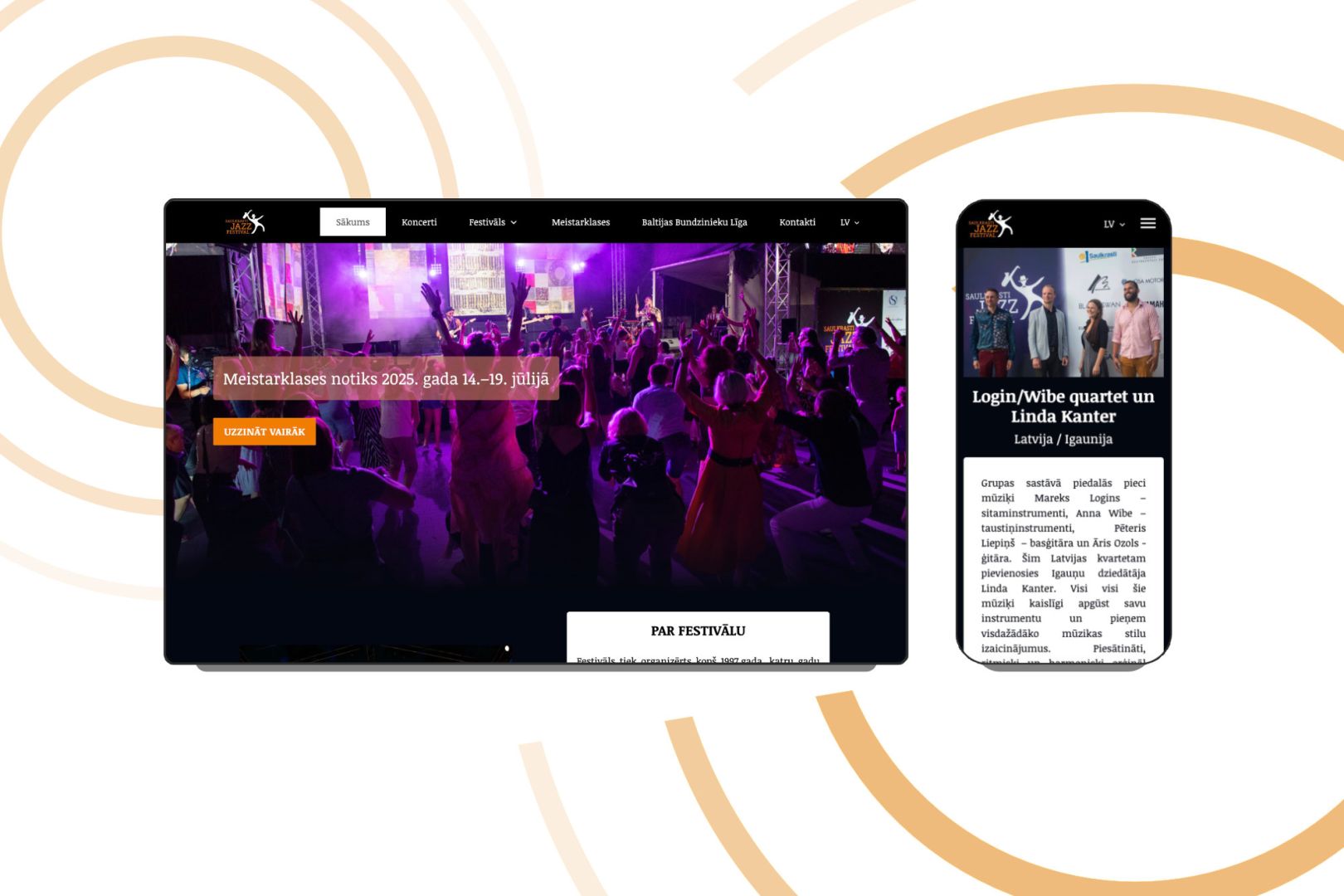
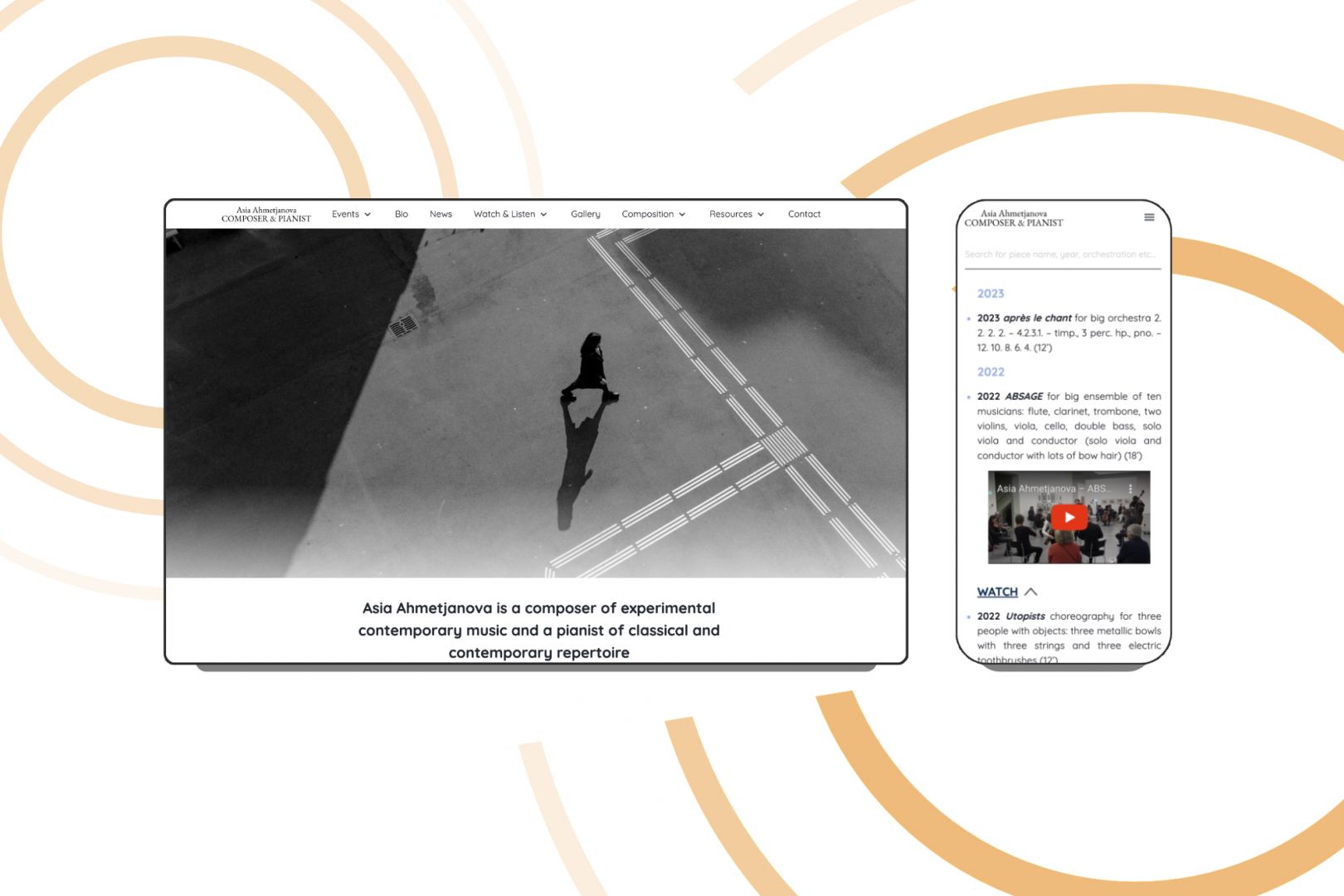
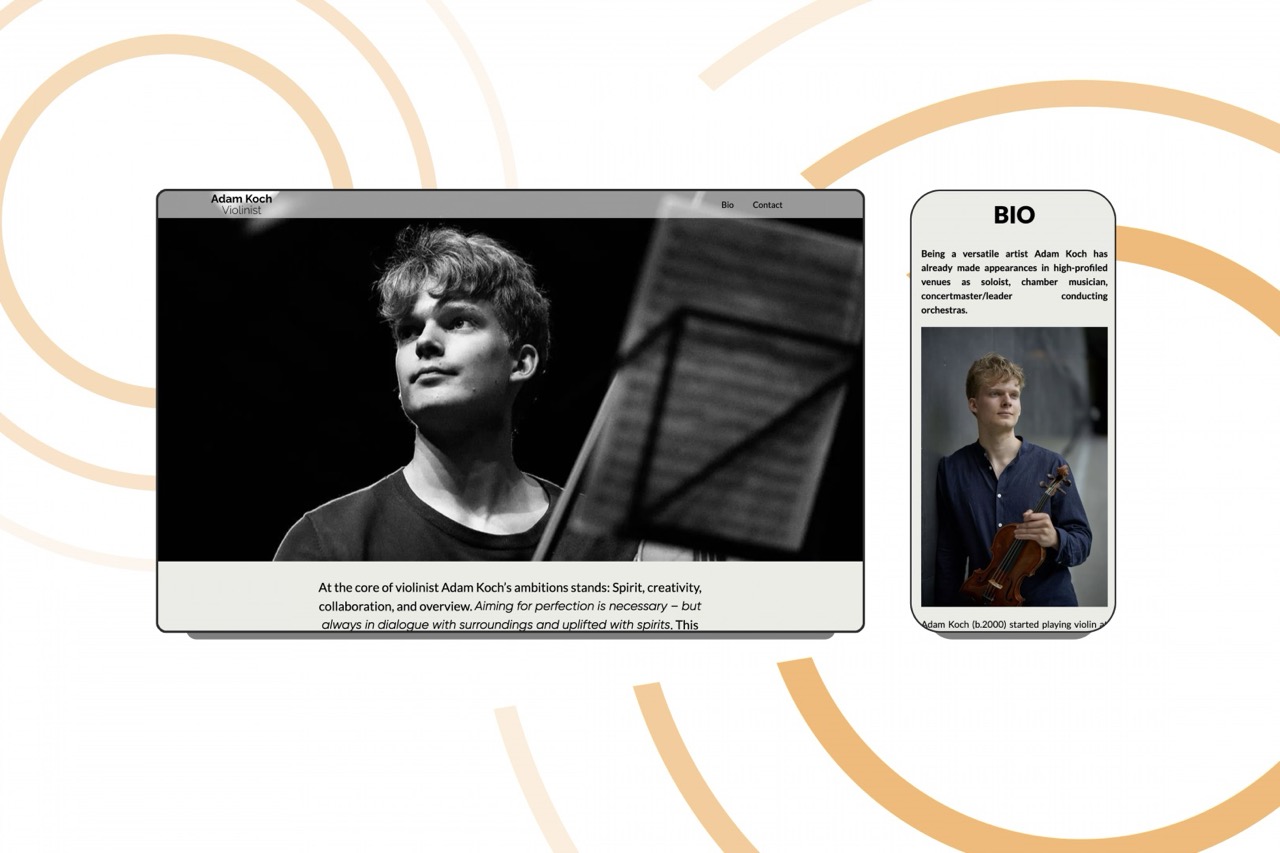
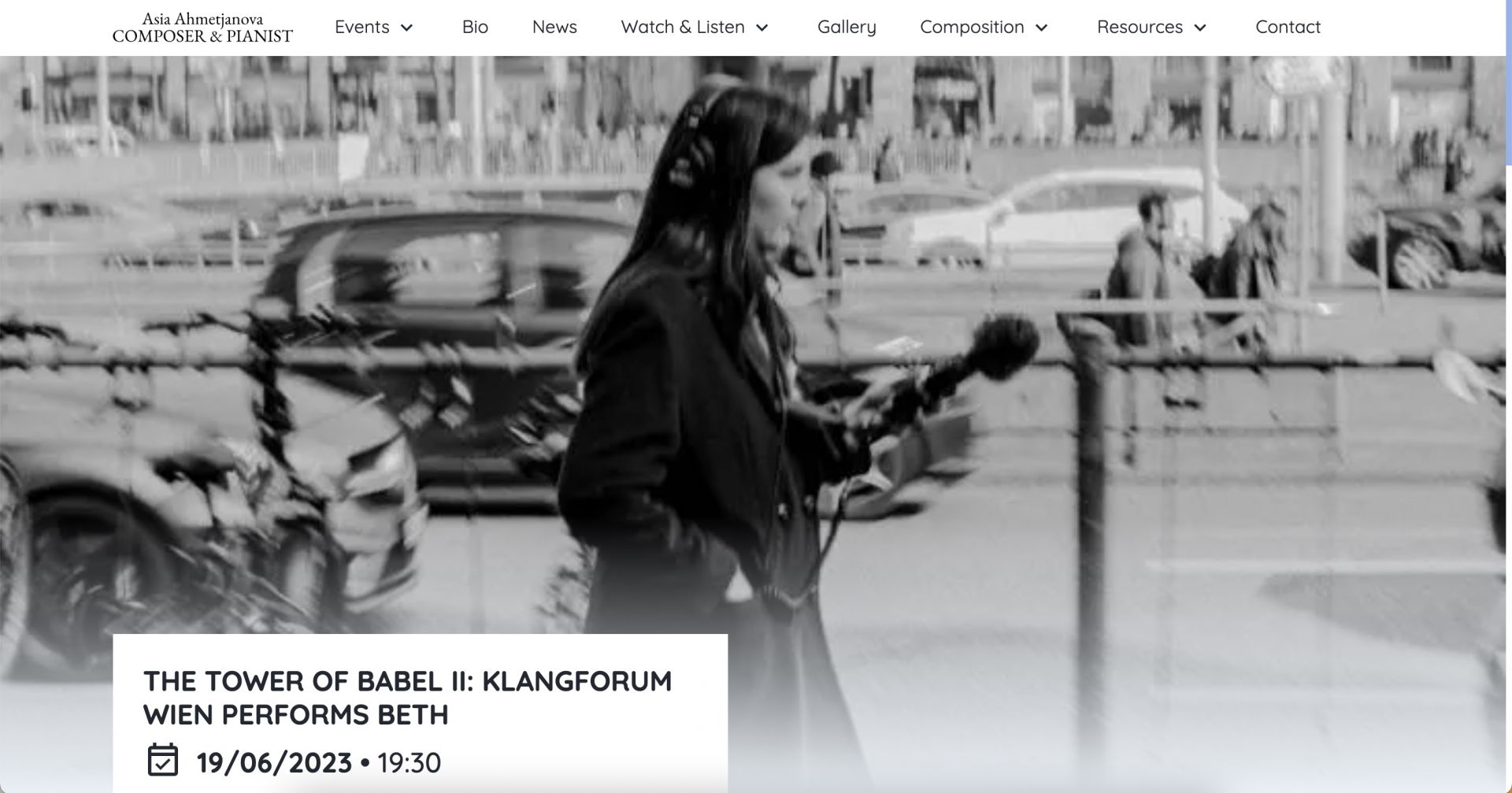
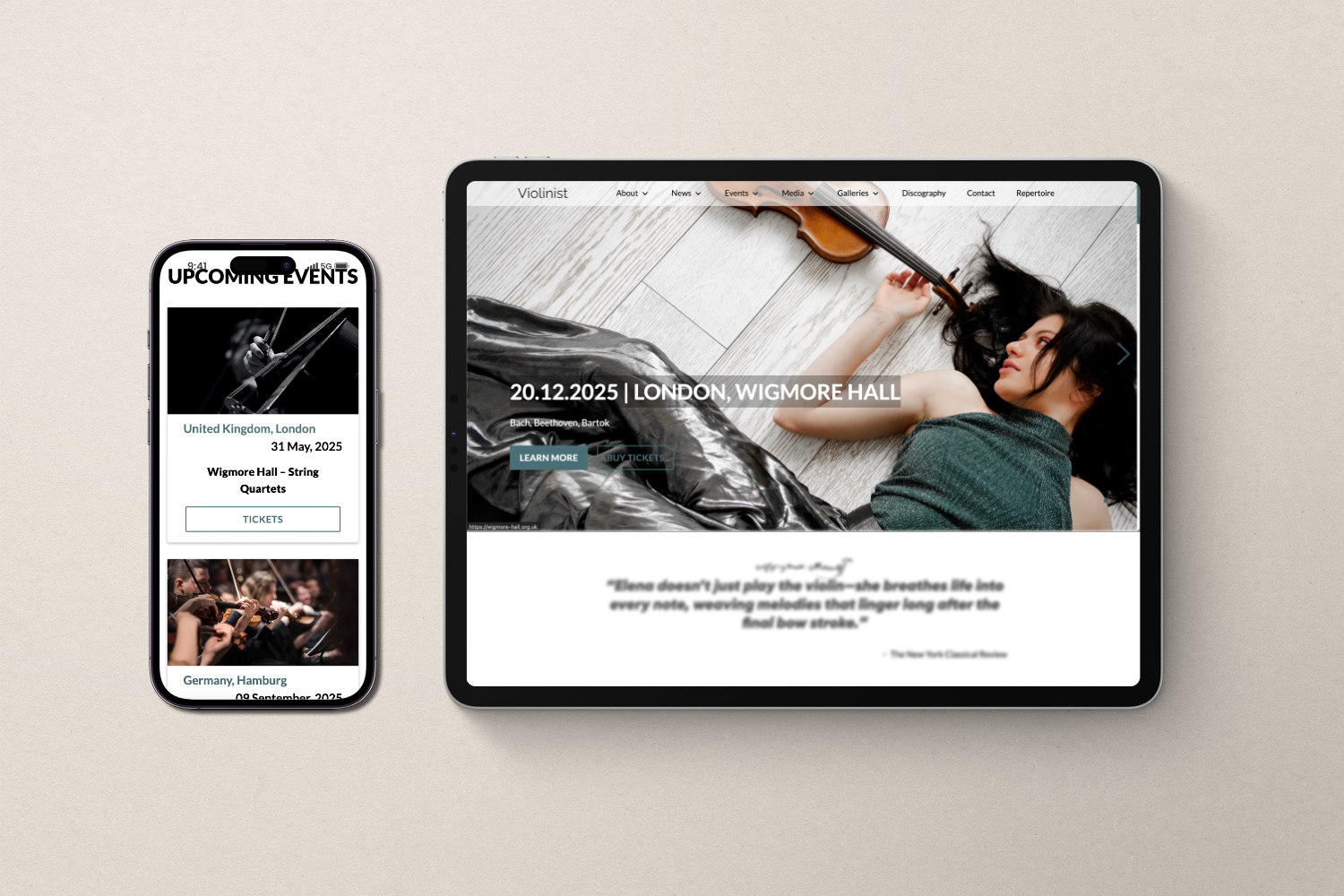
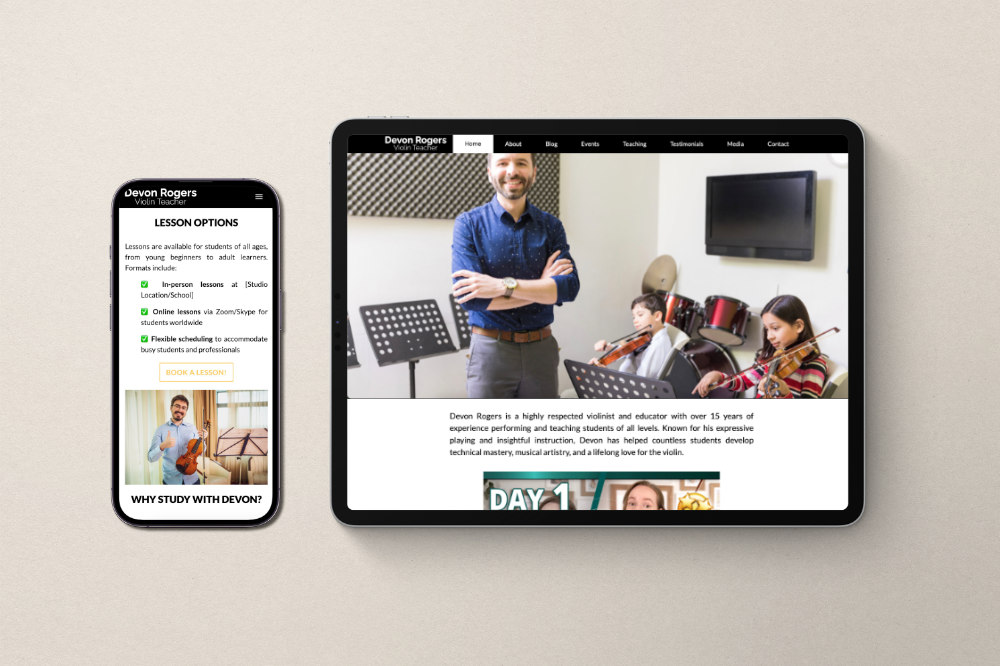
Build and maintain a professional website and online presence: A strong online presence is crucial for networking and showcasing your work. Create a professional website using a content management system like InClassics and regularly update it with new content, tour dates, and merchandise.
Overcoming Networking Challenges
Overcoming the fear of networking
Networking can be intimidating, especially for those new to the music industry. To overcome this fear, remember that everyone at a networking event or online forum is there for the same reason: to make connections. Approach others with a genuine interest in learning about their work, and focus on the value you can offer them.
Networking tips for shy or introverted individuals
If you're shy or introverted, consider attending smaller, more intimate networking events where you can engage in one-on-one conversations. When attending larger events, find a comfortable spot where you can observe and join conversations at your own pace. Online networking can also be a great option for introverts, as it allows you to engage with others in a more controlled environment.
How to network when you don't know anyone in the music industry
If you're starting from scratch, begin by reaching out to friends, family, or acquaintances who may have connections in the music business. Join local music groups or communities, and attend open mics or local band performances to meet others in your area's music scene. As you make new connections, ask for introductions or referrals to further expand your network.
Additional Networking Strategies for Success
Building genuine and lasting relationships
To build meaningful relationships, show genuine interest in others and focus on the quality of connections rather than the quantity. Follow up after meeting someone, and keep in touch to maintain the relationship.
The importance of following up and staying connected
After attending a networking event or connecting with someone online, follow up with a personalized message or email to express your gratitude for their time and to keep the conversation going. Staying connected is key to nurturing a meaningful relationship in the music industry.
Leveraging your existing network for introductions and referrals
Your existing network can be a valuable source of introductions and referrals. Ask friends, colleagues, or mentors for connections to music industry professionals who might be interested in your work or who can help you advance your career.
Developing a personal brand and unique value proposition
Establishing a strong personal brand and effectively communicating your unique value proposition can help you stand out in the crowded music industry. Consider creating a compelling artist bio and consistently showcasing your brand across your website, social media, and other online platforms.
Utilizing mentorship and networking events tailored for musicians
Mentorship programs and networking events specifically designed for musicians can help you connect with industry professionals and gain valuable insights into the music business. Look for events and programs in your local area or online that cater to your specific interests and goals.
Balancing networking efforts with creative work and career goals
While networking is crucial, it's important not to neglect your creative work and career goals. Strike a balance between networking activities and dedicating time to your music, personal development, and marketing efforts.
Conclusion
Networking in the music industry is vital for building a successful career, forging meaningful connections, and accessing new opportunities. By attending industry events, engaging in online communities, and leveraging social media, musicians and industry professionals can expand their networks and grow their careers.
Whether you're an independent artist, a music manager, or a music educator, networking can open doors to new collaborations, resources, and professional growth. Overcoming challenges such as fear or shyness and focusing on building genuine, lasting relationships are key to effective networking.
Utilize the tips and strategies shared in this article to make the most of your networking efforts, and remember that maintaining a strong online presence and personal brand can significantly enhance your networking success. With persistence, determination, and a genuine interest in connecting with others, you can make networking in the music industry work for you and pave the way for a rewarding and successful career.
Frequently Asked Question on Music Industry Networking
Q: How can I identify the right person to connect with at a music industry networking event?
A: Focus on finding people who share your interests or goals, or who have expertise in areas relevant to your music career. Look for like-minded people, industry professionals, and producers who can help you grow as an artist or provide valuable insights.
Q: What is the best way to establish a connection at a networking event or online?
A: Approach others with genuine interest and engage in meaningful conversations. Listen attentively, ask open-ended questions, and find common ground to create a lasting relationship. Sharing contact information and following up after the event can further strengthen the connection.
Q: How can I turn a networking opportunity into a collaboration or other opportunities in the music industry?
A: Demonstrate your skill and passion for creating great music by showcasing your work, discussing your music career goals, and expressing interest in learning from others. If you sense a potential working relationship, don't hesitate to propose a collaboration or ask for advice.
Q: How can I ensure a lasting relationship with music professionals I meet through networking?
A: Building relationships in the music industry requires consistent effort. After making an initial connection, stay in touch by following up, sharing updates, and engaging on social media platforms. Show genuine interest in their work and offer support when needed.
Q: How can I use social media effectively for music industry networking?
A: Be active on relevant social media platforms, engage in conversations, and share your work. Connect with music professionals, fellow musicians, and record labels, and participate in online communities, forums, and groups to expand your network. Focus on business focussed platforms like LinkedIn
Q: How do I approach a producer or record label representative at a networking event?
A: When approaching a producer or record label representative, be confident and genuine. Introduce yourself, express your appreciation for their work, and briefly discuss your music career. Look for opportunities to ask questions, share your own experiences, and explore potential collaboration opportunities.