Google Analytics for Musicians
Table of Content
Big data for music business
How many people visit my website? Which pages do they visit most often? Where do they spend most of their time? How old are the people who like my music and where are they from?
You can get these and many more answers from your website if you have the right tools. However, musicians often ignore the opportunities that this data can provide to gain an advantage in the music business.
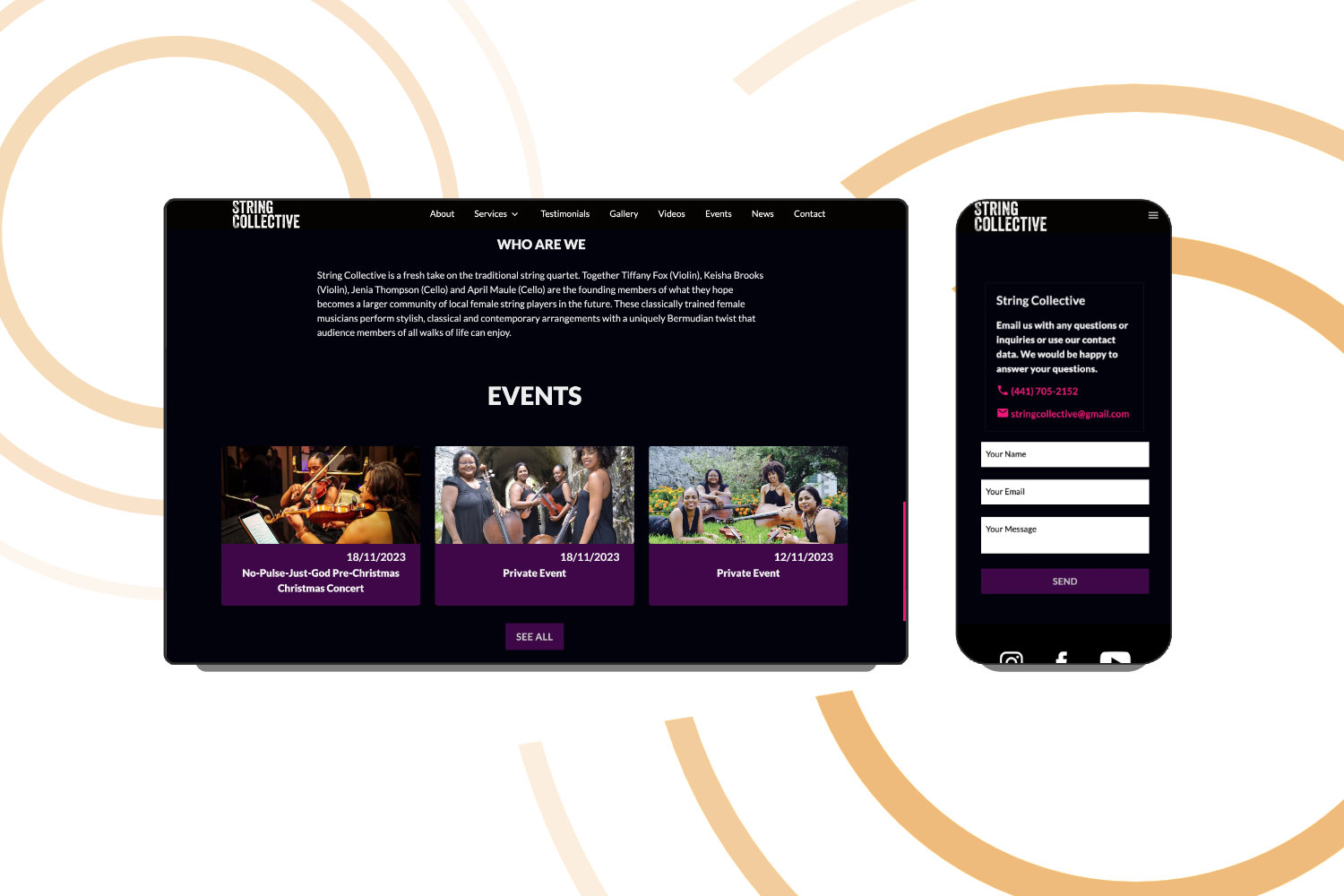
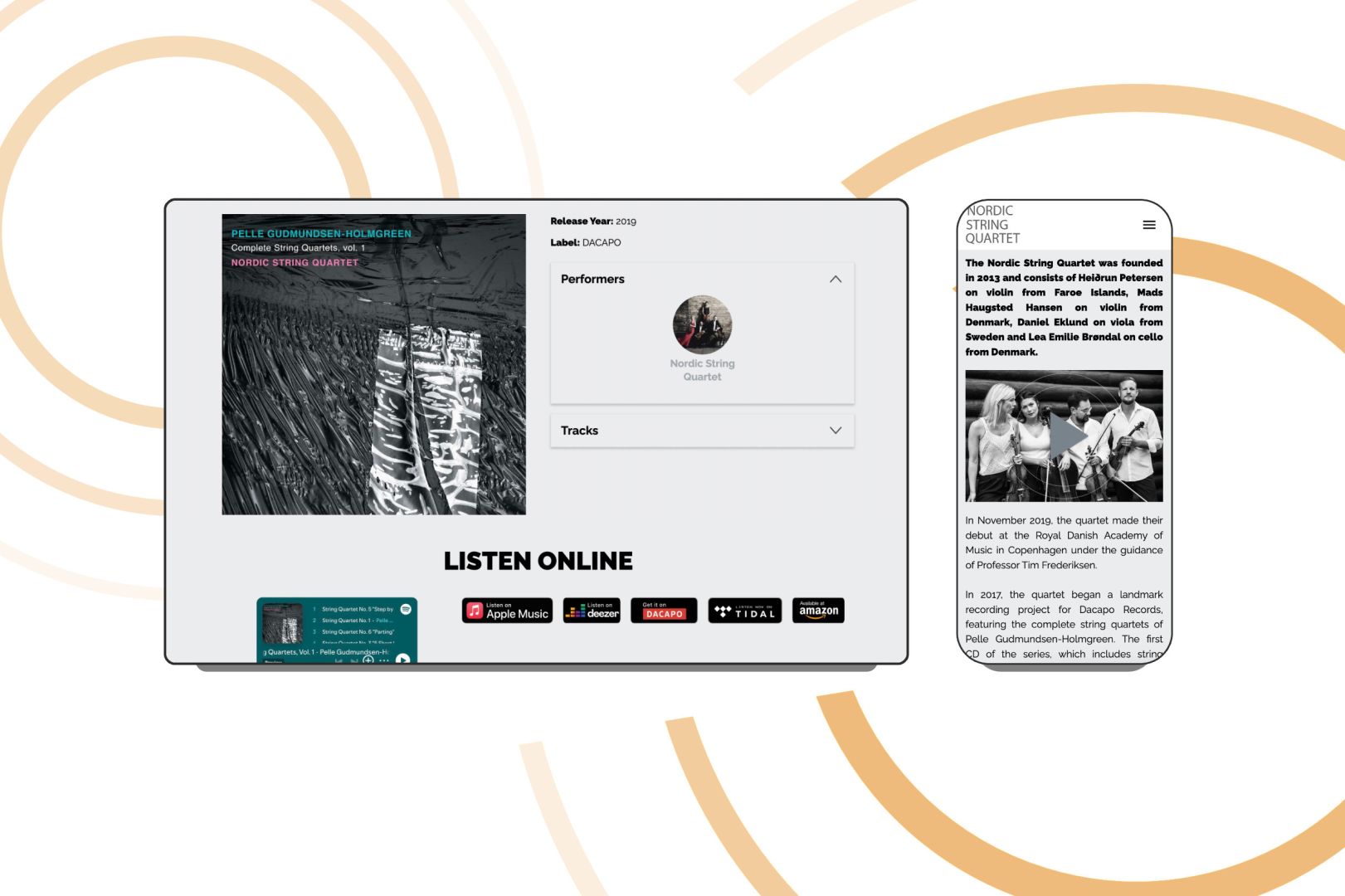
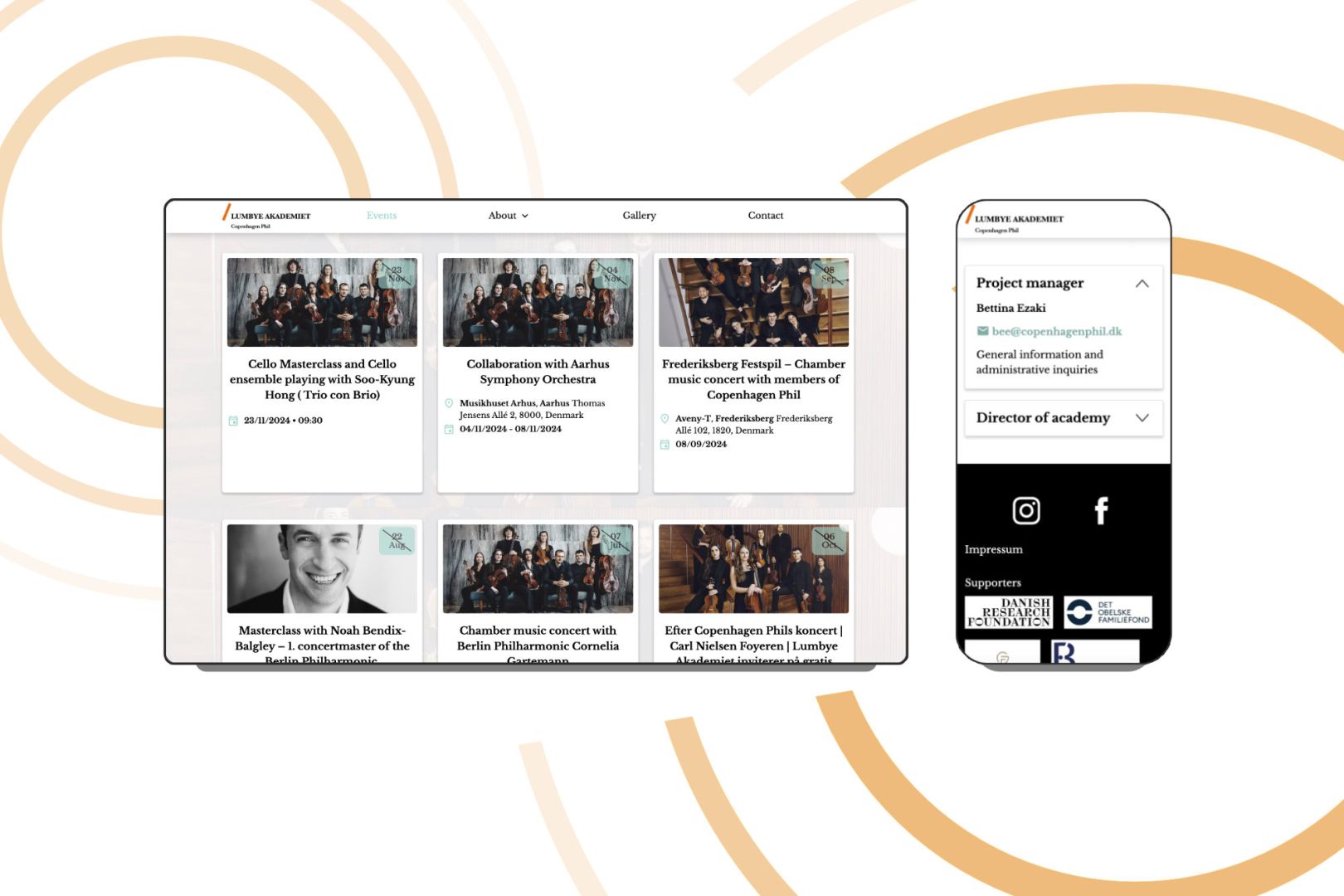
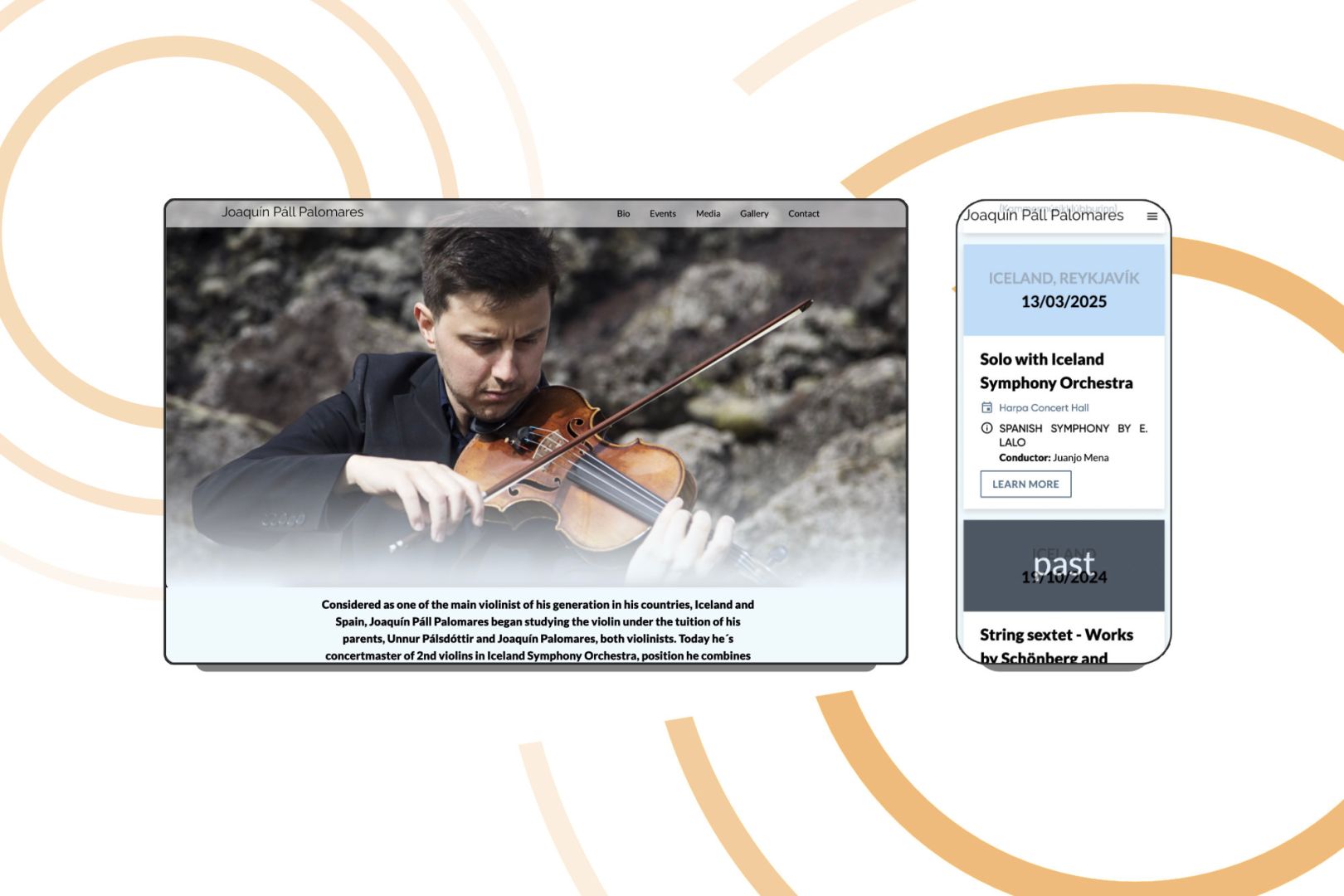
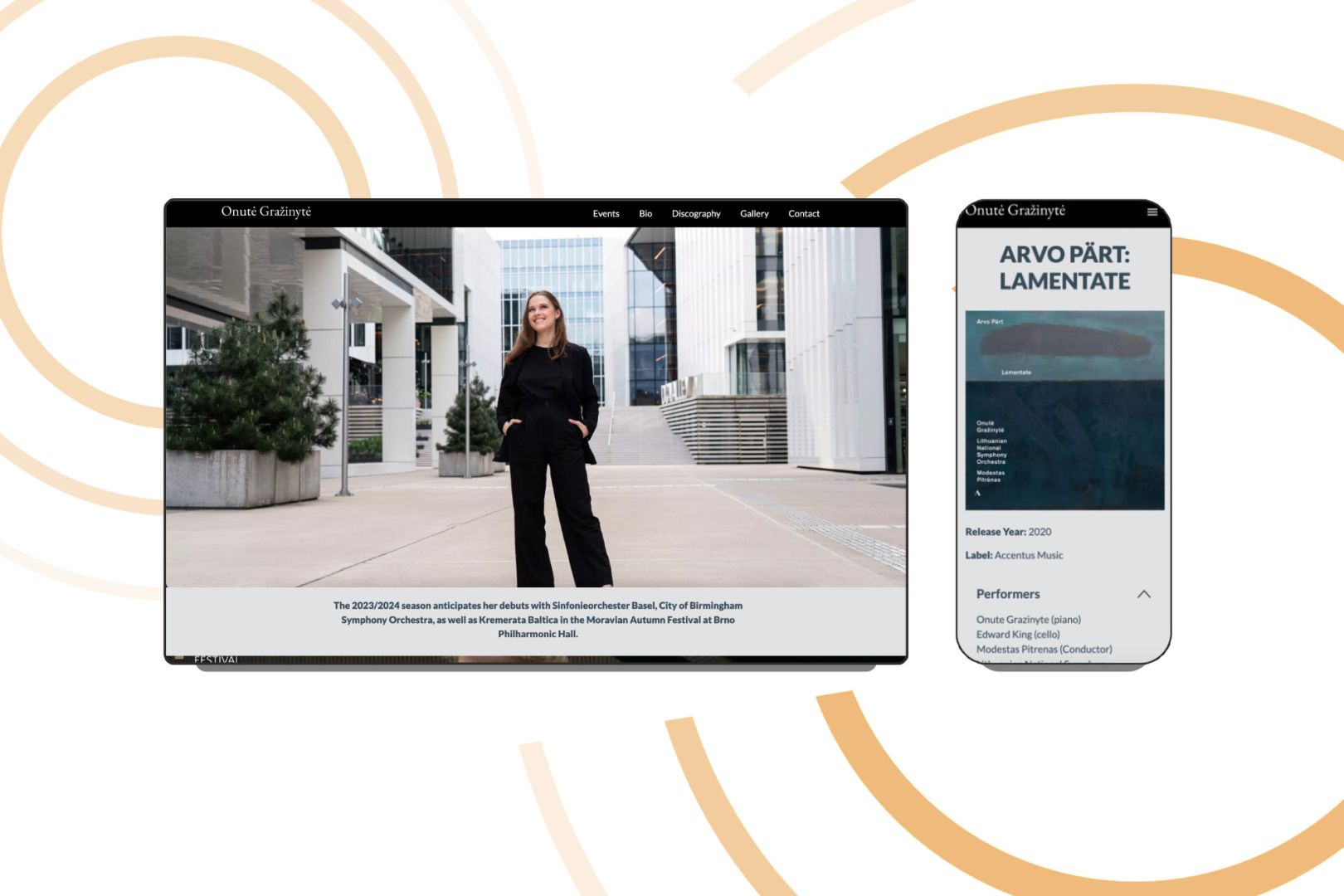
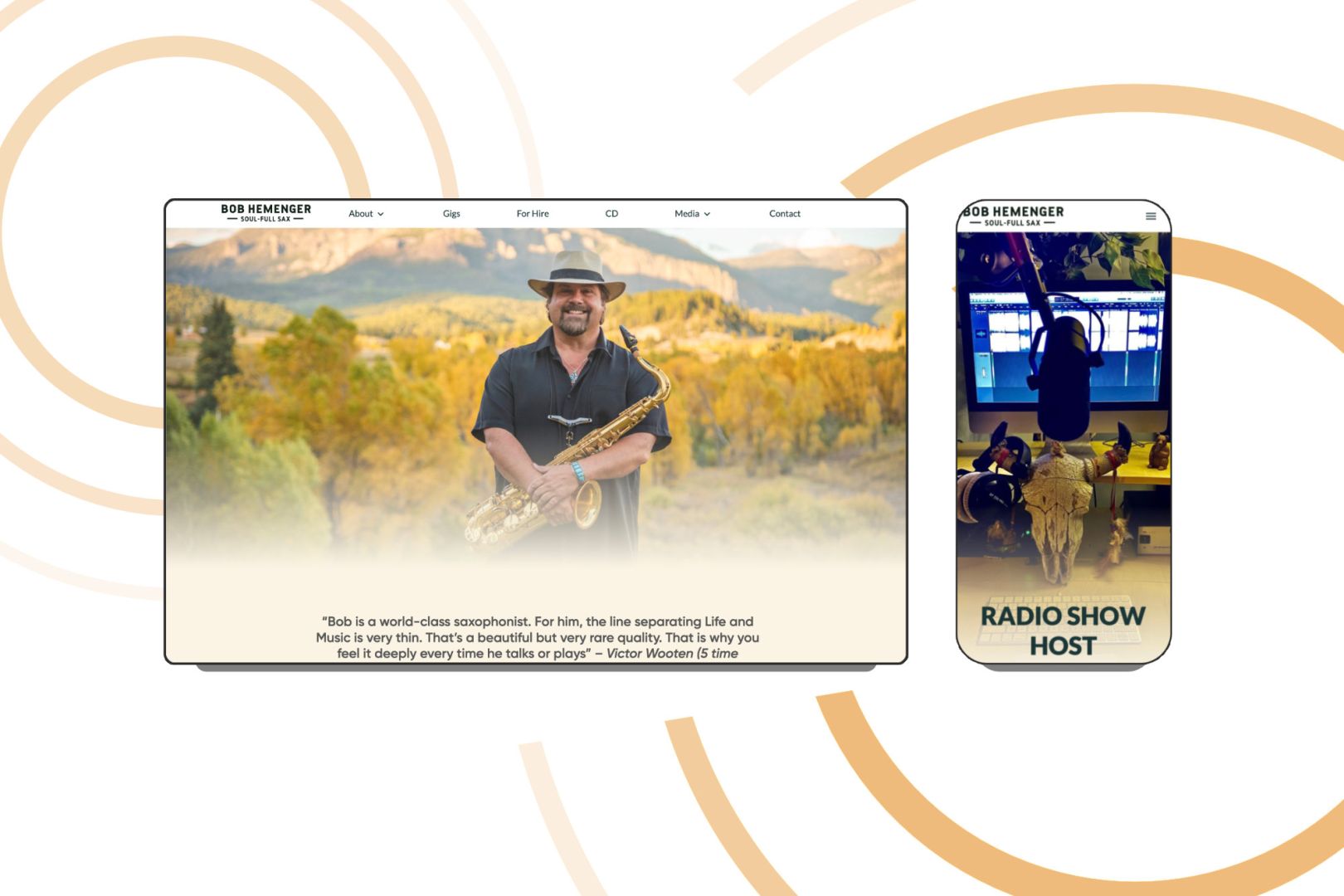
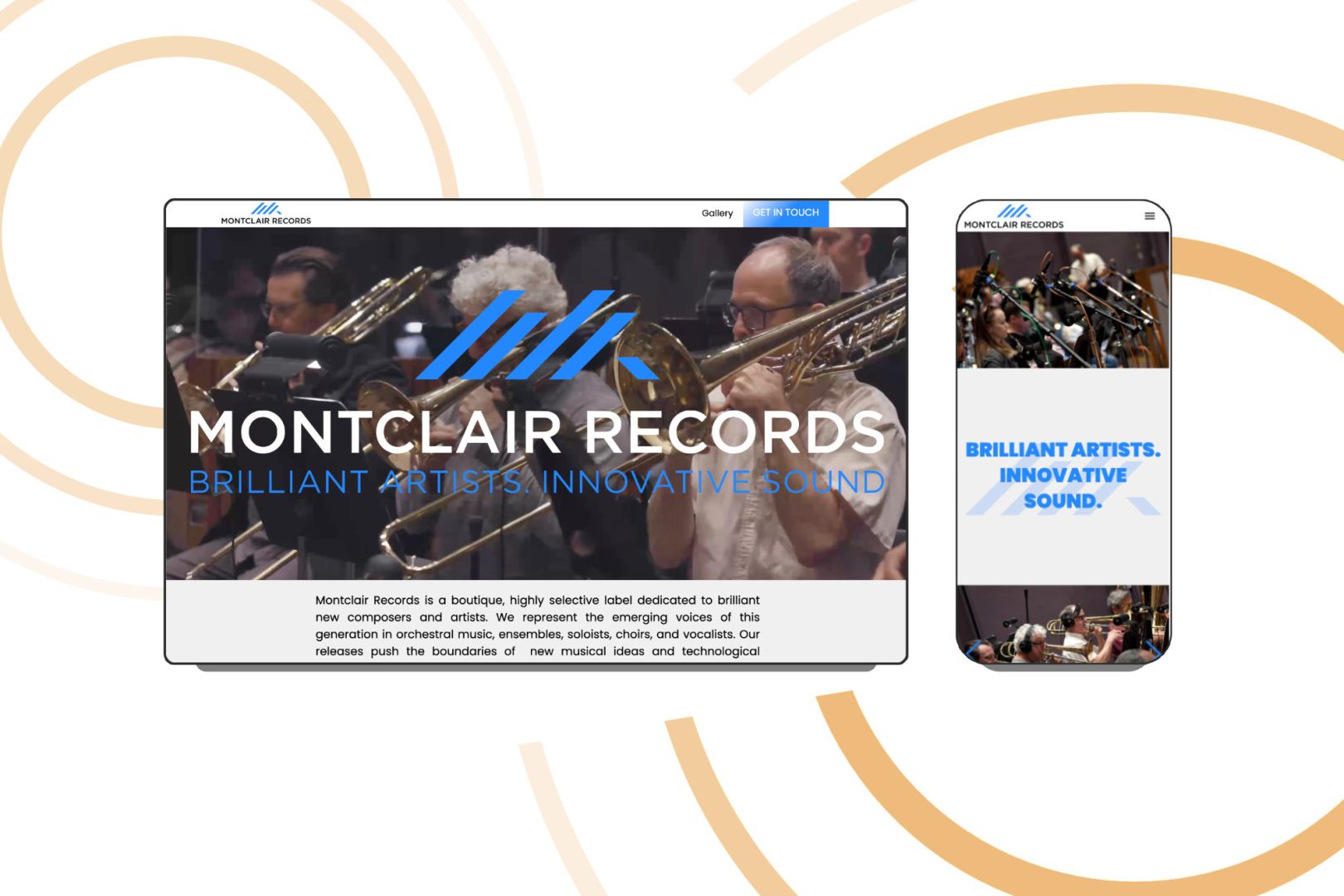
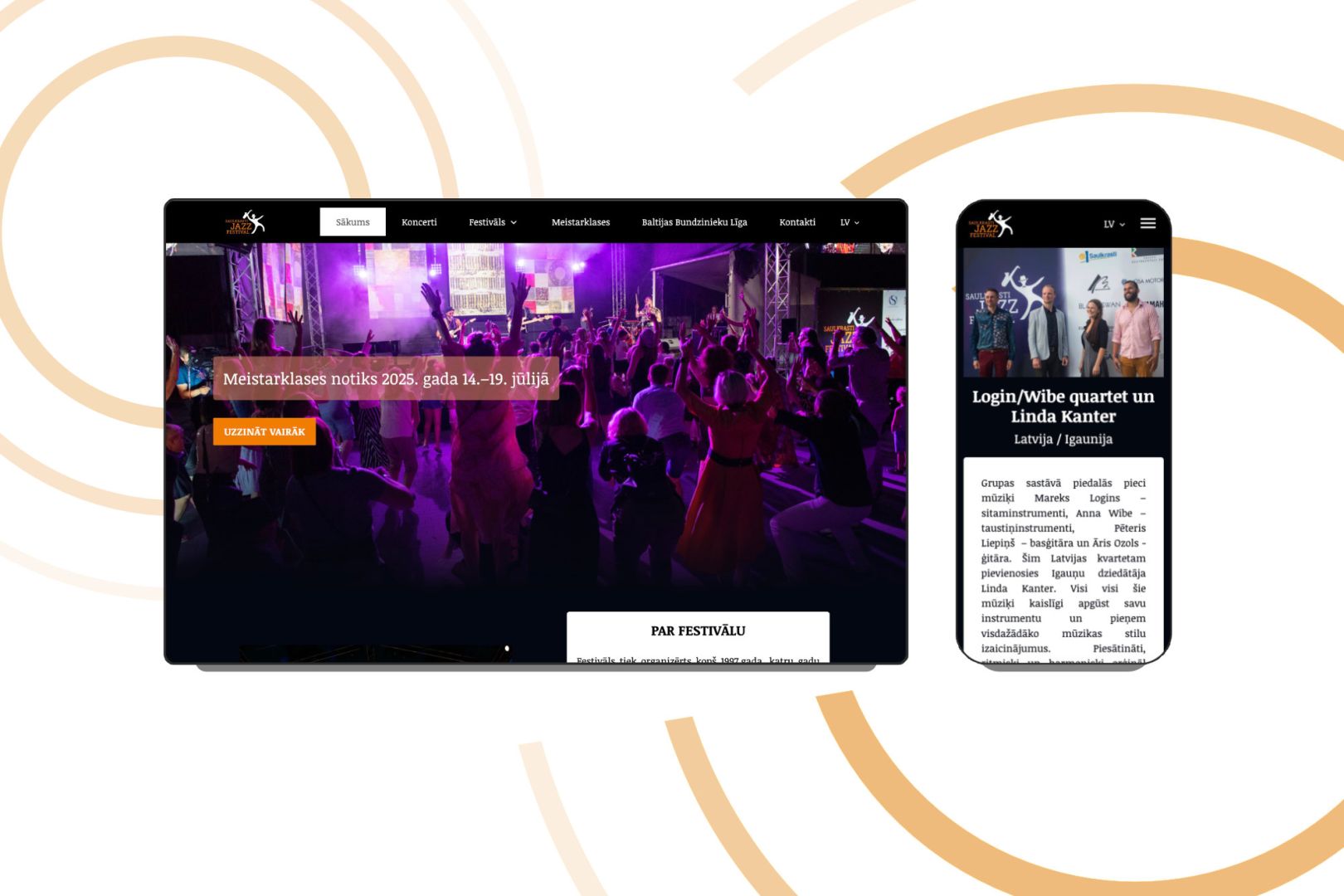
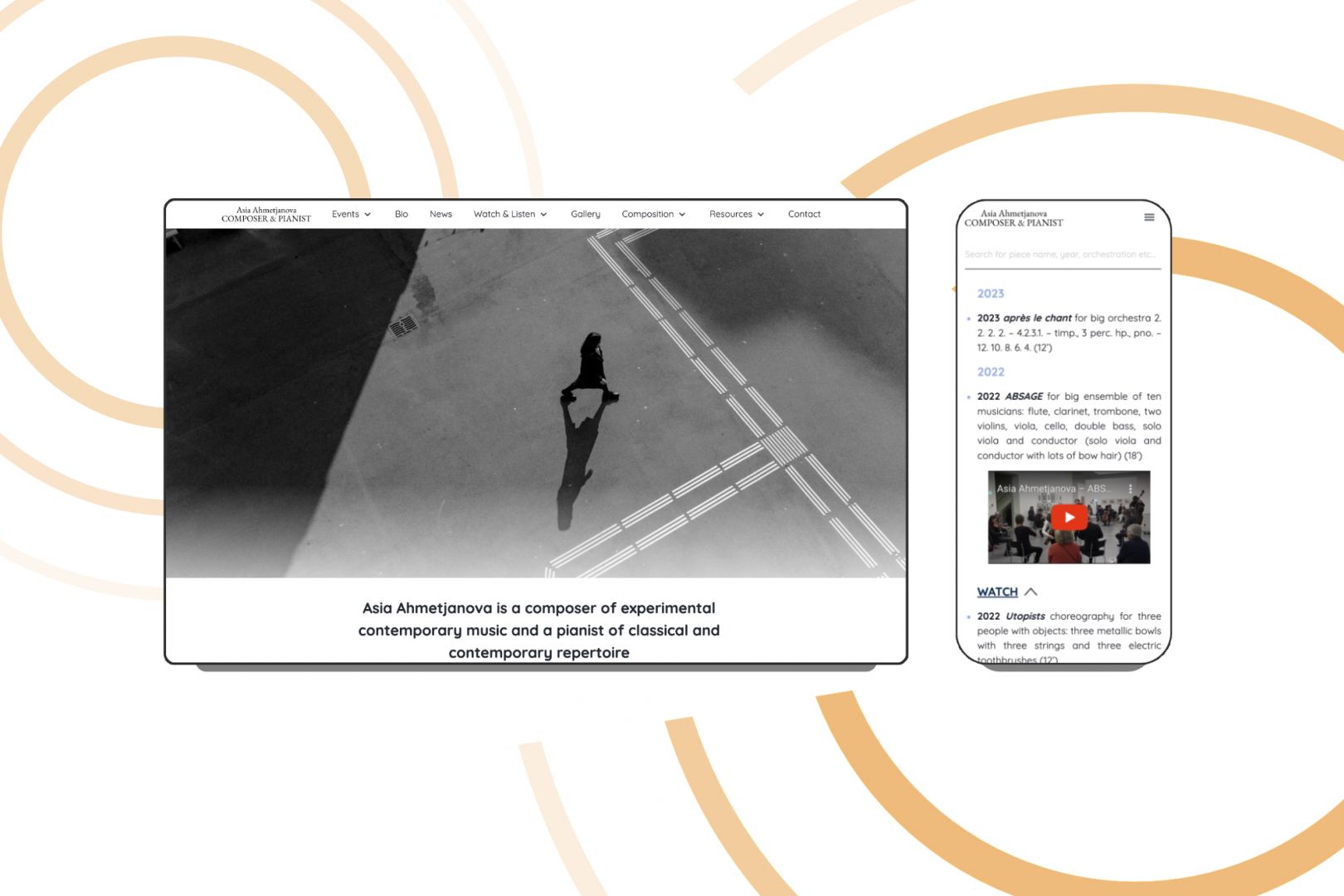
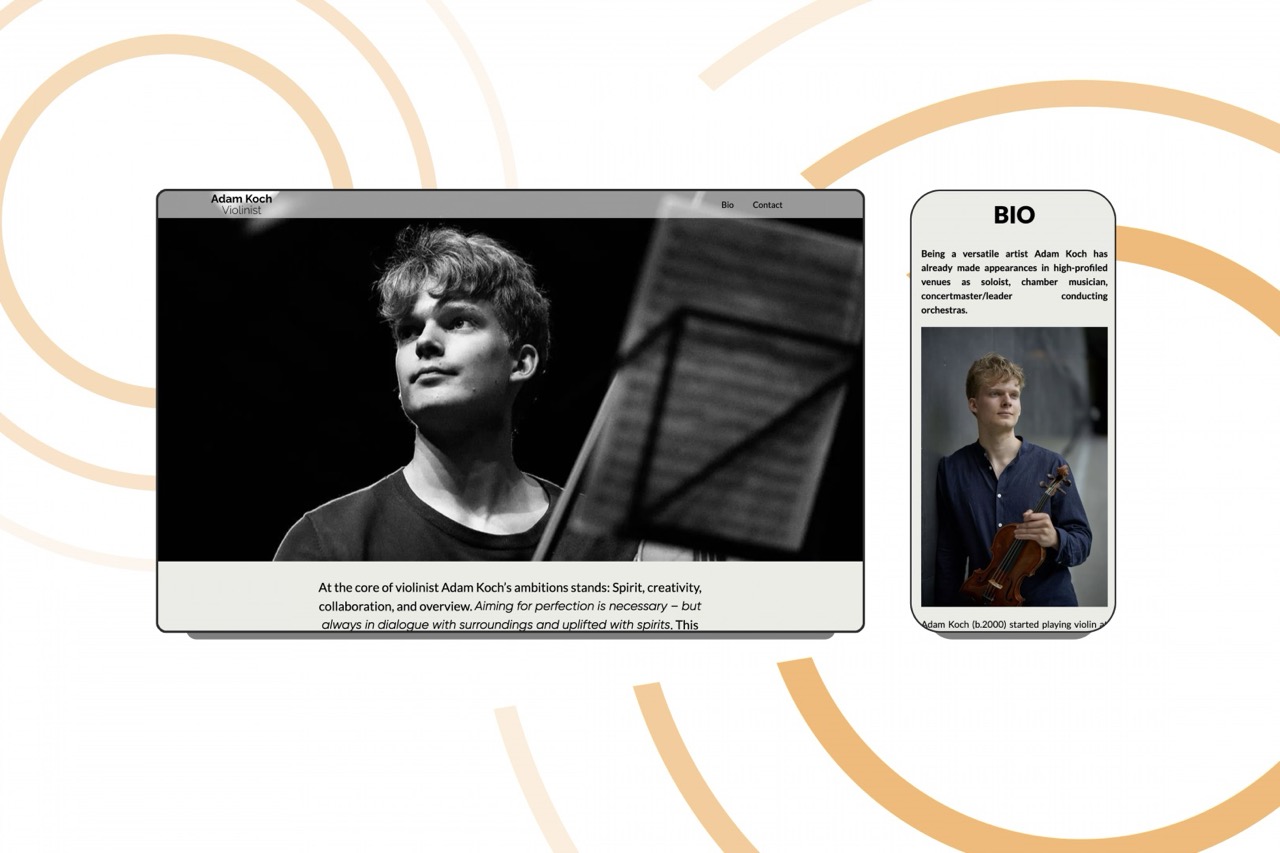
In today's digital age, a website is essential for musicians who want to build a professional online presence and connect with their audience and music industry professionals.

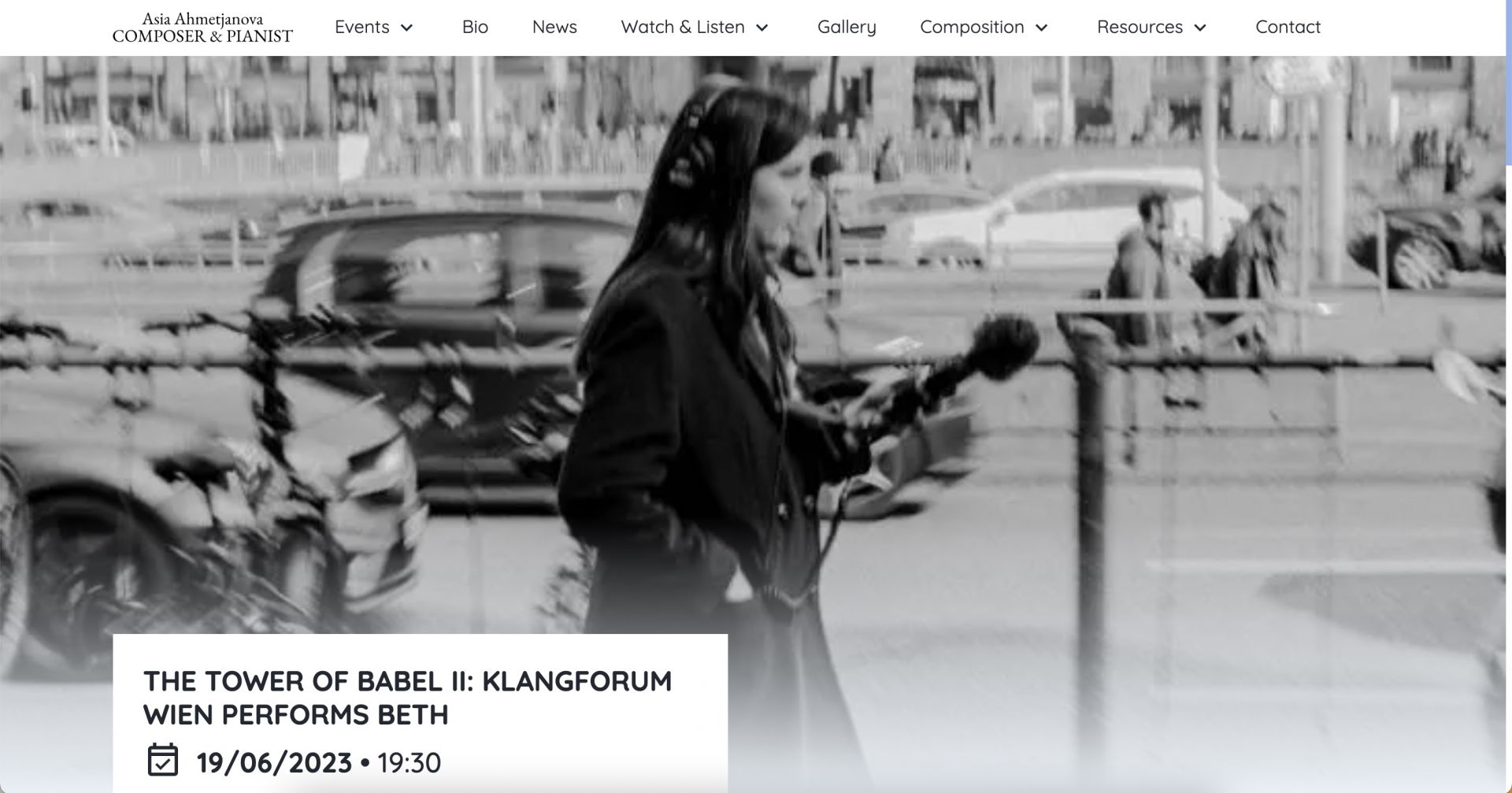
In its simplest form, a website serves as your online business card, your digital portfolio, where you gather the most important information about yourself and your music.
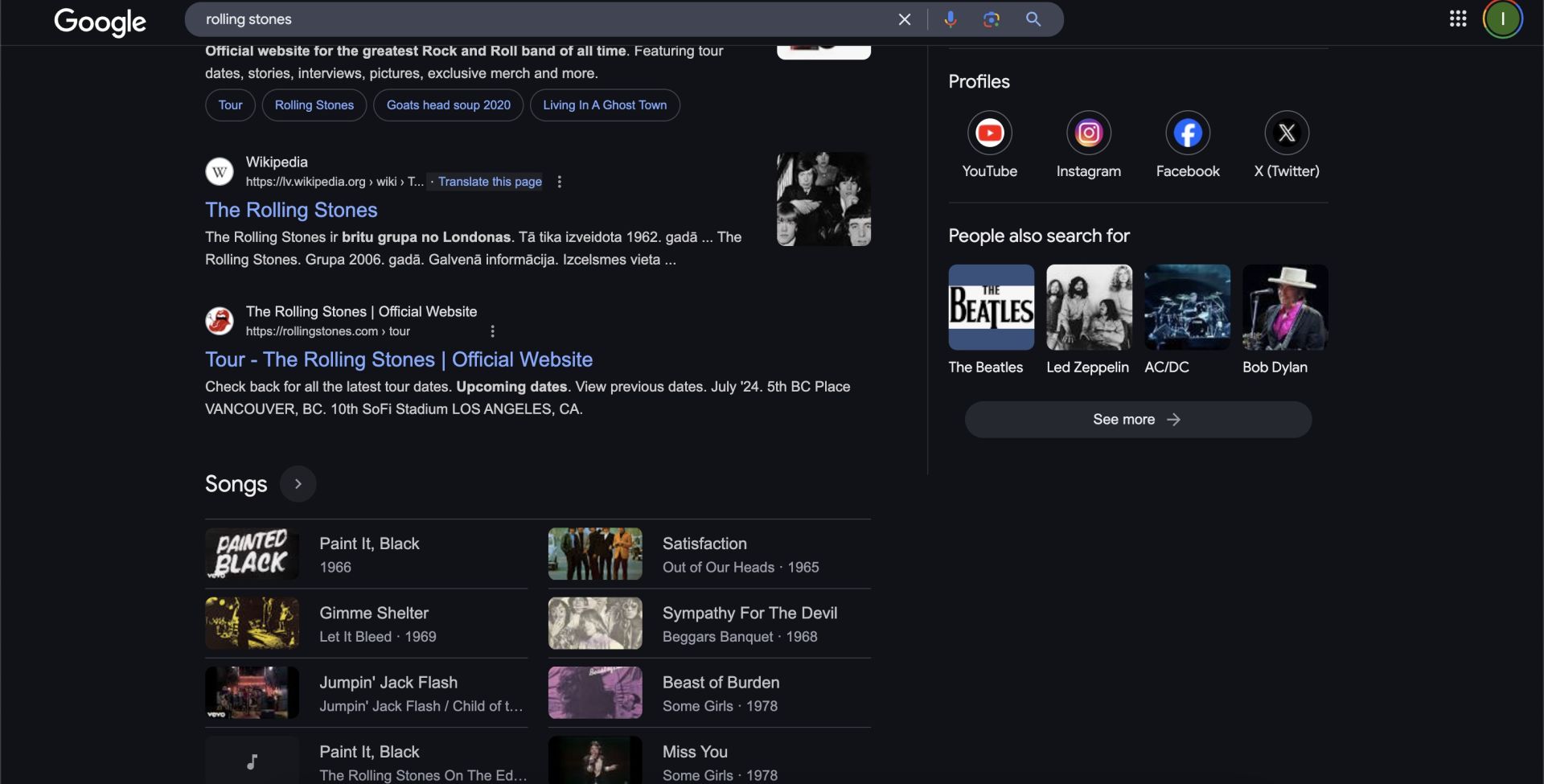
Your website (if you set it up properly) will appear on the first page of Google when someone searches for your name. Unlike social media, where the timeline is constantly changing and you compete with ads and other content, here you have full control over what people see. You can be at your best here, making it easy for visitors to discover your music and events and connect with you.
Having your own website also allows you to share a single link with managers, agents, producers and other music professionals and have full control over their experience.
However, if you only use your website as your business card, you will miss out on many actionable insights that you can use to advance your music career.
Data Analytics
One of the most important roles of your website is to collect data that can tell you about your audience's preferences and behavior.
Google Analytics is a free and powerful tool that can be integrated into a musician's website to collect data and provide insights that can help artists make informed decisions about their promotional efforts, marketing strategies, tour planning, and more.
One of the main benefits of Google Analytics is that it allows musicians to track traffic to their website. Using this information, musicians can see how many visitors are visiting their website, where they are coming from, how long they stay and what they enjoy the most on your website.
For example, you can find out if visitors come to your website through social media links, Google search results, or links in your email signature.
You can see which cities and countries your visitors come from and which pages of your website they visit most often.
This data can be used to identify trends and patterns in visitor behavior that can inform decisions about ad and marketing campaigns, promotions, and social media strategies.
Examples
User Behaviour Insights for Musicians
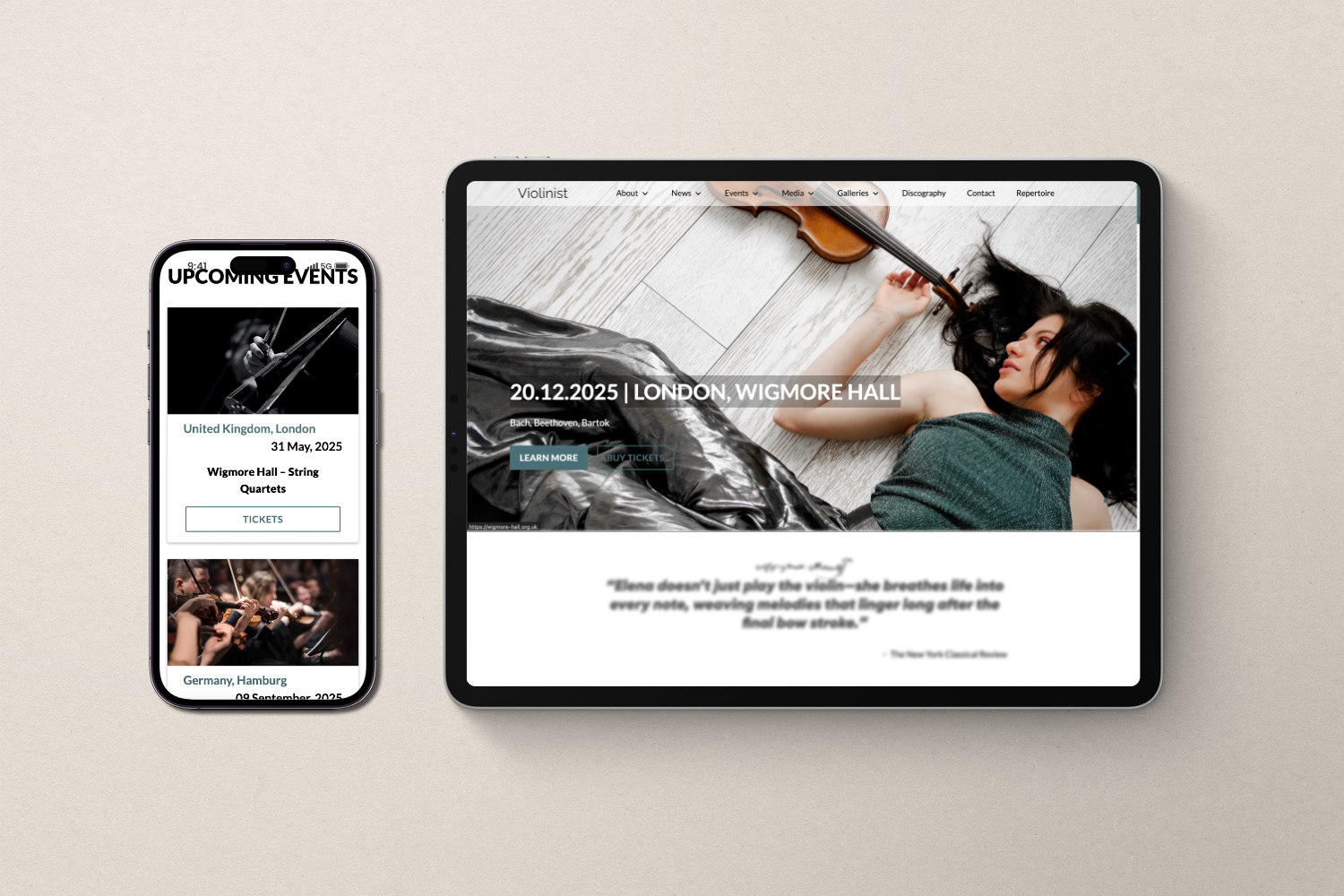
Jane is a successful young violinist who is building an independent career. She uses her website mostly as an electronic press kit (EPK) that she sends to agents, managers and promoters.
She has a page with links to her concert programs and repertoire.
After reviewing the analytics, she finds that one particular link has many more clicks than others and visitors stay on that page for much longer to read the concept and watch her videos.
For her next outreach campaign, Jane decides to focus her energy on this particular program. She sends emails to event organizers proposing a single program that get the most interest from previous visitors and get a few festivals to invite her to perform.
Audience Demographics for Musicians
GA4 Trio is an international piano trio based in Germany that frequently performs in Germany, Italy and Switzerland.
GA4 Trio has a multilingual website. Since they have an international career, they focus on the English version of their website. Here they add the list of events, program notes, news, etc. On the German and Italian version only the list of events is updated.
After looking at Google Analytics reports, they have noticed that most of their visitors come from Italy. They also notice that the visitors are mainly young people.
They decide to create more content in Italian and add Italian language to their social media post captions. They also changed the tone and mood of their posts from very formal and conservative to more fun and casual to connect with their young fans better.
Their social media is experiencing rapid growth, which in turn is a sign for event organizers in Italy to invite the trio more often, as the trio can generate a good number of ticket sales on their own, so the organizers have to spend less on a marketing campaign to get a full hall.
Music Marketing and Ad Campaigns
Ryan is a recording artist just released his latest album CD. While people can listen to his recordings on Apple Music, Youtube Music and any other streaming service, Ryan also sells physical copies of his CDs on his website along with other merchandise.
He uses a combination of content marketing, email marketing and ads to promote his music. Using Google Analytics (alongside Facebook Pixel), Ryan is able to track the success of his promotional efforts and improve his content marketing and ad campaigns to drive the most sales.
In reviewing his data, he finds that by investing $250 in email marketing, he only generated $150 in sales. However, after spending $500 on social media ads, he achieved $ 1200 in sales.
Ryan decides to focus all of his efforts on social media ads because they bring in the most revenue.
He also notices that many people visit a blog post he wrote about one of his earlier CDs. There he wrote stories about his recording experiences, anecdotes about the artists he worked with, and added some photos and reviews.
This blog post was responsible for almost 30% of the visits to his website and generated a large part of the revenue.
Based on this insight, he wrote a blog article in a similar format about each of his releases on CD, which significantly increased the number of visitors to his website via Google search, streams on streaming platforms, and purchases of his CDs.
Without the analytics tools installed on his website, it would have been impossible to gain these actionable insights and make the necessary improvements.
Conclusion
In today's digital world, it is essential for musicians to have a website that not only showcases their music, but also collects data about the behavior and preferences of their fans.
Google Analytics is a powerful tool that musicians can use to track website traffic, user engagement, and the effectiveness of marketing campaigns. Using this data, musicians can make informed decisions about their marketing strategies, tour planning, content creation and much more.
Musicians can combine music analytics, streaming data and other insights they gather from each music platform, YouTube studio, and social media platform with Google Analytics reports to develop the best music marketing strategies to reach their perfect listener.
Integrating Google Analytics into a musician's website is a critical step to building a strong online presence and succeeding in the music industry.
We can easily install Google Analytics on the websites we build for you and provide you with comprehensive reports on user activity on your website.