Music Promotion Ideas for Building Your Fan Base (With Action Plan)
Table of Content
Building a loyal fan base and bringing your music in front of your audience is critical to your success. It is important to produce great music. However, you need to have a solid music promotion strategy that will help your music to be heard.
In this article, we'll share some ideas for your music promotion that you can use to promote your music at any stage - pre-release or after.
Know your audience
To give your marketing efforts the best chance of success, you need to know who your target audience is.
Ask yourself, what does my audience like? How would they want me to talk to them - formal, friendly, letting them close or keeping a distance? Where do they listen to music online - Spotify, Amazon Music, YouTube Music? Do they still buy CDs? Knowing your target audience will determine your marketing strategy - what tone to use for your social media posts, which magazines and newspapers to get to review your music, what images to use for your album cover, how to present yourself and your music.

If you're a classical musician who wants to release a Bach only album, it's not enough to say, "My audience is classical music lovers." That's too broad. While classical music lovers are more likely to enjoy your recording than Iron Maiden fans, there are many different audiences in classical music niche. Some like opera, others prefer to listen to romantic symphonic music, and so on.
As musicians, we do not have the time or budget to do in-depth research. But you can imagine your perfect audience and make an educated guess.
For example: Jane, an independent musician with an established career as a cello professor releases a new album. She has a large following on social media. Many of her followers are students or aspiring musicians looking for knowledge and inspiration.
Instead of posting general information about CD, Jane could post excerpts from her recording and a short lesson about how she practiced the difficult passage, the particular phrasing, etc.
This speaks directly to the audience she already has and generates the desired attention for his upcoming recording.
In this way, Jane can also think of other music lovers who might enjoy her recording and tailor the message specifically to them.
Music marketing strategy
Once you have a solid idea of who you want to target with your music, you can start working on your music marketing strategy and decide which channels to use to market your music.
-
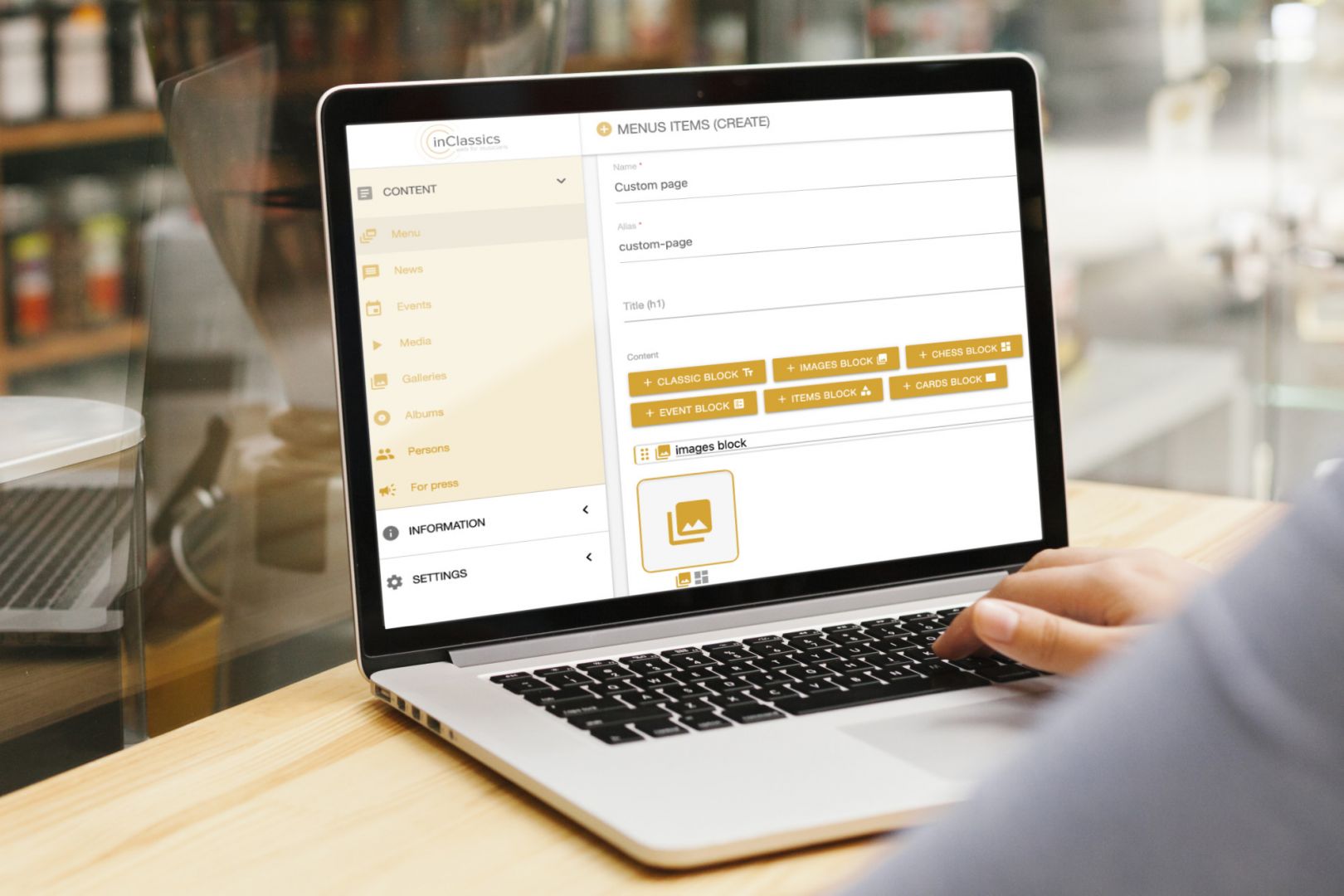
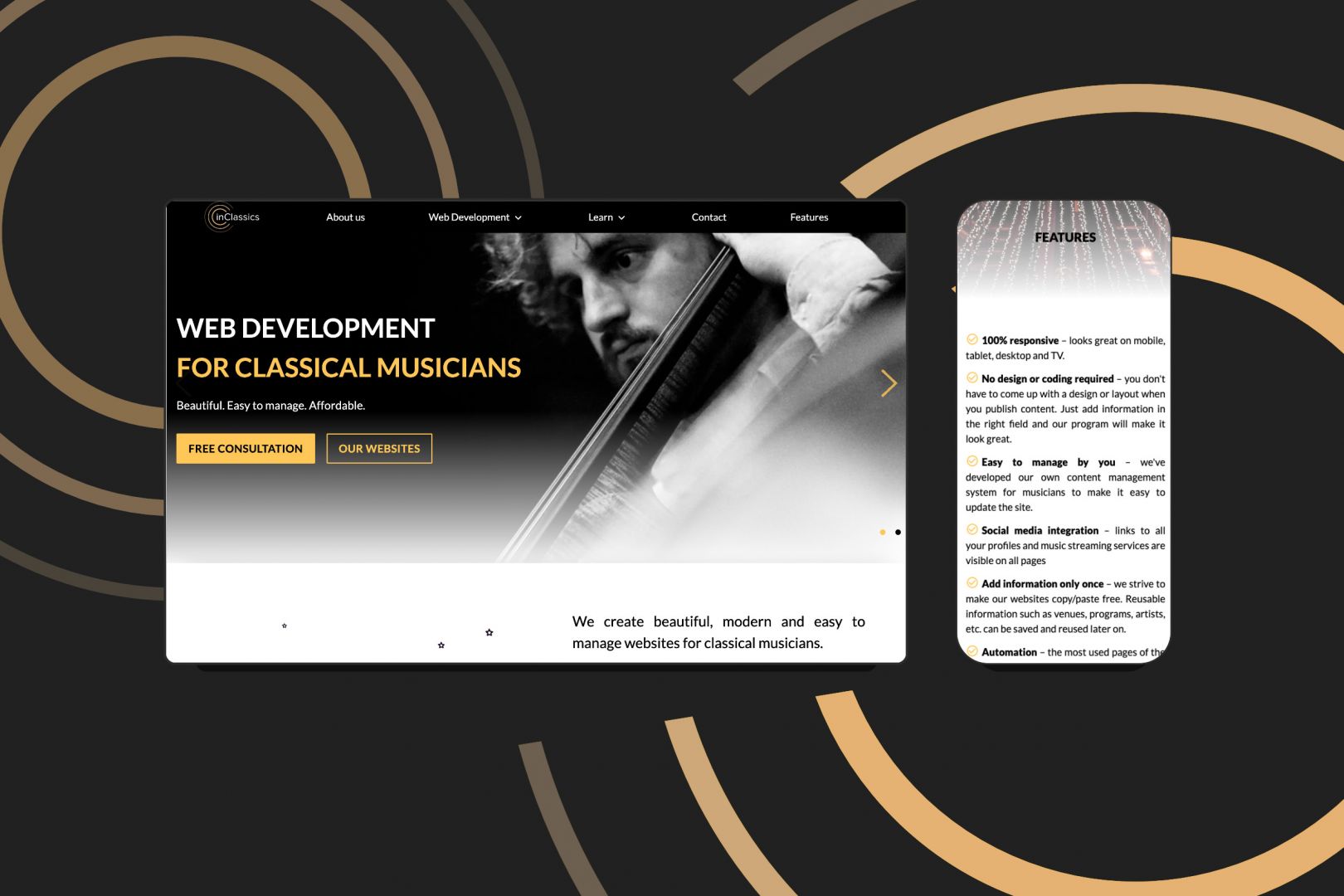
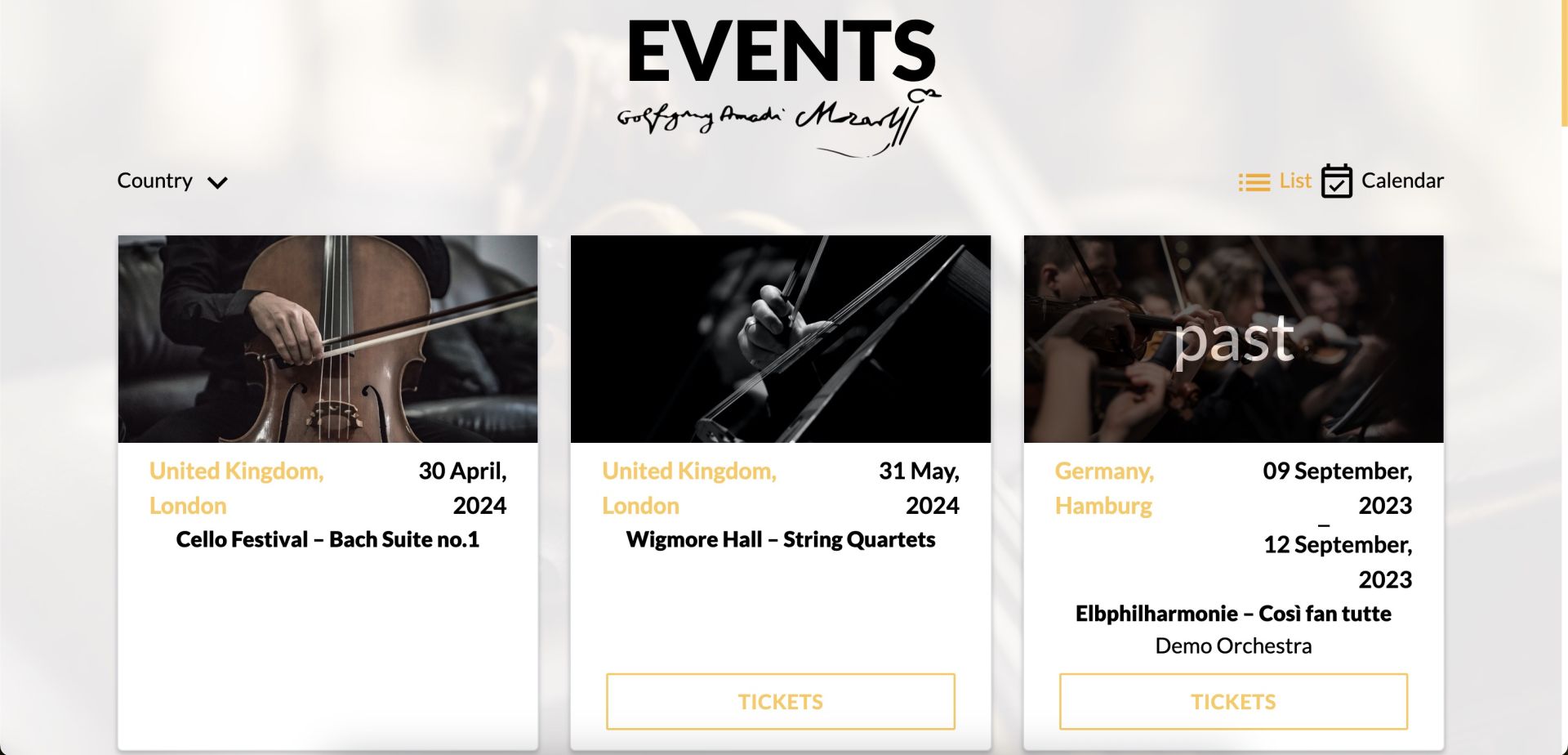
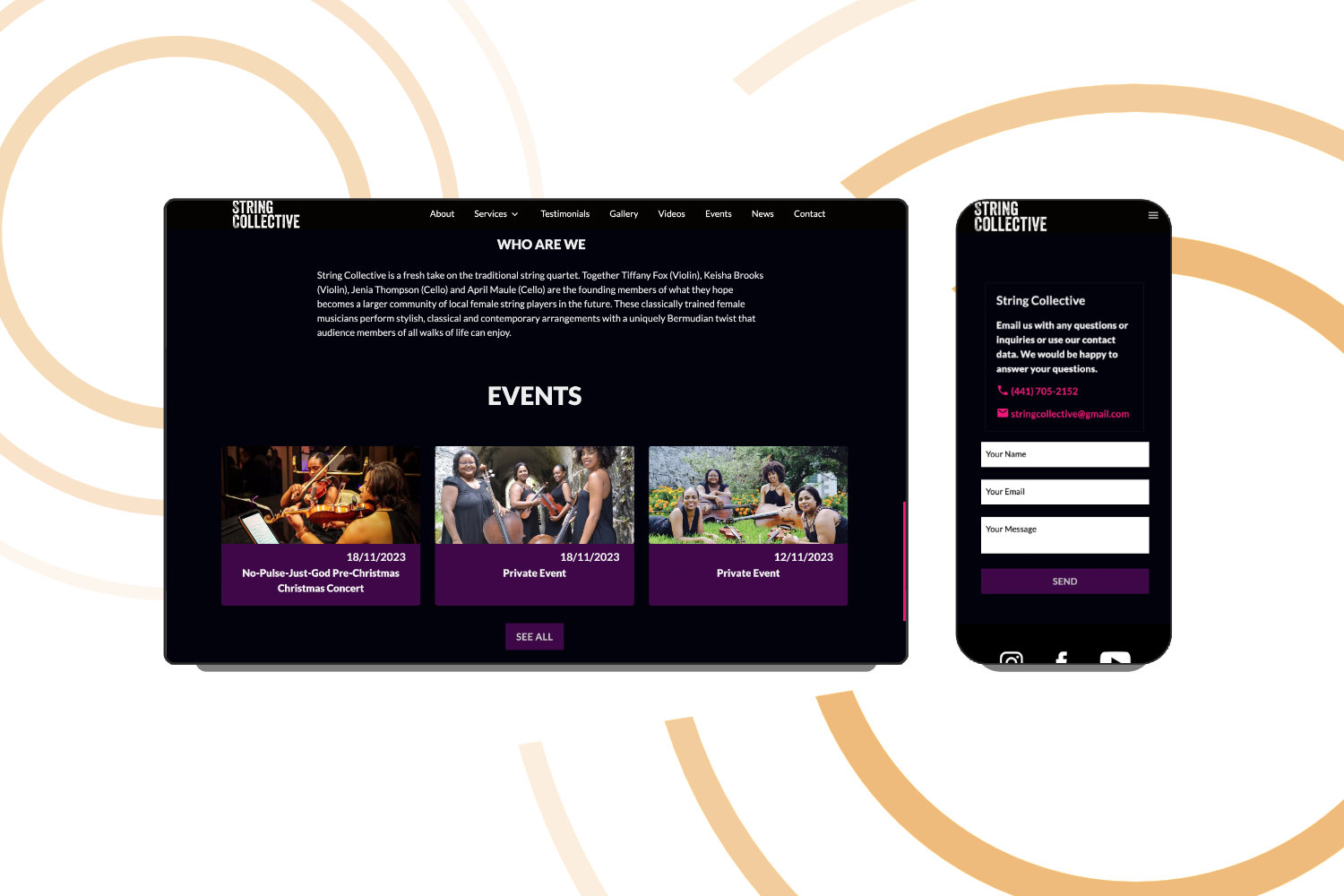
Create (or update) a website
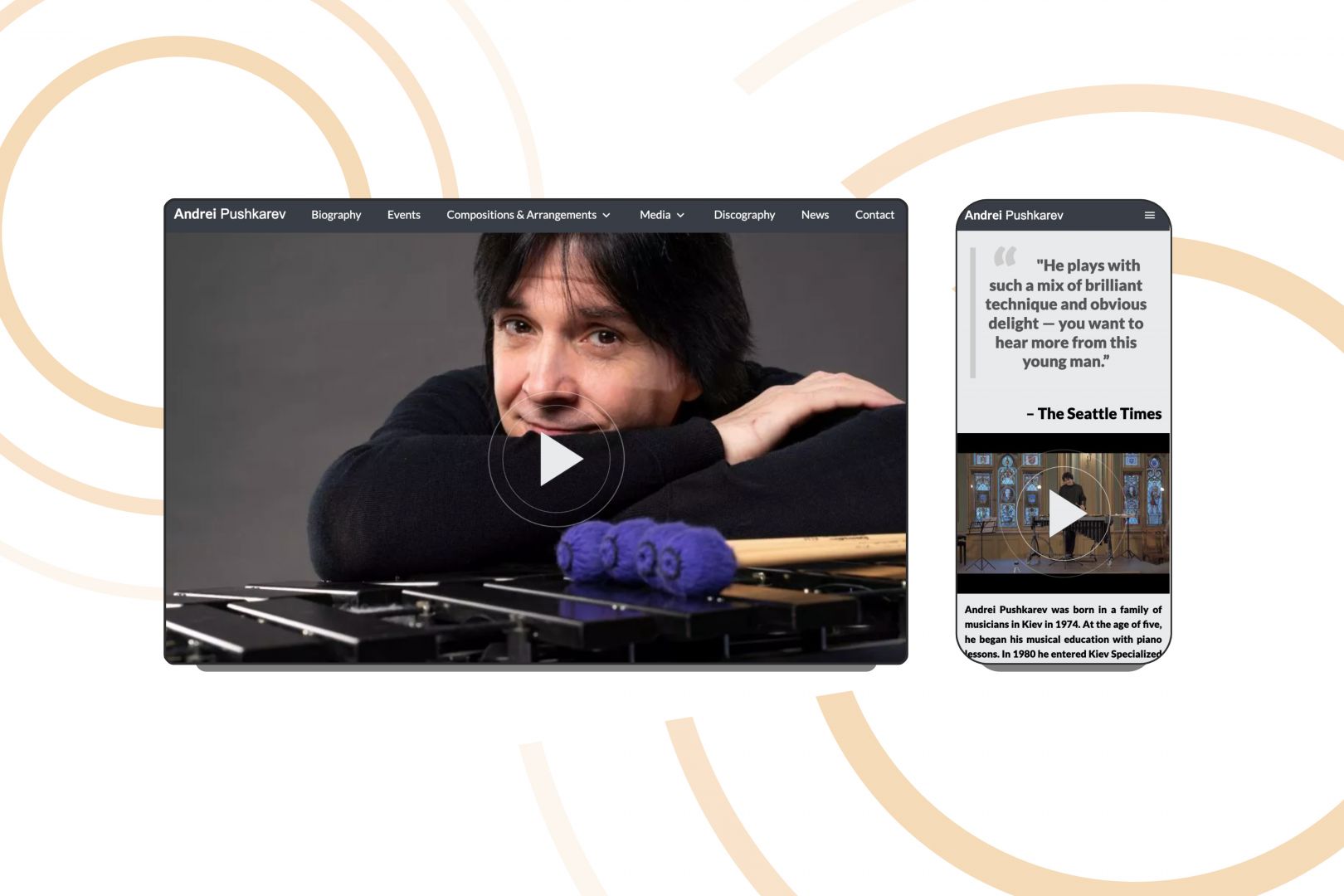
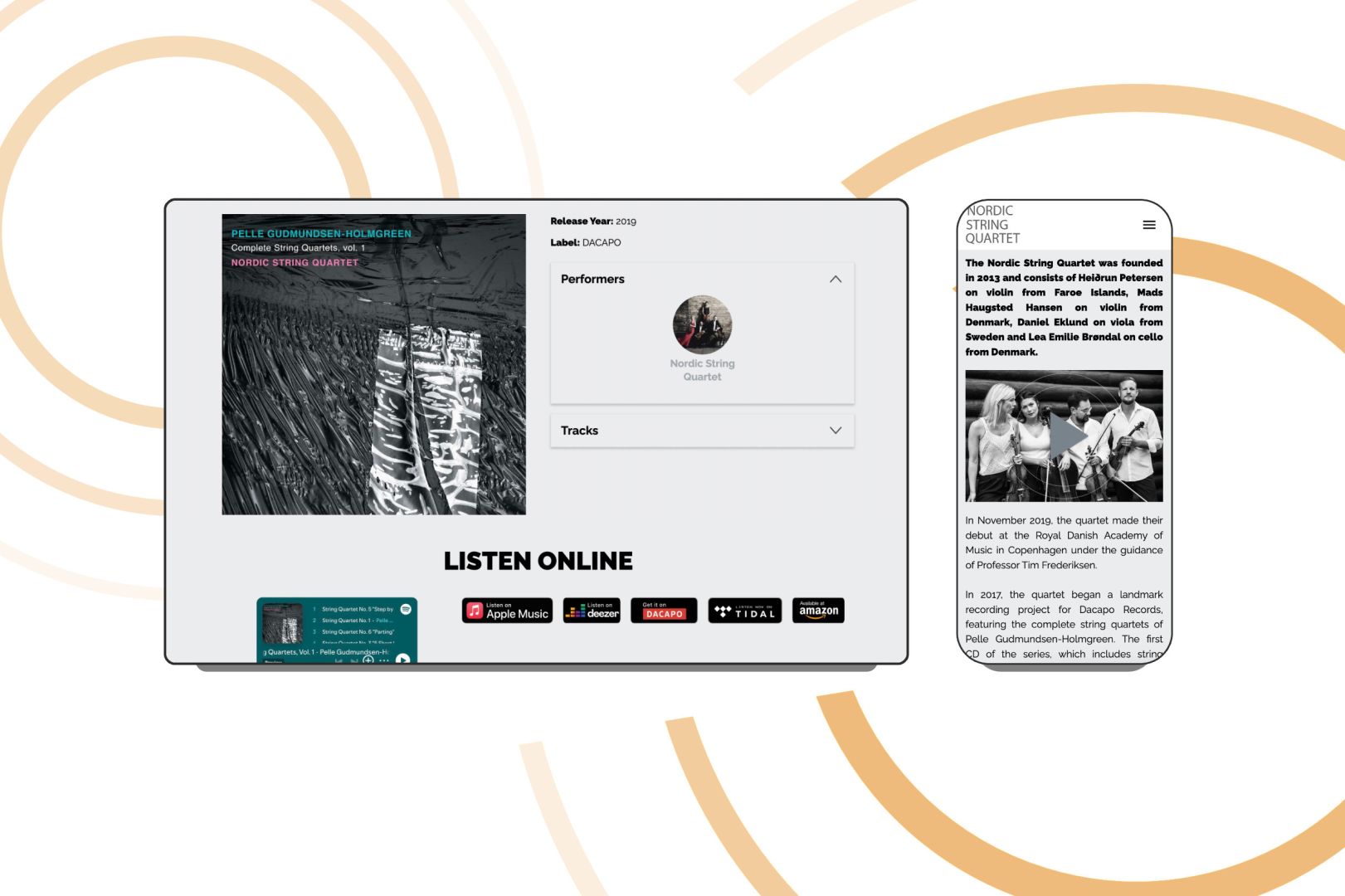
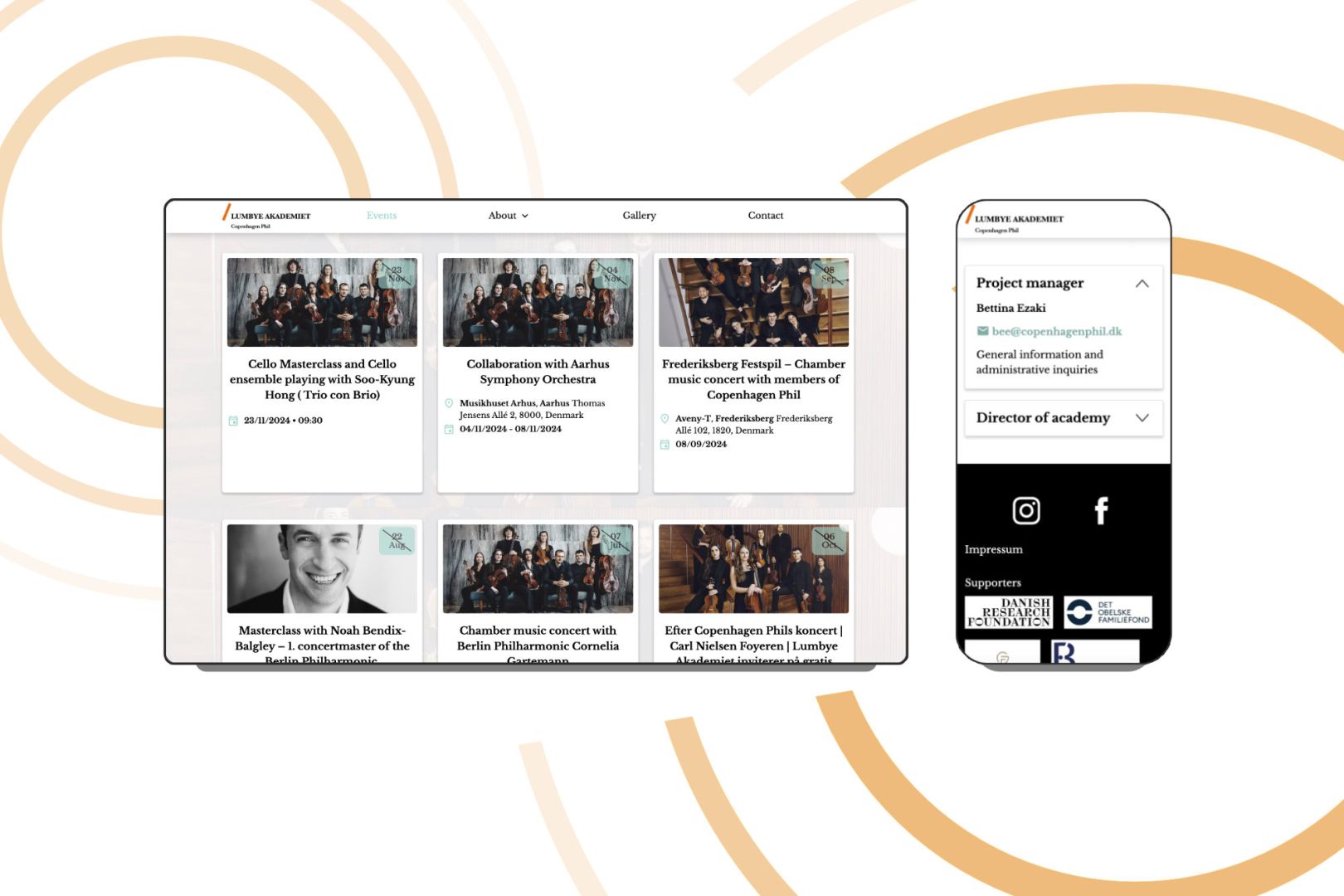
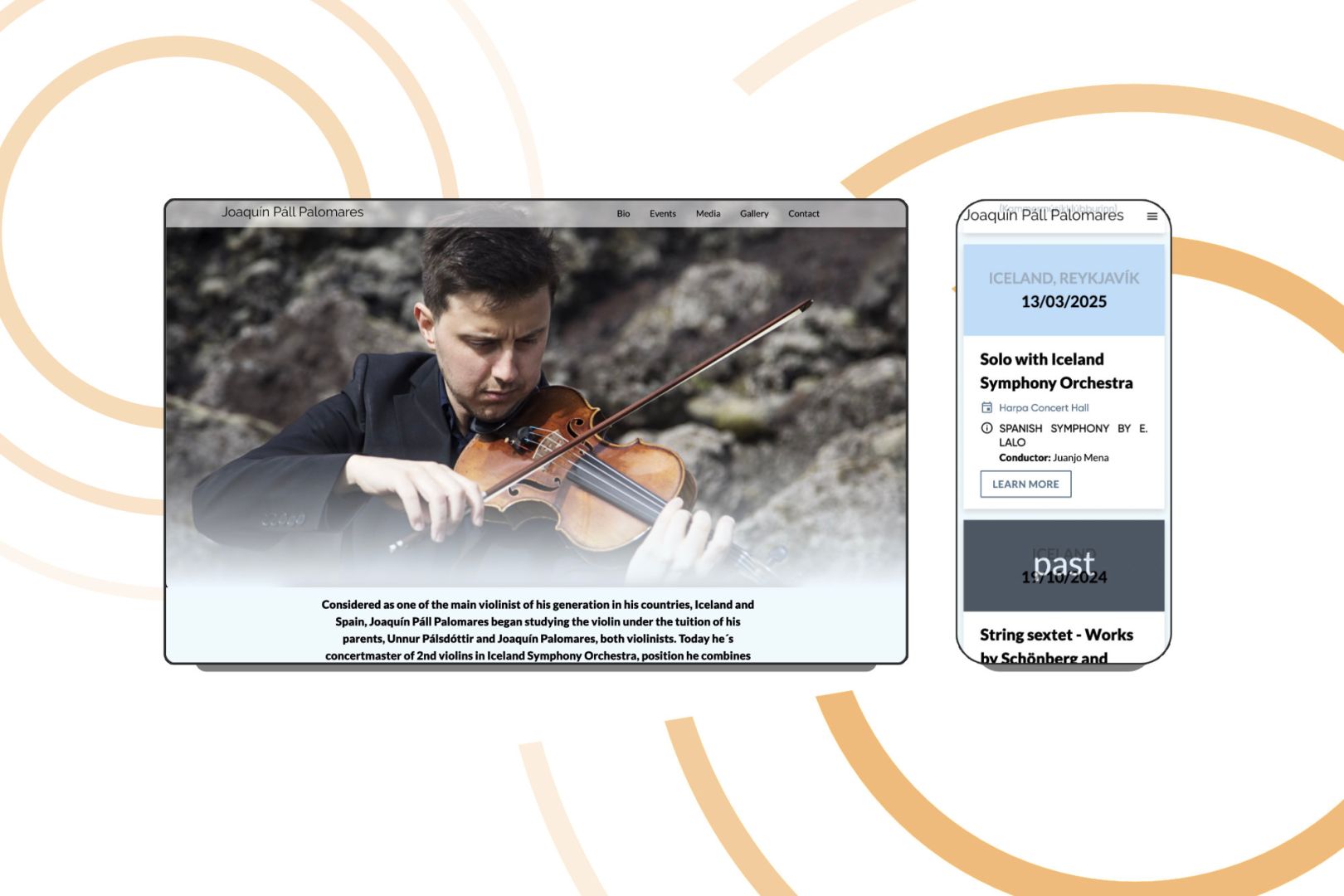
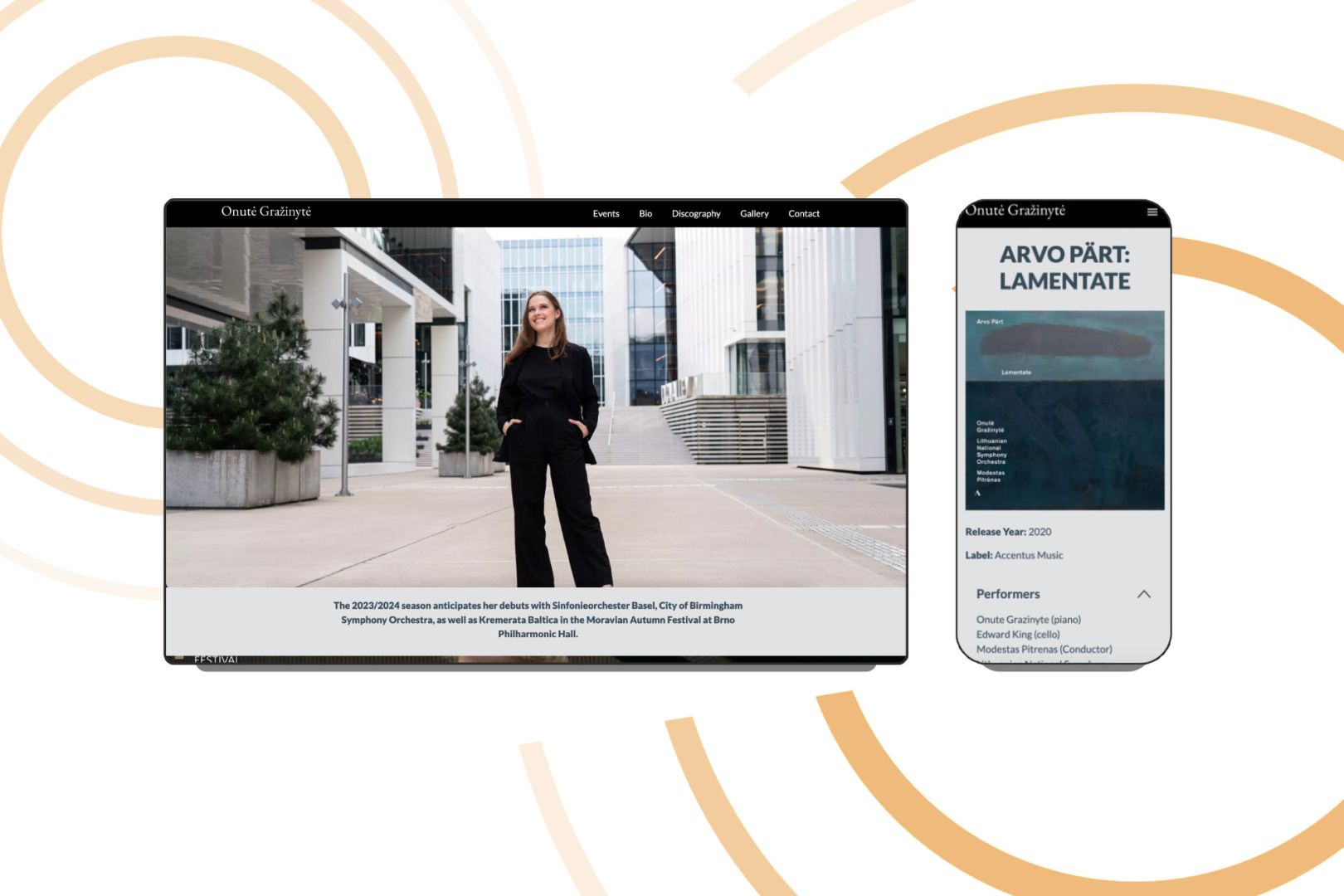
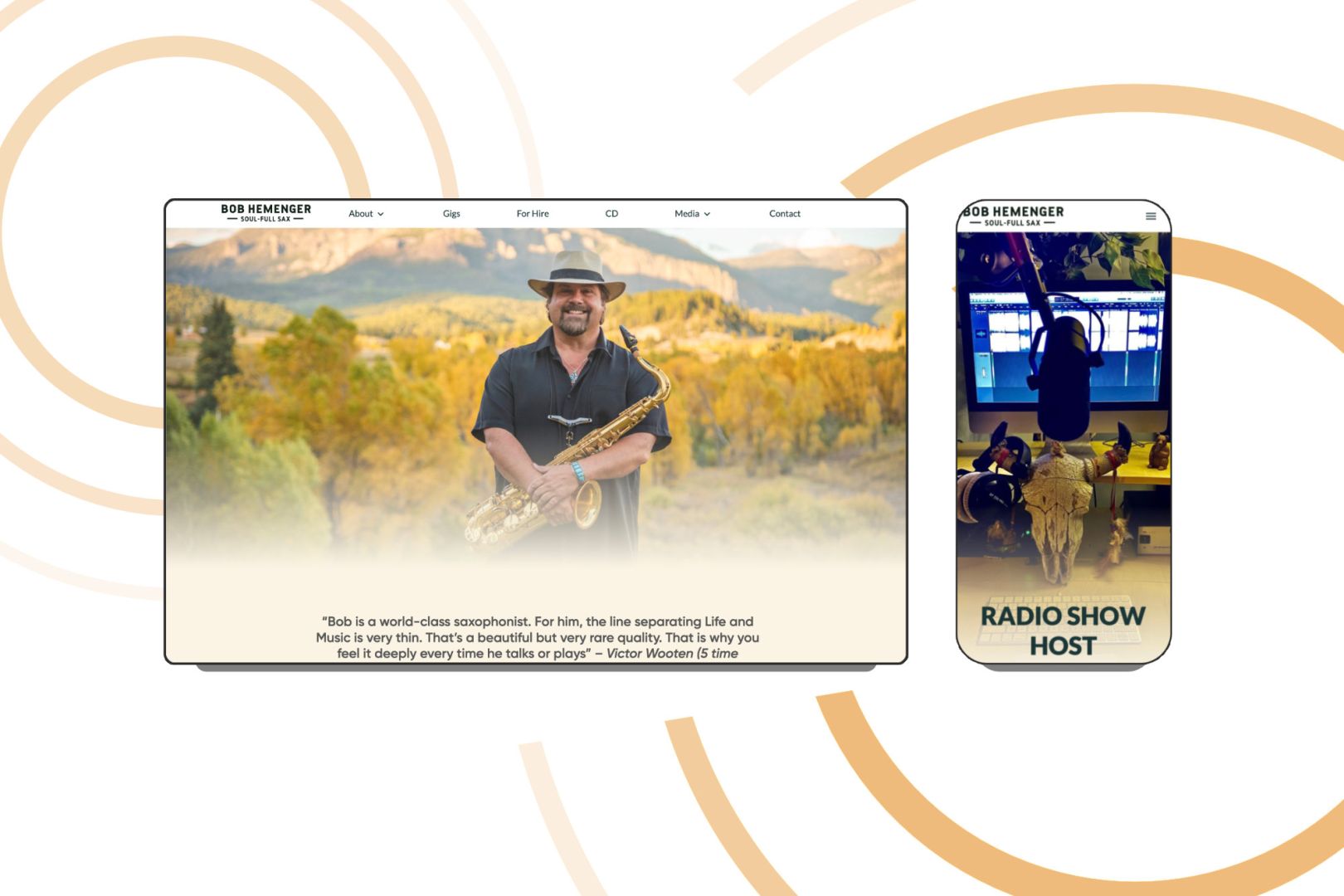
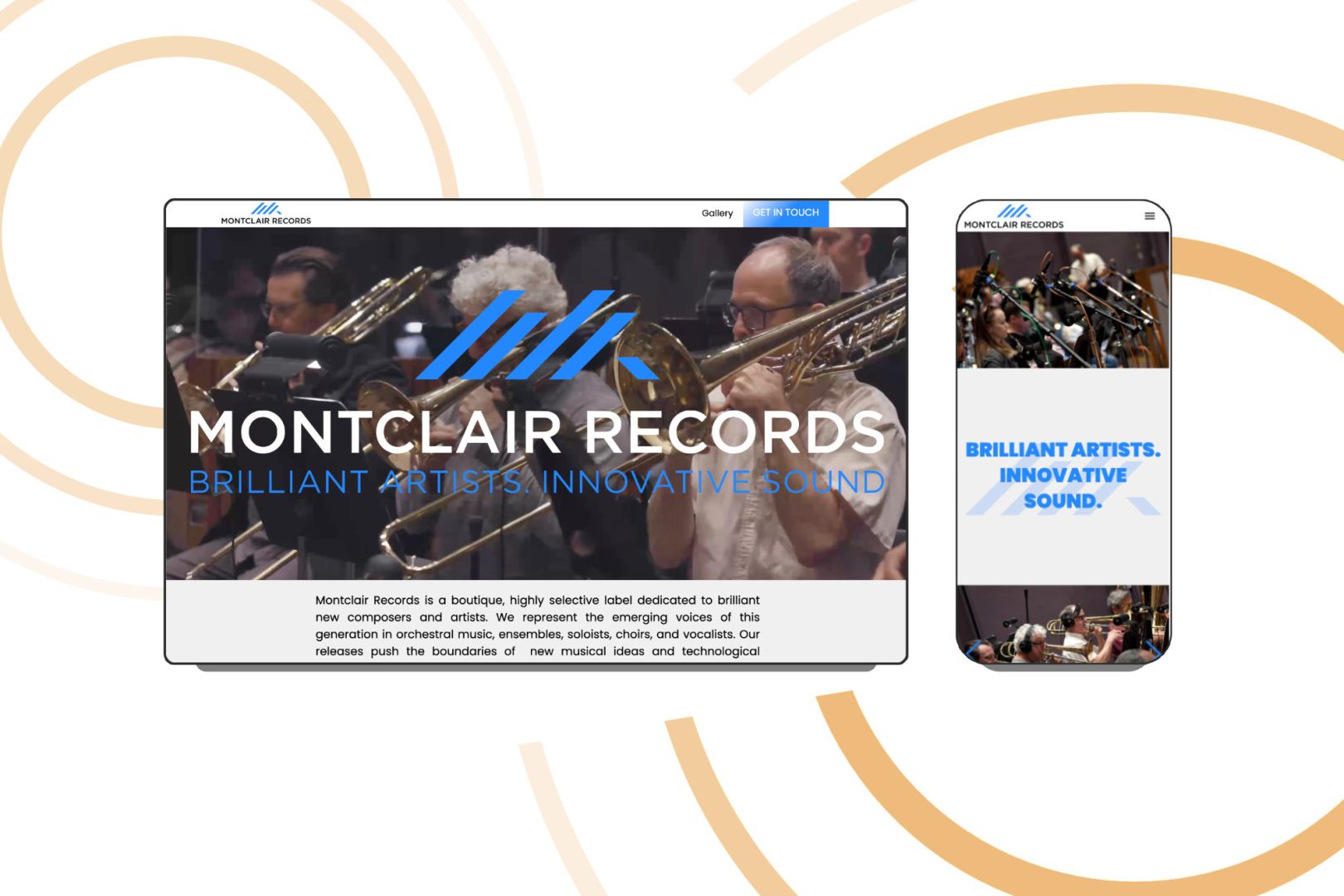
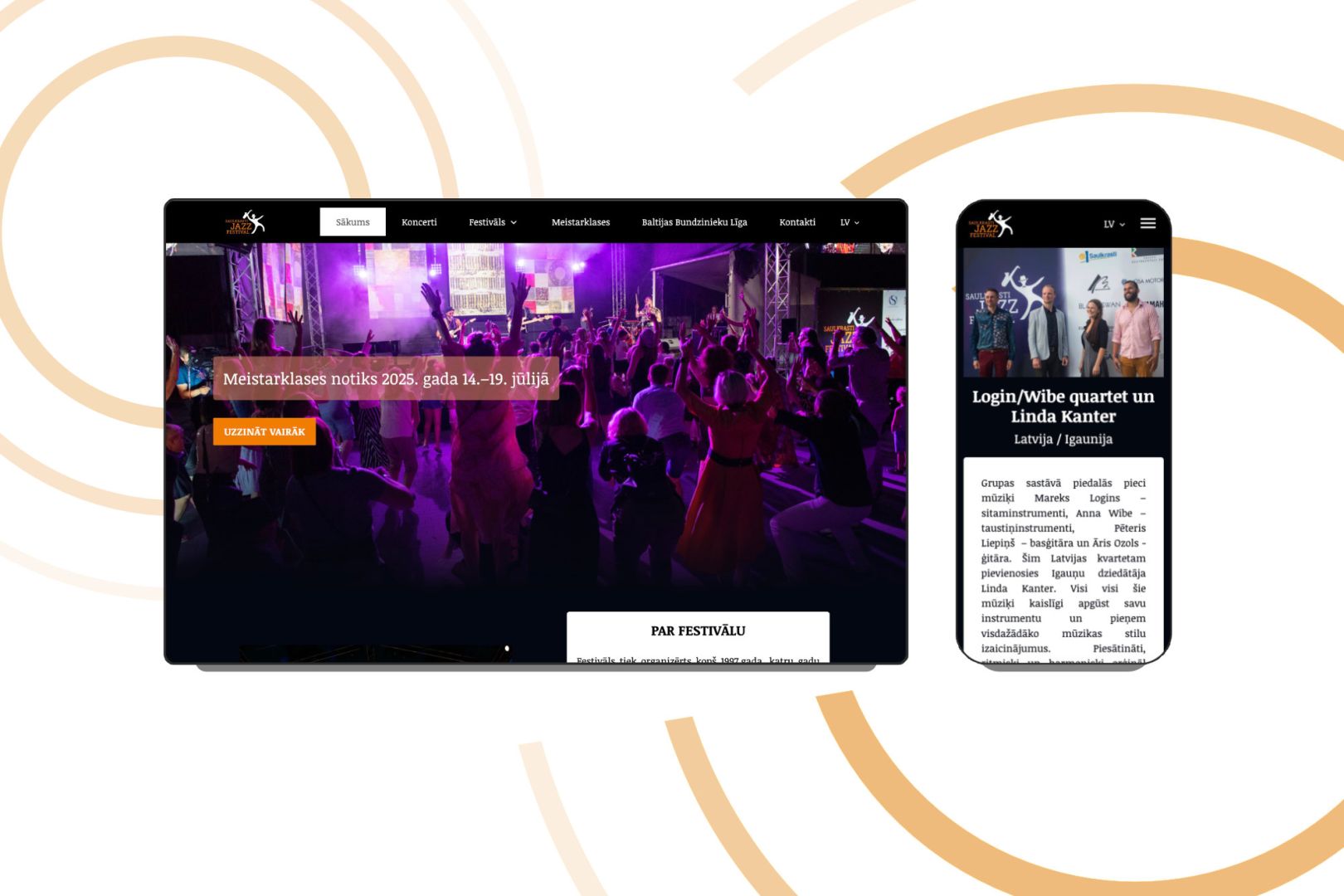
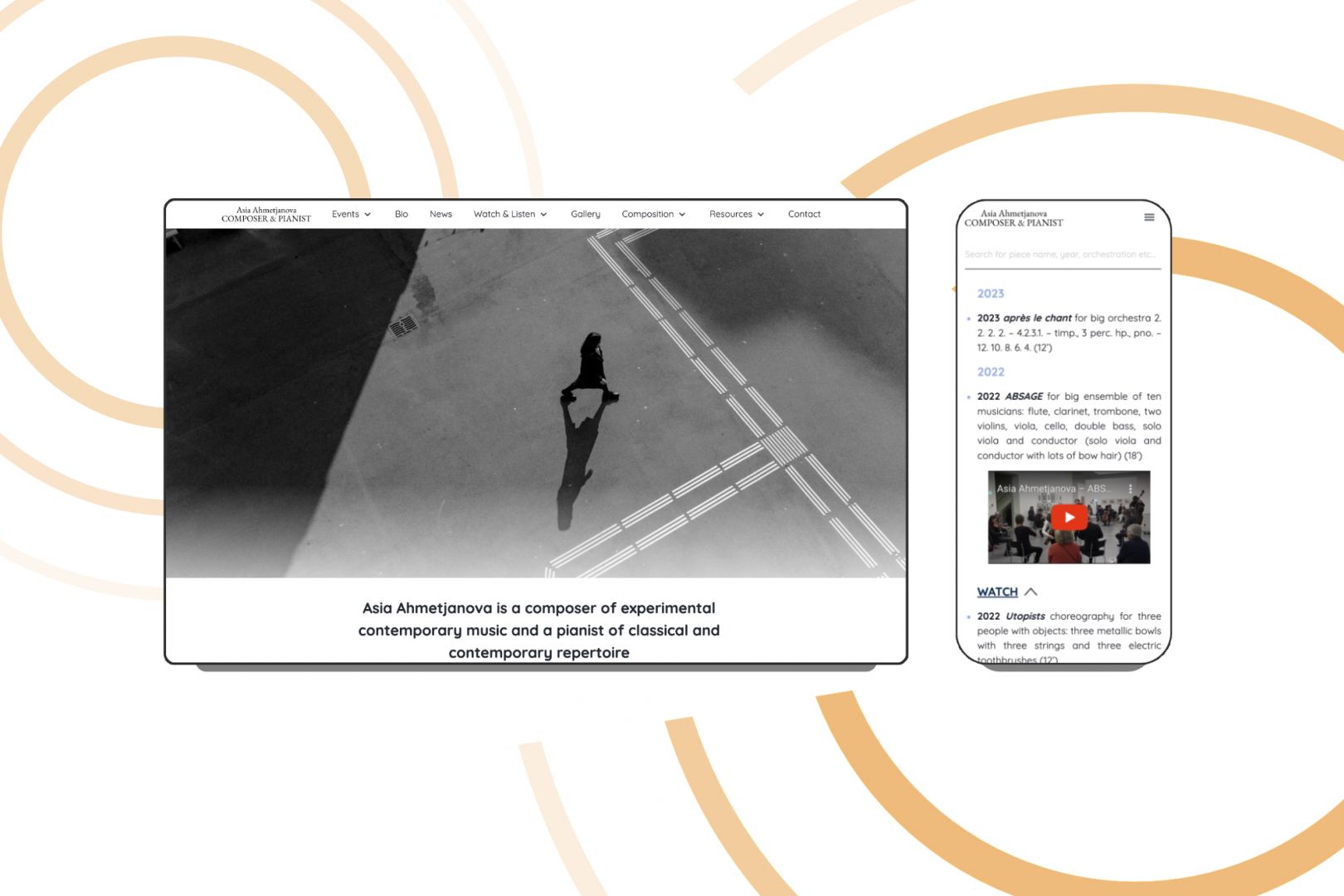
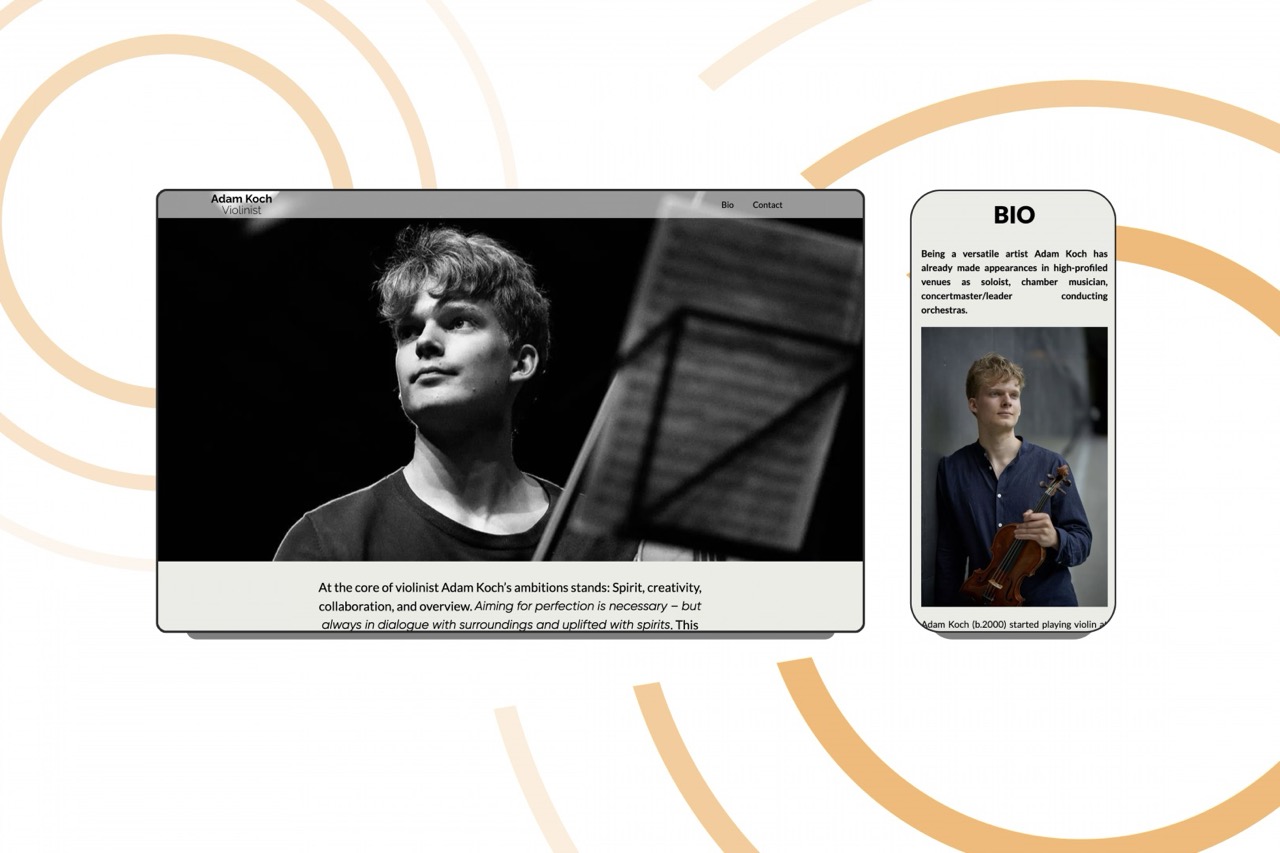
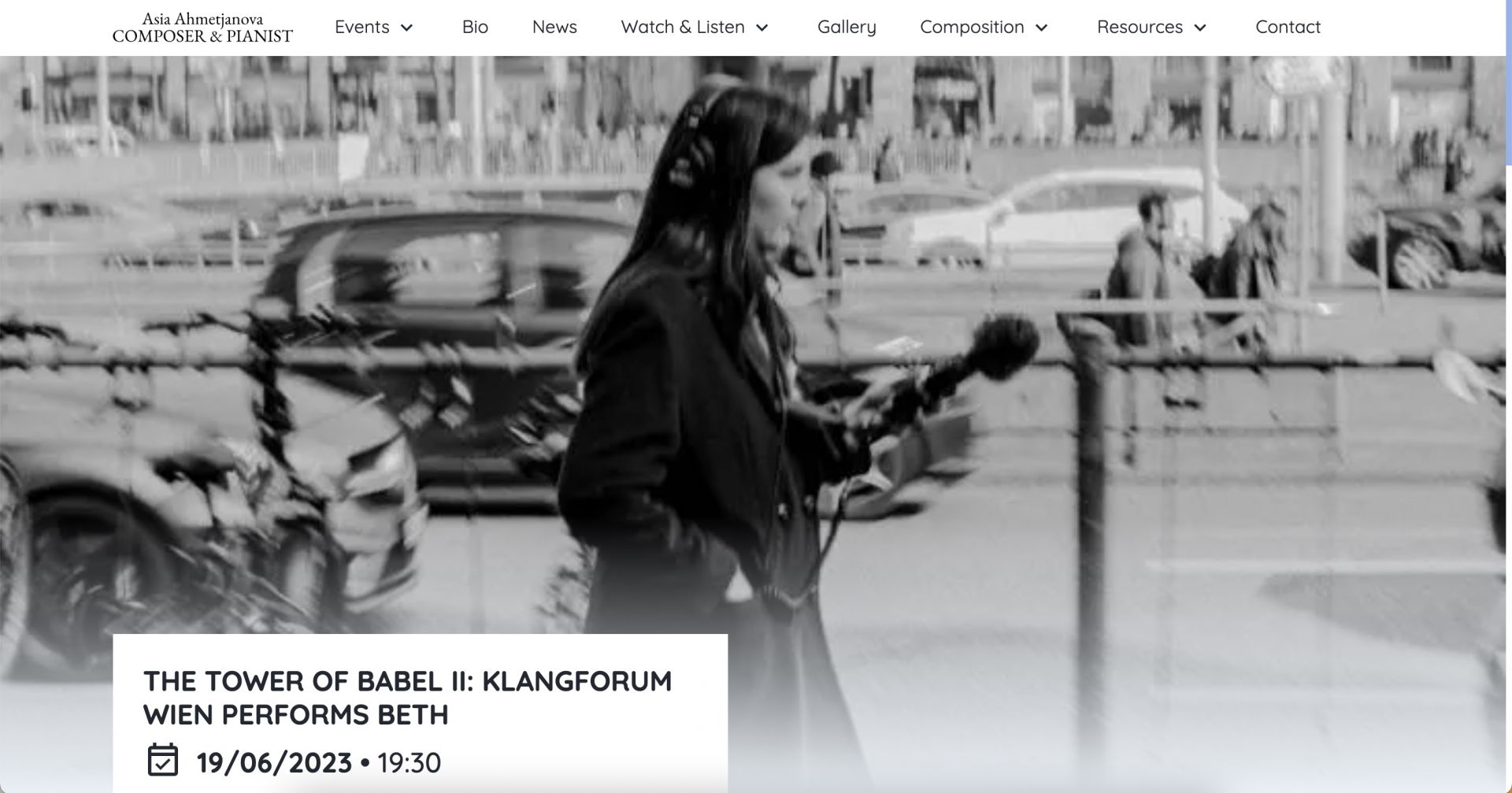
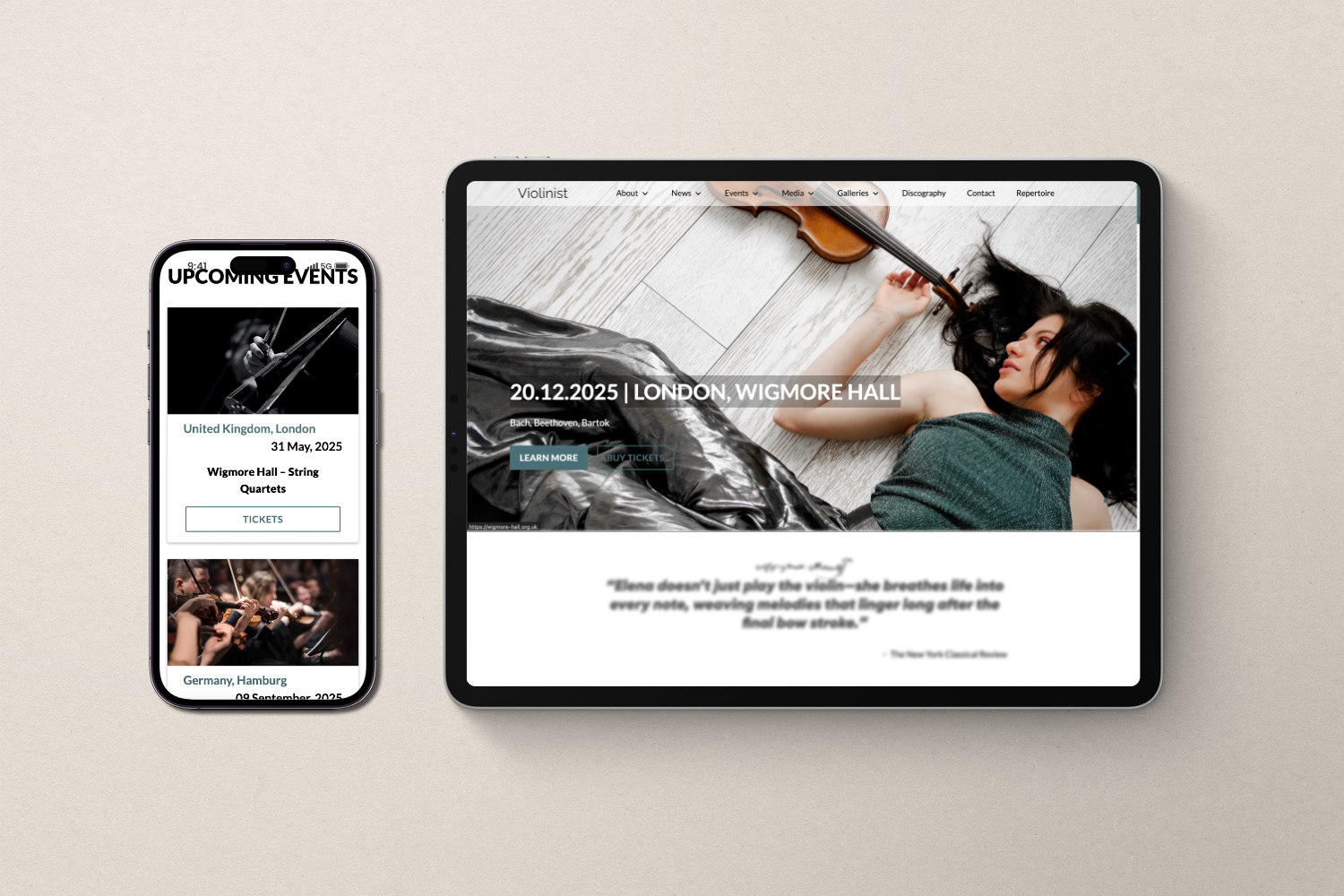
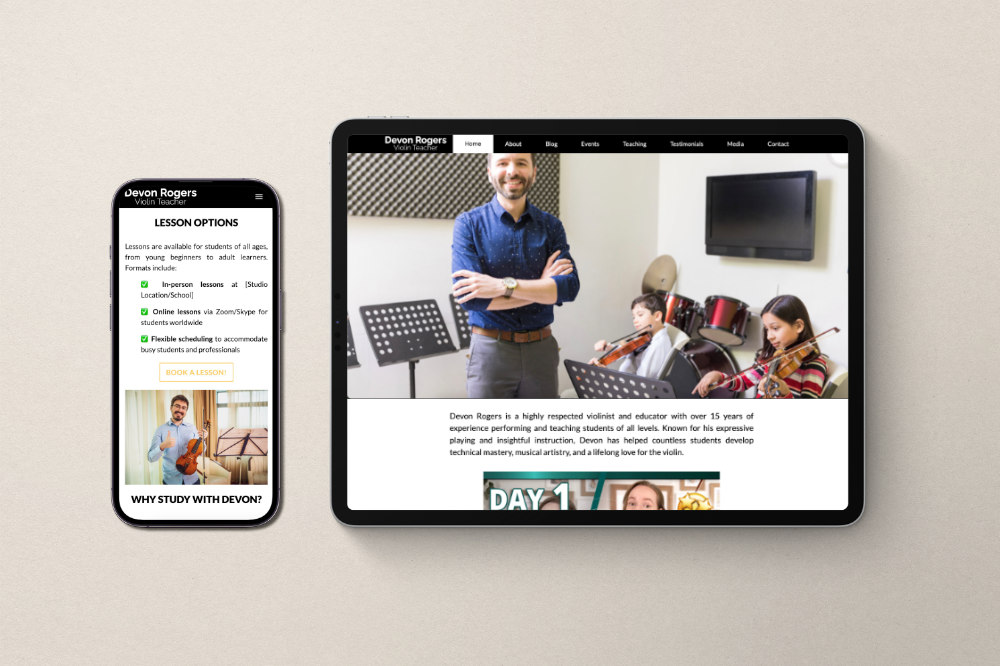
A website is the most powerful marketing tool you have. It is your music marketing HQ, where your audience can learn all about you and your music, find links to all your recordings, and buy your CDs.
Make sure you have an up-to-date bio and current photos on your website. Make it easy for a visitor (or a potential fan) to learn about you and find your music.
Your website must include a newsletter sign-up button. Email outreach is an important part of any music marketing plan, and having a list of your fans emails will give you a good jump start on your next music promotion campaign.
-
Leverage social media
Social media is arguably one of the most important channels for artists to promote their music. In today's crowded world, you need to find creative ways to make your audience aware of your music.
Nowadays, all social media platforms prefer short vertical videos. Make sure your content fits the tone and culture of each platform. TikTok and Instagram tend to be fun and informal. Facebook is more serious. LinkedIn is for professional contacts, and so on. Define your voice on each platform and tailor your message accordingly. This has the advantage of allowing you to view your music from many different angles and gain followers from different segments of your audience.
-
Work on your YouTube channel
In addition to the usual streaming platforms, people will often go to YouTube to research an artist. Think of your YouTube channel as an artist portfolio and update it regularly with new releases.
It's a good idea to create a music video. It doesn't have to be an expensive production. Just have a cameraman record a video of your performance at the end of your recording session. This will make it much easier for you to market your music.
-
Build an email list and “feed” your Facebook Pixel
As mentioned earlier, reaching out via email is one of the best marketing strategies these days. For example, when you share a post on social media, only between 7 and 12 percent of your followers see that post. When you send out an email, it lands in every single inbox. You should start building your list as soon as possible. To give people an incentive to sign up for your newsletter, offer them unique content they can't get anywhere else - for example, your unreleased song, sheet music for your arrangement, etc.
Whether you are planning to run Facebook ads and Instagram ads or not, your website should collect data about your visitors.
The Facebook (or Meta) pixel is a small piece of code that is built into your website. If your visitor is logged into Facebook on their device while browsing the web, your website will collect that person's data. If you decide to run paid ads in the future, you can show those ads to people who have visited your website in the past. This is very beneficial because you show the ads to people who already know you and are interested in your music, instead of wasting your advertising budget on ads shown to complete strangers who may not even like music.
-
Launch an outreach campaign
If you are an independent artist and do not have the power of a record label behind your music, you need to work hard to get people talking about your music. Music biz is a very competitive industry, and having the right people talking about your CD can make the difference between success and 0 listeners.
Reaching out to strangers may be scary at first, but you should just get over those fears. Connect with journalists on LinkedIn, Twitter or other platforms and start building a relationship with them. Take the time to follow, comment, like and engage with the content they post and write about. Make it authentic and meaningful. They will notice you. If you have a new CD to promote, you can ask them if they would be interested in listening to and reviewing your music.
In the same way, you should research every relevant music blog and contact each and every music blogger. Whenever you have something worth writing about, you can contact the person behind the content and pitch them an idea or suggest a guest post on their site.
You can also do influencer marketing in a similar way. This is a form of marketing where you reach out to another person's followers to promote your music.
If you do not have the budget to pay for sponsored posts, do not give up. Build authentic and meaningful relationships with influencers in your niche. If you have an interesting idea for a musical collaboration with an influencer, you can pitch it to them and if they' like it, you might even get your influencer marketing for your music for free.
Whether you contact a music blogger, a journalist or an influencer, be prepared to get very few responses. The outreach marketing strategy works on a large scale. You may have to send hundreds of emails to get just a few responses, but its definitely worth the effort.
-
Get your music on the playlist
Is the album dead? Probably not. However, playlists are very popular today. Putting your music in one of the popular playlists can make a big difference to your recording.
Find popular playlists in your niche and reach out to their creators. Make a compelling, short pitch and your music could appear there.
-
Run paid promotion
If you already invested in your music production it might be useful to invest in the music promotion.
Social media platforms provide many opportunities for hyper targeted advertisement. You can display your music in front of the music fan who enjoys your particular type of music.
However, it is not easy to setup an ads campaign well, especially if you don't have the list of emails or enough data in your Facebook pixel to target people who are interested in you. For best results you should get a consultation with a professional agency who has experience in running ad campaigns. Luckily, many agencies (including ours) give free consultations, so you can just get in touch and learn more about your options.

Music promotion action plan
- Define your target audience. Create your music listener personas - who they are, what they like, which social media platform and streaming platform do they prefer, what do they expect from the music artist
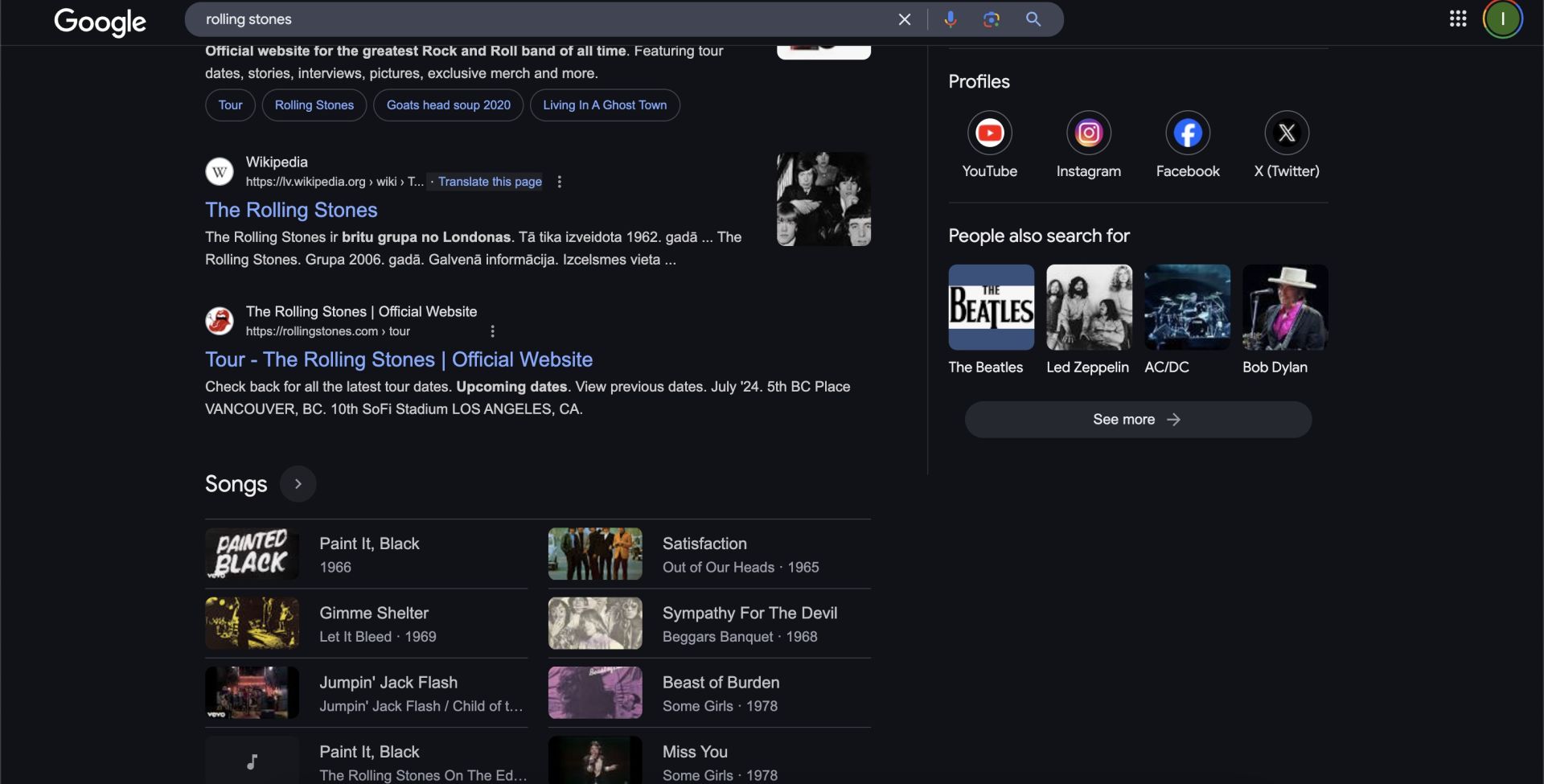
- Establish a professional online presence that will set you apart in the music industry. Create a website and make sure that you have the latest content there, links to all your social media and streaming platforms and to online stores with your music. Do content marketing - write a blog or start a podcast. Talk and write about the subjects that your target audience might be interested in. This way your content will come up in google search and you have a chance to be discovered by new fans.
- Go live. Take advantage of Instagram Live and Facebook live. These videos are shown to more followers than usual posts. Do live concerts or live music release parties. Invite audience with social media posts (and don't forget to create a facebook event)
- Offer exclusive content. Give your fans a preview of your new releases, behind the scenes photos and videos, take them on the tour of your studio or share your recording process. Make them feel like they are a part of this recording and they will care for your music as their own.
- Use Apple Music. Take advantage of Apple Music's pre-release feature to introduce your new music to a wider audience. Apple Music allows you to release a single before the full album, giving you the opportunity to get the word out about your new music.
- Once you release your music keep the momentum going and share this music on your every online and offline channel. Encourage people to share your music by making online contests and giveaways (offer a signed copy of your CD, exclusive content etc.)
- Remember, that every platform these days is focused on short form video. Create a music video and break it into parts to share many times.
- Collaborate with other artists. Find the artists and make joined projects so you can tap into their audience and promote your music. Collaborations help to cross-promote your music to a new fan base and can help you build relationships with other artists in the industry.
- Engage with fans. Use social media to engage with your fans and build a loyal fan base. Respond to comments and messages, offer exclusive merchandise, and run contests to keep your fans engaged and excited about your music.
- Partner with Local Businesses. Partnering with caffes or record stores can help you promote your music to a new audience.
- Host Listening Parties. Hosting listening parties is a great way to get your music in front of a wider audience and build relationships with your fans.
- Utilize Existing Fans. Your existing fans can be your biggest advocates when it comes to promoting your music. Consider creating a referral program or offering incentives for fans who share your music with their friends and family. This can help you reach a wider audience without spending a lot of money on advertising.
- Use Facebook ads, YouTube ads and other platforms to reach the right audience with your music.
- Leverage Live shows to promote you music. You can offer exclusive merchandise after your performances like limited edition t-shirts or vinyl records to help you incentivize fans to attend your shows and engage with your music.
- Interact with Fans. After your shows, make sure to interact with your fans and build relationships with them. This can help you build a loyal fan base and create a community around your music.
Conclusion
Promoting your music is just as important as creating great music, and there are plenty of music promotion ideas you can use to build your fan base and promote your music. Whether you're using social media marketing, leveraging live shows, or collaborating with other artists, it's important to find what works best for your music career and your target audience. By experimenting with different music promotion ideas and strategies, you can build your fan base and take your music career to the next level.