SEO for Musicians: Schema Markup
Schema markup isn’t just for big e-commerce brands or news publishers – musicians can benefit greatly, too. By implementing structured data for events, albums, and artist information, you make it far easier for search engines to interpret your content. As a result, your site may earn eye-catching “rich snippets,” knowledge panels, or specialized search features. Below is a comprehensive guide on how to leverage schema for maximum visibility in the digital music landscape.
Why Schema Markup Matters for Musicians
- Schema markup (a type of structured data) gives search engines explicit cues about your content – beyond what they glean from text alone. For a musician, that means:
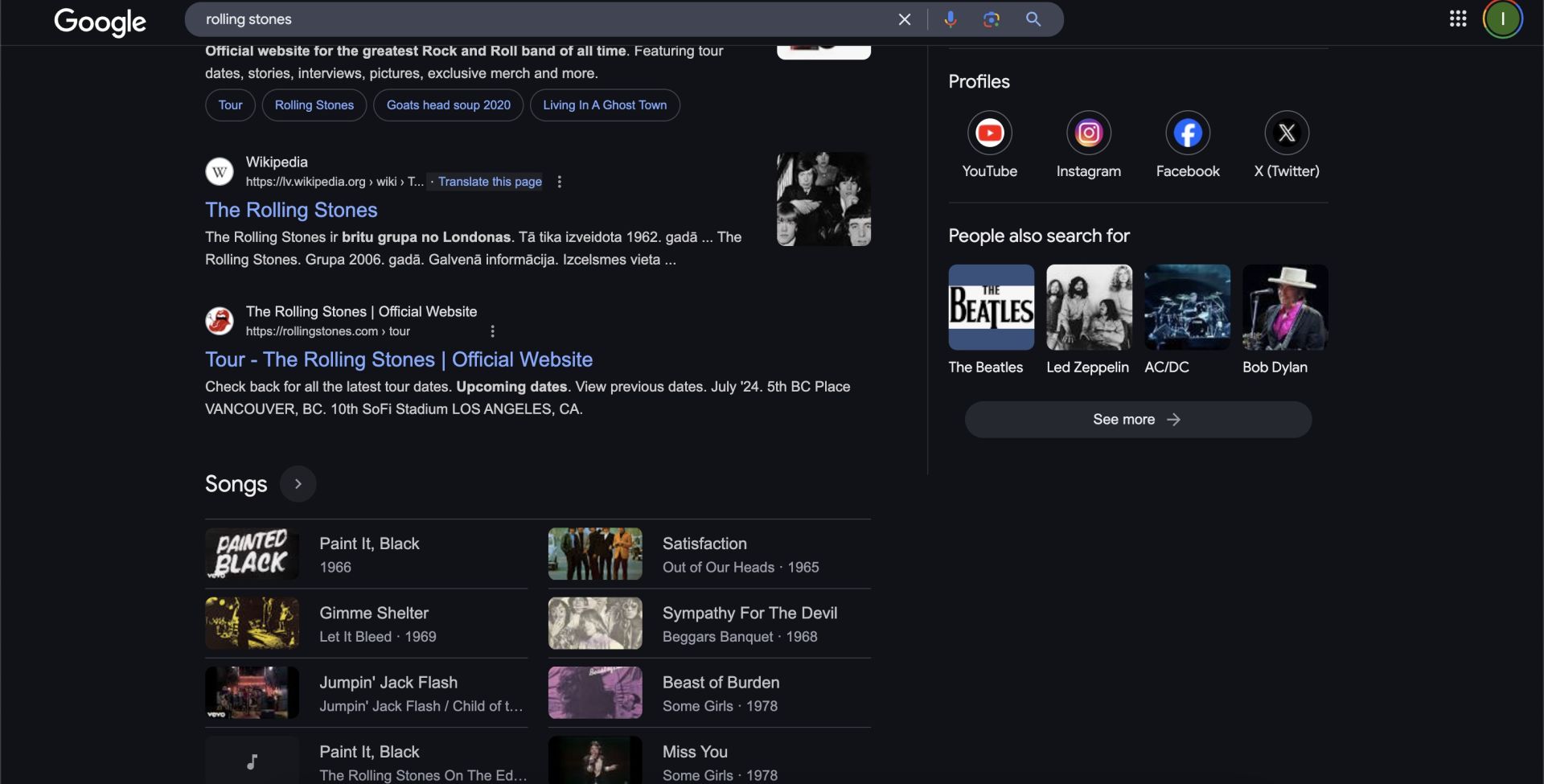
- Rich Snippets: Search listings might display upcoming tour dates, album covers, or preview snippets of your music.
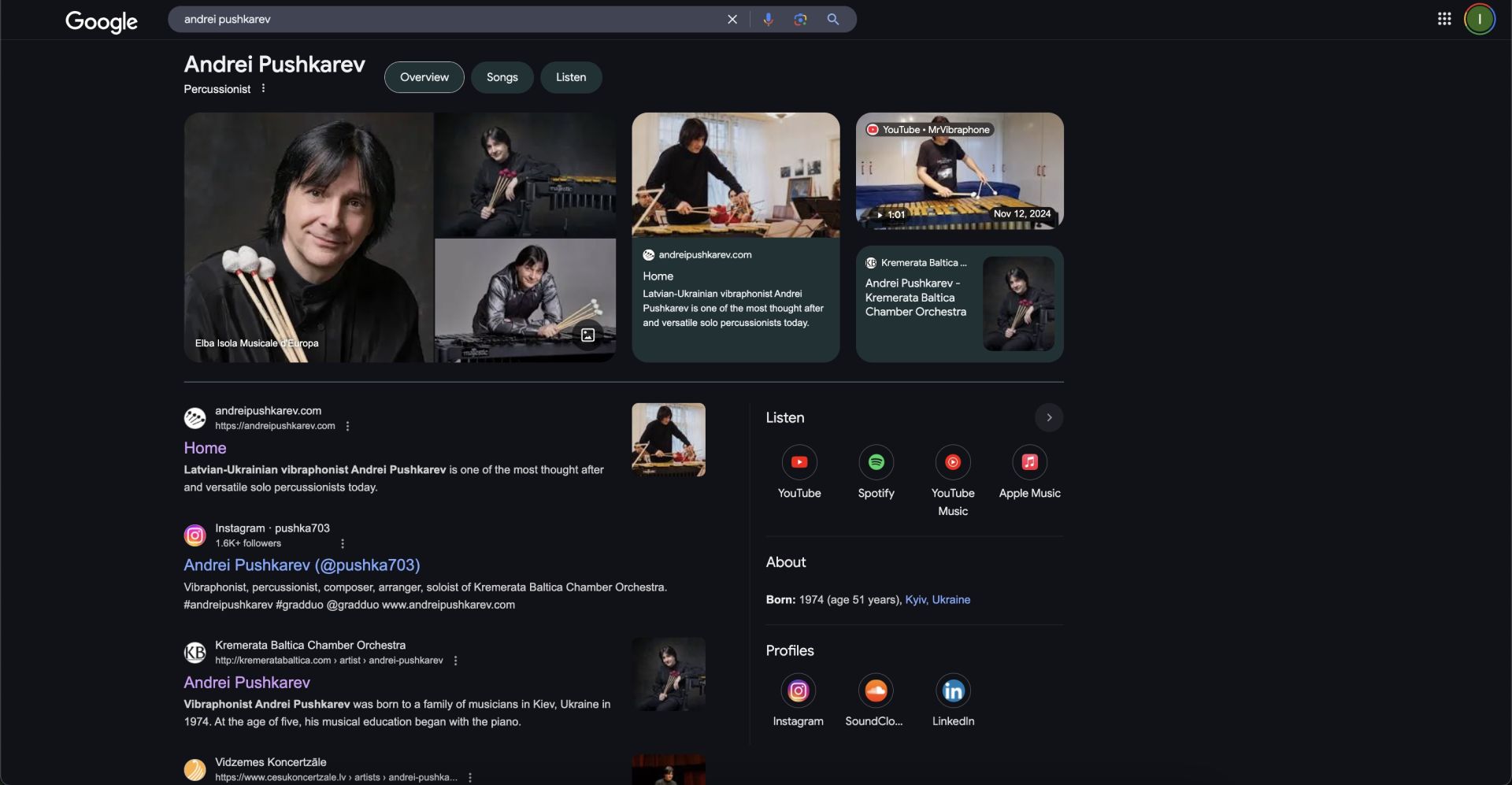
- Knowledge Panels: Providing structured data about your identity can help generate or enhance a knowledge panel (that prominent card on the right side of Google results).
- Event Listings: Marking up your concert details can highlight show times, ticket info, or location right in the search results, boosting your chance of attracting an audience.
- Better Discovery: When Google sees you as a recognized artist, it can connect queries (like your name plus a track) to your official site or streaming platforms.
Key Schema Types for Musicians
A. Musician or MusicGroup
- @type: MusicGroup or @type: Person: Identify yourself (or your band) as a “MusicGroup” if you have multiple members, or “Person” if you’re a solo musician.
- Properties: Include name, genre, foundingDate (for bands), location, members, and official site URL.
- Benefit: Helps Google understand your brand identity, so fans searching your name or track can see direct info in search results.
B. MusicEvent
- @type: MusicEvent or Event: Perfect for concerts, gigs, or festivals.
- Properties: Provide the venue’s name (location), date/time (startDate, endDate), ticket links (offers), and performer details.
- Benefit: Your upcoming shows might appear as event listings directly in Google, letting fans see essential info at a glance.
C. MusicAlbum, MusicRecording (Song), and MusicRelease
- @type: MusicAlbum: For entire releases.
- @type: MusicRecording: For each track or single.
- @type: MusicRelease: Ties your distribution details to your album or single.
- Properties: Titles, release date, track listing, artist, streaming link, etc.
- Benefit: Enhances how your albums or singles appear in search results. Fans searching for a track name could see track length, release date, and direct streaming or purchase links.
D. Offer and Product
- @type: Offer: If you sell tickets or merch, you can define price, availability, and purchase links.
- @type: Product: Could help if you brand your physical album as a product, highlighting a store link or a shipping method.
- Benefit: Gains specialized listing features—for instance, a short “$9.99” next to your album in search results.
Implementing Structured Data: JSON-LD Recommended
Google and other major search engines favor JSON-LD (JavaScript Object Notation for Linked Data) due to its readability and ease of maintenance. Instead of embedding microdata in your HTML or using RDFa, JSON-LD lets you keep the code in your HEAD or near the end of BODY
Example (simplified) of a MusicEvent in JSON-LD:
{
  "@context": "https://schema.org",
  "@type": "MusicEvent",
  "name": "Rocking Summer Fest",
  "startDate": "2024-07-15T20:00",
  "endDate": "2024-07-15T23:00",
  "location": {
    "@type": "Place",
    "name": "Downtown Amphitheater",
    "address": "123 Main St, Cityville"
  },
  "performer": {
    "@type": "MusicGroup",
    "name": "Your Band Name",
    "genre": "Indie Rock"
  },
  "offers": {
    "@type": "Offer",
    "url": "https://example.com/tickets",
    "price": "25",
    "priceCurrency": "USD",
    "availability": "InStock"
  }
}
What’s happening here:
- We define our event’s name, date/time, location, performer, and ticket details.
- Users see a more engaging search snippet with date, location, and ticket pricing directly on the results page if Google chooses to display it.
Steps to Implement Schema Markup
1. Identify the Right Schema: Start small—maybe “MusicEvent” for your next gig or “MusicAlbum” for your new release. Over time, add more advanced or multiple types if relevant.
2. Generate JSON-LD: Tools like Google’s Structured Data Markup Helper, technicalseo.com’s generator, or an AI-driven approach can create code for you.
3. Embed in Head Section: Place the in the
or at the bottom of
. Make sure your website’s actual content matches the data.
4. Validate: Use Rich Results Test or Schema Markup Validator to confirm there are no syntax errors.
5. Track: Keep an eye on Google Search Console for “Enhancements” that appear after indexing your structured data.
Common Mistakes and Pitfalls
A. Hidden or Mismatched Info
No Hidden Data: If your structured data says you have an upcoming show on December 1, ensure that detail also appears visibly to users. Google may disqualify you from rich results if your markup contradicts or inflates your real content.
B. Spamming or Overstuffing
Don’t Over-Describe: Resist the urge to add every property possible if it’s not relevant. For example, claiming a “MusicEvent” seats 100k people when it’s actually 500 capacity can backfire if discovered.
C. Failing to Update
Expired or inaccurate event info annoys fans and confuses search engines. If your gig is canceled or the date changes, update your structured data promptly.
D. Not Validating
Broken JSON or incorrect property use means search engines ignore your markup. Always pass the code through a validator before going live.
Tools and Resources
- Rich Results Test: https://search.google.com/test/rich-results
- Schema.org: Official reference for all recognized schema types.
- Google Search Console: Monitors whether your structured data is recognized and if any errors appear.
- JSON-LD Generators: Tools from technicalseo.com or Merkle’s generator can accelerate your workflow.
Beyond Events: Marking Up Albums and Artist Profiles
A. MusicAlbum Example
{
  "@context": "https://schema.org",
  "@type": "MusicAlbum",
  "albumProductionType": "StudioAlbum",
  "albumRelease": {
    "@type": "MusicRelease",
    "releaseOf": {
      "@id": "http://example.com#album"
    },
    "url": "http://example.com/newalbum"
  },
  "byArtist": {
    "@type": "MusicGroup",
    "name": "Your Band Name",
    "genre": "Pop-Rock"
  },
  "name": "Your New Album",
  "numTracks": "10",
  "track": [
    {
      "@type": "MusicRecording",
      "name": "Track 1 Title",
      "url": "http://example.com/track1"
    }
  ]
}
This snippet:
1. Mentions the album type (“StudioAlbum”).
2. Points to the track listings.
3. Connects to the band or performer.
B. Artist / MusicGroup
If you’re setting up a musician’s homepage:
{
  "@context": "https://schema.org",
  "@type": "MusicGroup",
  "name": "Artist Name",
  "url": "http://example.com",
  "genre": "Singer-Songwriter",
  "sameAs": [
    "https://www.facebook.com/yourartistpage",
    "https://www.instagram.com/yourartistpage"
  ]
}
Pro Tip: “sameAs” links to your official social accounts, helping unify your identity for Google’s knowledge graph.
Monitoring the Results
1. Enhanced SERP Features: Look for new presentation styles—for example, a “Songs” sub-listing or an “Upcoming Shows” snippet under your domain in Google results.
2. Search Console Enhancements: GSC might label new categories like “Event” or “Music” under the “Enhancements” tab, telling you how many valid or invalid items exist.
3. CTR Improvement: If your rich snippet stands out with official show times or an album rating, you may see an increase in click-through rates (CTR).
Frequently Asked Questions (FAQs)
1. What are the major schema types relevant to musicians?
A: Common ones include MusicGroup (or Person), MusicAlbum, MusicRecording, MusicEvent, and possibly Offer for ticket sales. Each highlights a different facet of your artistry, from upcoming gigs to new music releases.
2. Can I mark up multiple types on the same page?
A: Yes. For instance, an event listing page featuring an album sale can have MusicEvent markup plus an Offer object referencing the ticket sale. Just ensure each piece of schema is accurate and consistent with visible page content.
3. Do I need a separate “Events” page to add MusicEvent schema?
A: It’s ideal. Each gig or set of gigs can have its own section. Alternatively, you can place event structured data on your homepage if it’s clearly displayed there. As always, ensure the markup mirrors real user-visible text.
4. Will schema markup instantly boost my rankings?
A: Not necessarily. Schema primarily helps search engines better understand and present your content. While it can indirectly affect ranking by improving user engagement (leading to more clicks or lower bounce rates), there’s no direct ranking “bonus.” However, your site’s visibility can improve significantly.
5. Should I maintain or remove old event data?
A: Mark past events as finished or remove them once they become irrelevant. Alternatively, you can keep them labeled as “past events” so fans can see your history, but ensure the structured data indicates the correct date (so Google doesn’t treat them as upcoming).
Conclusion: Your Next Step to a Powerful Online Presence
From gigs to albums to your entire music brand, structured data can shape how fans discover you online. By carefully marking up upcoming shows or newly released singles, your site stands out with special SERP features and potential knowledge panels.
Ready to Rock?
If you’re aiming to make a bigger splash in search results, get a website now with integrated schema best practices. Let our team handle the technical details so you can focus on what truly matters—creating and sharing your music. With the right approach to schema markup, you’ll present a professional face to fans and industry professionals alike, boosting both your credibility and your chances of being heard.