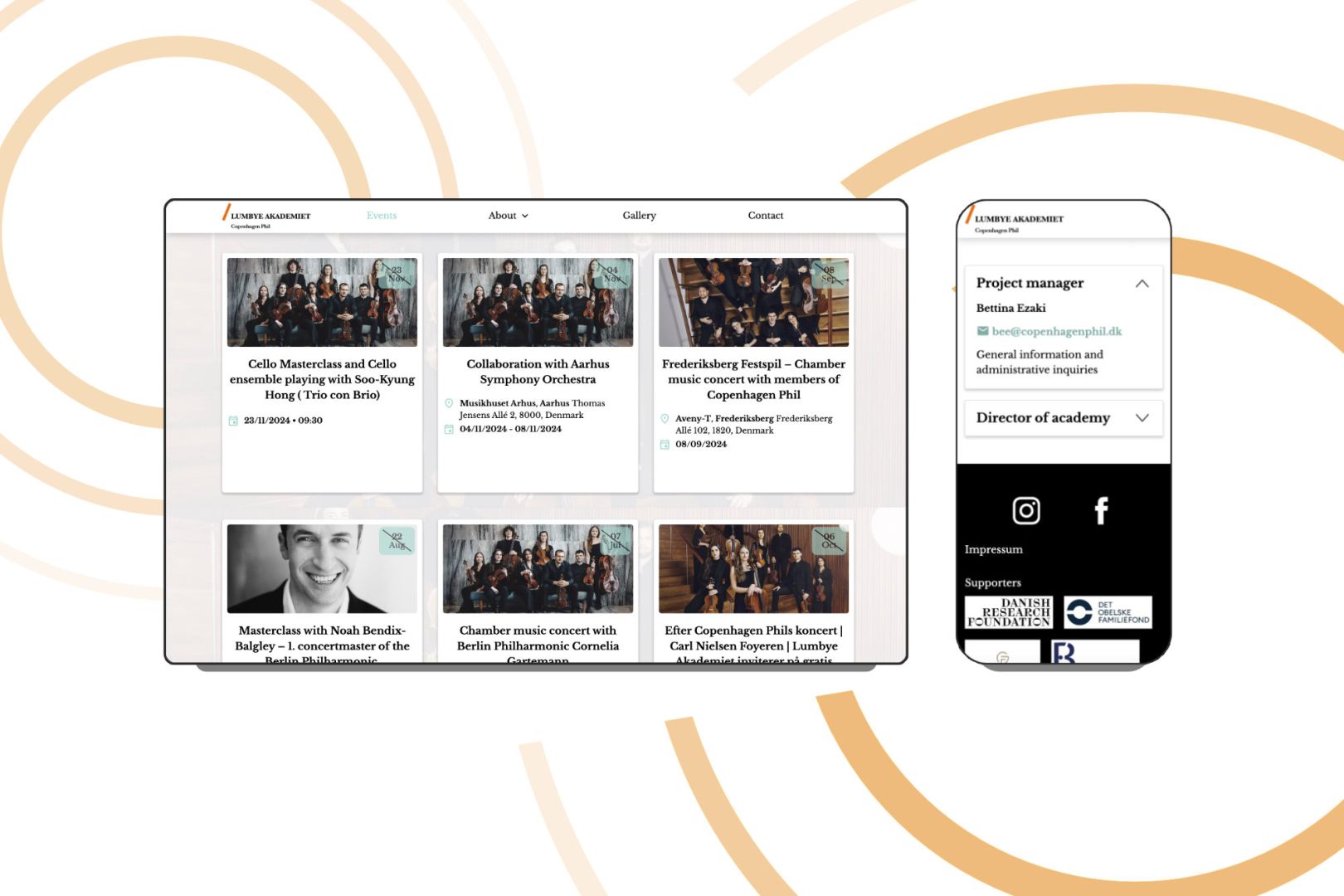
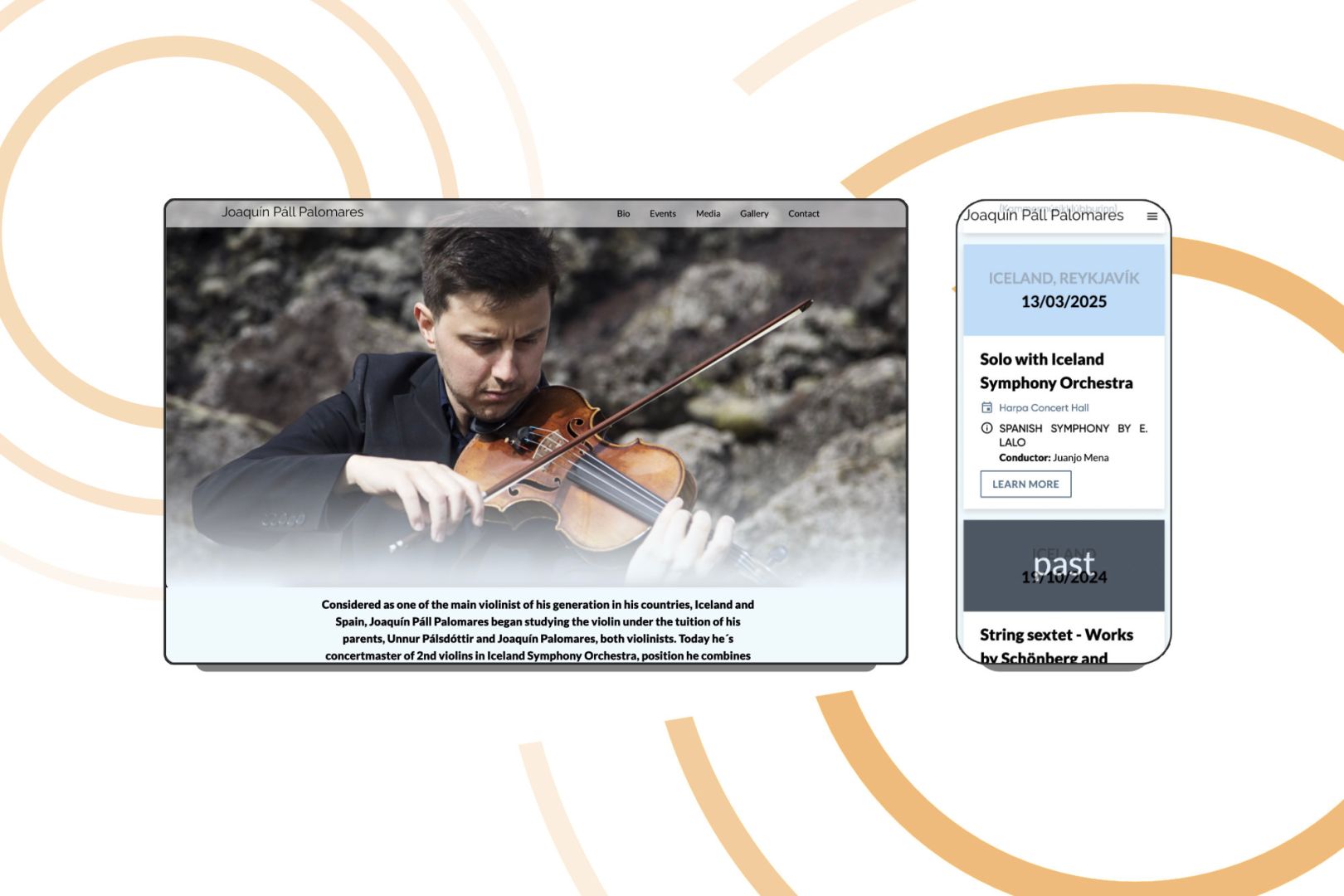
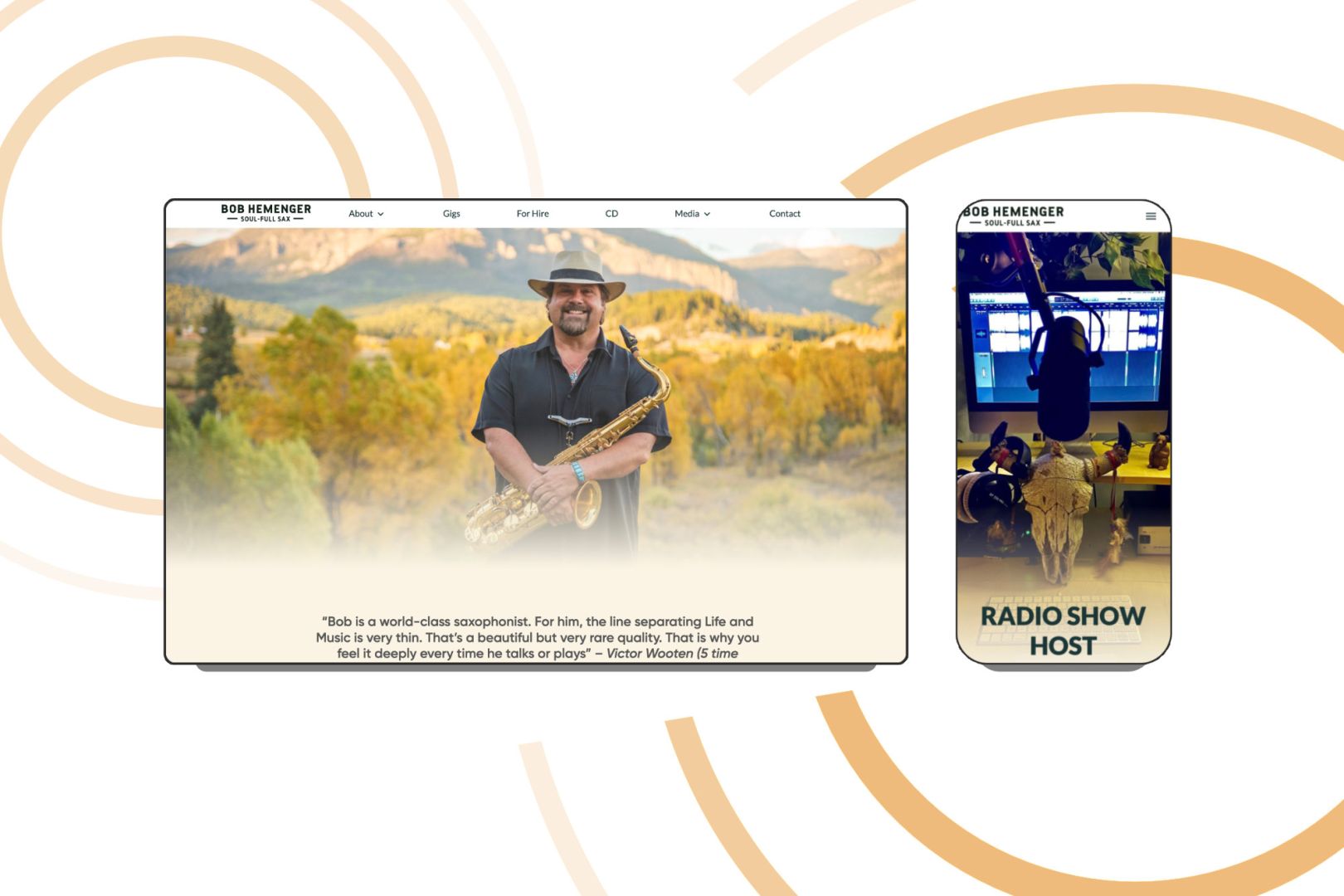
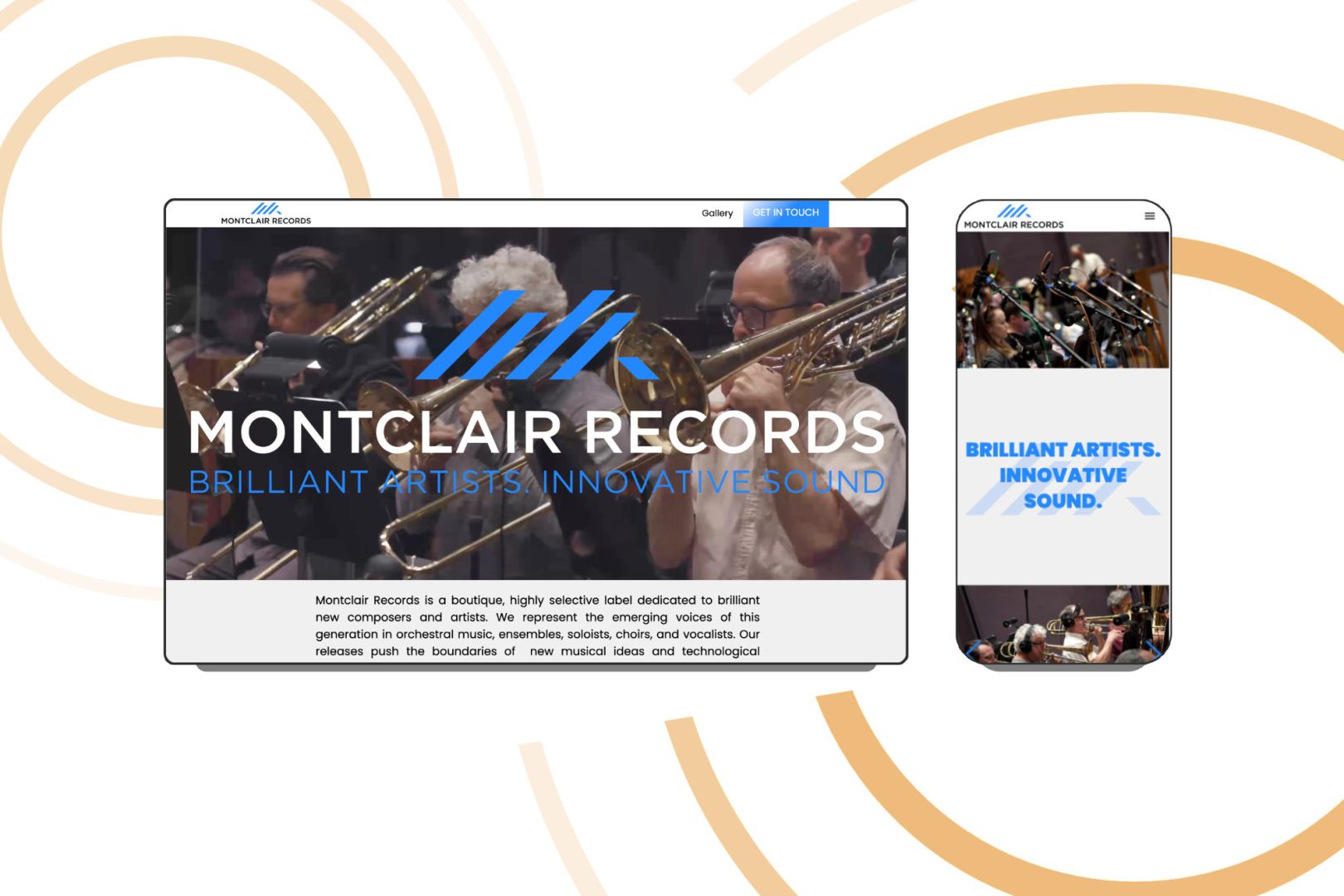
The Ultimate Guide to Music Lesson Studio SEO for More Students in 2025
Table of Content
Introduction
In 2025, music lesson studios need a strong SEO strategy to attract potential students and grow their business. More people than ever are searching for music lessons online, making search engine optimization (SEO) an important tool for music schools, private studios and music teachers.
Whether you offer piano lessons, guitar lessons or lessons for another musical instrument, an optimized website will ensure that potential students can easily find you. This guide looks at local search engine optimization, keyword research, website optimization, content marketing and digital marketing to help you attract more students and grow your music business in 2025.
Understanding SEO for music teaching studios
What is SEO for music lesson studios?
SEO (Search Engine Optimization) is the process of improving the content of your website so that it ranks better on Google search and other search engines. SEO for music studios focuses specifically on helping music teachers and music schools attract more students by improving their online presence.
A strong SEO strategy will help you:
- Increase website traffic.
- Rank higher in Google search results for your chosen keywords (e.g. piano teacher, private music lessons in [city], best music school in [area] etc)
- Convert potential customers into new students.
Why SEO is so important for music schools in 2025
The music industry is becoming increasingly digital. Students and their parents no longer rely solely on word-of-mouth; they search online for piano studios, music teachers and group lessons.
According to a study by BrightLocal, 98% of consumers use the internet to find local businesses. So if your music studio isn’t showing up in Google searches, you could be missing out on hundreds of potential students every year.

Keyword research for music studios
The importance of keyword research
Keyword research helps you find the best search terms that potential students (or their parents) are using to search for music lessons. By optimizing your website content with the right keywords, you improve your chances of ranking higher in search results.
Top keywords for music lesson studios
Here are some high-ranking SEO keywords for music lessons:
Informational: help build awareness and drive traffic through blog content, FAQs, and guides.
Examples: "How to choose the best music teacher", "Best instruments for beginners", "How long does it take to learn guitar/piano?", "Music lesson costs: What to expect"
Commercial: These drive conversions and help attract potential students.
Examples: "Best music lessons near me", "Affordable piano lessons for beginners", "Violin classes for adults"
Local Keywords (City-Specific Targeting): Adding location-based modifiers will help your studio rank better in local search results.
Examples: "Best music schools in [City]", "How to find music lessons in [City]", "[City] piano lessons for kids"
Best SEO tools for keyword research
Use these SEO tools to find the best keywords for your music business:
- Google Keyword Planner – Helps determine keyword search volume.
- Ubersuggest – Provides ratings for keyword difficulty.
- Ahrefs – Advanced SEO tool for competitive analysis.
- ChatGPT – Best for beginners, use custom GPTs (like SEO Keywords) to research possible keywords
How to use keywords in your website content
- Include keywords naturally in your homepage, service pages and blog posts.
- Use them in headlines, meta descriptions and alt text of images.
- Avoid keyword stuffing — focus on valuable content that helps users.
On-page SEO for music schools
On-page SEO refers to optimizing the individual pages of your music school website to improve search results. This includes using the right keywords, optimizing website content and improving the user experience.
Important on-page SEO strategies for music studios
Optimize page titles and meta descriptions
- Include your primary keyword (e.g. music lessons in [your city]) in the title.
- Keep meta descriptions under 160 characters with a call to action (e.g. “Sign up for piano lessons today!”) - use Meta Length Checker to see how your title and description look and to count your characters
Use header tags for a better structure
- H1 tag: Main topic of the page (e.g. “Best guitar lessons for beginners”).
- H2 & H3 tags: Subheadings with relevant keywords.
Create high-quality content
- Write valuable content that answers questions about music education and private lessons.
- Use internal links to direct users to related pages (e.g. linking from a piano teacher page to a page about group lessons).
Optimize images for SEO
- Use descriptive file names (e.g. “gitarlessonsincity.jpg” instead of “bild123.jpg”).
- Add alt text with relevant keywords.
Improve website speed and mobile usability
- Use PageSpeed Insights from Google to check performance.
- Make sure your website is mobile friendly as most potential students search via their cell phone.
Local SEO: Get found in your area
What is local SEO?
Local SEO helps your music teaching studio to appear in local search results, especially on Google Maps and when searching for 'near me'. This is important for music teachers and recording studios who want to target students in their local area.
Important local SEO strategies for music schools
Optimize your Google My Business (GMB) profile
- Go to Google Business Profile and create or claim your listing.
- Enter the name, address, telephone number and website of your company.
- Include photos of your studio, your students and your classes.
- Encourage your students to leave Google reviews as these will improve rankings.
Use local keywords
- Example: Instead of “piano lessons",” simply use “piano lessons in Los Angeles”
- Include city-specific keywords in blog posts, page titles and service descriptions.
Get listed in local directories
- List your music business on Yelp, Bing Places, Apple Maps and local music directories.
- Make sure your business name, address and phone number are consistent across all platforms.
Encourage student reviews and testimonials
- Ask your students and their parents to leave reviews on Google and Yelp.
- Showcase testimonials on your website to boost the confidence of potential students.
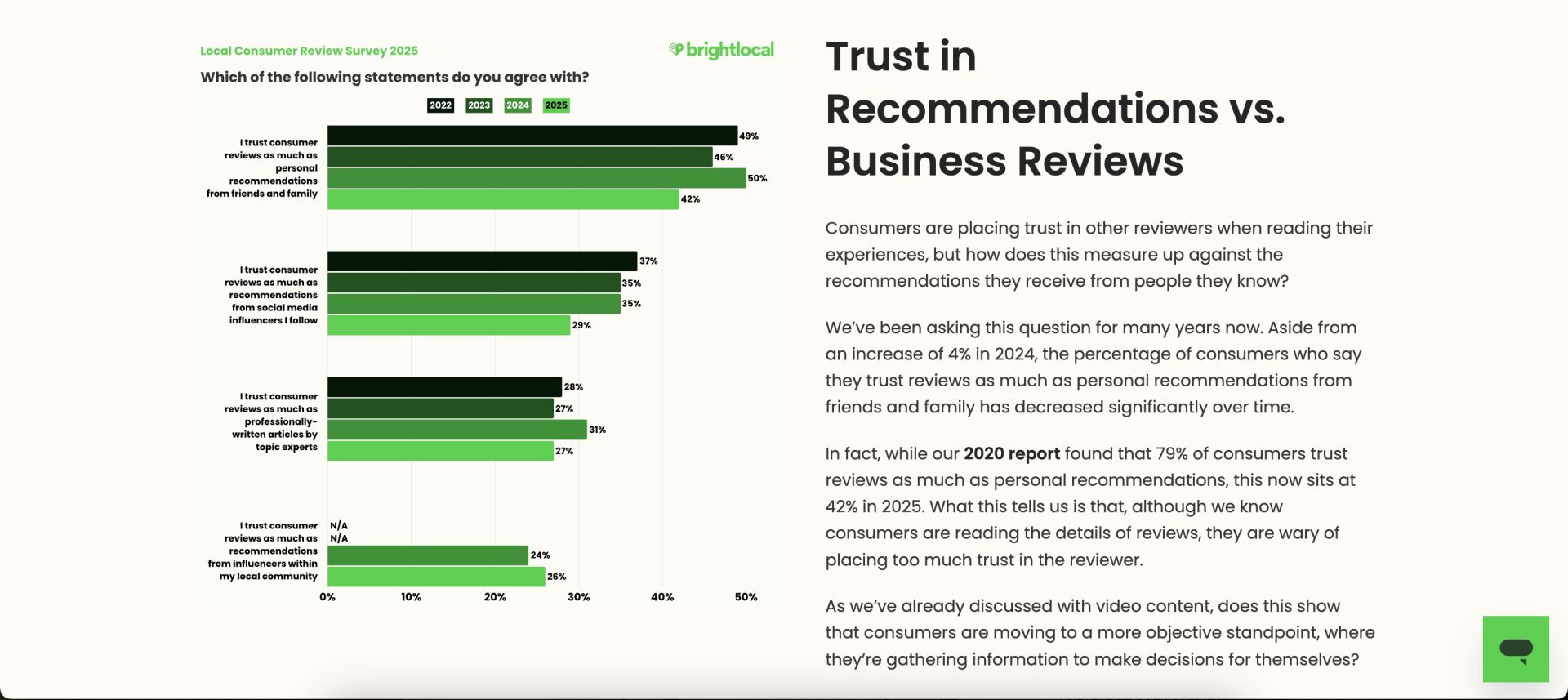
According to BrightLocal, 42% of consumers trust online reviews as much as personal recommendations
Content marketing for music studios
Why content marketing is important for SEO
Content marketing is one of the best ways to improve search engine optimization for music studios. By creating blog posts, YouTube videos and social media content, you can attract more visitors and keep them engaged.
Types of content to create
Blog posts and articles
- Write about topics such as: “How to choose the right music teacher”, “Advantages of private lessons over group lessons”, “The best age to learn a musical instrument”
- Use internal links to connect blog posts to your main services.
YouTube videos
Start a YouTube channel for your music school.
- Create learning videos (e.g. “How do I play my first song on the guitar”).
- Optimize the video titles with keywords such as “ Piano lessons for beginners”.
Content for social media
- Share student performances, practice tips and lesson highlights on Instagram, Facebook and TikTok.
- Use relevant hashtags like #MusicLessons #PianoTeacher #GuitarLessons.
Email marketing
- Send out newsletters with practice tips and upcoming events.
- Offer exclusive promotions for new students to encourage them to sign up.
Usability & Website Optimization
A good user experience (UX) is important for both search engine optimization and converting visitors to students. If your website is slow, confusing or difficult to navigate, potential students will abandon it and look elsewhere for music lessons.
Important website optimization tips
Improve page speed
- Google prefers fast-loading websites in the search results.
- Use Google PageSpeed Insights to analyze the speed of your website.
- Compress images, activate browser caching and minimize JavaScript files.
Make your website mobile-friendly
Almost 60% of search queries are made via cell phones.
- Use responsive design so that your website adapts to any screen size.
- Check the mobile-friendliness of your website with Google’s Mobile Test Tool.
Simple navigation and clear calls to action (CTAs)
- Make sure your menu is simple and clearly labeled (e.g. “Piano lessons",” “Meet our teachers",” “Sign up”).
- Include clear CTAs on every page, such as “Book a free lesson” or “Sign up for guitar lessons”.
Use structured data for SEO
- Adding schema markup helps search engines better understand your website.

Use social media and email marketing
Why social media is important for SEO
While social media doesn’t directly impact rankings, it does help drive traffic to your website, improving your overall SEO strategy.
The best social media platforms for music studios
- Instagram and TikTok: Share student performances, behind-the-scenes content and quick tips.
- Facebook: Promote upcoming classes, group lessons and special offers.
- YouTube: Create video tutorials (e.g. “Guitar lessons for beginners” or “Tips for playing the piano").
Tips for appealing content
- Publish student performances and success stories.
- Offer a look behind the scenes of your studio.
- Share practical tips and educational articles about music lessons.
- Use hashtags like #MusicLessons, #PianoTeacher, #GuitarLessons to increase visibility.
Email marketing for music schools
Email marketing is one of the most effective ways to retain students and attract new ones.
How to build an email list
- Offer a freebie (e.g. “Download our beginner’s guide to piano”).
- Ask for emails when students sign up for private or group lessons.
- Use a pop-up window on your website that offers a discount for first-time students.
Best email strategies for music schools
- Send out a weekly or monthly newsletter with practice tips and news.
- Offer special discounts for early enrollment.
- Use email marketing platforms such as Mailchimp or ConvertKit to automate campaigns.
Off-page SEO: Build authority
What is off-page SEO?
Off-page SEO refers to building credibility outside of your website. This helps search engines see your music school as a trustworthy resource.
Link building strategies for music studios
Listing in online directories
List your music studio in directories such as the following:
Guest blogging & collaborations
- Write blog posts for music industry sites in exchange for backlinks.
- Collaborate with other music teachers and link to each other’s websites.
Encourage student testimonials on third party sites
- Ask satisfied students to leave reviews on Google, Yelp and Trustpilot.
- Reviews help with SEO expertise and credibility.
Create shareable content
Publish valuable content that you want others to share.
- Example: blog post “The 10 best tips for learning a musical instrument”.
Measuring SEO success for music schools
Tracking your SEO strategy is essential to ensure your efforts are producing real results. Here’s how to measure your success and make improvements.
Use Google Search Console and Google Analytics
Google provides free tools to help you track the performance of your website.
- The Google Search Console helps you to monitor search results and fix SEO problems.
- Google Analytics tracks visitor behavior, including how potential students find your website.
Key metrics to track
- Organic traffic: How many people visit your website via search engines.
- Keyword rankings: Are you ranking for terms like “piano lessons near me” or “guitar teacher in [your city]”?
- Bounce rate: If visitors are leaving your website quickly, you may need better content.
- Conversion rate: How many visitors are signing up for music lessons?
Track local SEO performance
If you’re targeting local music students, you should track your Google My Business data:
- Profile views: How many people are finding your music school on Google Maps.
- Search queries: What keywords students are using to find you.
- Phone calls and website clicks: The number of direct actions taken.
Adjust your SEO strategy based on the data
If your music studio is not ranking well, consider these SEO improvements:
- Improve content quality with more valuable content.
- Update on-page SEO, including headings, meta descriptions and internal links.
- Improve off-page SEO by getting more backlinks and student testimonials.
Conclusion
SEO is a powerful tool to grow your music lesson studio in 2025. By optimizing your website, improving local SEO and creating valuable content, you can attract more potential students and establish yourself as a trusted music teacher.
Key takeaways:
use keyword research to optimize your website content.
✅ Improve the performance of your Google Search Console with technical SEO corrections.
✅ Focus on local SEO to attract students in your region.
✅ Use content marketing and start a YouTube channel.
✅ Build authority with off-page SEO (guest posts, directory listings and backlinks).
✅ Review performance and adjust your SEO strategy regularly.
SEO success doesn’t happen overnight, but with consistent effort, your music business will grow in 2025 and beyond.
FAQs
1. What is SEO and why is it important for music studios?
SEO (Search Engine Optimization) helps your music school or studio to appear higher up in search engine results. This increases visibility, attracts more prospective students and allows your music business to grow organically.
2. How long does it take to see SEO results for a music school?
SEO is a long-term marketing strategy. It usually takes 3-6 months to see noticeable improvements, depending on the competition and how well you optimize your website content.
3. What are the best keywords for a private studio?
Some of the best SEO keywords for music teachers and studios are:
- Primary keywords: “music lessons",” “music school",” “piano lessons",” “guitar lessons",” “music teacher”
- Local keywords: “piano teacher in [your city]",” “guitar lessons near me",” “private lessons in [your region]”
4. How can I improve my local SEO for music lessons?
- Claim and optimize your Google My Business profile.
- Use local keywords on your website and in blog posts.
- Get listed in local directories and ask for reviews from students on Google and Yelp.
5. Should I set up a blog for my music school website?
Yes! A blog helps with content marketing and improves search engine rankings. If you write about topics like “How to choose a music teacher” or “The best age to start piano lessons”, you will attract more potential clients.
6. Does social media help with search engine optimization for music schools?
Yes, social media doesn’t have a direct impact on Google rankings, but it does drive website traffic, which in turn benefits search engine optimization. Sharing student achievements, practice tips and classroom highlights on platforms like Instagram, Facebook and YouTube can increase engagement and attract new students.
7. What are some free SEO tools for music teachers?
Chat GPT – Your own SEO manager
Google Search Console – Tracks the SEO performance of your website.
Google Keyword Planner – Helps with keyword research.
Ubersuggest – Provides SEO insights.
8. How can I get more reviews from students to improve my SEO?
- Ask current students and parents to leave reviews on Google My Business and Yelp.
- Offer incentives, such as a discount on a lesson for a review.
- Send emails asking for feedback after a lesson or performance.
9. Should I invest in paid advertising or is organic SEO enough?
Organic search engine optimization is cost-effective and offers long-term benefits, but Google Ads and Facebook Ads can give your music studio an immediate visibility boost. A mix of both is ideal for growing your music business.
10. How can I optimize my website for SEO without technical knowledge?
- Get in touch with us and we will do it for you :)
- Follow best practices for on-page SEO (use keywords, write valuable content, add alt text to images).
- Update your website regularly with new blog posts and student testimonials.