
Top Music SEO Metrics: Track Your Success Like a Pro
In the dynamic landscape of the music industry, where digital presence can make or break an artist, Search Engine Optimization (SEO) metrics play a crucial role.
Understanding and tracking these metrics is essential for music professionals keen on maximizing their online visibility, fan engagement, and ultimately, their revenue.
This article serves as your comprehensive guide to navigating music SEO metrics, enabling you to track your success effectively and like a seasoned pro.
Understanding SEO Metrics
What Are SEO Metrics?
SEO metrics are quantifiable measurements that help assess the effectiveness of SEO campaigns. They provide insights into how well your website or online platform is performing in search engine results, specifically targeting your audience within the music niche.
These metrics encompass both on-page SEO (like content quality and keyword optimization) and off-page SEO (such as backlinks and social signals), as well as user experience factors like site speed and mobile responsiveness. Unlike general website metrics that may show traffic or user behavior, SEO metrics offer a nuanced view of organic reach, visibility, and authority in search engines.
Key Primary Metrics:
- Organic Traffic: Visitors coming to your site through organic search results.
- Keyword Rankings: The position of your site for specific search terms relevant to your music.
- Backlinks: The number of external sites linking to your music content.
Secondary Metrics Worth Tracking:
- Clickthrough Rate (CTR): The ratio of users clicking on your content from search results.
- Social Media Engagement: Metrics that capture the interaction your music receives on platforms like Instagram, Twitter, and Facebook.
- Dwell Time and Bounce Rate: Indicators of how users interact with your content once they arrive.

Key SEO Metrics to Track
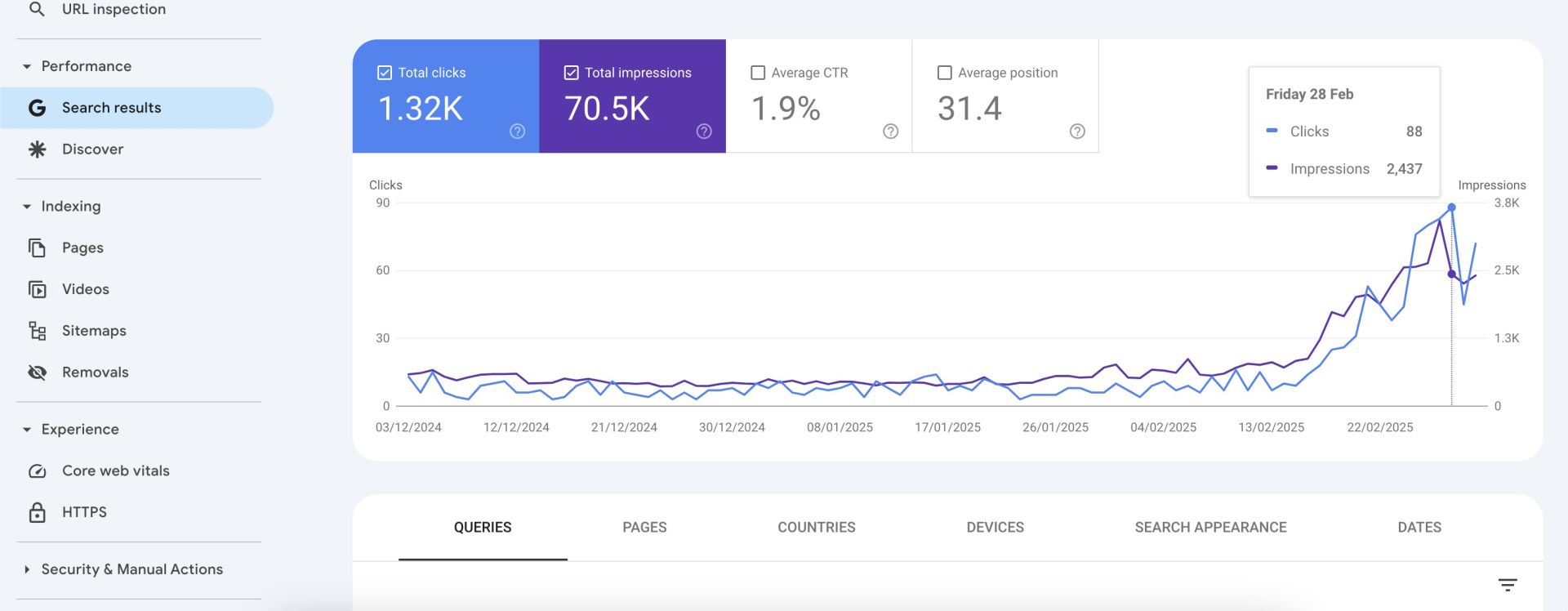
Organic Traffic
Organic traffic is your golden metric. High organic traffic indicates your music is being discovered through search engines, driving visibility and engagement. Tools like Google Analytics can help in measuring this effectively. Track trends over time to understand which strategies are driving the most traffic.
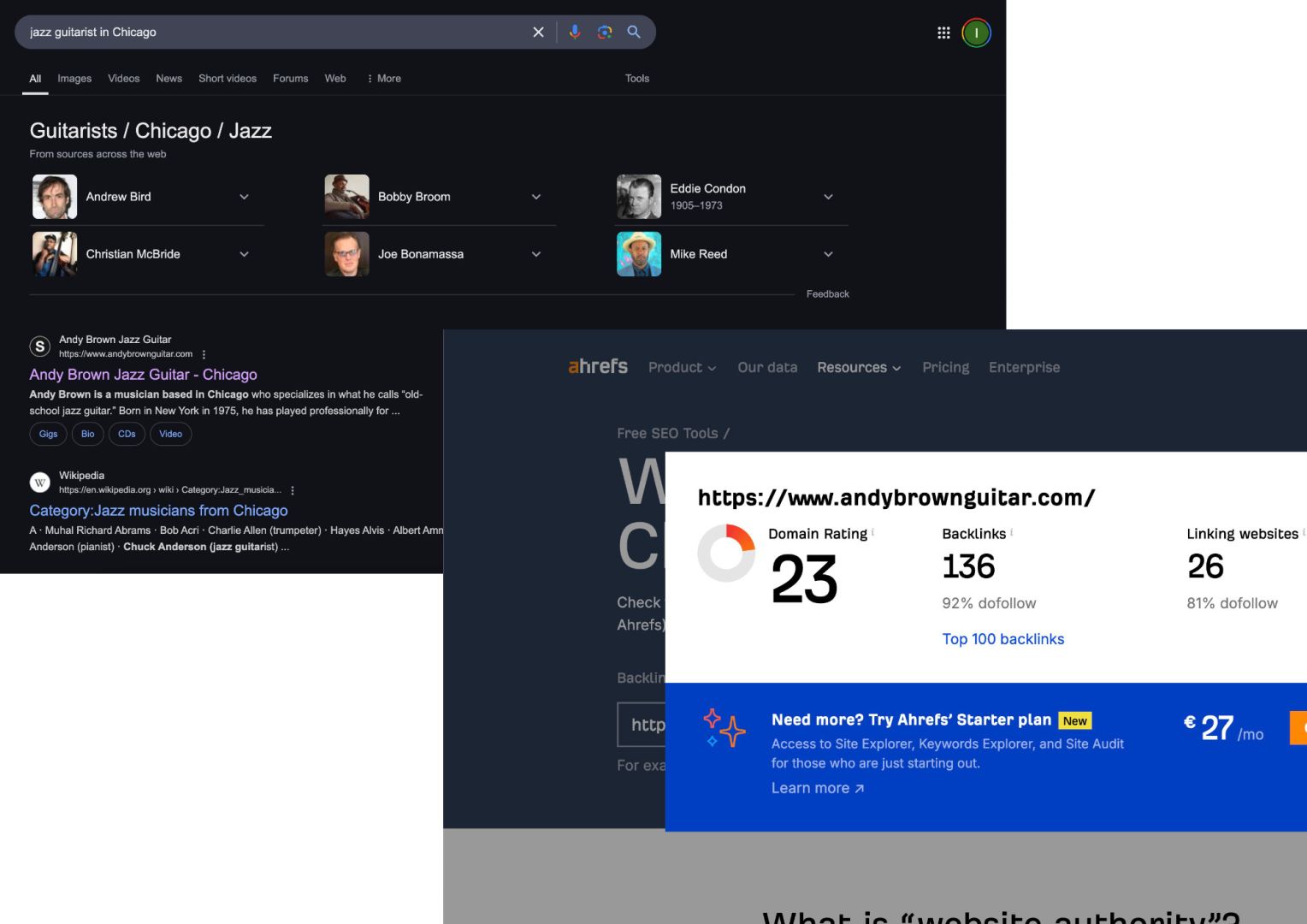
Backlinks
Building a comprehensive network of quality backlinks enhances your authority. Instead of just relying on music blogs and influencers, consider actionable strategies such as:
- Guest Posting: Write articles for reputable music websites or blogs.
- Partnerships: Collaborate with other artists or brands for mutual promotion.
- Online Forums: Participate in music-related forums and communities, providing valuable insights and linking back to your content where appropriate.
These strategies not only increase your backlink count but also diversify the sources, boosting your site's credibility.
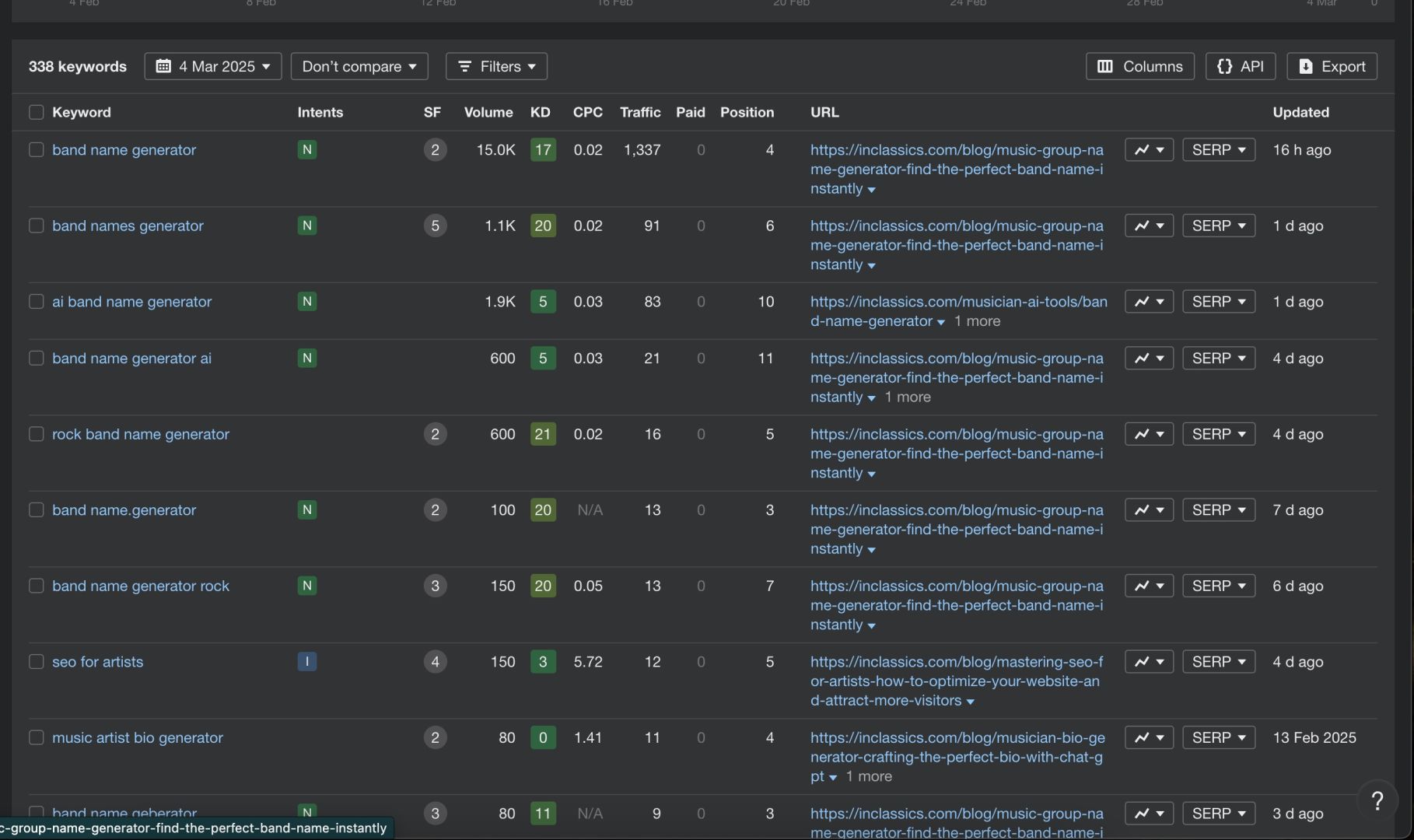
Keyword Rankings
Regularly checking your rankings for relevant keywords is critical. Utilize tools like SEMrush and Ahrefs to gain valuable insights into your keywords’ performance over time. Focus on long-tail keywords such as "indie artist promotion strategies" or "how to boost music SEO" to attract a more targeted audience.
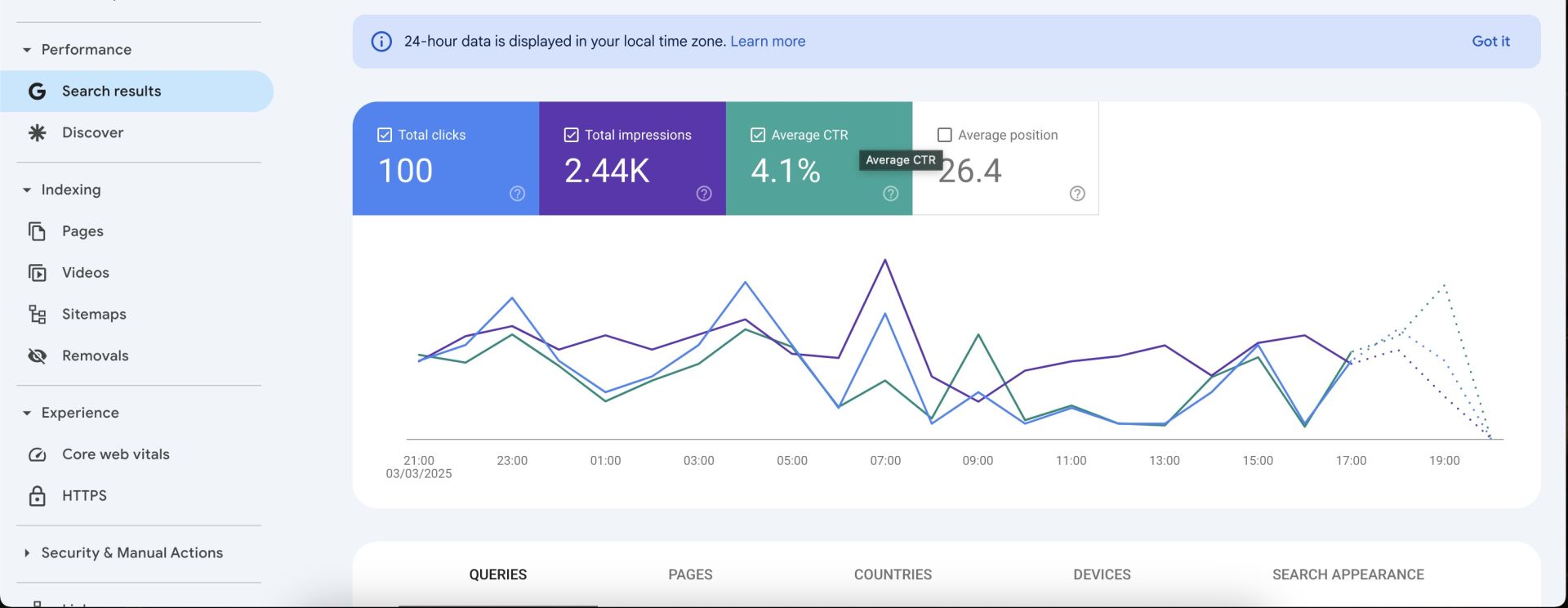
Clickthrough Rate (CTR)
A high CTR signals that your titles and descriptions are engaging enough to attract clicks. Focus on crafting compelling meta descriptions and titles that incorporate relevant keywords and resonate with your audience's intent. Tools like Google Search Console provide detailed CTR analytics.
Social Media Engagement
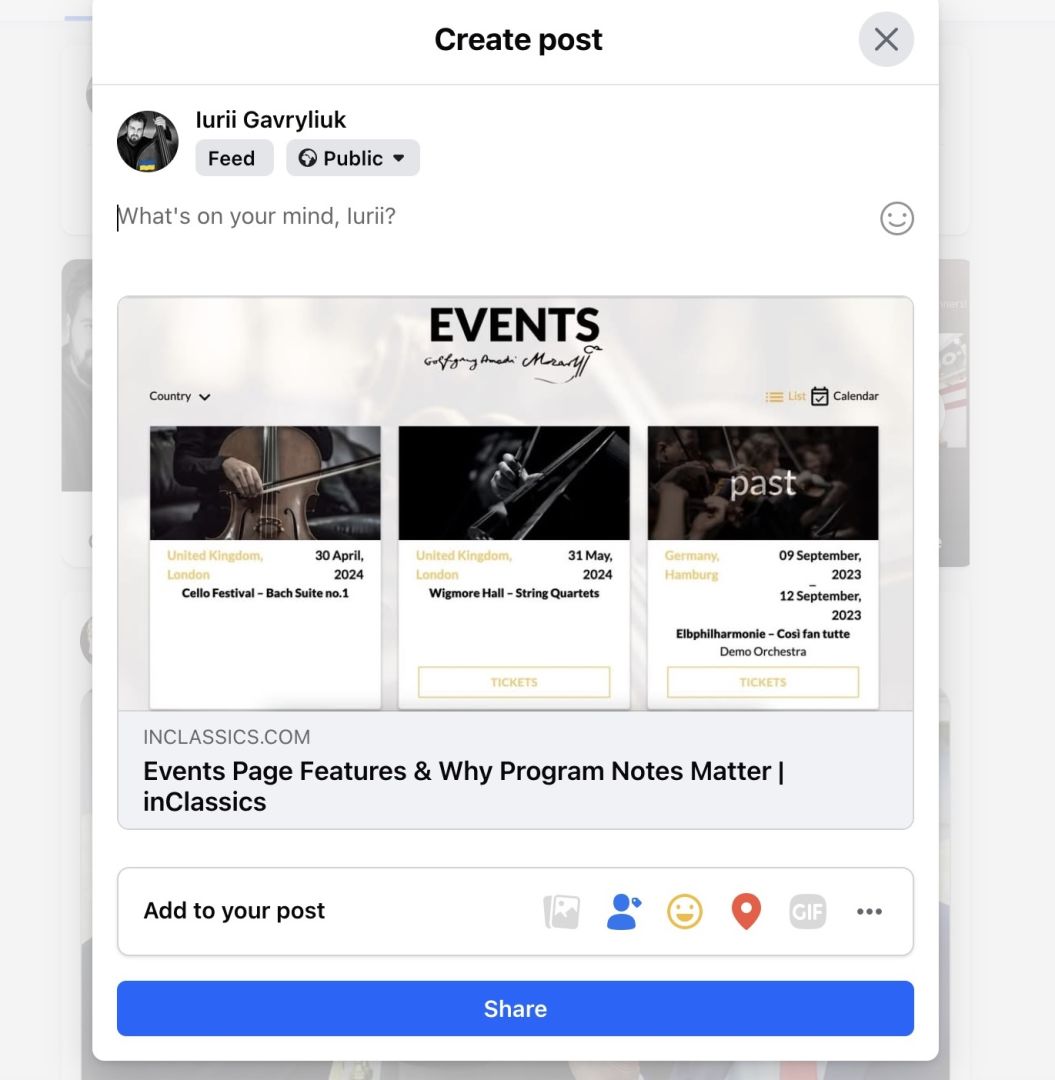
Social interactions are not only valuable for building fan loyalty but also play a significant role in SEO algorithms. Metrics such as shares, likes, comments, and follows can improve the visibility of your music content. For example, a viral Instagram post can generate backlinks and increase brand mentions, indirectly boosting your SEO.
Dwell Time and Bounce Rate
- Dwell Time: The amount of time visitors spend on your site after clicking through search results. A high dwell time indicates that users find your content valuable and engaging.
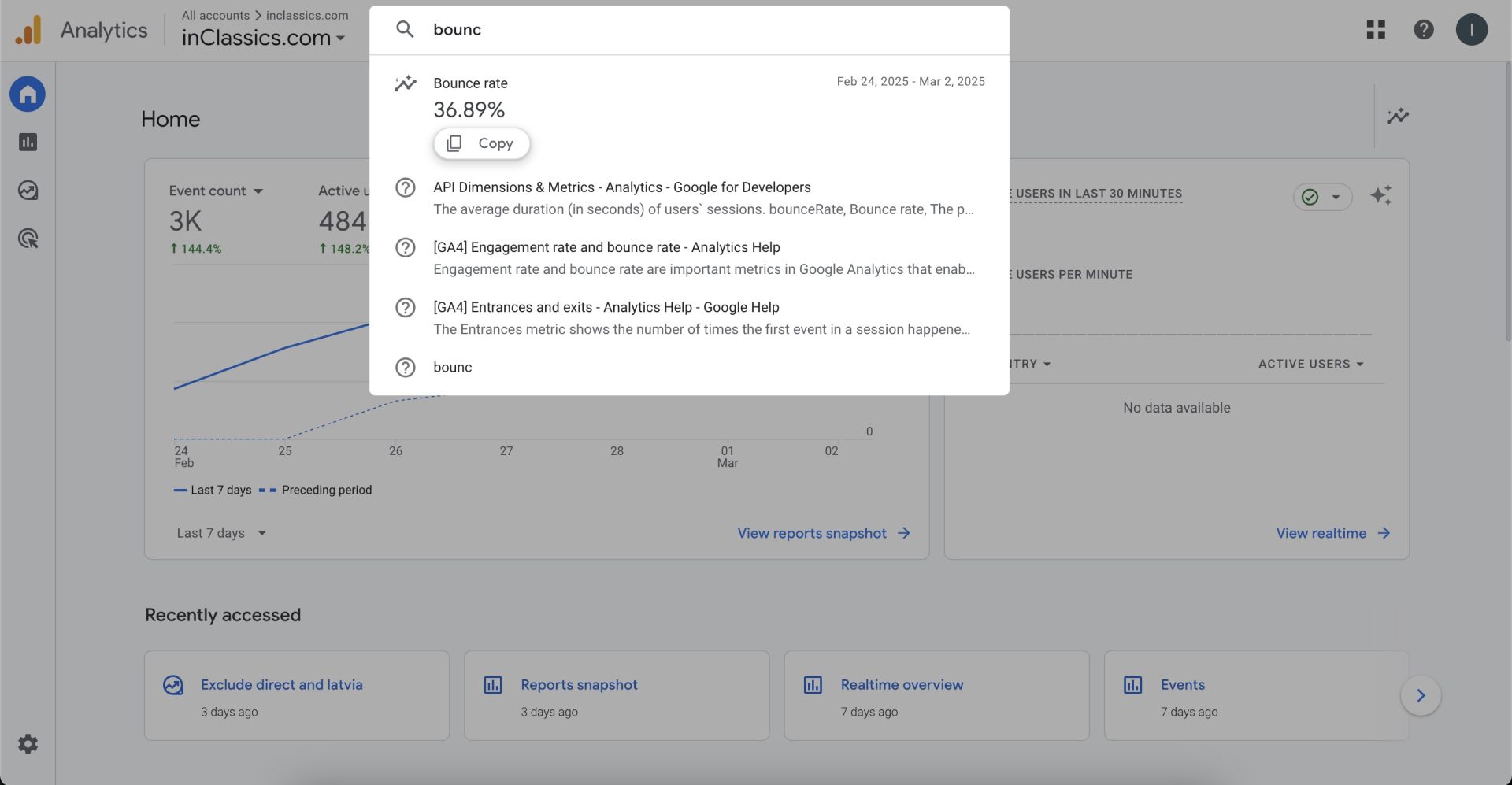
- Bounce Rate: The percentage of visitors who navigate away from your site after viewing only one page. A low bounce rate suggests that your content encourages further exploration.
Tools like Hotjar and Google Analytics can help measure these metrics effectively.
Core Web Vitals and User Experience
Importance of Core Web Vitals
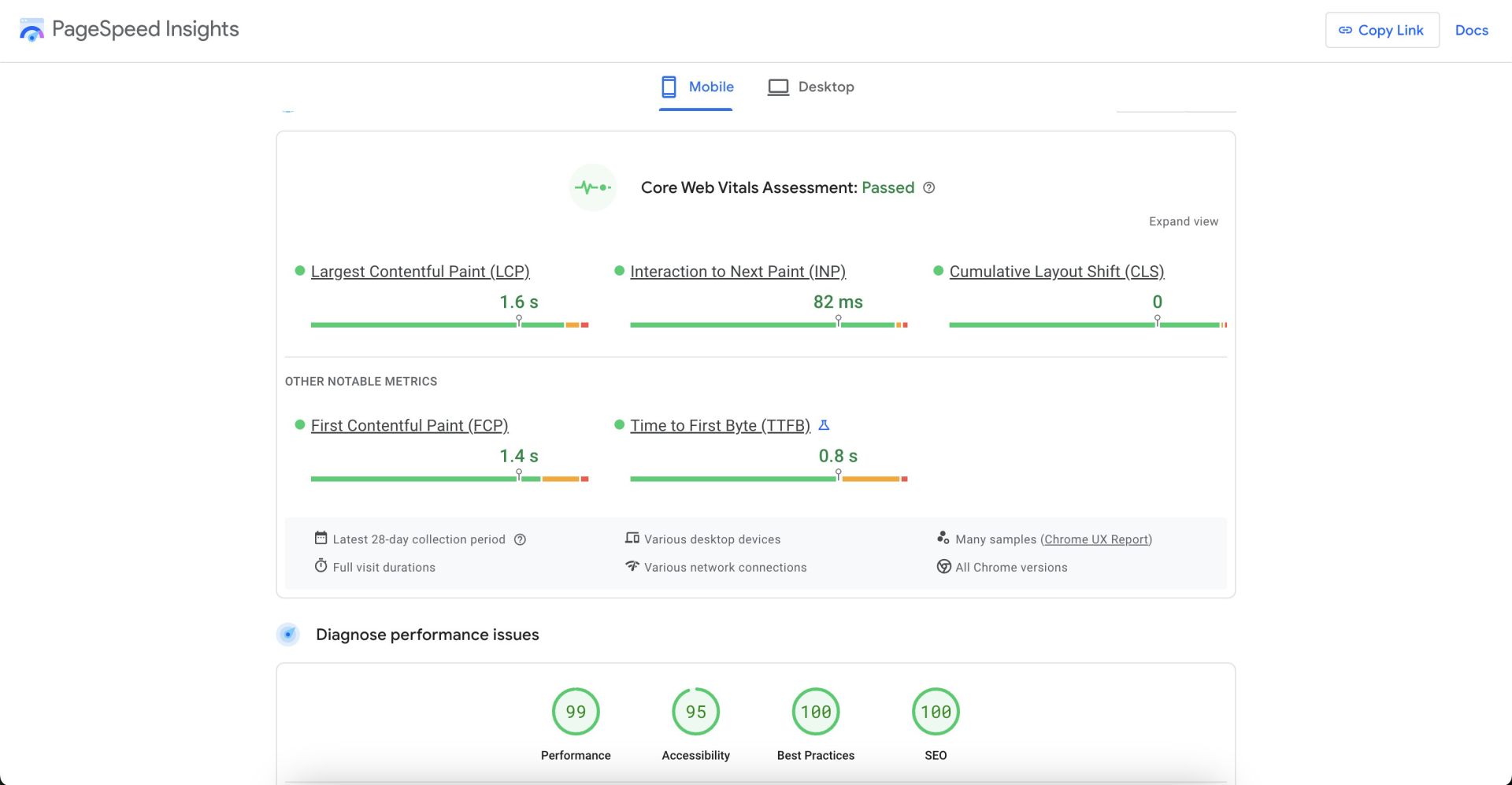
Core Web Vitals are a set of specific factors that Google considers important in a webpage's overall user experience. These include:
- Largest Contentful Paint (LCP): Measures loading performance. A good LCP is 2.5 seconds or faster.
- First Input Delay (FID): Measures responsiveness. A good FID is less than 100 milliseconds.
- Cumulative Layout Shift (CLS): Measures visual stability. A good CLS score is less than 0.1.
These metrics are vital for SEO rankings as they directly impact user experience. For instance, a study by Google Research found that improving page load time by just one second can increase conversions by up to 20%. Ensuring your website meets these standards can significantly reduce bounce rates and enhance listener engagement, directly impacting your career.
Beyond Numbers - User Engagement
Engagement metrics such as dwell time and bounce rate are essential for understanding how your audience interacts with your music. Here's how you can measure them:
-
Dwell Time: Calculated by tracking the time a user spends on your page before returning to the search results. Use tools like Google Analytics to monitor this metric.
-
Bounce Rate: Calculated by dividing the number of single-page sessions by the total number of sessions. A lower bounce rate indicates higher engagement.
To gather qualitative feedback, consider:
- Surveys: Use tools like SurveyMonkey to ask fans about their experience.
- Social Media Interactions: Monitor comments and direct messages for insights.
- Feedback Forms: Implement feedback forms on your website to collect user opinions.
Understanding these metrics allows you to tailor your content to better meet your audience's preferences, enhancing overall engagement.
Conversion Rate Optimization (CRO) for Musicians
Rising Above Common Metrics
Focusing solely on metrics like bounce rates can lead artists to overlook valuable insights. Gathering actionable data in context can better inform your marketing strategies. For example, if a song release has a low bounce rate but still lacks conversions, this could indicate that while audiences are curious, they aren't finding compelling calls to action. To address this, ensure that each page has clear and enticing CTAs, such as "Stream Now," "Subscribe for Updates," or "Buy Merchandise."
A/B Testing for Improved Engagement
A/B testing allows you to compare two versions of content to see which performs better. For musicians, this can mean:
- Banner Images: Testing two different banner images for an album launch to see which attracts more clicks.
- Landing Page Layouts: Experimenting with different layouts for your music video pages to determine which retains visitors longer.
- Promotional Strategies: Comparing two different promotional emails to see which drives more engagement.
Best Practices for A/B Testing:
- Define Clear Goals: Determine what you want to achieve, such as higher CTR or increased conversions.
- Test One Variable at a Time: This ensures that you know which change caused the difference in performance.
- Use Reliable Tools: Tools like Optimizely and Google Optimize are excellent for conducting A/B tests.
- Analyze Results Thoroughly: Use statistical significance to ensure your results are meaningful before implementing changes.
Continuously evaluating outcomes can significantly enhance engagement rates and ultimately drive more sales or listens.
Tools and Strategies for Tracking SEO Success
Essential SEO Tools
Music professionals should leverage both free and paid SEO tools for tracking their success effectively. Here are some essential tools:
- Google Analytics: For tracking website traffic and user behavior.
- Google Search Console: For monitoring site performance in search results.
- Ahrefs / SEMrush: Paid tools for keyword tracking and competitor analysis.
- Moz: A great tool to monitor your site's page authority and backlinks.
- Hotjar: For heatmaps and user behavior insights.
- Yoast SEO: A WordPress plugin that helps optimize on-page SEO.
Each tool offers unique capabilities, so consider your specific needs before committing. Most offer tutorials and support to help you get started.
Real-time Monitoring and Reporting
The ability to monitor SEO metrics in real-time is invaluable. Implement strategies such as:
- Automated Tracking Reports: Tools like Google Data Studio can create automated dashboards that pull data from multiple sources.
- Scheduled Audits: Perform regular SEO audits using tools like Screaming Frog to identify and fix issues promptly.
- Real-time Alerts: Set up alerts in Google Analytics and Google Search Console to notify you of significant changes in your metrics.
Establishing a routine of weekly or bi-weekly reviews allows for quick adjustments to your strategy, maintaining your competitive edge without spending excessive time on manual checks.
Local SEO for Musicians
Optimizing for local SEO can be particularly beneficial for musicians looking to build a local fanbase, secure gigs, and increase visibility in specific geographic areas. Here are some strategies:
- Google My Business: Create and optimize your Google My Business profile to appear in local searches.
- Local Keywords: Incorporate local keywords such as "live music in [Your City]" or "band [Your City]" into your website content.
- Local Backlinks: Partner with local venues, event organizers, and community websites to gain backlinks from local sources.
- NAP Consistency: Ensure your Name, Address, and Phone number are consistent across all online platforms.
Focusing on local SEO can drive more targeted traffic and foster a loyal local fanbase.
Conclusion
In the ever-evolving world of music, tracking your SEO metrics with precision is paramount to success. By understanding and leveraging these metrics, you can significantly enhance your online presence and connection with your audience. Adopt a systematic approach, continuously educate yourself on emerging SEO trends, and engage with your fans on a deeper level to remain relevant in the competitive music industry. Implementing the strategies and tools discussed will position you to track your success effectively and thrive as a music professional.
FAQs
1. What are SEO metrics and why are they important for musicians?
SEO metrics are quantitative measures that evaluate your music's visibility and engagement on search engines. They are essential for understanding how well your strategy is working and for making informed decisions to enhance your online presence.
2. How can I improve my organic traffic as a music artist?
Optimize your website content for relevant keywords, build quality backlinks through guest posting and partnerships, create engaging and shareable content, and regularly update your site with fresh material to keep your audience engaged.
3. What role do backlinks play in my music SEO strategy?
Backlinks help establish authority and trust, making your content more likely to rank higher in search results. The more quality backlinks you have from reputable sources, the better your site can perform.
4. How often should I check my SEO metrics?
Regularly checking your SEO metrics, such as weekly or bi-weekly, can help you stay informed and make timely adjustments to your strategies to maintain and improve your rankings.
5. Are there specific SEO tools that are best for tracking music-related keywords?
Tools like Google Keyword Planner, SEMrush, and Ahrefs are excellent for tracking music-related keywords and analyzing your competition.
6. How do social media metrics impact my overall SEO strategy?
Social media metrics can influence search engine rankings. Increased engagement on social media can lead to more shares and backlinks, indirectly boosting your SEO by enhancing your site's authority and visibility.
7. Can I track SEO success without any technical knowledge?
While some technical knowledge can be beneficial, many SEO tools are user-friendly and offer insights in simple terms. Additionally, resources and tutorials are available to help musicians at any skill level track success and make data-driven decisions.
8. How can local SEO benefit my music career?
Local SEO can help you gain visibility in your geographic area, making it easier for local fans to find you, attend your gigs, or engage with your music. Optimizing for local search can lead to more meaningful connections and opportunities within your community.
9. What are some beginner-friendly resources to learn SEO for my music career?
Beginner-friendly resources include Moz’s Beginner’s Guide to SEO, Neil Patel’s SEO Blog, and courses on platforms like Coursera and Udemy.
10. How often should I update my SEO strategies?
SEO is continuously evolving. It’s advisable to review and update your strategies every few months or whenever there are significant changes in search engine algorithms to ensure your tactics remain effective.