Mastering SEO for Artists: How to Optimize Your Website and Attract More Visitors
Table of Content
Introduction
In 2025 SEO for artists is more important than ever. With the vast amount of content available online and new trends in AI, it's essential for artists to make their work show up and stand out in search engine results. By following our SEO tips and implementing a well-rounded SEO strategy, artists can attract more visitors to their website, increase their online presence, and ultimately, grow their audience and career. This article will provide a comprehensive guide to optimizing your artist website for search engines, including essential SEO services and tools.
Understanding SEO and its Basics
Search engine optimization (SEO) is the process of improving a website's visibility on search engines like Google, Bing, and Yahoo. The higher your website ranks in search results, the more likely the potential customers or fans will click on it.
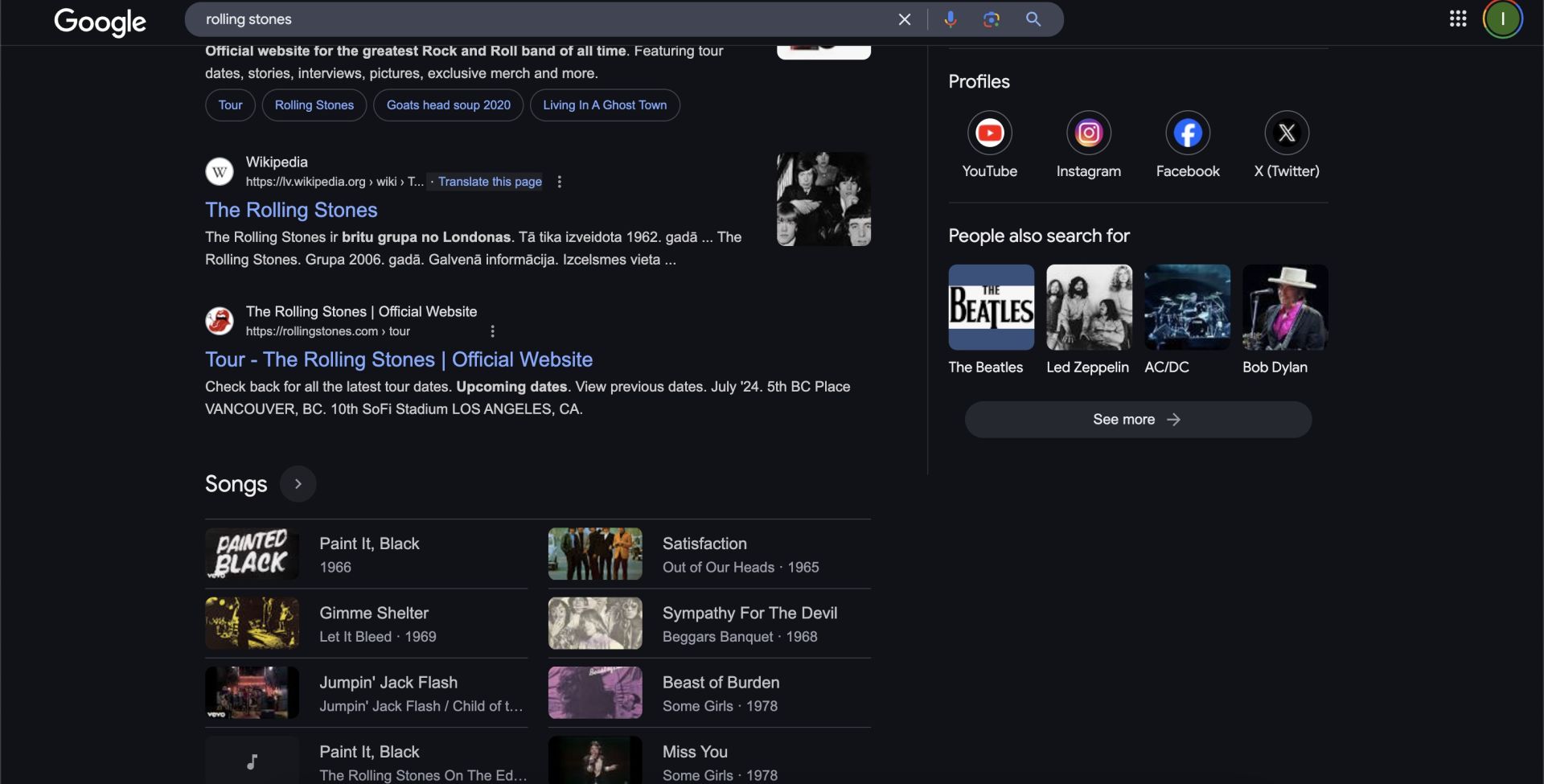
95% of all website traffic goes to the websites that rank on page one of Google SERPs (Search Engine Results Page). As the joke goes, the best place to hide a dead body is page two of the google search results. Therefore getting your website to the top of for important keywords like your (or your group's) name, pieces, location, services etc.
SEO experts focus on various on-page and off-page factors to improve a website's ranking, including keyword research, content creation, and digital marketing strategies.
Identifying Your Target Audience and Keywords
The first step in mastering SEO for artists is to define your target audience. Consider who is most likely to appreciate your artwork and become a potential customer or fan. Once you have a clear understanding of your target audience, you can begin researching relevant keywords.
Keyword research is a crucial aspect of SEO, as it helps identify the right keywords to include in your website's content. SEO tools like Google Keyword Planner can help you find popular search terms and keyword phrases related to your artwork or artist website. Be sure to choose keywords with a balance between search volume and competition, ensuring that your content has the best chance of ranking well in search results.
It is important to understand that it is almost impossible for a small website to rank for short search terms like "violin lessons". There are many established websites that will appear in the first place. However, it is entirely possible to rank for long phrases that people search for online, for example "how long does it take to learn Suzuki violin book 1". You need to focus on the long-tail keywords. Even if very few people search for that term each month, you have a great chance of being the first website they see and click on.
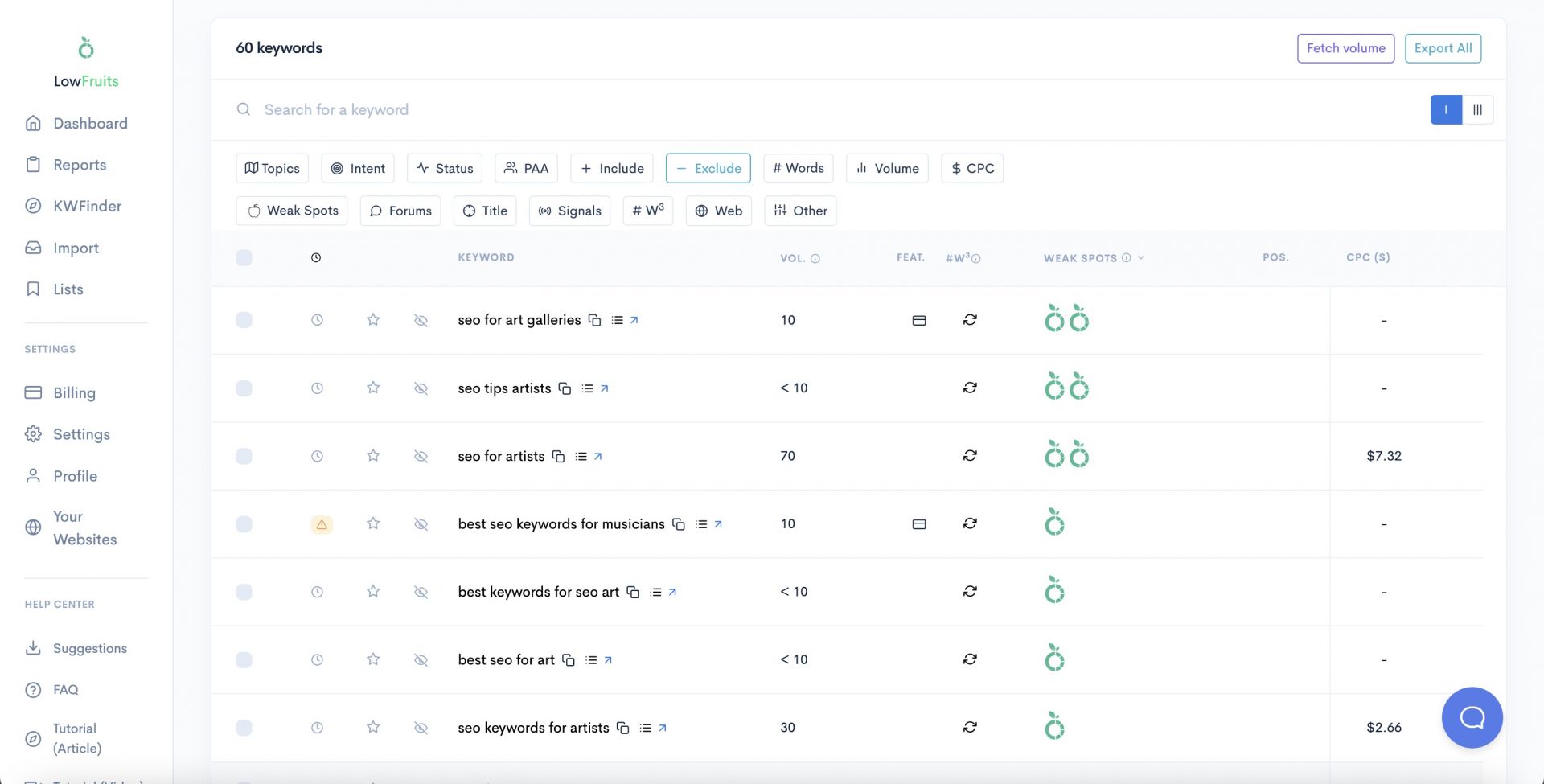
There are many sophisticated and extremely professional tools that can be used for keyword research including SEMrush, Keywords explorer and many others. However they have a steep learning curve and high price. The tool we like to use to find the keywords that are easier to rank for is LowFruits. It has intuitive and simple interface and can generate many great keyword ideas affordably.
Optimizing Your Artist Website's Structure
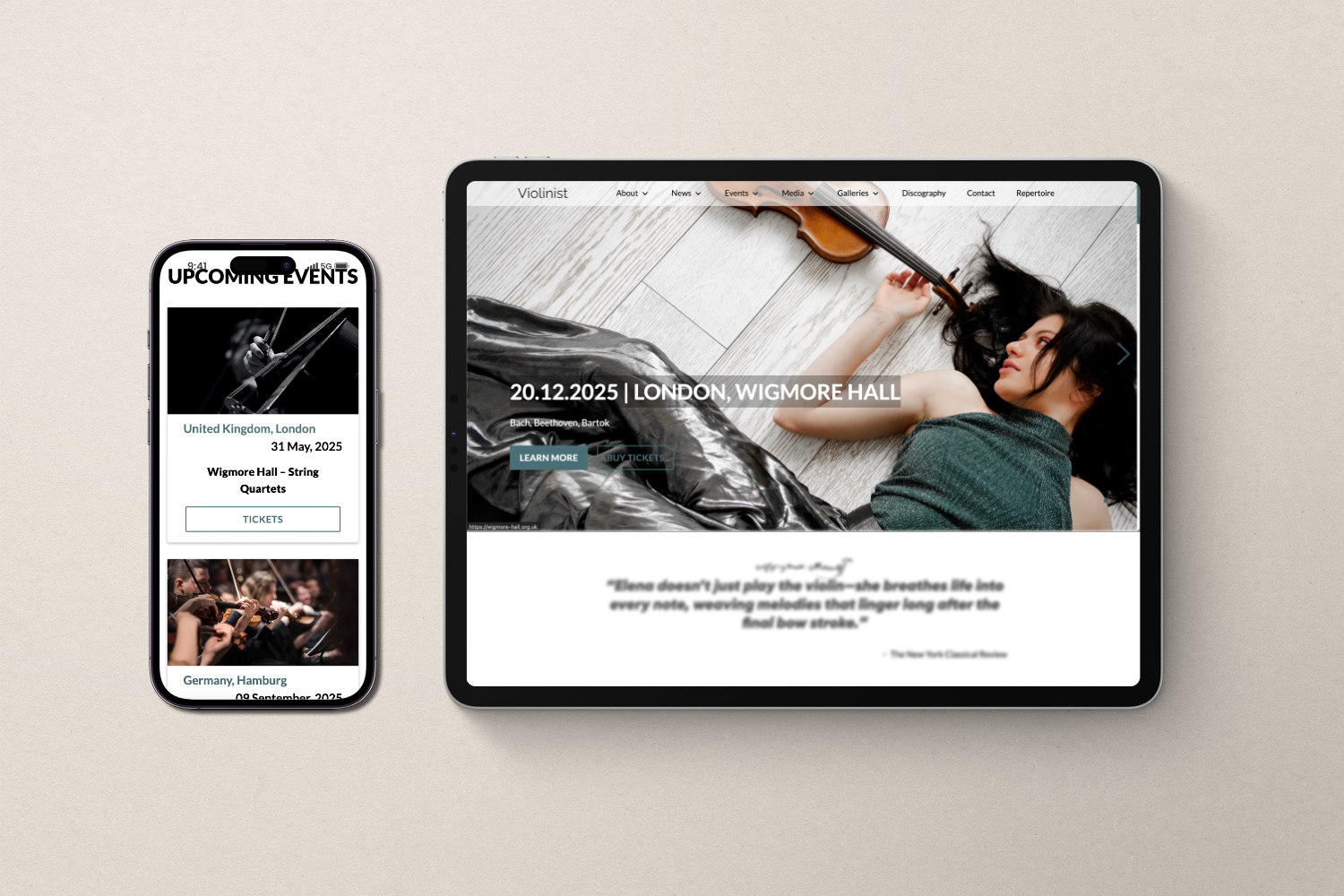
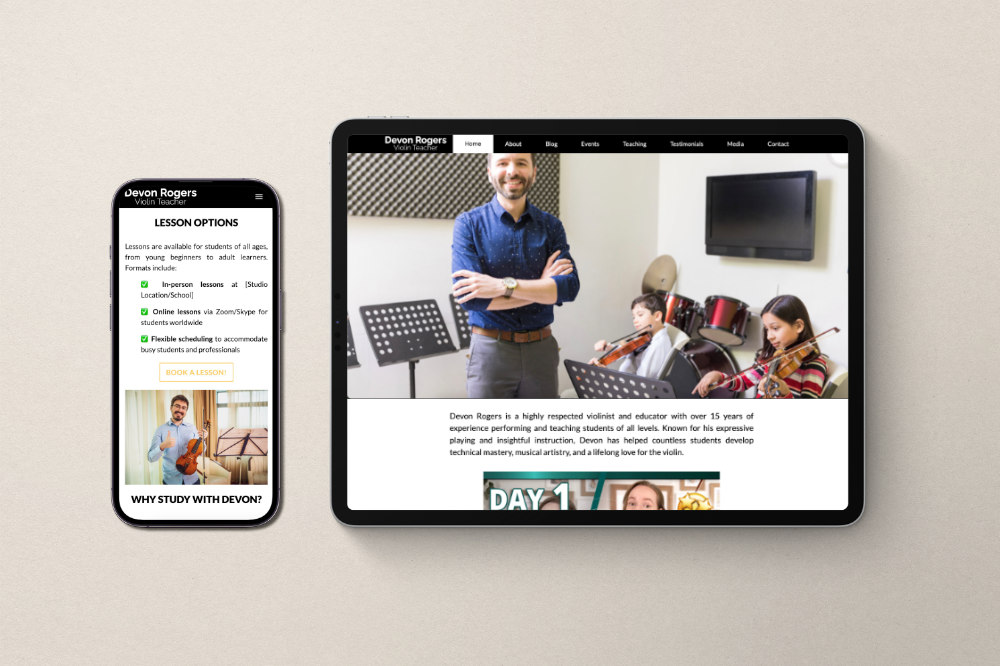
A well-structured website is important for both usability and search engine optimization. Make sure your web pages are logically organized, with clear navigation and a mobile-friendly design. A responsive layout makes your website accessible to visitors on different devices. This not only improves usability, but also ensures that Google ranks your website higher in search results.
On-Page SEO for Artists: Optimizing Content and Metadata
Creating Content
Creating high-quality, engaging content is essential for SEO. Your artist website should include informative and unique artist statements, descriptions of your music or artwork, and blog posts about your creative process, exhibitions, concerts, events and other art-related topics. Be sure to incorporate relevant keywords naturally throughout your content to improve its visibility in search engines.

Optimizing Content for Keywords
To give your articles the best change of ranking high on Google you can use Marketmuse which does keywords research for you and allows you to optimize 15 articles per month for free.
Optimizing your metadata
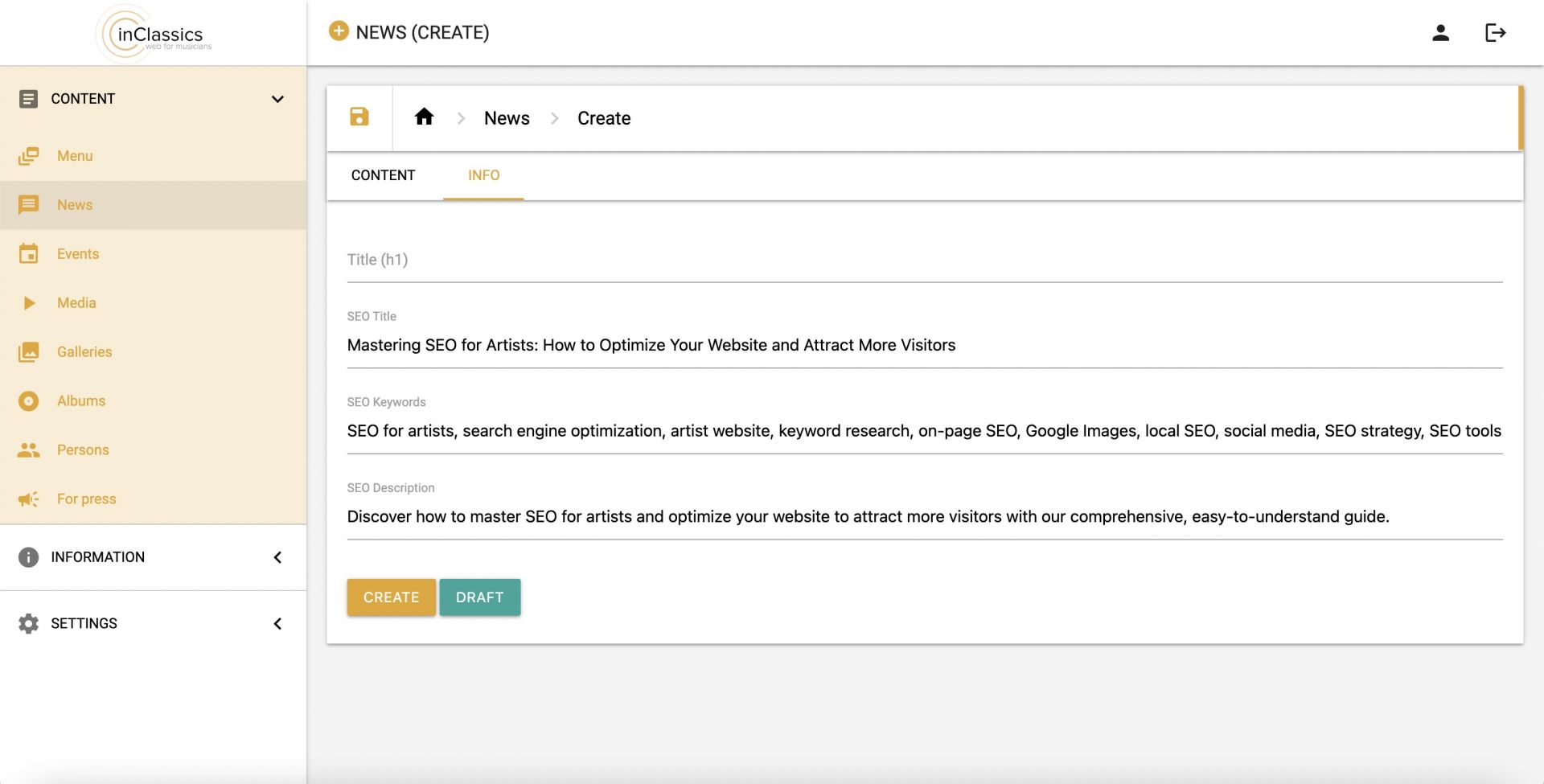
Metadata, such as title tags and meta descriptions, is also crucial for SEO. Each web page should have a unique title tag that includes relevant keywords and accurately describes the page's content. Additionally, well-crafted meta descriptions can entice users to click on your website in search results. Most of the website builders give you possibilities to edit your meta title tags and descriptions.
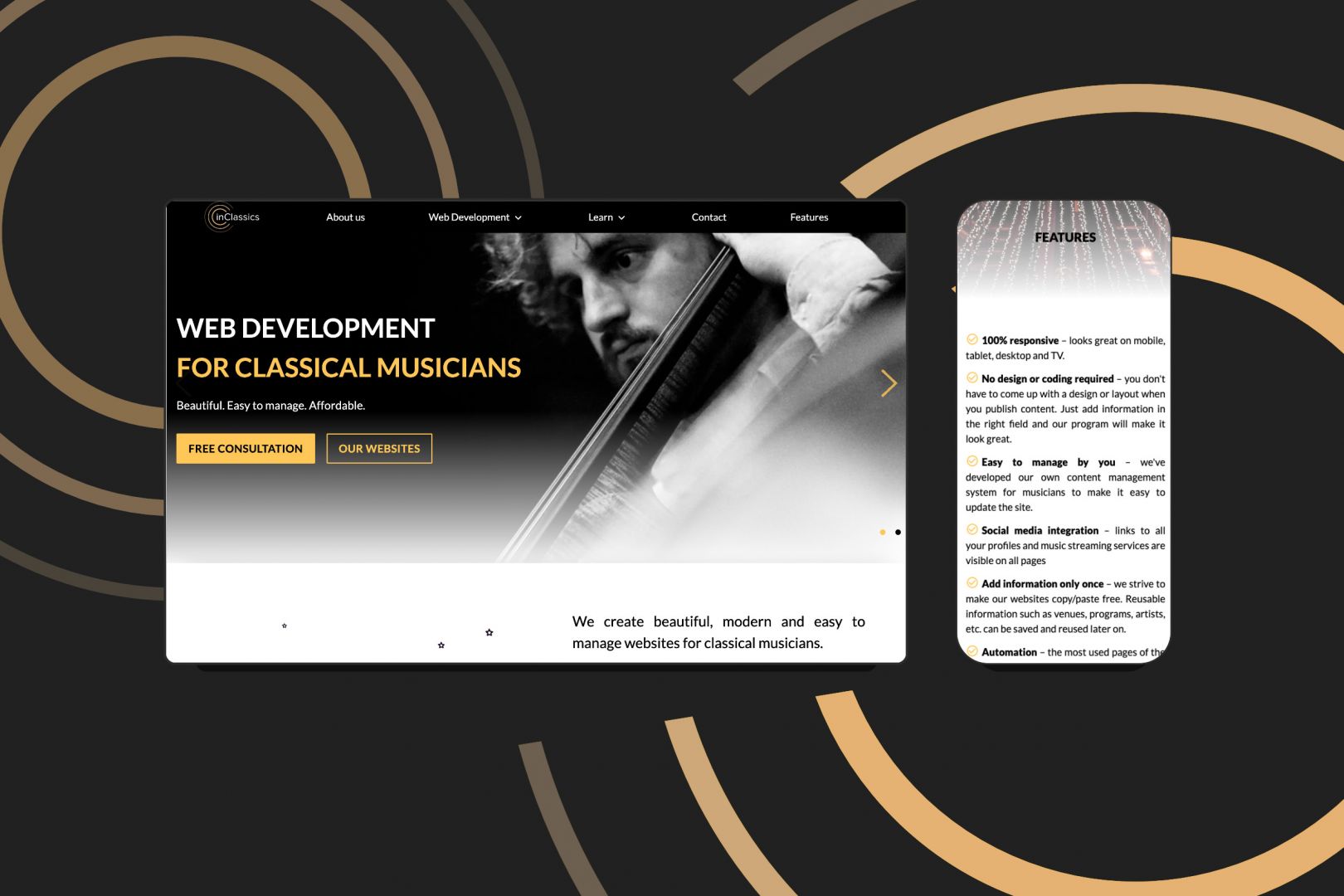
Our own inClassics platform also allows you to easily edit metadata on each page of your website.
Optimizing header tags
Header tags (H1, H2, etc.) and image alt text are other essential elements of on-page SEO. Use header tags to structure your content and make it easy for search engines to understand the hierarchy of information on your page. Also, include descriptive alt text for each image on your website, as this helps search engines understand the content of the image and can improve your visibility in Google Image Search. Remember, each page must have only ONE H1 tag!
Google Images and Visual SEO
Visual SEO is particularly important for artists, as Google Image Search can be a powerful tool for driving traffic to your website. To optimize your images for search engines, name image files using descriptive and keyword-rich phrases. Additionally, ensure that your website's structure allows for easy indexing of images by search engines.
Social Media and SEO for Artists
Social media platforms like Facebook, Instagram, and Twitter can play a significant role in your SEO strategy. By creating shareable content and optimizing your social media profiles, you can drive traffic to your website and improve your search engine rankings. Engage with your target audience on social media platforms by posting regular updates, sharing images of your artwork, and responding to comments and messages.
Make sure that you include a link to your website on all your social media profiles!
Local SEO for Artists: Optimizing Your Google My Business Listing
Local SEO can be particularly beneficial for artists with a physical teaching studio or art gallery. By optimizing your Google My Business listing, you can improve your visibility in local search results and attract potential customers in your area. Ensure that your Google My Business listing includes accurate information about your studio or gallery, such as your address, phone number, and hours of operation. Additionally, include high-quality images of your artwork and space to make your listing more appealing to potential visitors.
Tracking Your SEO Progress and Adjusting Your Strategy
Monitoring your website's performance and making data-driven adjustments to your SEO strategy is crucial for long-term success. SEO tools like Google Analytics and Google Search Console can provide valuable insights into your website's traffic, search rankings, and user behavior. Use this information to identify areas for improvement and adapt your SEO strategy accordingly.
For example, if you notice that a particular blog post is attracting a significant amount of traffic, consider creating more content on that topic or using similar keywords in future posts. If your website's bounce rate is high, explore ways to improve user experience and keep visitors engaged with your content.
Conclusion
Mastering SEO for artists is an ongoing process that requires dedication and adaptability. By following the tips and strategies outlined in this guide, you can optimize your artist website for search engines, increase your online visibility, and ultimately, attract more visitors and potential customers. Remember to stay up-to-date with SEO best practices, engage with your audience on social media, and continually monitor and adjust your strategy based on data and insights. By doing so, you'll be well on your way to growing your audience and achieving success in the competitive world of art.
FAQs: Common Questions Artists Have About SEO
Q1: What is the best SEO tip for artists?
A1: The most important SEO tip for artists is to create high-quality, engaging content that incorporates relevant keywords naturally. Focus on providing value to your target audience by showcasing your artwork, discussing your creative process, and sharing information about upcoming exhibitions or events.
Q2: How can I improve my search engine results ranking?
A2: To improve your search engine result rankings, follow SEO best practices, such as optimizing your website's structure, creating valuable content with relevant keywords, building a strong backlink profile, and engaging with your audience on social media platforms.
Q3: How do I choose the right SEO keywords for my artist website?
A3: Conduct thorough keyword research using SEO tools like Google Keyword Planner, SEMrush or LowFruits. Look for keywords with a balance between search volume and competition, ensuring that your content has the best chance of ranking well in search results.
Q4: Can SEO help me promote my music as an artist?
A4: Yes, SEO can be beneficial for musicians looking to promote their music online. By optimizing your website and creating engaging content related to your music, you can improve your search engine visibility and attract more visitors.
Q5: How important is a meta description for my artist website?
A5: Meta descriptions are essential for providing a brief summary of your web page's content and can entice users to click on your website in search results. Be sure to create unique and engaging meta descriptions for each page of your website, incorporating relevant keywords.
Q6: Should I hire an SEO specialist to optimize my artist website?
A6: If you're not comfortable with managing your SEO or don't have the time, hiring an SEO specialist can be a wise investment. A professional can help you optimize your website, create engaging content, and implement effective digital marketing strategies.
Q7: Can I improve my SEO by collaborating with other artists or writing guest posts?
A7: Yes, collaborating with other artists and writing guest posts on related websites can help build your backlink profile, which is an essential factor in improving your search engine rankings.
Q8: What SEO tools should I use to optimize my artist website?
A8: Some popular SEO tools include Google Keyword Planner, Google Analytics, Google Search Console, MarketMuse and various keyword research tools. These tools can help you identify the right keywords, monitor your website's performance, and make data-driven adjustments to your SEO strategy.
Q9: How can I attract more visitors to my artist website through SEO?
A9: By implementing a well-rounded SEO strategy that includes keyword research, content optimization, website structure improvements, and social media engagement, you can improve your search engine rankings and attract more visitors to your artist website.
Q10: How long does it take to see results from my SEO efforts?
A10: SEO is an ongoing process, and it may take several months to see significant improvements in your search engine rankings. However, by consistently following SEO best practices and regularly monitoring your website's performance, you can achieve long-term success and increased visibility online.