Website vs. social media account
There is no doubt that you should have an active presence on social media platforms. You should actively build a following around your social media accounts. Social media helps you develop your brand, be more visible, reach more people, build relationships and learn more about your target audience.
However, every modern social media platform has its drawbacks:
- Reaching a wide audience is expensive.
If you publish a post on Facebook today, only about 5.2% of your page's followers will see it (104 people out of 2000 followers). On Instagram, the situation is a bit better: 13.5% of followers will see your post (270 people out of 2000).
If you are not willing to invest money in social media ads and boosted posts, it will take you a long time to build a strong and engaged following and see return on investment.
- You are constantly competing with other content for attention
Most people interact with your content as they scroll through their newsfeed. The message you share might get lost in the flood of information.
Whenever possible, try to share a short snippet of information on your social media to pique curiosity and provide a link to your website to learn more. When someone comes to your website, you have their full attention. This is all about you, and there are no distractions from other accounts and ads.
- You can not structure and organize your content effectively
Every social media platform has its own way of structuring content. When users visit your page, they will only see the latest posts, and it is unlikely that they will scroll far away from your latest update. You can organize your site using only the tabs and structures provided by the platform.
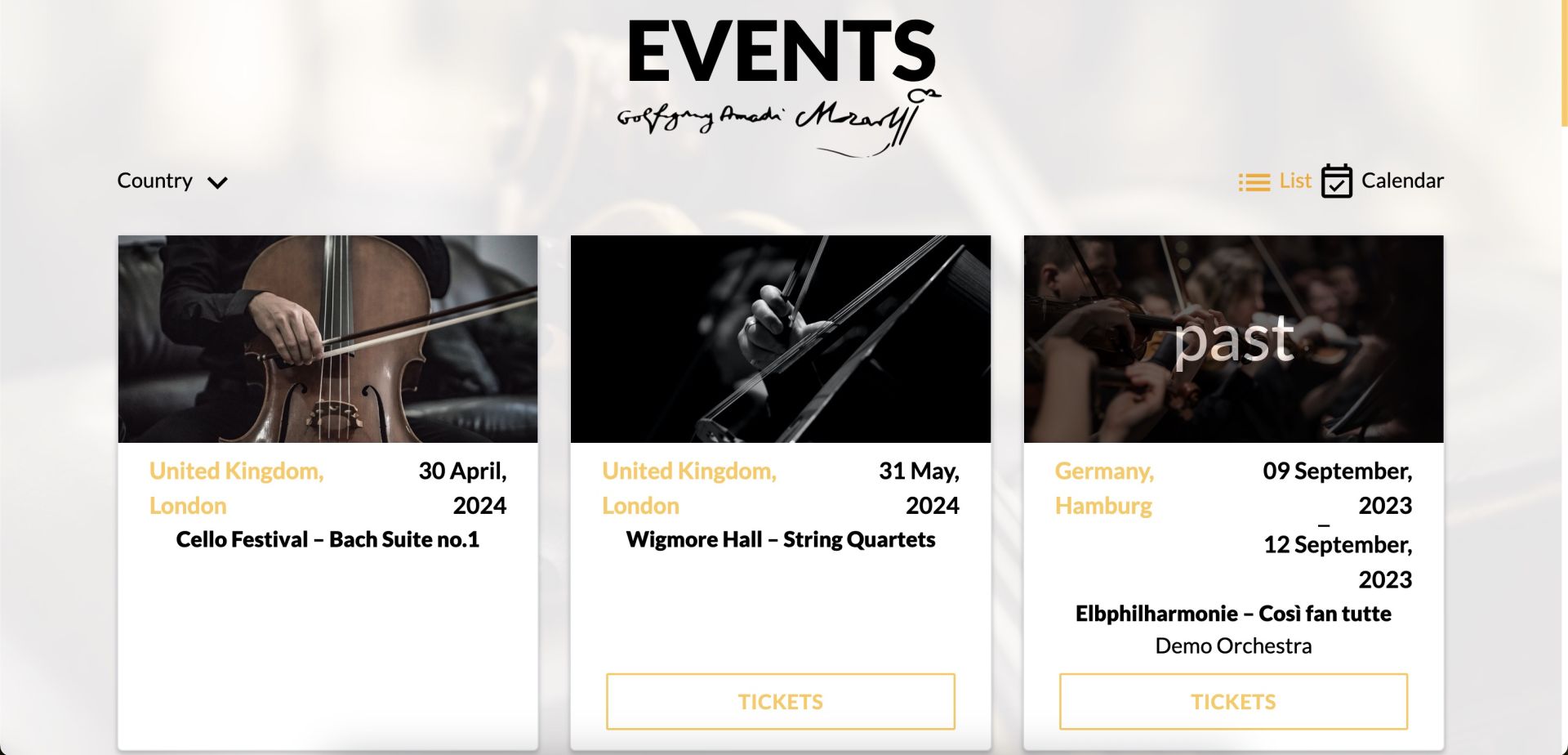
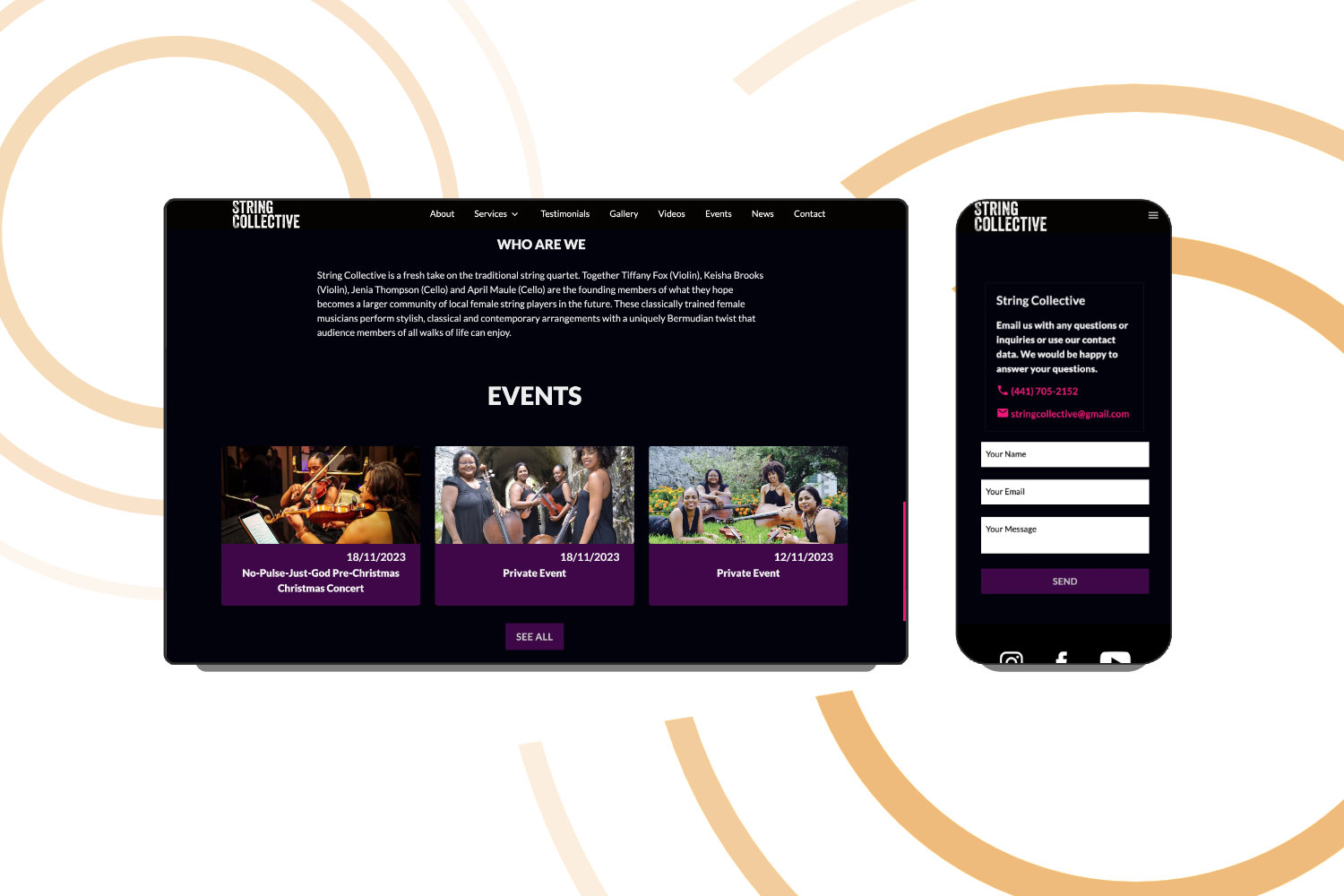
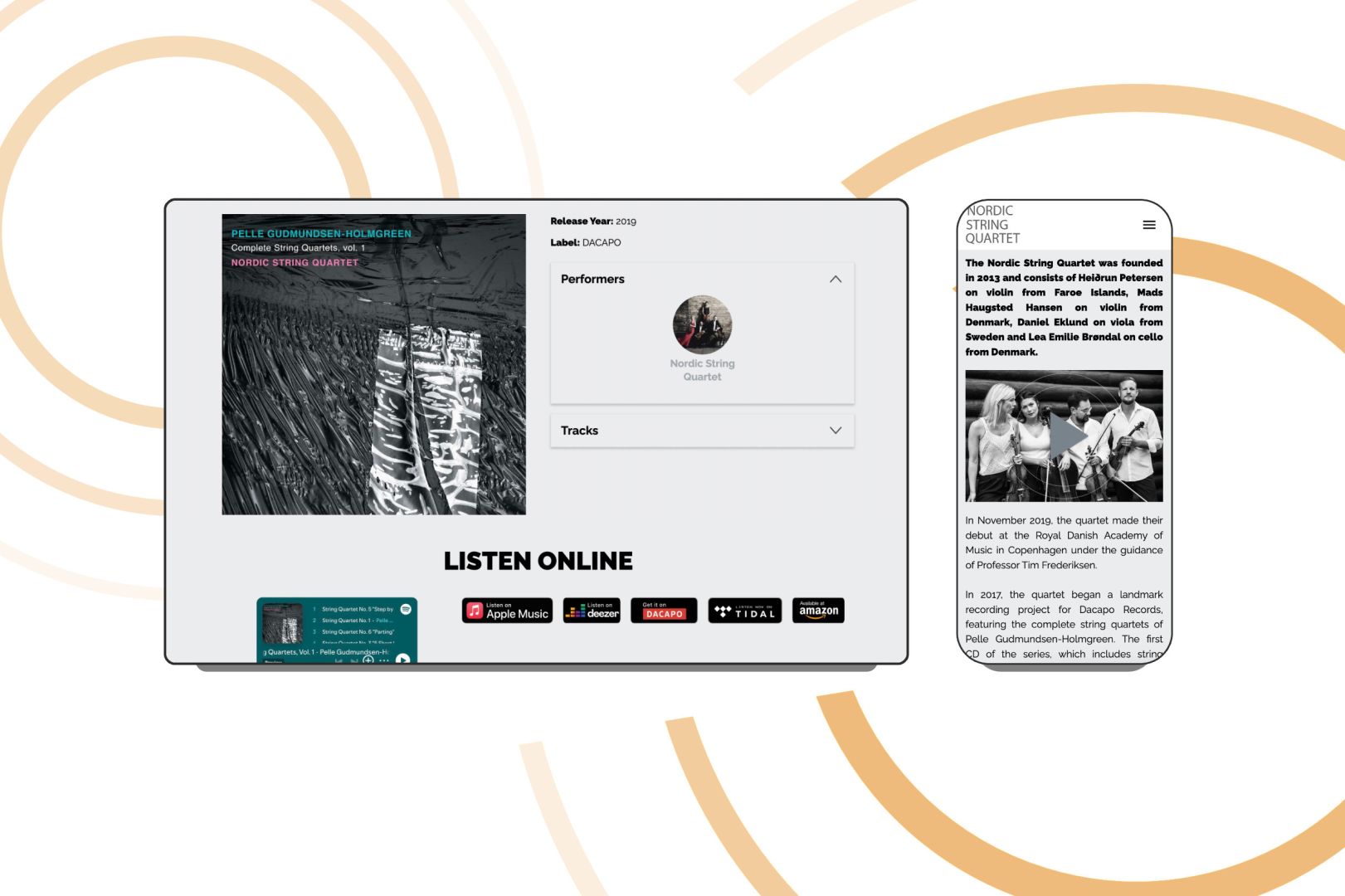
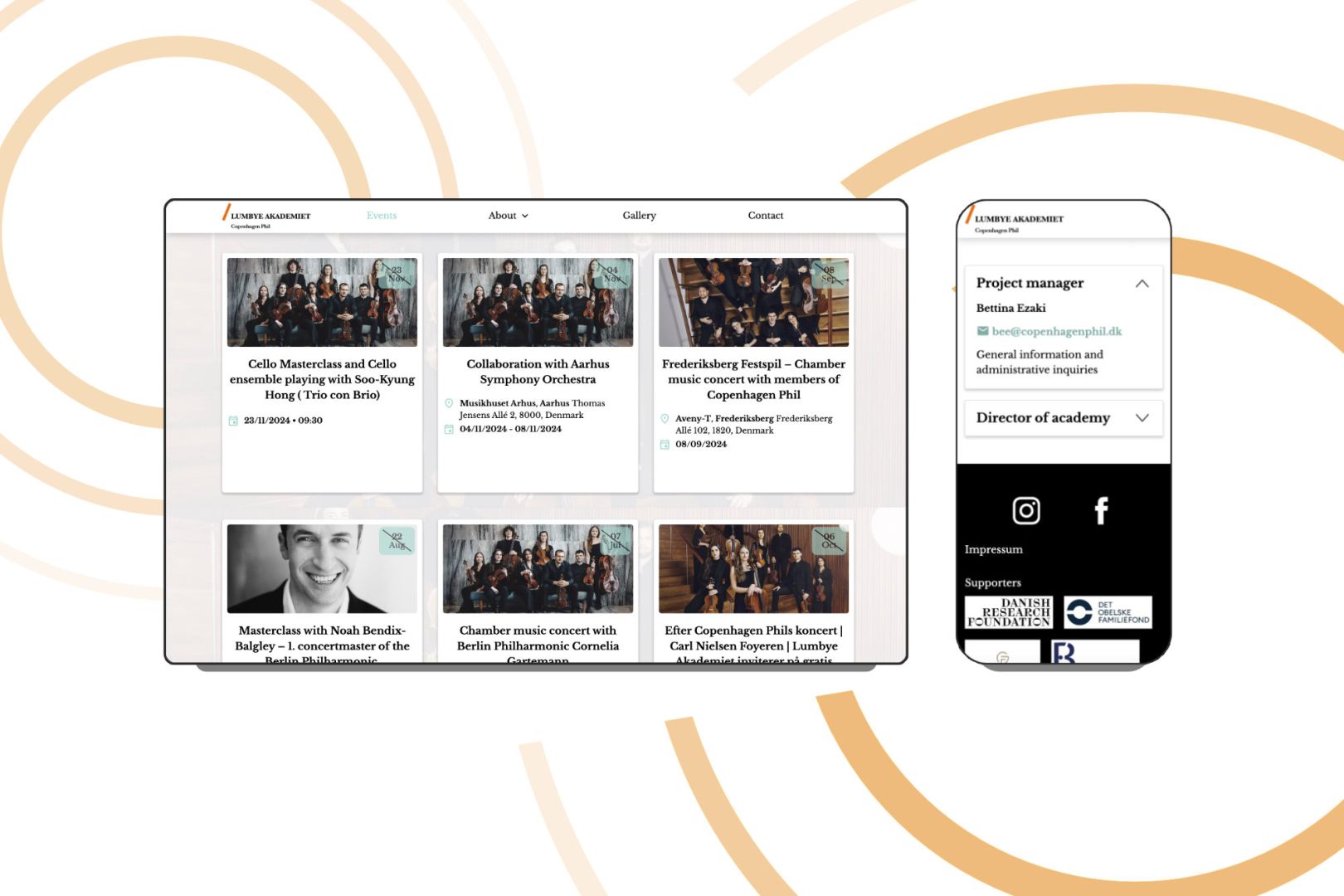
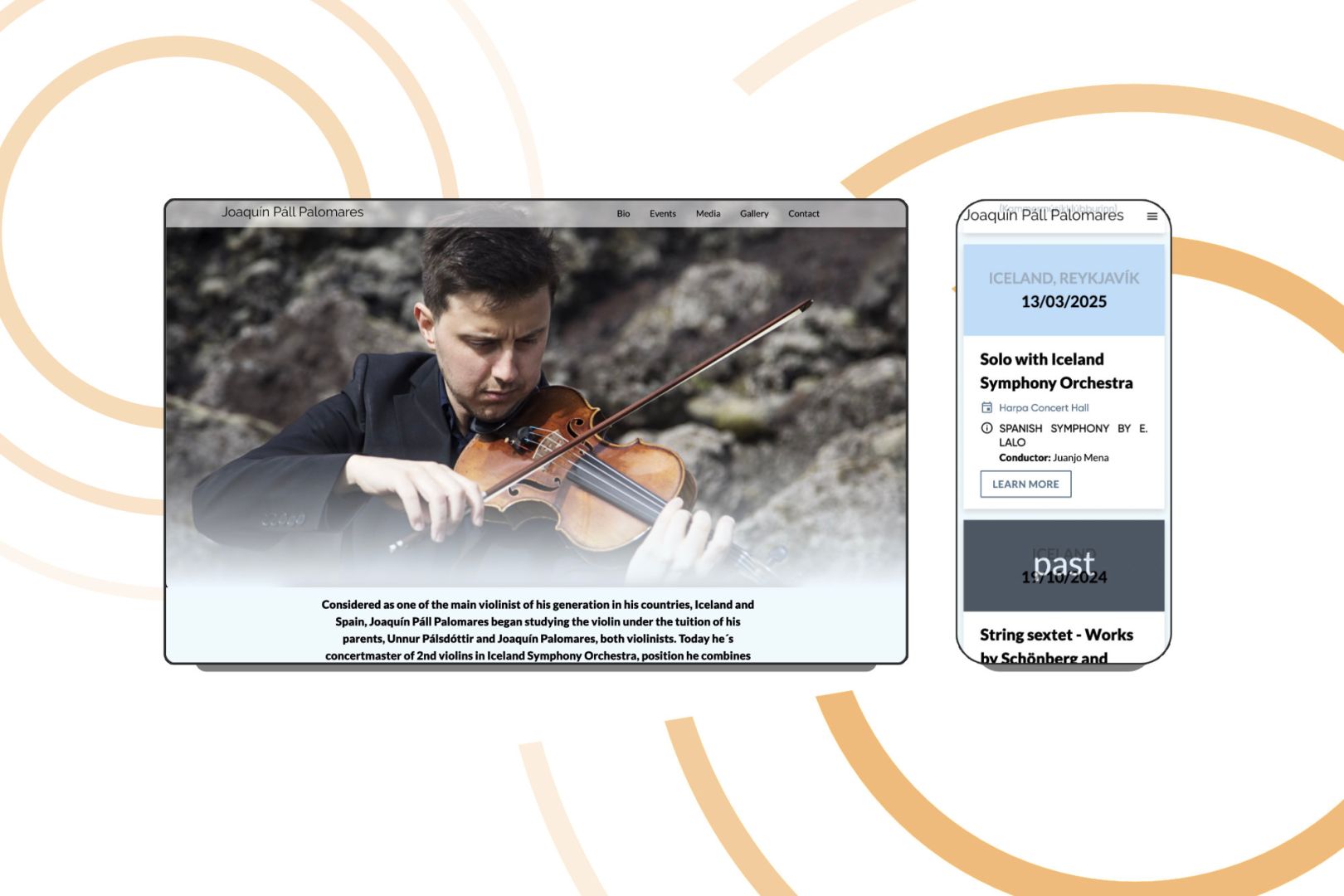
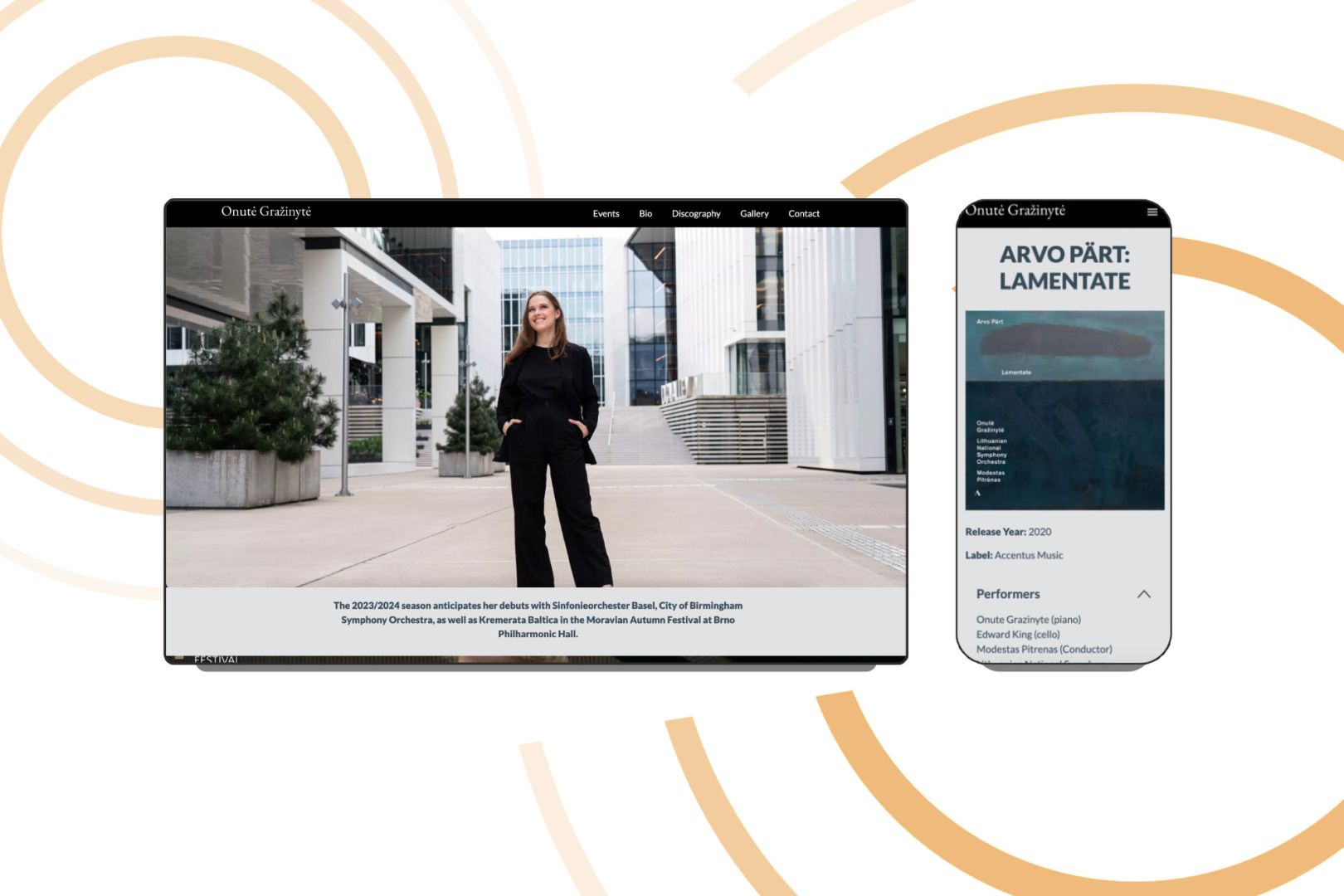
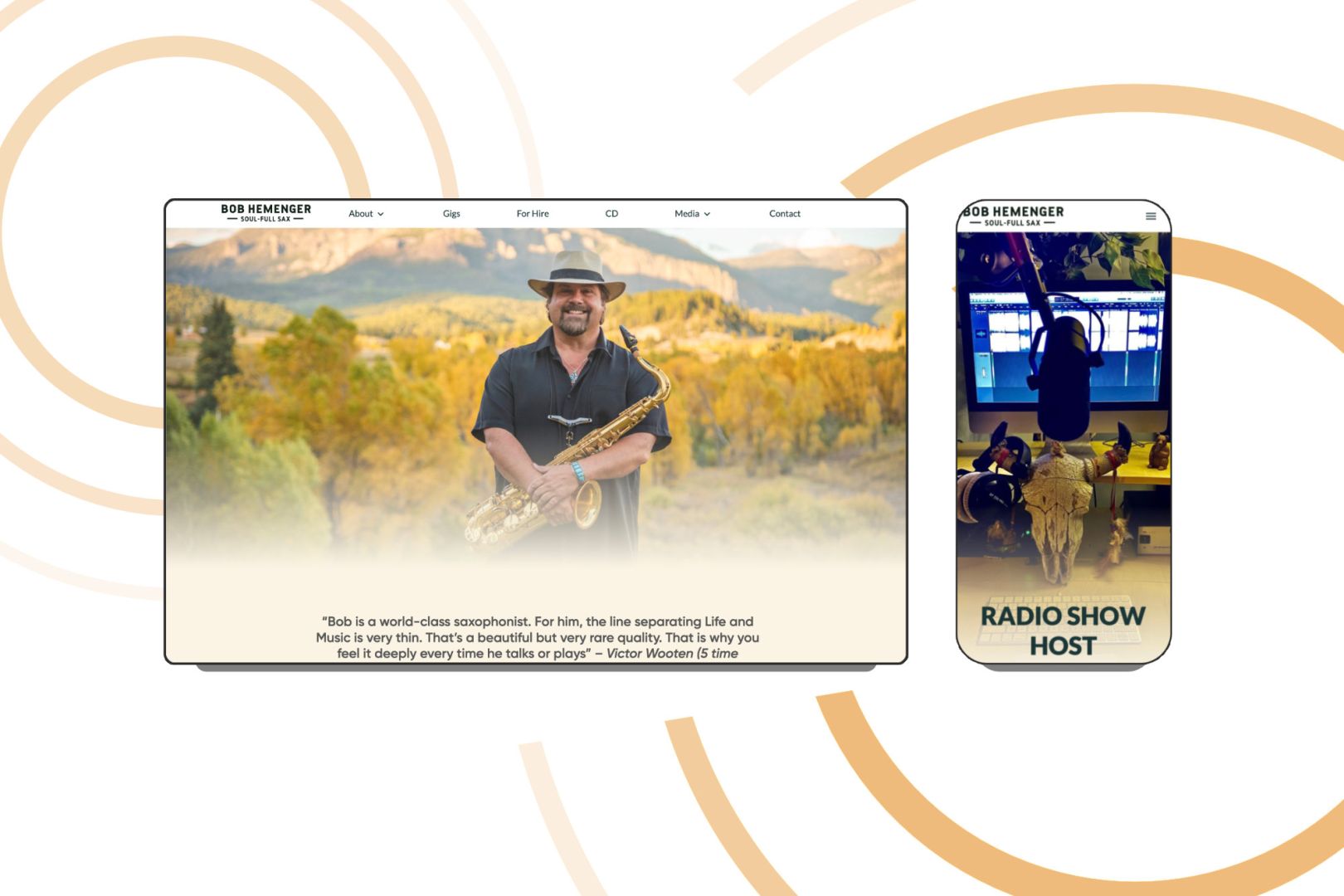
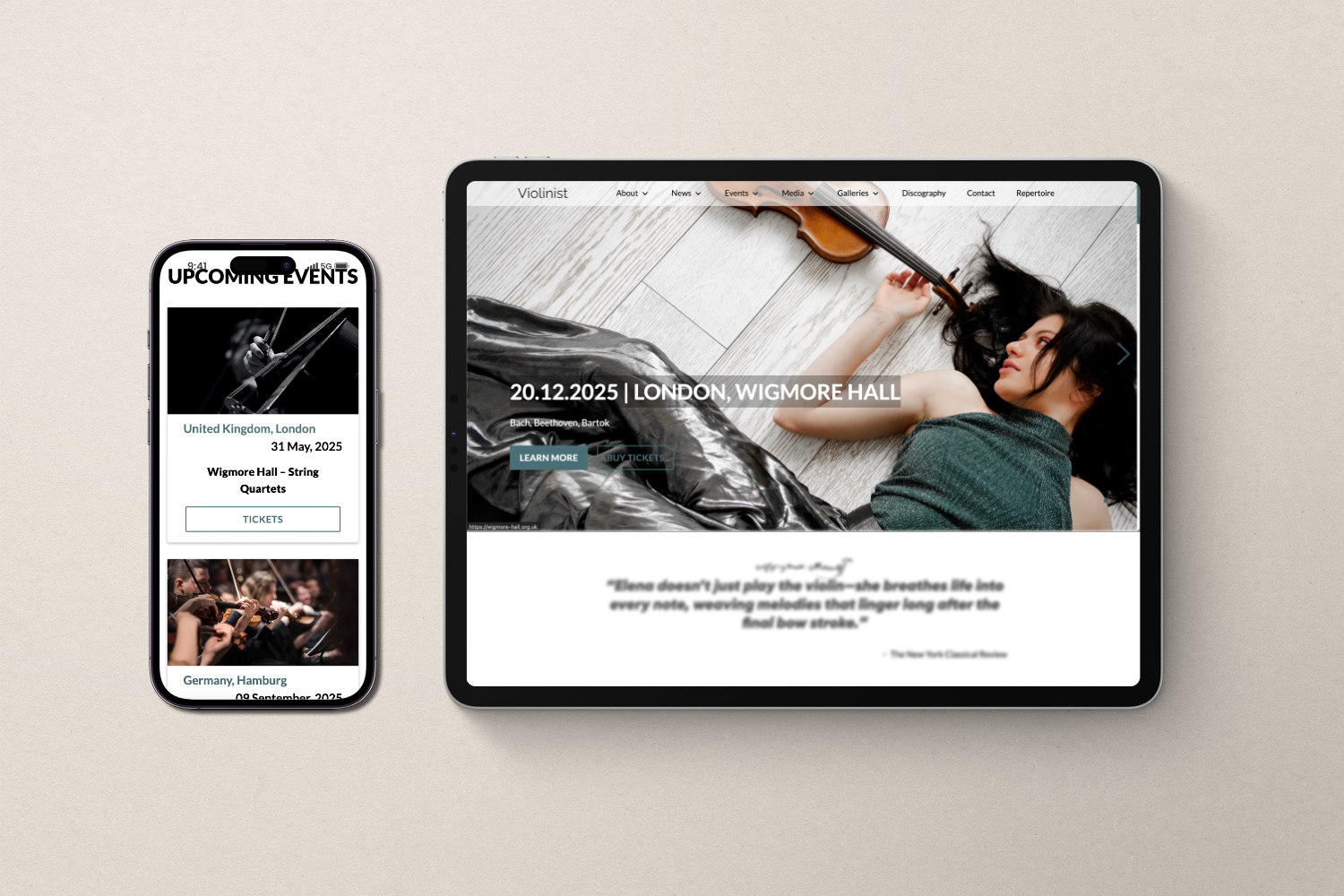
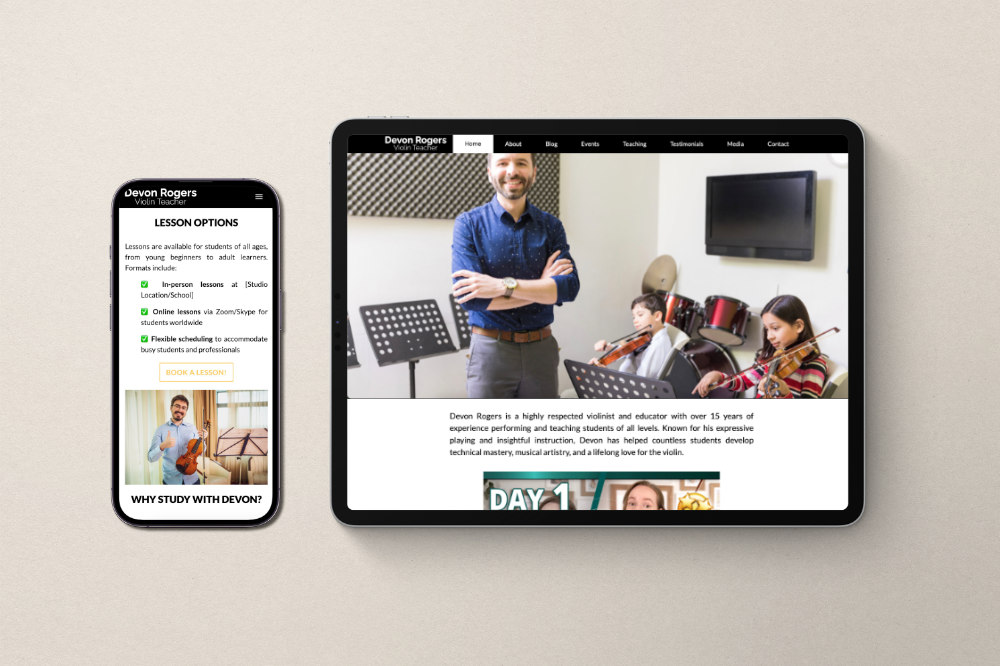
On your site, you can set up a separate page for each type of content - discography, music downloads, galleries, blog and news posts, upcoming events, etc. You can organize your most valuable and interesting content so that it is always easy for your audience to find.
A well-organized and structured website is a kind of personal archive. Here you can find all the information you need about yourself and your activities at any point in your career.
- You don't own your followers and their data
It takes a lot of time and effort to build a strong and loyal audience on social media. However, you do not own the data, the platform does. Users might find a new platform they prefer and simply leave yours. Also, any social platform might make changes in their algorithm so that fewer people see a post you publish unless you have paid for it.
On your website, the data is yours. Website visitors leave digital footprints that you can later use for targeted advertising. With every subscriber to your newsletter, you have a direct line to them. Whenever you send an email, each subscriber receives it.
This data is yours, and no change in algorithms or policies can change that. The longer your website is online, the more data you collect. You can learn more about your audience, their likes, dislikes, and behaviors, and make informed, data-driven decisions.
- You do not know when a new interesting thing will come along
We live in the age of social media. However, you never know when a new platform will pop up and steal your followers or even destroy a platform you rely on today.
Websites have been around as long as the internet itself, and they will continue to be around. Sure, every few years web design and digital marketing trends change. But one thing is certain: websites are here to stay.