Best Musician Website Designs: Inspiring Examples & Key Features
Crafting an engaging musician website can be a turning point for any artist striving to reach a broader audience. Whether you’re a seasoned performer or just starting your music journey, a visually compelling and user-friendly website is essential.
Below, we showcase different website examples built using various website builders for musicians. We will highlight the features of an effective website design that helps musicians and bands stand out in a crowded music industry.
Each example offers valuable insights into web design elements, template usage, and strategic organization of content. If you want to transform your own musician website into a professional website, read on for inspiration.
Why a Great Musician Website Matters
In today’s digital landscape, artist visibility often hinges on the online experience. The best musician website blends aesthetic appeal with practical features such as an audio player, event listings, and smooth navigation. This combination lets website visitors quickly discover your latest album or see your upcoming concerts, fostering deeper fan engagement. Strategic website design also helps differentiate a band from the competition, whether you’re a solo artist or part of a large ensemble.
Musician website design inspirations
Platform: inClassics — The Best Website Builder for Musicians
When it comes to creating a professional and fully optimized musician website, inClassics is the ultimate solution. Unlike generic website builders, inClassics is designed exclusively for musicians, offering specialized tools that cater to artists, ensembles, and music professionals.
Orchestra Website Design

An orchestral group needed a dynamic music website capable of showcasing detailed event archives, discography, and upcoming shows. Instead of a basic website template, they chose a custom design to accommodate vast content.

Interactive Galleries: High-resolution photos and concert recaps let artists and performance stories take center stage.

Discography Pages: Each album includes streaming links to major streaming platforms, allowing musicians to reach classical music aficionados worldwide.

Engaging Visuals: A cohesive color scheme was derived from the ensemble’s brand, establishing a recognizable look. Subtle design details keep the website refined, appealing to both classical musicians and broader audiences.

Interaction: To showcase the orchestra’s prestigious achievements—including a Grammy Award—we designed a visually dynamic awards page. To enhance engagement, we developed a custom interactive 3D image viewer, featuring high-quality 3D models of each award.
With a feature-rich approach and careful customization, their official website now serves as an information hub for fans and potential collaborators.
Jazz Festival’s Modern Redesign

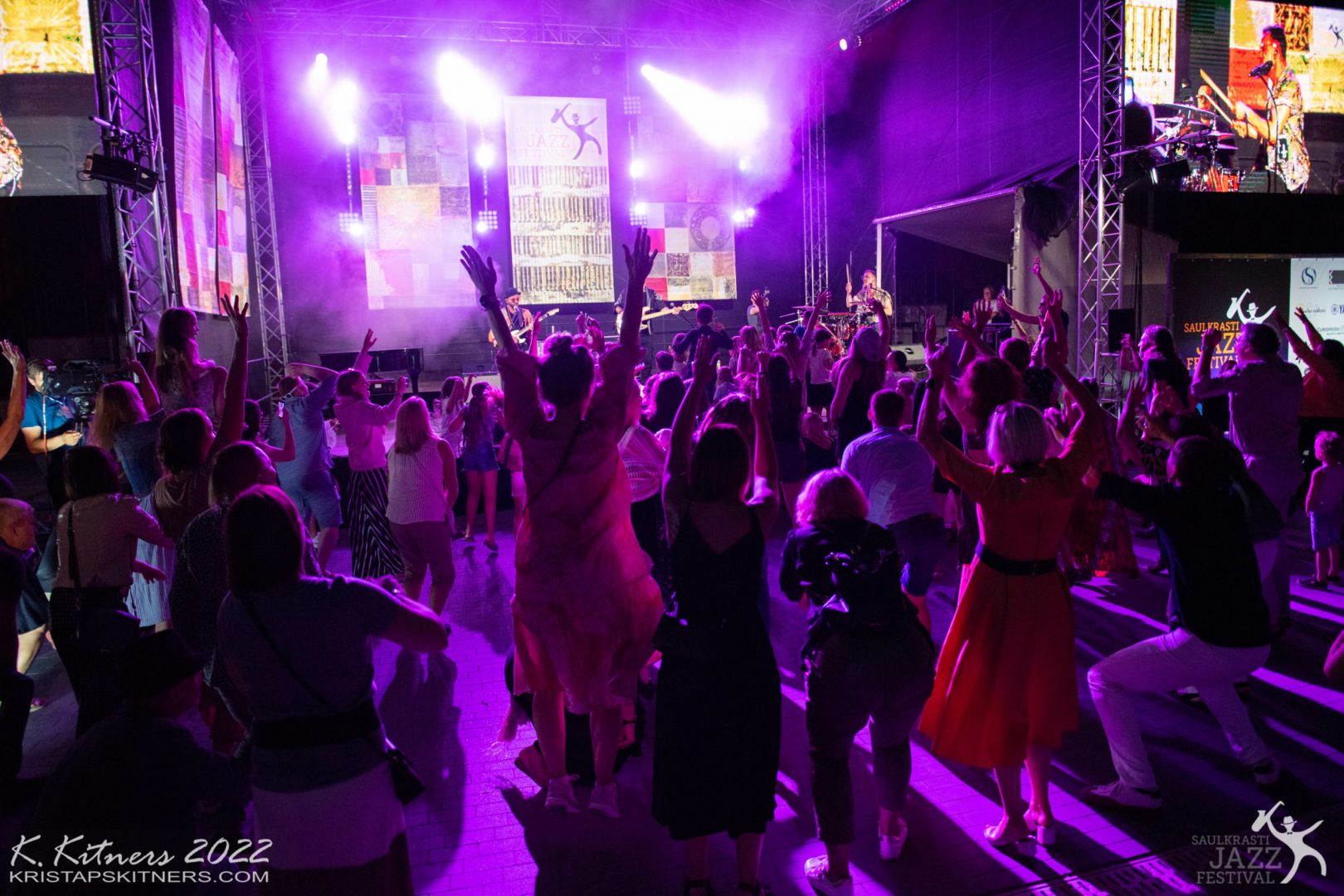
A long-running jazz festival sought a fresh website design that highlights festival history, draws in ticket buyers, and streamlines artist management. While a typical website builder might suffice for smaller projects, this festival needed advanced capabilities.

Dynamic Event Calendar: Upcoming performances are automatically highlighted, helping visitors track show times and buy tickets.

Archive of Past Acts: Detailed band website profiles capture each artist who has performed. This enhances music discovery and fosters pride in the festival’s storied past
.png)
Eye-Catching Color Palette: Inspired by the festival’s logo, the design harnesses vivid hues to reflect the vibrant energy of jazz.

Social Media Icons: Tactically placed to encourage further engagement, letting fans follow real-time updates and behind-the-scenes glimpses.
By prioritizing mobile responsiveness and consistent branding, this redesign reaffirms the event’s status as a must-see gathering of musicians for live, soulful music performances.
Composer’s Tailored Online Hub

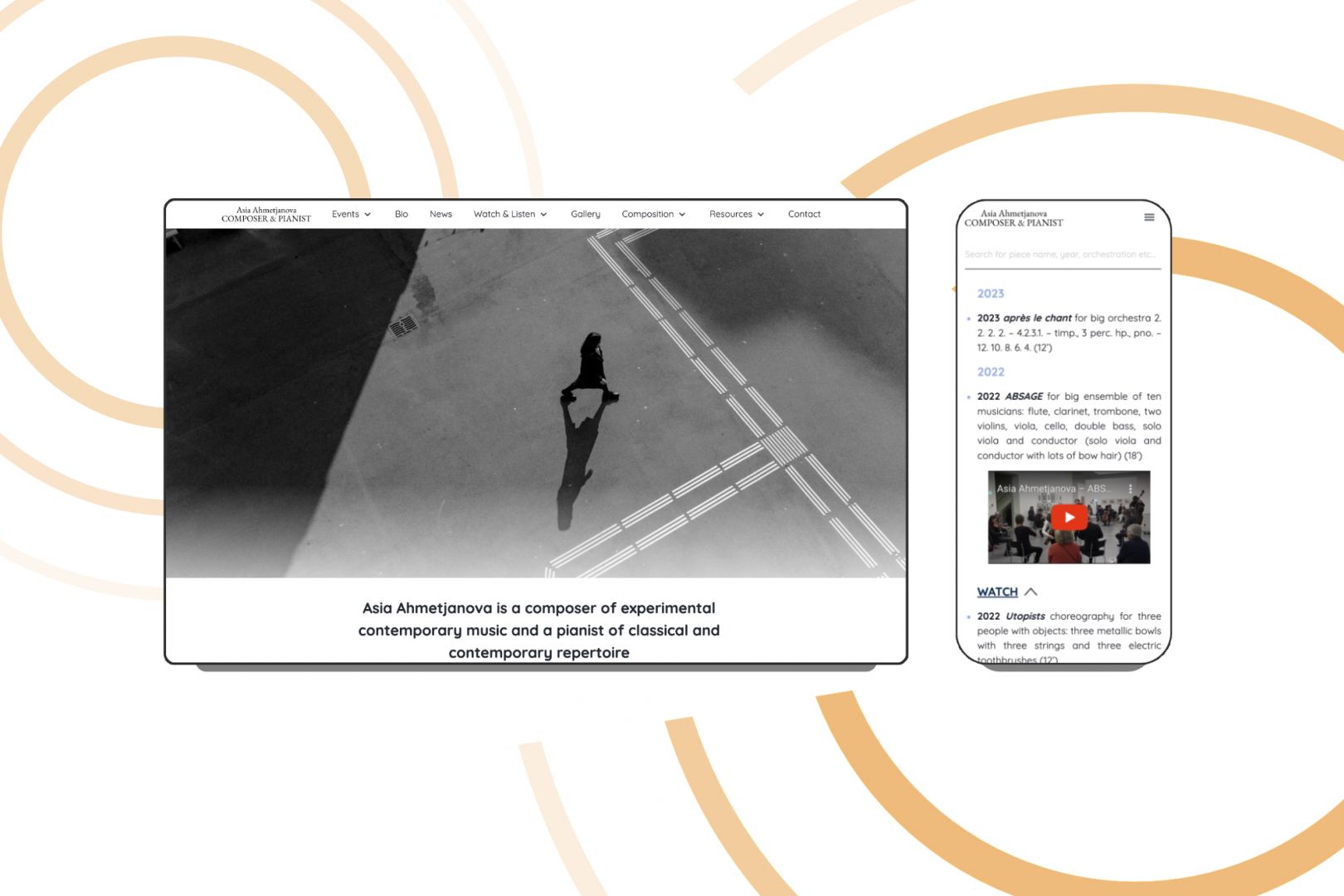
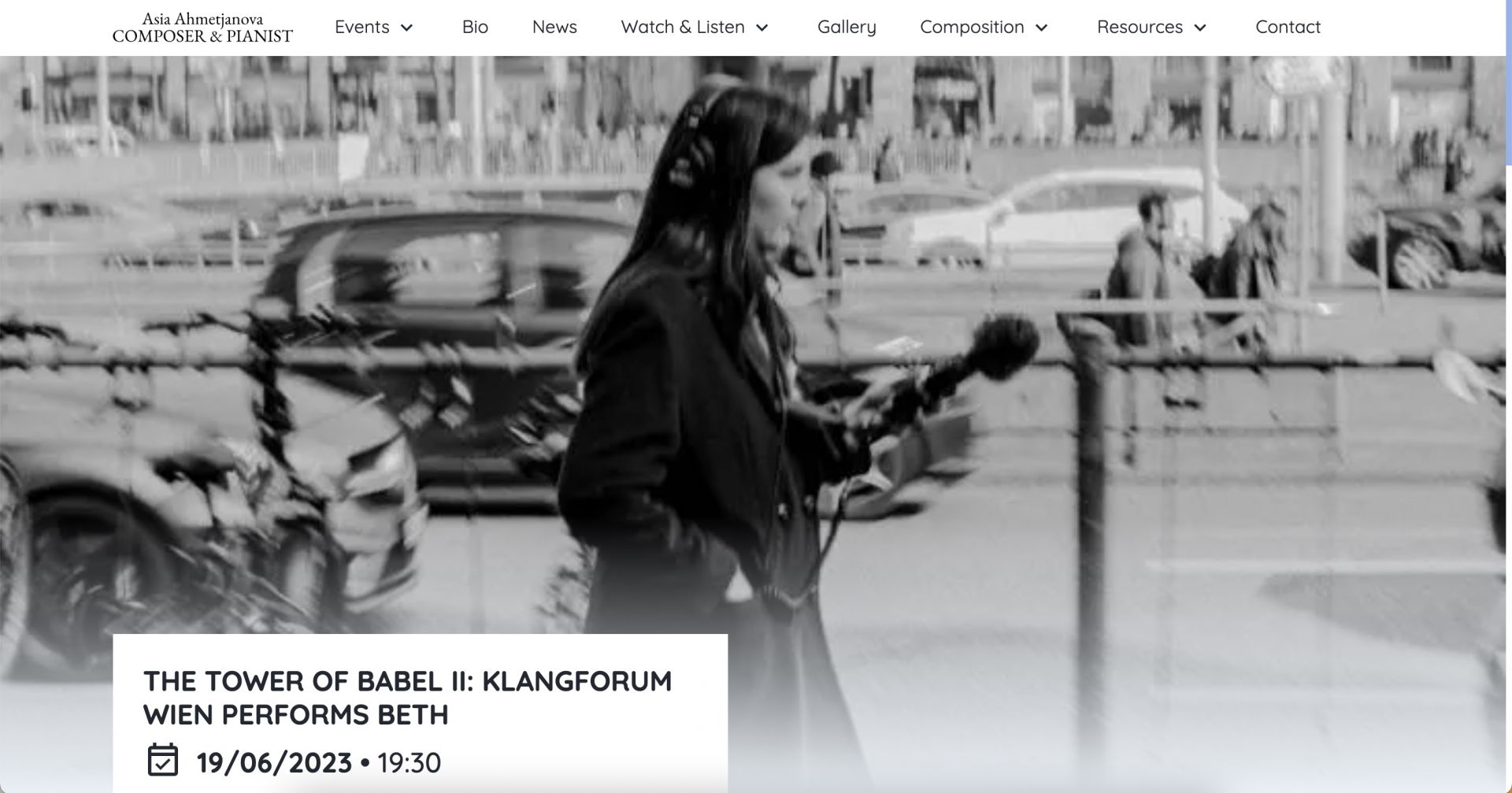
Another compelling example comes from a contemporary composer needing an intuitive website to organize a large repertoire, from chamber scores to orchestral pieces. Rather than picking a random wordpress theme, they pursued a specialized web design approach.
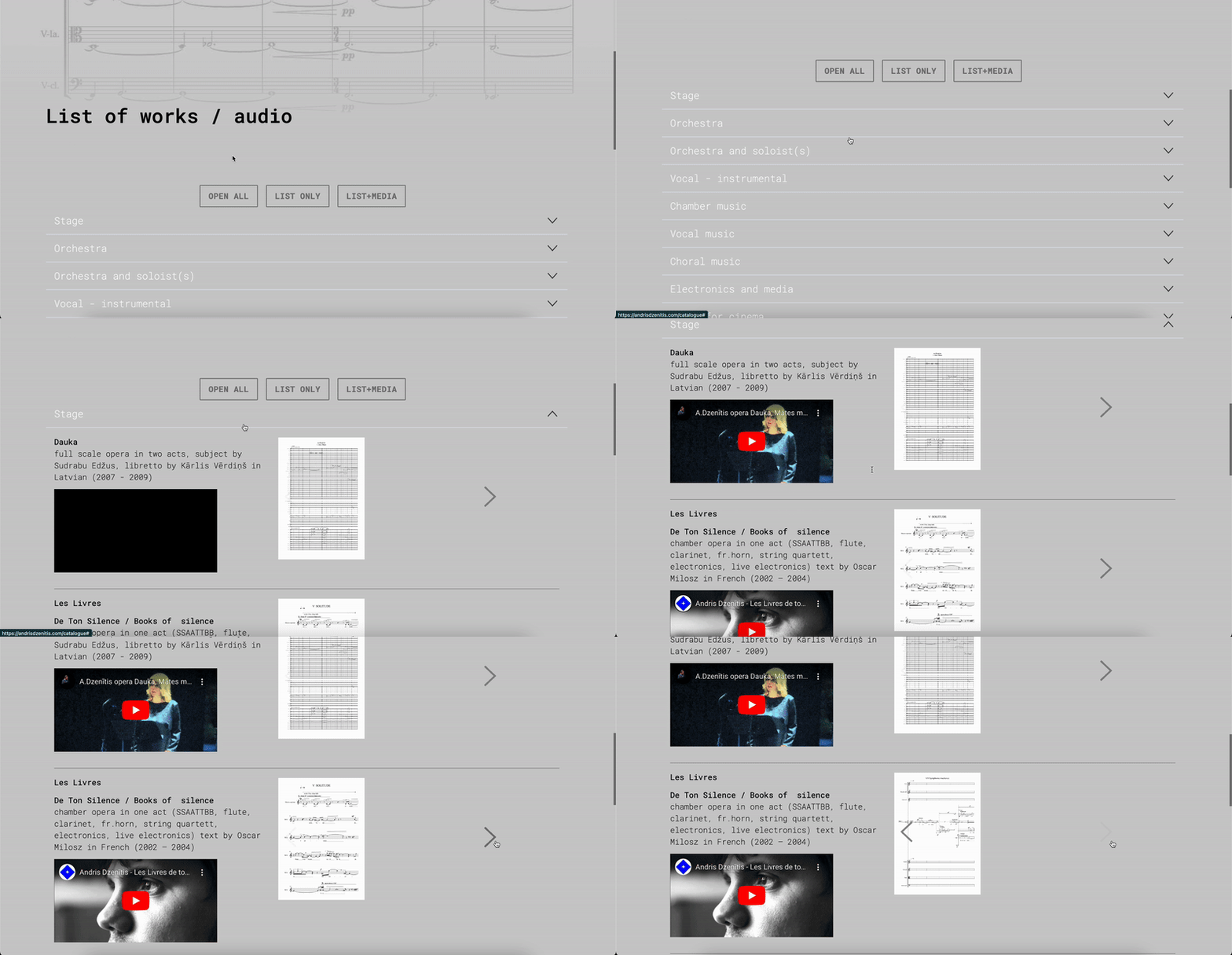
Detailed Catalog: Each composition includes streaming demos or PDF previews, letting potential collaborators and record label representatives sample the music.
Interactive Media: Where a typical template might limit design control, a custom layout allows embedded music video content to load only when triggered, preventing slow performance.
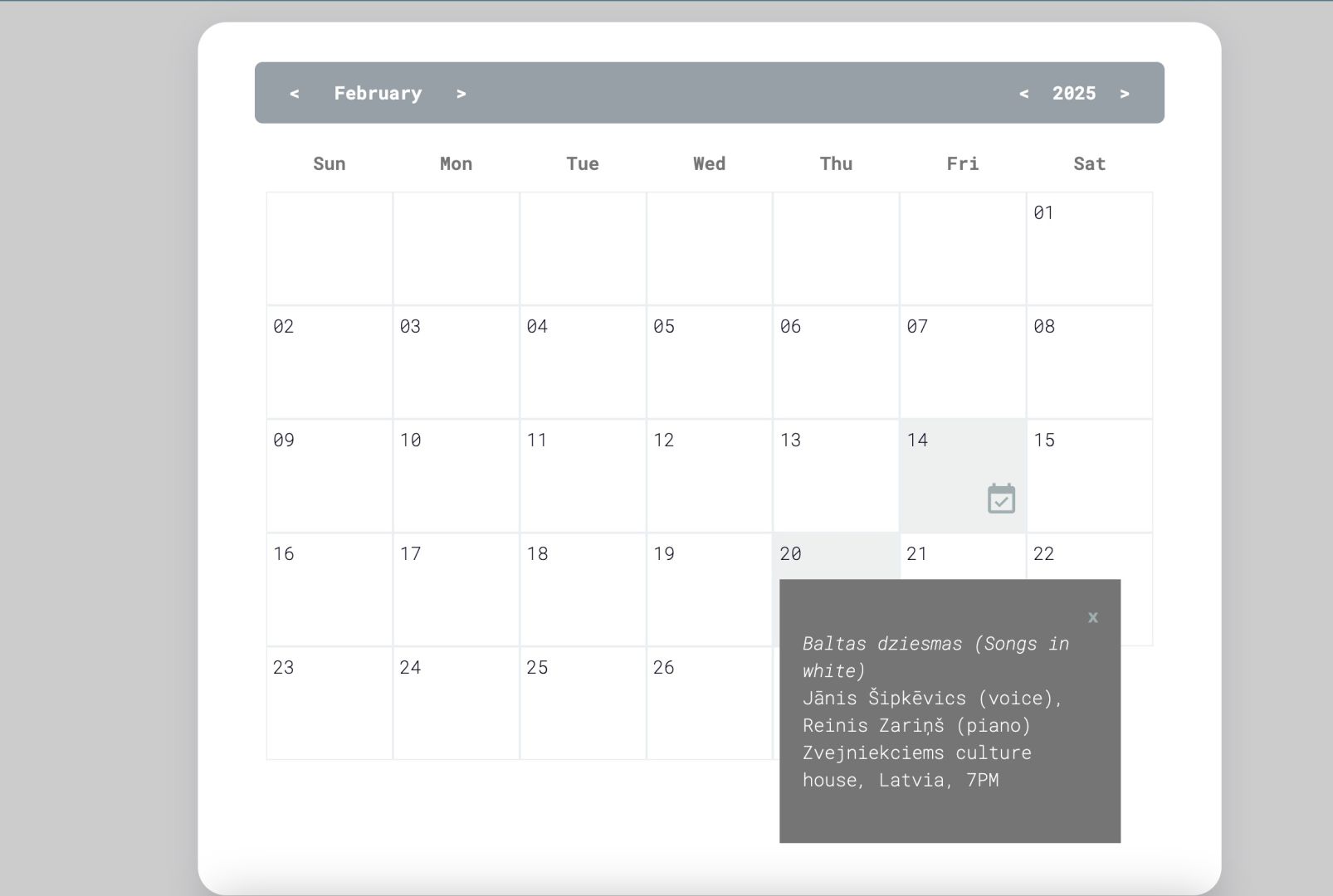
Event Listings: Upcoming concerts or classical premieres are automatically arranged by date, offering quick access for fans and venue managers alike.
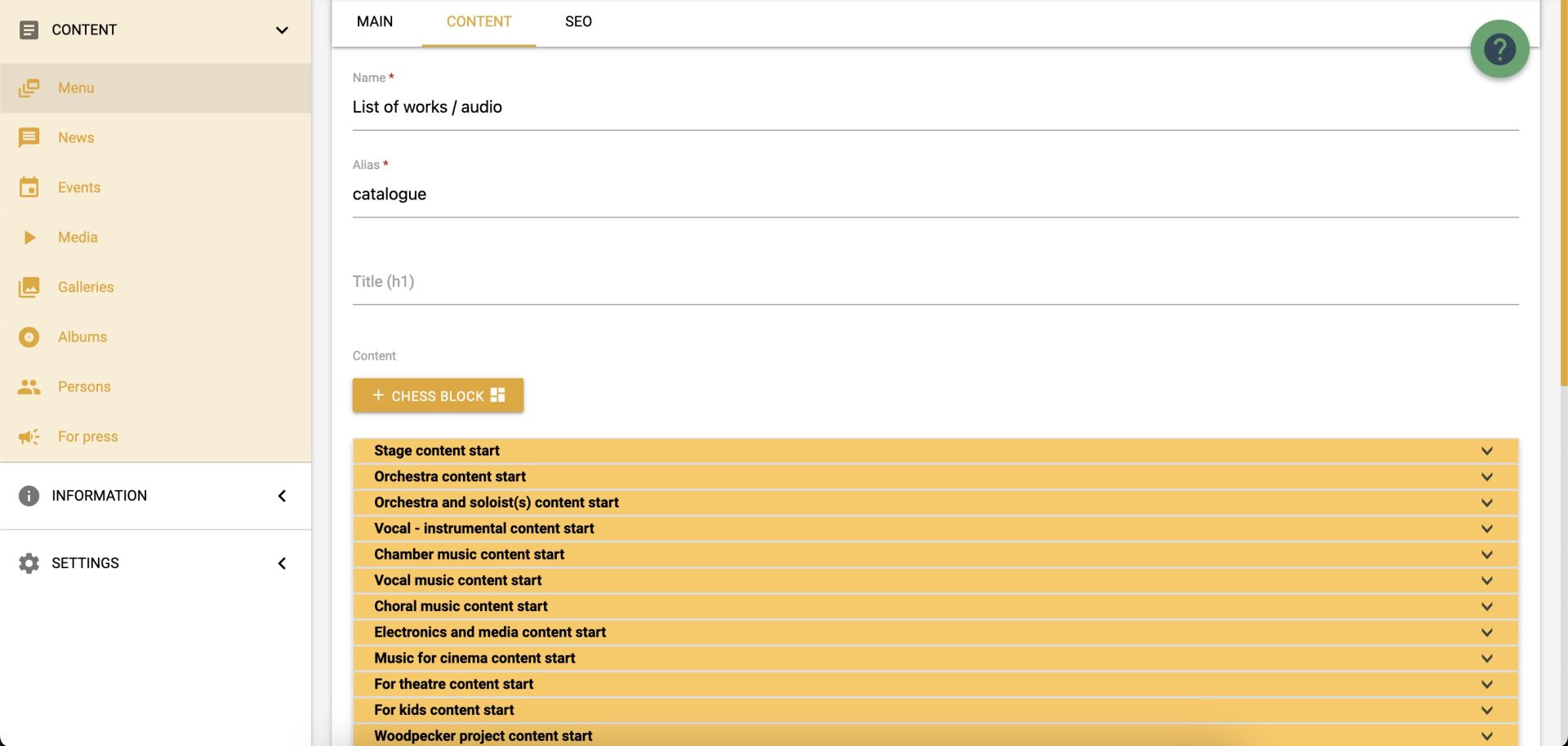
Easy Updates: A user-friendly interface ensures the composer can add pieces, post news, or share new concert schedules without advanced technical skills.
Performer and Coach Site

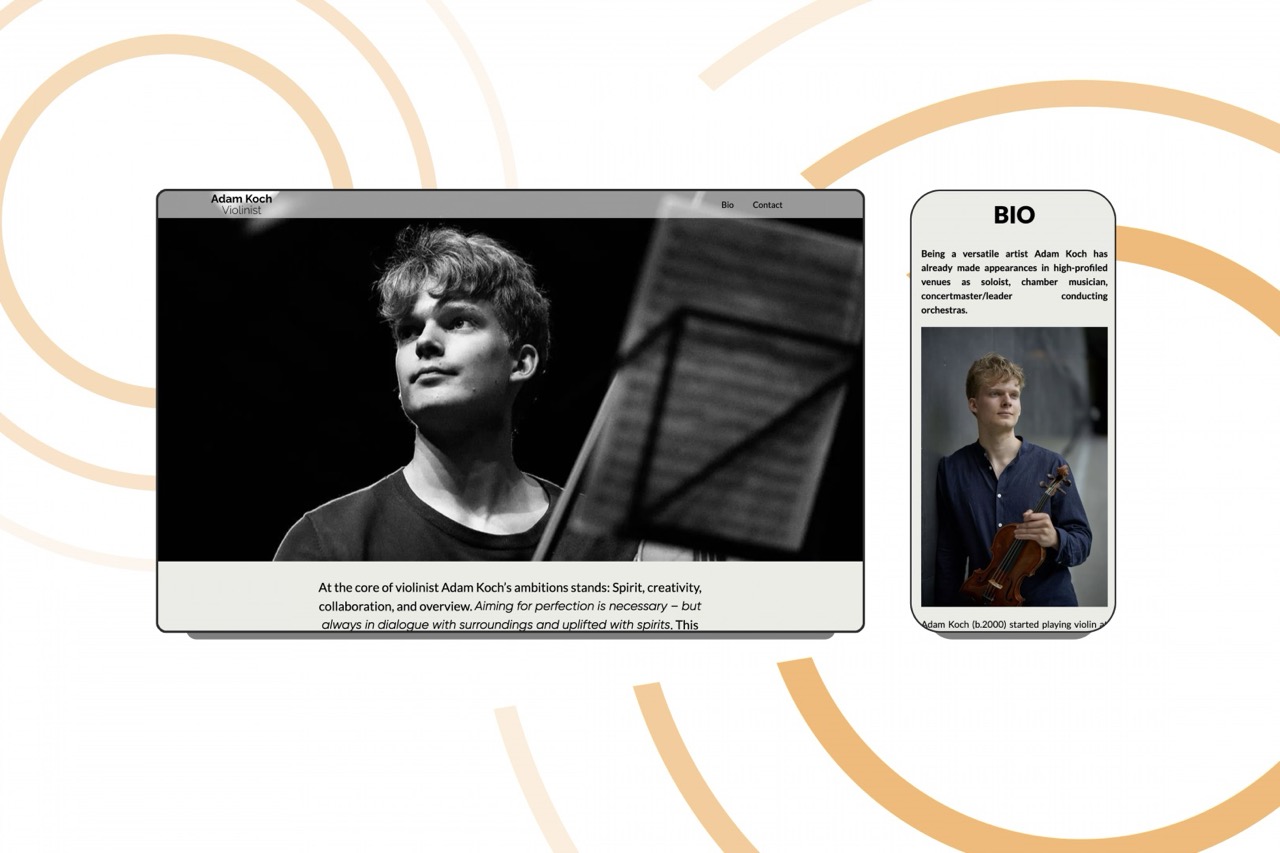
One noteworthy musician website features a violinist who also provides coaching programs. This platform demonstrates how web design can blend music elements with service promotions, driving engagement for both audiences.
The homepage presents an immediate service overview, a visually appealing color scheme, and a strong call-to-action button that leads to a detailed booking page. Since the main objective is to convert website visitors into coaching clients, the site employs strategically placed “Book a Session” prompts to boost interest.

Home: Highlights the violinist’s background, details about mind-training methods, and a big button to book sessions. This page also includes references to upcoming concerts and short text about live engagements. The design remains clean to avoid confusing potential students or fans.

Media: Contains embedded content, such as a highlight reel of music video clips and audio recordings. For better usability, the the correct start time in each clip can be selected, ensuring viewers land exactly where the performer starts.

Coaching: Outlines different programs, complete with pricing, session length, and testimonials from satisfied musicians. The repeated “Book a Session” button is especially effective in nudging visitors to act. This type of direct approach often yields better results than burying the sign-up link on a single contact page.
For a coaching-based musician website, aligning your pages with clear user actions can dramatically increase conversions. The combination of strategic design, short bulleted text, and relevant visuals is ideal for capturing new leads.
Adapting These Strategies to Your Own Musician Website
Each of these examples underscores the importance of thoughtful web design for musicians:
1. Streamlined Event Tools
Whether you’re using a website builder like wix music or a fully custom design, having an automated listing for upcoming concerts or upcoming gigs is invaluable.
2. Rich Discography Pages
Linking each project to major streaming platforms fosters immediate sampling, encouraging fans to discover more.
3. Media Versatility
Embedding an audio player or music player at strategic points (like the homepage or discography pages) entices listeners.
4. Flexible template or Custom
If you prefer a simpler route, a specialized music website template can work. However, a complete custom design is often ideal for large or complex needs—particularly for a big ensemble or a composer with numerous works.
5. Long-Term Scalability
As your music evolves, your site should too. Whether you pick a simple wordpress theme or partner with a team for advanced coding, ensure the structure can accommodate expansions.
Common Concerns and How to Address Them
1. Time-Consuming Updates
In the case of a large orchestra or a festival, frequent site revisions can be daunting. The solution is to implement automated features—like date-based sorting—to cut down manual input.
2. Branding Consistency
Musicians often struggle to unify their digital presence. A consistent color palette or color scheme—derived from album art or brand guidelines—helps unify your identity across your entire site.
3. SEO and Visibility
A carefully built platform can improve your search engine ranking. For instance, a robust “Past Shows” archive can generate traffic from fans.
Step-by-Step: Launching Your Music Site
1. Clarify Your Goals
Every great music website starts with a clear vision. Ask yourself:
• Who is my audience? Are you reaching out to a dedicated fan base, a prospective record label, or industry professionals?
• What do I want them to do on my site? From buying tickets to streaming your latest track, your site layout should guide visitors to those key actions.
• How will I measure success? Knowing whether you want more newsletter sign-ups, social media follows, or direct merch sales shapes your entire strategy.
2. Choose a Foundation
Once you know your goals, decide on the right platform for your needs:
• Simple & Quick: A basic website template from the best website builder for musicians can get you online swiftly. This is ideal if you’re a single performer or a new band with limited content.
• Custom Design or Specialized Approach: For more advanced features—like exclusive user accounts, a catalog of recordings, or a custom event archive—a fully developed system can pay off. This often includes deeper programming to manage dynamic pages, advanced SEO features, and robust security, especially if you’re handling fan subscriptions or payment portals.
3. Incorporate Key Pages
A well-structured musician website typically includes:
• Home: A short intro that conveys your style. Use a hero video, a direct link to your latest music, or a concise text summary to hook visitors in seconds.
• About: Extend your bio with backstory, influences, and notable achievements. If you collaborate with a radio station or have performed with recognized names, mention them here to build credibility.
• Events: Keep fans and promoters up to date. List upcoming performances, embed a Google Map for venue details, and archive past gigs. Clear calls to action (like “Buy Tickets”) can boost conversions.
• Media: Showcase a music video playlist, embedded audio tracks, or even snapshots of your latest album. Provide multiple streaming or purchase options to suit diverse fan preferences.
• Contact: Facilitate communication for bookings or general inquiries. A simple form plus direct email or social links ensures nobody struggles to reach you.
4. Ensure Mobile Responsiveness
Studies show many fans research concerts, listen to new music, and read bios on phones. Even if you’re using a standard website template, confirm that fonts adjust correctly, images scale properly, and interactive features (like a store or ticket-buying buttons) remain functional on smaller screens. Test it yourself on different devices to confirm a seamless experience.
5. Optimize for Growth
A music site shouldn’t be static. By expanding and refining your platform over time, you remain competitive and relevant:
• Social Integration: Embed social posts or include social media links to encourage follows and shares. This helps funnel fans to your site and vice versa.
• Blog or News Section: Posting updates about tours, new releases, or behind-the-scenes looks can increase search engine exposure. Fresh, keyword-rich content often ranks higher over sites left unchanged for months.
• Beyond Basics: As your career grows, you might add e-commerce, fan membership tiers, or music lessons. A flexible architecture ensures your site can handle these expansions without a total rebuild.
How to Distinguish Your Own Musician Website
• Focus on Visual Impact: High-quality images and an easy-to-read layout instantly elevate your brand.
• Use an Effective Call-to-Action: Encourage website visitors to buy tickets, sign up for a newsletter, or check out your latest album on apple music.
• Highlight Social Proof: Press mentions, testimonies from fans, and other endorsements cultivate credibility.
These best musician website designs examples highlight how powerful a well-structured, visually engaging site can be in enhancing your brand within the broader music industry. Whether you’re a solo artist, a music band, or even part of a group of classical musicians, you can harness strategic website creation to better connect with fans, promoters, or a potential record label. Focusing on user-friendly navigation, consistent branding, and meaningful media integration ensures a rewarding experience for both you and your audience.
If you’re ready to elevate your musician website — our team is here to help. Order a website now! We specialize in creating a professional website tailored to your artistic vision, ensuring that every page resonates with your unique identity and meets your evolving needs. Let’s collaborate on a site that honors your music, engages new fans, and lets you stand out in this dynamic digital age.