SEO for Musicians: How to Rank Higher & Get More Fans
If you’re a musician hoping to expand your fan base, understanding SEO for musicians can be a game-changer. With the right seo strategy in place, your music can reach more fans than you ever thought possible, whether you’re a jazz musician, an indie rocker, or a classical performer.
In this comprehensive guide, we’ll explore why search engine visibility matters, how to refine your content, and which seo strategies can boost your online presence in the competitive music industry.
This blog post goes in-depth on music SEO techniques, from setting realistic seo goals to harnessing social media effectively. By the end, you’ll know precisely how to employ an effective seo strategy—including technical seo, local seo, and youtube seo—to help your music stand out in a crowded digital space. Let’s dive in!
Why SEO Matters for Musicians
1. Attract More Fans
In the modern music landscape, a well-optimized website helps potential fans discover your work organically (without paying for ads). With so many artists competing for attention, a strong search engine ranking can make the difference between anonymity and a thriving fan base.
2. Build an Online Presence
Your website is the virtual equivalent of your stage, and ranking well in search engine results ensures people can actually find that stage. The more visible you are, the more likely you’ll pull in fans who resonate with your music style or music genre.
3. Connect With Potential Customers
If you sell merch, offer piano lessons, or run a music store, SEO can link you to potential customers searching for exactly what you provide. Whether it’s local music lovers, event organizers, or parents scouting lessons, a strong online presence amplifies your revenue streams.
4. Stay Competitive in the Music Industry
The music industry is more crowded than ever. By embracing seo for musicians, you won’t fall behind as your peers optimize their sites for the same fans you’re trying to engage.
Your Website as the Focal Point
Before you jump into advanced seo strategies, you need a user-friendly, high-performing website:
- Choose a Reliable Platform: Pick a hosting solution that keeps your website running smoothly. Slow loading times can lead to high bounce rates.
- Craft Great Content: Rich, relevant content—from track descriptions to your story as a music artist—turns casual visitors into dedicated fans.
- Design for Engagement: A clean interface, easy navigation, and an embedded player for your music can entice people to stay longer, which signals to search engine algorithms that you offer quality content.
With a good structural foundation in place, your seo efforts become more effective, ultimately boosting your music-related search rankings.
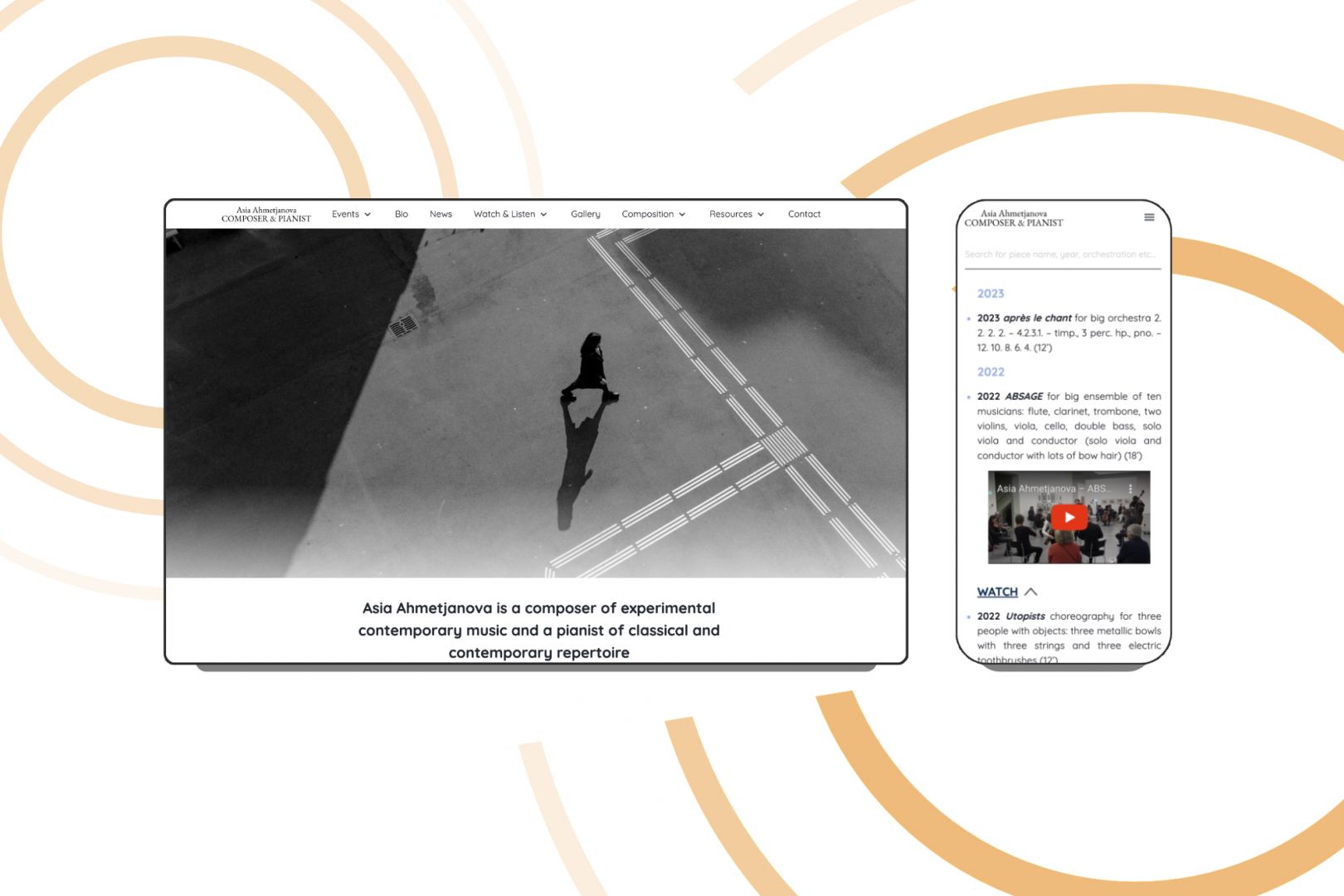


Core SEO Strategies for Musicians
An effective SEO strategy for a musician involves multiple angles. Below, we break it down into manageable tactics that help your website get noticed by the right people.
1. Keyword Research & On-Page Optimization
Identify Primary Terms
Think about how fans might search for your music. They might type your band name, artist name, or music genre plus “new album” or “tour dates.” Investigate these possibilities to discover your top seo keyword targets.
Use an SEO Tool
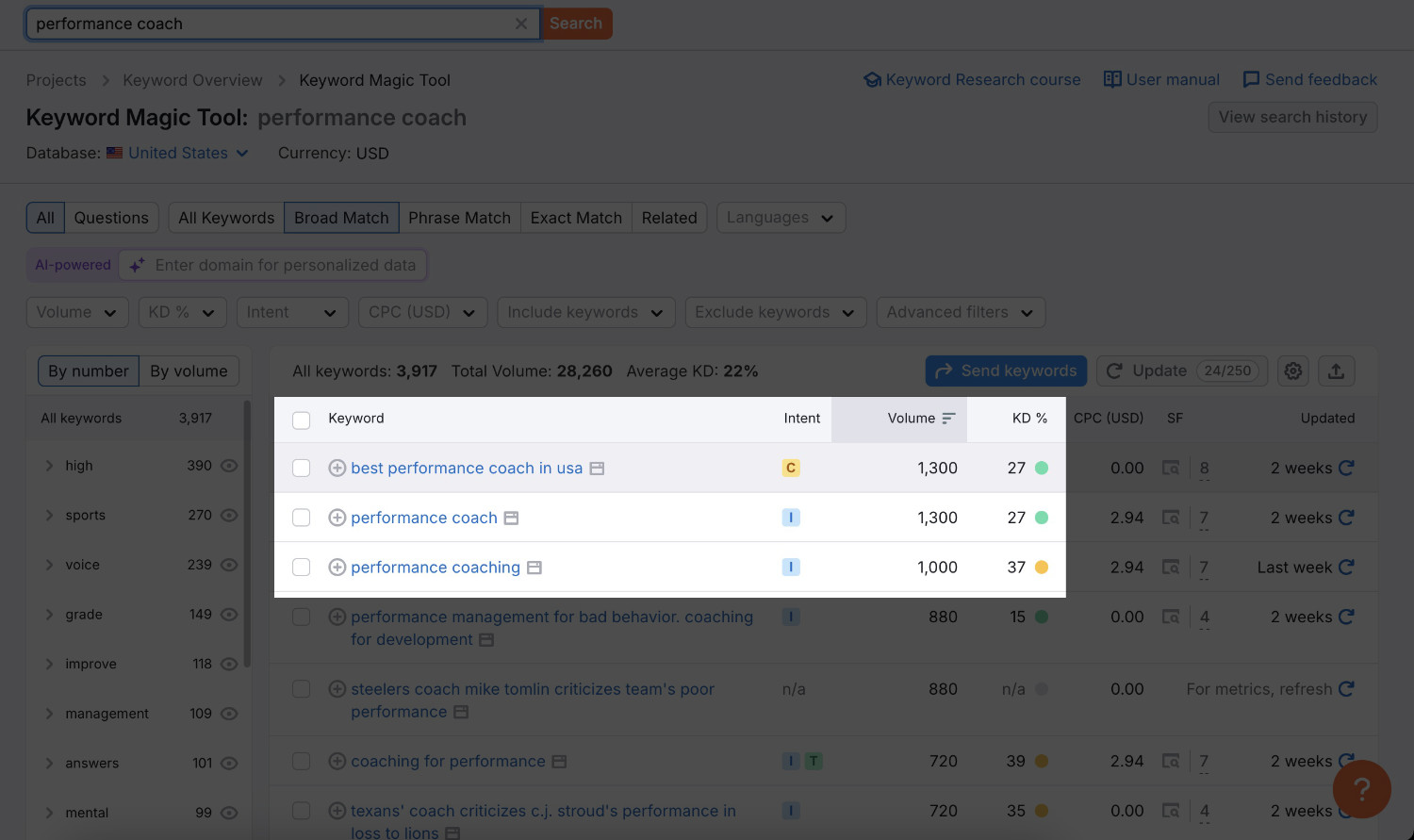
A reliable seo tool (e.g., SEMrush, Ahrefs) reveals valuable terms your target audience uses. Add these keywords to your page titles, meta descriptions, and internal headings without overstuffing.
Create Website Content for Humans
Whether describing your newest release or telling your origin story, always write your website content for human readers. That means balanced paragraphs, relevant headings, and a friendly tone. Overloading on keywords won’t serve your fans or your ranking in the long run.
2. High-Quality Content
Content remains king in the music industry. If you consistently produce unique content that resonates with your audience, your band name will rise through search pages:
Focus on Storytelling
Share the creative process behind each track or highlight behind-the-scenes moments at your music studio. Personal stories enrich your content and give potential fans a reason to connect. Get more content ideas in our article.
Include Multimedia
Upload a music video or a video snippet of your band recording in the music studio. Multimedia variety boosts user engagement, which improves your search engine visibility.
Offer Great Content that Educates or Entertains
Do you have tips for up-and-coming artists? Can you share your gear setup? Engaging, well-structured content encourages others to link back to your pages, strengthening your domain authority.
3. Technical SEO
Even the best music-oriented content can underperform if your site has technical flaws. That’s where technical SEO steps in:
Mobile Responsiveness
Make sure your website looks good and loads quickly on smartphones. A large portion of your fans may discover you via mobile.
Fast Load Times
Compress images, leverage browser caching, and choose an efficient hosting plan to ensure your pages load in under two seconds whenever possible.
Crawlability
Ensure search bots can easily scan your site. A well-organized site structure with internal links helps search engine crawlers index all your content effectively.
Leverage Online Tools for Optimization
Utilize tools like Google PageSpeed Insights to analyze and improve your website’s loading speed. Additionally, use Google Search Console to monitor your site’s performance in search results, identify indexing issues, and optimize for better visibility.

Curious about your website’s performance? Contact us for a free in-depth website audit and discover ways to improve! 🚀
4. Local SEO
If you host live gigs, offer private lessons, or sell merch locally, local SEO is invaluable:
Google My Business
Claim your google my business listing under your band name or project title. This helps local event organizers and potential customers find you quickly.
Location Pages
Add your city or region in your site’s metadata or create a specific page for local fans. People searching for “[band name] in [city]” or “live [music] near me” might land on your site first.
Localized Keywords
Combine “local” terms with your primary queries, e.g., “Houston rock group” or “Austin music festival.” This approach fosters higher relevance for area-based searches.
Leveraging AI in Content Creation for Musicians
As the music industry becomes increasingly digital, AI-powered tools are revolutionizing how musicians create, optimize, and promote their content. From generating SEO-friendly blog posts to automating social media content, AI can help artists expand their online presence with less effort. Here’s how you can leverage AI for your music website and digital marketing strategy.
1. AI-Powered SEO Optimization
AI-driven tools like Surfer SEO and Frase.io analyze search engine trends and suggest high-ranking keywords tailored to your genre and audience. Instead of manually researching terms like “indie rock album release”, AI can generate optimized content that helps your website rank higher on Google and YouTube searches.
2. AI for Blog and Website Content
Content creation is crucial for SEO success, but not every musician has the time to craft detailed blog posts. Tools like ChatGPT, Jasper, and Copy.ai can generate engaging articles, artist bios, and press releases based on your input. For example, you can prompt AI to create a “Behind-the-Scenes Story of My New Album” or a “Guide to Finding the Best Guitar Teacher in NYC.”
3. AI-Generated Social Media Posts
AI platforms like Lately.ai and Predis.ai analyze past social media performance and suggest optimized captions, hashtags, and post ideas. Whether you need daily Instagram posts, TikTok descriptions, or YouTube video titles, AI can help maintain a consistent and engaging online presence.
4. AI for Video and Audio Content
AI-powered tools like Descript allow musicians to edit videos and podcasts effortlessly, while LANDR provides AI-driven music mastering. You can also use Synthesia or Runway ML to create AI-enhanced music videos with minimal production costs.
5. AI Chatbots for Fan Engagement
Integrating an AI chatbot on your music website can enhance user engagement by answering fan inquiries, promoting merchandise, and boosting ticket sales. Platforms like ManyChat and Drift allow you to create customized chatbots that interact with fans while you focus on making music.
Harnessing Social Media for SEO
Many artists treat social media as merely a communication channel, but it can also reinforce your overall SEO for musicians approach:
Share Content Regularly
Each time you publish new content—like a new track announcement or show recap—share it on social media. The resulting engagement can generate valuable backlinks and direct traffic.
Use Social Media Platforms Strategically
Focus on the social media platforms most aligned with your style. If you produce visually stunning performances, consider Instagram or TikTok. If you often publish long-form updates, Facebook might be better.
Encourage Fan Interaction
Replies, comments, and shares from your fans signal strong engagement. This brand awareness can eventually boost search queries for your artist name or band name, further elevating your online presence.
Mastering YouTube SEO
Because many people discover new music through video search, youtube SEO can’t be ignored:
1. Keyword-Rich Titles
Include your band name or track title in your video’s name, so people searching for it can easily find it.
2. Tagging & Descriptions
Tags help YouTube’s algorithm categorize your video, while a descriptive paragraph can entice watchers to visit your website or follow you on other channels.
3. Engage with Viewers
Prompt them to like, comment, or share. Higher interaction signals to YouTube’s algorithm that your music is worth recommending.
Guest Blogging and Collaborations
Guest blogging on music blogs or other relevant content sites can boost your domain authority and credibility:
Collaborate with Other Musicians
Featuring on each other’s tracks or co-releasing content introduces you to each other’s audiences. If you link to each other’s sites, you strengthen your search engine presence.
Industry-Related Sites
Write about your influences, creative processes, or the latest trends in music marketing. Such posts help you garner backlinks from highly relevant domains.
Build Relationships
Sustained interactions with blog editors, event planners, or even local radio stations can lead to more mentions of your band name online, further driving fans your way.
Tracking SEO Performance
Optimizing for a search engine is not a one-and-done deal. Here’s how to track your progress and refine your approach:
1. Google Search Console
One of the best ways to measure your SEO efforts is through google search console. It shows which queries bring traffic, pages that rank, and any site errors holding you back. Make it a habit to check google search console at least once a month.
2. Set SEO Goals
Perhaps you want 10% more organic traffic by the next quarter or aim to rank in the top five for your band genre in your city. Having clearly defined SEO goals helps focus your campaigns.
3. Examine Recent Posts
Are your new updates pulling in more visitors? Analyzing recent posts can indicate what type of content resonates. Use these insights to continuously refine your approach. Learn how to track the performance of your website with Google Analytics
Earning Backlinks and Brand Mentions
Backlinks remain a pillar of SEO optimization. For a musician, that might involve:
Reach Out to Music Blogs, Reviewers, Playlist Curators etc.
Ask relevant music blogs to review your album. Each published review linking to your website enhances your domain authority, which can lift your search ranking.
Leverage Music Industry Connections
If you collaborate with a popular producer or record on a known label, see if they can link to your music website. Partnerships, whether official or friendly, often yield valuable links.
Keep Your Band Website Updated
Provide new content worth linking to—like an interview, an in-depth biography, or exclusive behind-the-scenes footage. Fresh, unique content is more likely to attract attention.
Additional SEO Tips for Musicians
Below are some final pointers—a quick reference guide for your ongoing SEO journey:
Stay Organized
Use an editorial calendar to plan your content release schedule. This ensures you maintain momentum without overwhelming your fans or duplicating efforts.
SEO Tip: Long-Tail Keywords
Terms like “indie rock covers of the 80s” or “best acoustic guitar loops for worship music” can capture niche audiences. While they draw fewer searches, the visitors they bring are often more passionate and ready to engage.
Artist Name Consistency
Always keep your artist name, band name, or stage name spelled identically across your website, social media, and any other online listings to avoid confusion.
Creating a Band Website That Ranks
If you’re part of a group, building a professional band website is paramount for connecting with new fans. Here’s what that involves:
1. Feature Your Band Name Everywhere
Use your band name in your domain if possible. Then repeat it naturally within your content. You want to be the top result whenever someone searches your name.
2. Embed Music
Showcasing your tracks on the homepage grabs visitors immediately. Consider also embedding playlists from services like Spotify or apple music for extra convenience.
3. Maintain a Blog
Use your site to post band news, tour diaries, or personal reflections. This steady stream of content helps the search engine index your site more often, improving your ranking.
The Impact of Music SEO on Your Fan Base
Focus on music SEO properly, and your fans will multiply:
Create Music-Centric Pages
Each new release or event can get its own page. This not only improves organization but also allows you to target specialized keywords (e.g., “New Summer 2026 Tour”).
Engage Potential Fan Networks
People who discover you via a high-ranking search result are likely to be a prime audience. Tapping into these leads can jumpstart your success in the broader music business.
Drive Repeat Visits
By regularly refreshing your website with new tracks, announcements, or show recaps, you keep existing fans coming back, reinforcing a thriving community.
The Role of Great Content in Music Marketing
If you want to sustain growth, music marketing should extend beyond random announcements on Twitter. By focusing on great content, you can:
1. Offer Something of Value
Perhaps it’s a short tutorial on how you compose, or an exclusive snippet of your upcoming single. This kind of content makes people see your site as a destination, not just a fleeting link.
2. Spur Engagement
Let your fans comment on or share your posts. These interactions are signals that search engines consider positive.
3. Showcase Variety
Articles, short videos, lyric breakdowns, or interactive Q&A sessions—mixing up formats keeps your site from feeling stale.
SEO for Musicians: Long-Term Consistency
Monitor Changes and Adapt
The digital environment shifts constantly. Keywords that worked a year ago may not perform as well now. Check in on your metrics through tools like google search console, track your fans’ behavior, and adapt your seo strategy accordingly.
Stay Mindful of Algorithm Updates
A major search algorithm update can dramatically alter how sites rank. Because the music niche is highly competitive, keep an eye on SEO news and be prepared to tweak your content strategy.
Stay on Top of New Tools
The rise of AI-powered SEO tools, automation software, and advanced analytics means there are always new ways to improve your SEO performance. Platforms like Surfer SEO, Jasper, and SEMrush can help optimize your content, track trends, and discover new ranking opportunities.
Exploring Guest Blogging for Extra Reach
Guest blogging can be a strategic way to introduce your music to a broader audience. For instance, you might write an article for a guitar-focused blog about your creative process, linking back to your official website. This approach:
Taps Into Existing Audiences
The readers of that blog might become your new fans if your content resonates with them.
Increases Domain Authority
Reputable sites linking to you is a plus for your SEO, telling a search engine that you’re a credible music source.
Strengthens Brand Identity
If your band name or artist name appears on multiple reputable sites, people will see you as a genuine authority in your music genre.
A Quick Note on Apple Music & Other Streaming Platforms
While your website is the hub of your brand, streaming platforms like apple music remain crucial for distribution. In terms of SEO, you can:
Link Smartly
On your site, guide visitors to your official pages on major streaming platforms. This synergy fosters trust and encourages more listens.
Keep Profiles Updated
Maintain consistency between your site, social media, and streaming profiles, including uniform naming for your band name or artist name. This helps avoid confusion when new fans search for you.
Tracking Progress and Adjusting Course
As you refine your seo for musicians game plan, pay attention to performance indicators:
- Engagement Metrics: Time on page, comments, or sign-ups all reflect your site’s appeal.
- Conversion Metrics: Maybe your aim is more mailing list subscriptions or album sales. Watch those numbers to see if your seo strategy is driving real results.
- User Feedback: Sometimes, fans will mention site features they love—or hate—on your social channels. Listening and adapting can keep your site user-friendly.

Elevate Your Website Now
Your online presence matters, whether you’re marketing piano lessons, showcasing a new single, or unveiling a brand-new EP. By following these steps, you’ll gradually climb higher in search engine rankings, outshining your competition in the process.
Ready to take your SEO game to the next level? Order a customized website with built-in SEO functionalities that highlights your music, captures the attention of new fans, and helps you dominate the modern music business. Let’s transform your vision into a sleek, fully optimized website—so you can focus on creating the music your fans crave.
Final Thoughts
Mastering seo for musicians is about more than sprinkling keywords throughout your pages. It’s a holistic approach, involving valuable content, technical fine-tuning, and strategic partnerships. By applying each seo tip and carefully monitoring your progress, you’ll forge a lasting connection with your fans and introduce your music to thousands—if not millions—of eager new listeners.
Remember, a polished website featuring consistently updated content ensures that you remain visible on every search engine that matters. Maintain a robust online presence, stay agile with your seo strategies, and continue refining your brand. The more you invest in bettering your website, the more you’ll see those efforts translate into loyal fans and an ever-growing reputation in the vibrant world of music.