How to Sell Music Online: The Ultimate Guide for Musicians
Releasing and marketing music online has become a fundamental step for any musician eager to stand out in a rapidly shifting music industry. Whether you’re an independent artist doing your own promotions or an established act aiming for a global reach, learning how to sell music online can open up new streams of revenue and bring your song catalog to a worldwide audience of listeners.
In this ultimate guide, you’ll discover practical strategies and tools—from using popular streaming services like apple music and youtube music to building your own online store—to effectively sell your music. We’ll also touch on key insights from e-commerce trends to help you navigate this digital age confidently. Let’s explore how you can capitalize on this new frontier, whether you aim to distribute new music or re-release a classic album.
What You’ll Learn
- Why selling music online is vital for modern artists
- Key steps to establish your music distribution strategy
- Which digital platforms can extend your reach globally
- How to leverage social media and your personal website for expanded music sales
- Techniques for engaging listeners and maximizing revenue
Why Selling Music Online Is Crucial
As more listeners discover songs via a streaming platform or a digital store, the importance of online visibility grows daily. According to multiple market analyses, CD and vinyl sales increased in 2024 and continue the upward trend. For artists, this signifies vast opportunity.
1. Global Audience
Uploading music to platforms such as apple music or amazon music lets you reach listeners worldwide, removing geographical hurdles once faced by independent artist communities.
2. Higher Earnings
Many artists rely on a combination of streaming, fan subscriptions, and digital download sales to bolster income.
3. Creative Control
By selling your music through your own channels or using a chosen distribution platform, you maintain more authority over pricing, marketing, and release schedules.
If you want to supercharge your music career, going digital is non-negotiable.
Building Your Online Presence
Before diving into music distribution, it’s essential to have a robust online footprint to promote your work. Studies show that even top artists who rely on label support still invest time in developing direct relationships with their listeners.
Setting up a Musician Website
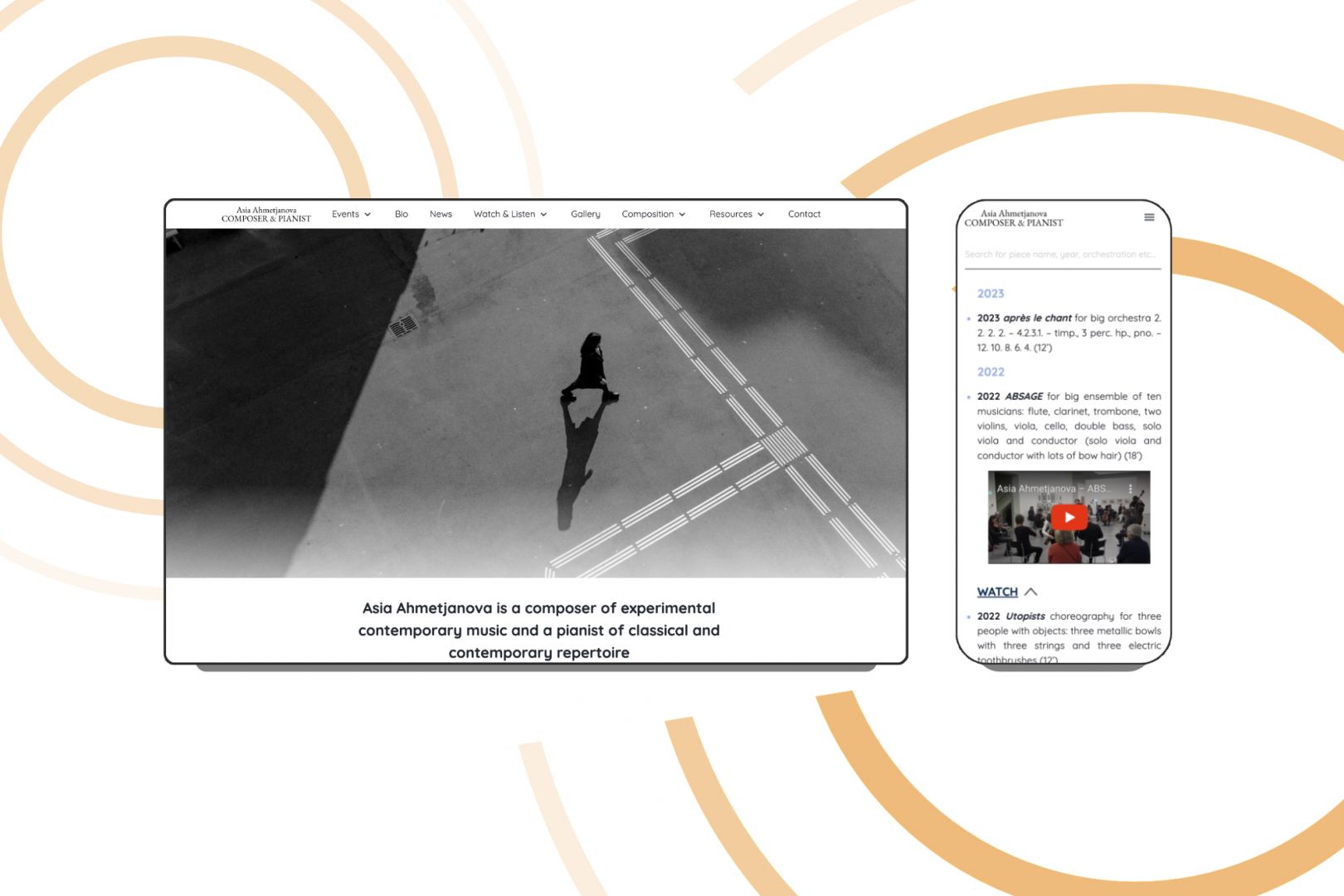
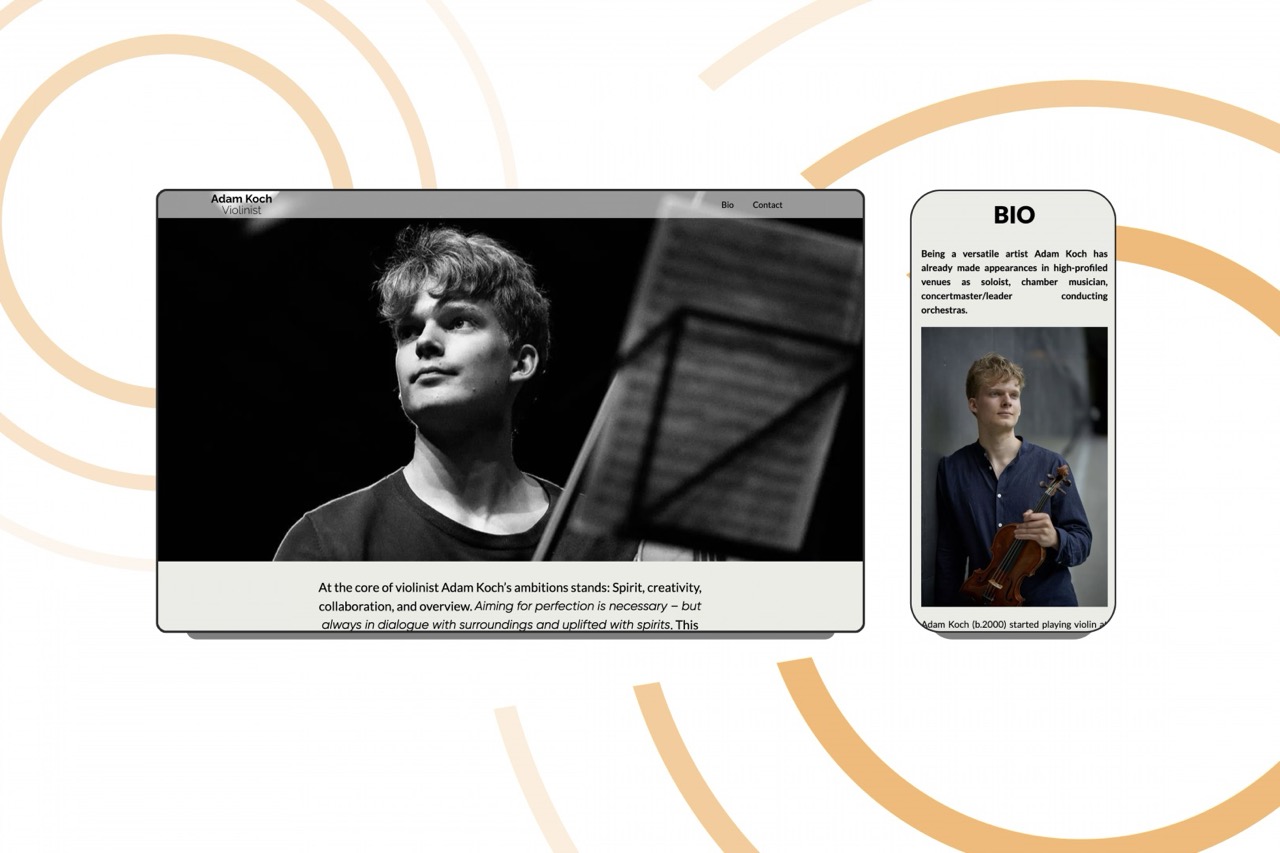
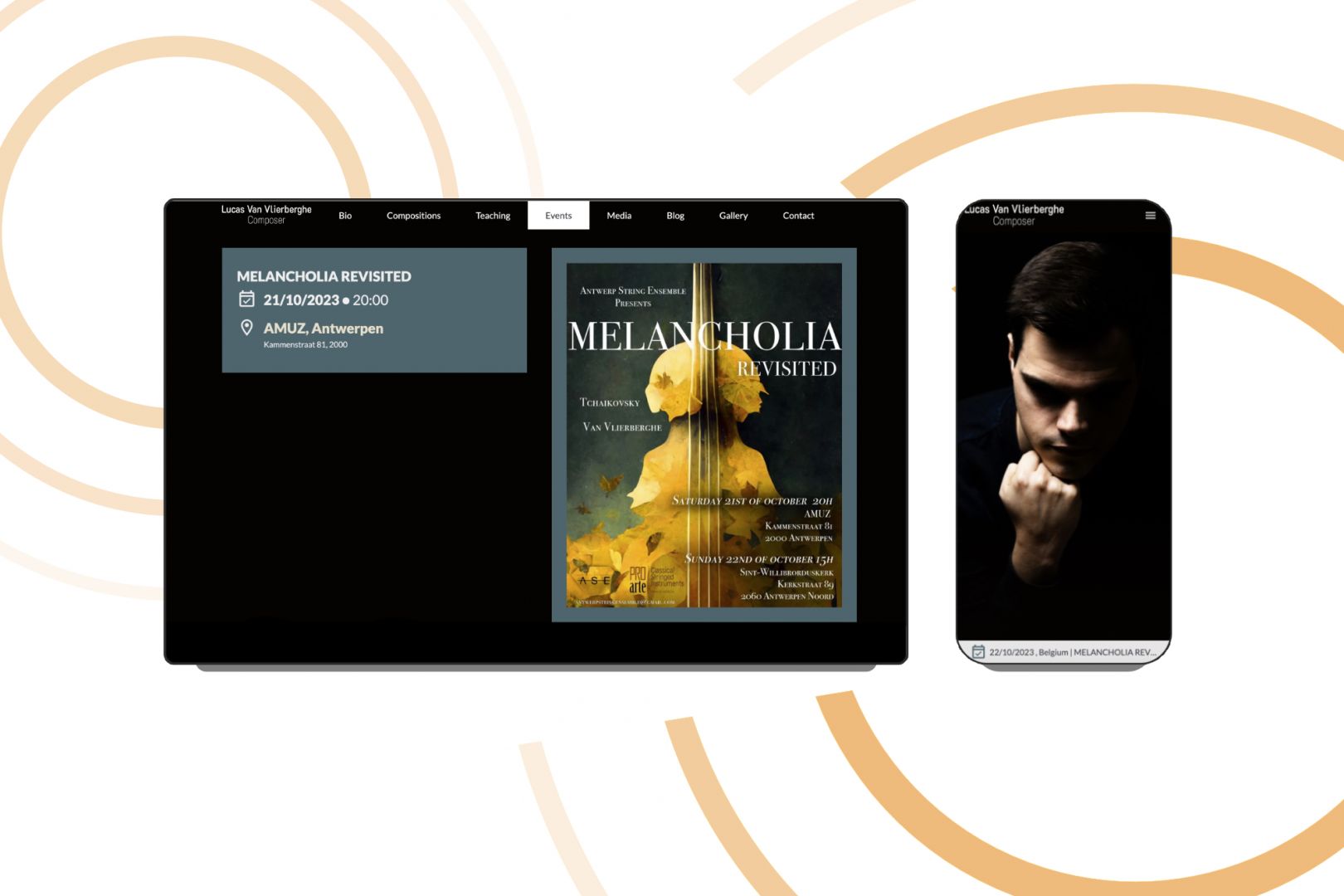
A well-structured website, integrated with an online music store, can help you sell physical CDs, vinyl records, or direct digital download links. This home base also provides a place to showcase music videos, upcoming tours, and behind-the-scenes content. Here are some pointers:
- Choose a reliable website host or a specialized website design service.
- Include a built-in music store or online music store for direct purchases.
- Provide easy navigation so listeners can preview your song catalog or watch music videos.
- Highlight your brand image—especially important if you’re a music producer marketing distinct beats or instrumentals.
Pro Tip: If you need a custom solution that looks professional and handles everything from streaming previews to integrated discount codes, consider letting us design a sale-ready site for you. Order a website now! We specialize in building musician-focused platforms tailored to your style.
Establishing a Social Media Strategy
While owning your site is crucial, social media remains a top channel for fan engagement.
- Pick a social media platform (or multiple) that fits your audience—TikTok for short videos, Instagram for visual branding, or Facebook for older demographics.
- Use social platforms consistently: post short song snippets, music-themed memes, or music production diaries to keep fans excited.
- Link back to your website and emphasize any special sale or discount codes to convert engagement into music sales.
Here are some content ideas to maximize your online presence.
Building an Email List
While social media is great, you don’t fully control it—algorithm changes can derail your reach. That’s why email marketing remains a powerful tool. Encourage fans to subscribe for exclusive content, early album listens, or VIP merchandise deals. Not only does this direct line help you sell music online, it fosters loyalty, ensuring fans are the first to hear about your new music.
Choosing the Right Music Distribution Strategy
Music distribution is how your song travels from your studio to listeners around the globe. This can involve uploading directly to your site, using an aggregator like ditto music, or working with a label. The right path depends on your resources, genre, and audience.
DIY Distribution Platforms
1. Ditto Music
Known for letting artists keep 100% of their royalties and distributing to major streaming apps like apple music, youtube music, and more. They also feature helpful marketing resources. Pricing starts from 19USD/year with a free 30-day trial (as of February 22, 2025)
2. TuneCore
With coverage in over 200 countries and platforms, TuneCore ensures your songs land in top digital music stores. Pricing starts from 22.99USD/year and has a free tier to try out the platform (as of February 22, 2025).
3. LANDR
Besides music distribution, LANDR offers mastering services. Perfect for an independent artist wanting an all-in-one solution. Pricing starts from 80USD/year (as of February 22, 2025).
Working with a Music Distributor
A professional music distributor can coordinate releases with various digital platforms, handle metadata, and track your music sales. Some distributors provide promotional support, though they may also take a fee or percentage of your revenue. Evaluate their track record for championing independent artist growth before committing.
Check out this list of music distributors
Selling Music on Your Own Website
Another option is direct-to-fan sales via your personal website. Tools such as easy digital downloads for WordPress help you manage a frictionless checkout experience. This approach ensures maximum profit per sale, but requires more marketing hustle to drive traffic.
Another option is to integrate a Shopify store with your website. In fact, during our research for another article on music agencies, we found that nearly all the musicians in their roster had a Shopify store seamlessly connected to their websites, regardless of the platform they were built on.

Leveraging Streaming Platforms Effectively
Streaming is massive. In 2023 alone, 84% of the US recorded music revenue came from streaming. As a musician, presence on major players—like apple music, youtube music, or google play—can’t be overlooked.
Apple Music for Artists
Apple music has emerged as a leading streaming service with tens of millions of subscribers worldwide. It features curated playlists, giving your new music the chance to get discovered by a fresh wave of listeners. Apple also supports direct fan analytics, letting you see how they engage with your album tracks.
YouTube Music
YouTube music is another thriving realm for reaching younger listeners who enjoy video content. If your strategy leans heavily on music videos, consider focusing efforts here. Grow your subscriber base, and you’ll see consistent feedback that can guide future song production.
Going Live on Amazon Music
Although overshadowed by apple music sometimes, amazon music is still a prime platform with millions of active users. If your genre resonates with Amazon’s audience—particularly rock, country, or pop—uploading your album can boost your international profile.
Tip: While uploading to major platforms, remember that direct relationships matter. Promote your presence on each platform via social media to guide your listeners effectively.
Diversifying Income Streams
Physical CDs and Vinyl Records
Even in the age of digital, many listeners remain passionate about collecting physical CDs or vinyl records. Hosting these on your personal online store can yield direct revenue and strengthen fan loyalty. Some fans love the tangible aspect—an autographed CD or a limited-edition vinyl can become a must-have collectible.
Merchandise and Bundles
From T-shirts to exclusive box sets, offering merch tied to your album fosters a deeper connection. Think about bundling digital downloads or fan subscriptions with physical goods, giving fans a sense of exclusivity. Add upsells or discount codes for returning buyers to increase the value of each sale.
Fan Subscriptions and Memberships
Services like Patreon let you offer fan subscriptions, granting supporters early track previews, private chats, or behind-the-scenes updates. This approach yields recurring income, smoothing out the feast-or-famine nature of music sales. Plus, you can integrate membership perks—like special live sessions—directly into your site.

Crafting a Strong Marketing Plan
No matter how robust your music distribution network is, marketing remains pivotal. Even chart-topping artists push constant exposure to keep momentum. Let’s break down some effective strategies.
Social Media Engagement
Earlier, we touched on how valuable social media is. Platforms like Instagram or Twitter help you humanize your brand. For instance, share daily stories about the music production process, or host Q&A sessions to discuss your song inspirations. Everyone loves authenticity—an insight that can turn casual scrollers into dedicated fans.
Email Marketing Campaigns
Email remains unmatched for direct communication. Gather fan emails at shows, through your website, or via social channels. Then, send them updates on:
- Upcoming album releases
- Exclusive pre-sale offers
- Early track previews
- Collaborative announcements with fellow artists
According to e-commerce data from BigCommerce, many online merchants see higher conversions from email outreach than from other digital channels. As a musician, you can adapt these best practices to pitch your song releases, tour schedules, or merch.
Collaborations and Playlist Placements
To expand your music discovery, pitch your song to influential playlist curators or try cross-promotion with other independent artist communities. The synergy from such collaborations can quickly multiply your audience. Additionally, some distribution platform services help you pitch to editorial playlists on apple music and youtube music, a massive boon for reach.
Navigating Digital Distribution
Digital distribution ensures your content is available on all major digital music store fronts, from google play to top digital music stores. Since e-commerce regulations vary, it’s vital to choose a partner or aggregator that handles compliance in each region.
Working with Aggregators
Aggregators like ditto music or CD Baby have existing relationships with major digital platforms, simplifying global releases. They can manage metadata, splits for co-creators, and even handle direct sync licensing possibilities. In some cases, you’ll pay a flat fee or a yearly subscription, keeping most of your revenue.
Setting Up Shop with Easy Digital Downloads
If you prefer full independence, integrate easy digital downloads into your WordPress site. This plugin is user-friendly, enabling you to sell direct digital download links for your single, EP, or entire album. You gain full control over pricing, branding, and fan data—information that can be invaluable for future music promotions.

Balancing Free Streaming and Paid Sales
Given that 84% of recorded revenue in the US (2023) came from streaming, offering your song on a streaming service has become standard. But how do you also encourage direct music sales?
1. Exclusive Content
Provide bonus tracks or behind-the-scenes interviews exclusively via your online store. This encourages dedicated music fan support.
2. Early Access
Let fans who purchase your album get it a week before it appears on apple music or google play. FOMO (fear of missing out) can drive immediate sales.
3. Fan Subscriptions
Offer tiered monthly contributions—silver members might get raw demos, gold members might have special meet-and-greets or first access to a new single.
Striking a balance ensures you don’t ignore streaming audiences while still maximizing direct revenue from your hardcore loyalists.
Maintaining a Sustainable Long-Term Strategy
The journey doesn’t end after your song goes live. The key is sustaining momentum and adapting to evolving trends:
Analyzing Sales Data
Leverage analytics—both from your aggregator dashboard and your site’s traffic stats. Identify which digital store or streaming platform garners the most plays or purchases. If you notice 70% of your audience on apple music but only 5% on amazon music, you can tailor your next marketing push accordingly.
Keep Releasing New Content
Whether you’re dropping an entire album, single, or remix, fresh content keeps your name circulating. Don’t forget to support each release with thoughtful marketing. Perhaps shoot a quick behind-the-scenes mini-doc about your music production process, or hold a “listening party” on your favorite social media channel.
Stay Abreast of E-Commerce Trends
E-commerce is fluid. The EU has introduced new regulations for safe e-commerce, and global e-commerce sales are climbing yearly. Pay attention to changing consumer habits—like a surge in short video platforms or the rise of composable commerce. Being agile is critical in a dynamic marketplace.
Common Mistakes to Avoid
1. Ignoring Metadata
Proper metadata ensures your song is discoverable on digital platforms. Failing to add correct track details can cost you new fans.
2. Focusing Solely on Streams
Many musicians rely only on major streaming apps, neglecting direct online store sales or fan subscriptions that provide better financial returns.
3. Underutilizing Social Media
With minimal engagement, you lose personal connections that drive repeat listening and album purchases.
4. No Email Marketing
Overdependence on algorithms can hamper your growth. A direct mailing list remains your secret weapon.
5. Skipping Merch Opportunities
Whether it’s digital bundles, physical cds, or an exclusive T-shirt design, these extras can significantly boost your brand presence.
The Future of Selling Music Online
Tech-Forward Trends:
- AI-driven personalization:
Tools that recommend your song to the right listeners at the right time. - Augmented Reality:
Enabling fans to preview a merch item or watch immersive performances. - NFT Integration:
Some independent artist collectives experiment with blockchain-based ownership for unique experiences.
Ultimately, the best approach is to stay flexible, keep releasing valuable content, and maintain a direct line to your fan base.
Quick Tips for Successful Online Music Sales
- Publish on multiple digital channels: apple music, google play, amazon music, etc.
- Design a user-friendly website: If it’s clunky, you’ll lose potential fans.
- Offer diverse product types: from digital download to vinyl records.
- Update frequently: Keep fans posted on everything from new singles to behind-the-scenes footage.
- Encourage word-of-mouth: Provide shareable content and freebies for your biggest supporters.
- Partner with the right aggregator: A well-known music distributor saves you time and headache.

Ready to Sell Your Music Online?
Selling music online is about forging a deeper connection with listeners while optimizing your revenue streams in the digital realm. Whether you embrace streaming apps, a personal online store, or a multi-pronged approach, the key is focusing on consistent marketing, authentic fan engagement, and wise distribution choices.
Need a professional website that’s easy to navigate, featuring your entire album discography, embedded players, and direct sales capabilities? Order a website now! Our expert team specializes in crafting musician-focused websites that seamlessly incorporate e-commerce, social media integration, and powerful music discovery features. Let’s collaborate to make your brand shine across digital platforms and convert casual scrollers into loyal supporters.
By balancing direct sales, streaming presence, and robust marketing, you’ll carve a path that stands out in a crowded marketplace. Trust in your creative instincts, harness modern e-commerce trends, and watch your music resonate with fans around the world. Good luck, and here’s to your thriving music career!