Master On-Page SEO Techniques for Musicians
Introduction to SEO Strategies
An online presence is absolutely essential for musicians in 2025. Whether you're an emerging artist or an established band, mastering on-page Search Engine Optimization (SEO) can significantly enhance your visibility and reach.
SEO encompasses a variety of strategies designed to improve your website’s ranking on search engines like Google, making it easier for potential fans, collaborators, and industry professionals to discover you.
Integrating SEO with your digital marketing efforts is important for attracting a larger audience and cultivating a loyal fan base.
Understanding the Importance of SEO for Musicians
SEO plays a pivotal role in shaping the visibility and reach of musicians. Without proper optimization, even the most exceptional music can remain unnoticed. Here are several ways SEO impacts a musician's journey:
- Increased Visibility: Effective SEO strategies can propel your music website to the top of search engine results, making it more likely for people to find your work.
- Organic Traffic Growth: By implementing SEO, you can drive organic traffic to your site without relying solely on paid advertisements, fostering a more authentic connection with your audience.
- Central Hub for Engagement: A well-optimized website serves as the focal point where fans can engage with your music, purchase merchandise, and stay informed about upcoming events or releases.
Keyword Research and Optimization
Conducting Effective Keyword Research
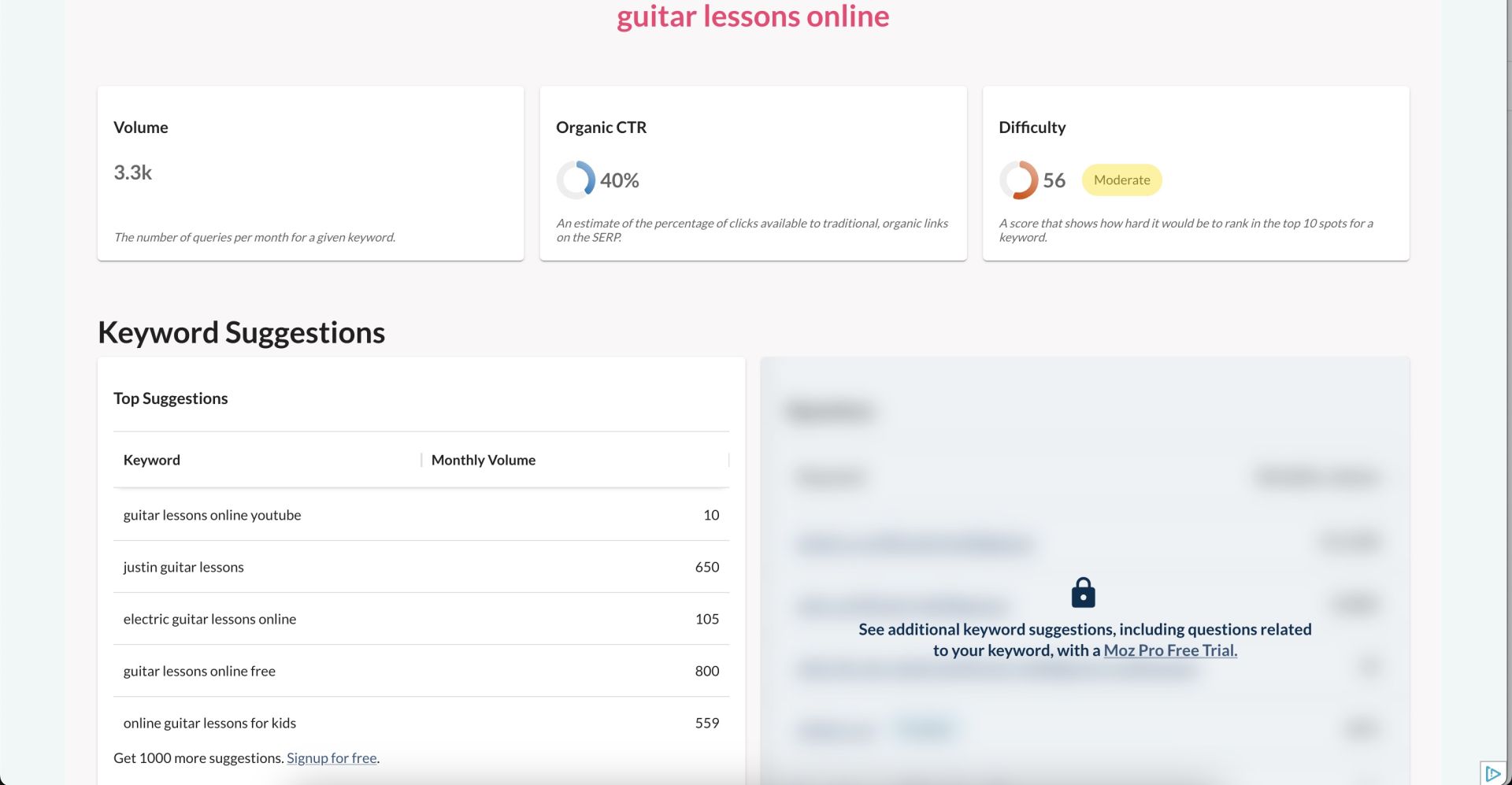
Keywords are the phrases potential fans type into search engines when seeking music. Optimizing your site's content with relevant keywords is crucial. Follow these steps to conduct effective keyword research:
- Identify Relevant Topics: Consider what your fans might search for related to your music, such as genres, song titles, lyrics, and personal stories.
- Create a Master Keyword List: Develop a tailored list of targeted keywords—both general and long-tail—that align with your musical style and audience. For example, if you're a jazz musician, keywords might include "best jazz saxophone solos" or "live jazz performances in [Your City]."
- Utilize Tools and Techniques: Use keyword research tools like Google Keyword Planner, Ubersuggest, SEMrush, or Ahrefs to discover trending keywords and analyze competition levels. These tools help you identify high-volume, low-competition keywords that can effectively drive traffic to your site. As most of these tools are rather expensive use the free trial to find enough keywords to last you many hundreds of articles. This way you can do a professional research for free.
Integrating Keywords Naturally
Incorporate your chosen keywords organically within your content to maintain readability and avoid keyword stuffing. Focus on placing keywords in strategic locations such as title tags, headings, and throughout the body text.
Use our AI Blog Post Generator to automatically create article title, research keywords and write SEO optimized article in seconds!
On-Page SEO Techniques
Optimizing Title Tags and Meta Descriptions
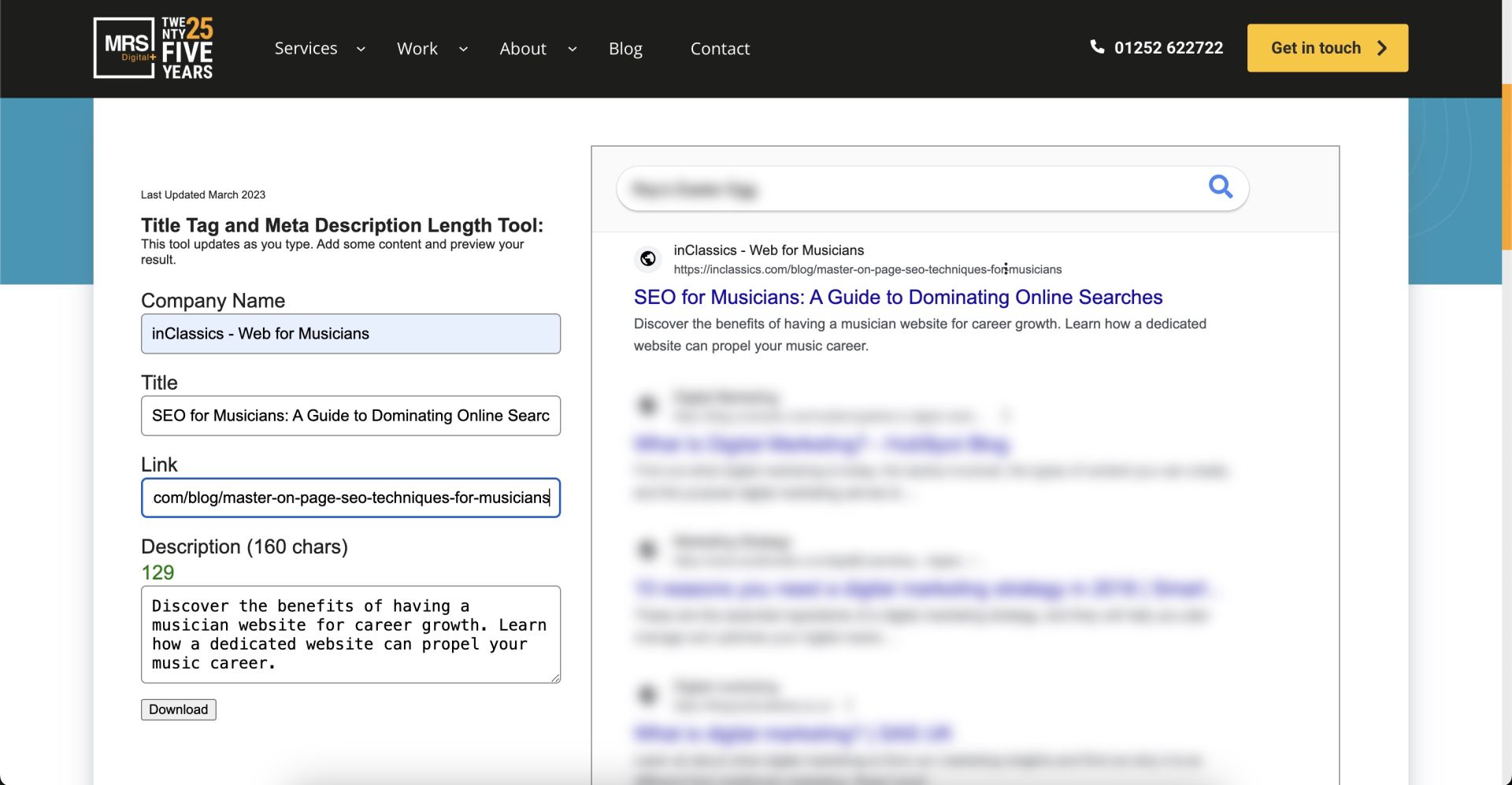
- Title Tags: Craft compelling title tags that reflect your brand and include relevant keywords. Keep them under 60 characters to ensure optimal display in search results. For example, “John Doe – Indie Rock Artist | Latest Albums & Tours.”
- Meta Descriptions: Write concise meta descriptions that summarize your webpage content. Aim for 150-160 characters and incorporate primary keywords. A well-crafted meta description can significantly improve click-through rates. Example: “Discover John Doe’s latest indie rock tracks, upcoming tours, and exclusive behind-the-scenes content. Join the fan community today!”
You can check your title and description length and how it looks like.
Importance of Keyword Placement in On-Page Elements
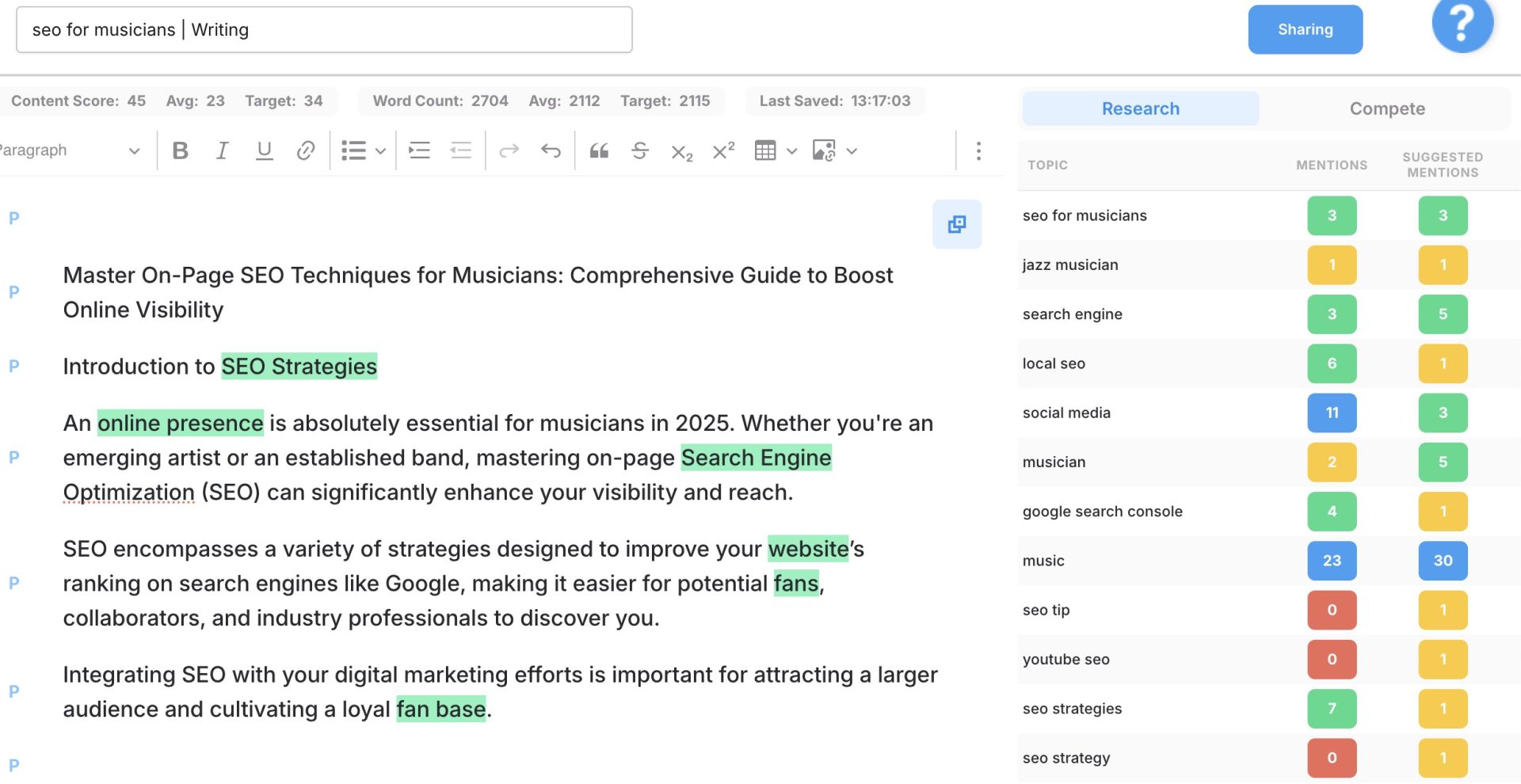
Strategically place keywords in header tags (H1, H2, H3) and throughout your content. Ensure a natural flow to enhance SEO without compromising readability. For example, use H1 for your main title, H2 for subheadings like “Upcoming Tours,” and H3 for detailed sections such as “Tour Dates and Locations.”
You can use a free tier of MarketMuse to help you with keyword research and placement (you can research 10 articles/month).
SEO tip: there must be only one H1 title on the page, otherwise it confuses google!
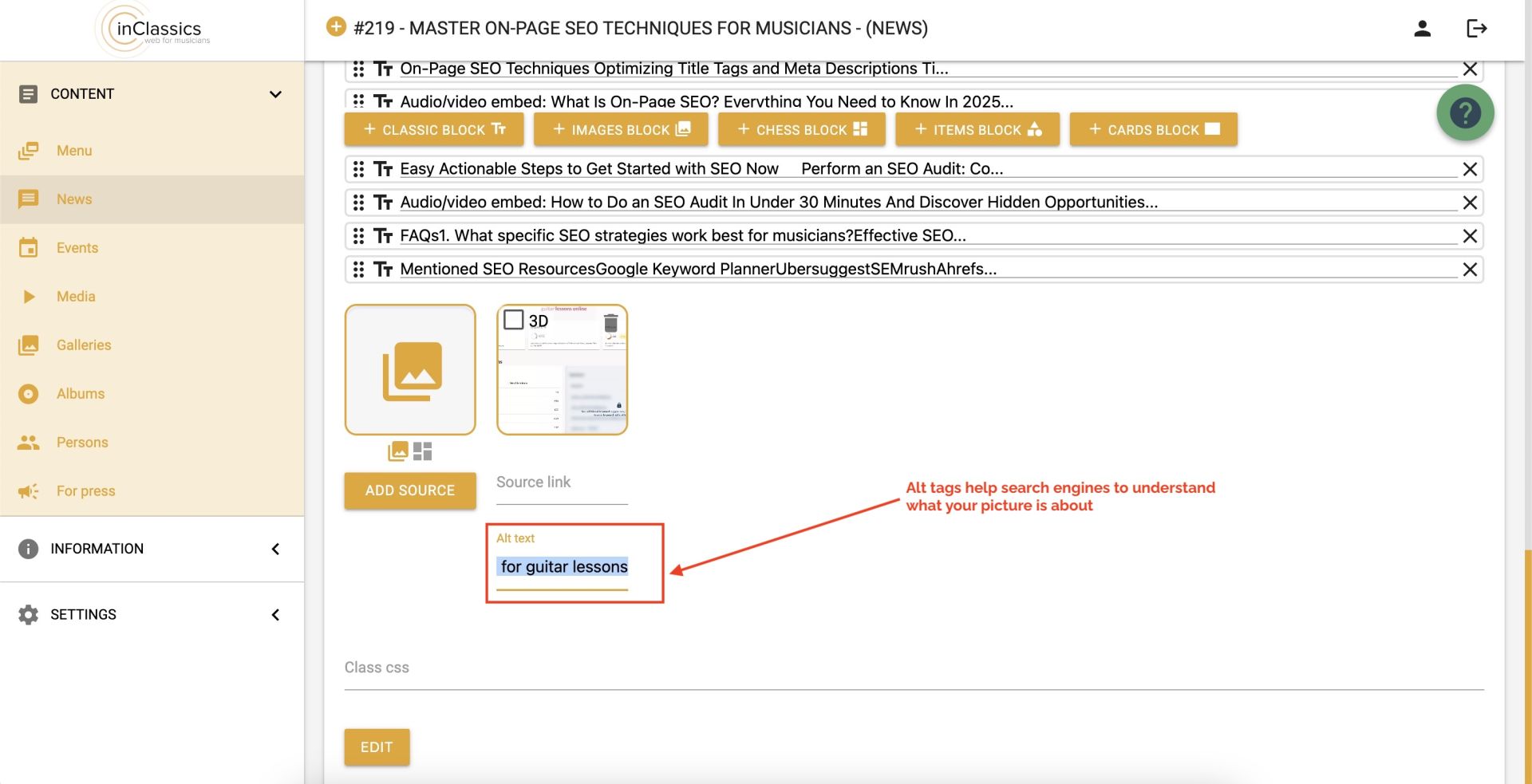
Image Optimization
Images are vital for engaging users, but they can slow down your site if not optimized correctly. Enhance image SEO with these tips:
- File Size: Compress images using tools like TinyPNG or ImageOptim to ensure faster load times.
- File Types: Use appropriate file types—JPEG for photos and PNG for graphics with transparency. Even better — use image formats optimized for web like WebP
- Alt Text: Write descriptive alt text for each image to improve accessibility and help search engines index them. Example: “John Doe performing live at the Downtown Music Festival.”
- Image Sitemaps: If your site has many images, use image sitemaps to facilitate better indexing by search engines.
Internal Linking and Site Structure
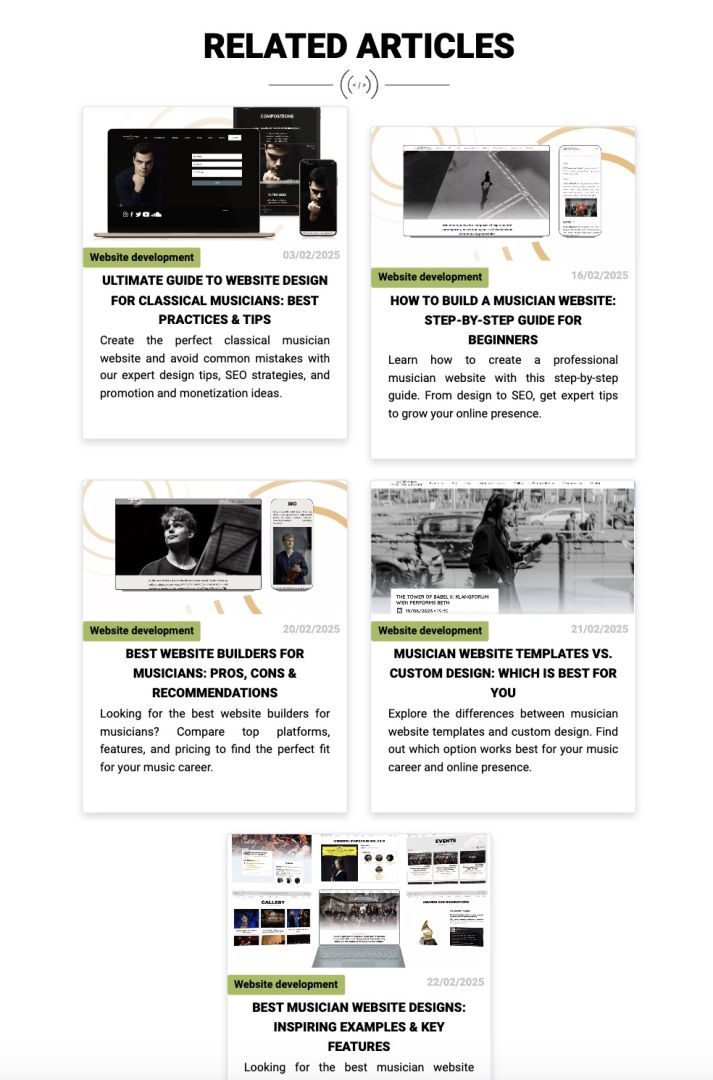
Search engines rely on logical site structure and internal links to understand how your pages relate to each other. This helps them crawl your site efficiently, and it also guides users to discover more of your content.
- Organize By Sections: Create distinct sections for discography, events, merch, blog, and press or EPK.
- Use Contextual Links: In a post about your upcoming tour, link to your “latest album” page or your merch store. Keep it natural but purposeful.
- Related Articles Section: In a blog post add a section with links to related articles. This helps both humans and search engines to explore topic clusters on your website.
- Include a Navigation Bar: A clear navigation bar with easy labels like “Music,” “Shows,” and “Music Store” helps both fans and search engines move through your site.
- Breadcrumbs: For deeper pages (e.g., each track’s lyric page), use breadcrumb navigation to show how the page fits into your site’s hierarchy.
Schema Markup and Structured Data
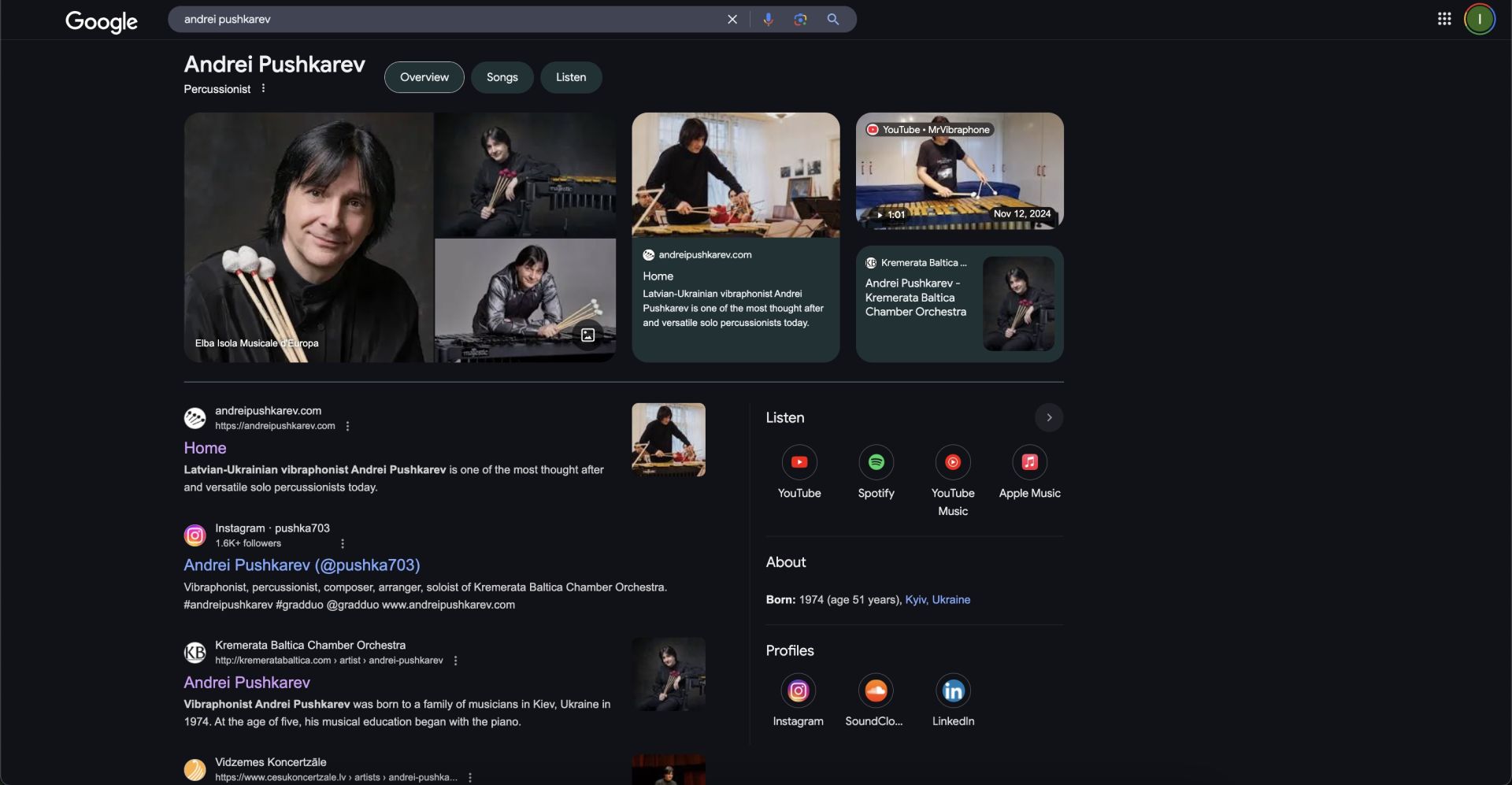
Structured data tells search engines exactly what your content represents—like an event, an album, or a video. This can enable enhanced search results (rich snippets) and increase click-through rates.
Types of Markup for Musicians:
- MusicAlbum and MusicGroup: Use schema.org’s music-related items for album pages, ensuring your information about track lists and release dates is clearly defined for search engines.
- Event: If you have concert dates, incorporate Event markup to display show times and venue info in search results.
- Video: Mark up your embedded video or music video content so Google can create rich video snippets.
Implementation:
section describing your page’s content. Tools like Google’s Structured Data Markup Helper can guide you.
- JSON-LD: The recommended format by Google. Place a JSON script in the HTML
- Validation: Always test your code using Google’s Structured Data Testing Tool or Rich Results Test to ensure everything is properly formatted.
Social Media Meta Tags (Open Graph & Twitter Cards)
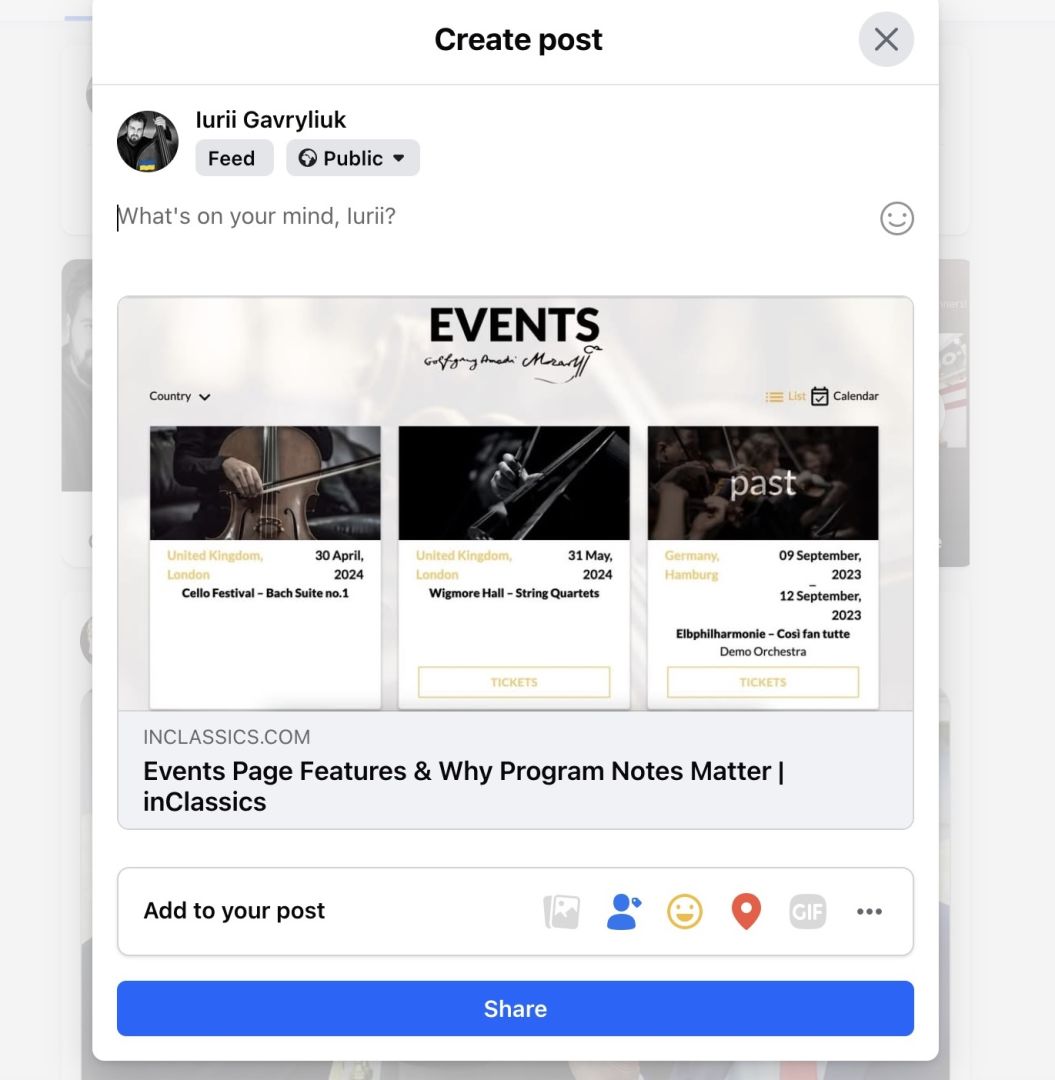
When your page is shared on social media platform feeds—like Facebook, Twitter, or LinkedIn—optimizing how the link appears can entice more clicks and listens.
Key Meta Tags:
- Open Graph (og:): Define the title, description, and image that appear in a social media post. For example, og:title could read “New Indie Rock Single by [Your Artist Name].”
- Twitter Cards: Provide Twitter-specific tags for sharing. This ensures your tweet shows a card with an image or playable track snippet if integrated with your music player.
Best Practices:
- Compelling Image: Choose high-quality cover art for your track or album.
- Clear Taglines: The og:description or twitter:description section might be the first snippet a potential fan sees—keep it punchy.
- Consistent Branding: Use the same brand elements (fonts, color scheme, imagery) across social channels for recognizability.
Song Lyric and Track Pages
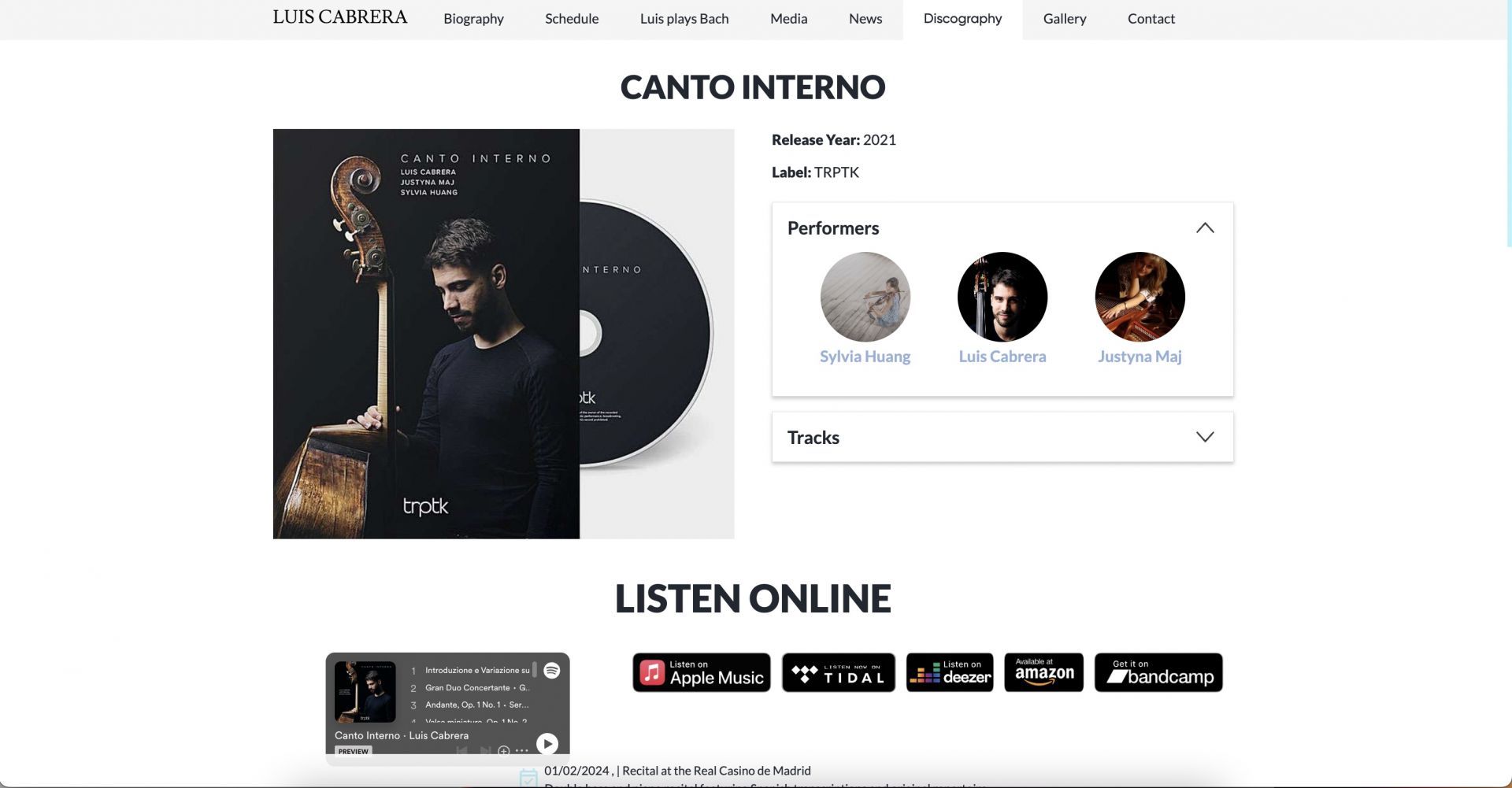
Many listeners search by partial lyrics or track-based queries. Providing official lyric pages or track detail pages can capture those fans.
Implementation Tips:
- Dedicated Pages: Each significant track or lyric set can be its own page. Title the page after your track—like “Lyrics: [Song Title].”
- Meta Tagging: Include the track name and the word “lyrics” in title tags and headings.
- Legal Considerations: If you post lyrics publicly, confirm your right to do so. Some labels or distributors have guidelines around lyric displays.

Engaging Calls-to-Action (CTAs)
SEO isn’t solely about discovery—what visitors do once they arrive is equally important. CTAs guide fans to deeper engagements, like signing up for your mailing list or buying merch.
CTAs for Musicians:
- Mailing List: “Join my newsletter for exclusives” or “Sign up for first access to upcoming shows.”
- Store Links: “Shop the latest album on vinyl” or “Grab your official T-shirt.”
- Event RSVP: “Reserve your spot for the next live show.”
- Social Follows: “Follow on [Platform] for behind-the-scenes.”
Design:
- Prominent Buttons: Make them large, easy to click (especially on mobile).
- Placement: Insert them at the end of blog posts, near the top of your homepage, or next to your embedded music player.
- Wording: Use action verbs and an enthusiastic tone—“Discover,” “Listen,” “Join,” “Buy,” etc.
Media Player Embeds and Podcast SEO
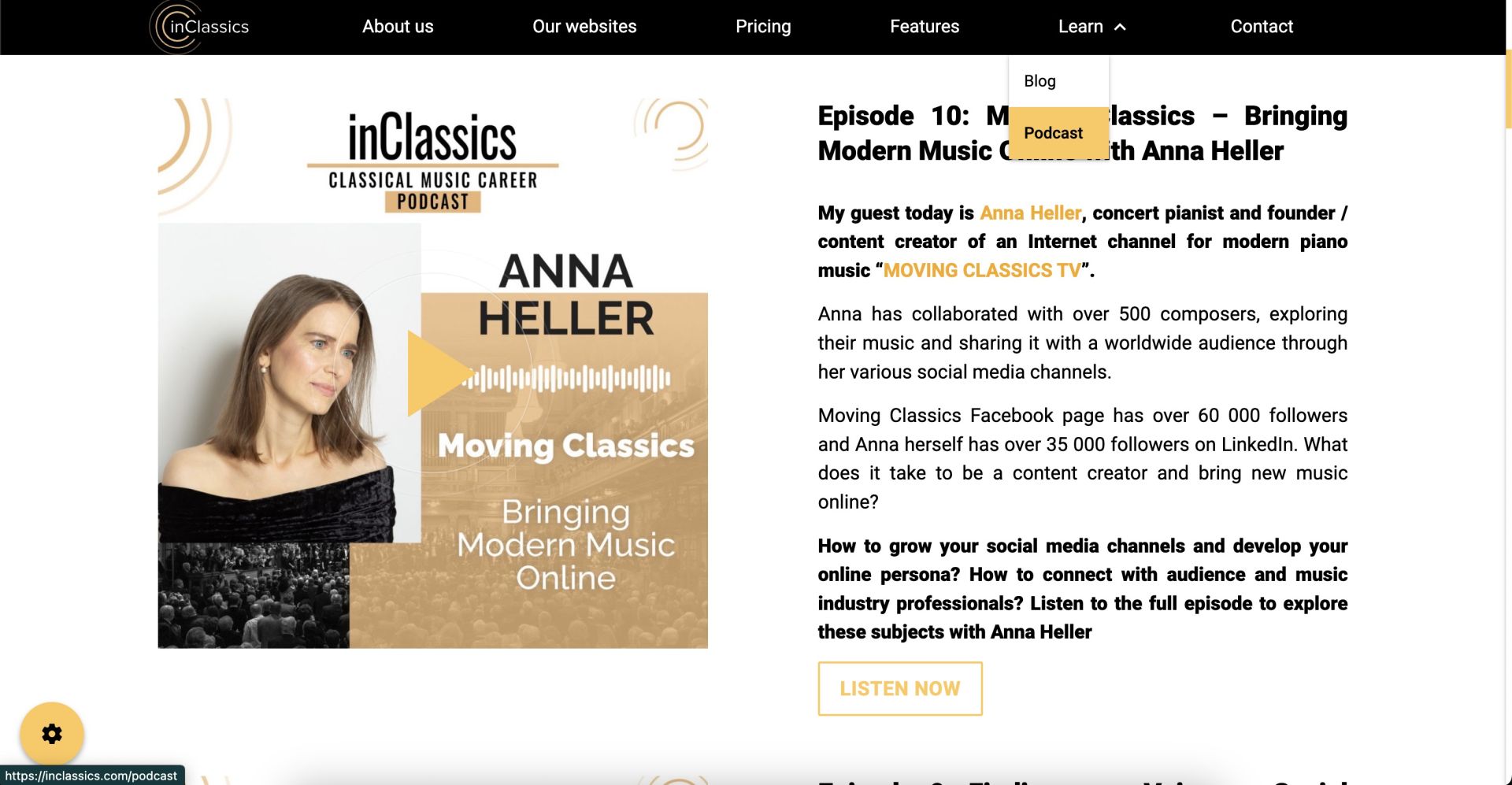
Many musicians now run personal podcasts, or at least embed track previews from their streaming services. Properly handling these embeds can boost your SEO and user experience.
Embedding Audio:
- Load Times: Third-party players can slow your site. Consider lazy-loading them or using an optimized snippet.
- Transcript or Track Info: If you embed a radio interview or a new EP snippet, add a short textual summary. Search engines index text more than purely audio.
Podcast SEO:
- Show Notes: Create a robust textual summary for each episode’s page, with timestamps and highlights.
- Relevant Keywords: Just as you do for your main pages, incorporate keywords about the show’s theme or guests.
Advanced Mobile Optimization
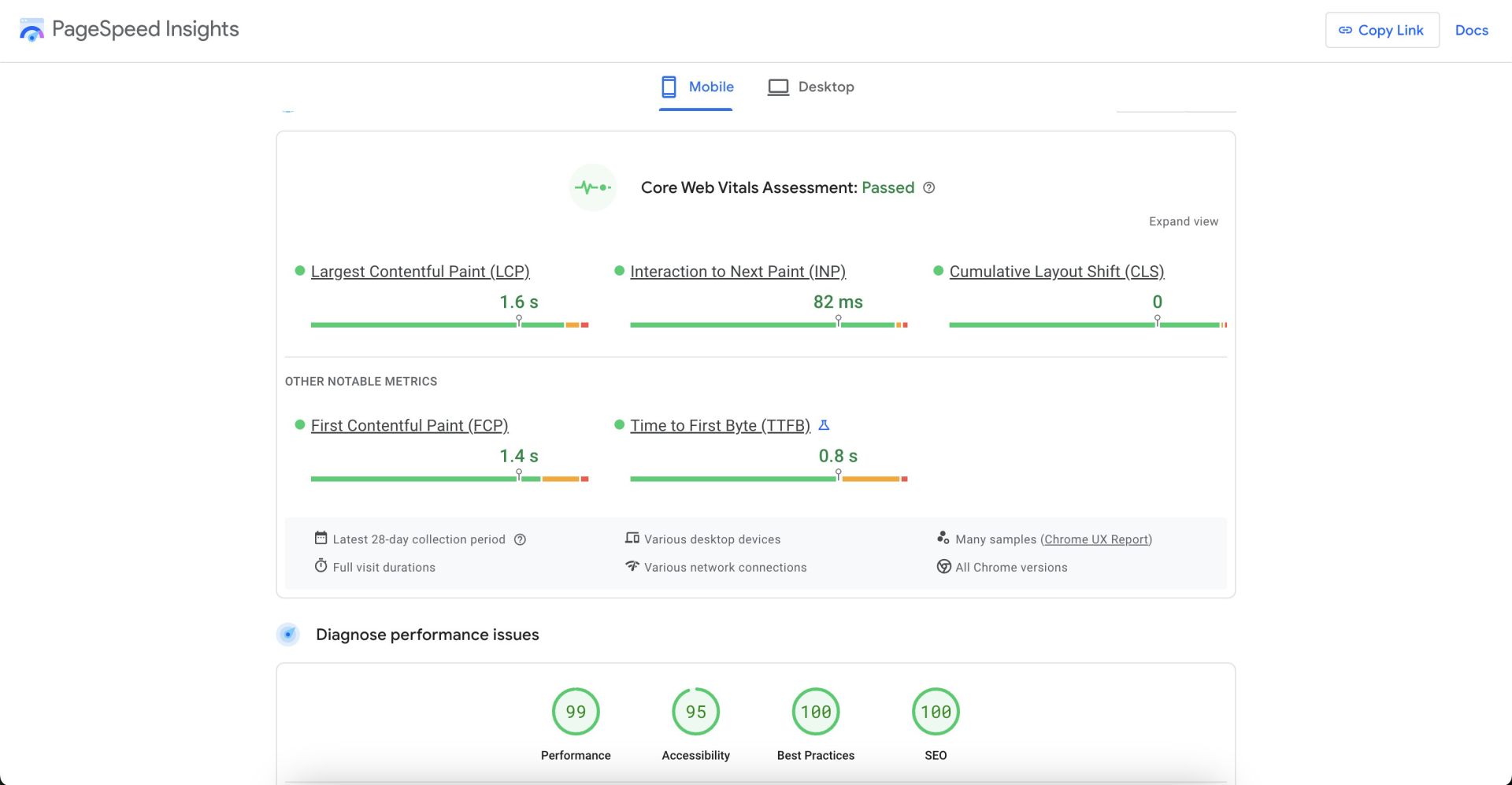
A large portion of fans discover new music from their smartphones. A poor mobile experience can cause them to bounce away.
Key Considerations:
- Larger Text and Buttons: Hard-to-tap buttons drive visitors away.
- Minimal Pop-Ups: Overly intrusive pop-ups hamper user experience and can negatively affect your rankings.
- Test on Real Devices: Desktop emulators sometimes miss nuances. Always verify your site on an actual phone or tablet.
User Engagement Signals and Dwell Time
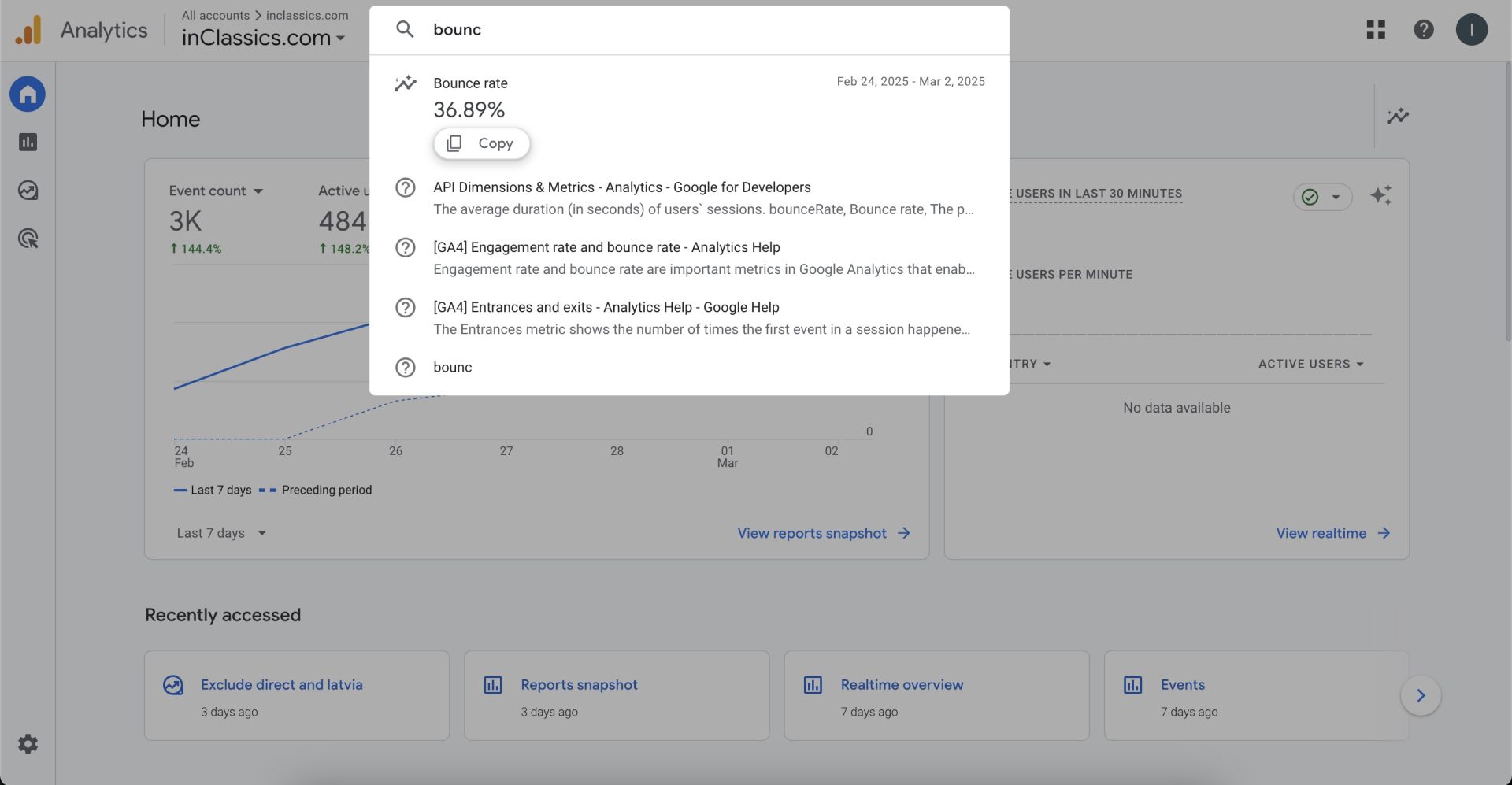
Search engines increasingly use user engagement metrics—like time on page, bounce rate, and scroll depth—to gauge content quality.
Boosting Engagement:
- Interactive Elements: Polls, quizzes, or a comment section about your new single.
- Multimedia: Embedded behind-the-scenes video or photo galleries for your studio sessions.
- Consistent Format: If your layout is scannable, fans stick around longer, reading track descriptions or backstory.
Integrate a Community or Fan Forum
Having a small forum or comment area fosters user-generated content, which can lead to a steady stream of textual updates, beneficial for SEO.
Implementation:
- Moderation: If you allow open comments, filter spam or harmful posts to maintain site quality.
- Membership: Requiring fans to register can build a sense of belonging, though it might deter casual visitors. Weigh the pros and cons.
Local SEO Approaches
For musicians targeting a specific geographic area, local SEO is vital. Enhance your local visibility with these strategies:
- Local Listings: Ensure your website is listed on Google My Business and other local directories such as Yelp or Sonicbids. Provide accurate information, including your location, contact details, and operating hours.
- Location-Specific Keywords: Incorporate local keywords into your website content. For example, “live music in New York City” or “indie bands in Austin.”
- Social Media Optimization: Use location tags in your social media posts and engage with local communities. Platforms like Instagram and Facebook allow you to tag your location, increasing visibility among local audiences.
- Reviews and Ratings: Encourage fans to leave reviews on your Google My Business profile and other platforms. Positive reviews enhance your credibility and improve search engine rankings.
Measuring Success and Next Steps
Tracking your SEO performance is essential for continuous improvement. Follow these steps to measure success and plan future actions:
- Google Analytics Setup: Set up Google Analytics to monitor visits, engagement, and other critical metrics on your site. Key metrics to track include bounce rate, time on page, and conversion rates.
- Google Search Console: Utilize Google Search Console to monitor your site’s presence in Google search results and identify any issues.
- Analyze and Adjust: Regularly review your analytics to understand which strategies are effective and where adjustments are needed. For example, if a particular blog post attracts high traffic, consider creating more similar content.
- UTM Parameters: Use UTM parameters to track the effectiveness of your marketing campaigns, especially those on social media platforms.
- Regular Updates: Keep your content fresh by posting new material frequently, updating old posts with current information, and refreshing site design as necessary. Aim to review and update your content at least every few months.
- SEO Audits: Perform regular SEO audits to identify and fix any technical issues, ensuring your site remains optimized.
Easy Actionable Steps to Get Started with SEO Now
- Perform an SEO Audit: Conduct a comprehensive audit of your current website to identify strengths and areas for improvement.
- Set Up Analytics Tools: If you haven't already, set up Google Analytics and Google Search Console to begin tracking your site's performance.
- Keyword Research: Use the recommended tools to identify relevant keywords for your music genre and target audience.
- Optimize On-Page Elements: Update your title tags, meta descriptions, and header tags with your chosen keywords.
- Enhance Mobile Responsiveness: Test your website on various mobile devices and make necessary adjustments to ensure a seamless user experience.
- Create a Content Calendar: Plan and schedule regular content updates, including blog posts, videos, and social media engagements.
- Claim Local Listings: Ensure your music is listed on Google My Business and other relevant local directories.
- Monitor and Adjust: Regularly review your analytics data to understand what’s working and tweak your strategies accordingly.
By mastering on-page SEO, musicians can transform their websites into powerful marketing tools that amplify their music's reach, attract fans, and ultimately grow their careers. Start implementing these strategies today to enhance your online presence and connect more effectively with your audience. Happy optimizing!
Conclusion
Effective on-page SEO is a game-changer for musicians aiming to enhance their online presence. By following the comprehensive strategies outlined in this guide—including keyword research, content marketing, technical optimizations, and local SEO—you can significantly boost your website’s visibility and engage a broader audience. Start today by performing an SEO audit, setting up essential tools, and implementing these best practices to take your musical career to new heights.
FAQs
1. What specific SEO strategies work best for musicians?
Effective SEO strategies for musicians include using organic keywords, creating engaging and tailored content, optimizing title tags and meta descriptions, ensuring fast site speed, and maintaining a mobile-friendly website. Additionally, leveraging local SEO tactics and integrating social media can significantly enhance online visibility.
2. How can musicians optimize their websites for better local search?
Musicians can improve local search results by claiming their Google My Business listing, incorporating location-specific keywords into their website content, gathering local reviews, and optimizing their social media profiles with location tags and local engagement.
3. What are the most common mistakes artists make with their SEO?
Common SEO mistakes include neglecting to update content regularly, overlooking mobile optimization, failing to conduct comprehensive keyword research, ignoring technical SEO aspects like site speed and security, and not utilizing local SEO strategies effectively.
4. How often should musicians update their content for SEO?
Musicians should aim to update their content regularly—ideally once a month—to keep their website dynamic and engaging for users. Additionally, revisiting and refreshing older posts every few months can help maintain relevance and improve SEO performance.
5. What tools can musicians use for effective keyword research?
Musicians can leverage tools such as Google Keyword Planner, Ubersuggest, SEMrush, and Ahrefs for comprehensive keyword analysis and strategy development.
6. How does social media influence SEO for musicians?
Social media plays a significant role in SEO by driving traffic to your website, increasing brand awareness, and fostering community engagement. Sharing content on platforms like Instagram, Facebook, and Twitter with appropriate keywords and location tags can enhance your online visibility and support your SEO efforts.