Classical Music PR: A Comprehensive Guide to Building Your Career (with examples)
Table of Content
Public relations (PR) is an important part of classical music industry. It allows classical artists to advance in their careers and build relationships with their audiences.
If you have an independent career as an artist or are trying to promote your group or a festival, it can be difficult to do it on your own without hiring a PR agency. Knowing the right strategies and tactics is key to promoting yourself and your music effectively.
In this article, we'll give you practical tips and strategies that will help you cultivate your own public relationships and promote your music.
Understanding Classical Music PR
Before we make a deep dive into the specific strategies and tactics, it's important to understand what PR means. PR (public relations) is the set of techniques and strategies related to managing how information about an individual or company is disseminated to the public, and especially the media.
For musicians it plays a vital role in promoting performances, recordings, and events, as well as building an artist's brand and reputation.
Whether you are a soloist, conductor, composer, ensemble or orchestra, the article in the New York Times or a piece on BBC radio can have a massive impact on your career.
PR vs Digital Marketing
While PR and digital marketing share many similarities, PR is traditionally focused on generating awareness, influencing public opinion and dealing with a crisis. Digital marketing is generally focused on identifying the target audience and ultimately getting them to convert - buy tickets to your concert, purchasing your music etc. You can read more about it here.
Developing a classical music PR strategy
To promote your music or a concert, it is important to develop your own public relations strategy. A clear strategy will also allow you to measure your results and understand which of your PR efforts are the most effective. This strategy should include the following elements:
-
Identify your goals.
What do you want to achieve with your PR efforts? Do you want to promote a particular performance or recording, build your brand as an artist, or gain new fans and listeners? Only when you are clear about your goals can you develop a strategy to achieve them.
Set clear, specific, measurable, achievable, realistic, and time-based (SMART) goals to guide your campaign.
Example: Increase my music streaming by 25% over the next six months.
-
Identify your target audience
To know what message and tactics will resonate with people, you first need to know who you are trying to reach. Are you targeting music critics, journalists, bloggers or industry experts? Or are you targeting a broader audience of music lovers and enthusiasts? You should design a different message for your specific audience to grab their attention and convince them to collaborate with you or become your fan.
Example: Your CD of contemporary music is about to be released on a small record label. You will be giving an album launch concert in New York. You want to draw attention to this recording and realize that your target audience for this campaign is bloggers and classical music critics who write about new music and live in the New York area.
-
Brainstorm Ideas and create your key messages
We are constantly bombarded with content and information. The only way to stay in people's minds and capture their interest is to create a clear and compelling story that you can convey to your target audience. What do you want people to know about you and your music? What makes you unique as an artist? Answering these questions will make it easier for you to formulate your core messages.
Gather your friends or fellow musicians and brainstorm ideas on how to achieve your goals. Think about your unique selling points, stories, and values that set you apart from other classical musicians. Consider different platforms and media outlets that will resonate with your target audience.
Example:
Idea: Organize a concert series dedicated to female composers, partnering with a local women's history museum or cultural center to add educational elements, such as pre-concert talks or exhibits.
Key message: “Rediscovering and celebrating the hidden gems of Romantic-era female composers. Championing the works of underrepresented artists, breaking down barriers in classical music.”
-
Choose your tactics.
There are many ways to reach your target audience. You can use traditional media relations, such as writing and sending out press releases and giving interviews on the radio and at TV.
You can also focus on digital platforms, such as social media, email marketing, blogging and guest blogging, appearing on podcasts, or starting your own podcast.
You can focus on some of these tactics, but you should consistently appear on all possible channels.
Example:
Jane is a classical violinist who just recently released her new CD with pieces by Baroque composers. To promote this album she uses a combination of traditional PR and digital platforms:
Traditional Media Relations:
- Jane is writing and sending out press release to journalists announcing the release of her new album and sharing interesting insights on her CD concept and recording process
- She is also reaching out to local radio and TV shows offering to give interviews about a new album and perform live on-air.
Digital Platforms:
- Jane shares behind-the-scenes content about new album on her social media profiles to engage with fans and spread the word
- She reaches out to a blogger to write a guest post and share her unique perspective on Baroque music.
- She also secures a spot on a classical music podcast to discuss her album, Baroque music, and her experiences as a violinist.
- Launch a newsletter to keep your fans informed about your upcoming
By employing a variety of tactics, Jane is consitently present on multiple channels, effectively reaching and engaging with her target audience.
-
Measure your success
You should always measure and analyze the results of your PR campaigns so you can determine the best channels, tactics, and messages. This way, you can evaluate the effectiveness of your campaign and make adjustments as needed. To measure success, you can track your media coverage and mentions. You can also monitor your social media mentions.
Example: Put together a spreadsheet to evaluate the change in concert attendance, media coverage, and social media engagement following your PR campaign.

Building an online presence for musicians
Whether you want to promote your music or communicate directly with your fans, building an online presence is essential for classical musicians. Here are some tips for building a professional online presence:
-
Create a professional website
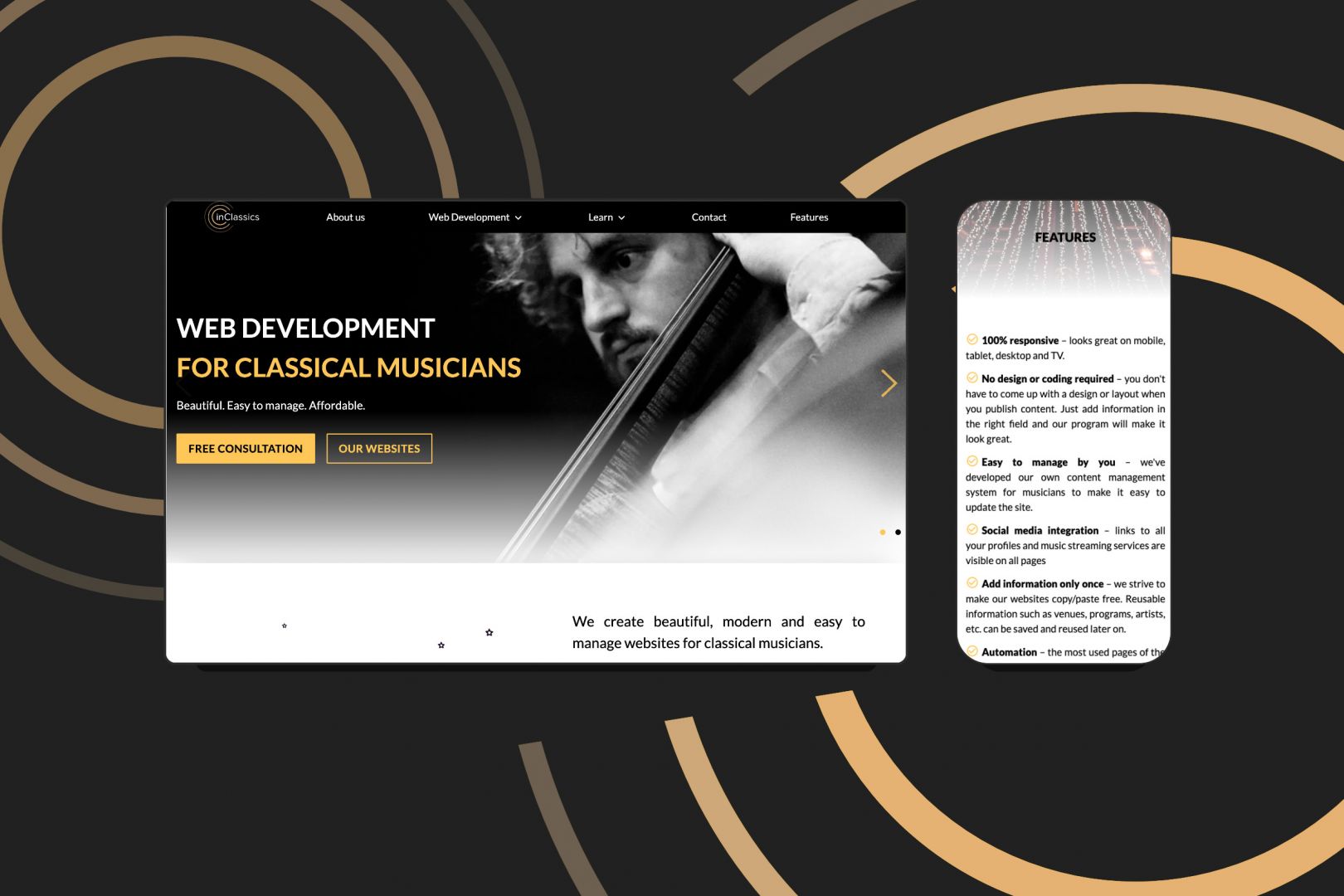
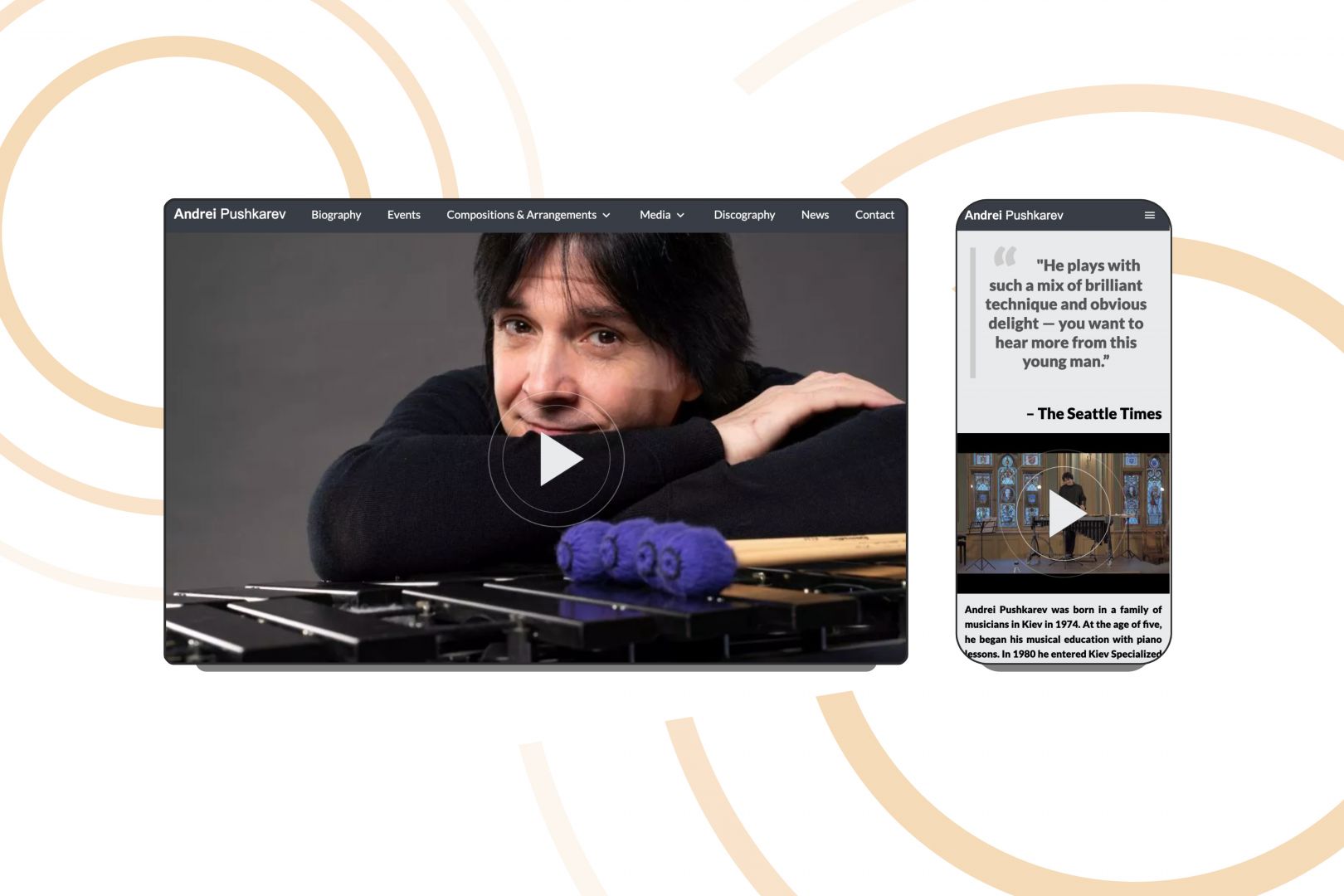
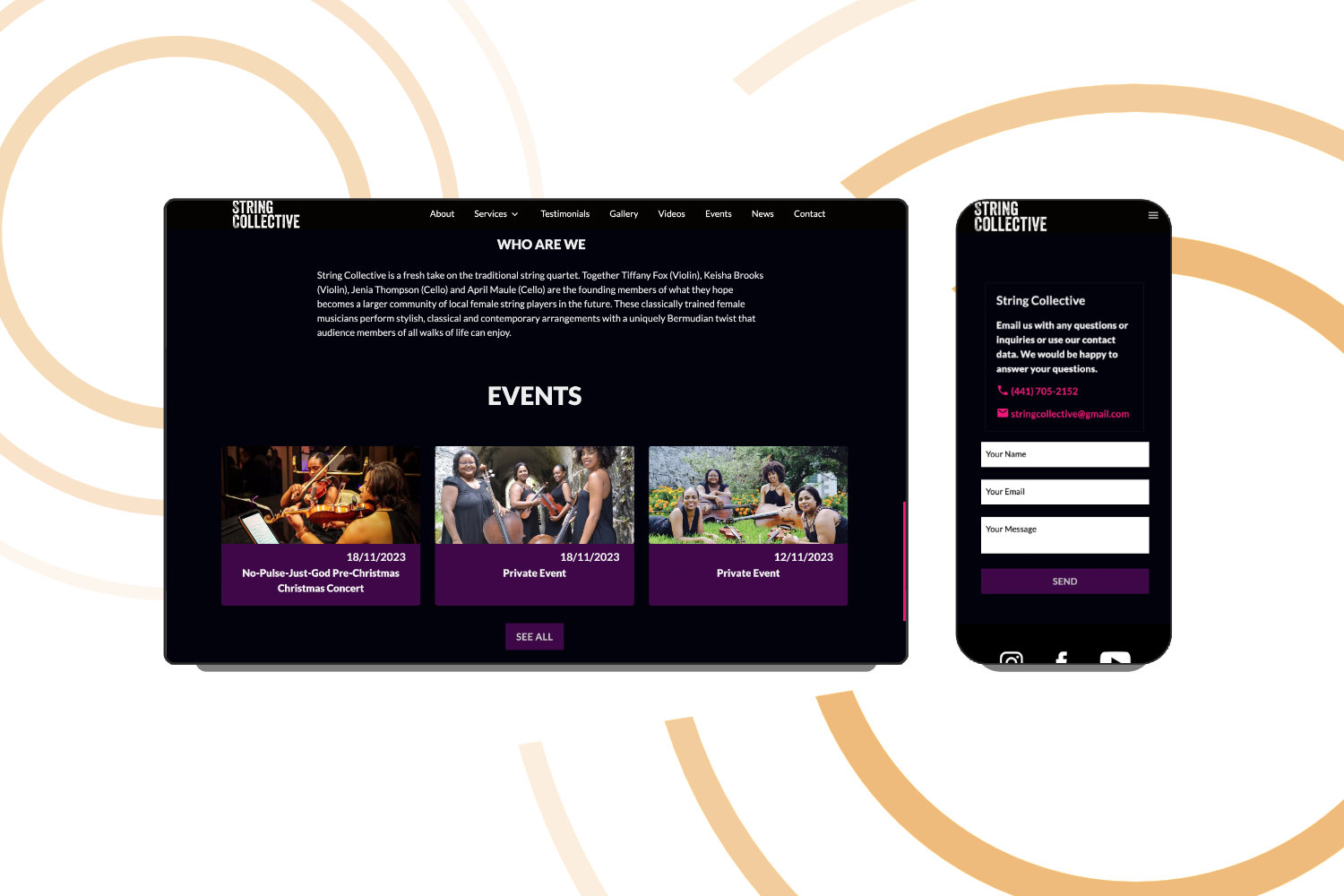
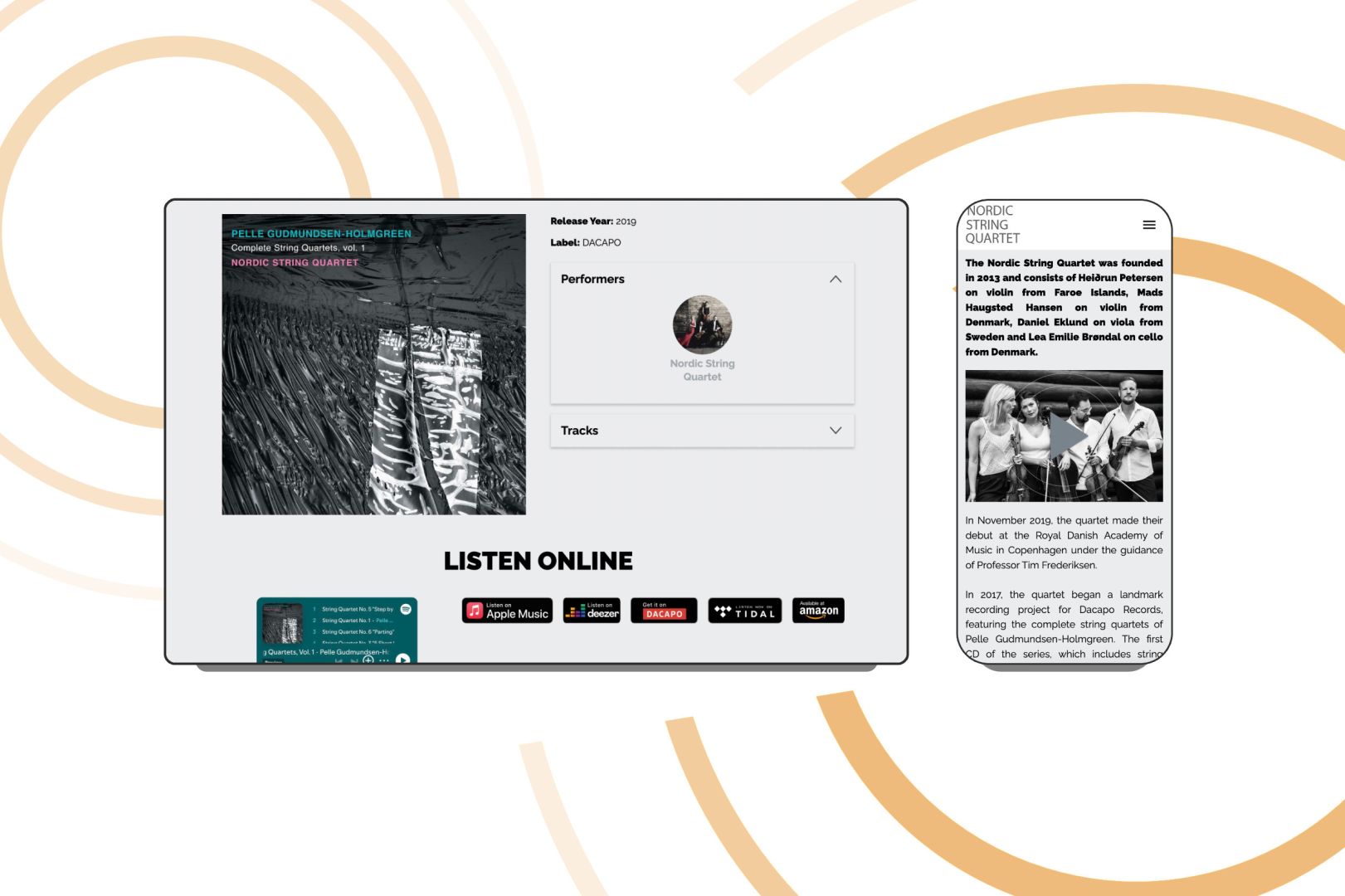
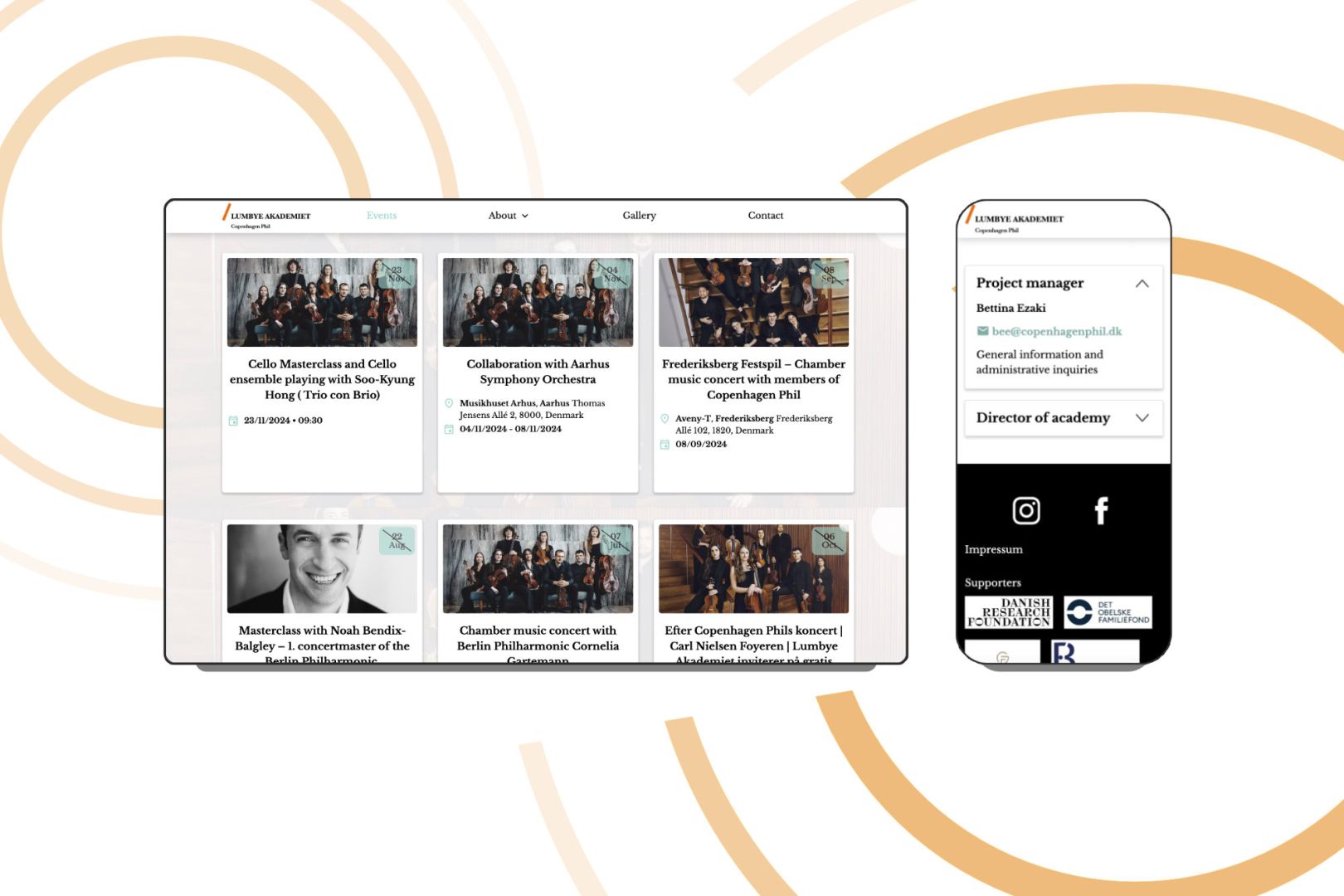
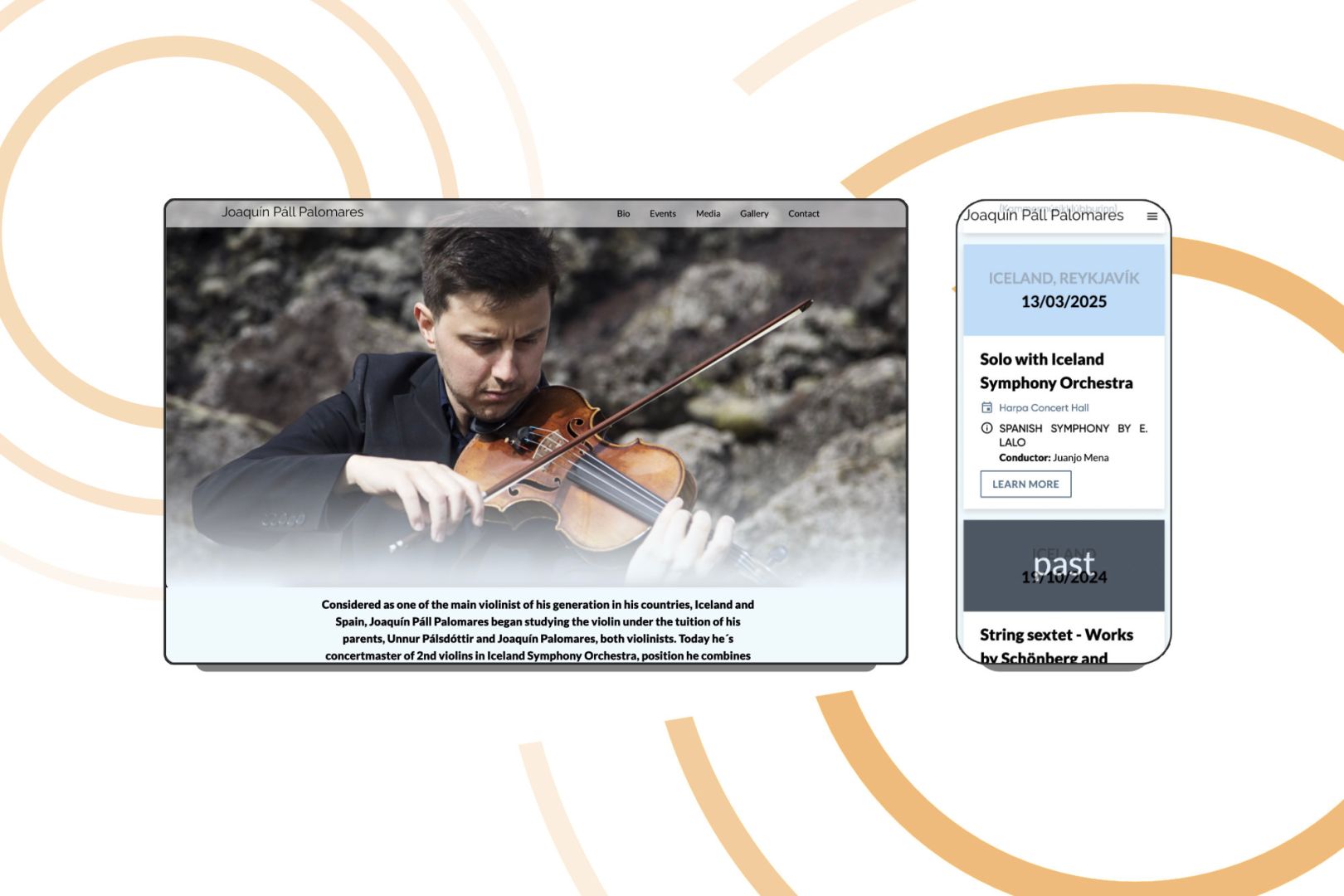
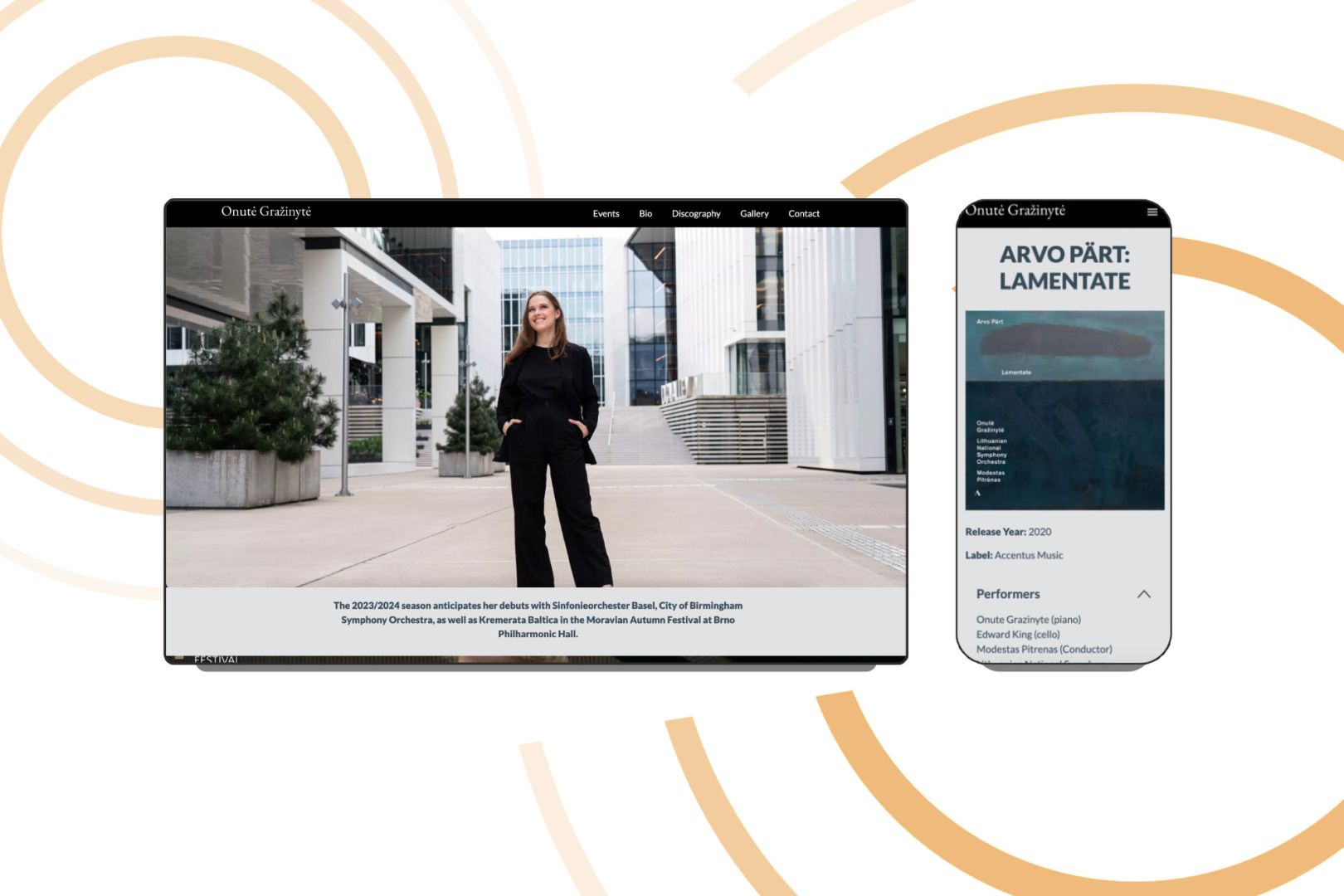
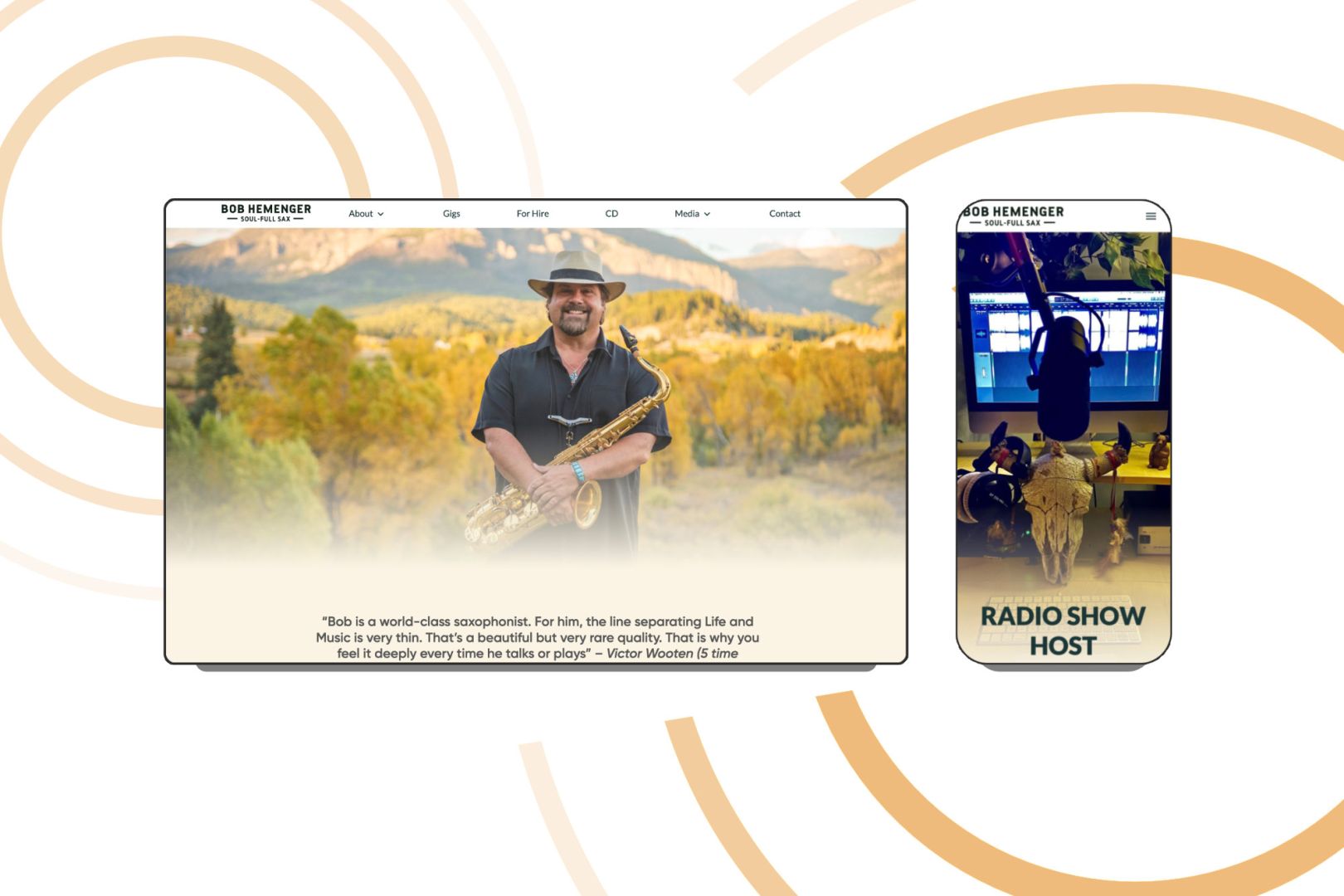
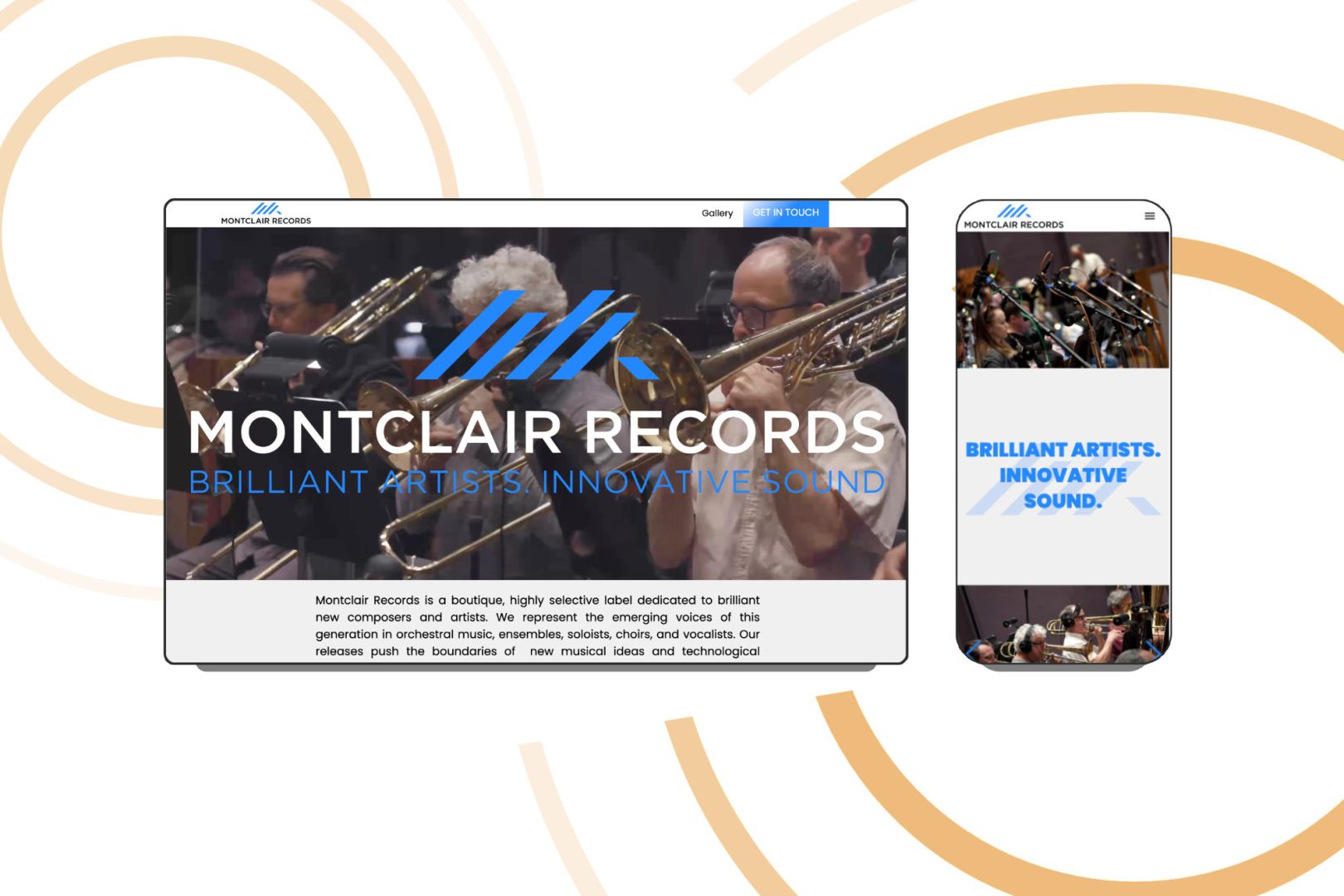
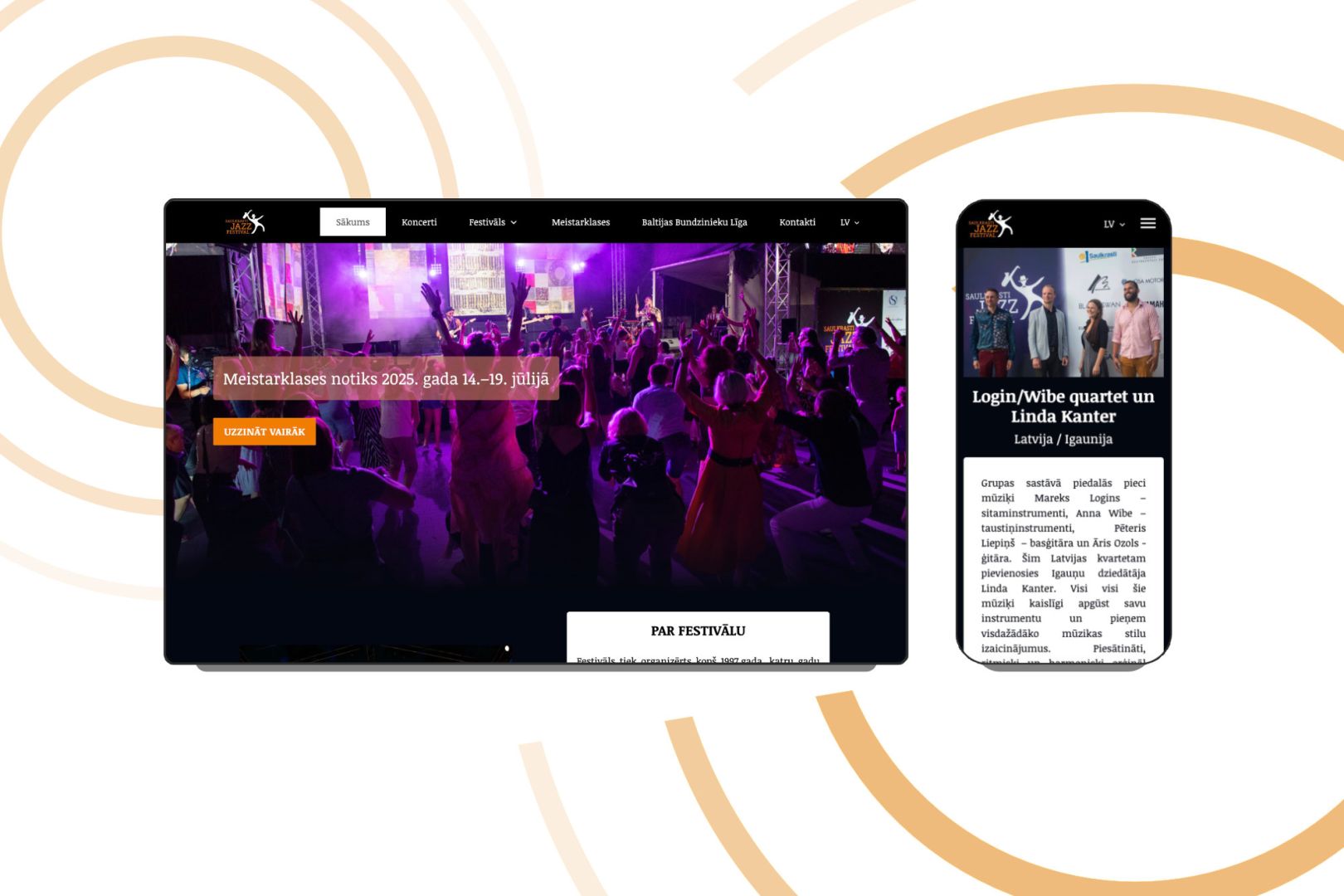
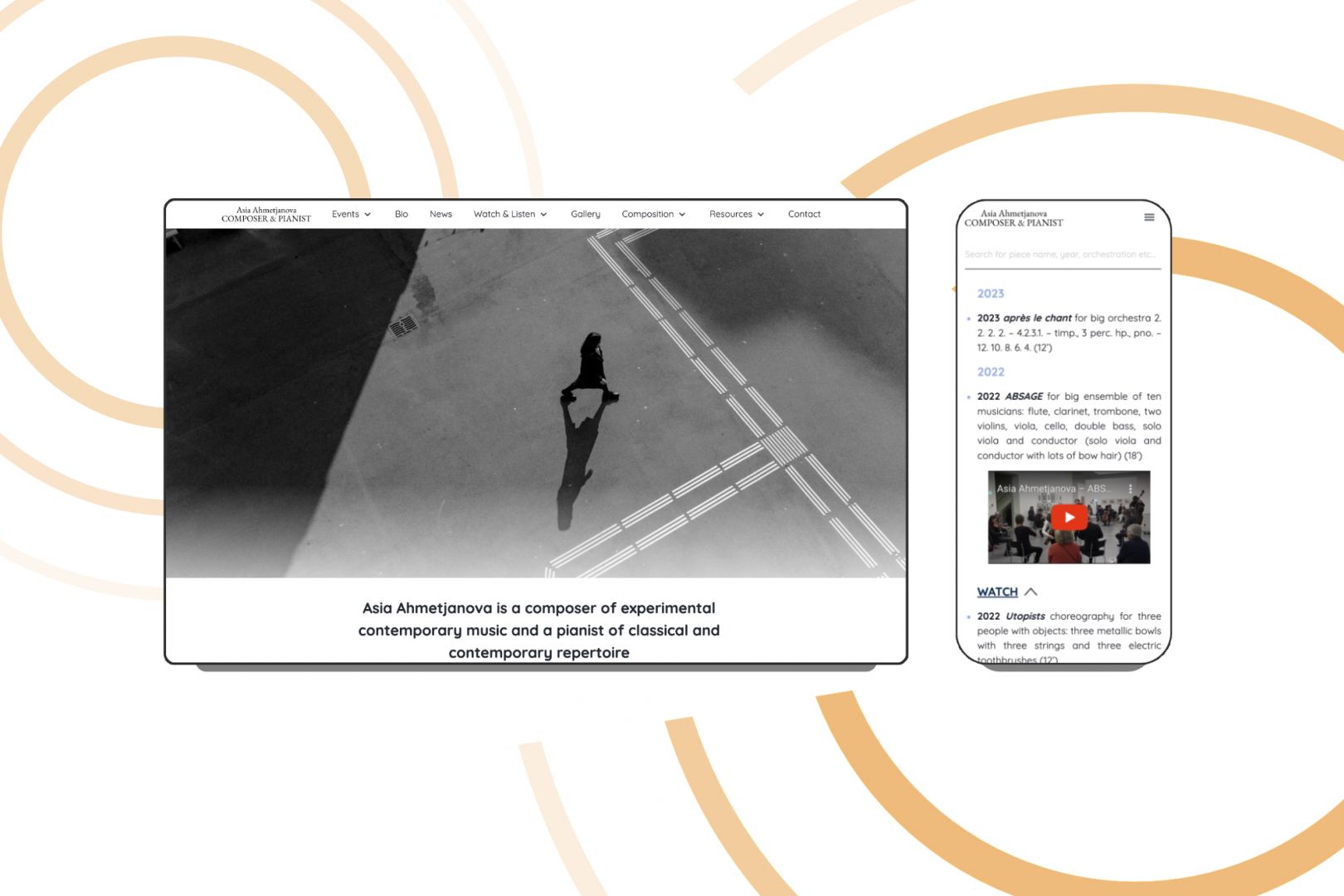
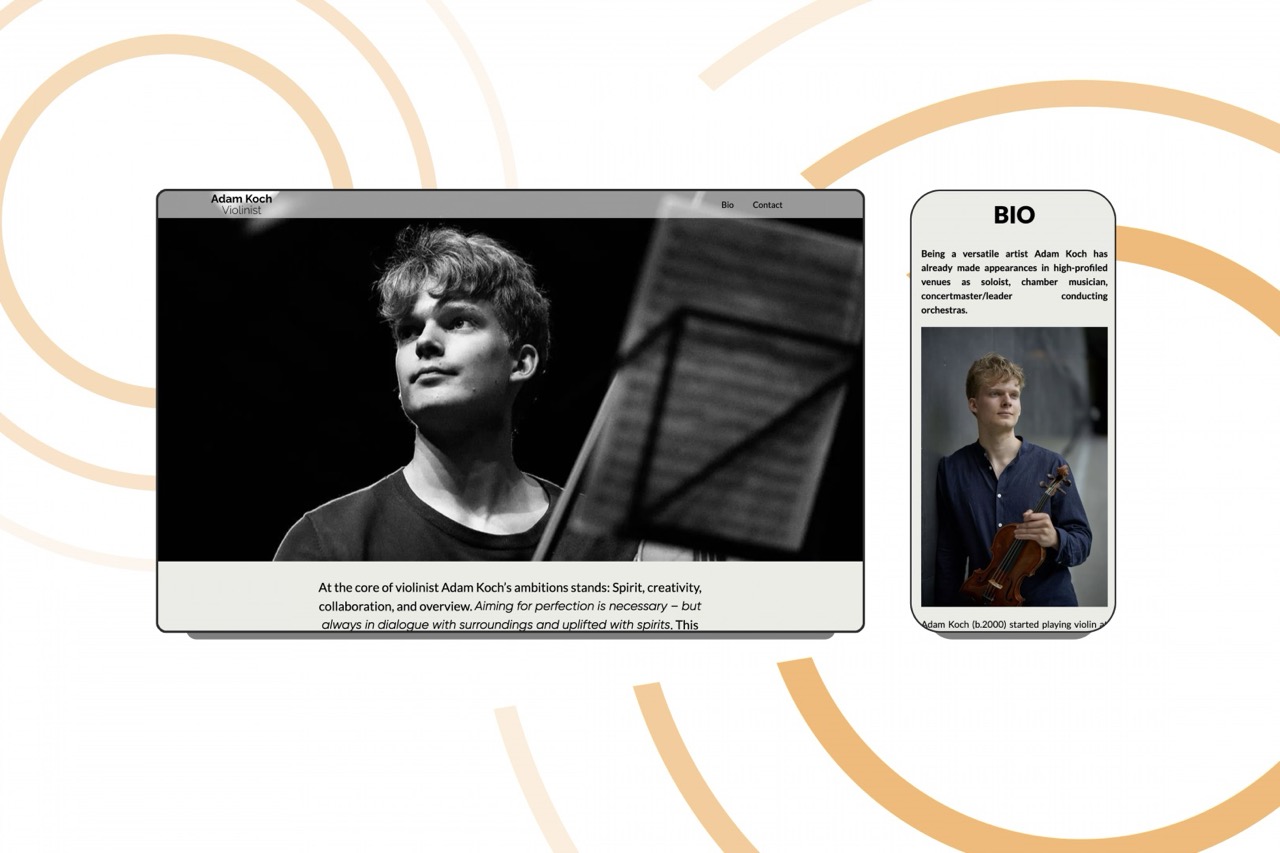
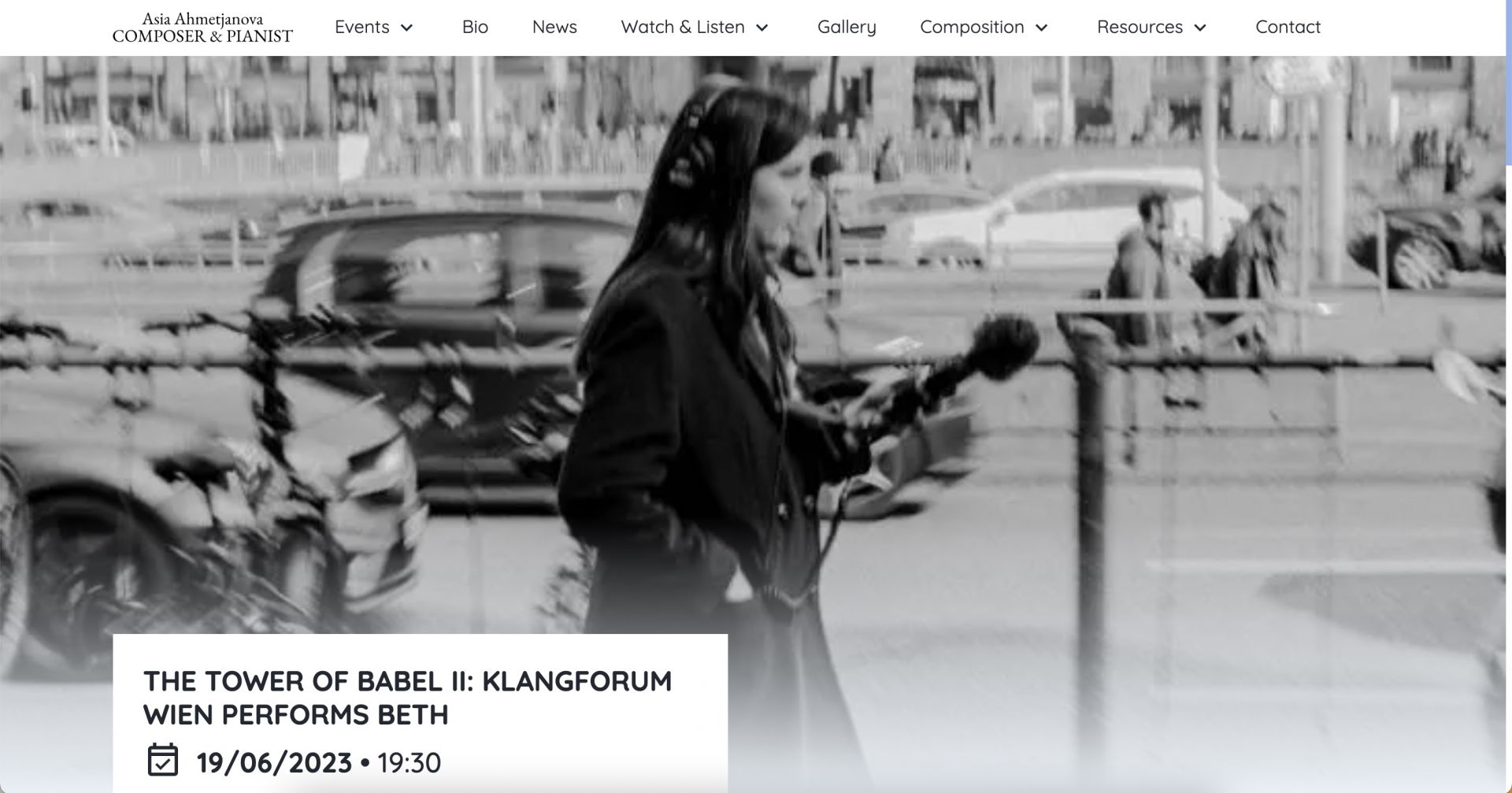
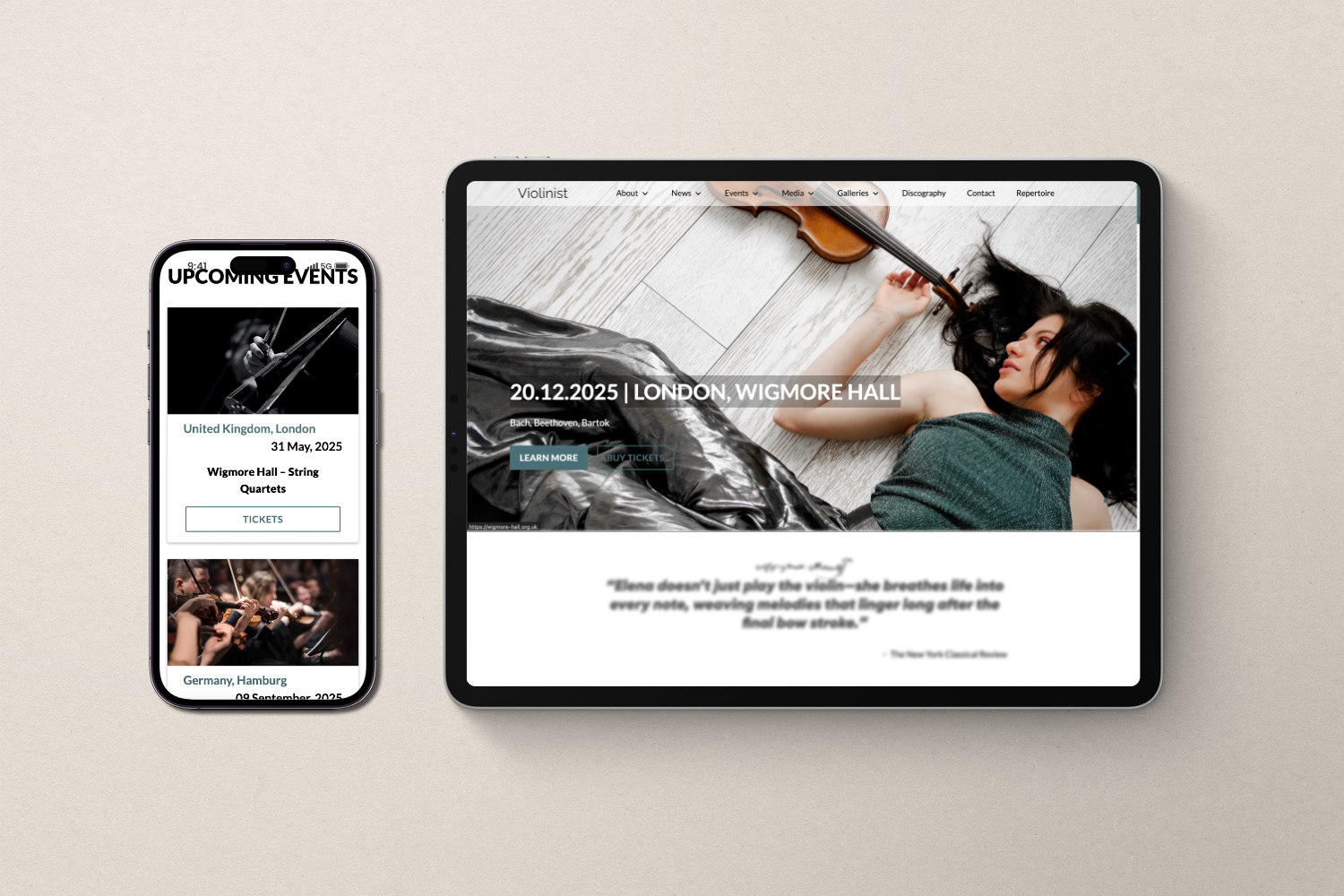
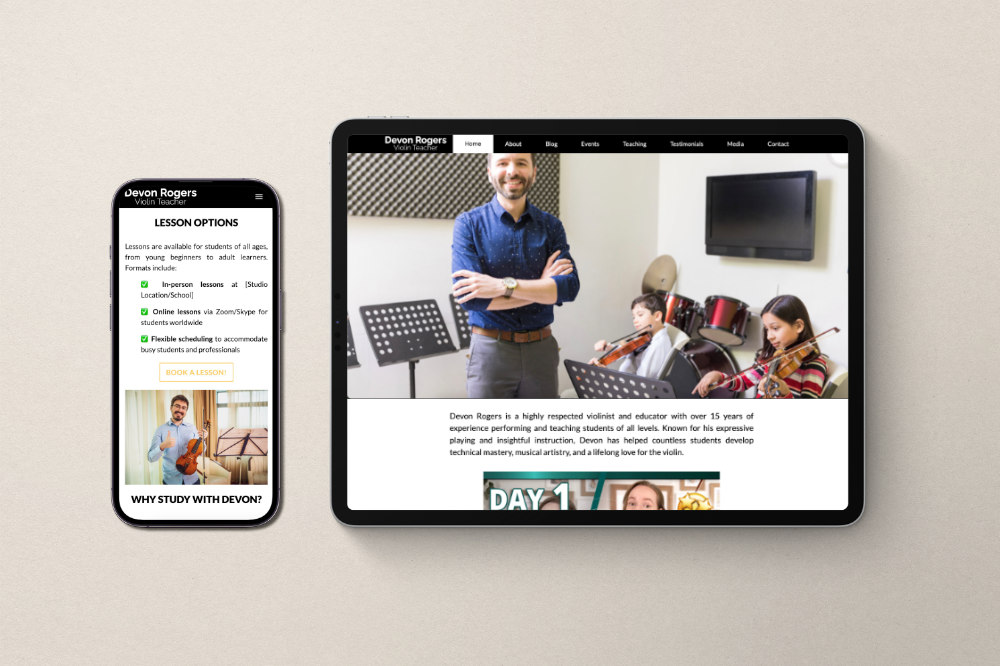
Your website is the central hub of your online presence. Make sure it's well designed, easy to navigate, and contains all the important information about you and your music. You should also make sure that your website is easy to manage and update, otherwise you will keep missing out on updating the content. Check out our in-depth article about websites for musicians.
-
Use social media effectively
Social media platforms can be an effective tool to build your brand and connect with your fans. Pay attention to the latest trends and the specific culture of each network to successfully grow your following. You should also regularly engage and build a relationship with your audience by replying to every message and comment on your page and liking and commenting on your fans' comments.
-
Create compelling content
Content marketing is an effective way to build your brand and connect with your audience. Do you like to write, create videos, speak? What is your passion for music? What do you like most about being a musician? You can turn your passion into a successful blog, YouTube channel or podcast, creating content that showcases your music and adds value to your followers. Check out our article about content creation that includes over 80 content ideas for musicians.
-
Collaborate with influencers
Influencers in the classical music world, such as music critics, bloggers, industry experts, and other musicians with a large following, can help you reach a larger audience and increase your credibility. Before reaching out to anyone, build a relationship first. Find people you want to connect with and start following them on their social media, commenting on their posts and engaging with their content. If you do this regularly and consistently, they will remember you. Then, when you reach out to them with an offer, they will not be talking to a stranger, but to someone they already know.

Cooperation with media
Media relations are an essential part of public relations for anyone working in the performing arts. Journalists, critics, and bloggers have reputations, large audiences, and channels for communicating with those audiences. Here are some tips for working with the media:
-
Research and build your Media List
While there are platforms where you can submit your press releases for distribution, you can also build a list of contacts on your own.
- Research blogs and media outlets in your field and identify the people you want talking and writing about you.
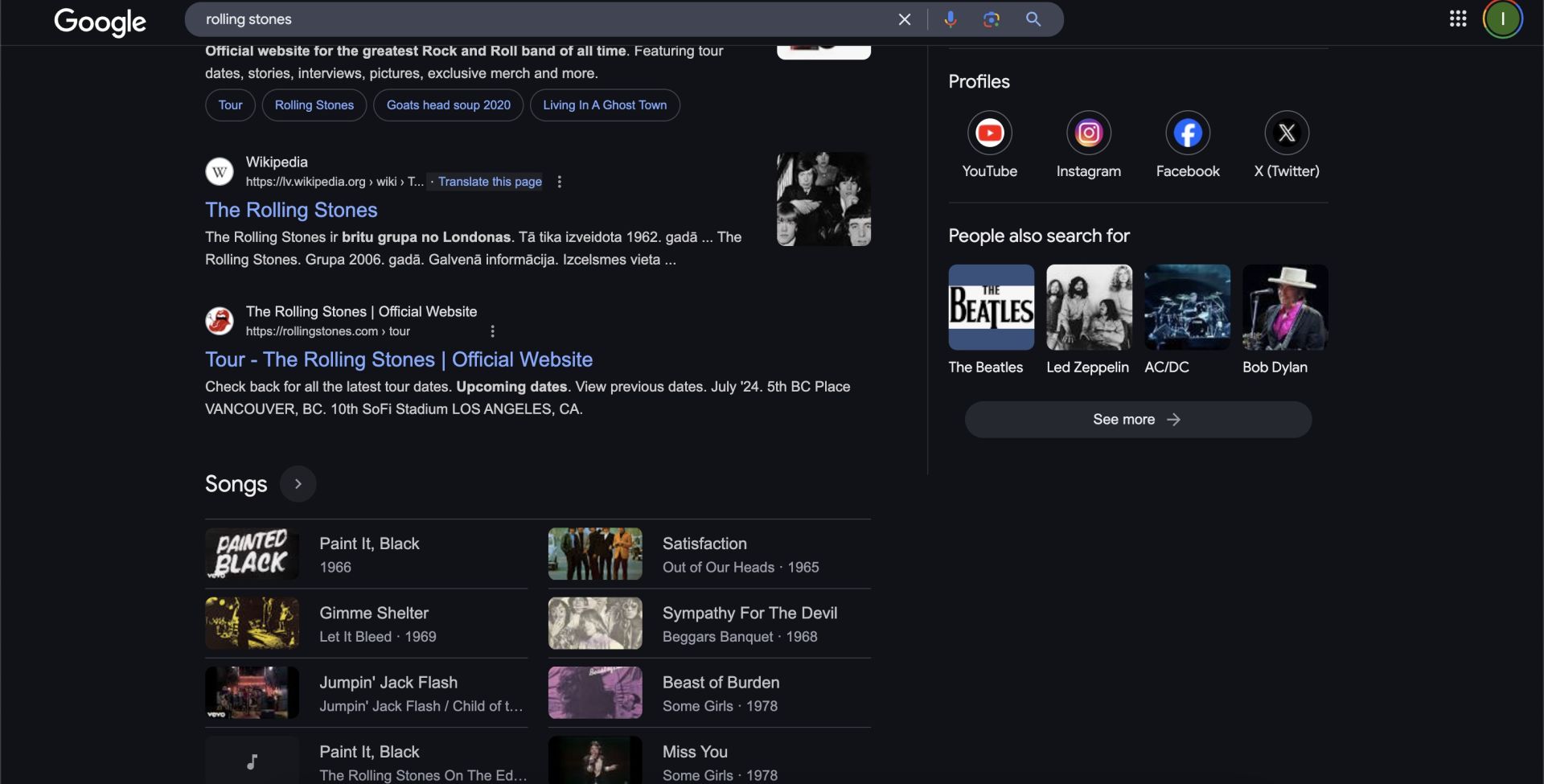
- Use Google News, LinkedIn and social media to find relevant media outlets and influencers.
- Determine what type of music they typically talk and write about - is it new music, world music, or something else? Do they focus on opera or chamber orchestra performances?
- Create a spreadsheet and add all the information about that person - first and last name, media channel, interests, short biography, musical style.
This way you can quickly find out who is most likely to respond to your latest press release.
-
Create compelling press releases
A press release is a written announcement that introduces your performances, recordings, and collaborations. Journalists are always looking for a good story to write about. Consistently writing and sending press releases can be an effective way to generate media coverage about your music. Be strategic, check your spreadsheet, and send your press releases only to those journalists who might be interested in writing about you and your music. Check out this blog post about writing a solid press release (includes a template)
-
Pitch your story
Do not wait for journalists to come to you; proactively approach media outlets, bloggers and podcasters relevant to your music about your story. Approach recipients individually and tailor your pitch to maximize your chances. Research the blogs in your niche and pitch a guest post - every blogger is happy to have free content on their site :)
-
Submit Your Music for Awards and Festivals
Submit your music for awards, festivals, and competitions to increase your visibility and credibility.
-
Invite media to your concerts
Whenever you have a performance, research the local journalists, bloggers and artists and send them an invitation. Don't forget to also send the invitations to managers, agents and record label executives who are always looking to find new and exciting artists.
-
Network
Visit festivals, participate in music competitions, join music organizations and always think about building relationships first. Don't ask for favours, build genuine friendships and later they might grow into performance oppotunities, media coverage and more.
-
Promote your appearances
If you were successful to get media coverage don't stop there. Promote it on all your channels, collects quotes, articles and periodically publish excerpts on your social media channels.

Hire a publicist or an agency
While it is possible to get publicity for your music by yourself, hiring a professional publicist or agency can offer several benefits:
-
Expertise and Experience
Professional publicists have extensive experience in managing public relationships and getting publicity for musicians. They have long lasting relationships with key media outlets, journalists, bloggers, critics and influencers, and they know how to write interesting stories that resonate with audiences.
-
Time Savings
Managing your own public relationships can be time-consuming and resource-intensive. By hiring a professional publicist or agency, you can save time and focus on what you do best - creating and performing music.
-
Expanded Reach and Credibility
Professional publicists and agencies can help you reach wider audiences and build your credibility as a musician. By leveraging their relationships and expertise, they can help you secure media coverage, build partnerships with brands and organizations, and increase your visibility and impact.
-
Tailored Strategies and Tactics
Professional publicists and agencies can develop customized strategies and tactics that are tailored to your specific needs and objectives. They can help you identify your target audience, create key messages, choose the right tactics, and measure your success.
Conclusion
Effective PR is essential for classical musicians who want to build their careers and connect with audiences. By developing a comprehensive classical music PR strategy, building an online presence, working with the media and influencers, leveraging classical music brands and partnerships, and maximizing opportunities, you can get publicity for your music and advance your career. Remember, PR is a long-term process - be patient, persistent, and focused, and you'll see the results over time. Good luck!