Music Blogging for SEO: What to Write & How to Rank
A music blog can be the heartbeat of your online presence, giving you a place to share album reviews, tour diaries, industry opinions, behind-the-scenes content, or interviews with fellow artists. Yet many musicians and music writers overlook a key aspect of successful blogging: search engine optimization (SEO). Writing compelling articles is one thing, but ensuring those posts rank in Google is another. This guide delves into how to craft engaging music blog posts that resonate with both music fans and search engines.
Why a Music Blog Matters for SEO
Building Authority and Connection
A blog gives you an ongoing narrative that fans (and industry pros) can follow. Covering your creative process, highlighting live events, or reviewing albums in your genre can:
- Demonstrate Expertise: Prove you know the music scene, whether you’re a musician yourself or a dedicated critic.
- Maintain Engagement: Blogs keep your site fresh, encouraging repeat visits and fan loyalty.
Benefiting from Organic Traffic
Search engines, especially Google, reward regularly updated websites with higher visibility. A well-optimized music blog ensures that when someone types “best indie music blog” or “new jazz album reviews,” your site can appear near the top.
Funneling Fans to Your Music
An article about your influences might link to your latest track. A gig recap can embed videos from your live performances. Each post can funnel readers to your streaming pages or merch store, converting casual browsers into fans (and sometimes paying customers).
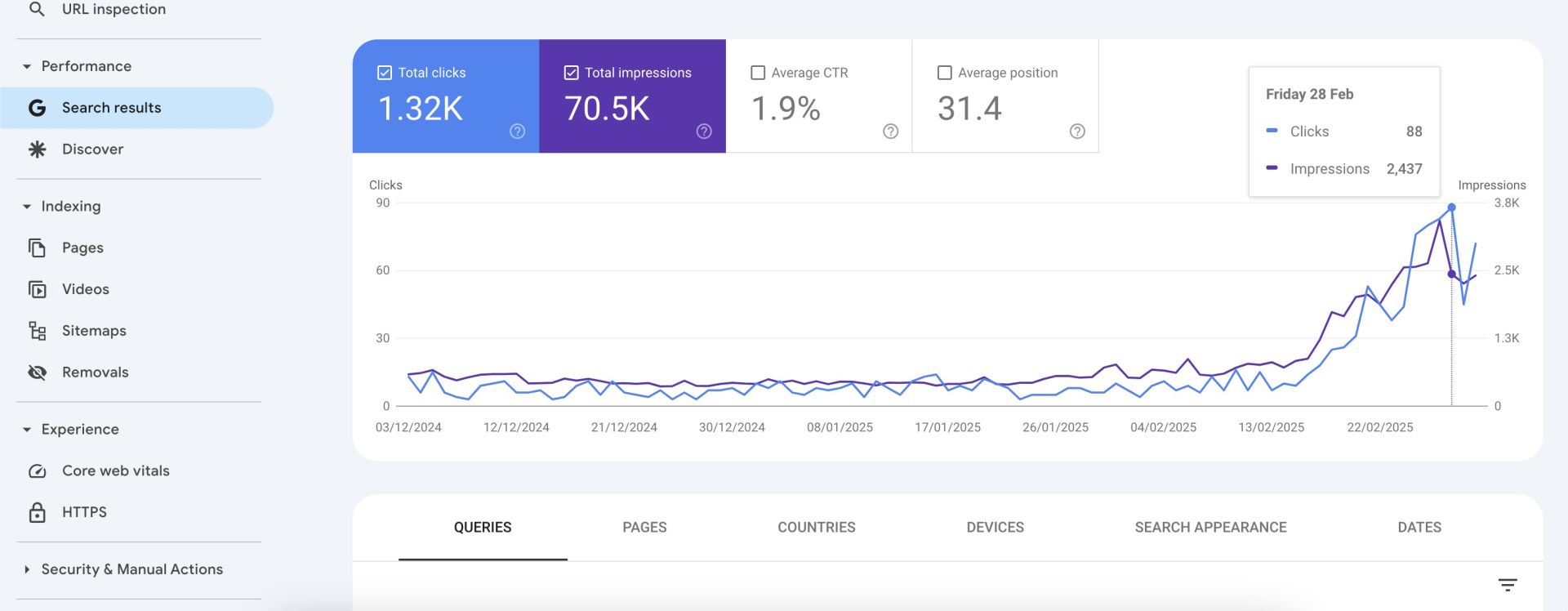
Here are the results of our SEO efforts on our own website in 2025
Strategic Planning: Setting SEO Goals
Before diving into writing, set clear objectives:
- Attract New Fans: Use popular or niche keywords around your music style to lure fresh audiences.
- Retain Existing Readers: Provide insider insights and exclusives so loyal fans keep returning.
- Promote Gigs or Releases: Time your posts with upcoming events or album drops, sprinkling relevant local or genre keywords.
Having a well-defined plan keeps your blog purposeful and consistent.
Keyword Research for Music Blogging
Dive deep into a keyword research for musicians topic in our in-depth article
Long-Tail vs. Generic Terms
Many bloggers chase broad terms like “music blog” or “album review,” but large sites might dominate those queries. Long-tail keywords (e.g., “best acoustic folk songs of 2025” or “upcoming R&B concept albums”) often face less competition while capturing a more engaged audience. One competitor analysis even suggests focusing on a single main keyword per post prevents confusion for both readers and search engines.
Tools and Techniques
- Google Keyword Planner: Helps identify relevant terms and approximate monthly search volumes.
- Ahrefs or SEMrush: Delve deeper into competition metrics, spotting lower-competition phrases that still have traffic potential.
- Autocomplete: Enter partial queries in Google’s search box to see real user queries (e.g., “latest hip-hop album re…” might reveal “latest hip-hop album reviews 2023”).
Balancing Branding and Topic Relevance
If you’re a musician yourself, ensure the blog covers both your brand-specific keywords (like your name or band name) and general music topics you’re an authority on. For a music journalist or dedicated music blogger, emphasize sub-genres or recurring columns (e.g., “Folk Friday” or “Synthwave Saturdays”) with relevant search-friendly phrases.
Crafting Engaging Blog Content
Topic Ideas That Rank (and Resonate)
- Album Reviews: Offer detailed commentary on new releases, focusing on unique angles that separate your blog from generic reviews.
- Behind the Scenes: Show your process for writing, recording, or rehearsing. Readers love glimpses into the creative flow.
- Industry Opinion Pieces: Reflect on the state of a genre or music business. If your argument is fresh and timely, it can spark social shares and inbound links.
- Event Coverage: If you attend festivals or local gigs, recap them promptly. Use local or event-specific keywords (like “Jazz Fest recap in Chicago 2025”).
- Tutorials/How-To: If you produce or play instruments, share your knowledge. “How to record a DIY EP on a budget” or “How to mix live instruments for a streaming session.”
Structure for Readability
Music fans might come for the content but leave if faced with a wall of text. Break it up with:
- Subheadings: Each sub-topic has an H2 or H3. This is also where you incorporate your focus keywords.
- Short Paragraphs: 2-4 sentences typically keep readers engaged.
- Lists/Bullets: Perfect for summarizing album highlights or top songs.
- Images/Media: Insert album covers, gig photos, or embedded audio players. Not only does it add flair, but you can also add alt text for SEO.
Length and Depth
Multiple competitor analyses show posts under 300 words rarely rank well. Aim for 800+ words of thoughtful commentary. However, avoid fluff—relevancy and clarity matter more than word count.
Need help writing your articles? Check out our AI Blog Post writer for musicians!
On-Page SEO Essentials
Meta Titles and Descriptions
- Title Tag: Keep under 60 characters, featuring your main keyword. Example: “Indie Rock Album Review: [Album Name] (2025).”
- Meta Description: Summarize your post in 150-160 characters, mentioning the same keyword and a short call-to-action, e.g., “Discover an in-depth review of [Album]—tracklist breakdown and rating included!”
URL Slugs
- Simplicity: Avoid extra words, dynamic parameters, or dates.
- Keywords: If your main keyword is “best new pop albums,” your slug might be “/best-new-pop-albums/.”
Internal Linking
- Contextual Links: Mention a past album review or a relevant “Top 10 Tracks of the Year” piece, linking anchor text naturally. For instance: “Check out my detailed [EDM festival recap] from last summer.”
- Site Architecture: A clear blog structure (like yoursite.com/blog/) helps search engines crawl consistently.
Image Optimization
- File Names: Instead of “IMG001.jpg,” rename to “band-name-new-album-cover.jpg.”
- Alt Text: Provide a short, descriptive alt text referencing the content, like “Cover art for Artist’s new album, 2025 release.”
- Compression: Tools like TinyPNG or ShortPixel keep image quality high but reduce file size, boosting load speeds.

Ramping Up Ranking Potential
Publish Consistently
Post frequency signals “freshness” to search engines. Even if it’s monthly, maintaining a schedule fosters user trust. Overly ambitious schedules often lead to burnout or shallow posts.
Long-Tail, Then Broader Terms
A smaller blog can initially rank for “underground shoegaze EP review” more easily than “music review.” As your domain authority grows, you can tackle broader topics with heavier competition.
Historical Optimization
If you wrote “Best Songs of 2019,” revisit it in 2025 with updated references or a new “Top” list. Refresh older content with current facts or album links, and watch Google re-crawl and potentially re-rank.
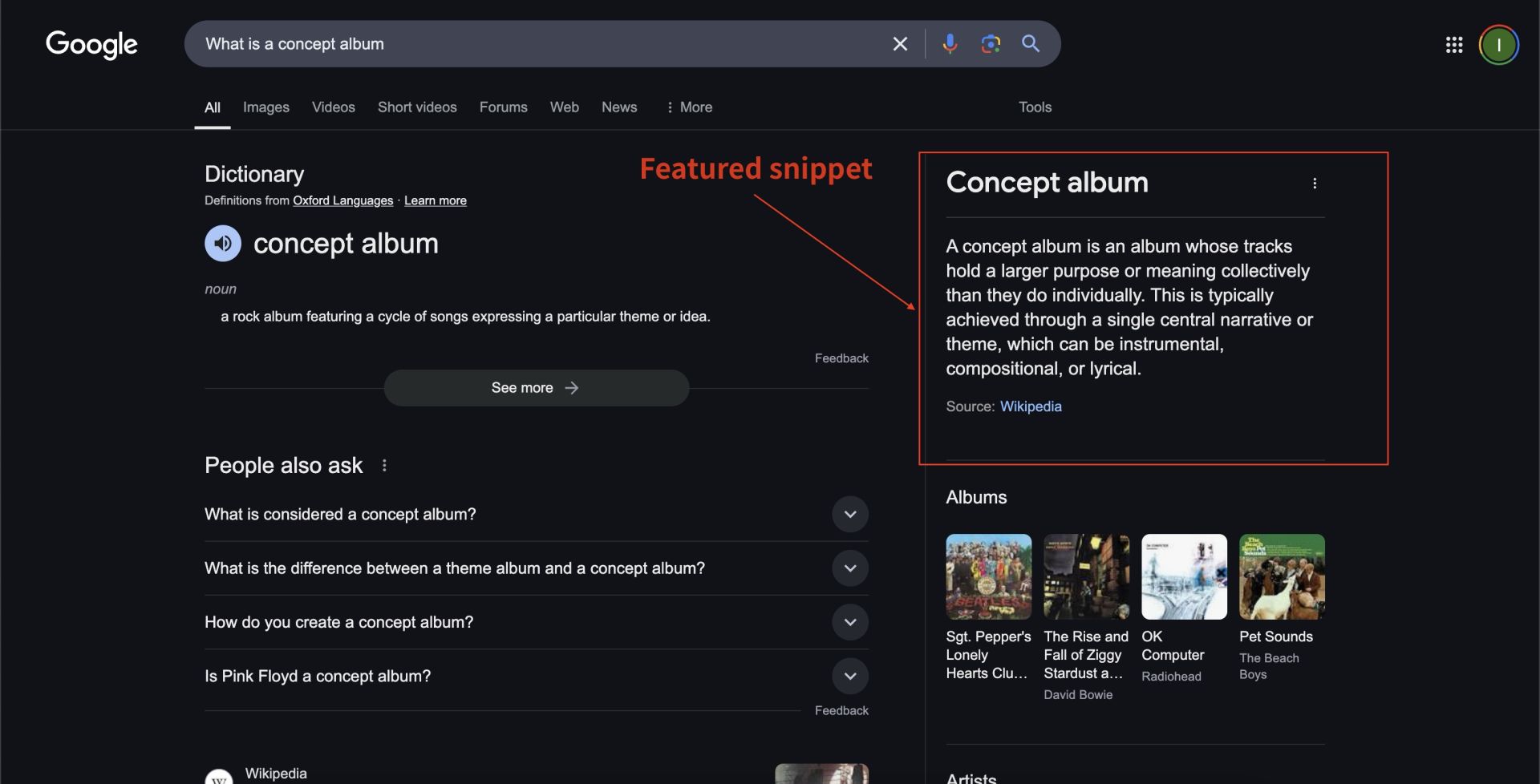
Featured Snippets
Position your content to answer direct questions, e.g., “What is a concept album?” Provide a concise 40-60 word explanation. Google may select that chunk as a snippet, boosting your visibility.
Promoting Your Blog for SEO Gains
Social Media Sharing
While social shares aren’t direct ranking factors, they encourage link-building and brand mentions. Platforms like Twitter or TikTok let fans pass around your articles quickly.
Guest Blogging
Offer to write articles for other music sites or do cross-promotions with fellow bloggers. Each mention or backlink from a reputable site strengthens your domain authority.
Email Newsletters
If you build a mailing list, you can consistently drive traffic to your new posts. That immediate traffic burst can help with early engagement metrics (like low bounce rates), which can support better ranking.
Potential Blog Topics for Musicians
1. Behind the Lyrics
Dive deep into the meaning of a new track you wrote. Explain the personal experiences or social themes that inspired your songwriting, providing an intimate glimpse into your creative process.
2. Gear Reviews
Discuss the tools you use for production or performance (amps, digital audio workstations, mics, pedals). Offer honest feedback and share tips on how you integrate each piece of gear into your workflow.
3. Local Scene Updates
Shine a spotlight on other local acts in your hometown or touring region to foster a sense of community and cross-promotion among musicians.
4. Music History
Explore the roots of your genre or highlight underrated influences that shaped your style. Deep dives on iconic albums or lesser-known pioneers can educate and entertain your readership.
5. Fan Spotlights
Feature stories or interviews with fans who have interesting connections to your music or show. This personal touch celebrates your community and strengthens the fan-artist relationship.
6. Studio Diaries
Chronicle each step of recording an EP or album, from writing demos to final mastering. Readers love to see real-time progress and behind-the-scenes insights into the production process.
7. Live Show Recaps
Recap each gig or tour stop with photos, short videos, and reflections on the performance. Discuss highlights, setlist changes, crowd reactions, and funny anecdotes to bring fans closer to your stage experience.
8. Songwriting Tips & Tutorials
Offer structured how-tos on composing melodies, building chord progressions, or writing stronger lyrics. If you’re knowledgeable about music theory or arrangement, this can position you as an expert.
9. Collaborations & Guest Features
If you’ve partnered with another musician or producer, detail how that relationship came about and what you learned from each other. This content can also cross-promote your collaborator’s audience.
10. Industry Commentary & Advice
Weigh in on broader topics like streaming royalties, festival lineups, or the future of live performances. Sharing opinions on industry developments can showcase your depth of knowledge and keep fans informed.
Tracking and Refining SEO Efforts
Analytics Tools
- Google Analytics: Monitors traffic sources, popular pages, bounce rate, etc.
- Google Search Console: Shows your ranking for queries, click-through rates, and any indexing issues.
Key Metrics to Monitor
- Organic Visits: Are your music-related queries driving more traffic over time?
- Time on Page: If fans are only reading for 5 seconds, consider more engaging intros or better text layout.
- CTR: Evaluate how many search impressions lead to clicks. If CTR is low, refine your titles or meta descriptions.
Adapting to Trends
Music trends evolve. A hot new sub-genre or upcoming festival can be perfect fodder for your blog. Shift your content strategy accordingly, and track how each topic performs. Double down on successful angles.
Frequently Asked Questions (FAQs)
Q1: How long should my music blog post be for SEO?
A: Aim for at least 600-800 words. Many successful blogs push 1,000+ words if the subject demands detail. Quality trumps quantity, but short posts under 300 words rarely rank well.
Q2: How do I choose the right keywords for my posts?
A: Combine niche/genre-specific phrases (“top ambient albums of 2025”) with basic terms (“album review,” “new music release”). Tools like Google Keyword Planner or SEMrush reveal search volume and competition data.
Q3: Should I unify my band’s official site and blog, or keep them separate?
A: Generally, keep them integrated. Placing your blog under your main domain (e.g., yoursite.com/blog) centralizes SEO authority and brand presence. Subfolders typically outperform subdomains for search synergy.
Q4: Can I re-publish content from my blog on other platforms like Medium?
A: Yes, but do so carefully—set canonical tags or use “rel=canonical” to avoid duplicate content issues. Or post a snippet on Medium, linking back to your full post.
Q5: Is it necessary to maintain a strict posting schedule?
A: Consistency matters more than sheer frequency. A monthly or bi-weekly schedule is fine if each piece is thoughtful, relevant, and well-optimized.