Social Media & SEO: How SM Affect Rankings for Musicians
For many musicians, social media platforms like Instagram, TikTok, and Twitter serve as vital channels for engaging fans, promoting new releases, and sharing behind-the-scenes content. But beyond these direct interactions, social platforms also indirectly affect your SEO (Search Engine Optimization).
Although Google doesn’t count most social media links as direct ranking signals, your presence and activity on these networks can still significantly influence your visibility in search results. Below is a musician-focused look at how social media interplay can bolster your search engine rankings and overall digital presence.
Understanding the Intersection of Social Media and SEO
Social Signals vs. Traditional Links
Backlinks from external websites have long been a core SEO factor. By contrast, most social media platforms use “nofollow” or “noindex” tags, meaning links from your tweets or Instagram posts usually don’t directly pass “link juice.” In other words, a tweet linking to your website doesn’t function exactly like a dofollow backlink from a music blog.
However, robust social media engagement leads to indirect SEO benefits:
- Brand Recognition: Users who discover your name (brand) on social platforms might Google you, boosting brand-related searches.
- Potential Links: Viral or popular social content can prompt bloggers, journalists, or fans to write about you and link to your official site.
- Enhanced Content Sharing: The more your content spreads, the greater chance it has of landing in front of people who can further amplify it in their online publications, thus generating “real” backlinks.
Why Musicians Need a Strong Social Footprint
In a saturated music market, it’s not enough to rely solely on a band website to rank well. Maintaining active, creative social profiles can:
- Prove You’re Current and Legit: Industry folks or local venues often check social channels to gauge your fan engagement and public persona.
- Generate Buzz: A popular TikTok snippet or a trending tweet can indirectly push your name up in search, because more people actively look for your brand.
- Expand Potential Fanbase: Many music lovers discover new artists through short-form video or viral social posts. These interactions can later translate into direct site visits or brand keyword searches.
Instagram for SEO: Showcasing Your Style
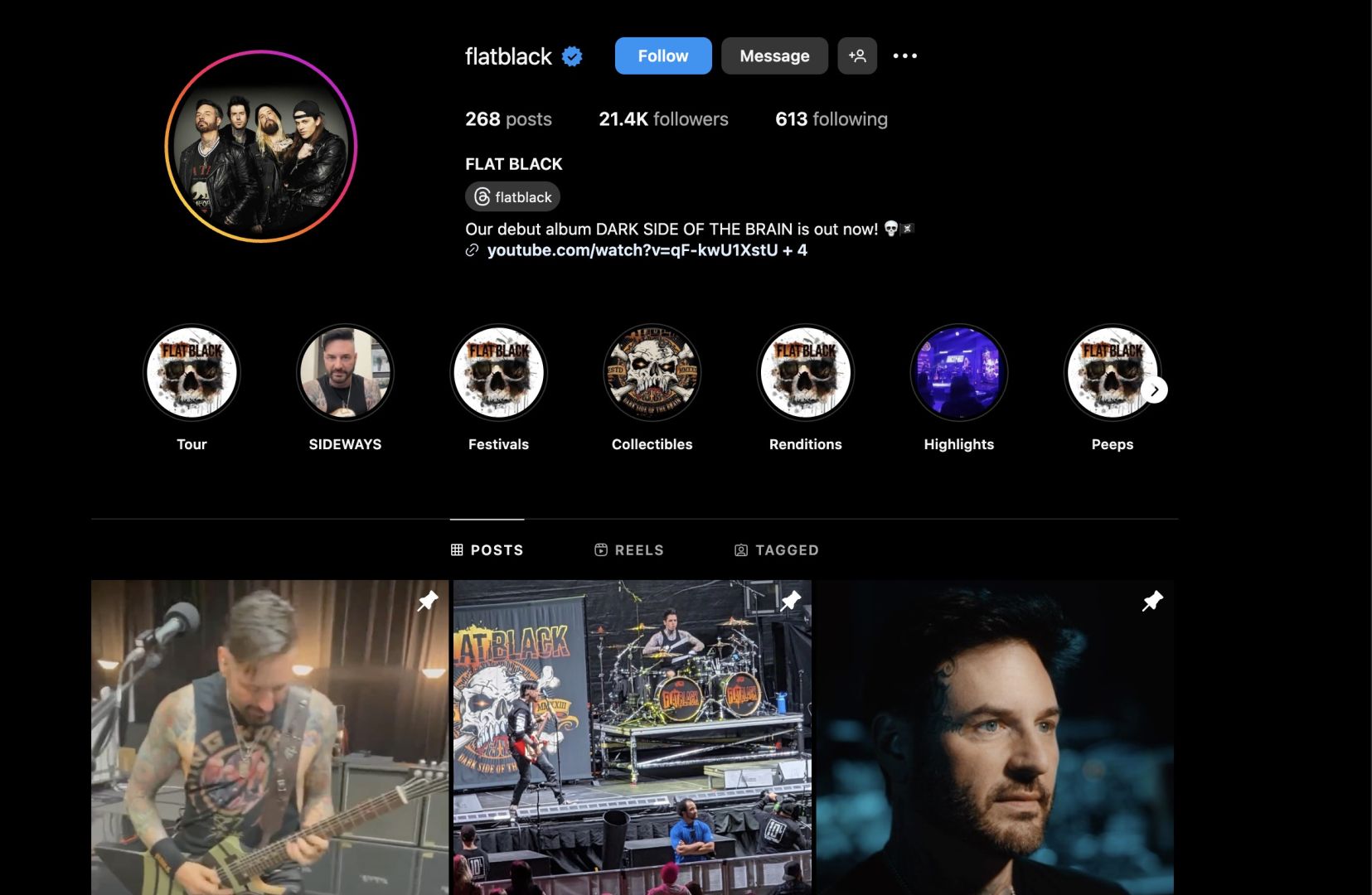
Profile Optimization
- Display Name & Handle: Include your band or stage name. Some artists add a genre descriptor (“Indie Folk Singer”) in the display name for easier discovery.
- Bio Links: Always link to your official website or a “link-in-bio” aggregator that eventually points to your site.
- Contact Info: If you’re open to bookings or press inquiries, let them know how to reach you (email or booking site).
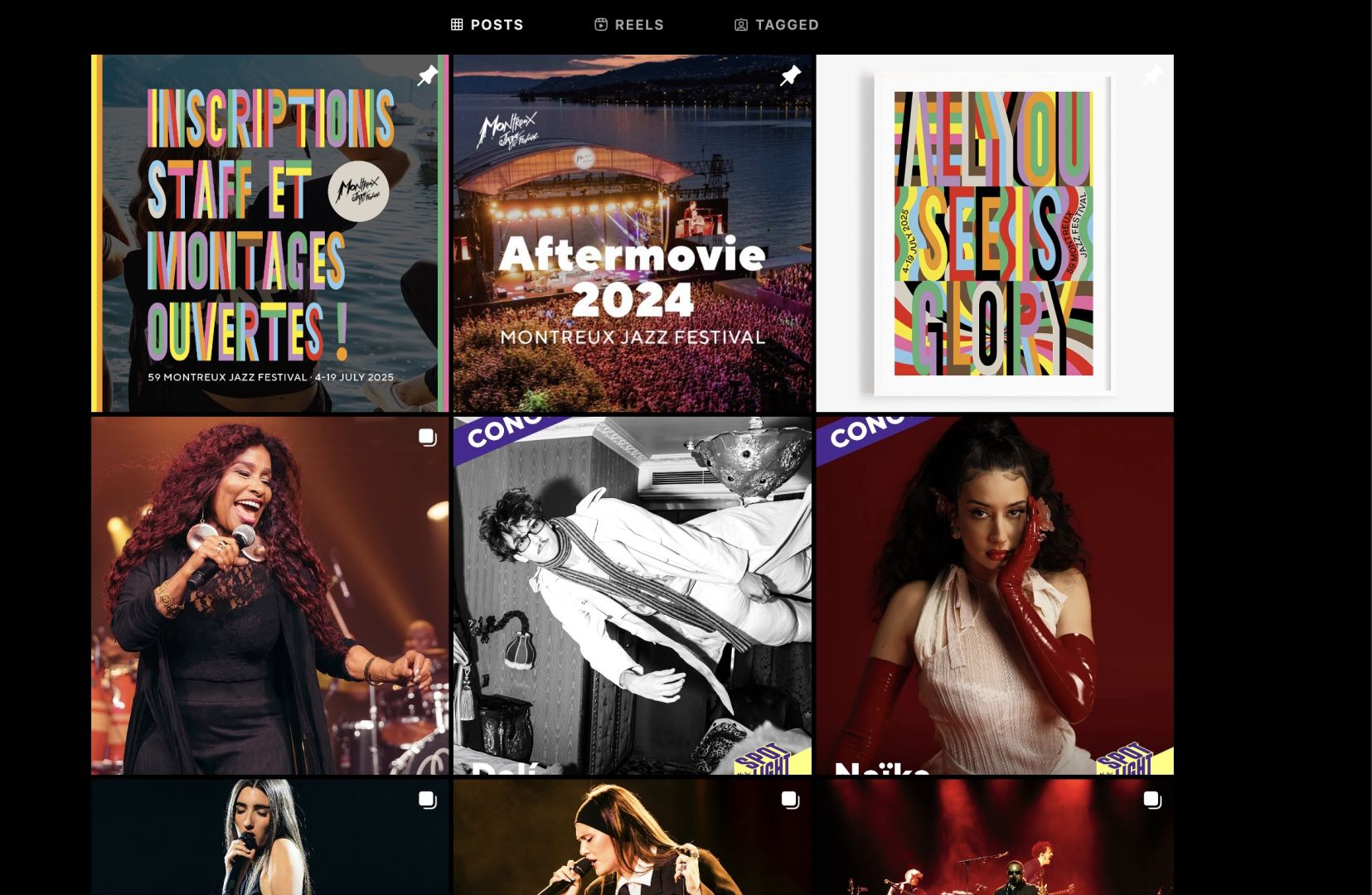
Content and Engagement
- Visual Branding: Eye-catching album art, behind-the-scenes, or gig photos encourage fans to share and mention you.
- Hashtags: While hashtags alone aren’t an SEO factor for Google, they improve your Instagram reach, indirectly leading to brand searches on Google.
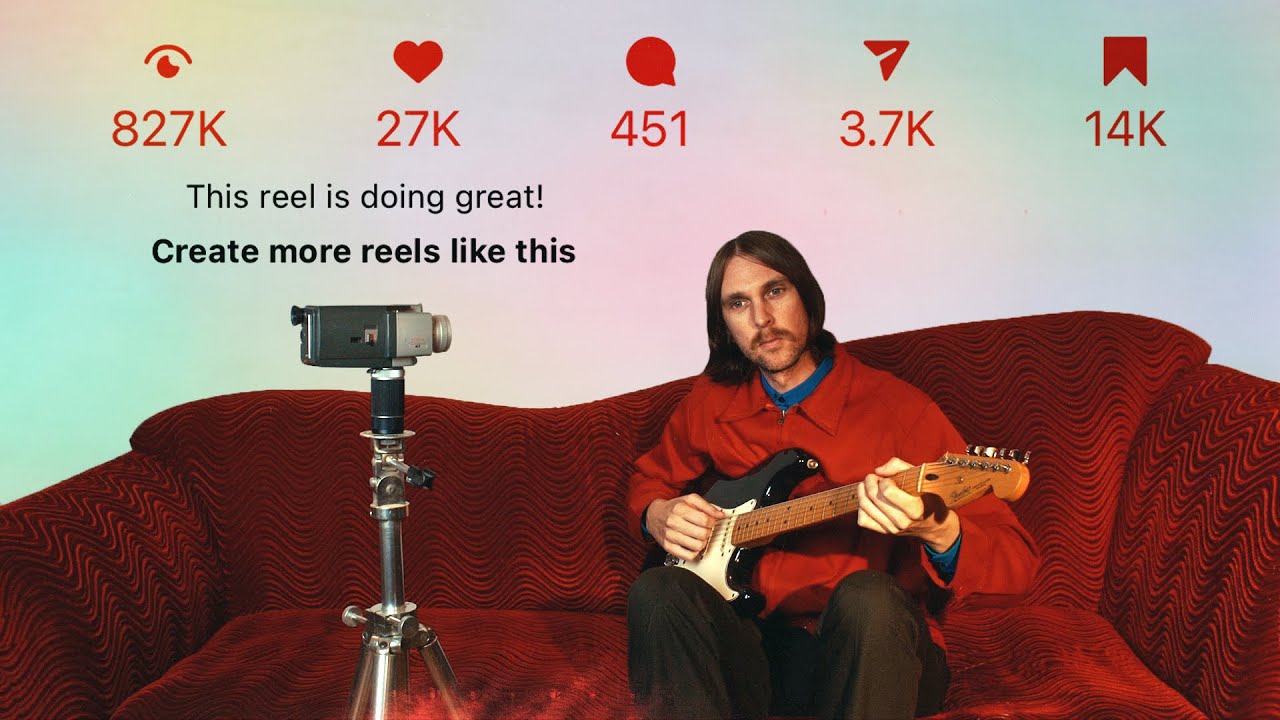
- Stories & Reels: Short Reels or stories that go viral can create spikes in brand name searches, an implicit factor that may help Google see you as more “popular” or “authoritative.”
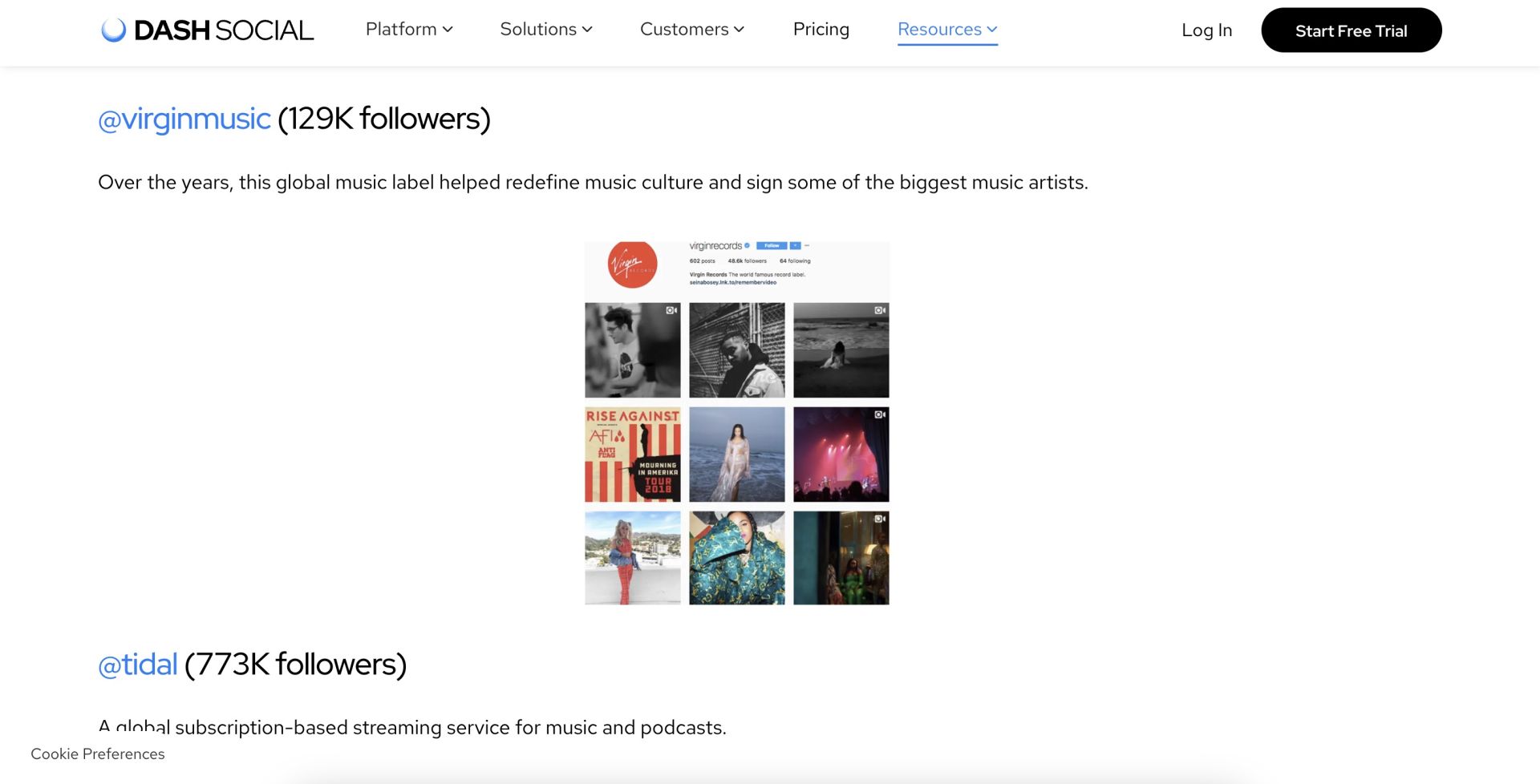
Indirect Link Benefits
If an IG post or story draws buzz, music bloggers might embed your post on their site or link to your site as a reference. This can lead to actual SEO-boosting backlinks from these external sources.
TikTok: Short Videos with Long SEO Impact
Virality and Brand Awareness
TikTok thrives on creative short clips that can quickly go viral. For musicians, this might mean:
- Sound Previews: Teasing an unreleased track snippet.
- Live Performance Teasers: Quick clips from a practice session or live show.
A widely-shared TikTok can lead to:
- Journalists covering your new viral trend.
- Music fans searching your band name in Google.
- Local media featuring you in “Bands to watch” segments (hence more backlinks).
Links in Bio or Link Tree
TikTok’s external linking options are limited compared to some platforms, but you can often put a link in your profile or use a “link in bio” aggregator. While not a direct SEO link, it can funnel fans to your official site, increasing traffic. A jump in direct or brand search traffic can, in turn, help your site’s overall SEO performance.
Collaboration with Other Musicians
Duets or collaboration videos can spark cross-audience interest. If your collaborator’s site or fan base references you, that might generate fresh mentions or links in their content or press coverage.
X (Twitter) Role in SEO for Musicians
Real-Time Conversation
X (Twitter) remains a prime platform for immediate interactions:
- Tweet about new singles, gigs, or music videos.
- Hashtag relevant music topics to join trending discussions.
While these tweets generally don’t pass direct link equity, an especially popular tweet can gain attention from media outlets or aggregator sites that link to your official site.
Brand Mentions & Knowledge Panels
Consistent, brand-labeled tweets can help Google confirm your brand’s identity. If your name is frequently referenced, search engines might display your site or social profiles more prominently (like a knowledge panel). Although Google says social signals aren’t a direct ranking factor, brand recognition fosters more external coverage.
Building Relationships & Link Opportunities
Through X, you can engage with local journalists, music bloggers, or event organizers. A direct conversation can lead to deeper coverage or invitations to do interviews—both of which can yield authoritative backlinks to your site.
Implementing SEO Best Practices on Social Media
Consistent Branding
Use the same name, handle, or consistent variations across Instagram, TikTok, and Twitter. This alignment helps search engines correlate your brand mentions across platforms, boosting your authenticity.
Link to Your Site & Key Pages
Make sure each social profile has your official website in the bio or about section. If you have multiple calls to action (like merch store, EPK, or album page), consider using a link aggregator (Linktree, for instance) that points to your website or specific pages.
Encourage Sharing from Your Site
Add social sharing buttons on your site’s music blog posts, video pages, or merch announcements. The easier it is for fans to share your content on Twitter or Instagram, the higher chance of attracting new visitors (and possibly new backlinks from those who see it).
Validate Your Profiles
- Instagram: A verified badge can encourage more trust from potential fans or media looking to feature you.
- TikTok: If possible, aim for verification once you have a large following or consistent viral content—this can build brand credibility.
- X: X’s verification or using a recognized handle helps people quickly confirm they’re dealing with the official account.
Monitoring Social Signals & Impact on SEO
Track Brand Mentions
Use tools like Google Alerts, Mention, or even manual searches to see who is referencing your musician name or content. This helps identify new link opportunities or coverage you can further promote.
Watch for Traffic Spikes
Monitor your site’s referral sources in Google Analytics to see if a particular tweet or TikTok post is bringing a flood of new visitors. High engagement might clue you in on topics or music angles that resonate well, prompting you to produce more of that content.
Evaluate SERP Changes
Check whether your site’s ranking for brand keywords or general music terms improves after a big social campaign. If brand searches increase or you secure new backlinks from your social sharing spree, you might see upward movement in SERPs over time.
Potential Pitfalls
Over-Reliance on Social
Social presence is crucial, but you shouldn’t rely on it alone for SEO success. Consistent, high-quality content on your website, backlinks from reputable sources, and technical SEO remain essential. Social can amplify or spark these efforts, but it’s not a substitute for robust on-site optimization.
Fake Engagement
Boosting numbers with paid likes or artificially inflating shares doesn’t help your SEO in a meaningful way. Search engines look for genuine brand interest. If your post is artificially inflated but no real coverage or external linking emerges, it yields minimal SEO benefits.
Changing Algorithms
X’s relevancy, TikTok’s visibility, or Instagram’s feed algorithms may fluctuate. Keep an eye on changes and adapt your content strategy. What goes viral in short-form video might differ from what works for building community on a microblogging platform like Twitter.
Frequently Asked Questions (FAQs)
Q1: Do social media links directly improve my Google ranking?
A: Typically not. Most social media links are “nofollow,” meaning they don’t pass direct SEO “juice.” However, social presence can generate brand searches, mention opportunities, and real backlinks from media coverage.
Q2: Should I focus on one platform or use all of them?
A: It depends on your target audience and resources. Some musician communities thrive on TikTok, others on Instagram or Twitter. At least maintain a presence on the platforms where your fans or industry peers are most active.
Q3: How can I turn social engagement into backlinks?
A: Offer link-worthy content on your site that you promote via social. If people find it valuable, they may mention and link to it in blog posts or on music news sites.
Q4: Is a large social following guaranteed to help my SEO?
A: Not necessarily. While a big following can mean better brand recognition, real SEO boosts come from external site mentions, brand queries, and link-building. Social presence is often the spark that leads to coverage or brand citations online.
Q5: Does the timing of my posts matter for SEO?
A: While direct SEO rank changes won’t happen instantly, posting when your audience is online can create more engagement and potential shares. Over time, robust engagement can lead to brand awareness that fosters better SEO signals.
Conclusion
Building a strong social media presence on Instagram, TikTok, and Twitter can support your SEO in meaningful ways—especially for musicians looking to expand their audience. While social links themselves might not pass direct ranking power, a thriving community and viral content can prompt journalists and music sites to link back to you, which does directly boost your site’s authority. Combine your strong social strategy with a well-optimized website, engaging on-site content, and consistent brand messaging, and you’ll create a synergy that drives real growth for your music, both online and off.