Case Study: Namesake on Google Search

Does your website show up in Google searches for your name? If so, congratulations!
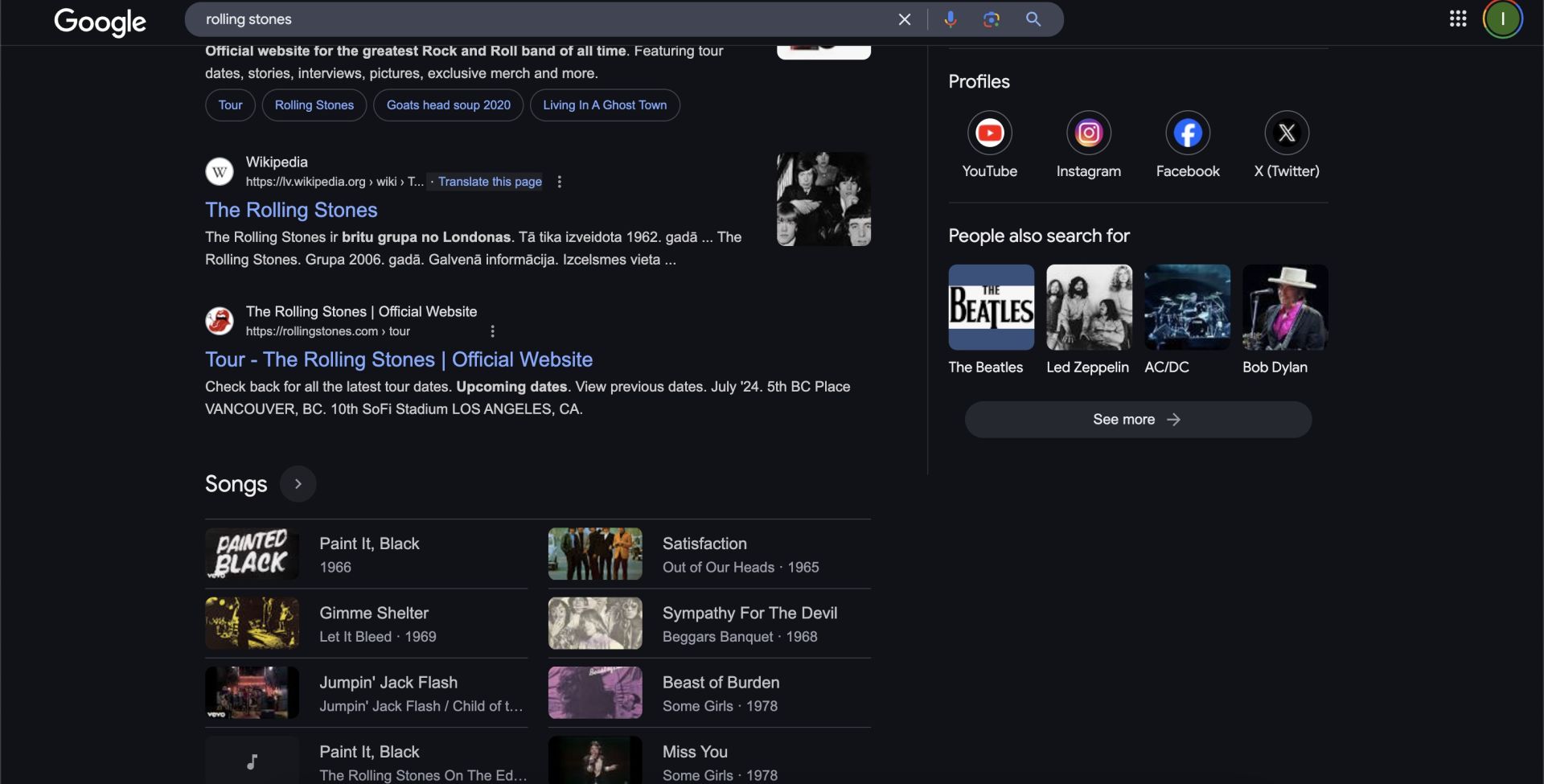
However, sometimes it is not so easy to get your website on the first page of Google search results, even when people search for your name. Especially, when there is another musician who shares the same name and surname as you.
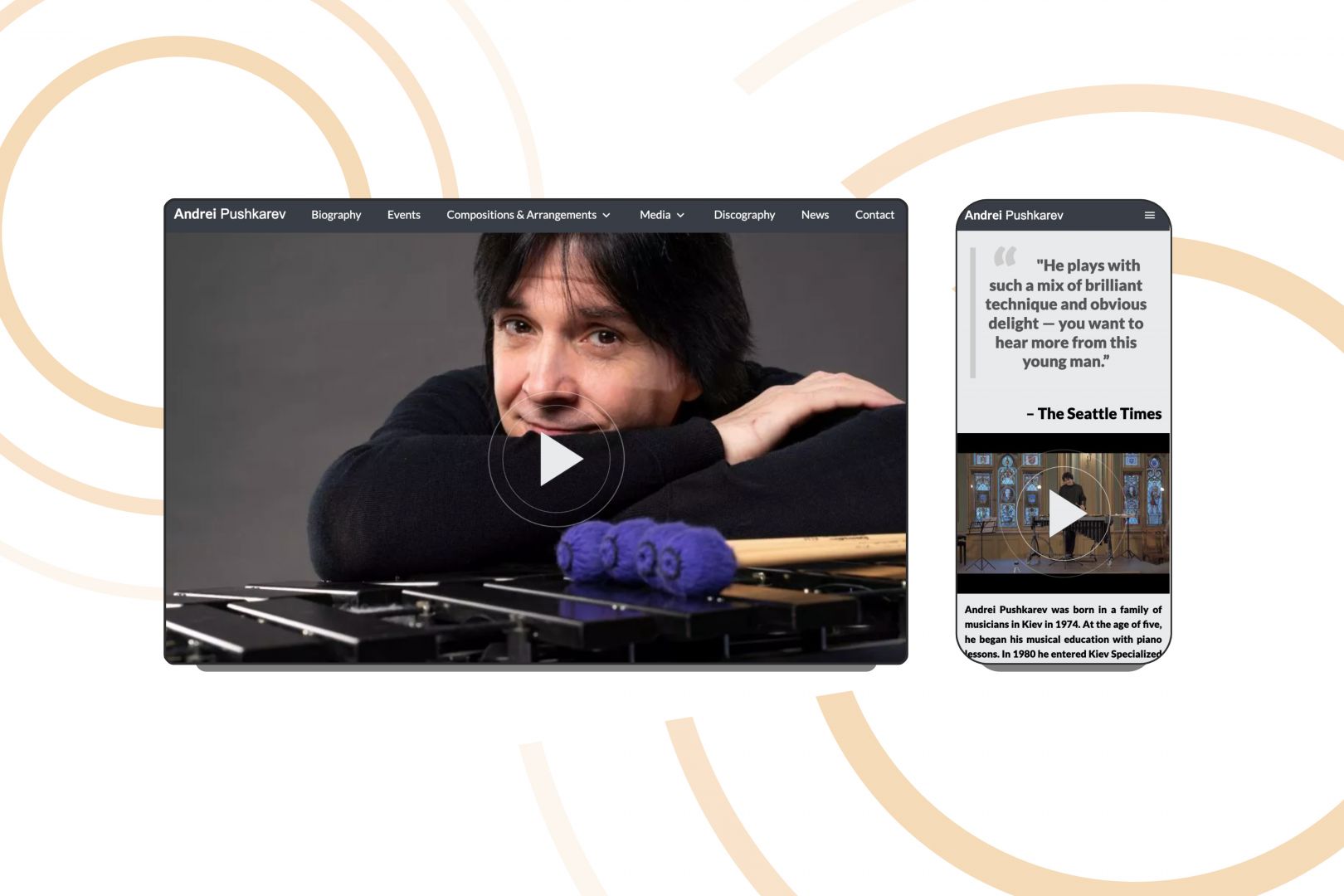
I encountered this problem with a website we created for a wonderful musician and close friend Andrei Pushkarev.
Problem – website didn't show up on page 1 of Google search result for artist's name
There were 3 main reasons:
- There is another musician with the same name who has a solid online presence and had a website long before my friend. So when people searched for my friend, they found a completely different musician instead.
- Andrei has been mentioned on many reputable websites. Google assigns an authority rating to each website domain and page. The more reputable the website is, the more likely it is to appear at the top. Andrei has a successful career as a soloist and chamber musician. His name is mentioned on many websites, including many prestigious concert halls, festivals, media (including the New York Times) and so on. When people searched for his name, these websites appeared first in the search results.
- Andrei's website had no inbound links (backlinks). Backlinks are links from one website to a page on another website. Google considers backlinks as "votes" for a particular page. Sites with a high number of backlinks usually have high rankings in organic search engines. Since there were no links to Andrei's brand new website, Google preferred to show other pages when his name was searched for.
Solution – How to bring a website to page 1 of Google Search Results
Before publishing a website
Website structure
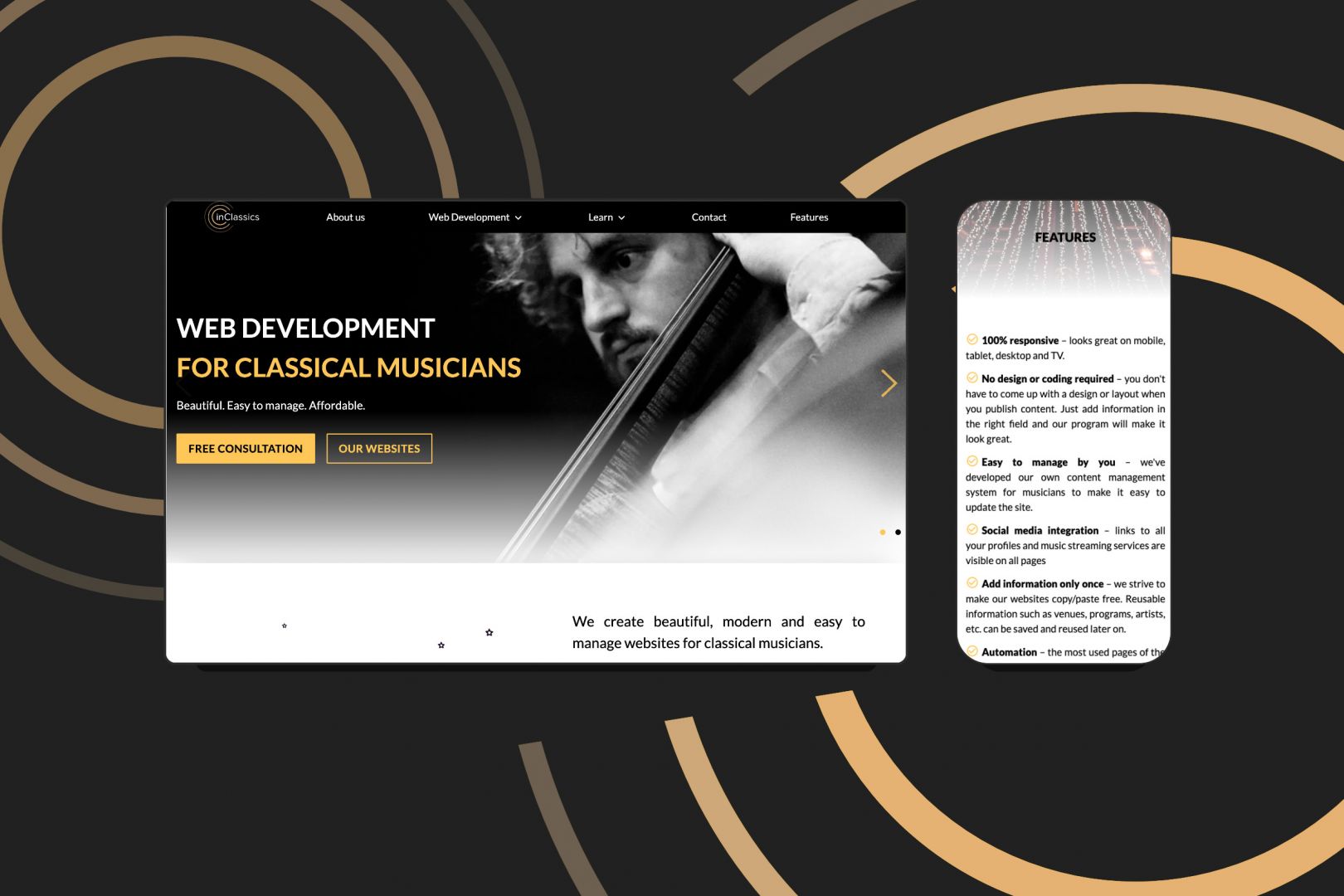
Using our own CMS and a website builder, we created a website that was well-structured, organized, mobile-friendly, and loaded quickly. As Google aims to present the best user experience to its users, it will always show well created websites first.
Content
In addition to the usual pages like homepage and bio, we also worked with Andrei to create special pages for his arrangements and compositions. This helped to add meaningful content to the website and to use different combinations of his name in a way that people can search for it ("musician Andrei Pushkarev", "Andrei Pushkarev vibraphonist", "compositions by Andrei Pushkarev", etc.)
Meta tags
We also added meta titles and meta descriptions to each page, using different combinations of relevant keywords. These meta tags are indexed by Google and influence the ranking of the website.
After publishing a website
Adding to Google Search Console
First, we added a website to Google Search Console and submitted it for indexing (we asked Google to crawl the pages and learn about this website).
Created links
Andrei added the link to his website to all of his social media accounts, giving Google an indication that it is indeed his official website. We also added his website to Andrei's profile of the orchestra in which Andrei performs. The link from a reputable website is always a great help for Google rankings.
Sharing on social media
We also shared his website on our social media channels, generating more links to his website from different sources
Analyzed, adjusted and repeated
We checked the ranking of Andrei's website on Google on a weekly basis. The ranking increased steadily over the following weeks. We experimented with meta titles and descriptions and continued to monitor progress.
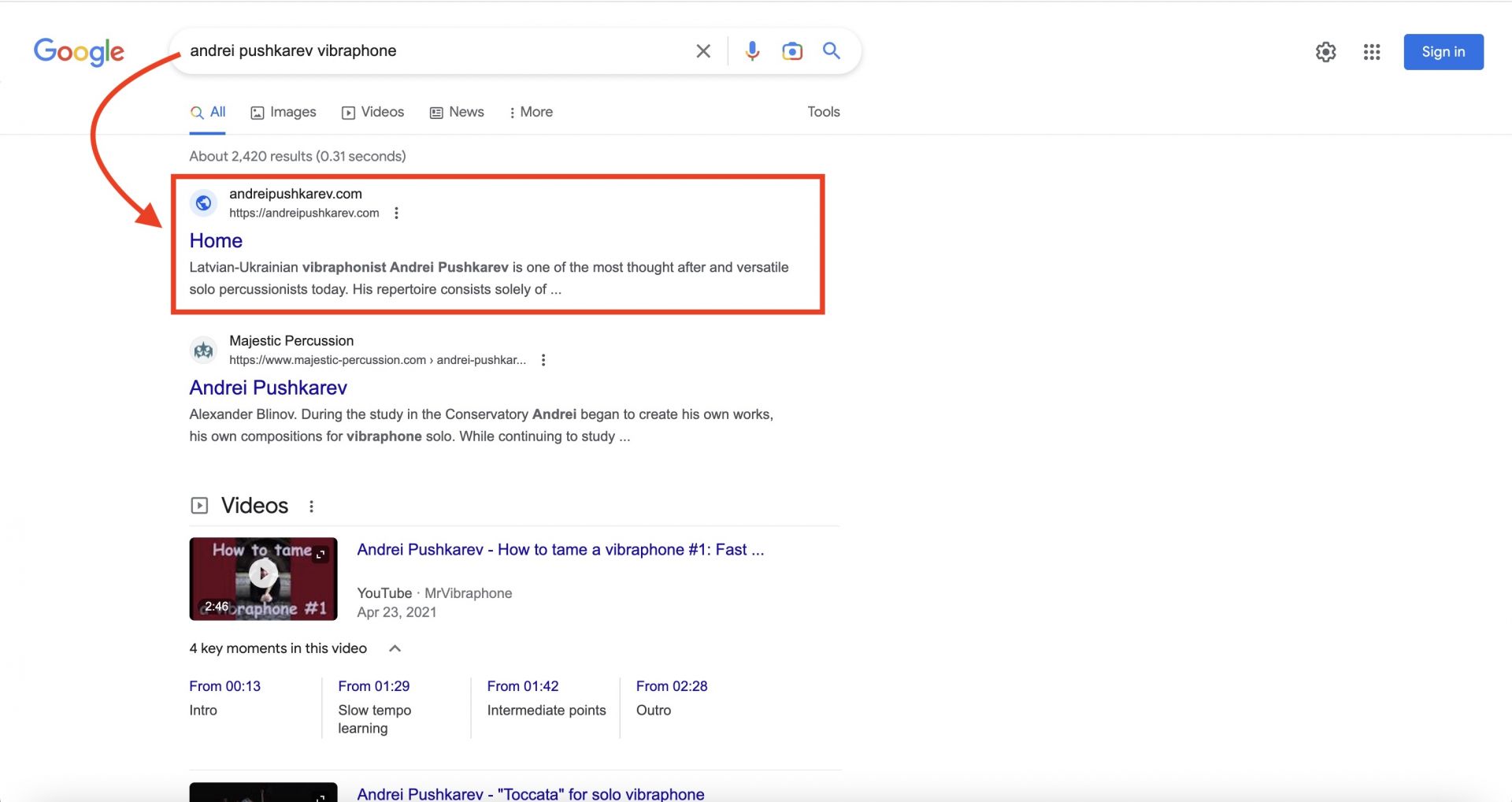
After a few weeks, we finally brought Andrei's website to the first page of Google search results for all major keywords ("Andrei Pushkarev", "Andrei Pushkarev musician", "Andrei Pushkarev vibraphone", "Andrei Pushkarev composer", "Andrei Pushkarev arrangements", etc.)