Student Pianist Bio: Examples & Templates for Your Music Portfolio
Introduction
A well-crafted student pianist resume is essential to building a successful music career. Whether you are applying to music schools, entering competitions or performing in concerts, a compelling bio presents your accomplishments, training and projects to judges, listeners, and fellow musicians.
Your professional biography provides a first impression and gives organizers and audiences an insight into your background and achievements. A poorly written bio can make you appear inexperienced, while a polished professional bio can highlight your creativity, collaboration and professionalism.
In this guide, we address the following:
✅ What makes a good resume.
✅ How to write an effective professional CV.
✅ Templates and examples for different situations.
✅ Marketing strategies to make your resume stand out.
By the end, you’ll have the tools to create an engaging bio that reflects your unique journey as a musician.
Check out our free AI Musician bio generator to help you get started!

What is a student pianist biography?
A student pianist biography is a brief description of your musical career, skills and accomplishments. It is used in concert programs, websites, publications and portfolios to provide information about your background.
Why is a biography important?
- For music schools: Admissions officers use it to evaluate your background and education.
- For concert programs: You introduce yourself to the audience before a performance.
- For bookers and clients: A meaningful professional biography helps to secure performances, teaching assignments or collaborations.
- For marketing and advertising: Your biography appears on your website, in social media and in publications and is therefore an important part of your brand.
Short biography vs. professional biography
There are two common types of pianist biographies:
✅ Short biography: a one-paragraph version (50-100 words) used for concert programs, social media and short introductions.
✅ Professional biography: A longer version (150-300 words) used for websites, publications and portfolios, including details of training, achievements and projects.
A well-structured professional bio is more than just a list of awards — it tells your story as a musician and establishes a connection with your readers.
Key elements of a strong pianist bio
When writing a biography of a student pianist, it’s important to include the right information while keeping it concise and engaging. Here are the key elements:
1. Basic information
- Your name and instrument.
- Years of experience and musical background.
- Any affiliation with schools, bands or ensembles.
2. Education and training
- The schools or conservatories you have attended.
- Notable teachers or mentors.
- Workshops or master classes you have attended.
3. Achievements & Awards
- Competitions, awards and recognitions.
- Performance highlights (recitals, concert programs and collaborations).
4. Projects & Cooperations
- Remarkable band members, duets or orchestral performances.
- Participation in recording projects or film music.
- Any involvement in music education initiatives.
5. Contact information and links
- Website, email, social media and links to publications.
- Ways in which people can reach you.
Focusing on these key elements will ensure that your resume is complete and professional.
Tips for a student pianist biography
A well-written student pianist resume should be engaging, informative and professional. Here are the top tips to help you write an effective resume that leaves a lasting impression.
1. Keep your audience in mind
Think about who will be reading your bio— bookers, clients, teachers or audiences. A bio for a concert program should be brief and highlight accomplishments, while a bio for a website should be more detailed and include information about projects and collaborations.
2. Focus on the most important achievements without getting lost in details
Your resume should contain essential information, but not too much unnecessary detail. Instead of listing every award or competition, highlight a few key accomplishments that highlight your talent.
3. Use a professional tone while showing your creativity
- A professional resume should be concise and well-structured.
- Don’t be afraid to be creative — quotes or narrative elements can make your resume more interesting.
- Avoid generic phrases such as “loves music” or “passionate about playing the piano”. Instead, mention specific achievements and unique aspects of your career.
4. Structure your biography so that it is readable
- Use short paragraphs (maximum 3-4 sentences).
- Start with a captivating introductory sentence.
- Conclude with contact information or links to your website or portfolio.
5. Customize your bio for different uses
- Short version: Ideal for concert programs, festival brochures and social media (50-100 words).
- Longer version: Best for websites, publications and marketing materials (150-300 words).
If you follow these tips, your bio will stand out and make a strong impression.
Examples of biographies of student pianists
Here are five bio examples tailored to different situations. Use them as templates to create your own!
Example 1: Short bio (50 words)
Jane Doe is a pianist and student at XYZ Conservatory, where she studies with Professor John Smith. She has won several piano competitions and has performed at Carnegie Hall. Jane is passionate about classical and contemporary music and regularly participates in student workshops and performances.
Example 2: Professional bio for a website (150 words)
Jane Doe is a classically trained pianist known for her expressive playing and technical precision. She studied at the XYZ Conservatory under the tutelage of Professor John Smith. Jane has won first prize at the ABC International Piano Competition and has performed in major concert halls including Carnegie Hall and the Royal Concert Hall.
In addition to her solo performances, she collaborates with chamber music ensembles and teaches aspiring musicians. Jane is currently working on a recording project combining classical and modern compositions. She also runs masterclasses and music education workshops. For more information, visit her website at janedoe.com.
Example 3: Social media bio example (Instagram, Twitter, etc.)
🎹 Jane Doe | pianist 🎵 | award-winning artist 🏆 | collaborator & educator 📚 | DM for bookings or visit janedoe.com
Example 4: Bio for college applications & competitions (200 words)
Jane Doe, a dedicated pianist and student at XYZ Conservatory, has been studying classical piano since the age of six. She has received several awards, including first place at the ABC International Piano Competition. Jane has participated in numerous music festivals and master classes, like [festival names] and has worked with world-renowned musicians including [ artist names]. Her passion for performing extends beyond solo recitals — she has collaborated with chamber music ensembles and acted as accompanist for choirs and instrumentalists. In addition to performing, Jane is heavily involved in music education and often teaches younger students. Her aim is to continue her studies and contribute to the world of classical music through her performances, recordings and teaching. For more information, visit janedoe.com.
Example 5: Biography of a band member (100 words)
Jane Doe is the pianist of The Melody Ensemble, a contemporary chamber music group that blends classical and modern influences. With a background in classical piano, Jane has participated in national competitions and collaborated with various musicians. She brings a unique flavor to the band’s sound by combining technique and artistic expression. Jane has been involved in several recording projects and is passionate about exploring new styles of musical. For bookings and inquiries, visit themelodyensemble.com.
These bio samples can be modified to suit your needs. Whether you are submitting your bio for a concert program, competition or website, always tailor it to your specific goals.
Formatting your pianist bio for different uses
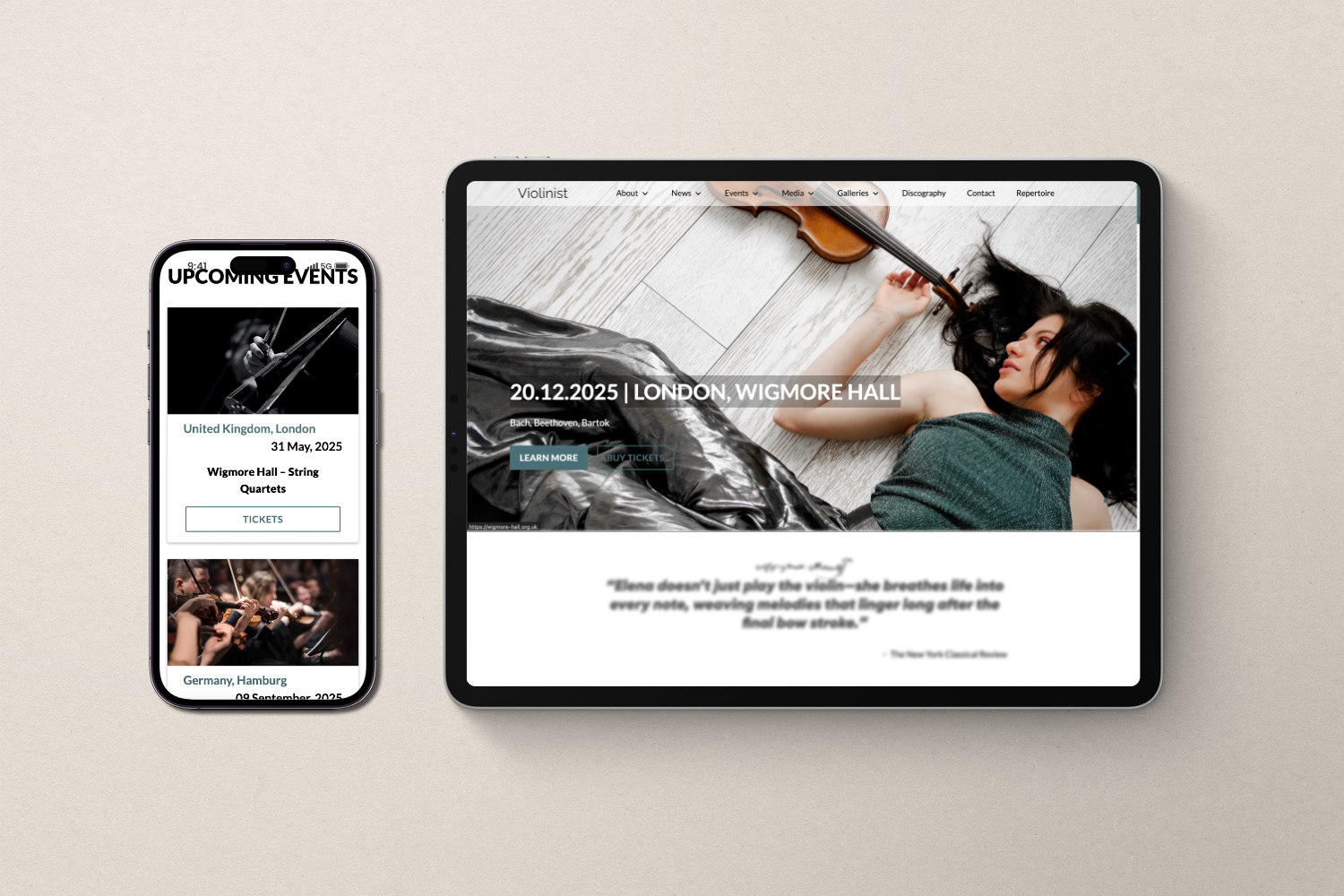
1. Website Bio Formatting
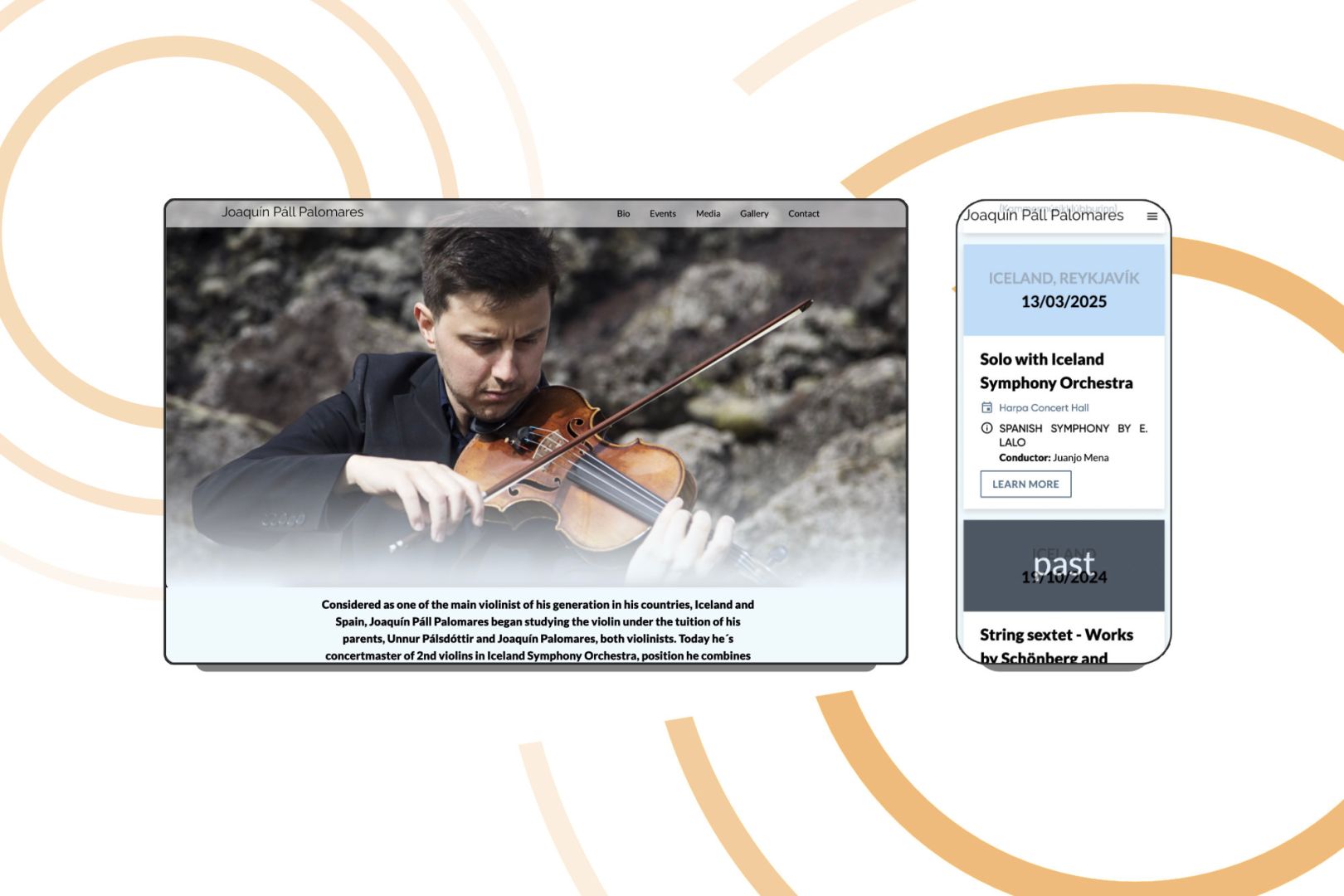
A website bio should be well organized and contain clear sections:
- Hook (short catchy paragraph that represents you and catches reader's attention)
- Introduction (Who you are, background and education).
- Most important achievements (awards, competitions and major performances).
- Collaborations and projects (work with other musicians, recordings, etc.).
- Links & contact information (website, social media and booking email).
2. Short version for concert programs & flyers
- Limit yourself to 50-100 words.
- Concentrate on essentials
- Avoid unnecessary details— listeners want a quick overview.
3. Expand your bio
- If you are submitting a bio for marketing or PR purposes, include additional details about your music career, workshops and accomplishments.
- Include quotes from previous clients, respected artists or publications that highlight your expertise.
- Include media links to performances or interviews.
4. Customization for social media and networks
- Keep it short and engaging (use emojis and hashtags for more visibility).
- Link to your website or portfolio.
- Make it easy for bookers to contact you.
Final tips for a perfect professional bio
1. Proofread and get feedback
Before you publish your bio, proofread it carefully.
- Ask a teacher, mentor or fellow musician to review it for clarity and professionalism.
- Proofread using ChatGPT or services like instatext.io
2. Keep your bio up to date
Your music career will evolve over time —and so will your resume. Update it regularly with new successes, projects, collaborations and awards.
3. Balance between professionalism and creativity
- A professional resume should reflect your talent and credibility while maintaining your creativity.
- Use quotes from mentors, past evaluations or performance experiences to add a unique touch.
4. Customize the bio for different audiences
A bio for a concert program should be short and sweet, while a bio for a website can be more detailed. Customize the length and style depending on where you want to use it.
5. Add links and contact information
Include relevant links to your website, email, social media and recordings so bookers, customers and schools can learn more about you.
6. Use templates to save time
If you’re struggling with writing, use a bio template as a starting point and customize it to your style.
8. Conclusion
A strong piano student resume is an important tool for developing your music career. Whether you’re applying to schools, performing at concerts or networking with musicians, a well-crafted bio will make a lasting impression.
Key takeaways:
✅ Keep it concise, engaging, and tailored for your audience.
✅ Highlight achievements, education, and projects.
✅ Format it differently for concert programs, websites, and social media.
✅ Regularly update your bio with new accomplishments.
Now that you’ve learned the best resume tips, formatting guidelines and examples, it’s time to create your own professional resume!

FAQs
1. What is a piano student's CV and why is it important?
A student pianist biography is a brief description of your musical career, your achievements, your training and your projects. It helps clients, customers, teachers and schools understand your background and expertise. A well-crafted resume is important for:
- Concert programs and recital introductions.
- Applications for schools, competitions and workshops.
- Advertising on a website, social media and in publications.
A strong resume can help musicians stand out from the crowd and advance their careers.
2. How long should a student pianist's CV be?
The length of your resume depends on its purpose:
- Short version (50-100 words): Ideal for concert programs, social media and short introductions.
- Professional resume (150-300 words): Suitable for websites, clients and marketing materials.
- Detailed resume (300+ words): Used for in-depth publications, competitions and educational applications.
3. What should I include in my resume as a pianist?
A well-structured resume should include the following:
✔ Basic information (name, instrument, background).
✔ Education (schools, teachers, workshops attended).
✔ Achievements and awards (competitions, performances, collaborations).
✔ Projects (recordings, compositions, band memberships).
✔ Website links, email and social media for easy contact.
Adding a quote, tribute or personal story can make your bio even more interesting.
4. What is a bio example of a short resume for a student pianist?
Here is an example of a short bio for a concert program:
“John Doe is a pianist studying at the ABC Conservatory under the direction of Professor Smith. He has won several piano competitions and has performed in prestigious concert halls. John has a passion for classical music and jazz and regularly participates in student recitals and master classes.”
5. How do I write a biography that attracts bookers and clients?
Bookers and clients look for professionalism and credibility. This will make your CV more attractive:
- Highlight important accomplishments (awards, concert programs, performances).
- Keep the description clear, concise and appealing.
- Include links to recordings, website and social media.
- Use a confident tone to convey credibility.
A polished bio helps musicians secure projects, collaborations and performance opportunities.
6. What is the best format for a pianist bio on a website?
Your website bio should be easy to read and well structured:
- First paragraph: introduction (hook, background, education, major achievements).
- Middle paragraph(s): Highlight projects, awards, collaborations.
- Last paragraph: Include website links, email and social media to contact you.
A website bio should also include quotes, testimonials and marketing elements to enhance impact.
7. How can I make my resume creative without losing professionalism?
A balance between creativity and professionalism:
- Use storytelling techniques to make your resume captivating.
- Include quotes from teachers, musicians or publications.
- Share a unique example that illustrates your passion for music.
- Avoid generic phrases — use specific details about your music career.
A creative yet professional resume will leave a lasting impression on readers.
8. Can I use the same resume for different purposes?
Yes, but it’s best to customize your bio for different audiences:
- Use a short version for concert programs and social media.
- Expand it into a professional bio for websites, marketing and publications.
- Modify it as needed for specific clients, booking offices and schools.
Having multiple bio templates ready will save you time when applying to different opportunities.
9. Should I include links in my bio?
Absolutely! Add links to your website:
✔ Portfolio or personal website
✔ Music recordings (YouTube, Spotify, SoundCloud, etc.)
✔ Social media (Instagram, Facebook, Twitter, LinkedIn)
✔ Email for professional inquiries
So bookers, clients and students can explore your music career further.
10. What are common mistakes to avoid when writing a pianist bio?
❌ Too much unnecessary information — focus on the most important achievements.
❌ Lack of clarity or structure — use short, engaging paragraphs.
❌ Lack of contact information — add a website, email or links.
❌ No proofreading — errors reduce credibility; always double check spelling and grammar.
If you avoid these mistakes, your resume will be professional and effective.
11. How can a well-written bio help with music marketing?
A well-structured bio can improve your marketing strategy by:
- Increasing credibility with clients, promoters and schools.
- Increasing your discoverability on Google and in music directories.
- Encouraging collaboration with other musicians and band members.
- Strengthening your brand as a musician through consistent messaging.
A biography that reflects your unique path can be a powerful marketing tool.
12. Should I list achievements, even if I’m just starting out?
Yes, even if you are still at the beginning of your music career, you should take this into account:
✔ Participating in workshops, competitions or concerts.
✔ Experience of working with a teacher, ensemble or band.
✔ Own projects, compositions or collaborations.
Your resume will grow as your experience increases, so update it regularly.
Final considerations
A student pianist resume is an important part of your music career. Whether you’re writing for a concert program, a website or a promoter, the following tips, examples and templates will help you create a compelling professional bio.