Website Designers for Classical Musicians: Essential Questions to Ask Before Hiring
The digital age has ushered in a new era for classical musicians, with an increasing number of artists recognizing the importance of a strong online presence to reach out to their audience. A professionally designed website can make all the difference in showcasing your talent and connecting with fans, concert organizers, and potential collaborators. This article will guide you through the process of finding the perfect website designer for your unique needs as a classical musician, discussing essential questions to ask and providing a step-by-step guide to ensure a successful outcome.
Understanding the Needs of a Classical Musician's Website
As a classical musician, your website should reflect your unique artistic identity while providing practical information for visitors. Your online presence needs to showcase your work, share upcoming events and bookings, and effectively market your brand to the classical music world. Do musicians need a website in 2023? provides an insightful overview of why a website is crucial for musicians today.
Essential Questions to Ask Website Designers
Before diving into the world of website designers for classical musicians, it's essential to know what questions to ask potential designers. Here's a list of essential questions to get you started:
- Experience with designing websites for classical musicians: Has the designer worked with other classical musicians or arts organizations? A designer with experience in the music industry will have valuable insight into the unique needs of musicians and their audience.
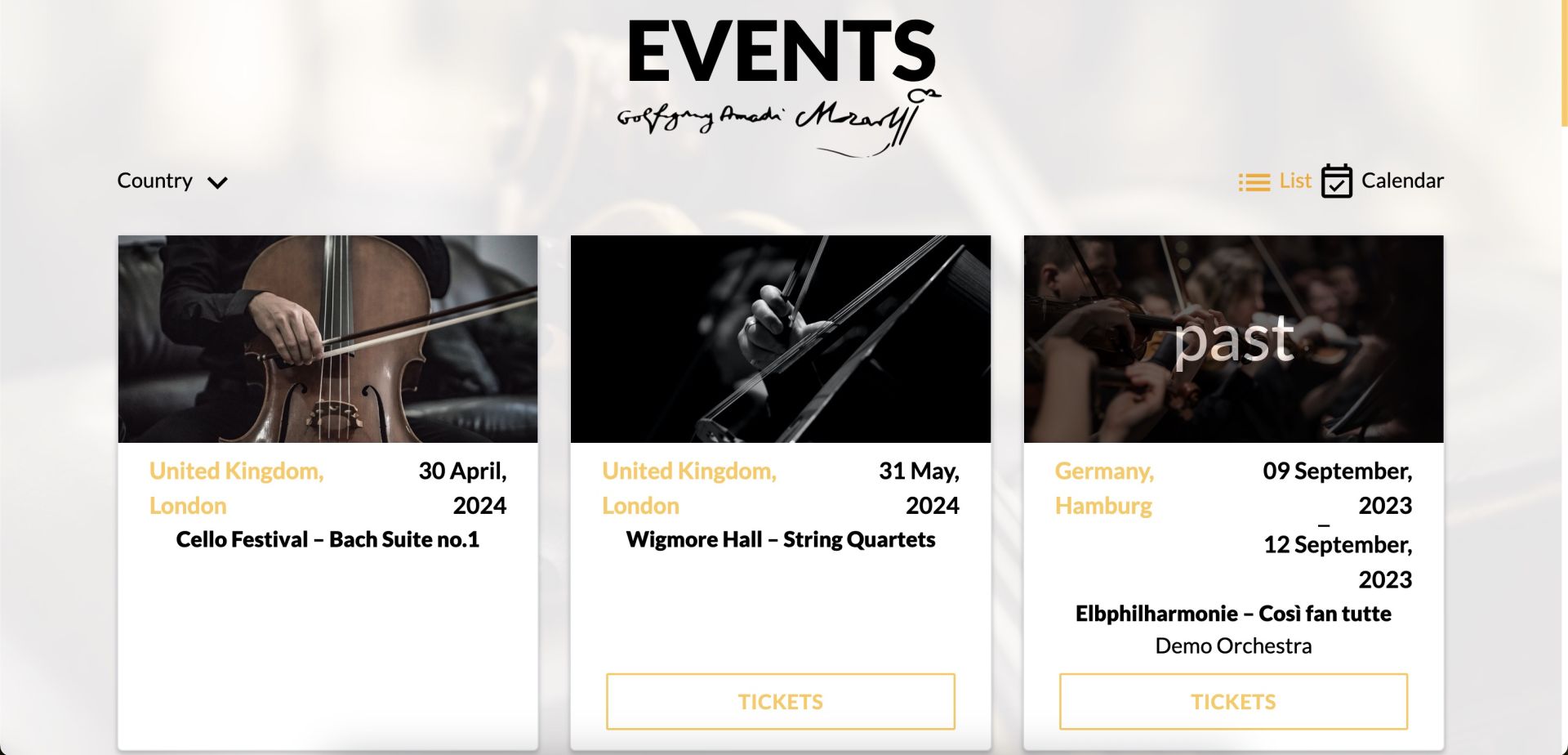
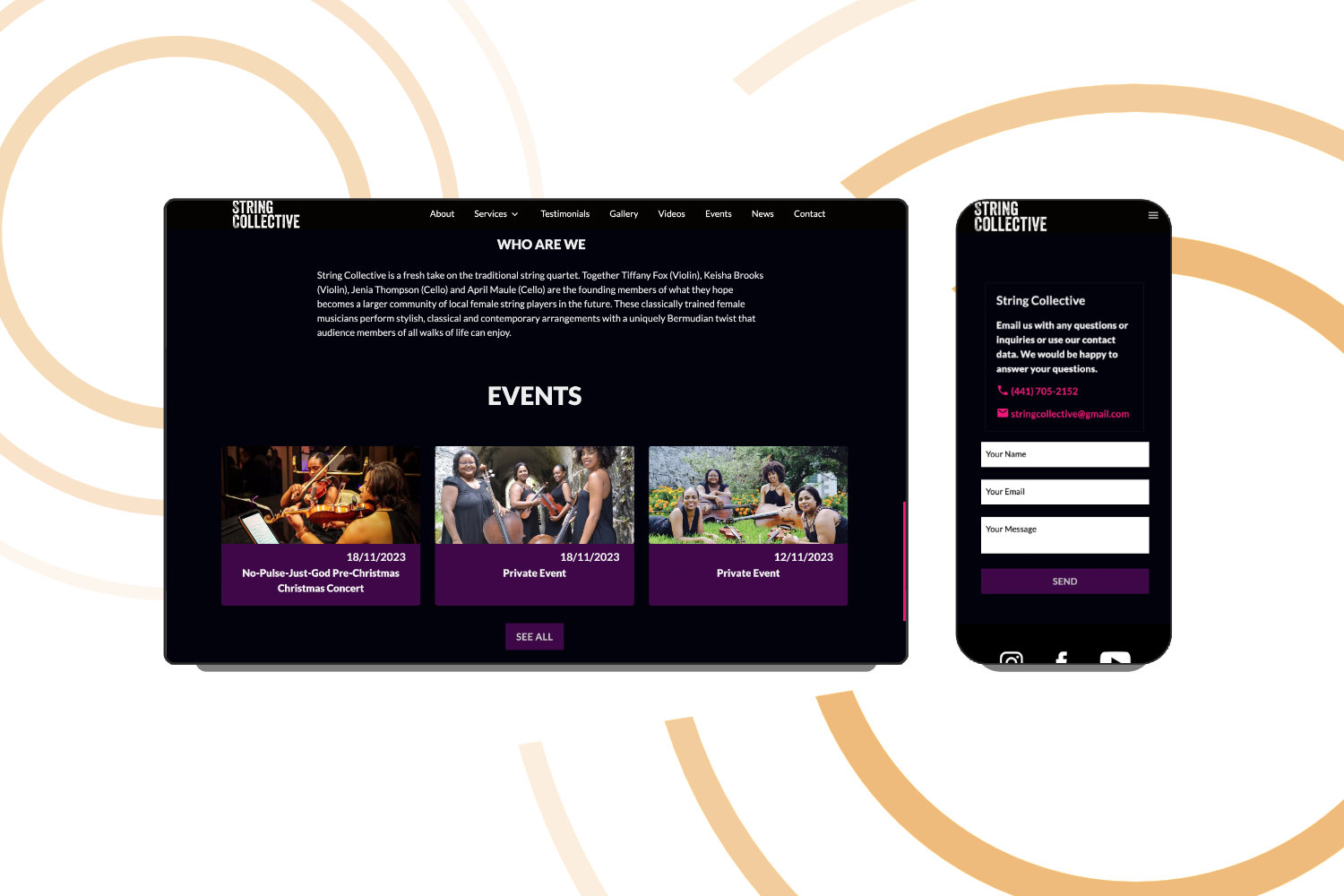
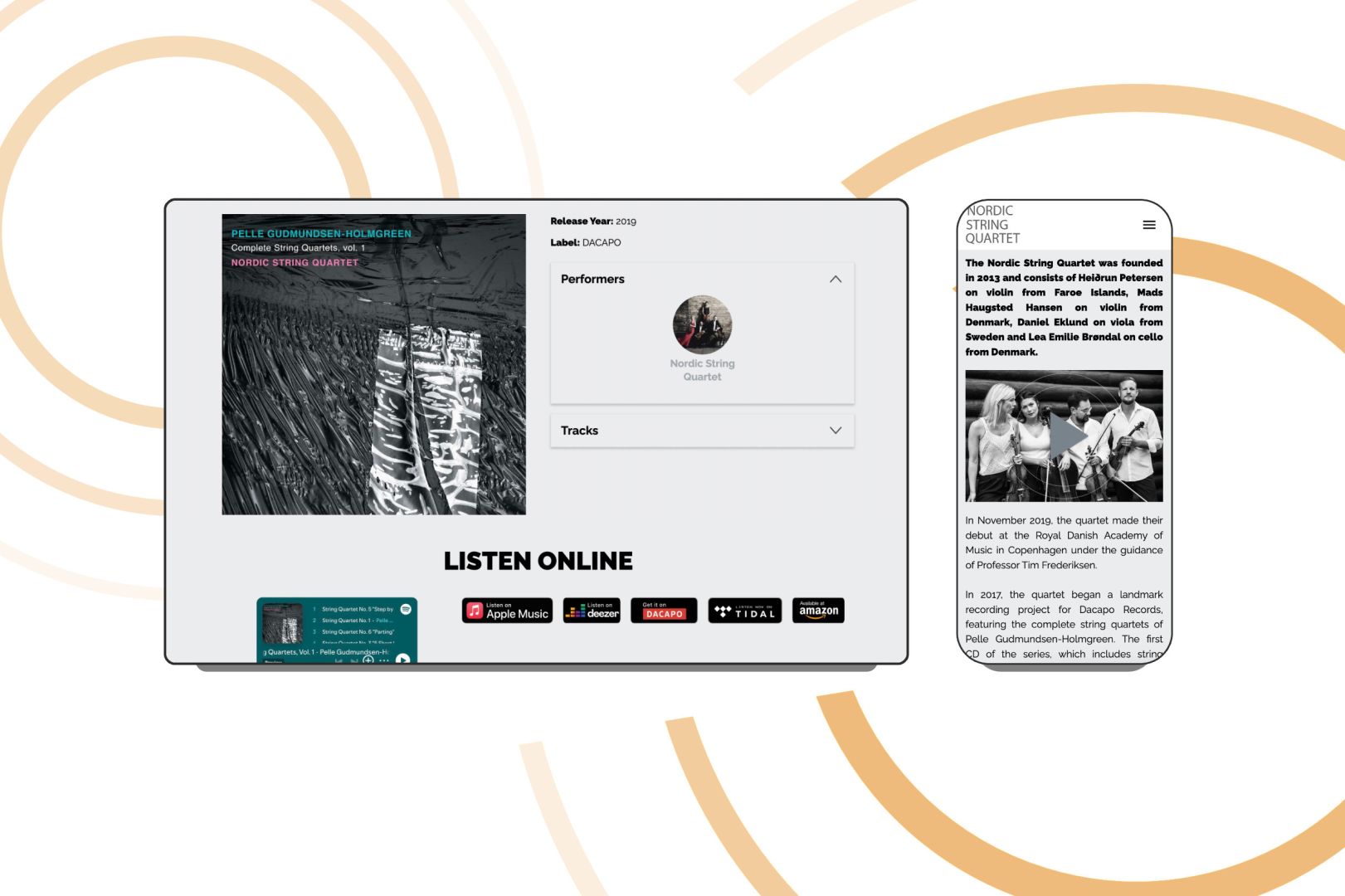
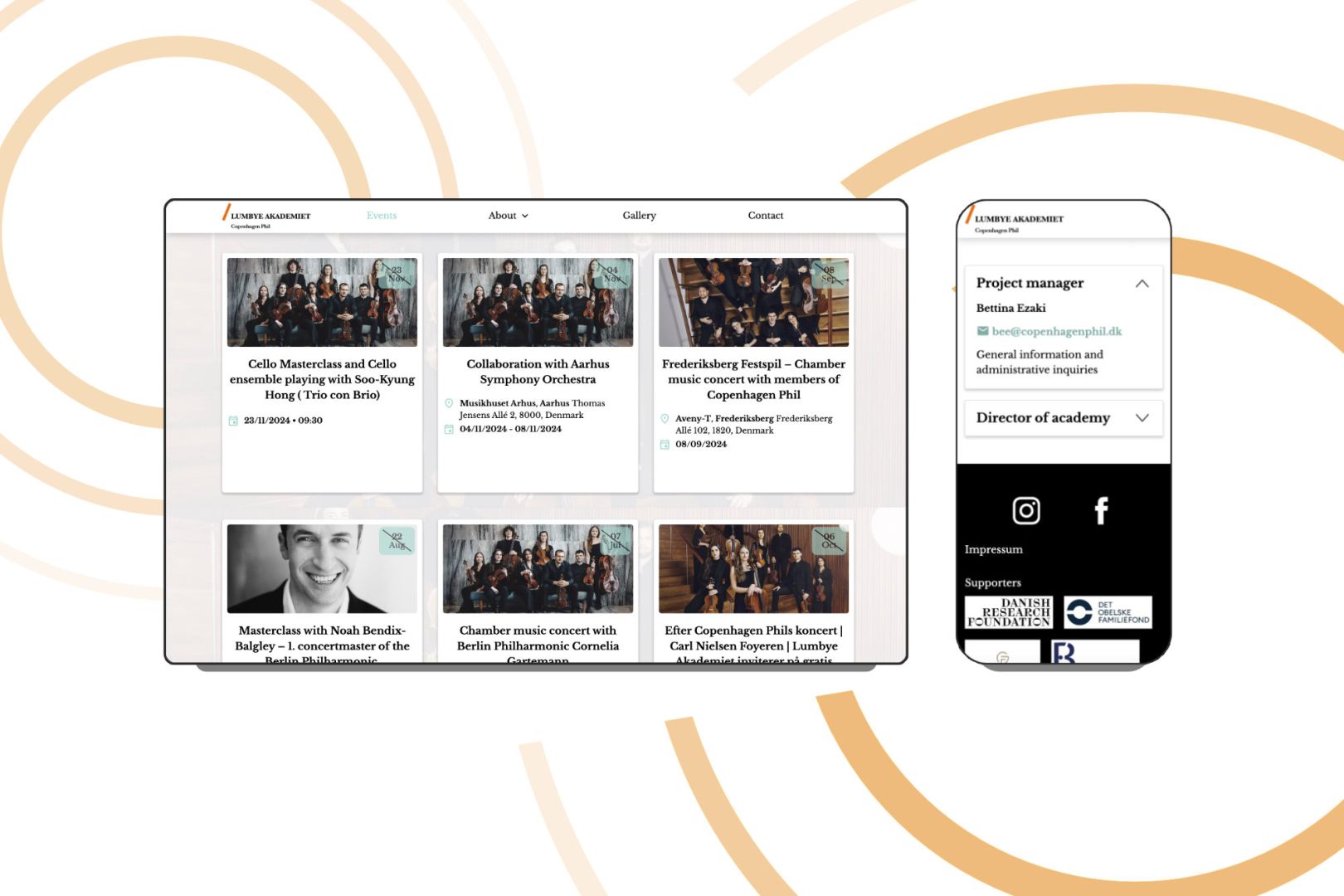
- Portfolio of previous work: Can the designer provide examples of their previous work, particularly for classical musicians, ensembles, or arts organizations? This will help you assess their style, creativity, and professionalism.
- Technical expertise and platform recommendations: What platforms do they recommend for your website? Are they familiar with the specific needs of musicians, such as streaming, digital marketing, and social media integration?
- Customization capabilities: Can the designer create a website that reflects your unique artistic identity and branding? Classical musicians need a website that stands out and resonates with their fans.
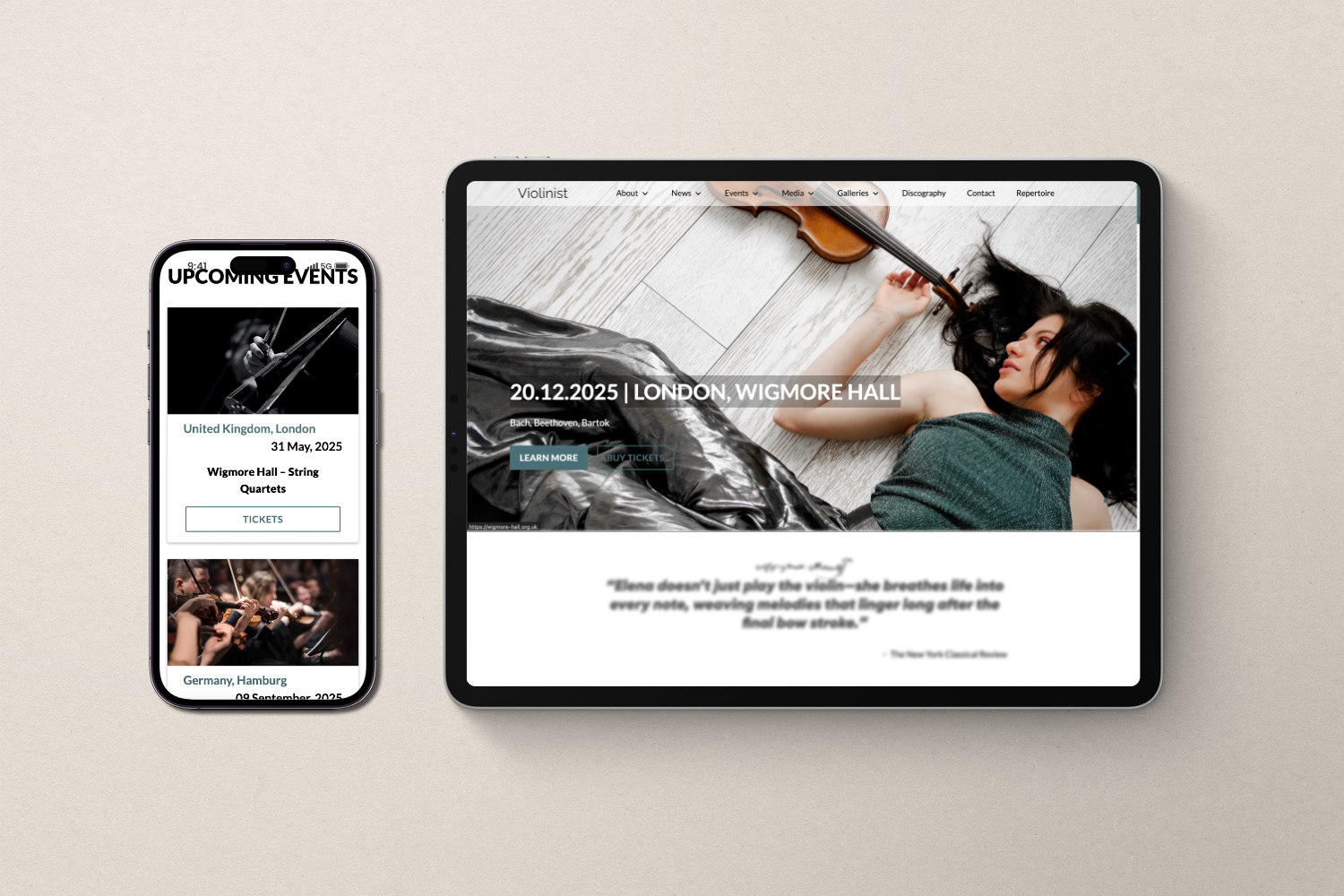
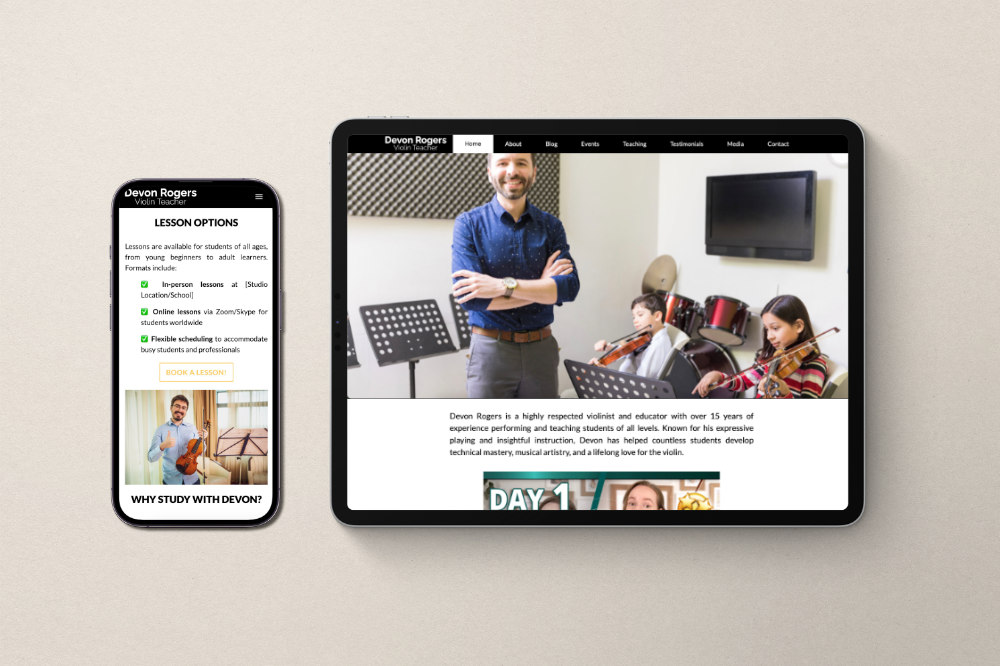
- Mobile responsiveness and cross-browser compatibility: Will your website look and function well on various devices and browsers? With more and more music lovers accessing content on their mobile devices, it's essential to provide a seamless experience for your visitors.
- Search Engine Optimization (SEO) strategies: What SEO strategies does the designer employ to ensure your website ranks highly in search results? SEO is crucial for reaching a wider audience, especially for classical music fans searching for new music, performers, or events.
- Integration with social media and other online platforms: Can the designer integrate your website with your social media profiles, streaming platforms, and other online presences? This will help you maintain a consistent brand image and make it easier for fans to follow your work.
- Maintenance and support services: Will the designer provide ongoing support and maintenance for your website? A well-maintained website is crucial for keeping your online presence up-to-date and functioning smoothly.
- Project timeline and cost estimates: What are the designer's estimates for project completion and cost? This will help you manage your budget and set realistic expectations for your website's launch.
- Communication and collaboration process: How does the designer collaborate with clients? Effective communication and collaboration are crucial for ensuring your website meets your specific needs and expectations.
- Security measures and data protection: What measures does the designer take to ensure your website is secure and protects user data? Security is essential for building trust with your audience and protecting your online presence.
- Content management system (CMS) options: What CMS options does the designer recommend for managing your website content? A user-friendly CMS will make it easier for you to update and maintain your website without relying on the designer for every change.
- E-commerce and online sales capabilities: Can the designer incorporate e-commerce features, such as selling albums, merchandise, or concert tickets directly through your website? This can help generate additional revenue and make it convenient for your fans to support your work.
- Website analytics and performance tracking: Does the designer provide tools or recommendations for tracking website performance and visitor behavior? Analytics can provide valuable insights into your audience and help you optimize your website for better user experience and engagement.
- Accessibility and compliance with web standards: Will the designer ensure your website is accessible to all users and complies with web standards? This is important for creating an inclusive online experience and avoiding potential legal issues.
Real-Life Example
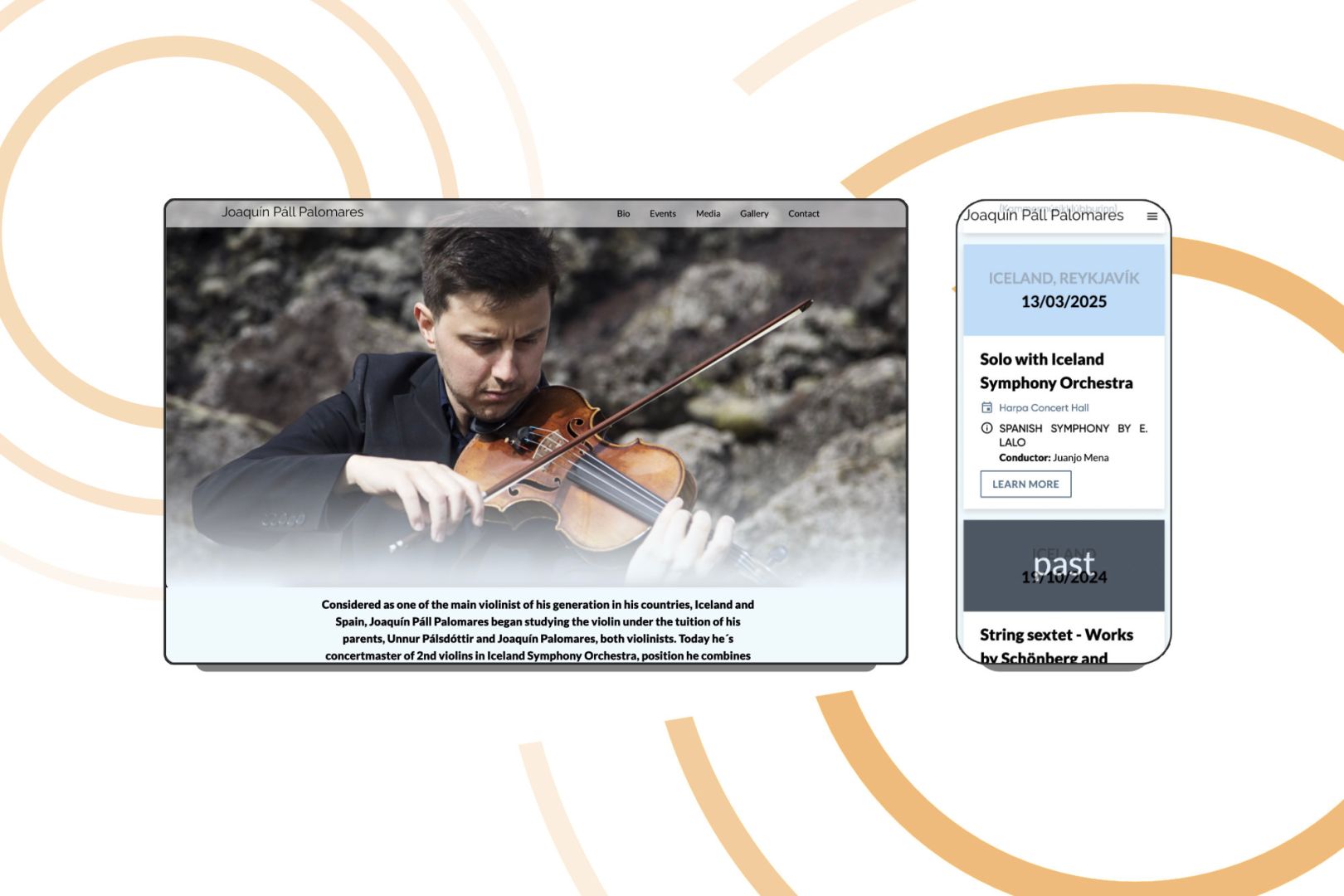
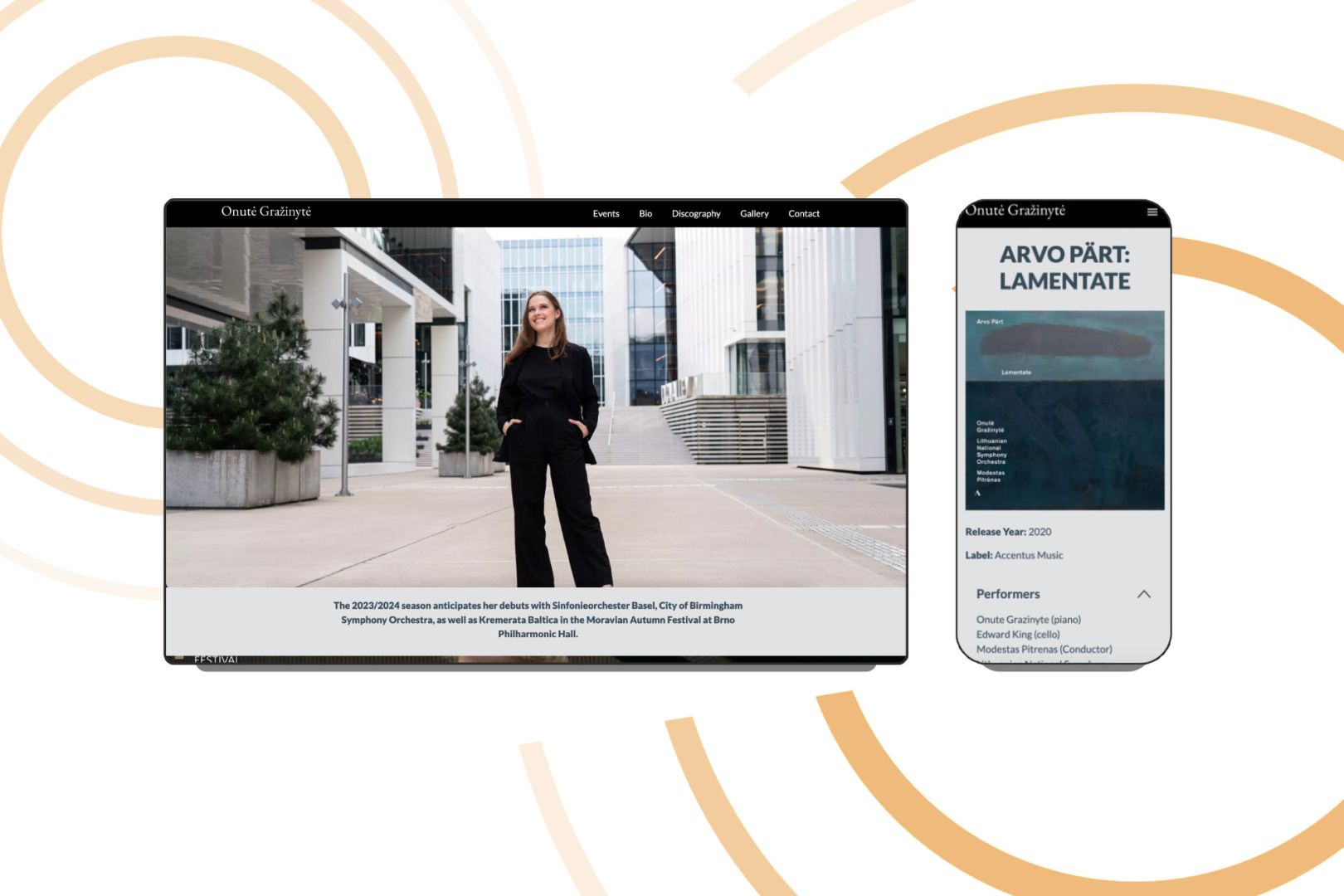
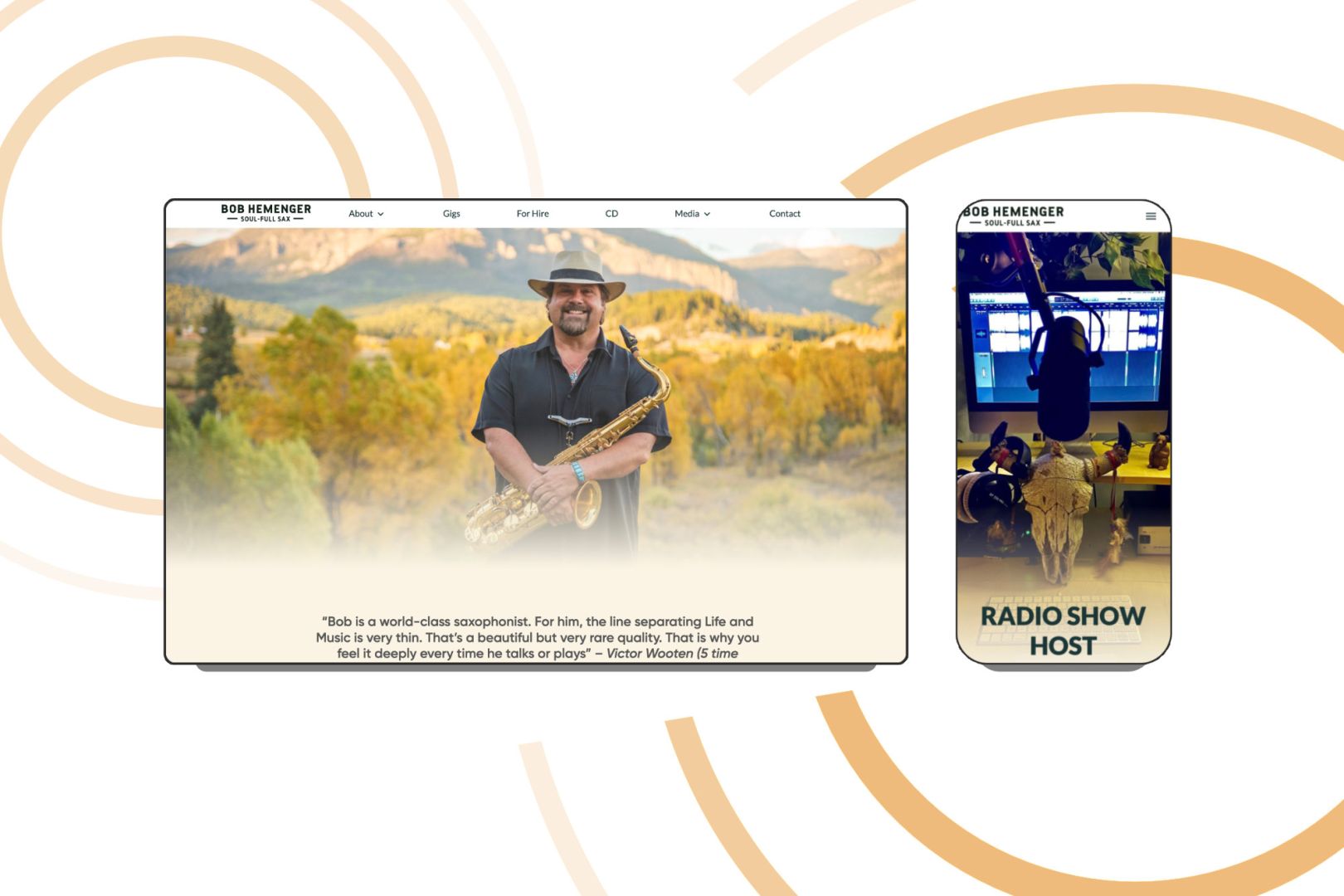
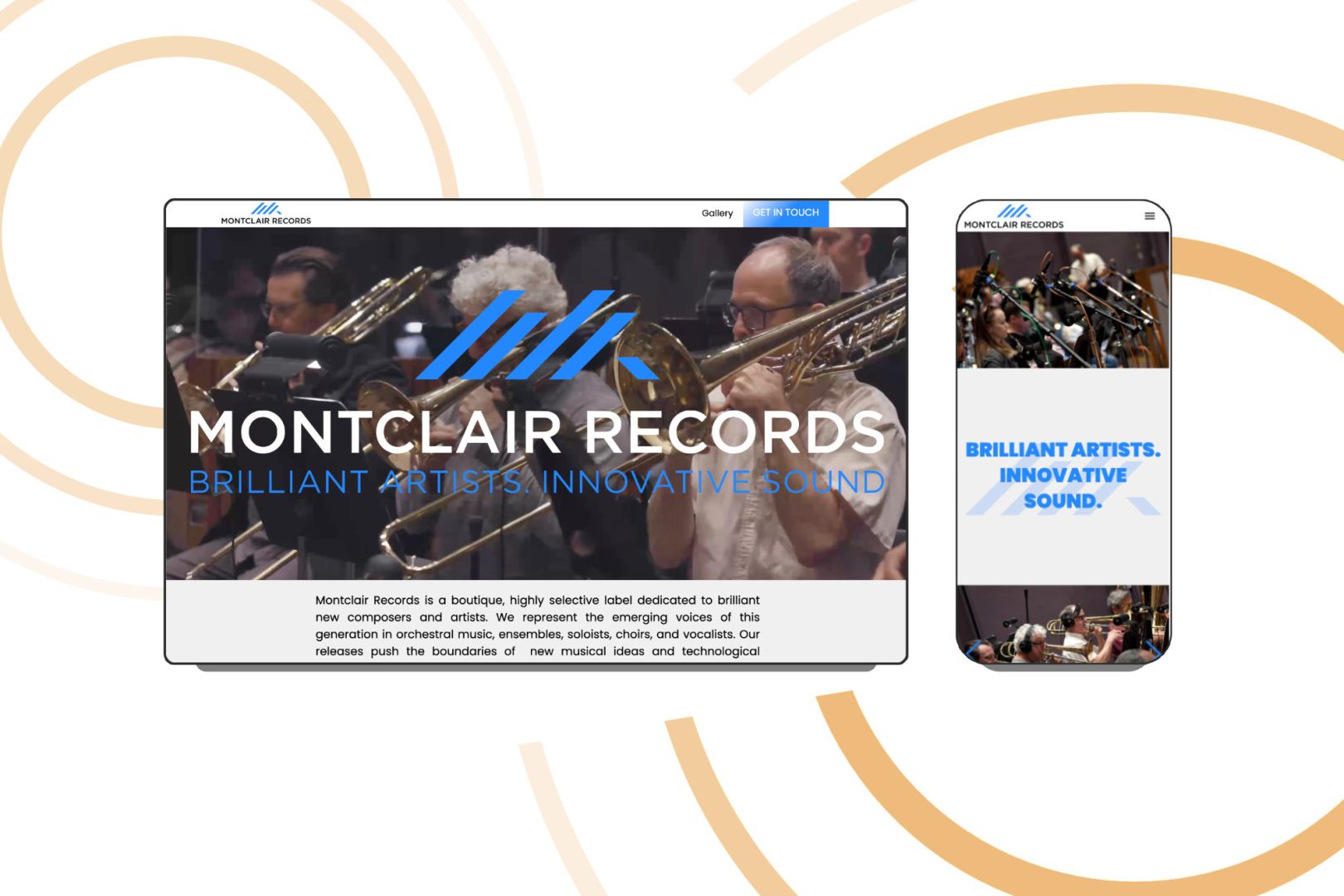
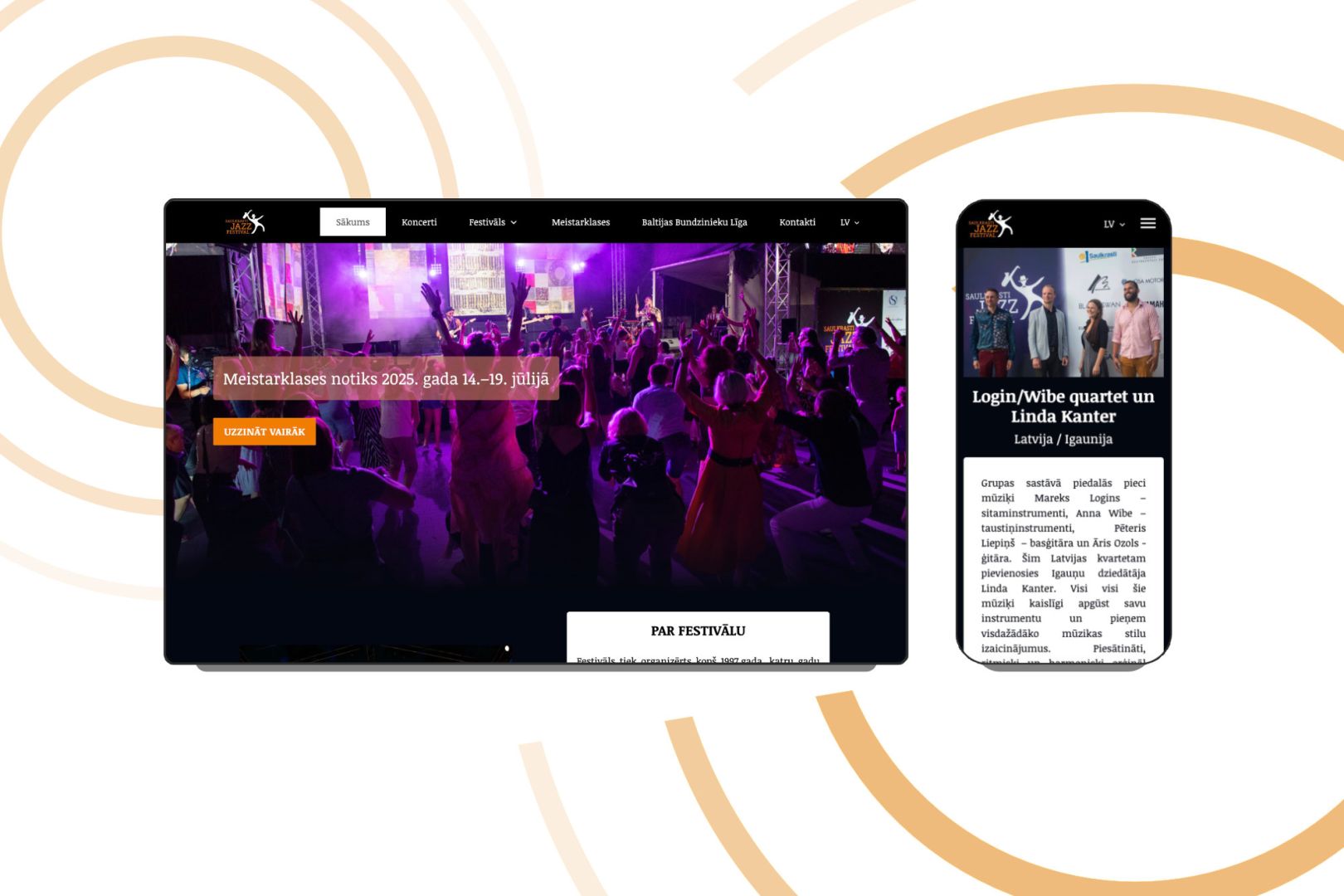
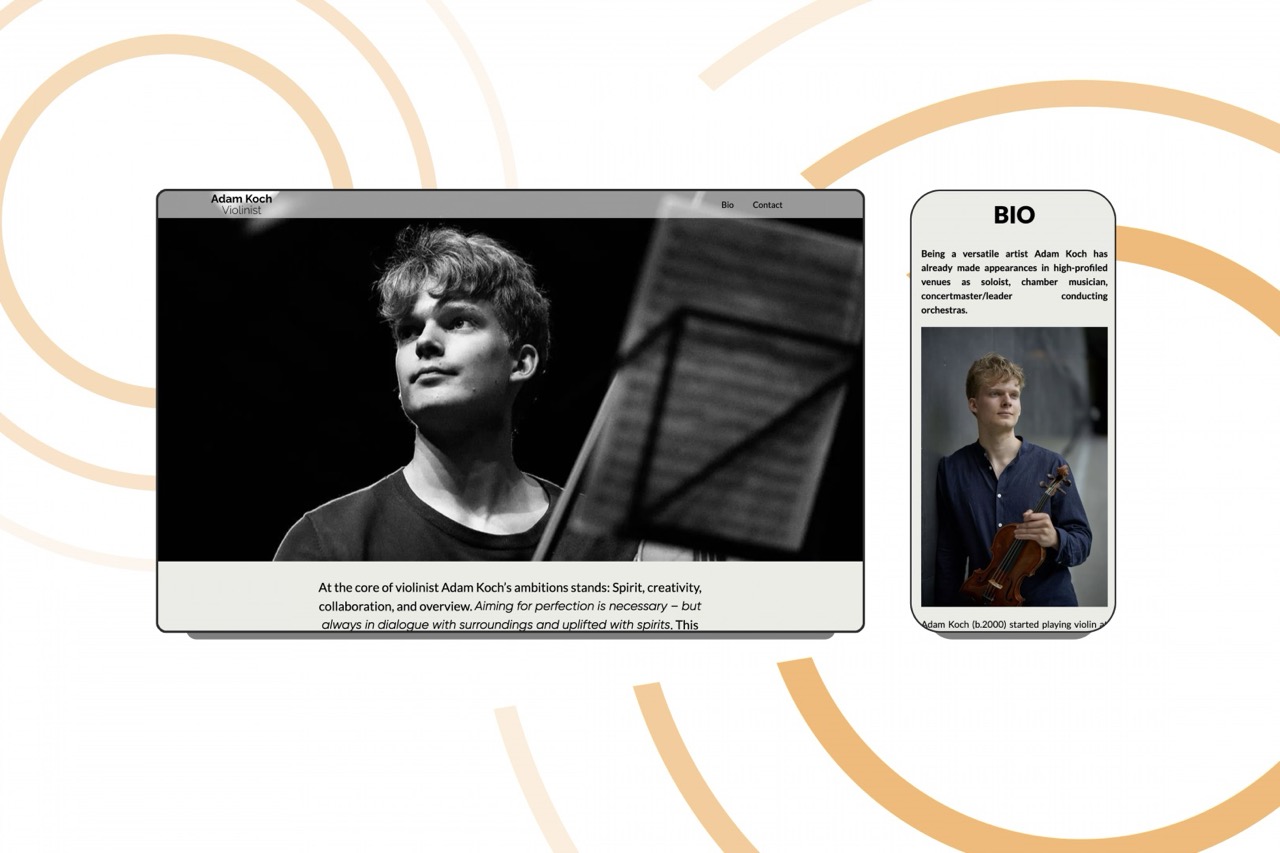
To better illustrate the importance of hiring a designer or agency that has the experience in working with classical musicians here is an example of our recent project:

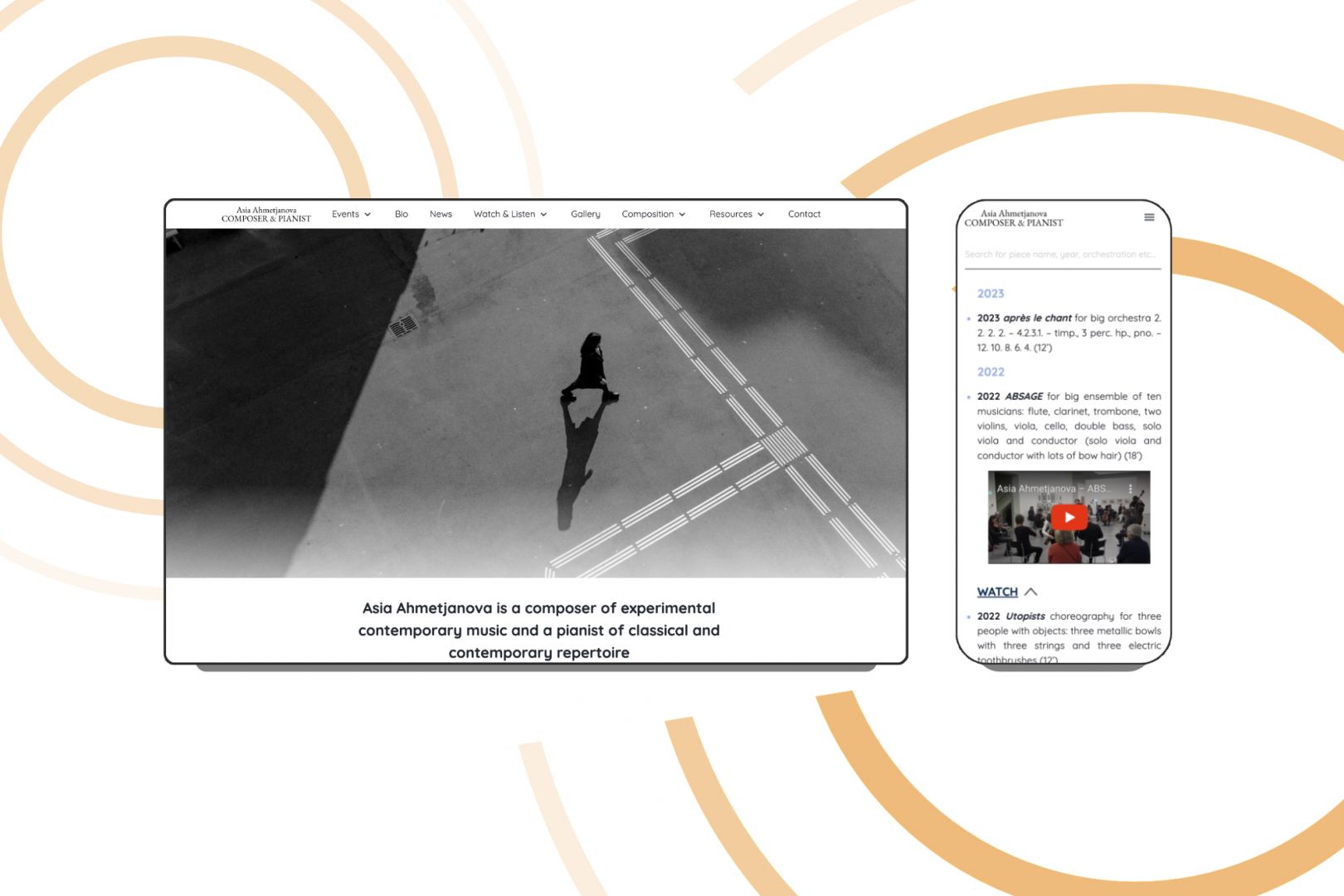
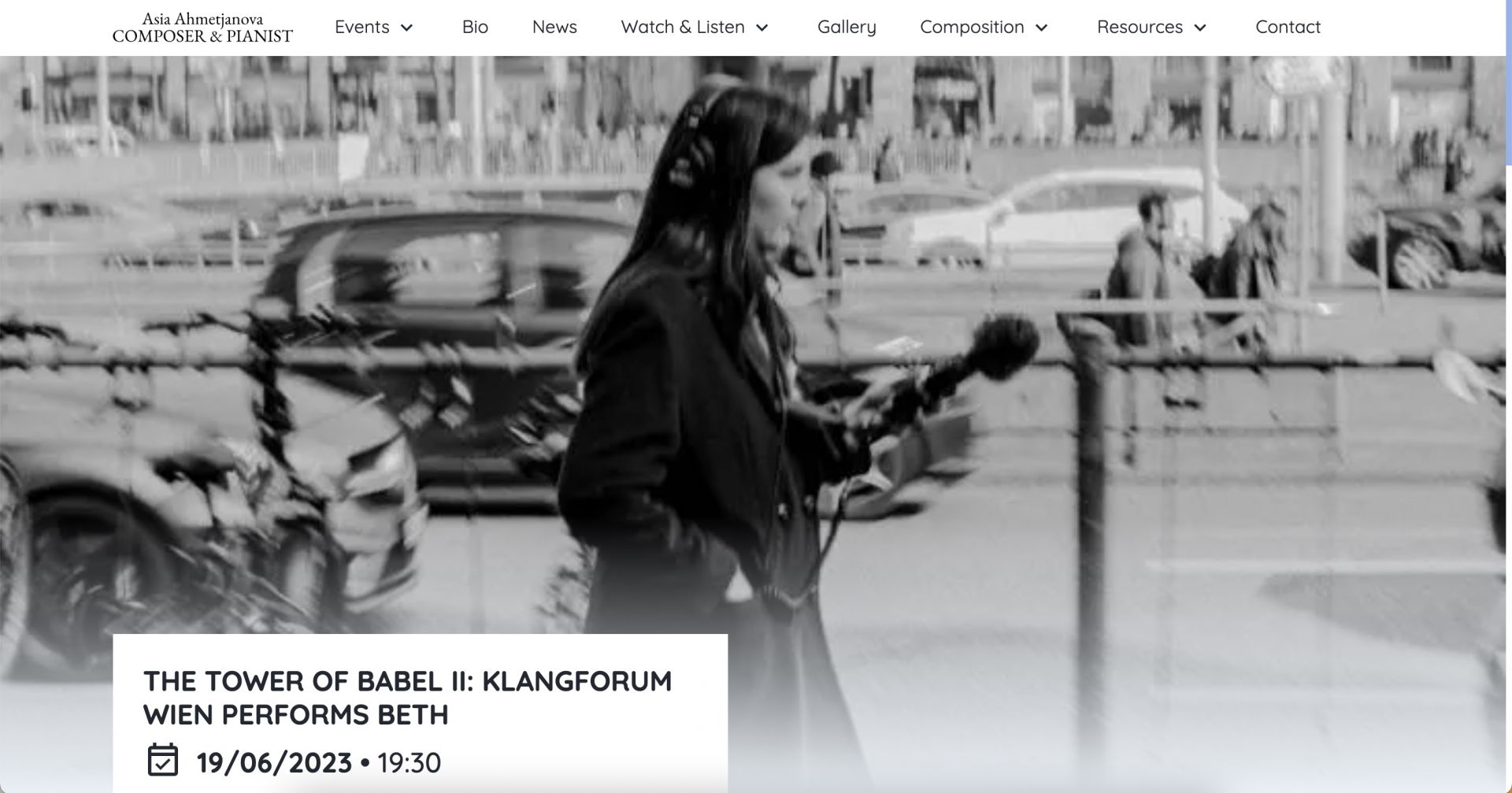
Since we have extensive experience in the classical music industry, we know exactly what musicians and arts organizations need. Let us take a look at the website we created for classical musician, pianist and composer Asia Ahetjanova.
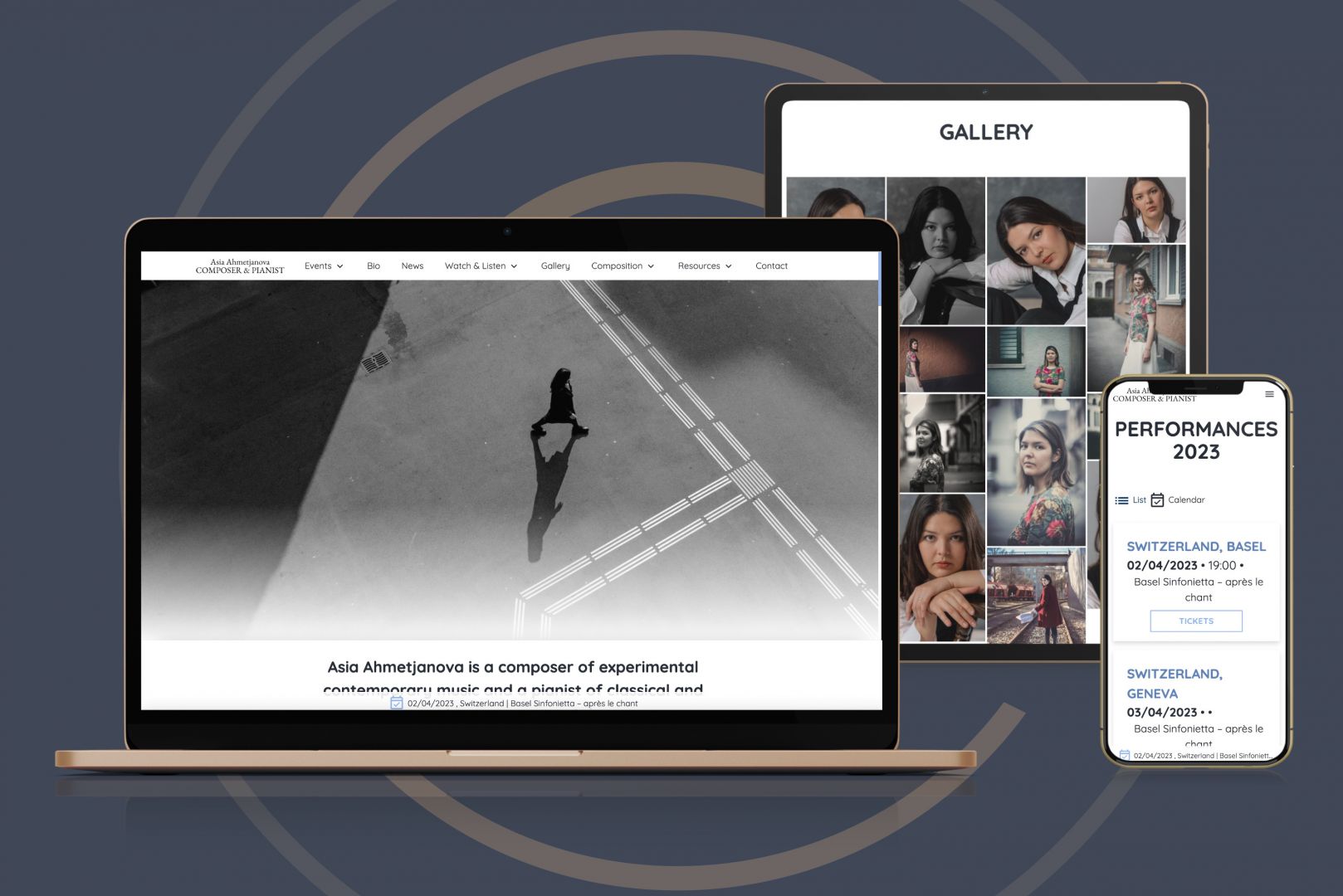
Features of a great musician's website:
- showcases Asia as a composer and pianist
- integrates with her social media
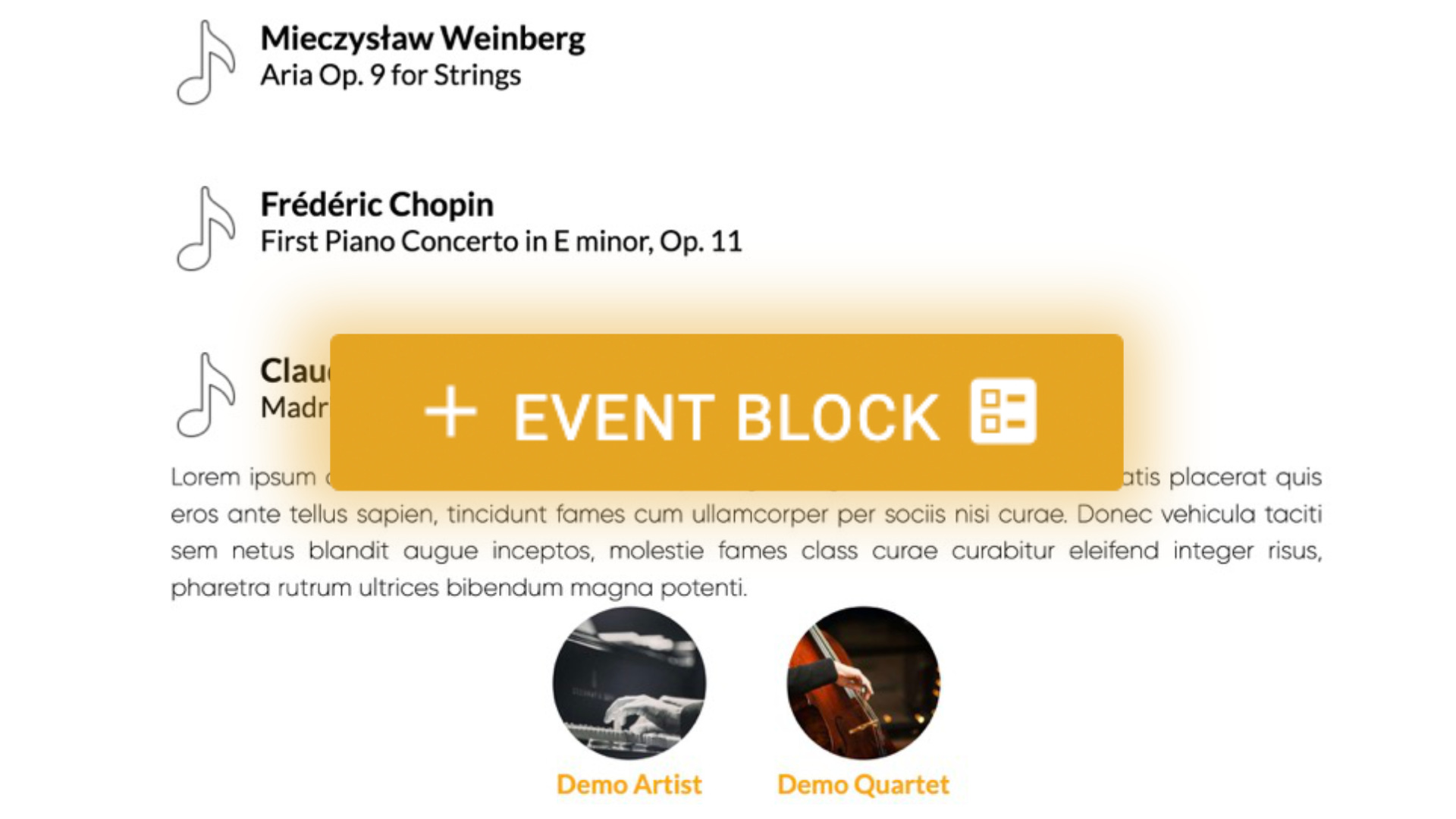
- offers various musician focussed features (compositions catalogue with filters, upcoming events, media gallery, photo gallery, important downloads like bio, photos, compositions etc.)
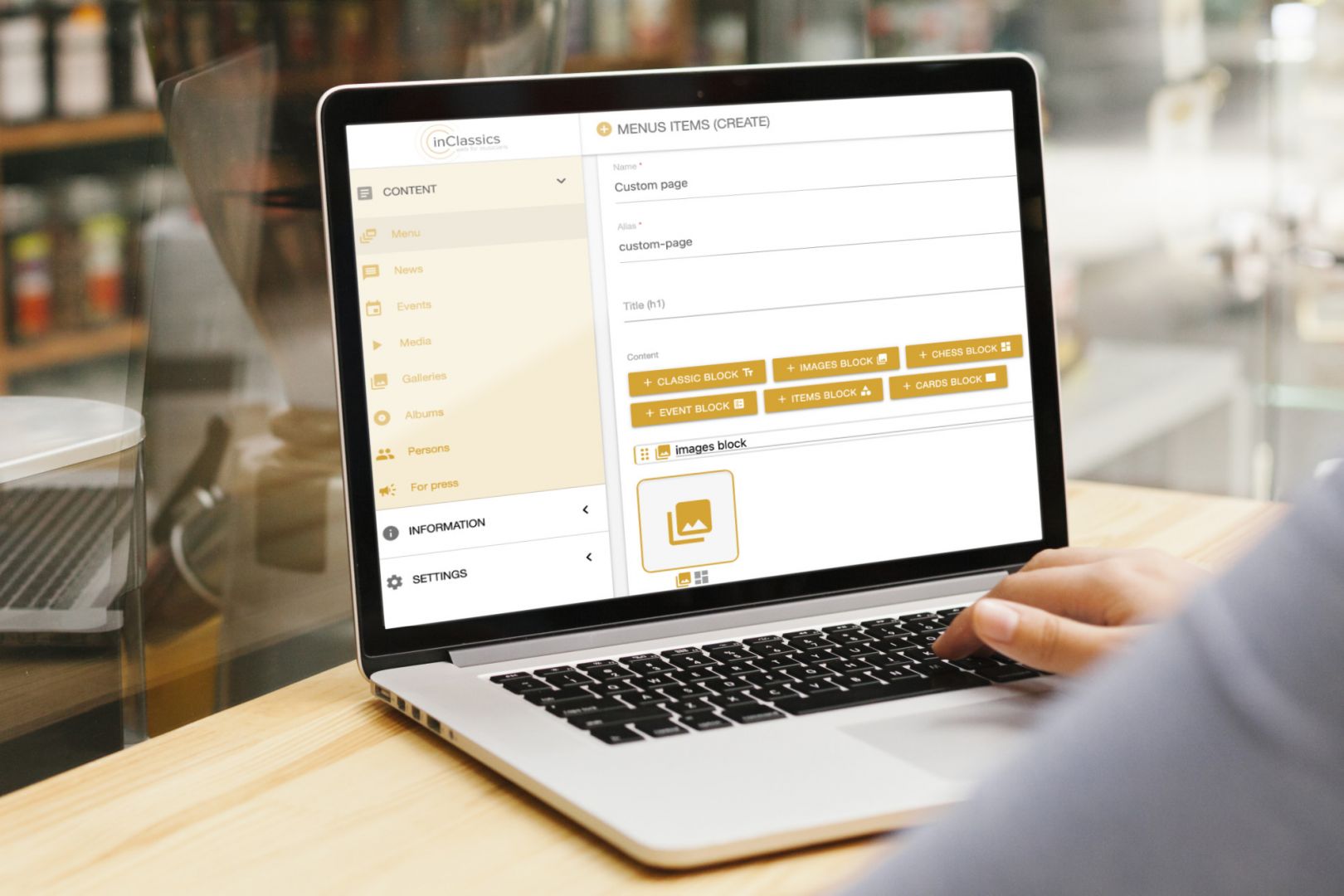
- created using our custom platform for musicians, which allows easy management and editing of the website without technical knowledge
- looks great on any device
- fully optimized for search engines, using important keywords in meta titles and meta descriptions
- project was completed within a few days
- comes with a full video and text tutorial, but we are also always happy to answer any questions
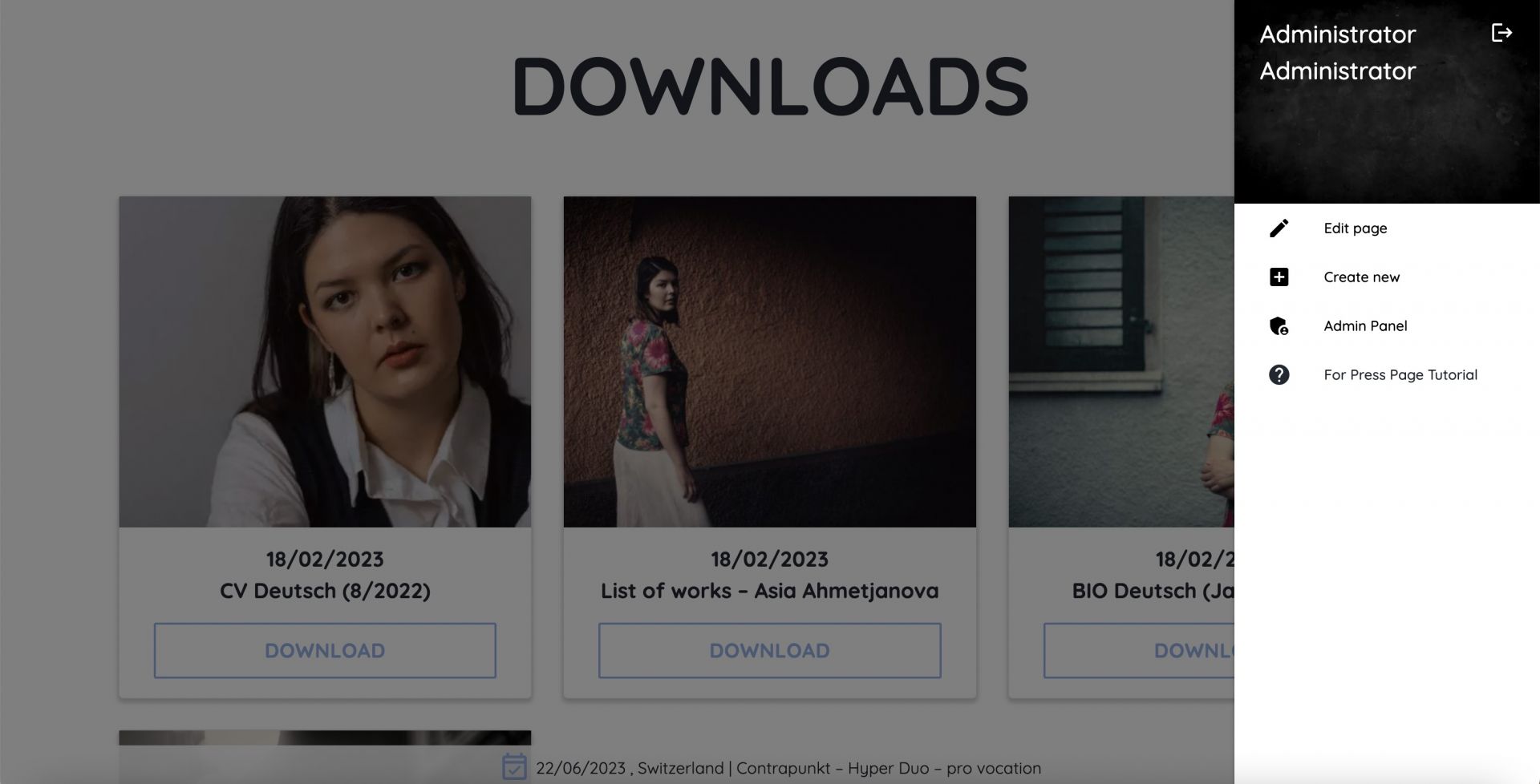
The result is that Asia now has a home base for her online presence, and the site appears at the top of Google search results for key search terms such as her name and composition titles, helping her increase her online presence, reach a wider audience, and ultimately lead to more performance and collaboration opportunities.
We have also added additional features and pages for the future, such as a discography to view their albums, the ability to create and share playlists, quotes, gallery collections, etc. Since our platform is designed specifically for musicians, most of the required features are already ready to use in any website, which is beneficial for your growth when you need to expand your social media presence.
Are you looking to build a website for a performer, conductor, composer, teacher, ensemble, orchestra or festival? We know exactly what you need! Just get in touch with us and let's discuss your project.

Step by Step Guide on Finding the Perfect Website Designer
- Research and gather recommendations: Start by asking fellow musicians, ensembles, or arts organizations for designer recommendations. You can also search online for website designers for classical musicians.
- Review portfolios and shortlist potential designers: Look through the designers' portfolios and select those whose work aligns with your vision and artistic identity.
- Prepare a list of essential questions: Compile a list of questions based on the topics discussed in this article to help guide your conversations with potential designers.
- Conduct interviews or consultations: Schedule interviews or consultations with your shortlisted designers, and discuss your project requirements and expectations.
- Compare proposals and choose the best fit: Evaluate the designers' proposals, considering their experience, expertise, and how well they align with your specific needs.
- Establish clear communication and expectations: Once you've chosen a designer, make sure to establish a clear communication process and set expectations for the project.
- Collaborate closely throughout the design process: Work closely with your designer to ensure your website meets your expectations, providing feedback and guidance as needed.
- Launch and maintain the website: Once your website is live, monitor its performance, update content regularly, and maintain a strong online presence to connect with your audience and grow your classical music career.
Conclusion
Asking the right questions when looking for website designers for classical musicians is crucial to finding the perfect match for your project. With the right designer and a clear understanding of your needs, you can create an engaging, informative, and visually appealing website that showcases your talent and helps build a successful online presence. So, invest in a professional website designer, and let your music resonate with a wider audience.

FAQs
Q: What should I look for in a website designer for classical musicians?
A: Look for a designer with experience working with classical musicians, ensembles, or arts organizations. They should have a wide range of technical expertise, a strong portfolio, and the ability to create a website that reflects your unique artistic identity. They should also understand the specific needs of classical musicians, such as event calendars, streaming, and social media integration.
Q: How do I find a suitable website designer for my project?
A: Start by asking fellow musicians, ensembles, or professionals in the industry for recommendations. Research online for website designers specializing in classical music or related fields, and review their portfolios to shortlist potential designers. Conduct interviews or consultations to discuss your project requirements and choose the best fit.
Q: How much should I expect to pay for a website designer?
A: The cost of hiring a website designer for classical musicians can vary depending on the designer's experience, the complexity of your project, and the features you require. It's essential to discuss your budget and expectations with potential designers and compare their proposals to find the best fit for your needs. Our websites start from 499EUR.
Q: Can a website designer help me with branding and photography?
A: Some website designers may offer additional services, such as branding or photography, or collaborate with other professionals like photographers or music producers. It's essential to discuss these additional services during your initial consultation to ensure the designer can meet your specific needs.
Q: Do I need a website designer with experience in classical music?
A: While it's not strictly necessary, hiring a website designer with experience in classical music or working with ensembles and arts organizations can be beneficial. They will have a better understanding of the unique needs of classical musicians, such as event calendars, streaming, and social media integration, and can create a website that appeals to your target audience.
Q: How can a website designer help me promote my concerts and performances?
A: A website designer can create an event calendar to showcase your upcoming performances, integrating it with ticketing platforms or your concert hall's booking system. They can also help you optimize your website for search engines, ensuring your performances are easily discoverable by symphony orchestra enthusiasts, choir fans, and classical music lovers.
Q: What kind of support should I expect from my website designer after my site is launched?
A: The level of support provided by website designers varies, so it's essential to discuss this during the consultation phase. Some designers offer ongoing maintenance and support services, while others may provide a one-time setup and handover. Choose a designer who can meet your needs in terms of ongoing support and website management.