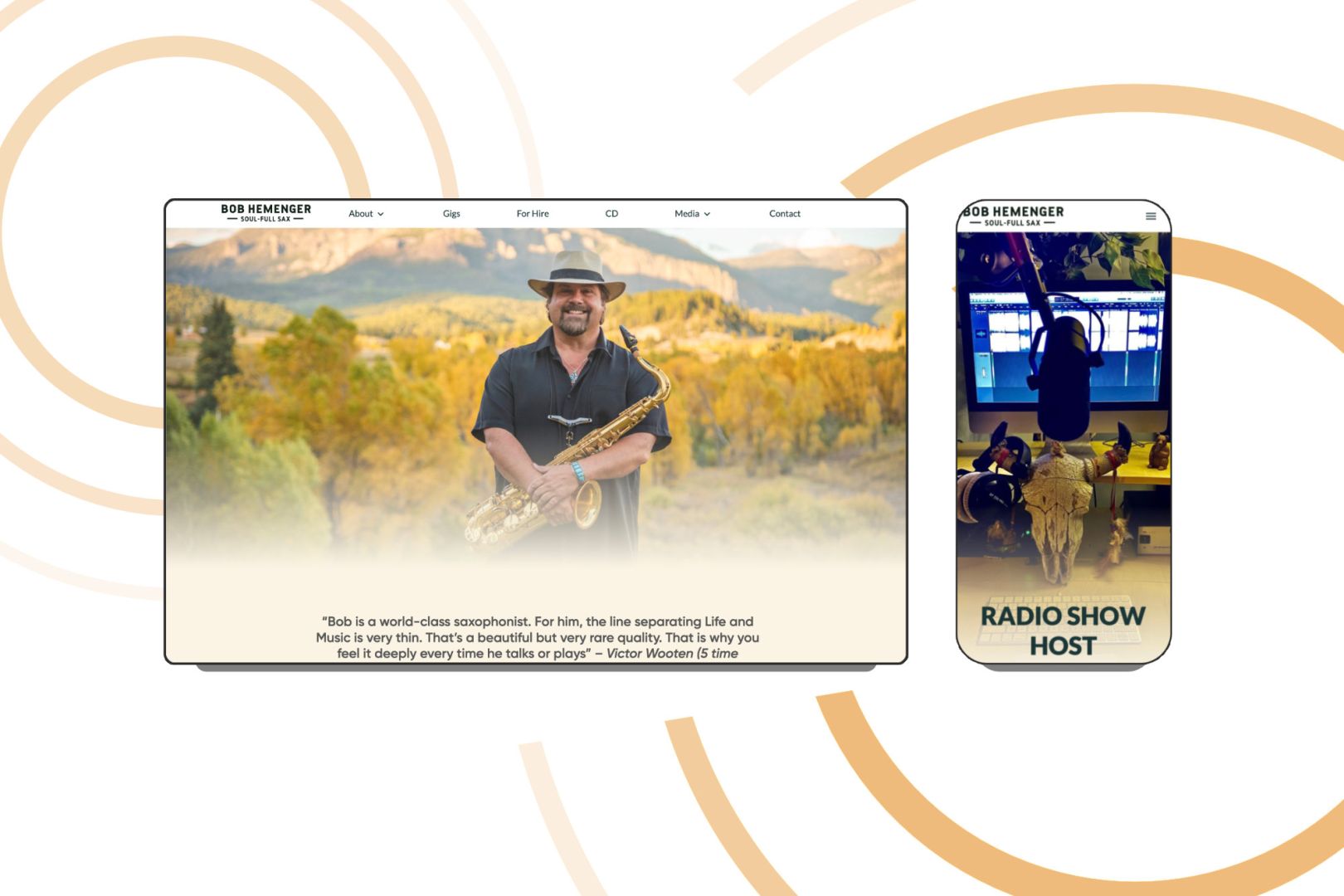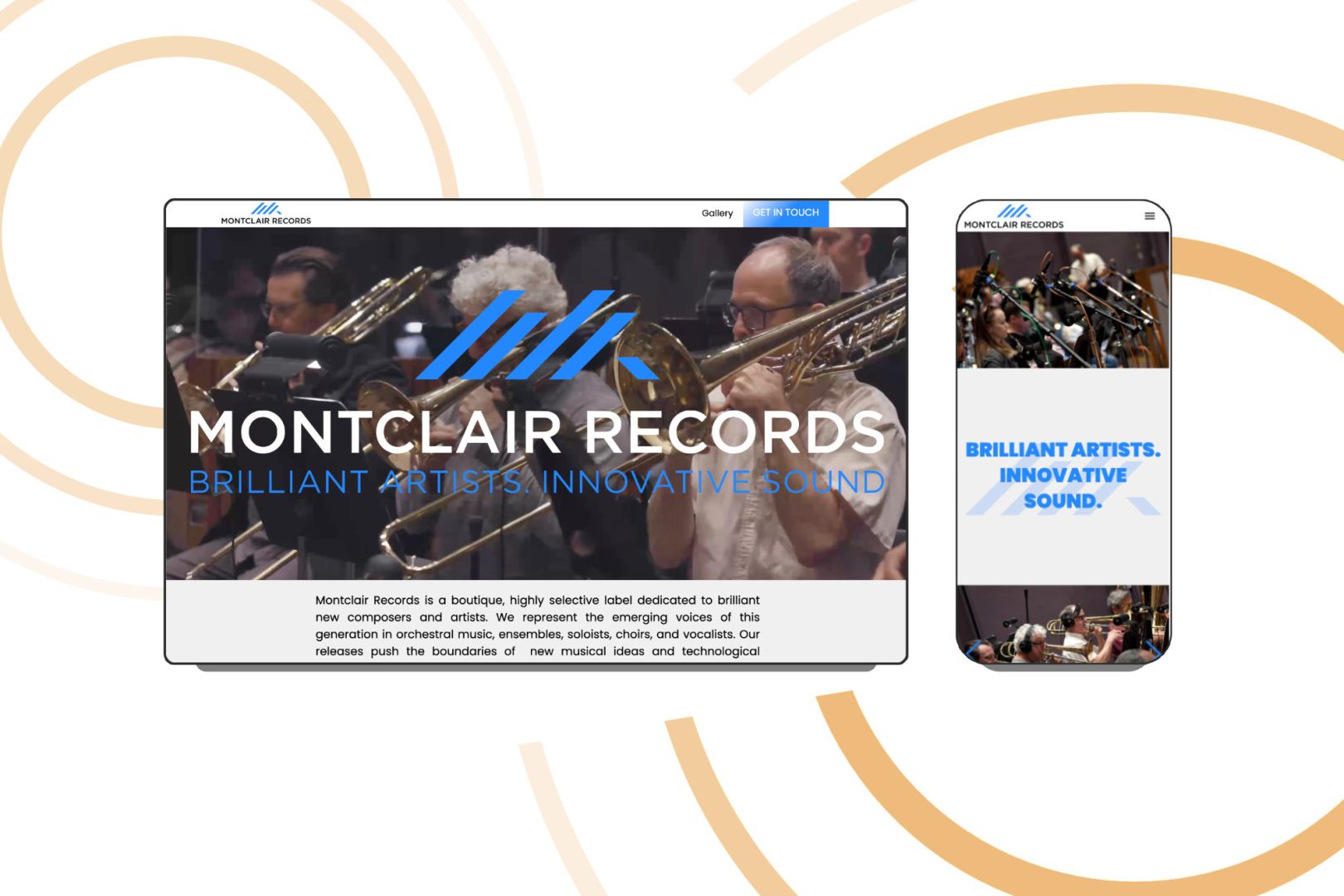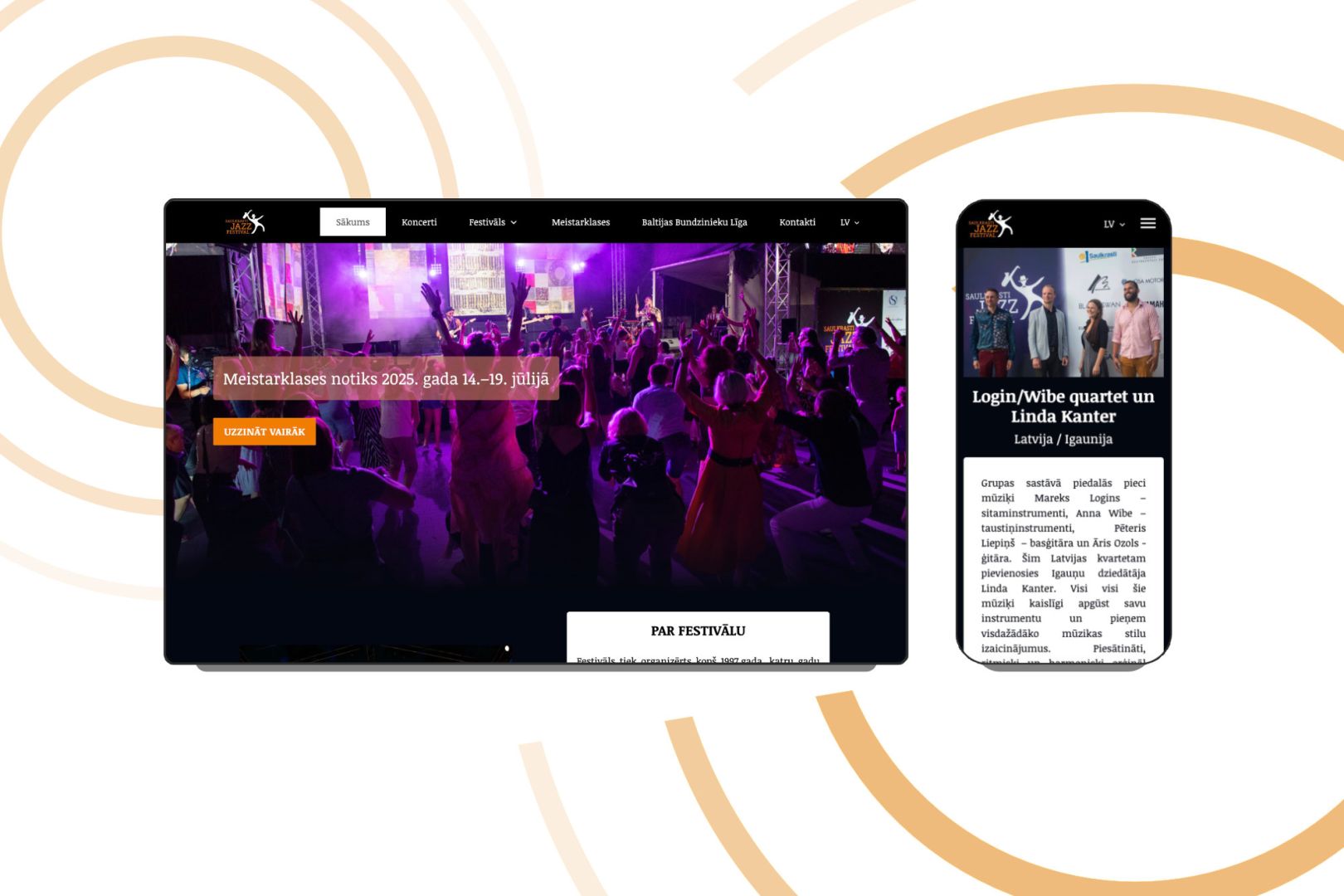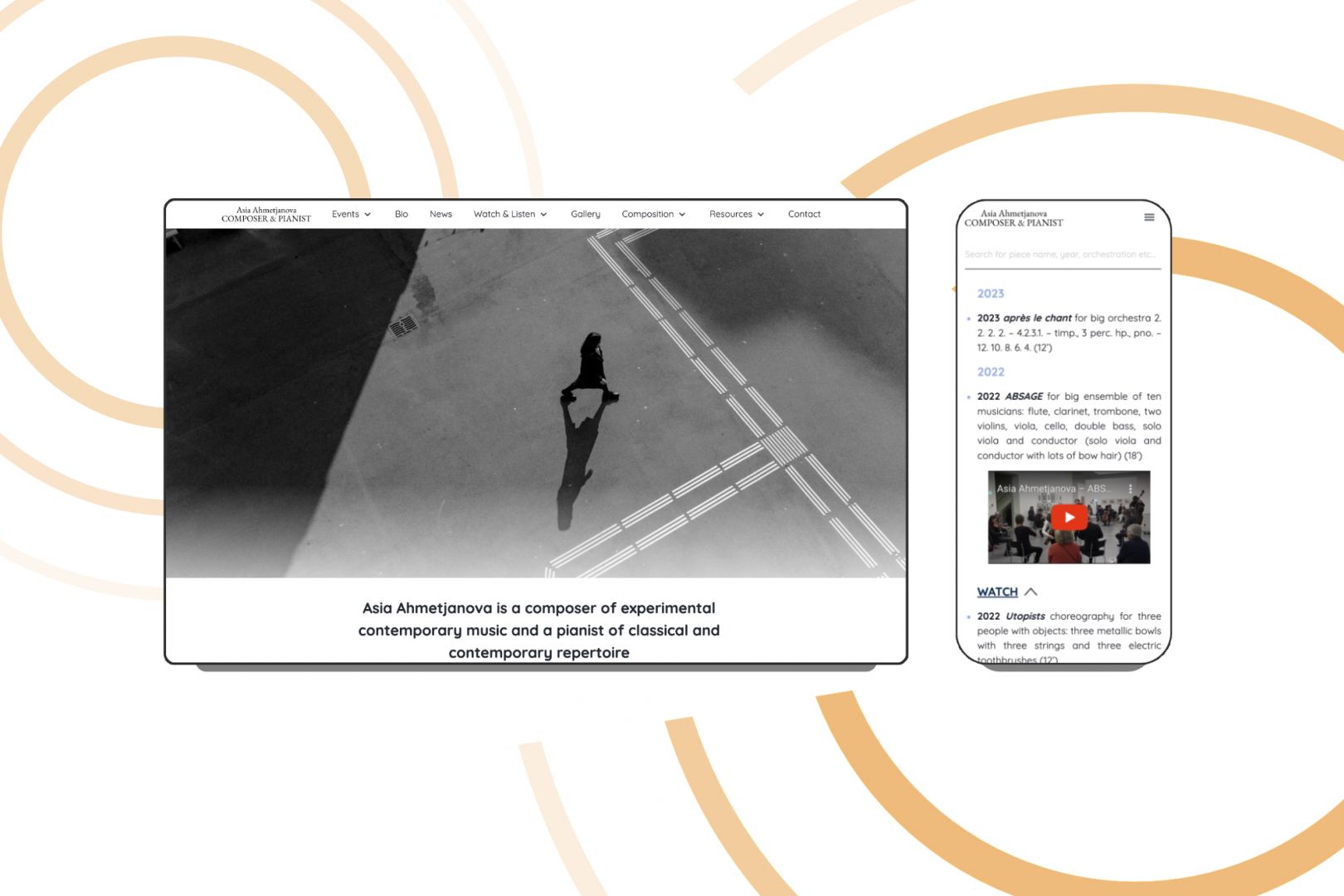
Essential Pages for a Musician Website: What You Need & Why
Building a solid online presence is a key milestone for every musician looking to stand out in today’s bustling music industry. Whether you’re a solo artist, a classical musician, or part of a dynamic band, the right website pages can help you showcase your music, engage your fans, and capture the attention of record label executives.
This guide explores the essential pages for a musician website, from the homepage to specialized sections like an online store, shedding light on why each page matters for your growth and success. We’ll also take a look at how to structure your site for optimal search engines visibility, all while nudging you toward a professional website that propels your music career to new heights.
Why Every Musician Needs a Website 🎶🌍
With social media platforms dominating the digital space, you might wonder if music websites are even necessary. While platforms like Instagram and TikTok allow for quick engagement, they come with limitations—changing algorithms, restricted design options, and no long-term ownership of your content. A dedicated website gives you creative control, a centralized hub for your music, and a professional online presence that booking agents and fans can trust. Plus, with SEO advantages, your website can help new listeners discover your music more easily.
How to Choose the Best Website Builder 🛠️🎸
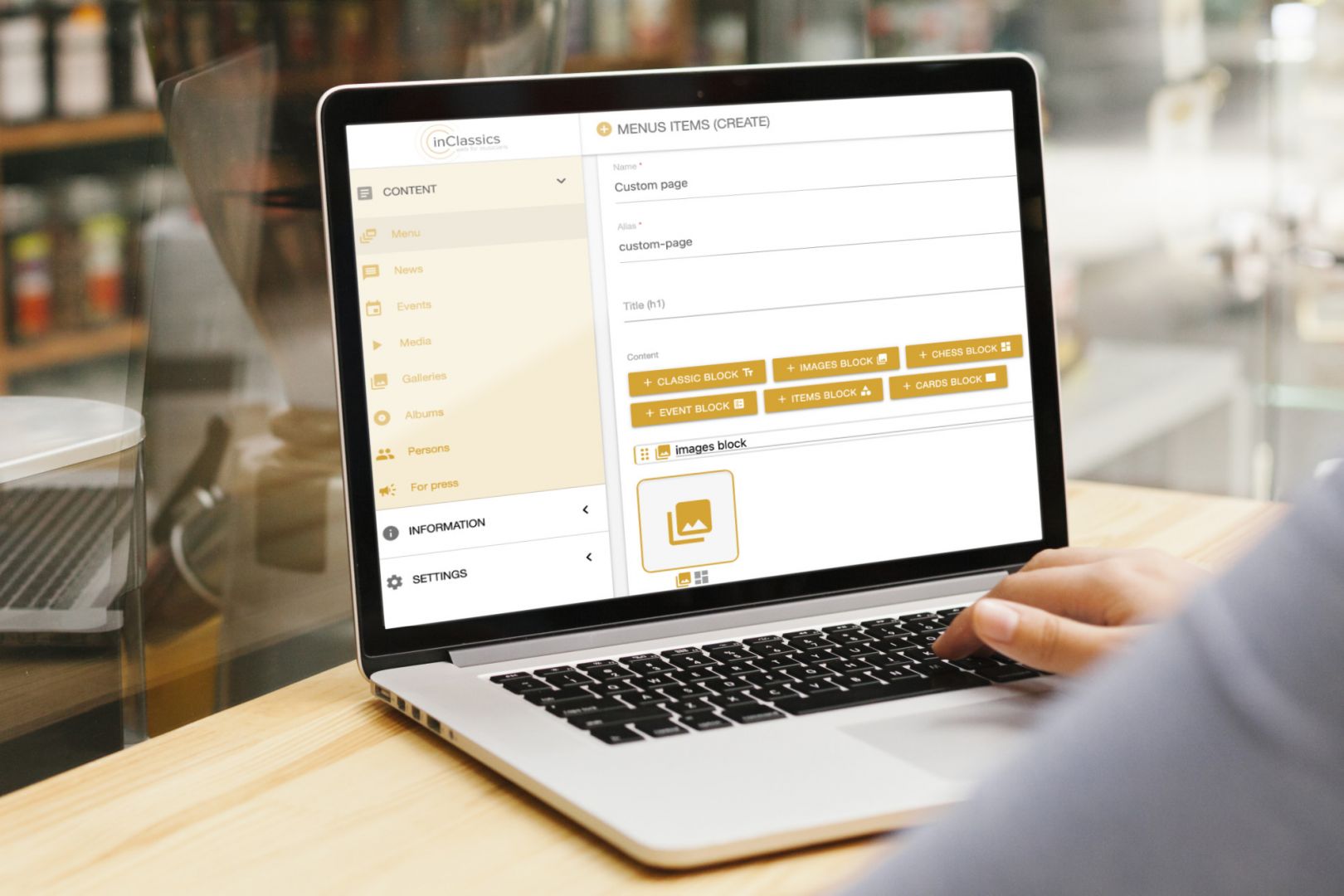
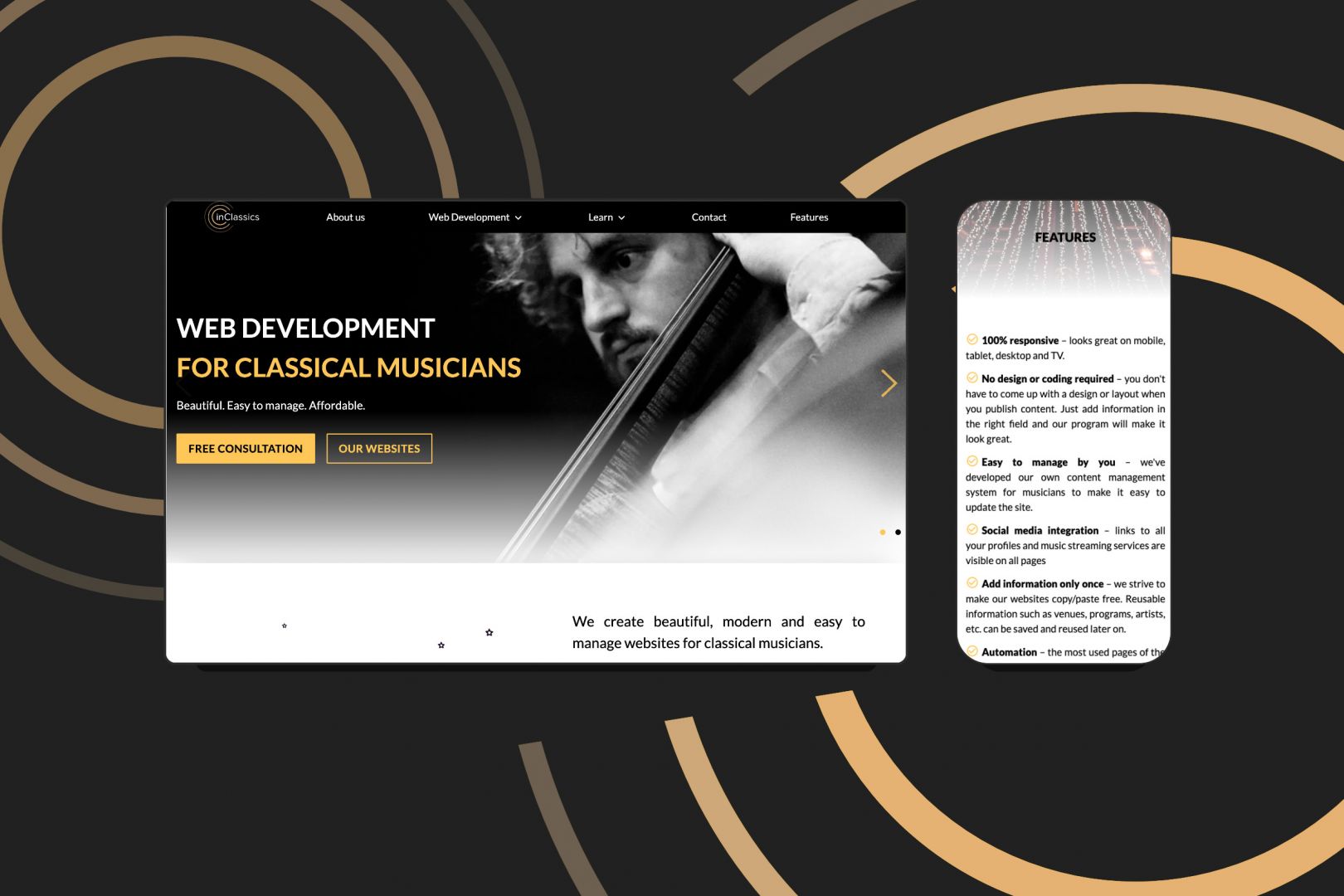
When creating your musician website, picking the right website builder is essential. Of course, the best website builder for musicians is the one that we developed right here at inClassics! If you value your time and want the best website for your music career, get in touch with us for a free consultation!
Other options like Wix Music, Squarespace offer drag-and-drop features, while Music Glue specializes in direct-to-fan sales. If you prefer flexibility, WordPress with a music-focused template allows for greater customization. Some platforms even cater specifically to band websites, offering tools like ticket sales, VIP access, and fan subscriptions. No matter your choice, look for customizable templates that align with your brand and music style. Check out our full guide here: How to Build a Musician Website: Step-by-Step Guide 🚀🎵
The 7 Essential Pages Every Musician Website Should Have
Now that you’ve picked a website builder, it’s time to map out the pages that form the backbone of any strong music website. Here are seven must-have pages (plus a couple of optional ones), why they matter, and what feature each should include.

1. The Homepage
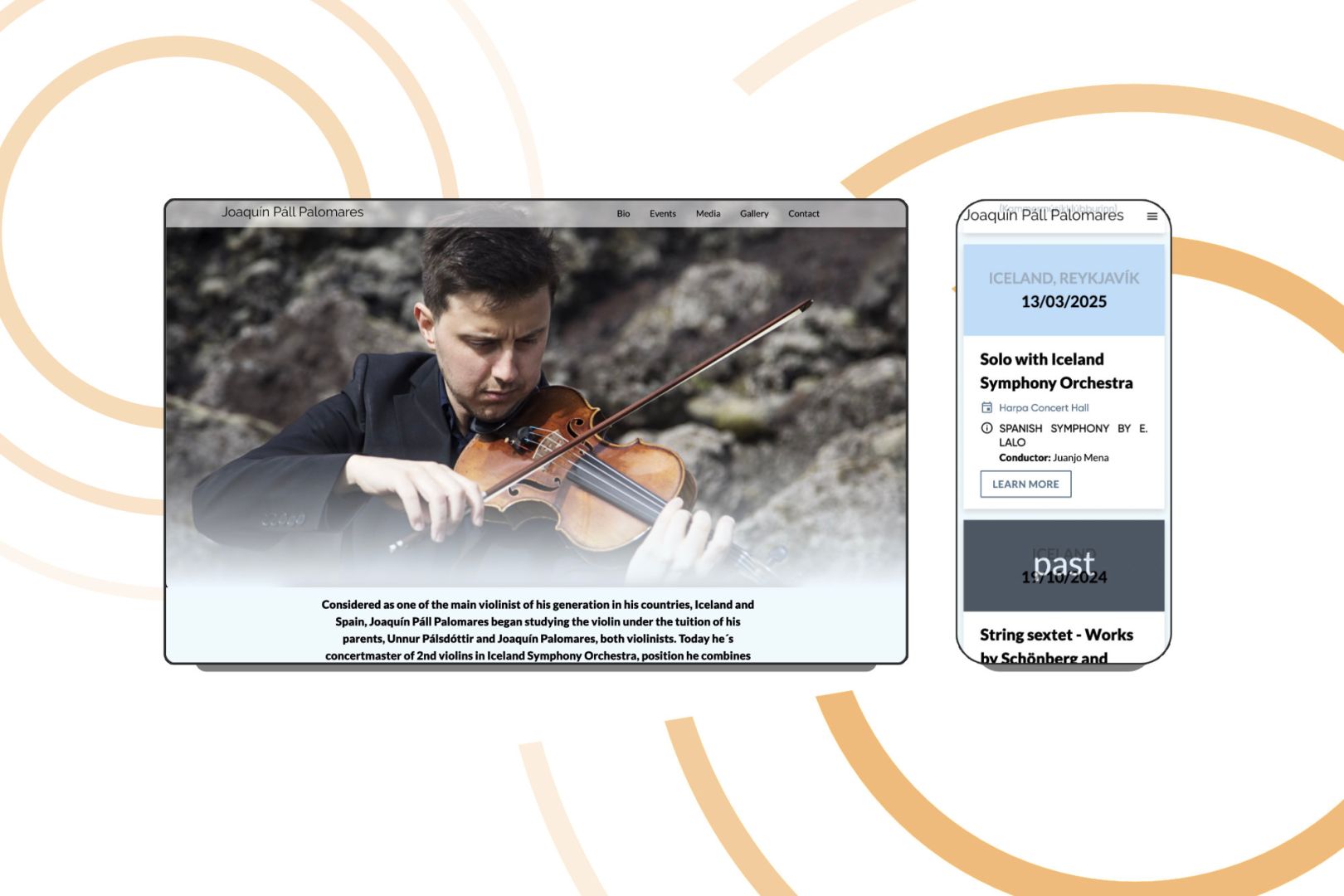
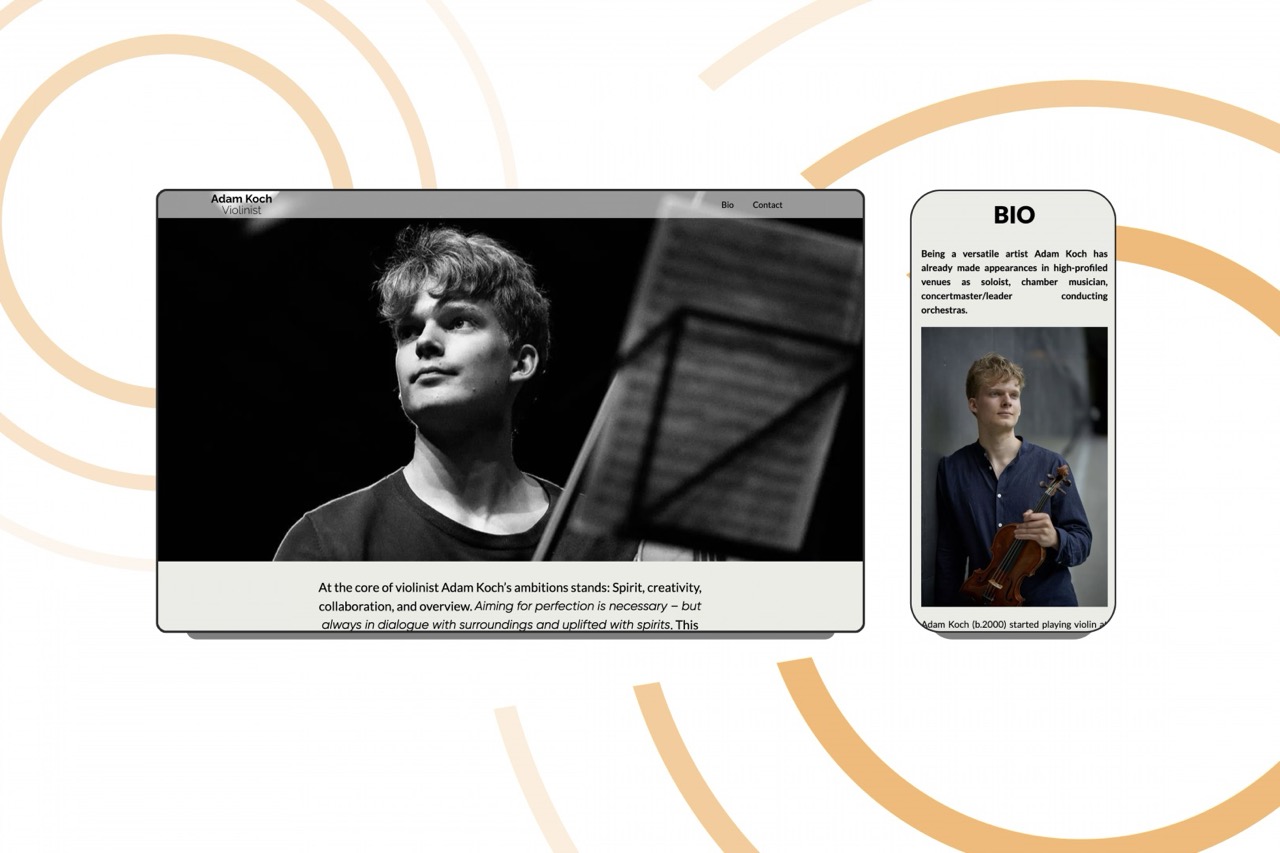
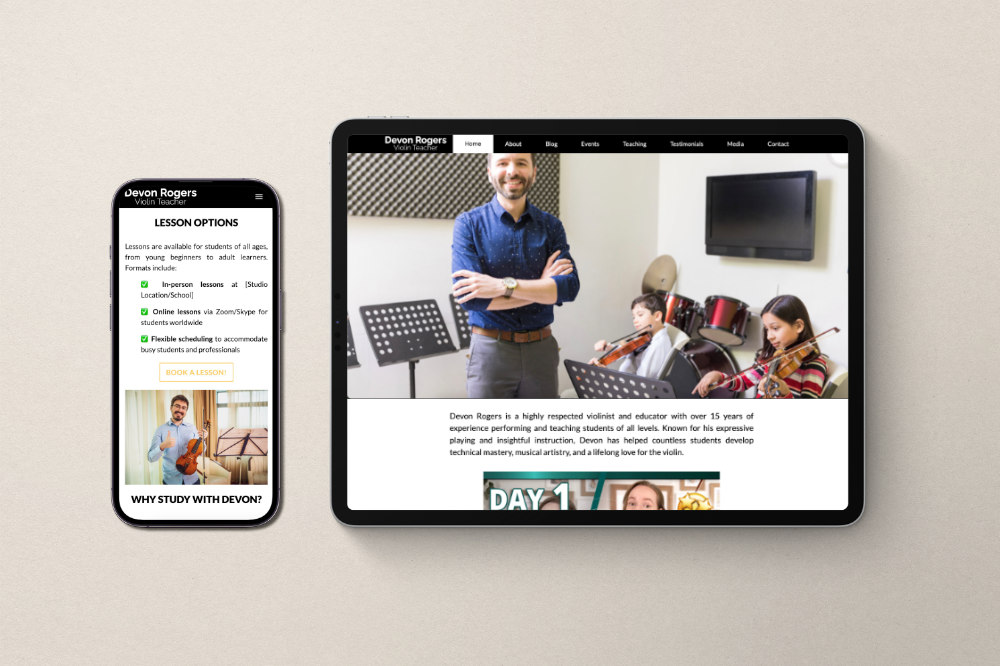
Your homepage is often the first impression a website visitor gets, so it needs to be both visually striking and user-friendly. Think of it as a snapshot of your online presence—it should quickly convey who you are, what type of music you create, and how a visitor can dive deeper.
- Quick Introduction: Let people know if you’re a band website or a solo artist project. This can be a short tagline, a pinned music video, or even an embedded music player auto-playing a snippet.
- High-Quality Visuals: Investing in a professional photo shoot is worth the expense. Crisp images improve your site’s polish and differentiate you from amateurs.
- Links to Key Content: If you’ve got new tracks streaming or an exciting collaboration with a platform like apple music, showcase it front and center.

2. The About Page
Listeners and industry professionals often want to know the story behind the songs. That’s where your About page comes in.
- Artist Bio: Whether you’re channeling your inner billie eilish or have the legendary appeal of celine dion, your personal narrative can grab attention. Offer insights into your style, influences, and milestones in your music career.
- Band Members: If it’s a band website, list each member with a short bio. This personal touch helps fans connect on a deeper level.
- Professional Tone: Remember that a musician can still be personable. Avoid excessively casual language or burying readers in lengthy paragraphs. Keep it concise and captivating.
Need help creating a bio? Try out our AI powered Bio Generator for Musicians!

3. The Music/Discography Page
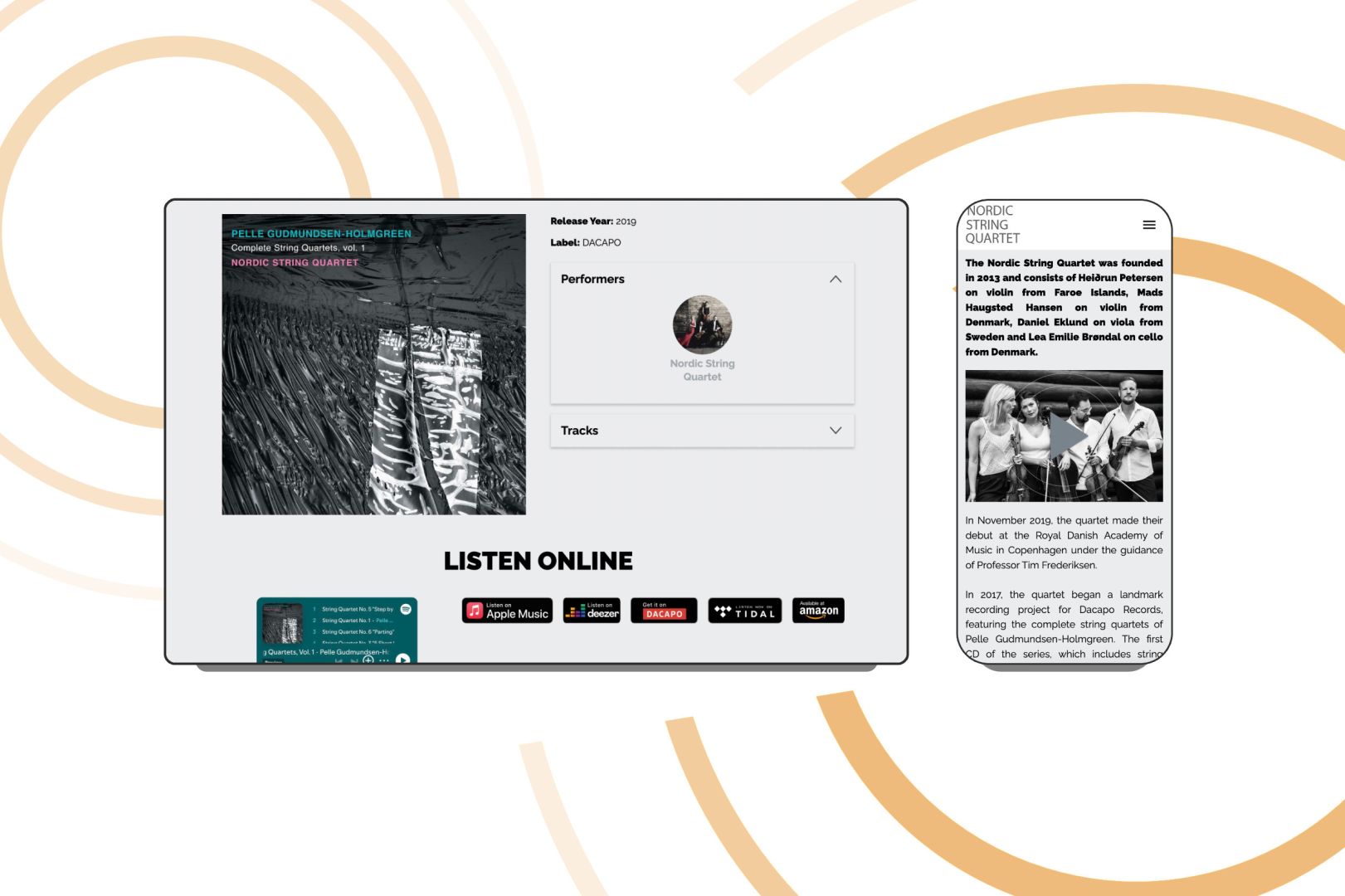
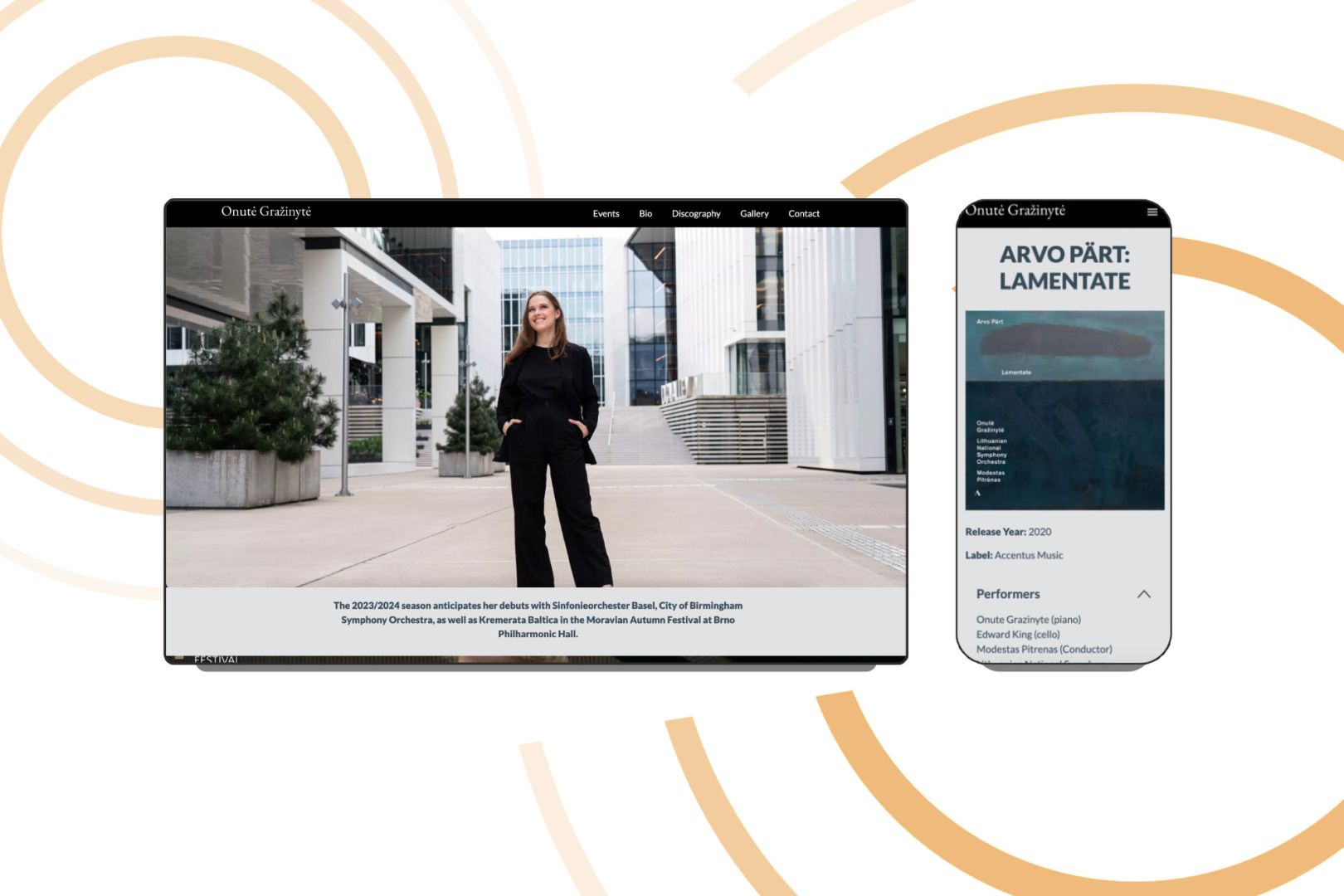
A music-centered site needs a dedicated discography section for visitors to explore your works easily. This is also a key page to embed a music player or link to streaming platforms:
- Tracklist or Albums: Provide album covers, track listings, or buy links for direct purchases.
- Audio Previews: Let fans sample your music on the spot. Doing so keeps them on your site longer and can reduce bounce rates.
- Band Website Variation**: If you’re building a band website, you might separate your discography by era, lineup changes, or special live albums. The organization can reflect your group’s evolution over time.

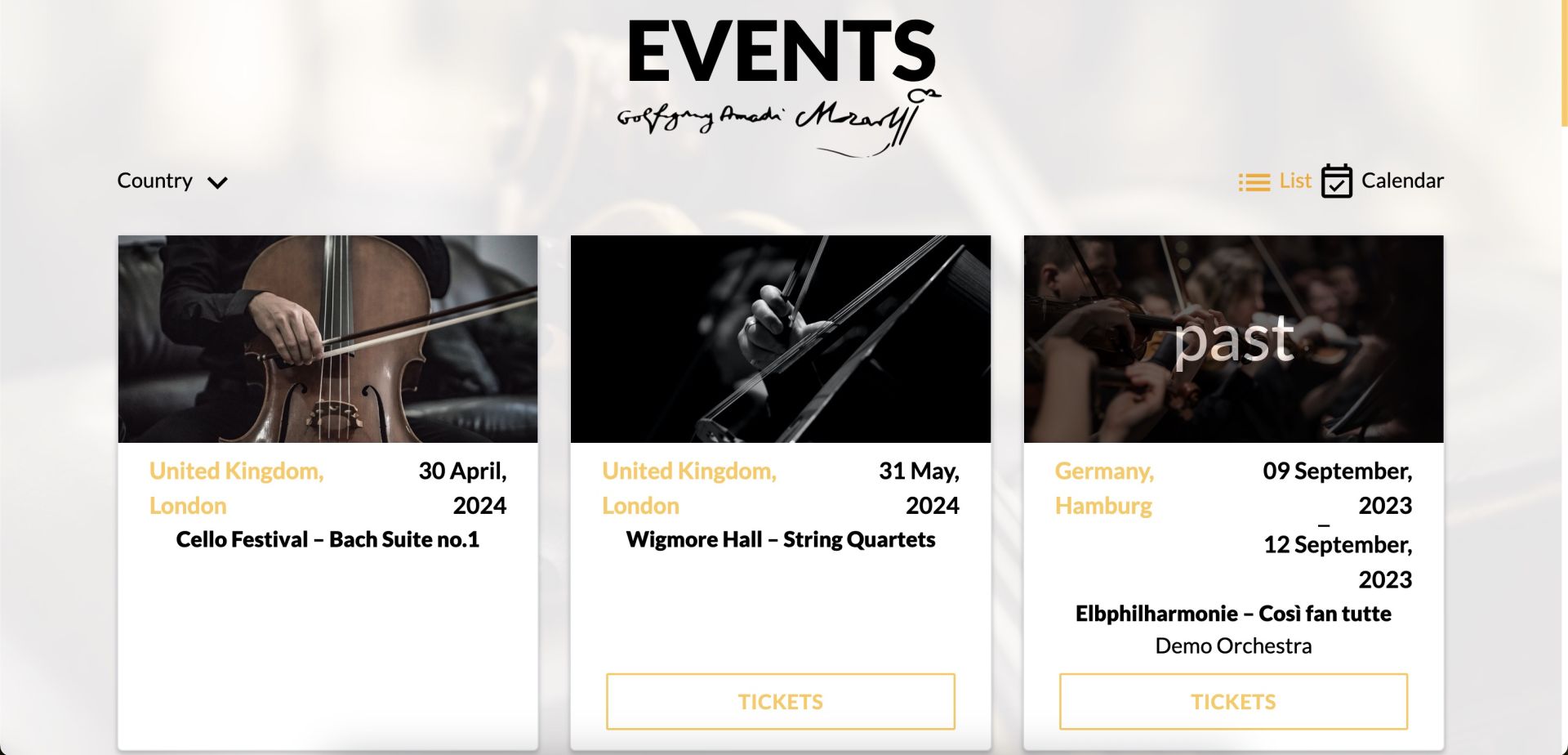
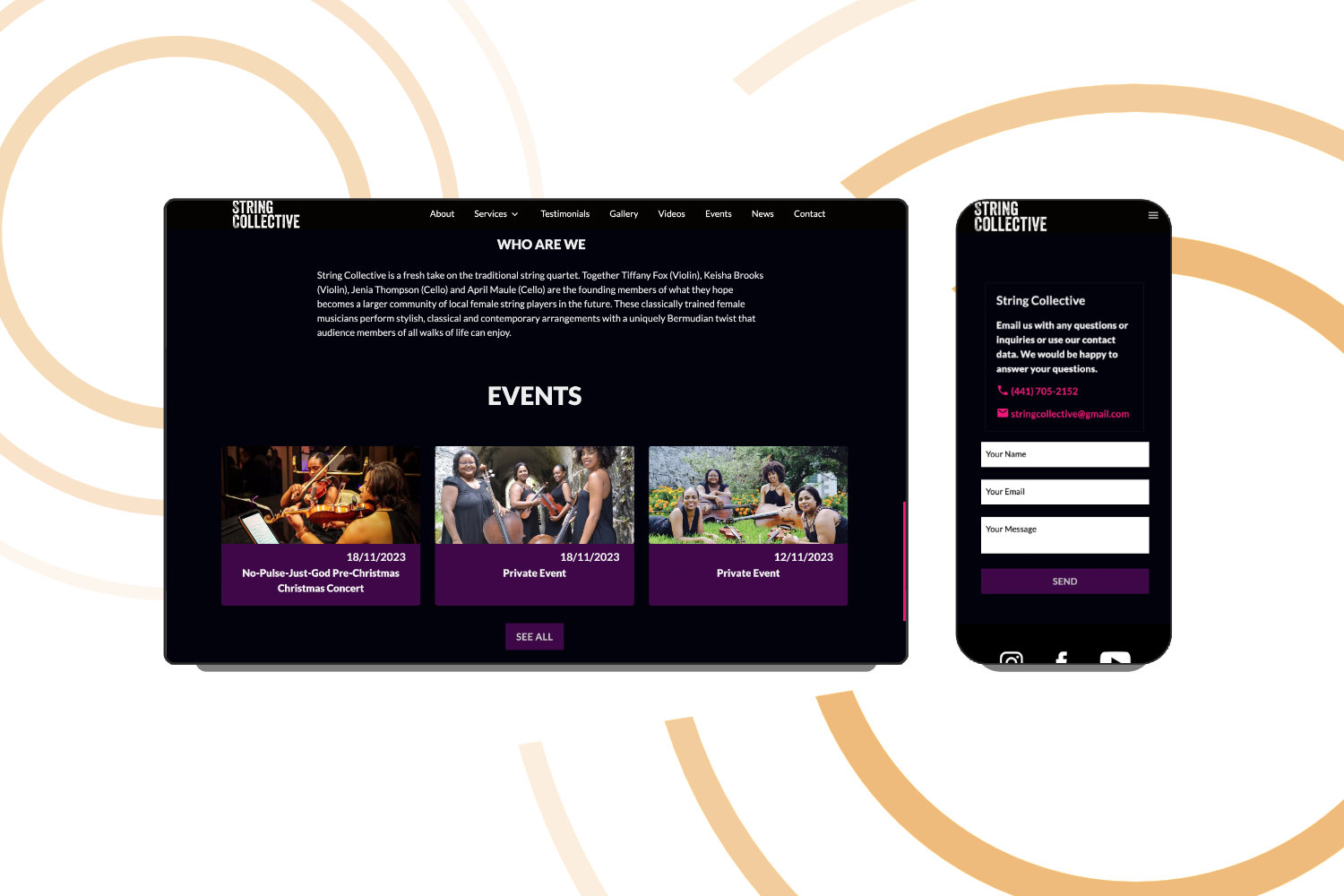
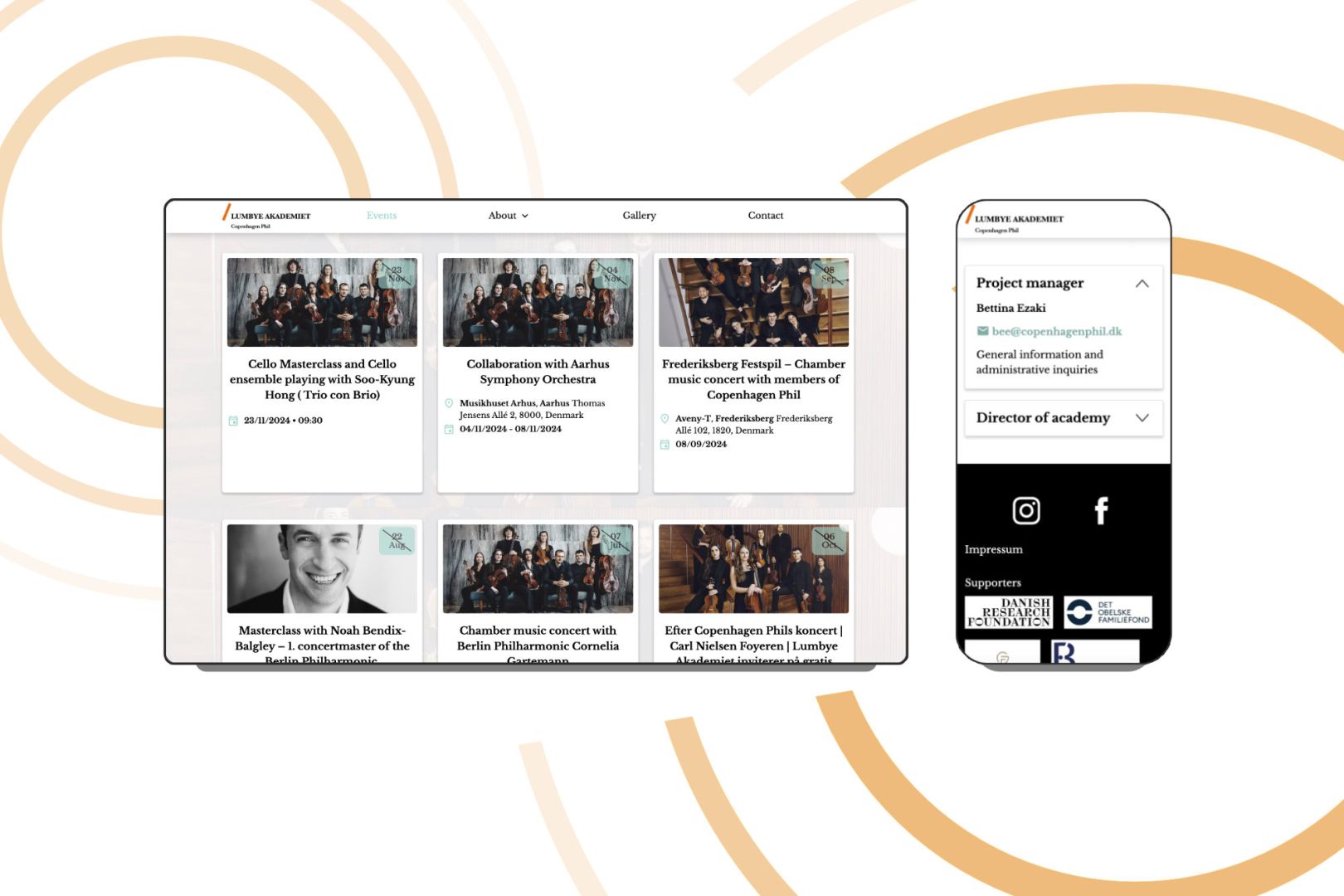
4. The Shows/Events Page
Live shows remain a cornerstone of the music experience, whether you’re playing intimate cafes or major festivals:
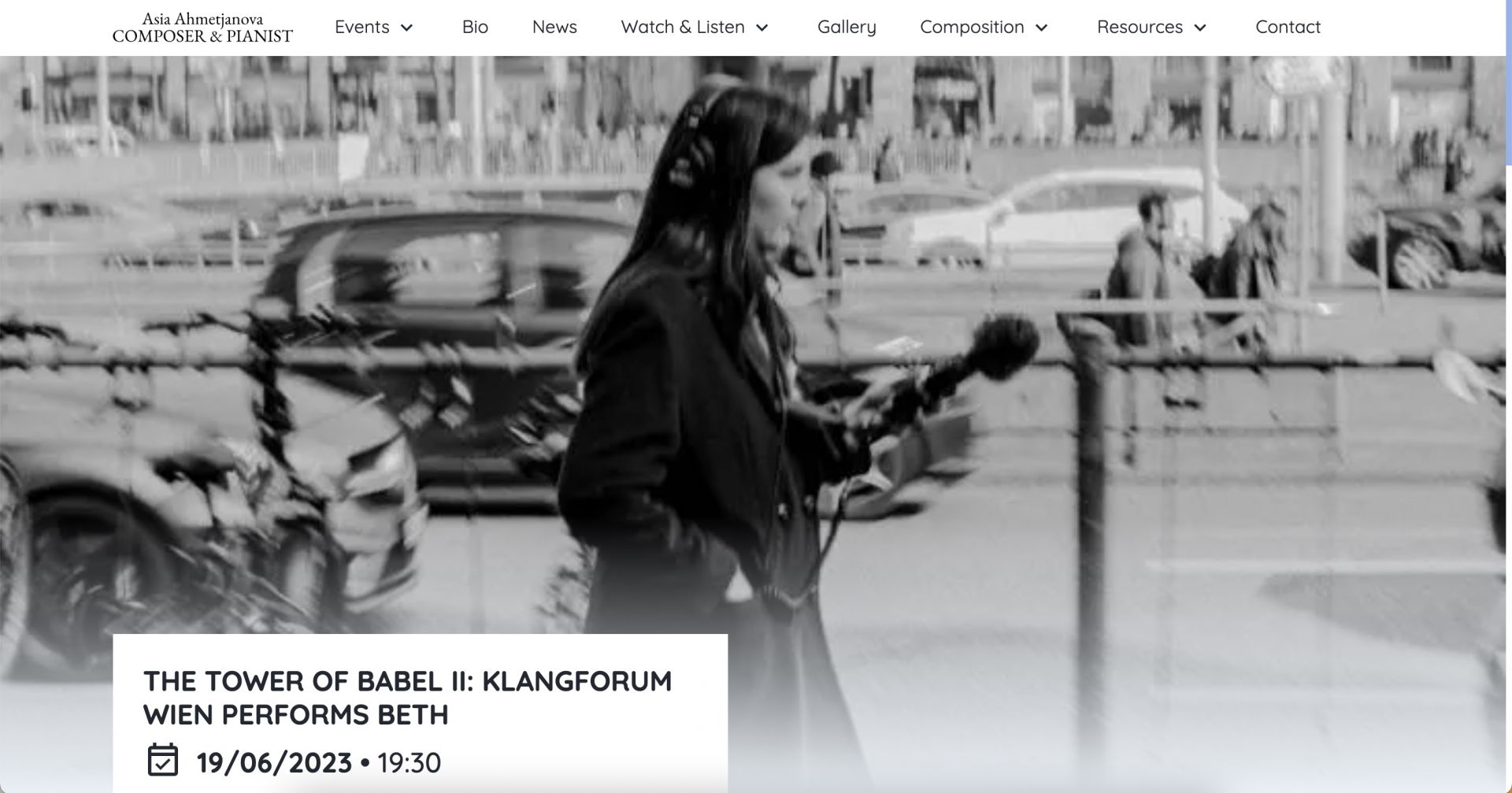
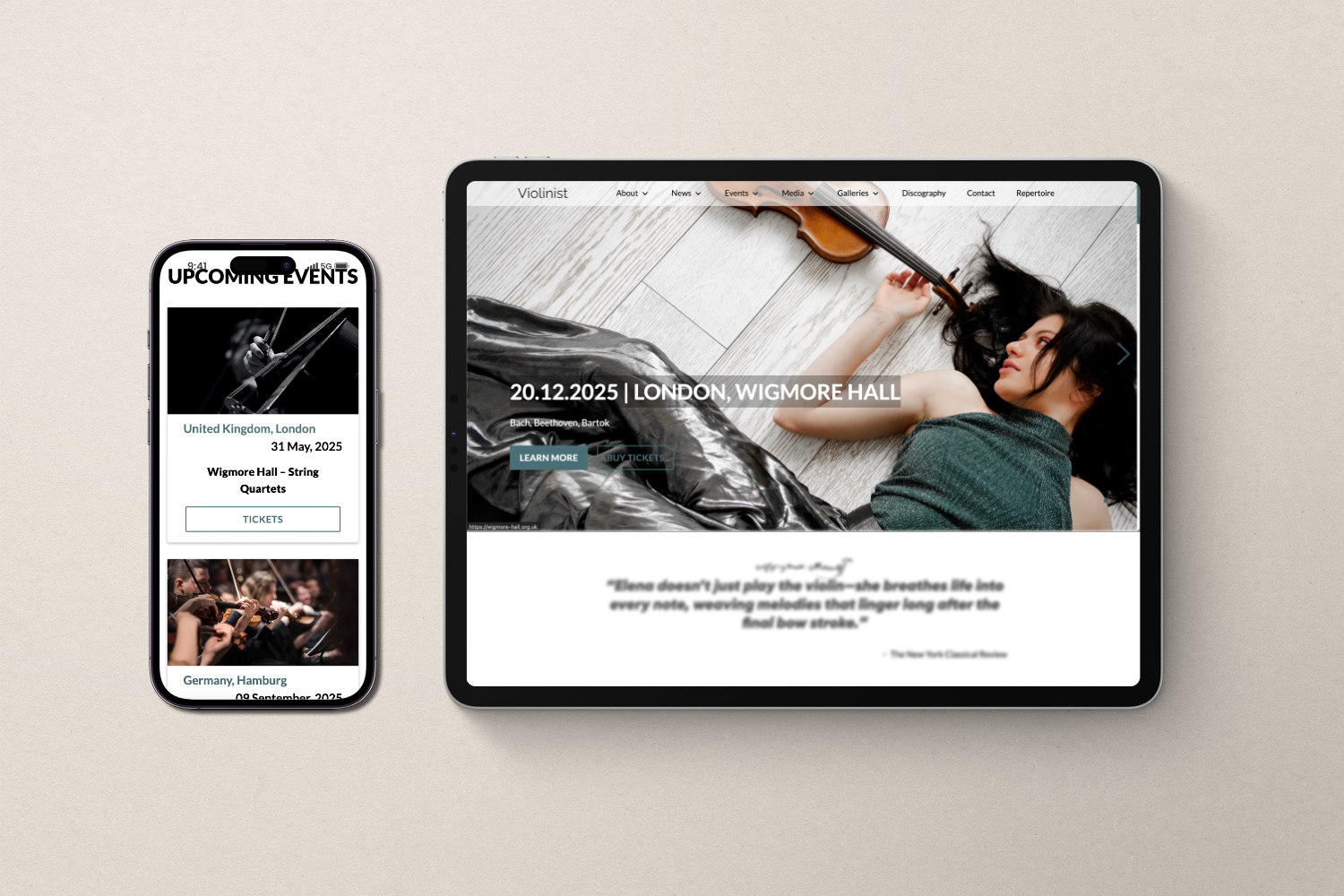
- Tour Dates: Provide a chronological list of your gigs with specific venues, dates, and links to tickets.
- Feature of Interactive Maps: Let fans see where the show is on a map for convenience.
- RSVP or Ticket Links: Include easy purchase methods, especially if your chosen website builder supports integrated e-commerce. Fans are more likely to purchase if the process is seamless.
5. The Online Store
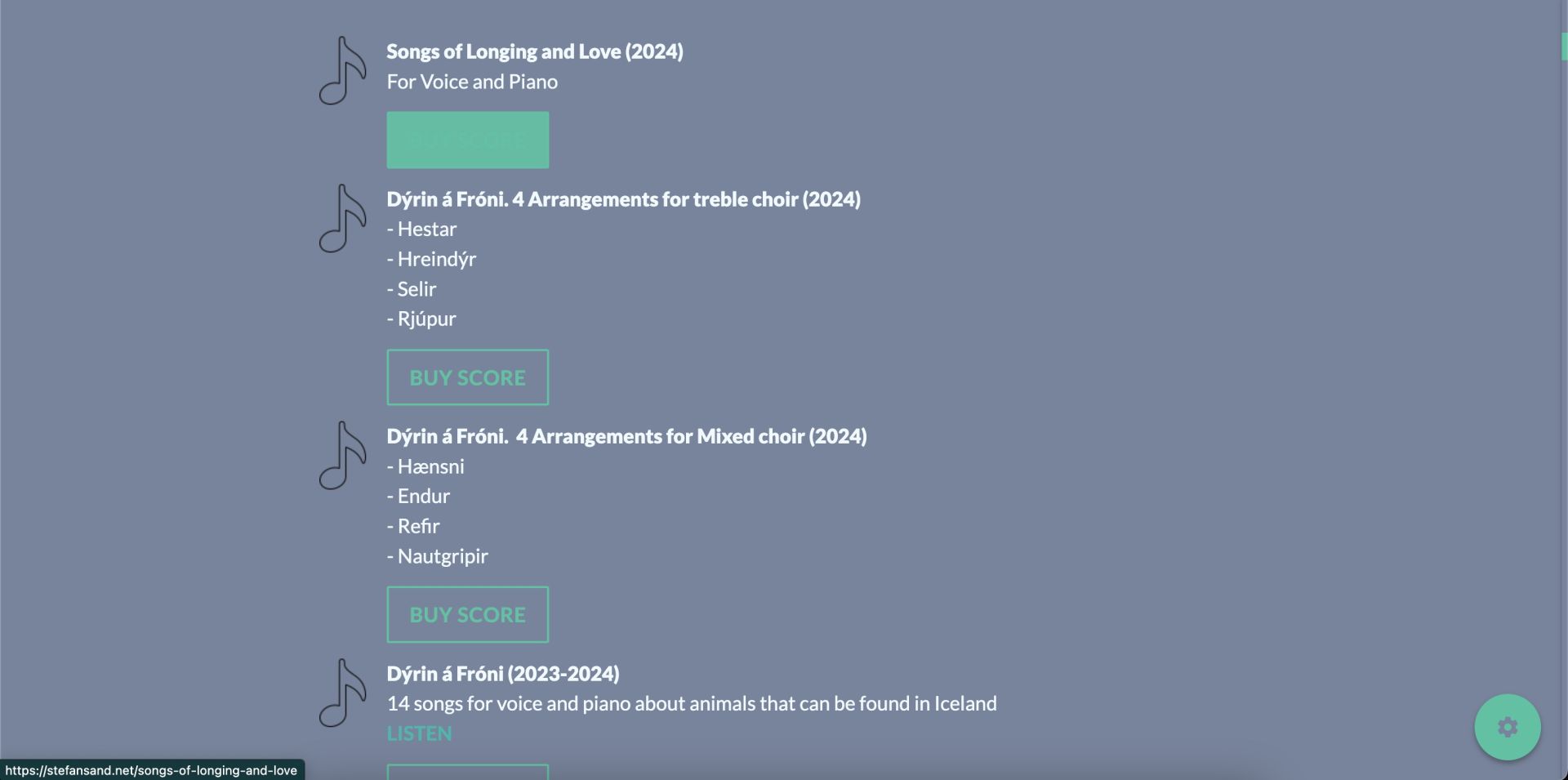
Offering merchandise or music downloads is a surefire way to boost your bottom line. This is also your chance to provide exclusive content to loyal supporters.
- Merch: T-shirts, posters, vinyl—fans love collecting tangible items.
- Digital Products: Sell high-quality digital downloads, or even a membership for fan subscription if you want to deliver behind-the-scenes access, alternate takes, or live jam sessions.
- Easy Checkout: A cluttered cart system can scare potential buyers away. An effective website builder will streamline the purchase process for your fans.

6. The Contact Page
A well-structured contact page is non-negotiable:
- Booking Inquiries: Booking agents, event planners, or clubs might want to contact you for gigs. Make it easy.
- Press Requests: Journalists and bloggers could be your ticket to the next big break in the music industry. A clear contact form keeps lines of communication open.
- Manager/Agent Info: If you have representation, list that here to filter inquiries appropriately.
7. The Blog/News Section
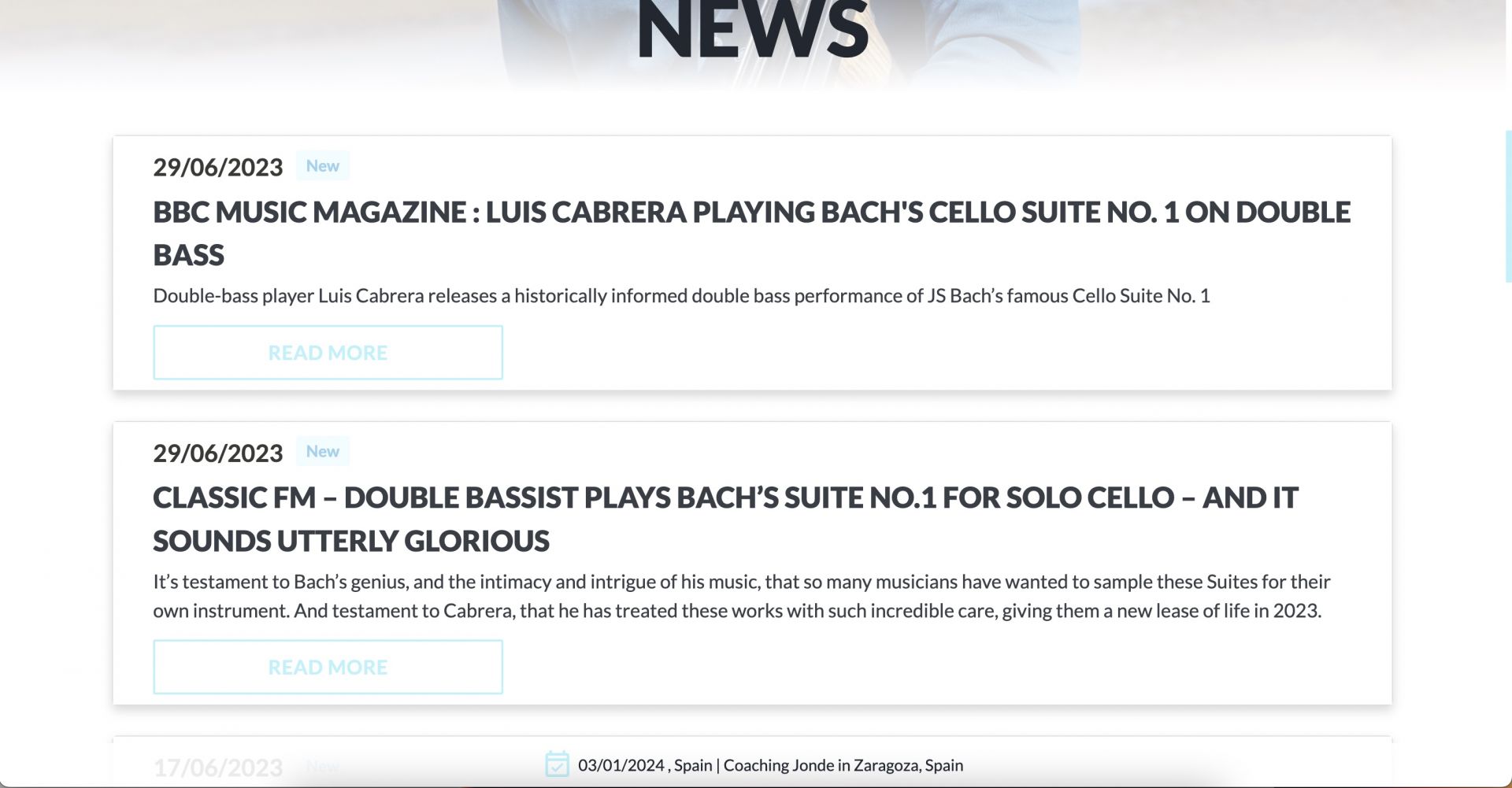
Consistently updated content boosts your site’s ranking on search engines and keeps fans returning for fresh updates:
- Blog Post Announcements: Short reads about your creative process, new collabs, or personal thoughts can humanize you.
- Band Website Edge: For a group, blog entries from different band members can spice up the feed with varied perspectives.
- Teasers and Previews: Use the blog to tease new music or share behind-the-scenes snippets.
Optional Yet Powerful Additions for a Music Website
Depending on your style and audience, you might add or tweak more pages to your music website:
1. Press Kit/Electronic Press Kit (EPK)
An EPK is an extended About page specifically curated for journalists, promoters, and record label scouts. It can contain a highlights reel, quotes, and a few high-res photos ready to print. The EPK adds an extra layer of professionalism to your online presence.
2. Fan Club/Membership Section
For devoted supporters, gated pages provide an incentive to join. These might include early-access tracks, discounted merch, or an invite to a members-only event. This approach fosters community and loyalty, especially when integrated smoothly with your website builder.
3. Forum or Comment Section
If your fan base thrives on discussion, a forum or comment section can help them connect with one another. This sense of community deepens engagement and ensures visitors stick around longer.
4. Social Media Links
While it’s wise not to overshadow your brand with giant social media icons, subtle buttons linking to your social media profile or pages can help visitors find you on Instagram, YouTube, or Facebook. This ensures fans can follow your day-to-day updates while you maintain control over your official website.
Showcasing Your Music
Embedding a Music Player
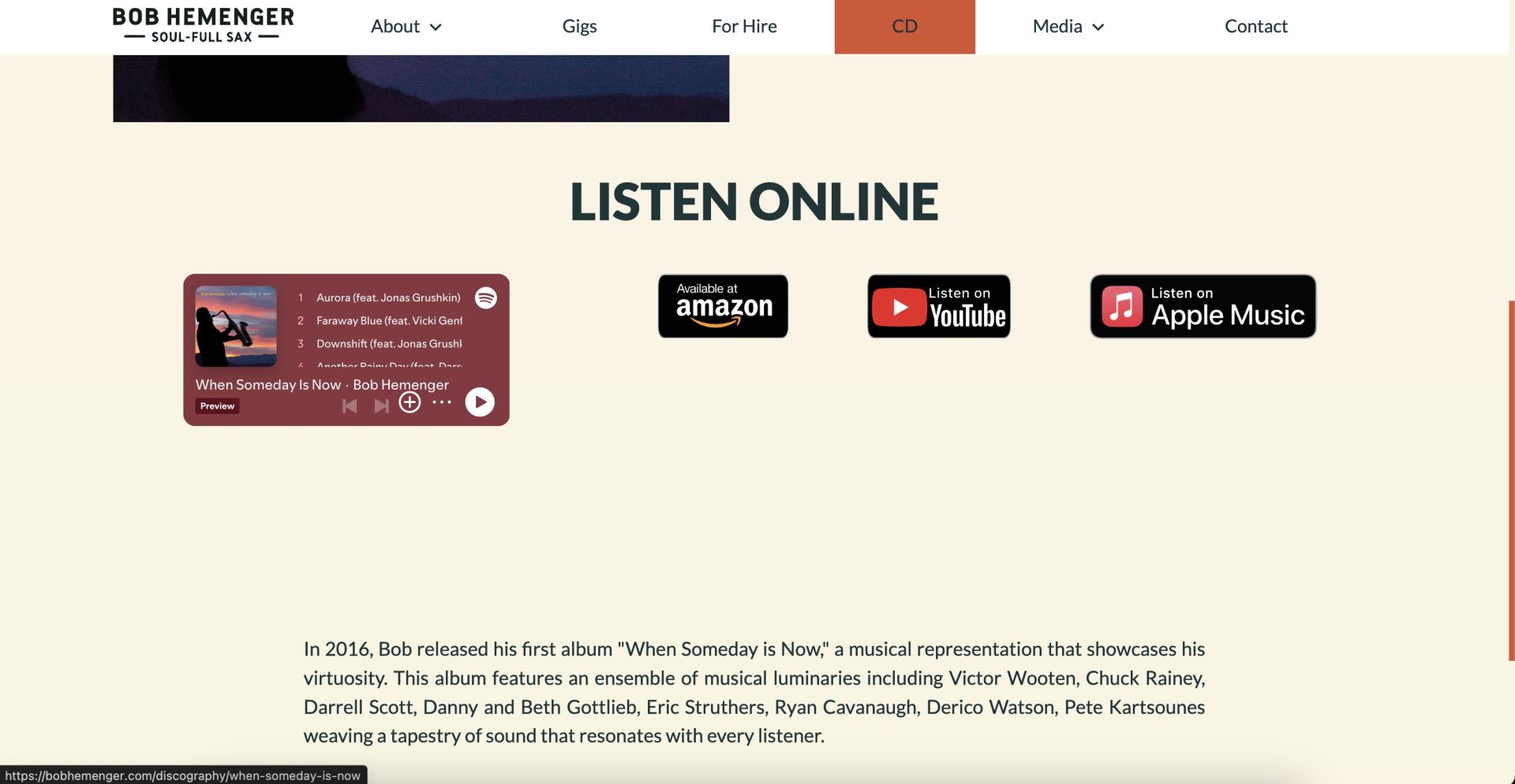
Your music website should let fans sample your tracks with minimal clicks. Some website builder platforms let you embed a custom audio player on each page. Others integrate directly with services like Spotify or apple music. Here’s why it matters:
- Instant Engagement: Music is best experienced immediately, without a series of redirects.
- Reduced Friction: Visitors stay on your site, exploring the rest of your pages while listening.
- Seamless Branding: Aligning the colors of your player with your site’s vibe keeps your presentation cohesive.
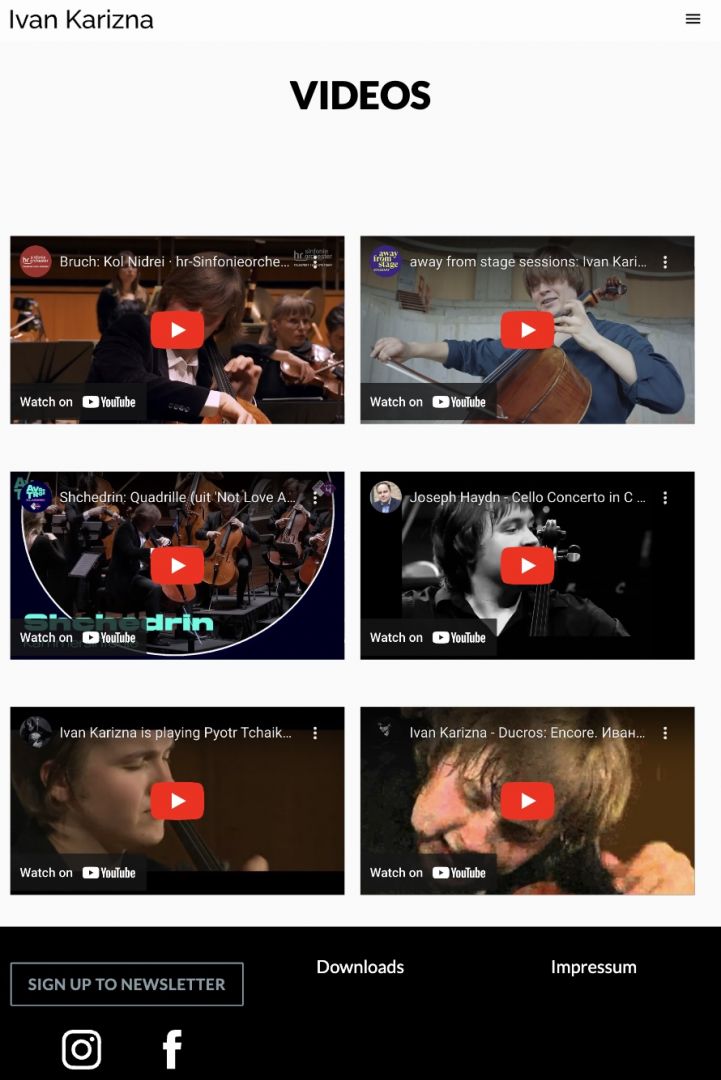
Spotlighting a Music Video
A carefully placed music video can captivate a visitor from the moment they land on your homepage. Whether you’re channeling the cinematic style or working with minimalistic visuals, videos offer an immersive experience beyond audio alone.
- High Impact: Moving visuals often make an immediate, memorable impression.
- Multi-Platform Accessibility: If you have the video on YouTube, embedding it can also boost your views and engagement metrics.
- Encourages Return Visits: Fans might revisit the site repeatedly to watch the video, especially if it’s exclusive to your artist website for a limited time.
How to Optimize Your Music Website for Discoverability
A well-structured music-focused site is powerful, but it doesn’t automatically rank high in search engines. Let’s go over how to optimize it:
1. Use of Template for SEO
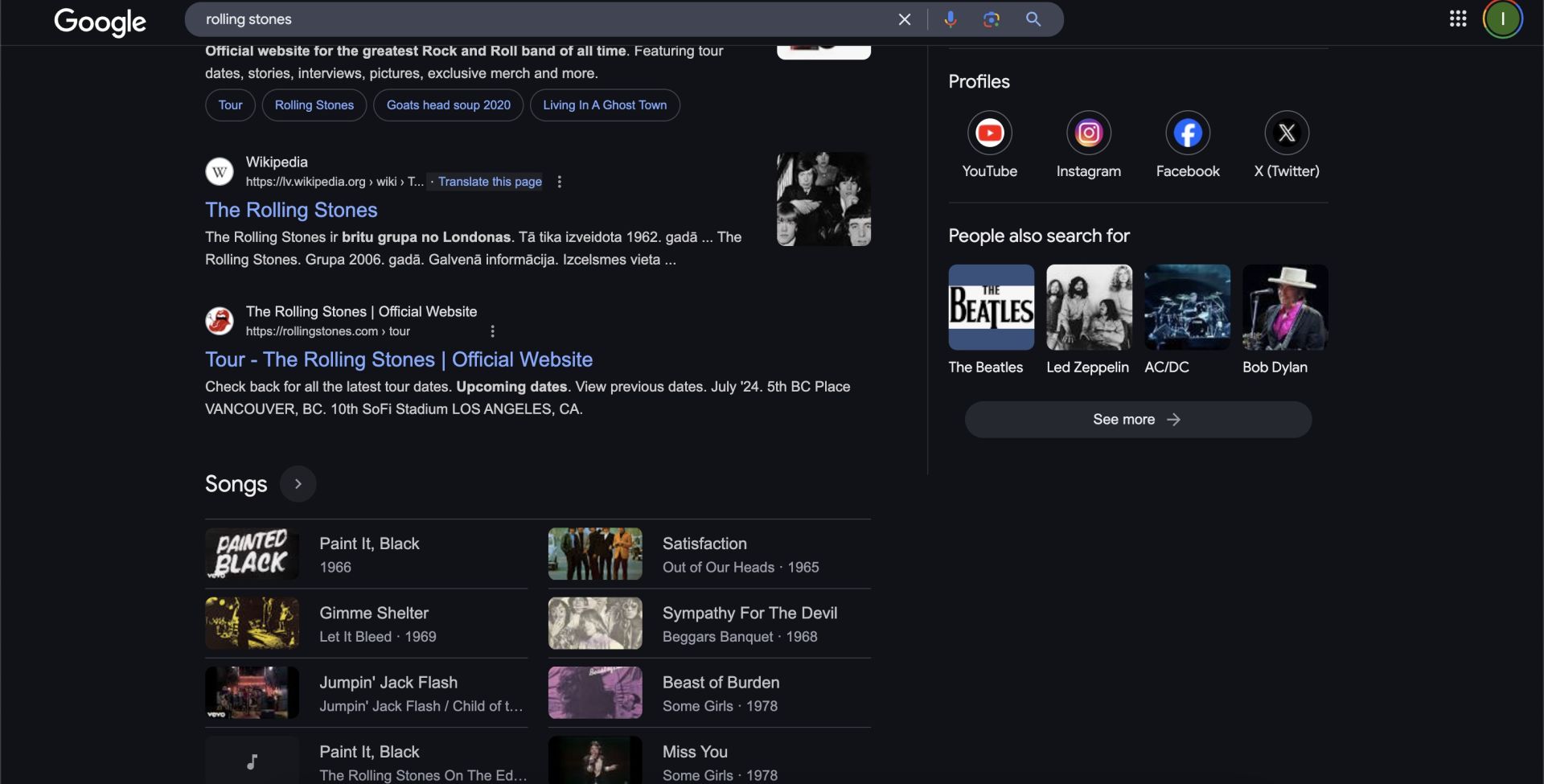
Many website builder platforms provide an SEO-friendly template. They also let you add meta tags, titles, and alt text for images. Tweak these fields with concise, relevant keywords like “upcoming gigs,” “new single,” or “indie rock musician.”
2. On-Page Structure
A logical flow, anchored with headings (H1, H2, H3) and bullet points, helps both visitors and search engines parse your info. Plus, it boosts readability.
3. Mobile Responsiveness
A large chunk of your site traffic might come from fans or casual listeners on phones. A responsive template ensures your site auto-adjusts, so your content remains crisp and easy to navigate. Check out your website's performance
4. Speed and Stability
Overstuffed pages that take forever to load can frustrate potential fans. Compress images, limit unnecessary scripts, and choose a robust website builder that can handle your media. This also improves your ranking in search engines.
5. Social Sharing Buttons
Subtle but visible share buttons for your blog entries or new song announcements help your fans spread the word on their personal networks. This organic promotion can drive more traffic.
Check out our guide on SEO for artists to learn more about bringing your website to the top of google search results!
Tips for Band Website Success
If you’re part of a group, building a band website requires a thoughtful approach. You must balance multiple personalities, different roles, and a variety of content:
1. Unified Branding
Even if each member has their own style, maintain a consistent color palette and logo for a cohesive band identity.
2. Multiple Voices on the Blog
Let each member post updates. One might discuss gear tips, another might talk about songwriting. This variety enriches the site for returning readers.
3. Inclusive Merch Store
If members have side projects, consider how that might factor into your store. Are you selling solo EPs from the guitarist or focusing exclusively on group-branded merch?
4. Gallery of Moments
Fans love to see behind-the-scenes photos. A dedicated gallery capturing rehearsals, studio sessions, or silly on-the-road snapshots can turn casual onlookers into dedicated followers.

The Role of Customizable Templates in Website Design
When building your site, you’ll encounter many template options. Don’t be afraid to experiment to see which suits your brand best:
- Template Variety: Some emphasize big hero images and minimal text, ideal for a moody ambiance. Others rely on grids or columns if you want a more editorial layout.
- Crisp and Modern: If your music has a sleek vibe, a minimal white background with bold accent colors might fit the bill.
- Edgy and Experimental: For alternative or experimental music, a darker, more avant-garde template could mirror your sound visually.
Being able to tweak fonts, color palettes, or navigation bars is a huge perk offered by your chosen website builder.
Building a Music Website That Grows With You
A stellar music website isn’t something you build and forget. It’s more like a living, breathing space that grows alongside your music career. Here’s how to keep it thriving:
1. Update Regularly
As you release new EPs, finish a new photoshoot, or book gigs, reflect those changes on your homepage. Stagnant sites discourage repeat visitors.
2. Collect Email Addresses
Email remains a powerful way to stay connected with your audience. Offer freebies or early access to new tracks to encourage sign-ups.
3. Encourage Engagement
Create polls, share behind-the-scenes clips, or ask fans to vote on setlists. This dialogue fosters community beyond just selling records.
4. Track Metrics
Monitor user behavior to see which pages perform best. Maybe your events page gets huge hits; time to feature it more prominently or create special content around future gigs.
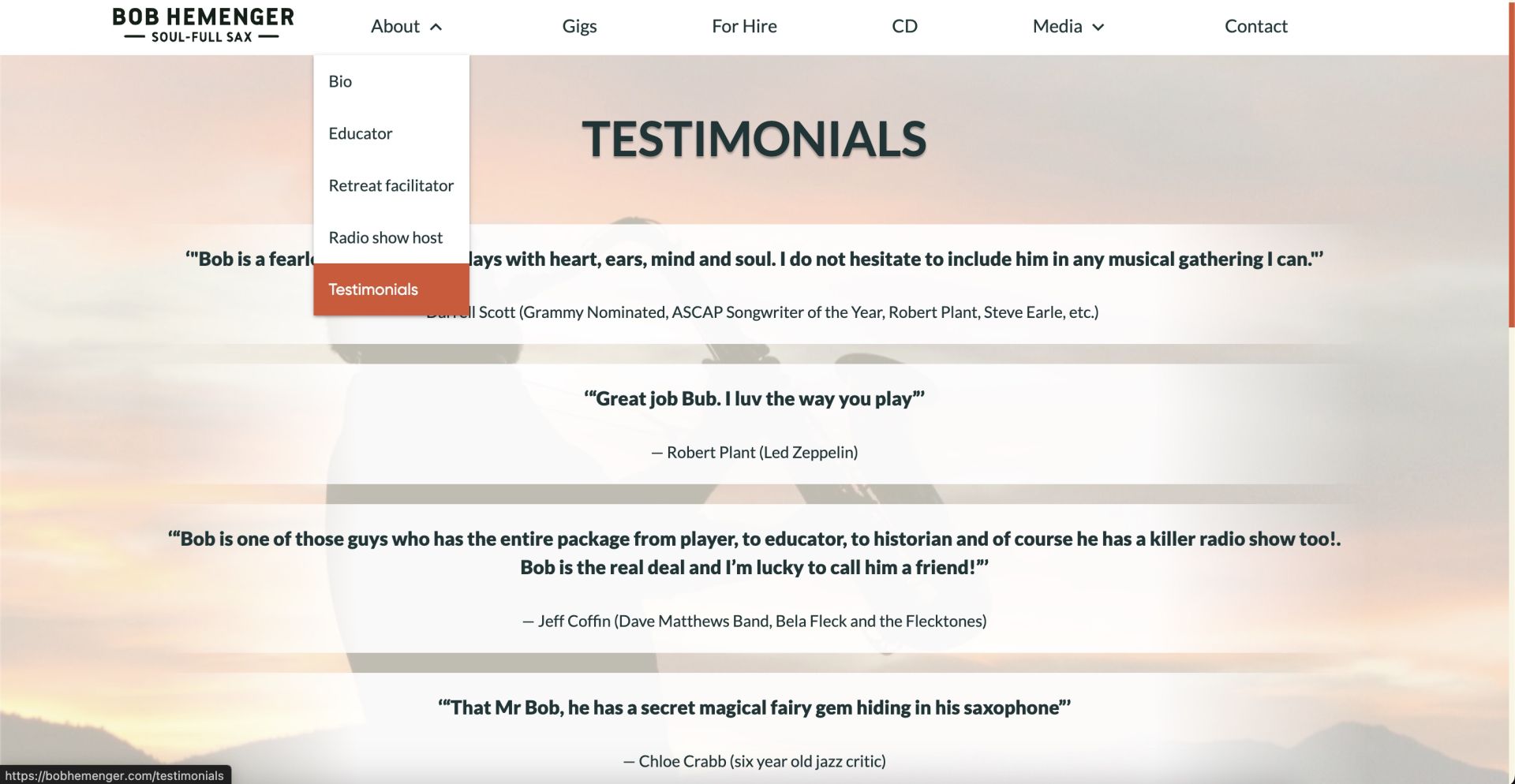
Additional Feature: Social Proof and Testimonials
Just as testimonials can enhance typical business sites, they’re also gold on a musician website. Quoting a glowing review from a local magazine or posting screenshots of positive tweets from fans can build trust. If you’ve opened for a bigger name or been part of a major festival lineup, mention it to show your credibility.
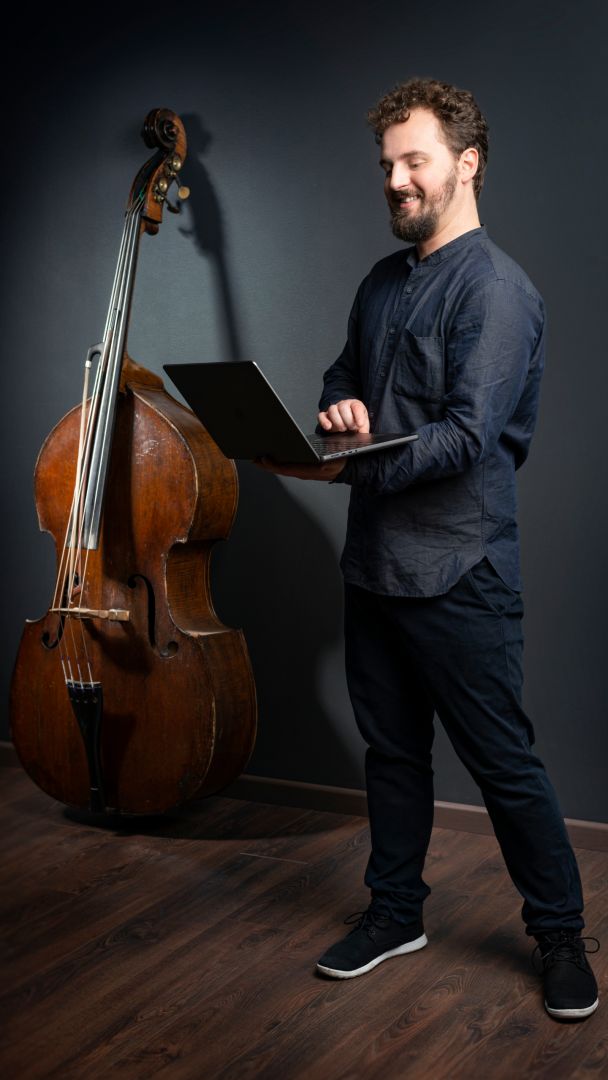
The Importance of a Professional Photo
Great visuals can make or break that crucial first impression. Even if you’re not a big name yet, investing in a professional photo session shows you respect your own craft. Use these images on your homepage banner, about page, and promotional materials. Even a straightforward, well-lit headshot exudes more confidence than a blurry phone pic.
Order Your Music Website Now!
Looking at how each page can work together, it becomes clear that every musician needs more than just a random collection of content. The synergy of a purposeful homepage, discography, and contact page shapes your identity for fans and industry professionals. If the thought of piecing this all together feels overwhelming, you’re not alone.
We specialize in helping artists craft a musicians website that captivates audiences and drives real-world results. With an experienced team ready to build or redesign your music website, you’ll enjoy:
- A full service approach — we take care of everything, from planing and designing your website to launching it and keeping it up-to-date
- A curated music website template or from-scratch design that suits your style
- Seamless integration for social media links, music streaming, or e-commerce
- Ongoing support to ensure your site thrives as your music career evolves
Don’t miss the chance to solidify your brand and transform casual listeners into loyal fans. Get in touch with us to develop a thriving online presence that’s truly yours
Final Thoughts on Essential Pages for a Musician Website
Building a well-rounded musician website isn’t just about slapping your tracks online. It’s about ensuring each page—from the homepage and about section to the store and blog—serves a strategic role in growing your audience and elevating your artistry. Whether you lean toward a minimal approach or prefer a lively, interactive vibe, a complete set of essential pages guarantees that your fans and potential industry insiders find exactly what they need.
With the right website builder, well-chosen template options, and an understanding of how to keep your online presence evolving, you can confidently step forward into the music industry. Don’t limit yourself to social media alone; expand your reach with a site that truly represents who you are as a musician. Whether you’re a modest indie act or a rising star, focusing on these core pages will lay the groundwork for a lasting digital legacy that resonates with your listeners.
Enjoy creating your site, and keep in mind that we’re here to assist if you need professional guidance in turning your vision into a polished, conversion-ready reality. Crafting your place on the web has never been simpler—or more crucial—to your growth as a musician.