Marketing for Classical Musicians: How to Reach a Modern Audience
Table of Content
Marketing for classical musicians can be a challenging task, especially in today's digital age where there is a lot of competition for attention. Classical music, while still popular and appreciated by many, is often overshadowed by more mainstream genres. This can make it difficult for classical musicians to get the exposure they need to build a successful career.
However, with the right marketing strategies, classical musicians can reach new audiences and establish themselves as professional artists.
Here are some tips for marketing classical music to a modern audience:
Focus on digital marketing
Digital marketing is an essential tool for musicians, particularly for those working in the classical music world. By creating marketing material and using social media, websites, and other online platforms, musicians can reach a wider audience and build their reputation in the industry.
Digital marketing can be especially useful for independent artists who may not have the same resources as larger organizations.
Use social media to your advantage
Social media platforms such as Facebook, Instagram, Twitter and TikTok are great tools for classical musicians to connect with their audience and promote their music. It's important to regularly post updates about your concerts, recordings, and other news, and to engage with your followers by responding to comments and messages. You can also use hashtags to reach a wider audience and join classical music-related groups on social media to network with other musicians.
Think about your audience when you post on social media. There are different types of people following you - music lovers, professional musicians, managers, agents, promoters, arts organizations - create each piece of content with the type of audience in mind. While music lovers may enjoy pictures of your latest concert or rehearsal, organizers may be interested in reading about your latest idea for a concert program they can include in their next season.
Check out our article about Content Ideas for Musicians to get some inspirations.
Your followers number counts. Artist manager Jack Lin, who organizes many concerts in Asia, says promoters consider the number of followers you have when inviting you to a concert or even deciding what fee to offer you. If you have a large and engaged audience on social media, promoters know they can spend less money on marketing and promoting your concert because a certain number of your followers will spread the word about you and come to your concert. Listen to the full interview with Jack Lin on our podcast.
Create a professional website
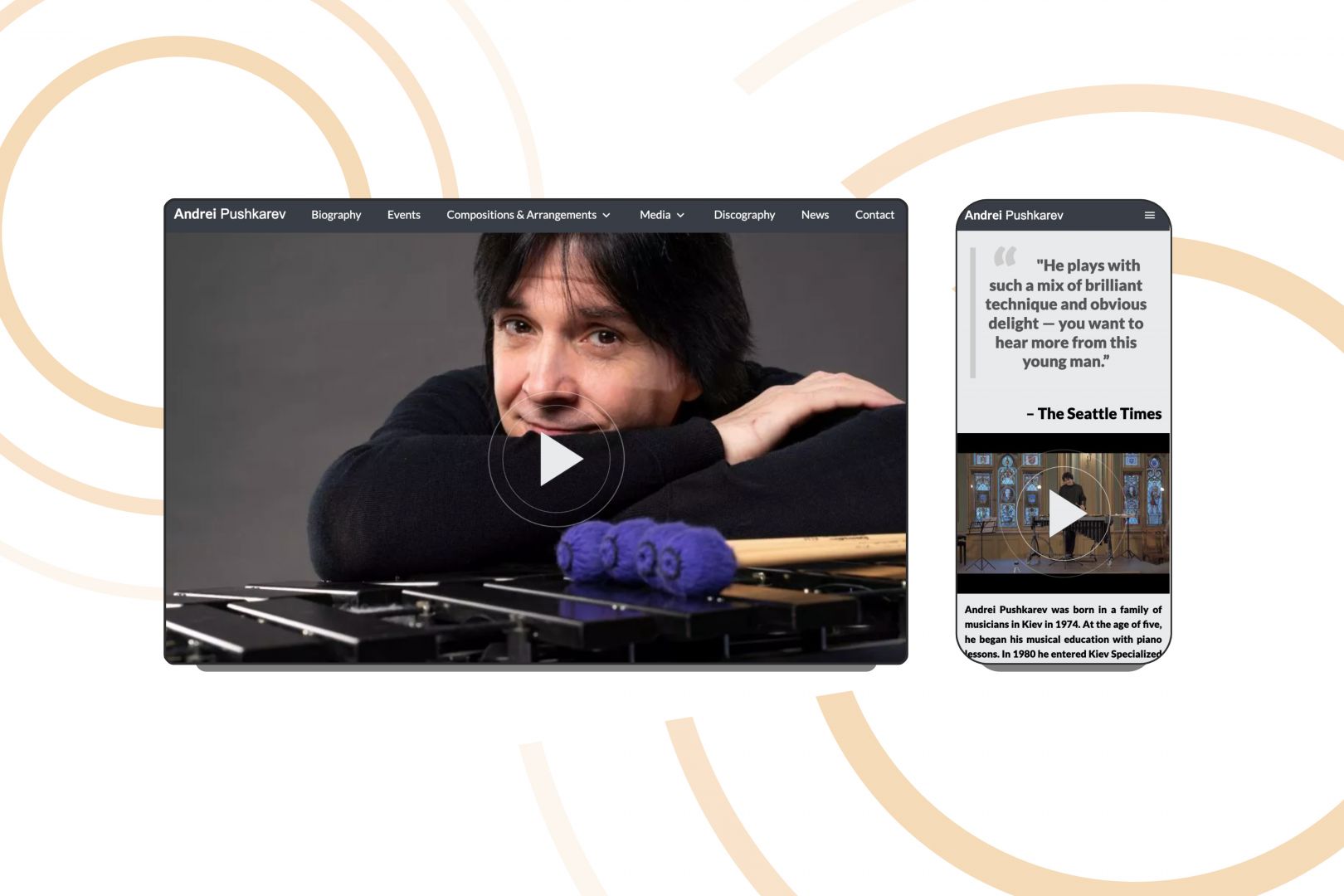
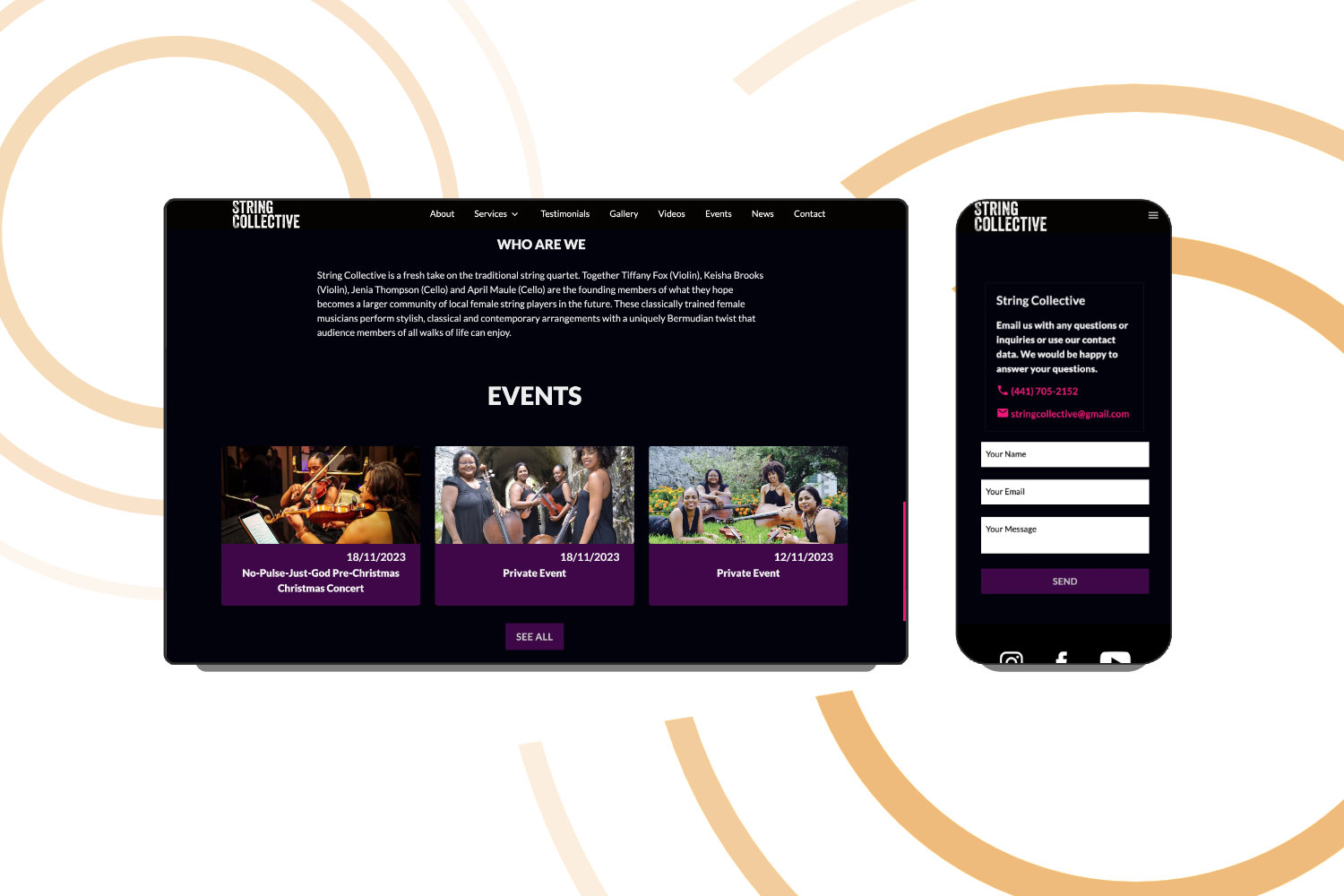
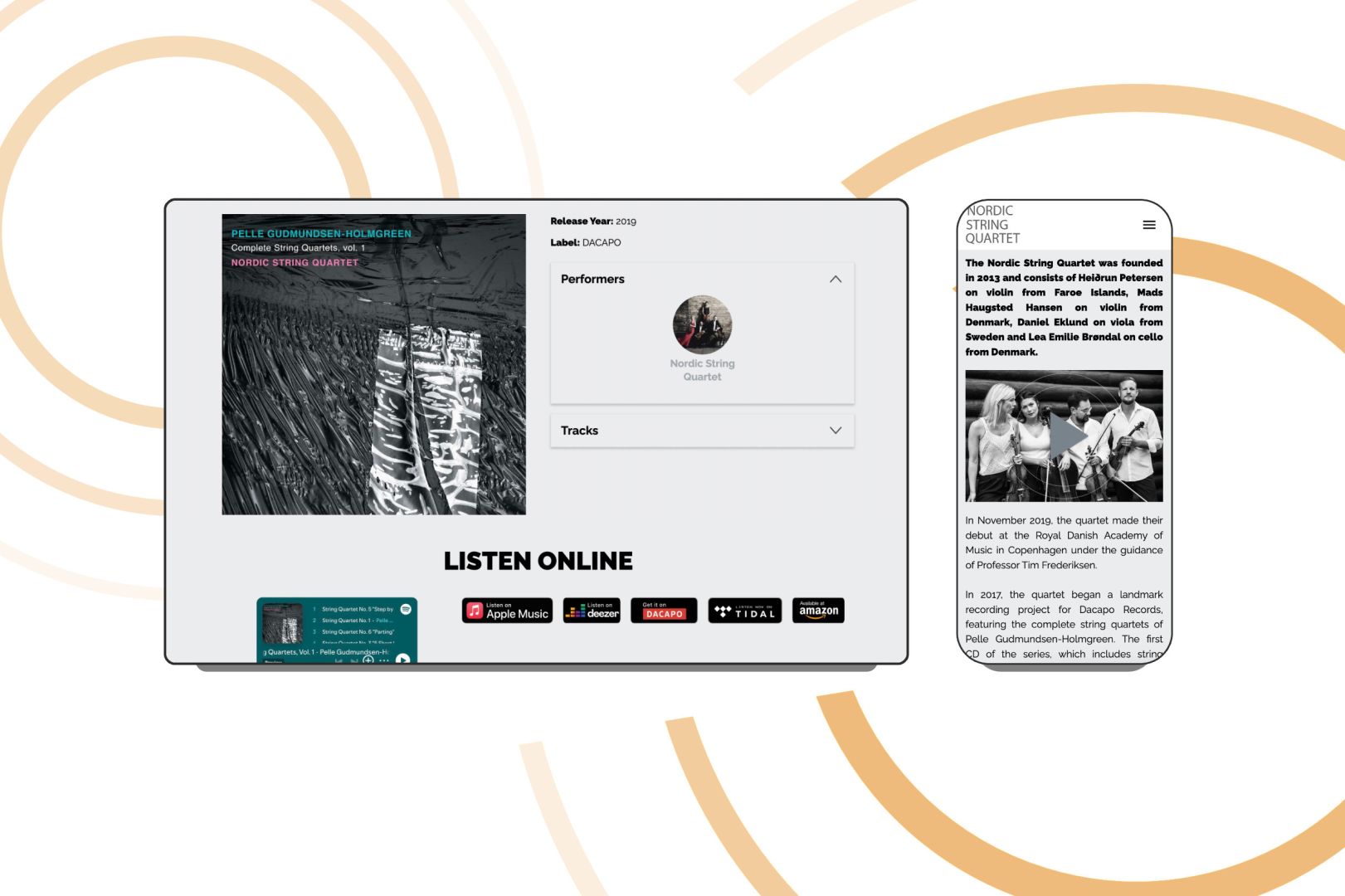
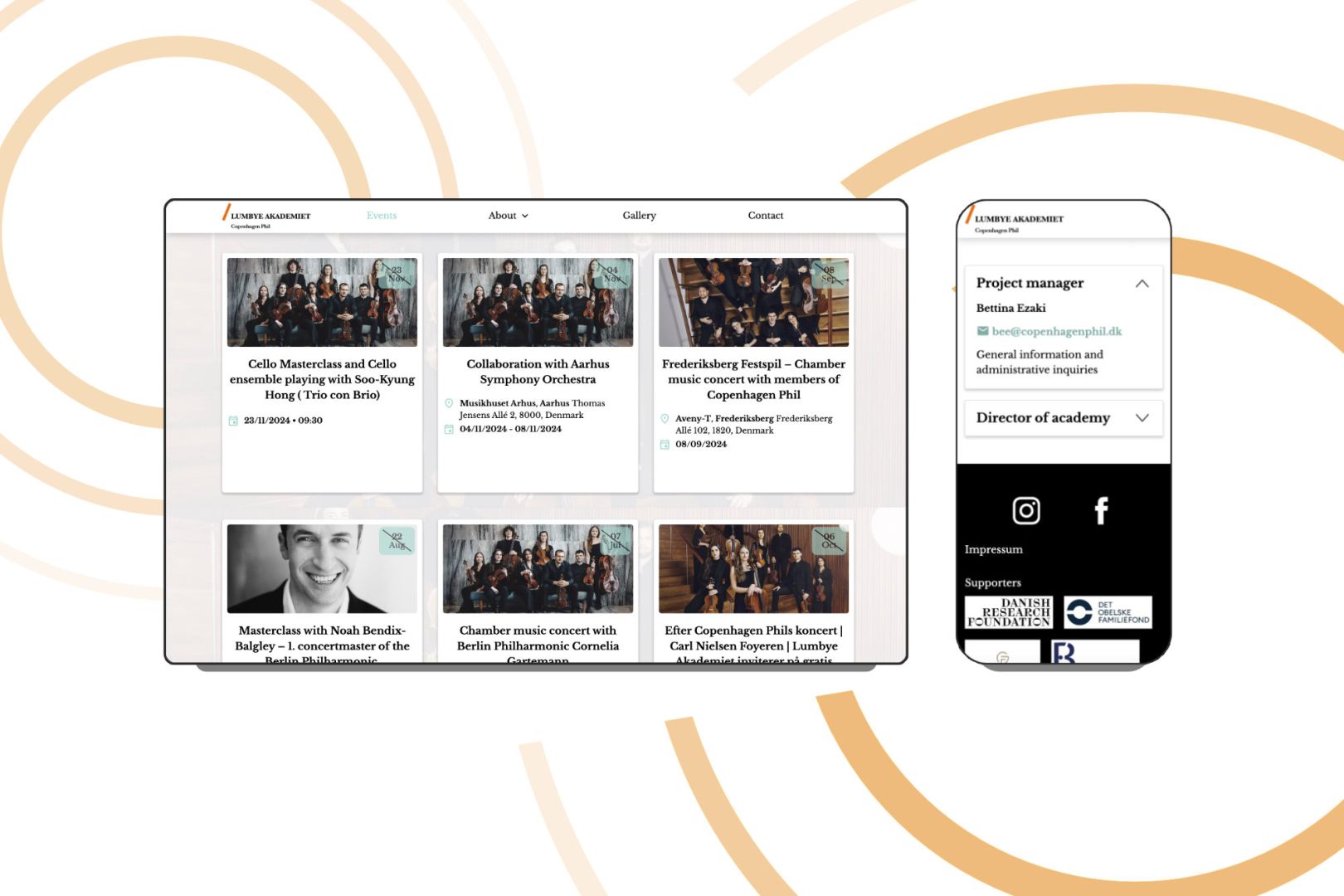
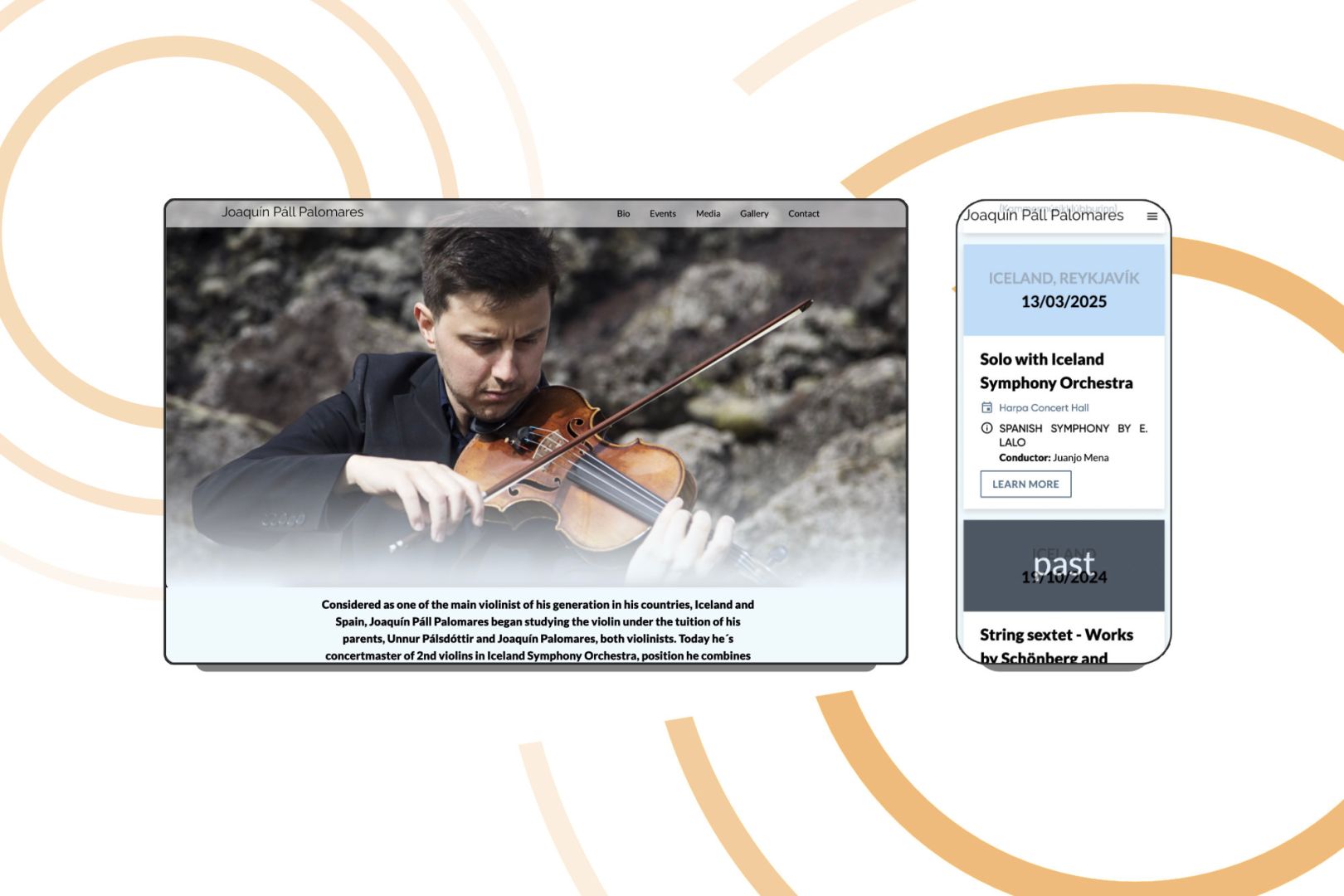
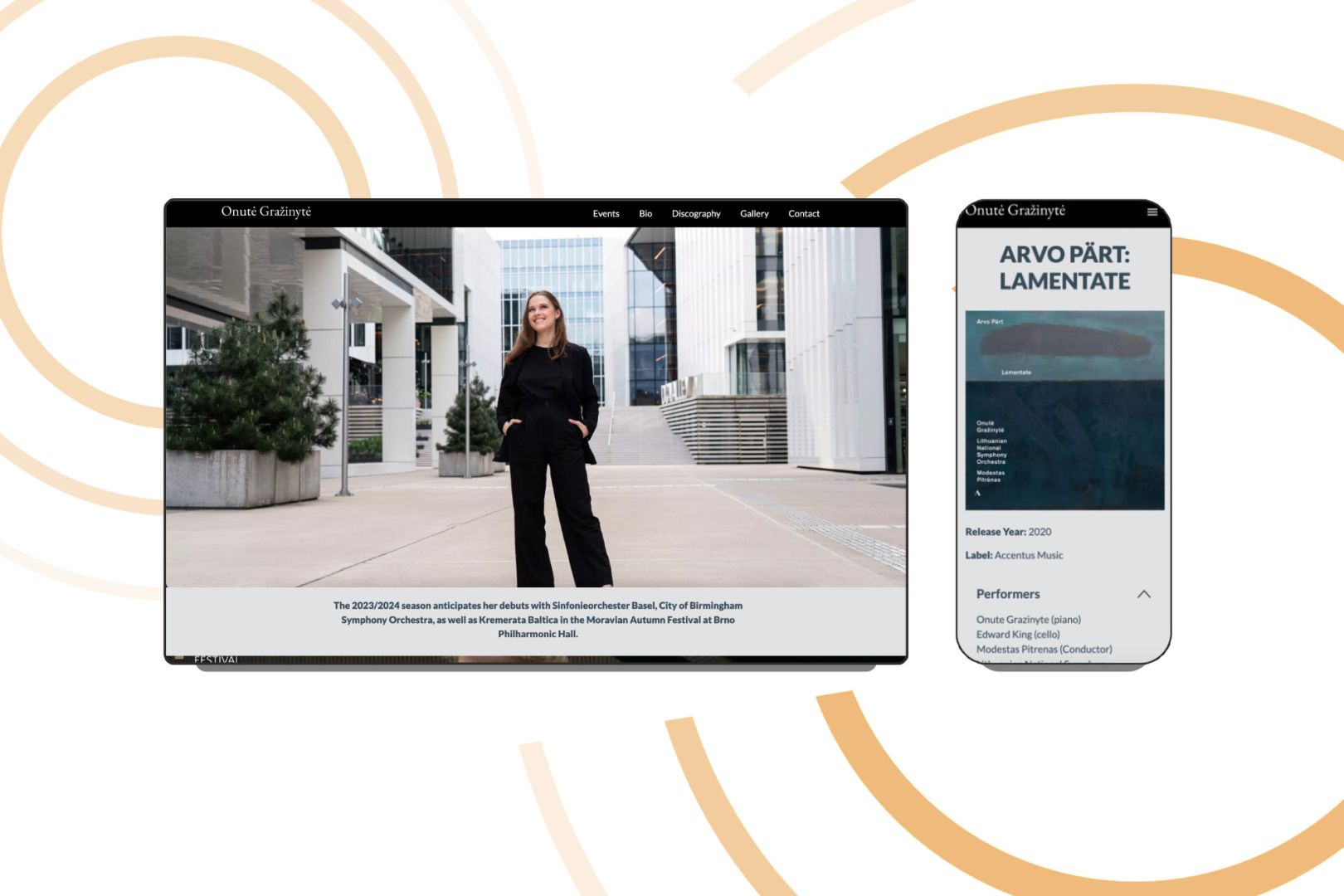
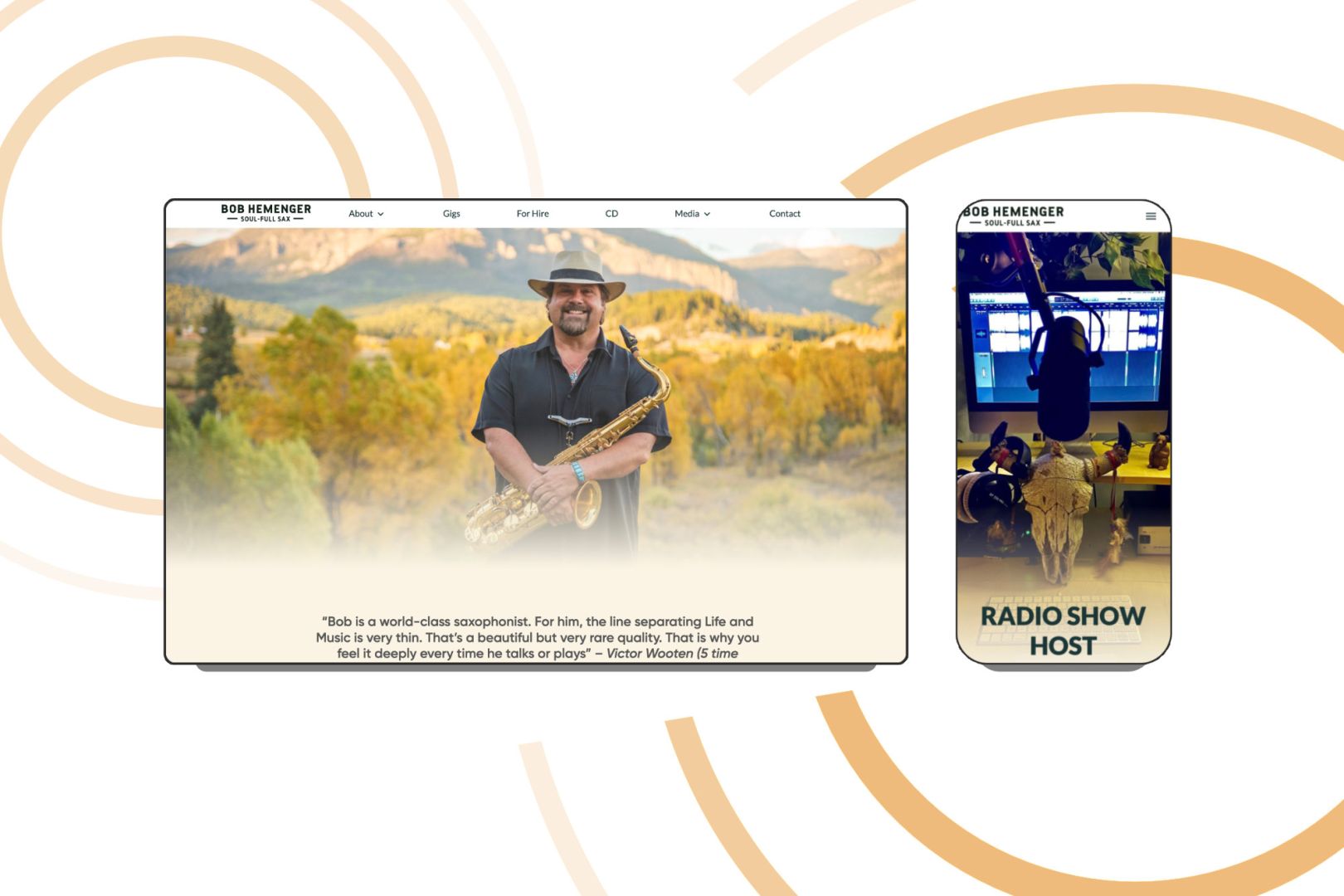
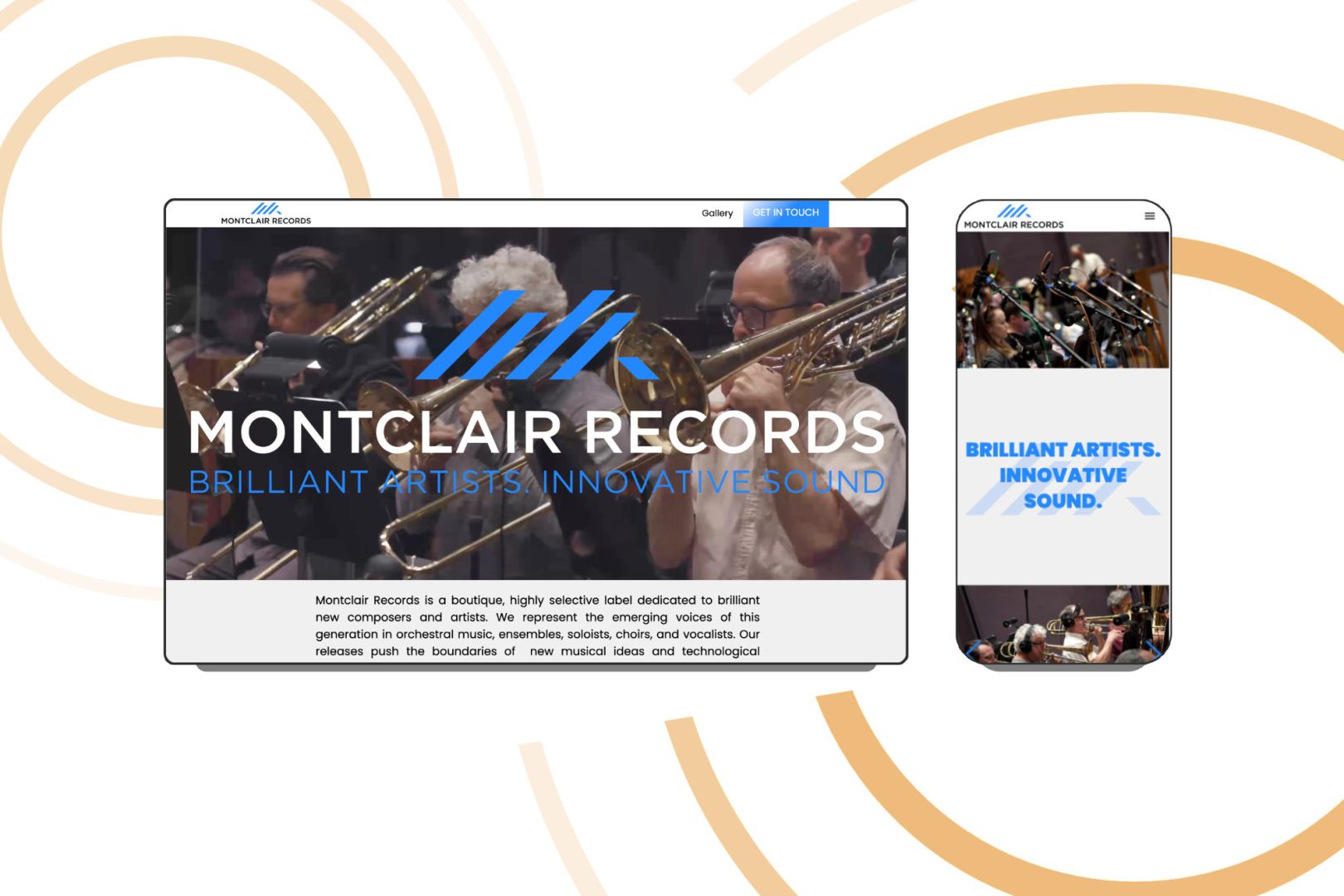
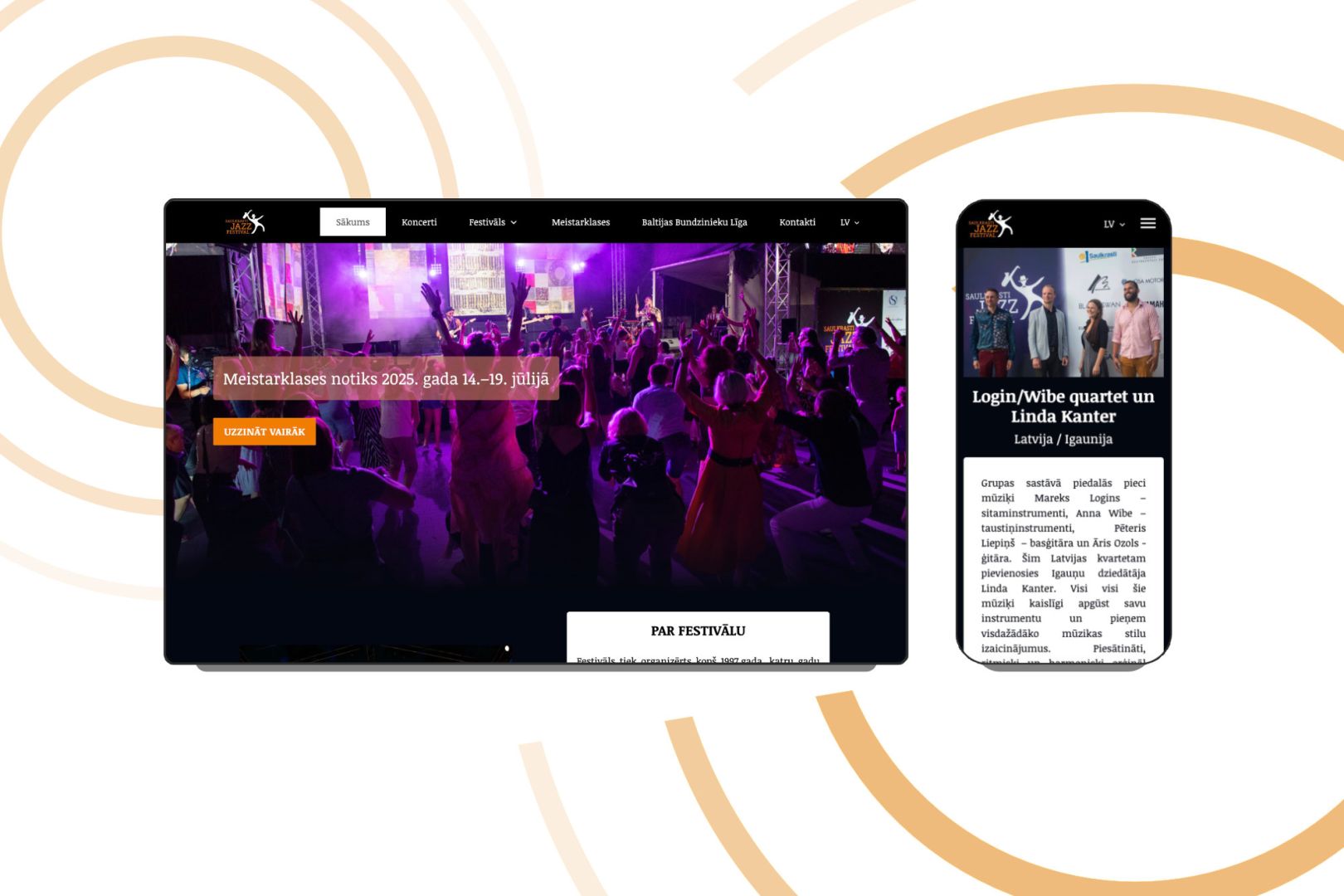
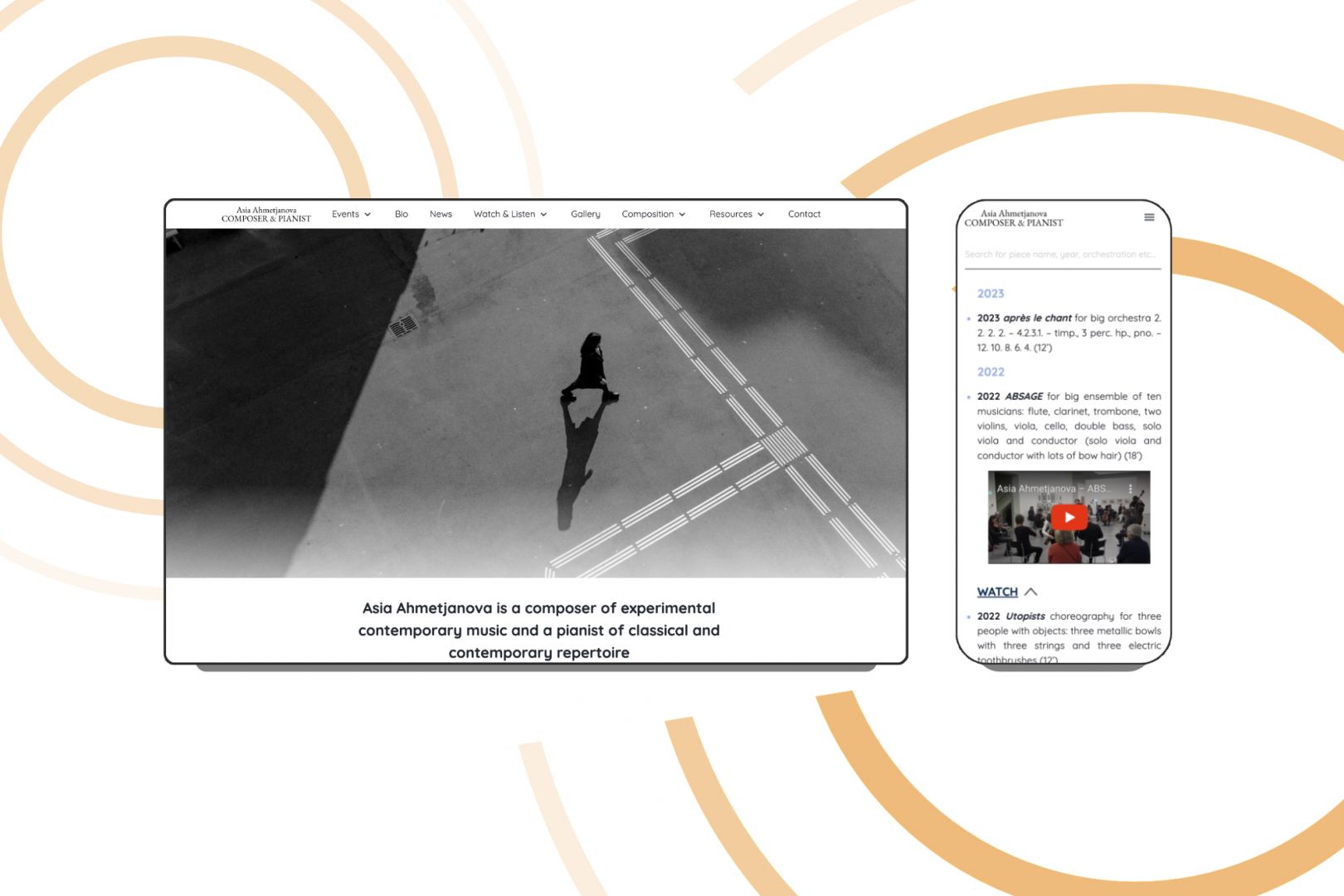
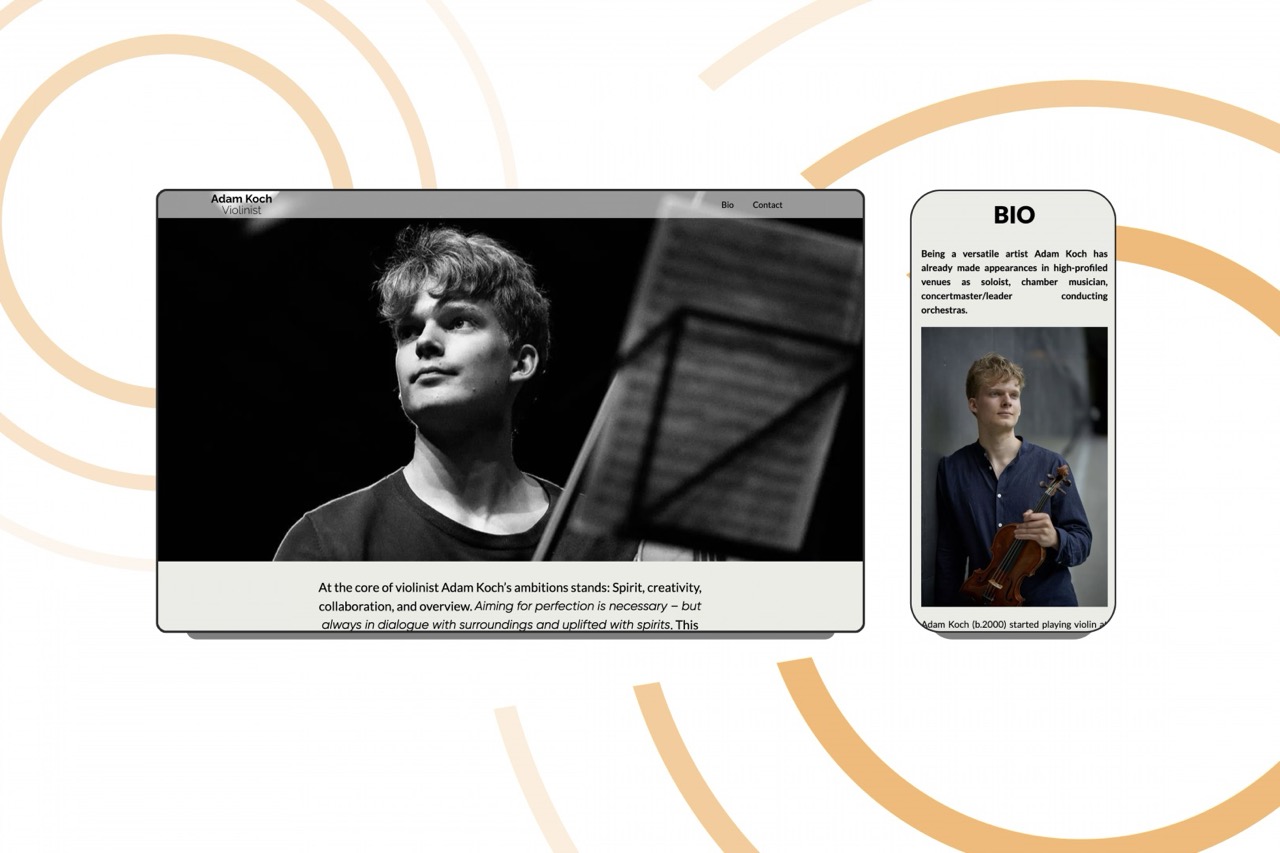
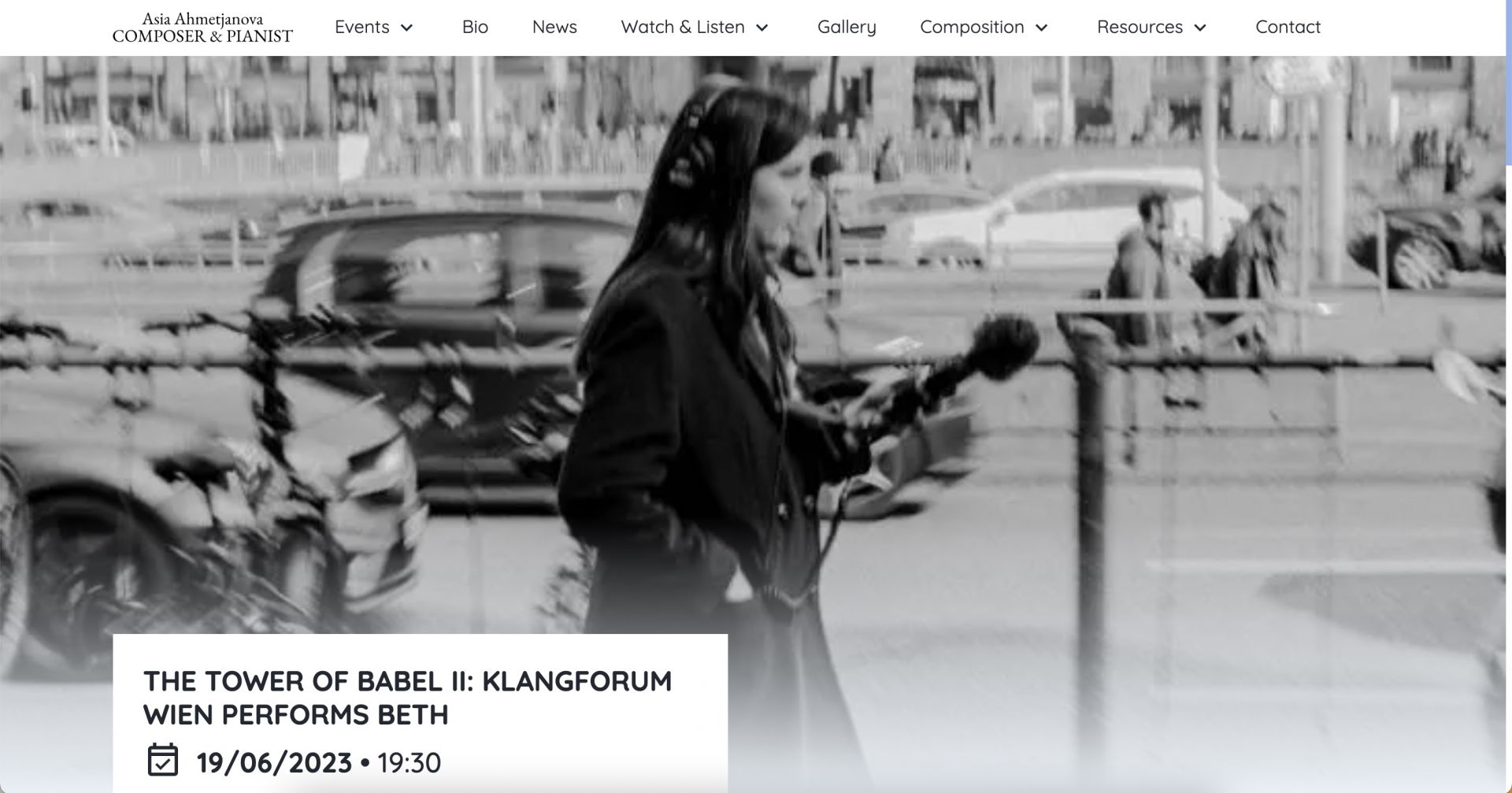
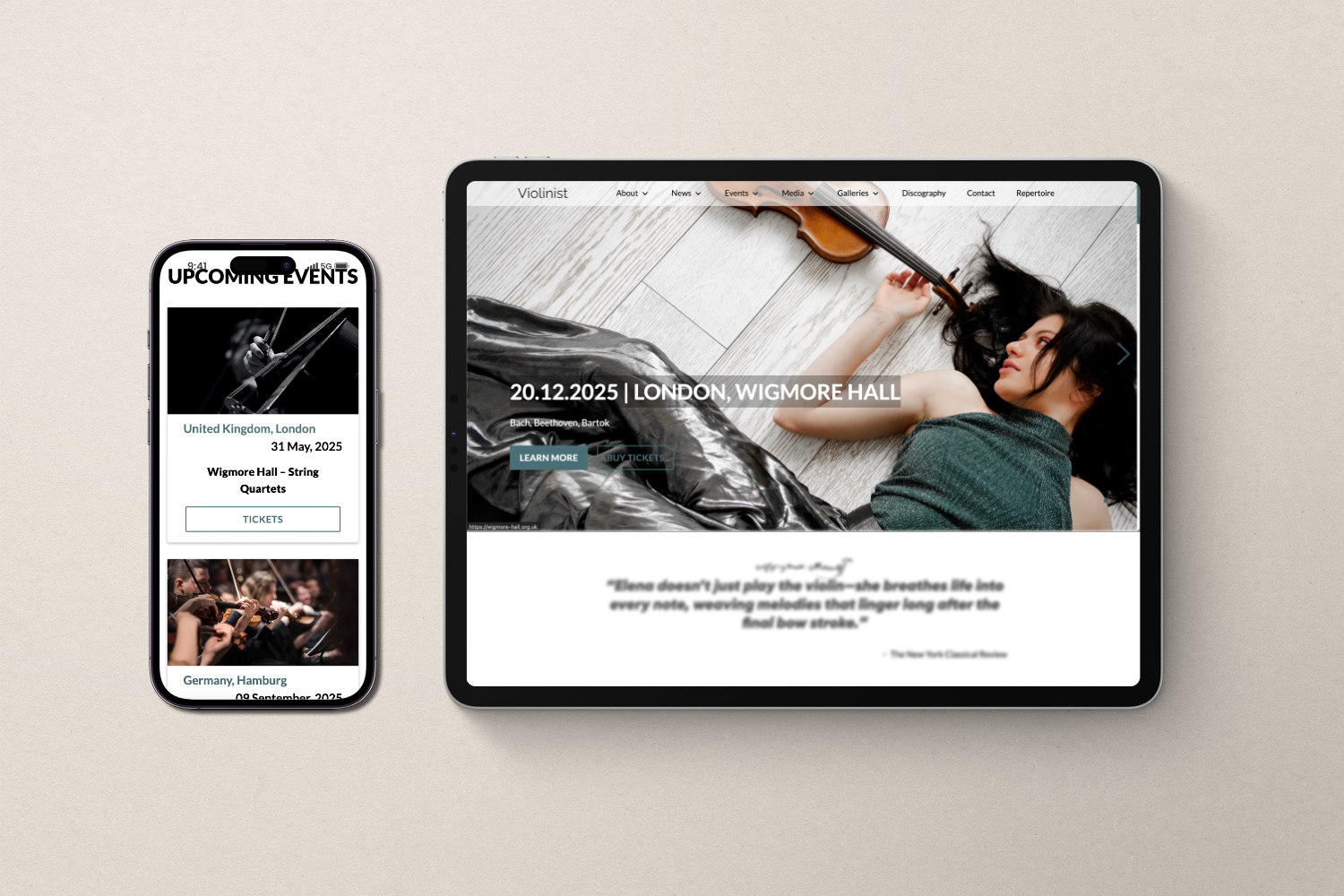
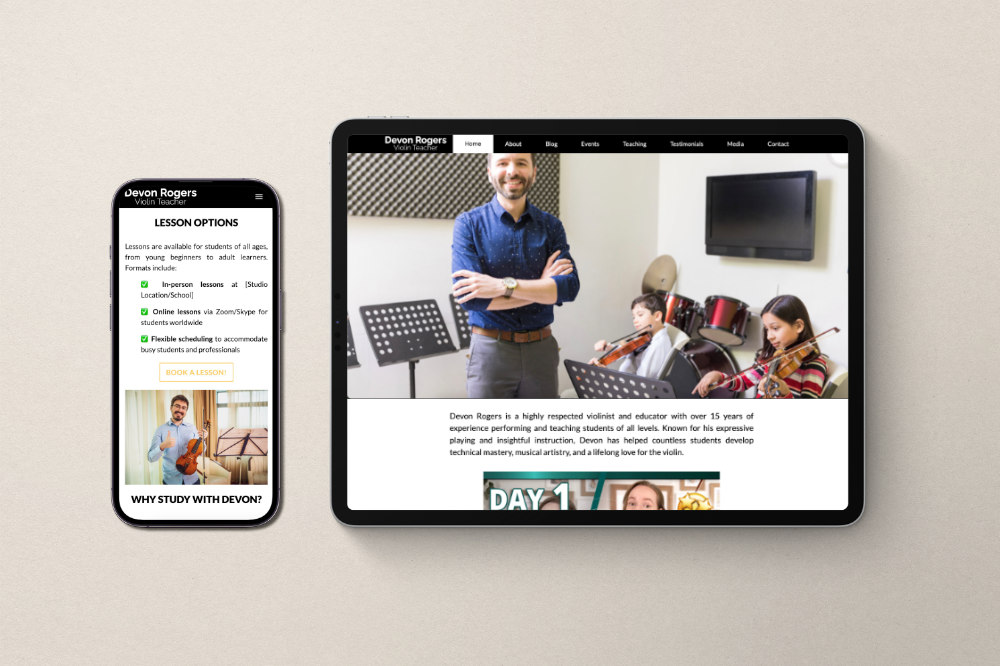
A well-designed website is a must-have for any classical musician. It's the first place people will go to learn more about you and your music, so make sure it's up to date and easy to navigate. Include information about your background, upcoming events, and any recordings or merchandise you have available. You should also make it easy for people to contact you and sign up for your email list.
Your website is visited not only by audience members but also classical music industry professionals. Make your marketing materials easily accessible to them. Create an electronic press kit (EPK) page with your long and short bios, photos, selected quotes, programs, and any other materials that might be of interest to managers, promoters, and journalists. Make it easy for people to tell a story about you so you have a better chance of getting concert promoters to invite you to perform. Read more about why musicians still need a website in 2023.
Utilize streaming platforms
Streaming services such as Spotify, Apple Music, Idagio and so on are becoming increasingly popular, and they can be a great way for classical musicians to reach new listeners. Make sure you have your music available on as many platforms as possible, and consider creating playlists or making your tracks available for use in podcasts or other media. You can also use these platforms to track your streams and see where your music is being played, which can help you target your marketing efforts.
Collect the right data
By collecting and analyzing your website data, you can make more informed decisions about your marketing strategy and better target your efforts to the right audience. For example, you can track website traffic, collect email addresses for your email list, or collect user data to use for future targeted advertising campaign when you need to promote your CD or upcoming events. Just make sure you comply with privacy laws and make it clear to your visitors how you collect and use their data.
It's also important to pay attention to analytics from social media platforms and streaming services. These platforms offer insights into how your content is performing and can help you understand who is engaging with your music and how. For example, you can use Facebook and Instagram analytics to find out how many people are seeing and interacting with your posts and which posts are performing best. Each streaming platform provides insights on how many streams your tracks are getting and where they're being played. That way, you can figure out which platforms your music is doing best on and where you should focus your marketing efforts.
Collaborate with other musicians
Collaborating with other classical musicians can be a great way to reach new audiences and build your network. You can work together on a joint concert or recording, or simply share each other's music on social media. Collaborating with musicians in other genres can also be a good way to appeal to a wider audience and introduce classical music to people who might not have considered it before.
There are also opportunities to collaborate with other musicians off stage. Consider starting a podcast. This is one of the best ways to create original content these days. Think about a topic that might be of interest to classical music audience, and invite your friends and colleagues to join the conversation. Not only will you have great content to share on your website and social media, but you'll also be able to get in front of other artists' audiences.
Tip. Be sure to record a video podcast. That way you can pick the best parts of your show and share them on many platforms including YouTube.
Promote your concerts
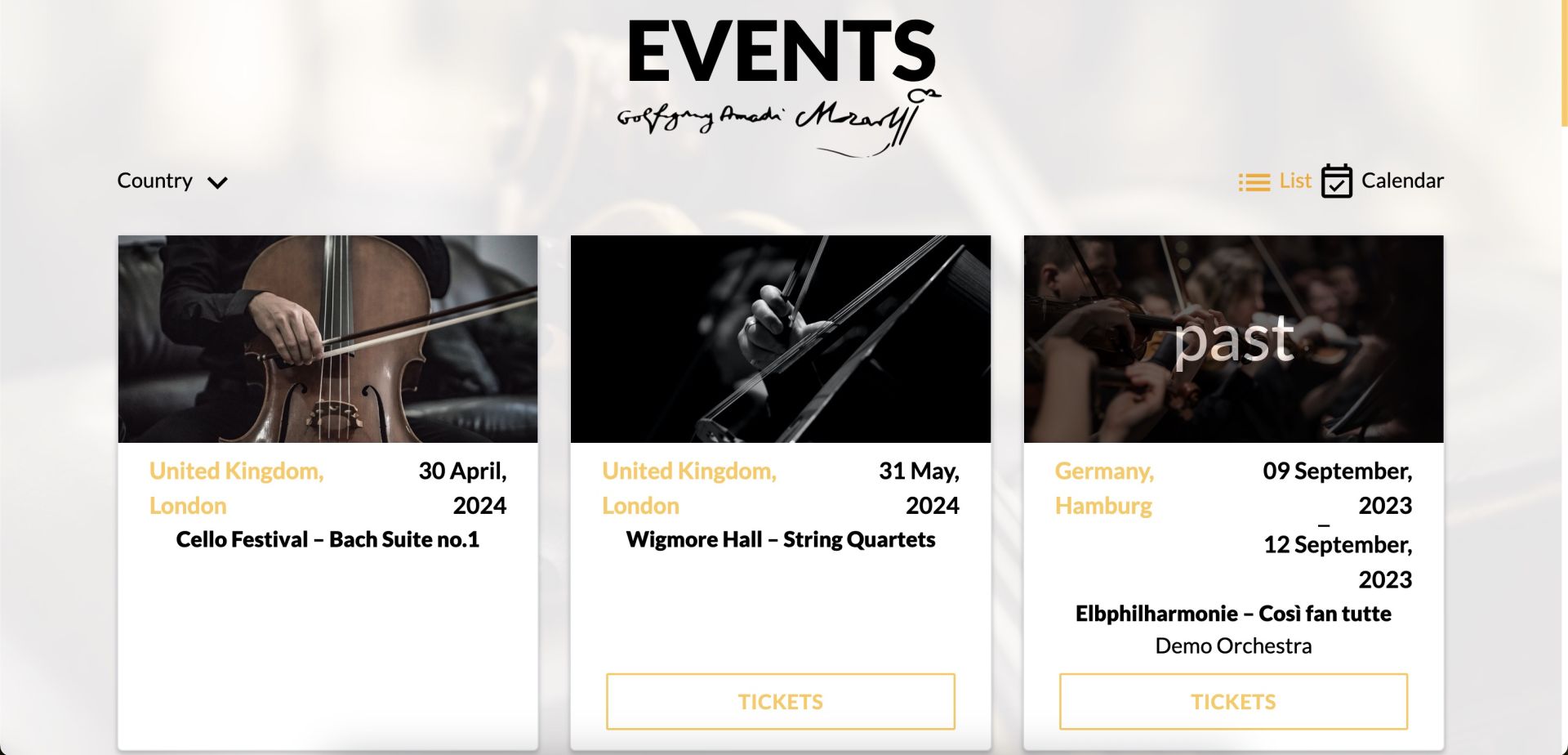
Concert are a key part of any classical musician's career, and it's important to promote them effectively. Use social media and your website to announce the details of your concerts and encourage people to attend. You can also consider reaching out to local media outlets to see if they would be interested in covering your events. Don't forget to create promotional materials like flyers and posters to help spread the word.
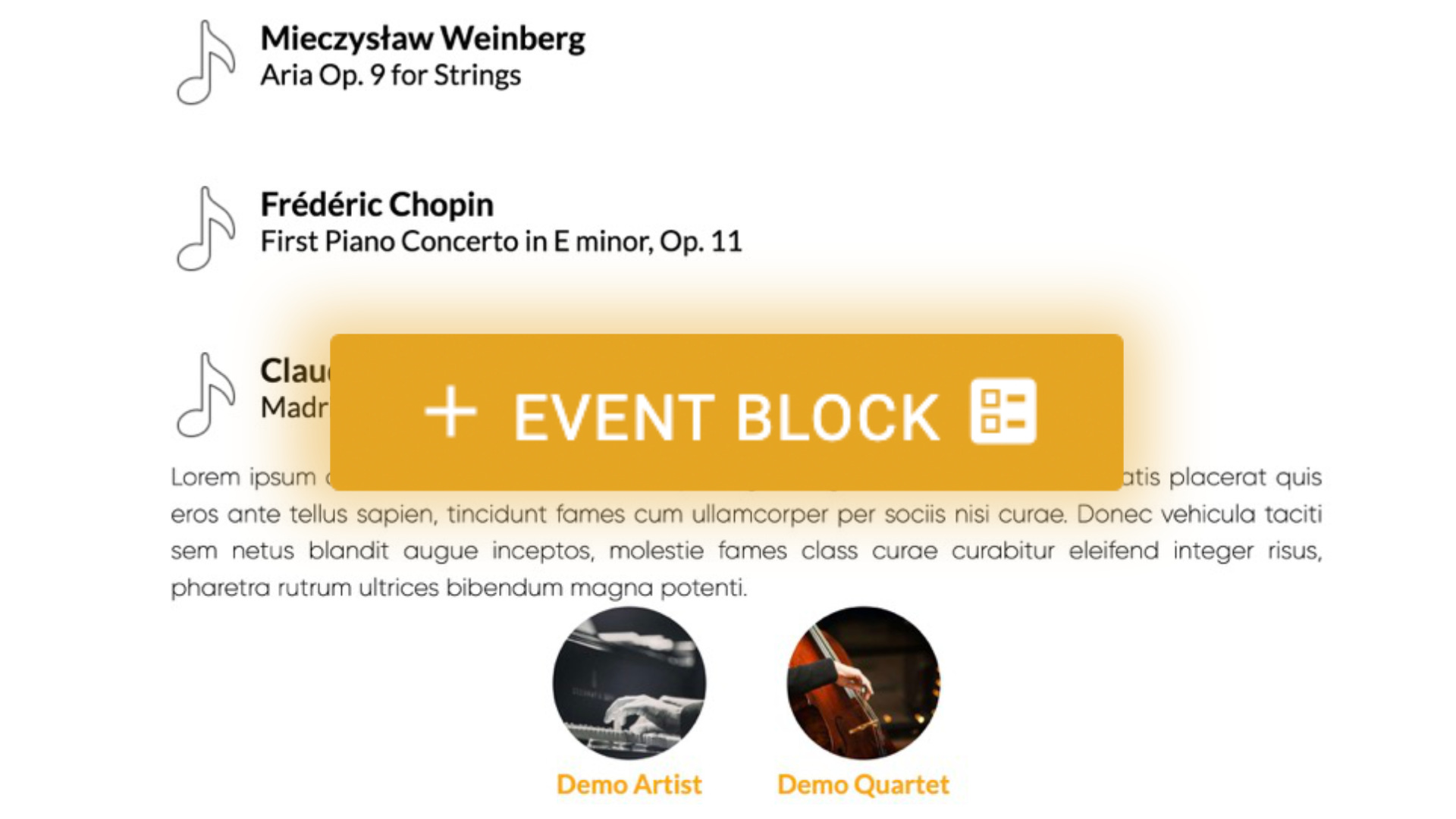
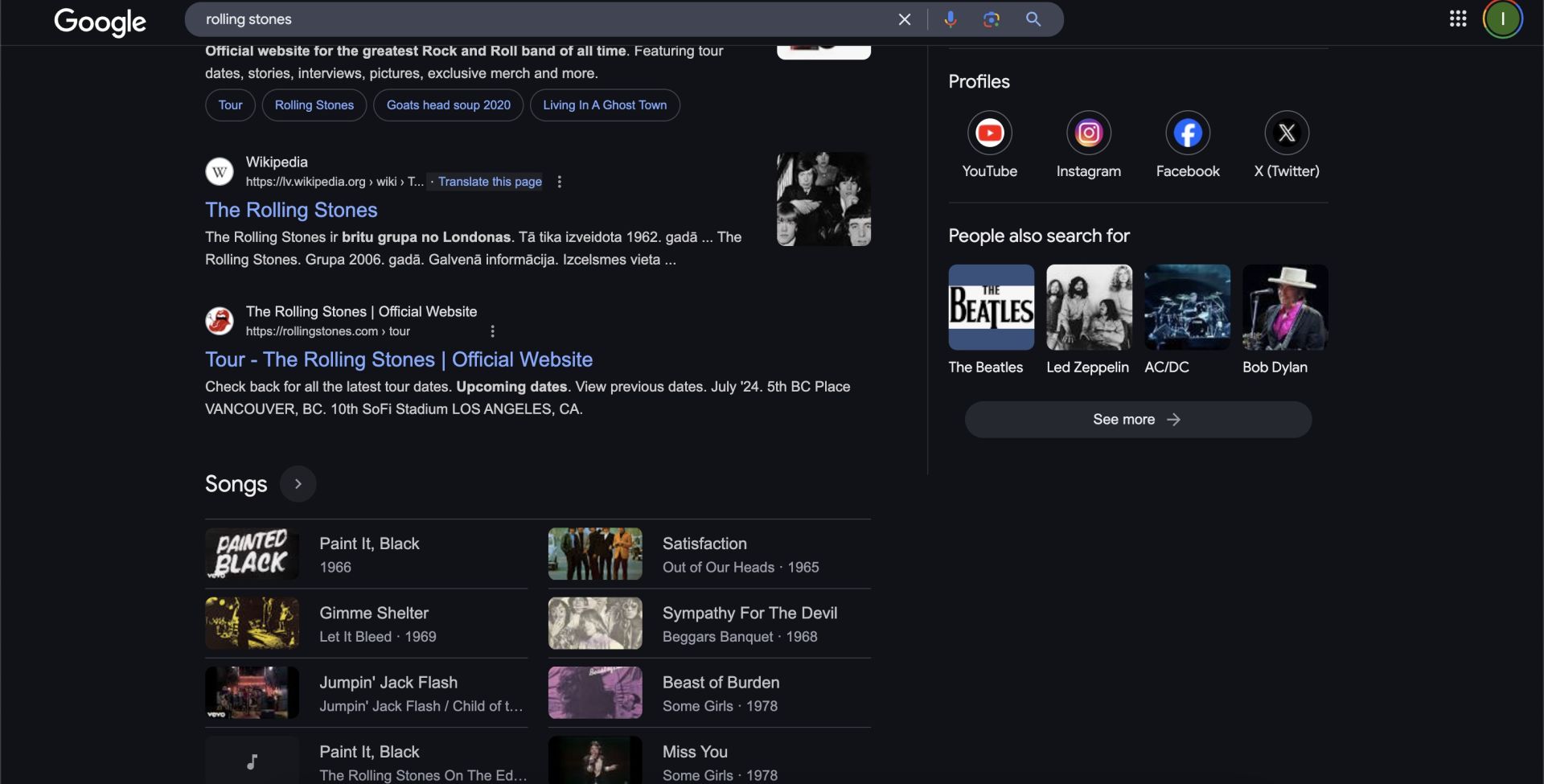
Make sure you always post program notices on your website and never delete past events. This way you create valuable content that will attract visitors from search engines when people google for related keywords. For example, if you play a concert with a program by a lesser-known composer, there's a good chance that someone who Googles that composer's name will come across your website, follow you on social media, and eventually come to your concert.
Don't forget to invite important people to your concerts. Always research classical music industry professionals who live in a region and send invitations to as many of them as you can. This is the best way to expand your network and get people interested in you and your playing.
Consider teaching or giving lectures
In addition to performing, many classical musicians also teach or give lectures about classical music. This can be a great way to supplement your income and reach new audiences. You can offer private lessons or group classes, or consider giving lectures or workshops at schools or community centers.
If you like teaching, you can also consider teaching online. With a good content marketing and social media marketing strategy, you can reach many potential students and fill your calendar with private lessons. Even though there is no substitute for live lessons, online classes are becoming an important part of education.
Create a press kit
A press kit is a collection of materials that you can use to promote your music to media outlets and other industry professionals. It should include your bio, a list of your accomplishments, high-quality photos, and any press releases or media coverage you've received. You can use your press kit to pitch your music to radio stations, record labels, arts organizations, and other industry professionals.
Engage with your audience
Building a strong relationship with your audience is key to a successful career as a classical musician. Make sure to interact with your fans and followers on social media, and consider hosting meet-and-greets or other events where you can connect with them in person. You can also ask for feedback and suggestions to help tailor your marketing efforts and ensure that you're reaching the right people.
Use traditional marketing methods
While social media and the internet are important marketing tools, don't forget about more traditional methods like direct mail and print advertising. You can create flyers or postcards to promote your concerts or recordings, or consider placing an ad in a local or national music magazine. You can also consider sponsoring a local classical music event or series to get your name in front of a targeted audience.
While digital marketing is an essential tool for both classical musicians and music organizations, traditional marketing methods may be more suitable for a larger organization rather than an independent artist. This is because traditional marketing methods can be more expensive and time-consuming for independent artists to implement. Larger organizations, such as symphony orchestras, ensembles and opera companies, often have more resources and staff to dedicate to traditional marketing efforts, and they may also have a larger budget to allocate towards these efforts.
Seek out new opportunities
Finally, be proactive in seeking out new opportunities to promote your music. This could mean submitting your music to be considered for film or television soundtracks, or reaching out to music festivals or concert series to see if they are interested in booking you. You can also consider working with a publicist or artist manager to help you get your music out there.
Conclusion
Marketing classical music to a modern audience can be a challenging task, but with the right strategies and a little bit of creativity, it's possible to reach new listeners and build a successful career.
By using social media, websites, and other online platforms, classical musicians can reach a wider audience and establish themselves as professional artists in the classical music world. It's also important for classical musicians to engage with their audience and build a strong relationship with them, as this can help to foster a loyal fan base and generate income through concerts, recordings, and other opportunities.
Don't be afraid to try new things and think outside the box, and remember to always stay true to your passion for classical music. By embracing these strategies, classical musicians can reach new listeners and build a successful career in the classical music world.