
How to Write a Musician Bio That Ranks on Google
A musician bio is more than just a brief summary of your background – it can be a powerful gateway to appearing in search engine results, attracting fans, promoters, and industry professionals. By optimizing your artist bio with SEO in mind, you can ensure it ranks well in Google and other search engines, giving you valuable visibility for people seeking your name, style, or accomplishments. Below is a roadmap for turning a simple biography into a search-friendly piece of content.
This article is not about writing your bio itself, but how to optimise your bio for search engines for extra exposure. Read our article on how to write a great musician bio using AI tools to learn more.
Clarify Your SEO Goals
Before writing or revising your bio, define what you want to achieve:
- Appear for your stage name (or band name) searches.
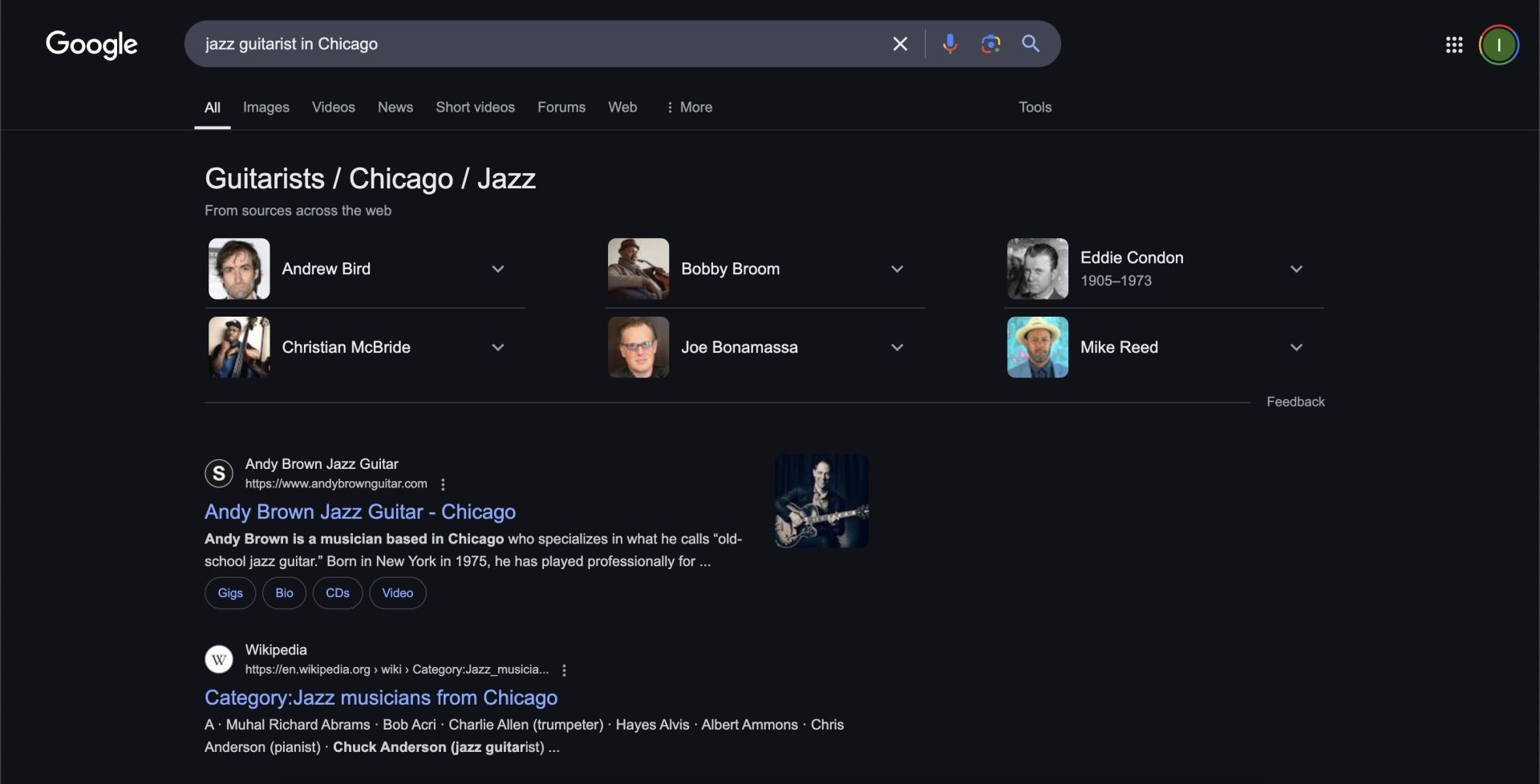
- Rank for genre + location keywords (e.g., “jazz guitarist in Chicago”).
- Stand out for unique achievements (“Grammy-nominated pop singer”).
By knowing your key search terms, you can focus your bio on these items. Ranking No1 in search results for can significantly increase your exposure and career opportunities.
Conduct Basic Keyword Research
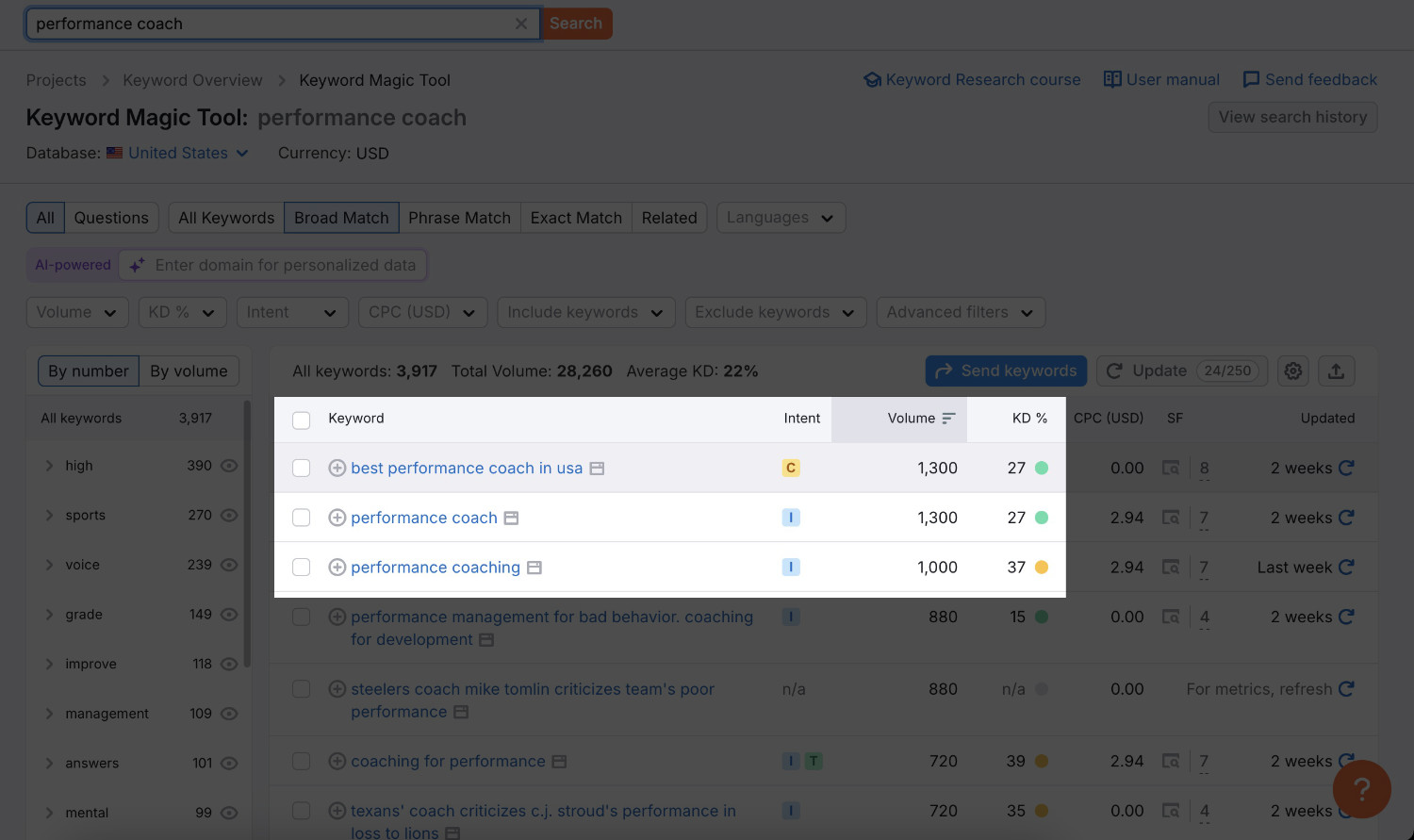
Even for a short bio, you can uncover phrases fans might type in:
- Branded Keywords: Your name, variations of your band name, album titles, or signature tracks.
- Genre / Location Phrases: “Electronic producer in NYC,” “Classical violinist in Berlin.”
- Achievement or Collab Mentions: “Performed with [Artist],” “Headliner at [Festival].”
Tools like Google Keyword Planner, SEMush, or Ahrefs can confirm whether these queries have relevant traffic and how competitive they might be.
Learn more on how to do a proper keywords research for musicians
Structure Your Bio for Search Engines
Headings and Subheadings
If you have a longer biography page, use header tags (H1, H2, H3) logically. For instance:
- H1: Your Name or Band Name + “Official Bio”
- H2: Genre / Short Tagline (e.g., “Award-Winning Indie Pop Sensation”)
- H2: Notable Achievements
- H2: Upcoming Projects or Releases
This helps both Google and readers quickly identify the main themes of your page.
On-Page Keyword Placement
Sprinkle your focus terms (like your band name plus “pop musician” or “electronic producer”) in:
- Page Title (the title tag in your site’s HTML)
- H1 or H2 headings
- Meta Description (summary snippet shown in Google)
- First Paragraph: Mention your name and key descriptors early on.
Use them naturally, avoiding spammy repetition.

Write for Both Search and Readers
Although you want to rank, your bio should remain compelling and user-friendly:
- Keep It Concise: Focus on major points (genre, notable shows, big collabs) rather than long paragraphs that bury your keywords or bore readers.
- Inject Authentic Detail: Google algorithms can penalize fluff or vague content. Real events, facts, and authenticity matter for authority.
- Include Media Mentions: Link to press coverage or quote endorsements, which can boost SEO if referencing known websites (like “featured in [music magazine name]”).
Showcase Achievements with SEO Value
Integrating Discography or Collabs
If you have notable albums, tracks, or collaborations, mention them. This adds relevant keywords – e.g., “[Your Name] worked with [Famous Producer], resulting in a top-charting single.” Google loves fresh, unique details tied to recognized names.
Awards and Performances
List major festivals or awards: “Featured performer at Coachella” or “Nominated for a local music award.” These points differentiate you and can help match queries (“Coachella lineup 2025” or “Local music award winners”).
Optimize the Page Technically
Metadata
- Title Tag: Keep it under 60 characters, e.g. “John Doe – Indie Folk Musician Bio.”
- Meta Description: Summarize in 150-160 characters with key points, e.g. “John Doe is an indie folk musician from Seattle, known for soulful performances & festival headliners.”
URL Slug
Use a short, descriptive URL like yourwebsite.com/john-doe-bio instead of yourwebsite.com/page?id=1234.
Internal Linking
Link from your site’s homepage or “About” section to your official bio page with relevant anchor text, like “Learn more about [Your Name].”
Mobile-Friendly Layout
Most fans discover new artists from their phones. Ensure your bio page loads fast and looks great on small screens. Use compressed images, large fonts, and tap-friendly design.
Read more on Technical SEO for Musicians
Encourage Backlinks & Mentions
Links from music blogs, local newspapers, or partner sites that point to your bio can significantly raise your page’s authority in Google’s eyes. Some ways to do this:
- Press Kits: Always direct press to link to your official bio.
- Guest Appearances: If interviewed or featured, ask them to credit your official site.
- Social Sharing: Post your new or updated bio link on social media, prompting your fans to share or retweet it.
Tracking and Updating
Google Search Console
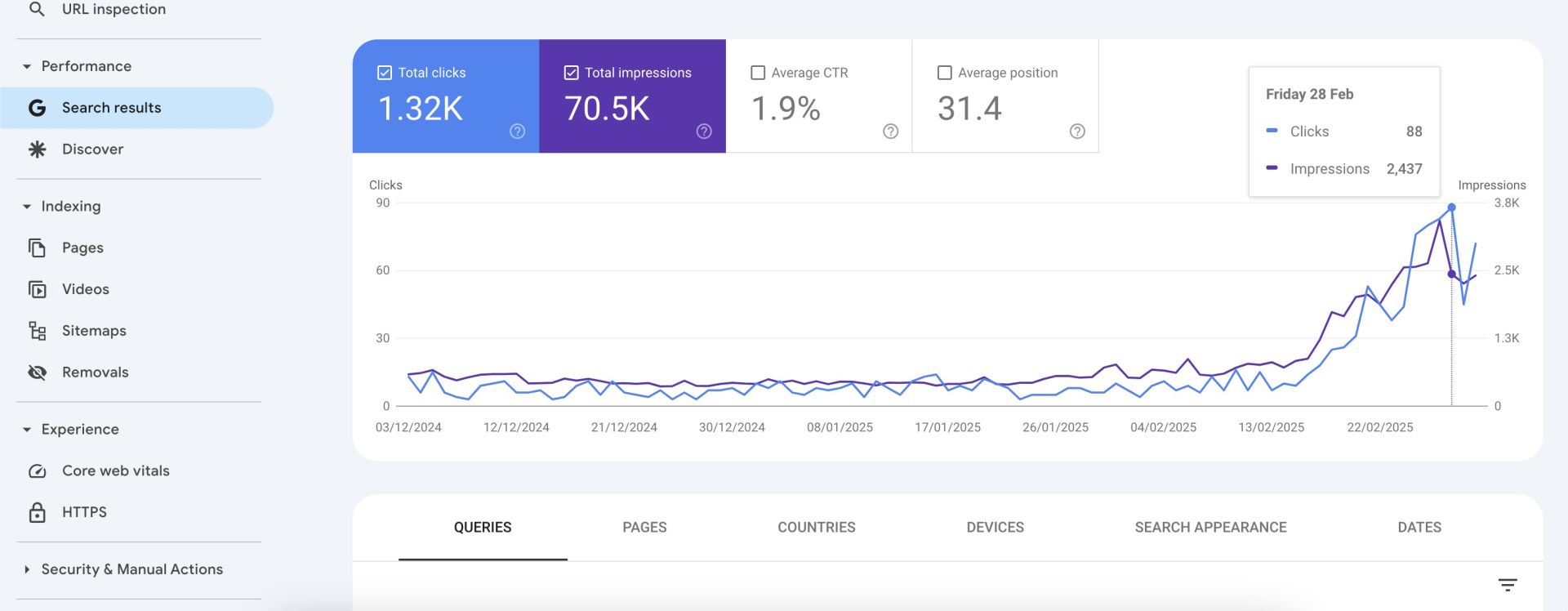
Monitor impressions, clicks, and average position for queries related to your name or genre. If new album keywords appear, consider adding them to your bio.
Refreshing the Bio Periodically
Keep the content current – if you’ve played a big festival or launched a new single, reflect that in your text. An updated page signals freshness, which can help with SEO.
Frequently Asked Questions (FAQs)
Q1: Should I create a separate page for my musician bio or include it on my homepage?
A: A dedicated “Bio” or “About” page is generally better for SEO, as it allows you to optimize that URL with relevant keywords and maintain a distinct meta title/description.
Q2: How many keywords should I include in my musician bio?
A: Focus on 1-2 primary keywords (e.g., your name plus a genre or major descriptor) and naturally sprinkle a few secondary phrases. Overstuffing can hurt readability and search rankings.
Q3: Does the length of the bio matter for SEO?
A: Enough detail to be thorough is good, but avoid bloated paragraphs. Typically, 300-500 words can suffice if well-optimized. More is fine if it remains engaging and relevant.
Q4: Do I need a blog if I already have a musician bio page?
A: A blog can definitely boost overall site visibility by adding fresh content, but your bio page alone can still rank well if properly optimized and updated as your career evolves.
Q5: Should my bio be the same across all platforms?
A: Consistency is good for brand recognition. However, tailor the length or content for each platform. For your website’s official bio, keep it more comprehensive with SEO elements, while a shorter version might appear on streaming sites.
Conclusion
Optimizing your musician bio for SEO requires a balance between compelling storytelling and smart search tactics. Focus your page on the top keywords that define your brand—like your name, genre, or big achievements—and structure it in a way that search engines can easily parse. By pairing relevant headings, well-placed terms, internal/external links, and occasional schema markup, you’ll elevate your presence in Google’s results.
Next Step: Evaluate your current bio page for keyword coverage, meta tags, and clarity. Make the necessary updates, track your stats in Google Search Console, and watch your name climb the search rankings—leading more fans, promoters, and collaborators straight to your music.