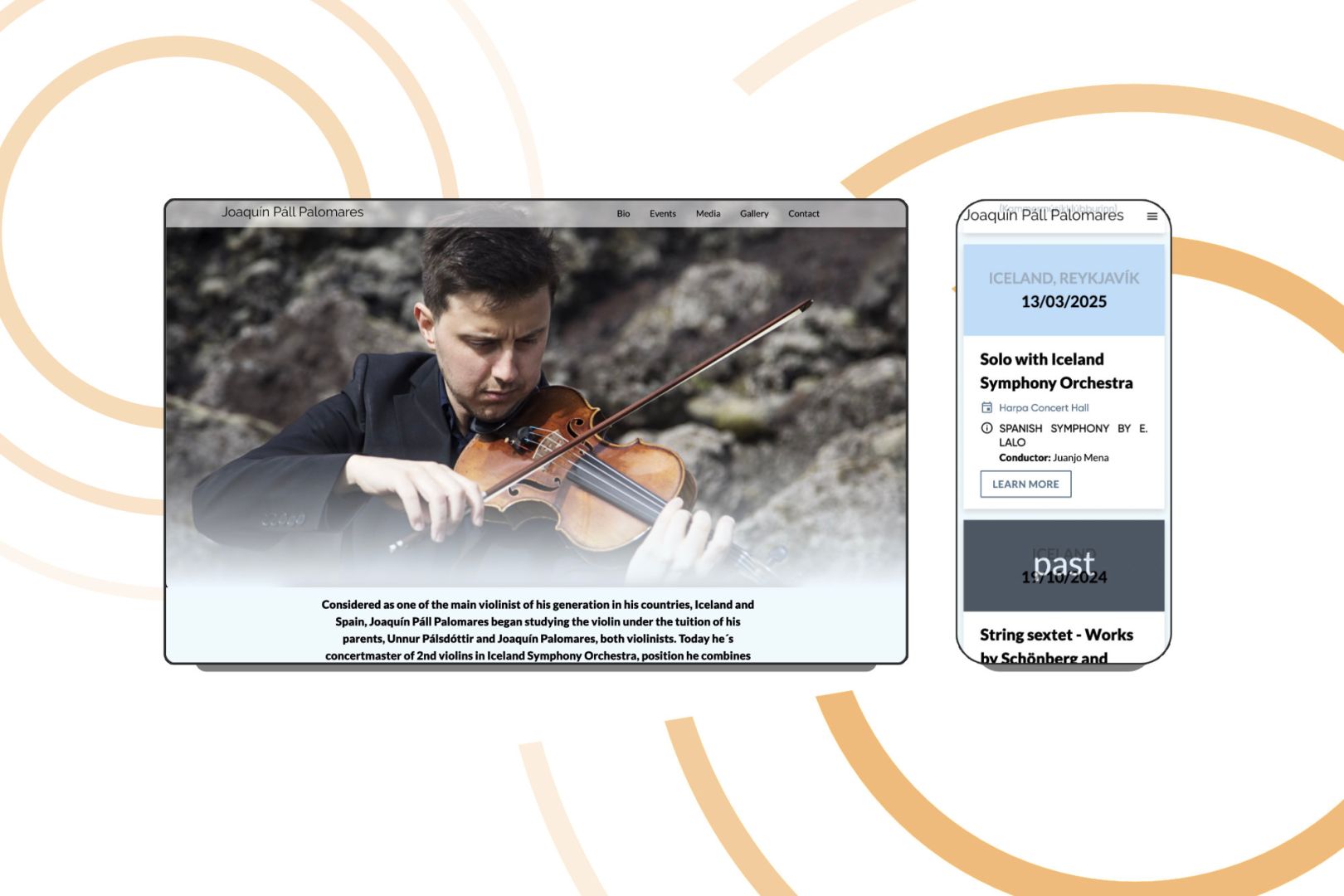
How to Promote Your Violin Performances & Teaching Online
In a digitally-driven world, promoting your violin performances and teaching services online isn't just beneficial—it's essential. Whether you're an accomplished concert violinist or a dedicated music educator, online promotion can greatly enhance your reach, attract more students, and secure more performance opportunities.
Here’s a step-by-step guide to effectively promoting your violin career online.
1. Build a Professional Website
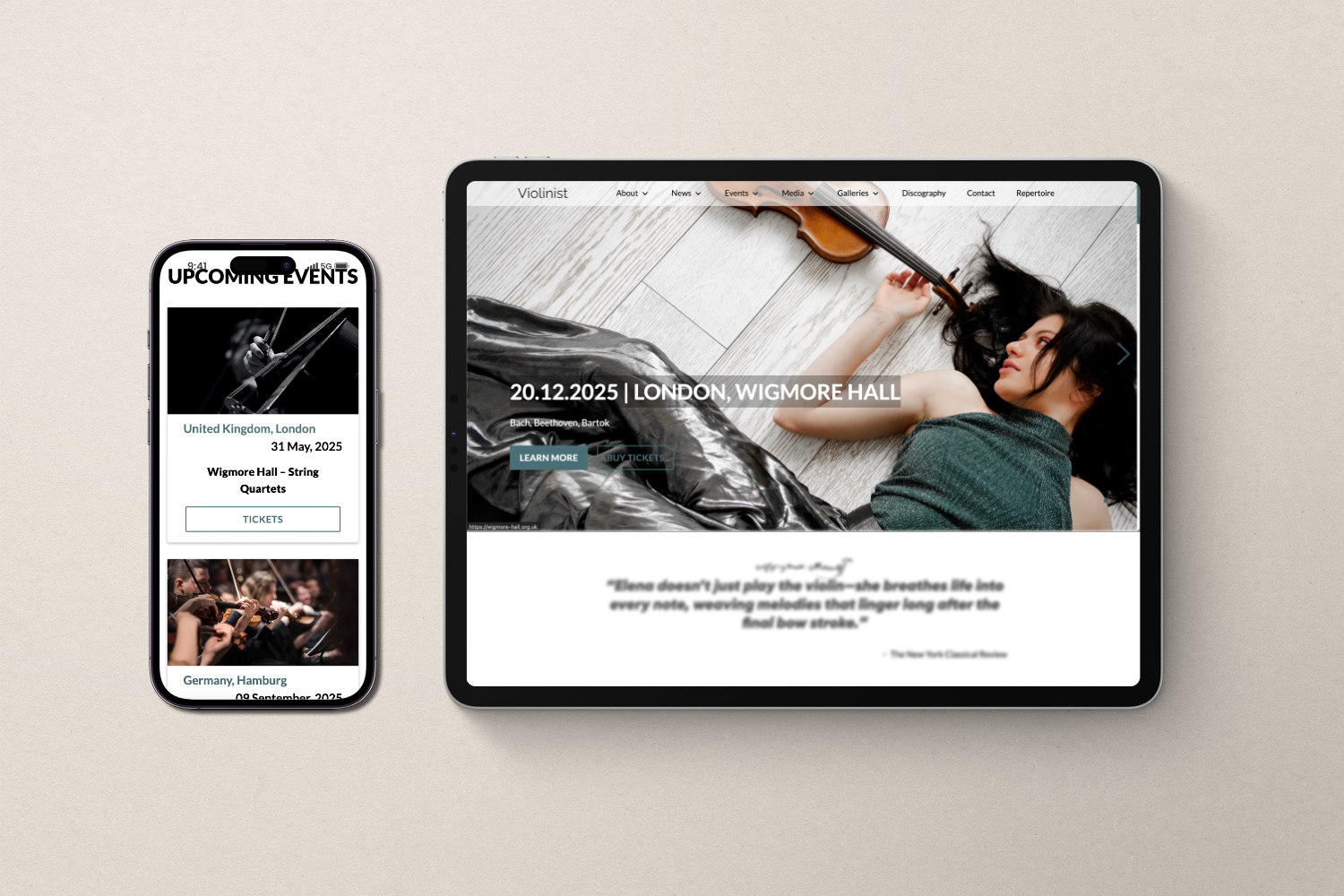
A website is your digital home base—a centralized space where potential students, concert promoters, and fans can explore your work.
What to Include on Your Website:

Bio and Photos: A compelling biography that highlights your credentials, experience, and musical style. Include high-resolution, professional photos.
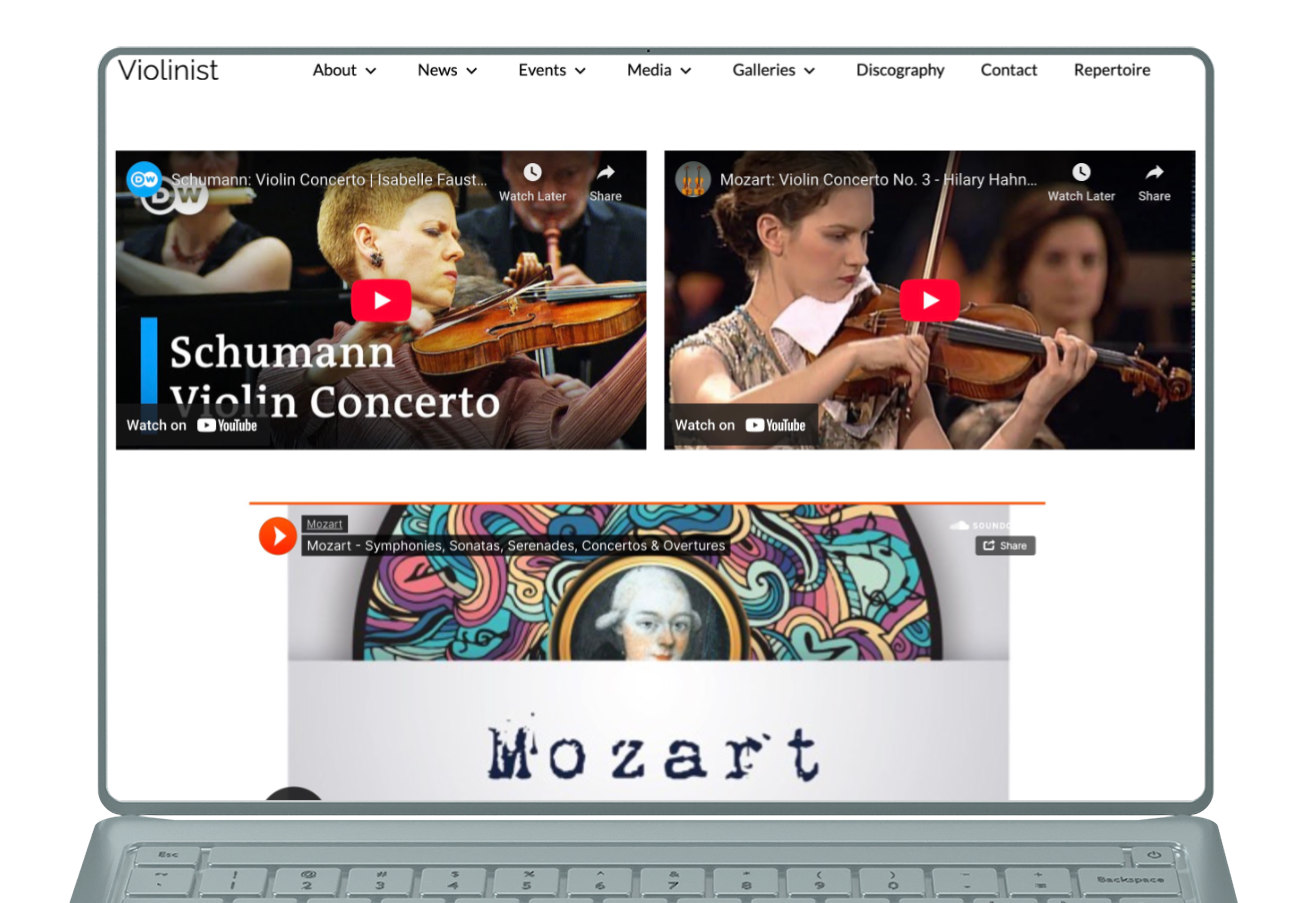
Videos and Recordings: Embed high-quality videos of your performances and teaching clips demonstrating your teaching style.
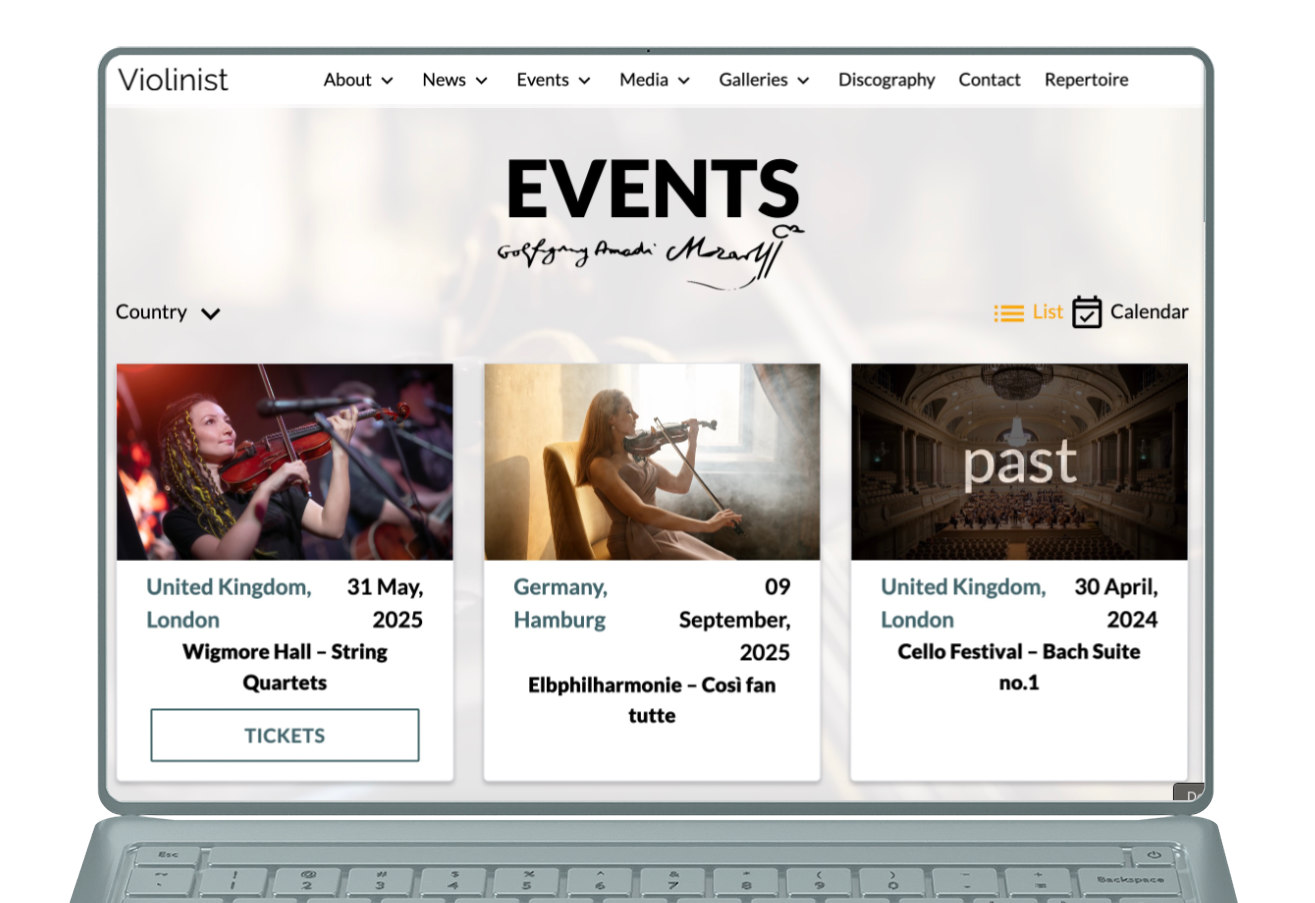
Calendar of Events: Keep an updated schedule of upcoming performances, workshops, masterclasses, or recitals.
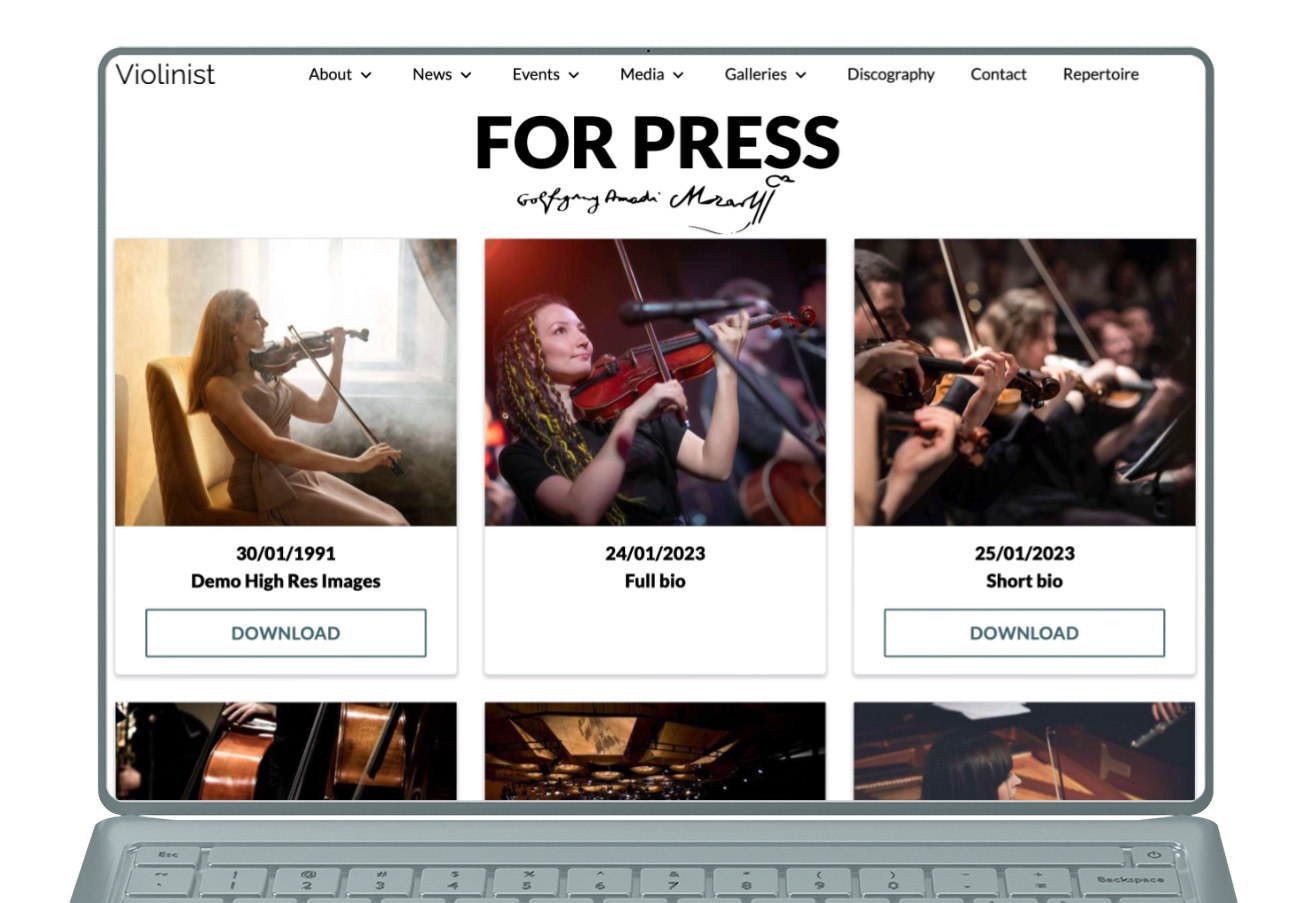
Electronic Press Kit (EPK): A downloadable resource containing your biography, press photos, performance excerpts, and reviews.

Teaching Information: Detail your teaching philosophy, lesson formats (online or in-person), availability, and contact information.
Want a stunning violinist website? Check out our Professional Website Design for Violinists page to get started.
2. Leverage Social Media Effectively
Social media platforms like Instagram, YouTube, and Facebook are invaluable for musicians.
Instagram:
- Post short performance clips, practice tips, or lesson excerpts.
- Utilize hashtags strategically, such as #violinist, #violinlessons, or #classicalmusic.
- Engage followers through interactive content like Q&As, polls, or behind-the-scenes posts.
YouTube:
- Share full-length performances, tutorials, and educational content.
- Optimize your video titles, descriptions, and tags for search engines to attract viewers searching for violin-related content.
- Regularly post content to build subscribers and maintain audience interest.
Facebook:
- Create a professional page separate from your personal profile.
- Promote upcoming events and lessons through targeted Facebook Ads.
- Join musician-focused groups to share your expertise and network with potential students and industry contacts.
3. Develop Engaging Content
Consistently creating valuable, engaging content is critical to online success.
Ideas for Engaging Content:
- Instructional videos or tips for beginner to advanced violinists.
- Practice routines or warm-up exercises.
- Discussions on overcoming common technical challenges.
- Interviews or collaborations with other musicians.
- Blogs on music interpretation, repertoire selection, or performance anxiety management.
Consistently posting content enhances your credibility and visibility, drawing more students and performance inquiries.
4. Optimize for Search Engines (SEO)
SEO ensures you appear prominently in search results, increasing your online visibility.
- Identify relevant keywords such as "violin teacher in [city]," "online violin lessons," or "classical violin performances."
- Incorporate these keywords naturally into your website pages, blog posts, and video descriptions.
- Regularly publish fresh content, such as blog articles or videos, to improve your search rankings.
5. Build an Email List
Email marketing remains one of the most effective ways to maintain direct communication with your audience.
Strategies for Growing Your Email List:
- Offer valuable lead magnets, such as a free lesson guide, practice tips, or downloadable sheet music.
- Include email subscription forms on your website and social media profiles.
- Regularly send newsletters featuring upcoming performances, new videos, and teaching opportunities.
6. Collaborate and Network
Collaboration expands your visibility to broader audiences.
Ideas for Online Collaboration:
- Partner with fellow musicians for joint virtual performances or masterclasses.
- Engage in interviews or podcasts related to music education or performance.
- Offer guest posts or features on established music blogs or websites.
Networking with other professionals increases your exposure and opens doors to performance and teaching opportunities.
7. Utilize Online Platforms and Marketplaces
Expand your teaching presence by joining reputable online lesson platforms:
- Lessonface or TakeLessons: These platforms connect you directly with students looking for online music instruction.
- Local Directories and Platforms: List your teaching and performance services on local and international directories for musicians and music teachers.
8. Host Virtual Events
Hosting online recitals, workshops, or webinars helps maintain and expand your audience reach.
- Use platforms like Zoom, YouTube Live, or Facebook Live for virtual performances.
- Promote these events through your website, social media channels, and email newsletters.
- Record these events and share clips afterward to further extend their promotional value.
9. Encourage Testimonials and Reviews
Positive reviews and testimonials significantly influence prospective students and event organizers.
- Ask satisfied students and clients to leave reviews on your website, Google Business profile, or social media.
- Highlight these testimonials prominently on your website and promotional materials.
10. Invest in Professional Development
Continuously improving your online marketing skills ensures sustained growth.
- Take online courses or workshops focused on digital marketing or SEO.
- Stay updated with the latest trends and tools for musicians online.
Effectively promoting your violin performances and teaching online is a strategic endeavor. By developing a robust online presence, leveraging powerful digital tools, and consistently creating engaging content, you position yourself to attract more students, secure higher-quality performance opportunities, and build a sustainable, rewarding career in music.

Setting Clear Goals for Online Promotion
Before investing time and effort into promoting your violin performances or teaching services online, you need a clear set of goals. Without defined objectives, your digital strategy may become unfocused and ineffective. Here’s how to set up a structured approach:
Define What You Want to Achieve
Different musicians have different goals, and your online presence should reflect your specific aspirations. Ask yourself:
- Do you want to attract more students? Your strategy should emphasize your teaching experience, methodology, and success stories.
- Are you looking to book more performances? Your website and social media should highlight your best performances, testimonials, and an easy way for event organizers to contact you.
- Is your goal to build a strong personal brand? Your content should reflect your artistic identity, unique style, and musical journey.
- Do you want to monetize your skills beyond teaching and performing? Consider selling sheet music, offering online courses, or creating exclusive content on platforms like Patreon.
Tailoring Your Online Strategy to Align with Your Career Goals
Once you’ve defined your goals, your online promotion efforts should align with them:
- If you want to attract students, focus on SEO-optimized blog posts about violin techniques, student success stories, and FAQs about learning violin. Also, engage in violin-related Facebook groups and offer free short video lessons on YouTube.
- If you’re aiming for more gigs, ensure your Electronic Press Kit (EPK) is available on your website, update your performance schedule, and use targeted ads to reach event organizers. YouTube, Instagram, and LinkedIn can be great platforms for showcasing your performances.
- For branding and authority building, create engaging content that reflects your expertise—interviews, behind-the-scenes videos, and collaborations with other musicians can help establish you as a respected figure in your field.
Your goals may change over time, so revisit them periodically and adjust your online strategy accordingly.
How to Differentiate Yourself from Other Violinists
The digital space is crowded with musicians showcasing their talents. To stand out, you must develop a distinct identity and communicate it effectively.
Identifying Your Unique Value Proposition as a Performer or Teacher
Your unique value proposition (UVP) is what sets you apart from other violinists. Consider these aspects when defining your UVP:
- Musical Style: Are you a baroque violinist specializing in historically informed performance? A jazz violinist incorporating improvisation? A crossover artist blending multiple genres? Highlight what makes you unique.
- Teaching Approach: Do you use a particular method, such as Suzuki or Kodály? Do you focus on adult beginners or professional-level students? Your teaching philosophy should be clear and distinct.
- Performance Niche: Do you focus on wedding performances, film scoring, contemporary collaborations, or orchestral work? Pinpoint your niche and market it accordingly.
- Personal Story: Your musical journey can make you more relatable. Share experiences, challenges, and breakthroughs that shaped you as a musician.
Creating a Strong Personal Brand
A strong personal brand makes you more memorable and marketable. Every successful violinist has a distinct brand that shapes their public image.
The Importance of Cohesive Visuals: Logo, Colors, and Fonts
- Logo: Your logo doesn’t have to be complex, but it should be easily recognizable and relevant to your musical identity.
- Color Scheme: Use 2-3 signature colors for your website, social media, and promotional materials. Classical musicians often choose elegant, muted colors, while contemporary artists might opt for bold, vibrant tones.
- Typography: Choose fonts that reflect your artistic style—classical musicians might go for serif fonts that exude tradition, while modern performers could use sleek sans-serif fonts.
Developing a Compelling Artist Statement and Messaging
Your artist statement should articulate:
- Who you are as a musician.
- What inspires you.
- What experience and training you bring to the table.
- What your audience can expect from you (performances, teaching, collaborations).
Your messaging should be consistent across all platforms—whether it’s your website, social media bio, or press interviews.
FAQs
Q: Do I need a website if I already have social media?
A: Yes. Social media is great for visibility, but it’s unreliable for long-term promotion. A website provides a professional, permanent online presence where you control your content and branding.
Q: How much does it cost to create a professional website?
A: It depends on the approach. DIY website builders (like Wix, Bandzoogle) can cost $10–$30/month, while hiring a professional designer may cost $500–$3,000 or more, depending on customization.
Q: How can I get more students through online promotion?
A: Optimize your website for search engines, list your services on teaching platforms, and use social media strategically. Engaging content, testimonials, and targeted ads can also help attract students.
Q: What’s the best social media platform for violinists?
A: It depends on your goals. YouTube is great for showcasing performances and tutorials. Instagram is ideal for short-form content and engagement. Facebook is useful for networking and event promotion.
Q: How can I make my website appear on Google search results?
A: Implement SEO strategies by using relevant keywords (e.g., “violin teacher in [city]”), regularly updating your blog, and optimizing your website speed and mobile usability.
Q: Is it worth investing in paid advertising for violin teaching or performances?
A: Yes, if done correctly. Paid ads on Facebook, Instagram, and Google can help you reach new audiences, especially for promoting lessons, events, or digital products.
Q: How often should I update my content online?
A: Aim for at least weekly updates on social media and monthly updates on your website. Regular updates keep your audience engaged and improve your website’s SEO ranking.