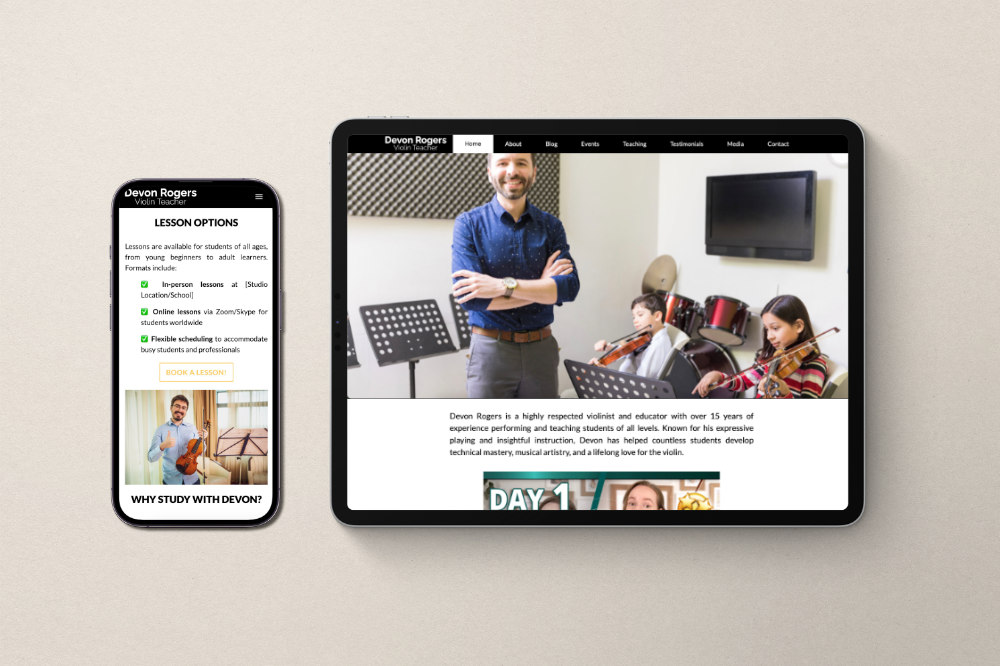
What are the "must have" pages of a music website?
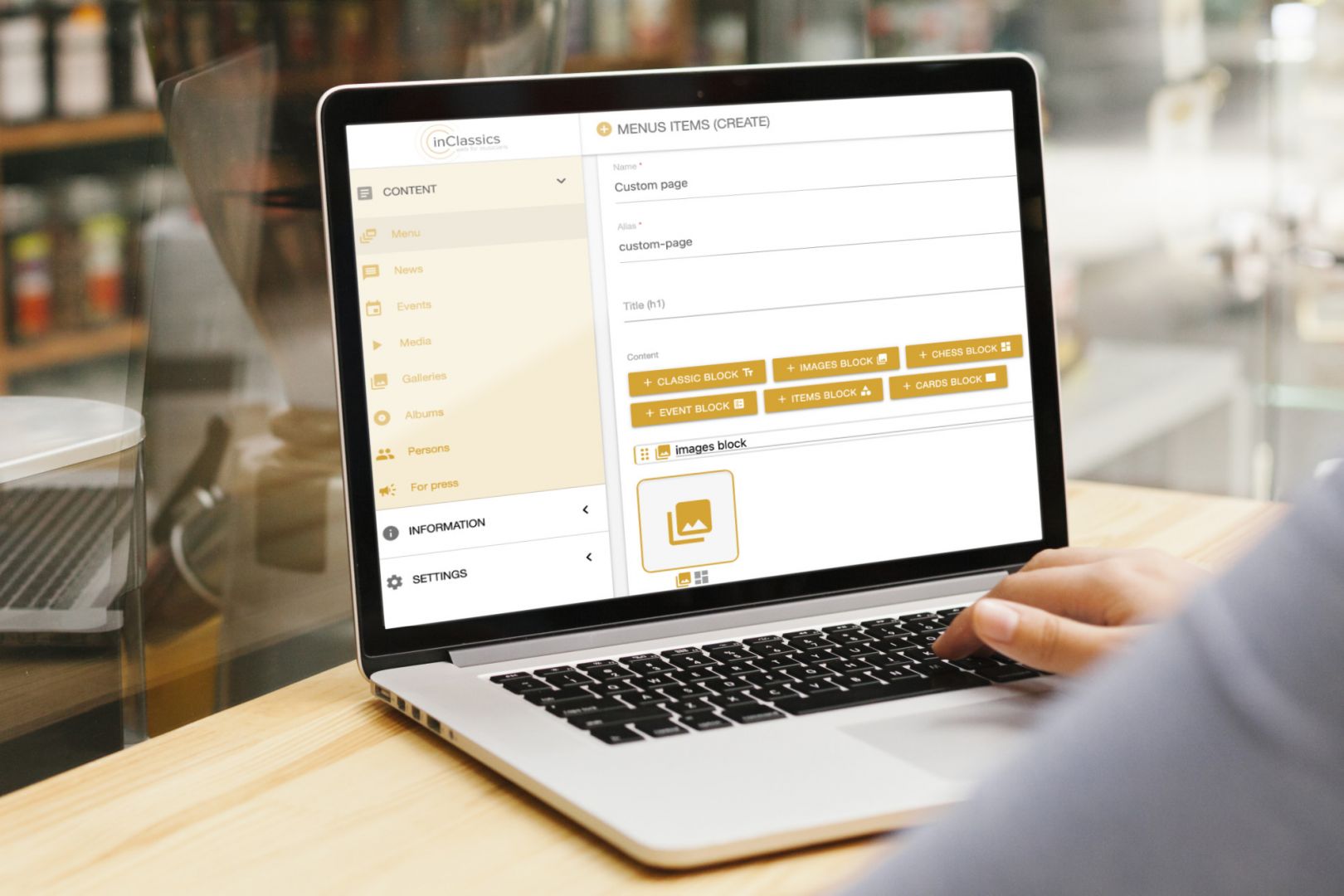
Whether you choose to build a website yourself or hire a professional to do it for you, here is a quick guide to the pages you should have on your website.
- Home page
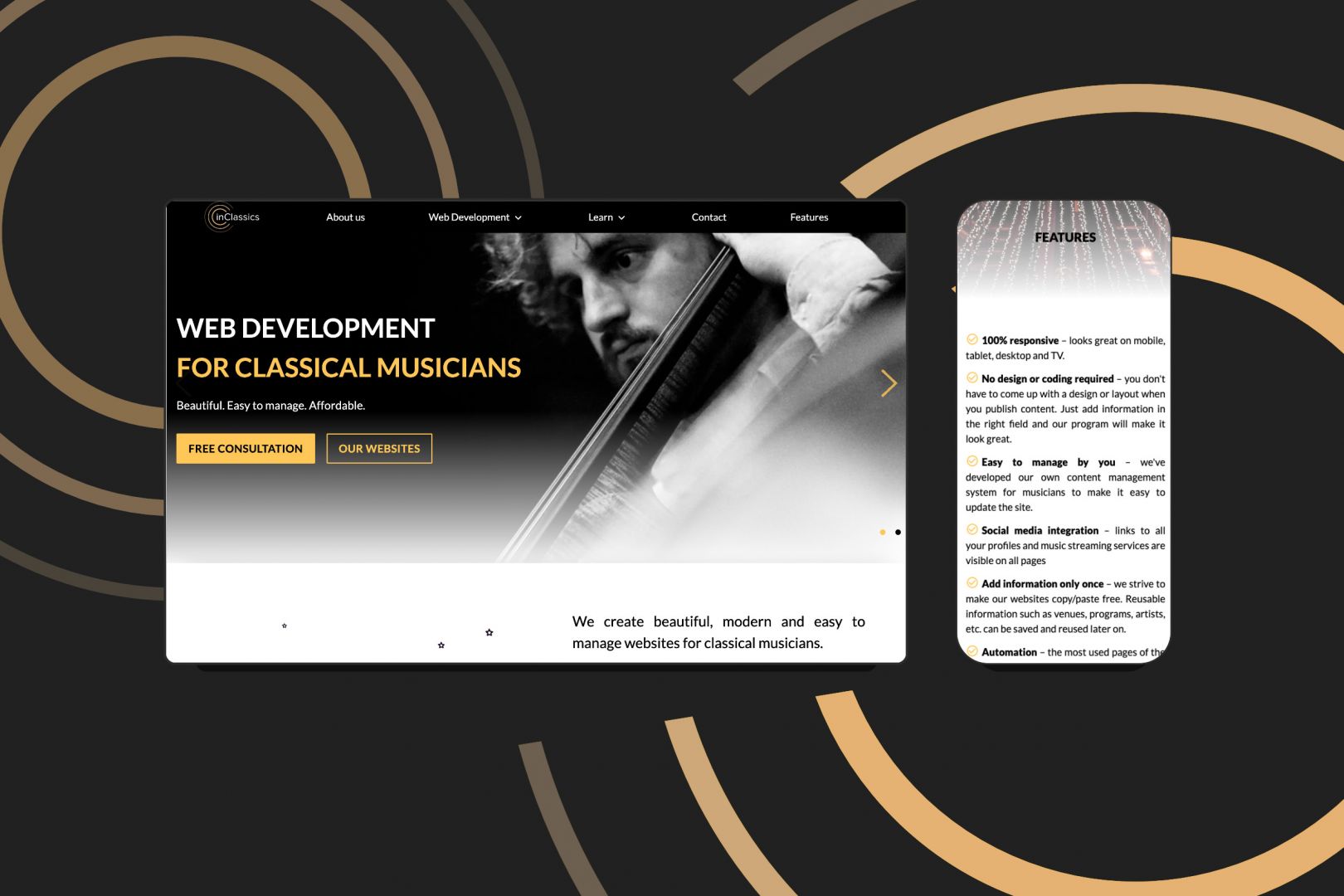
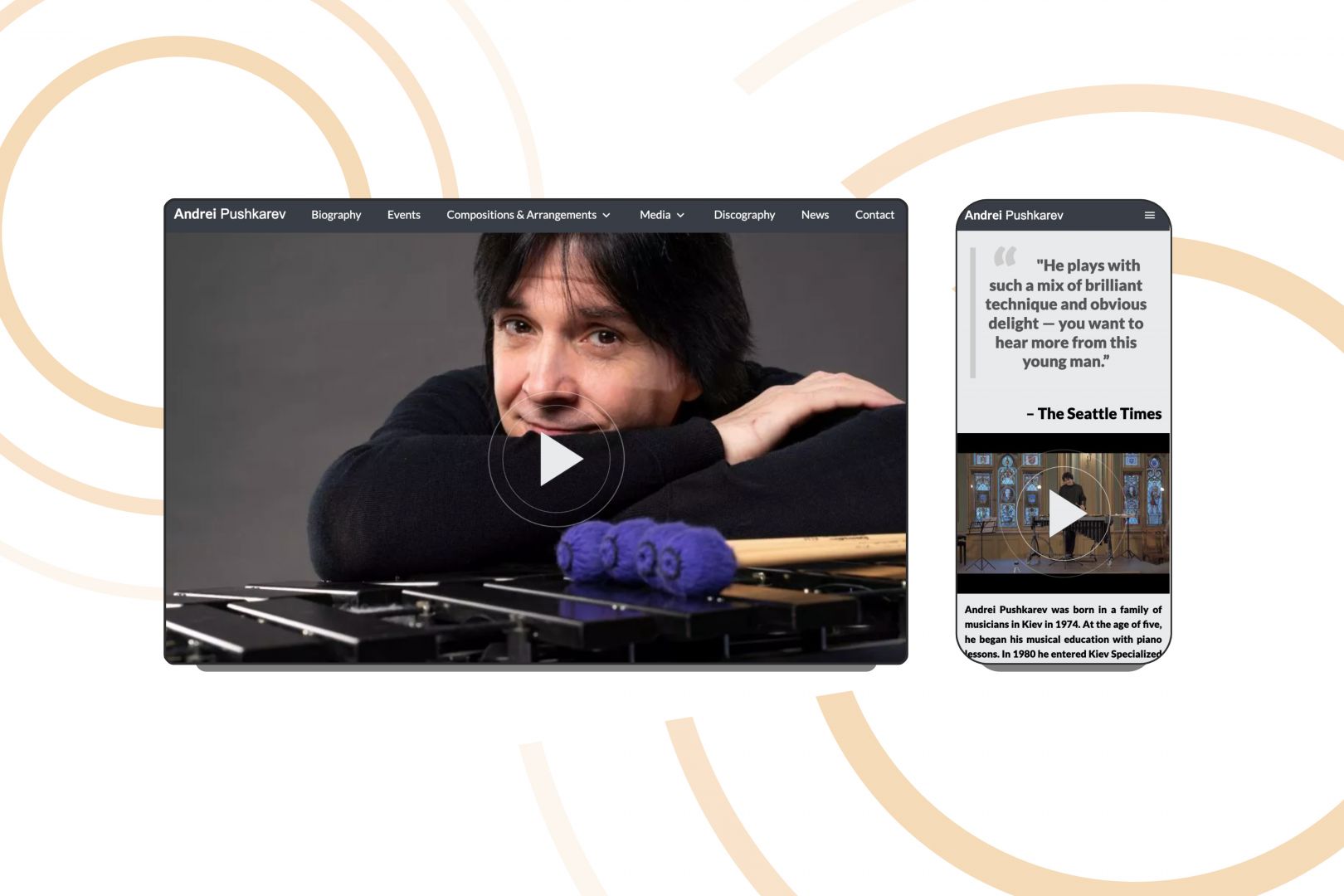
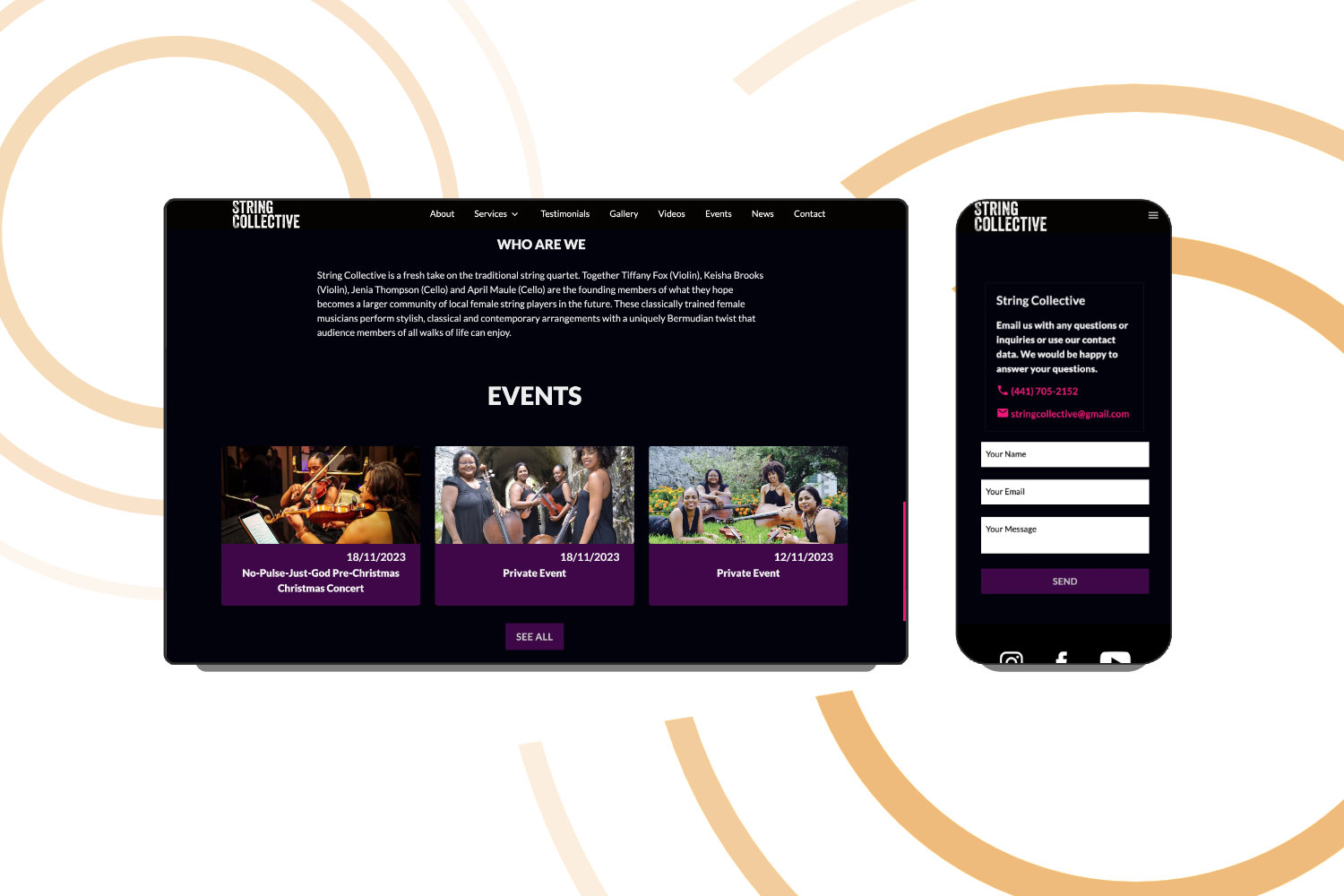
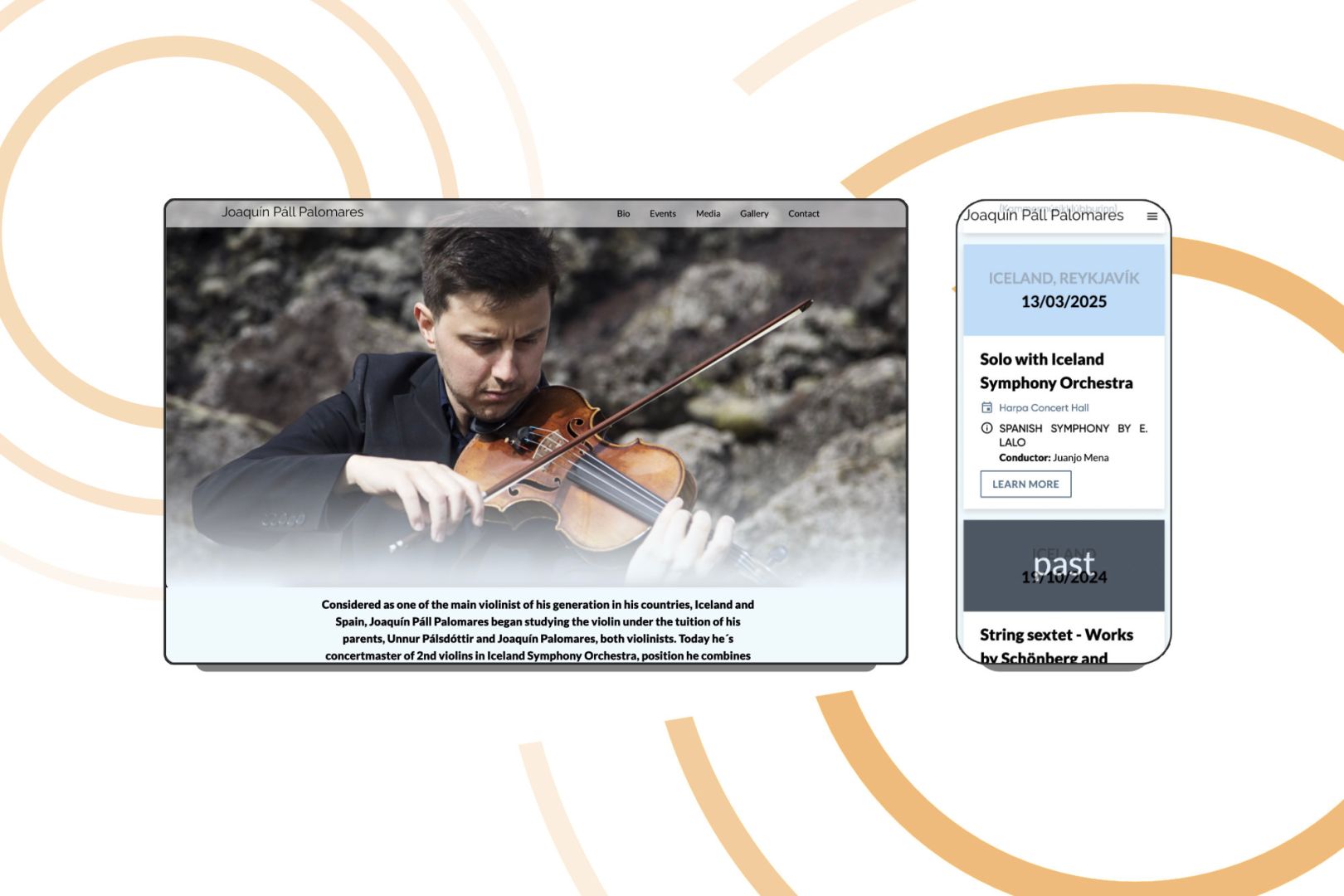
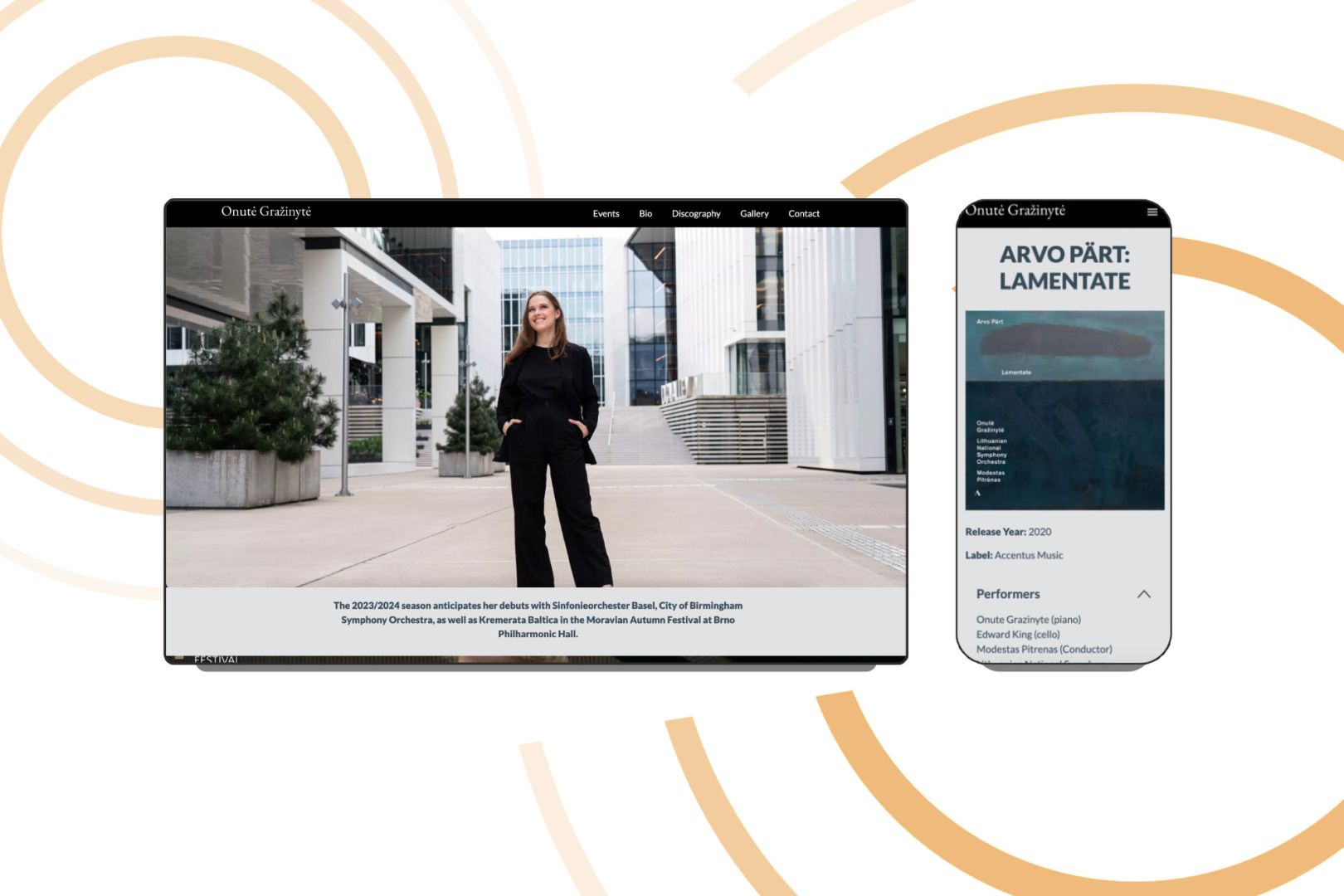
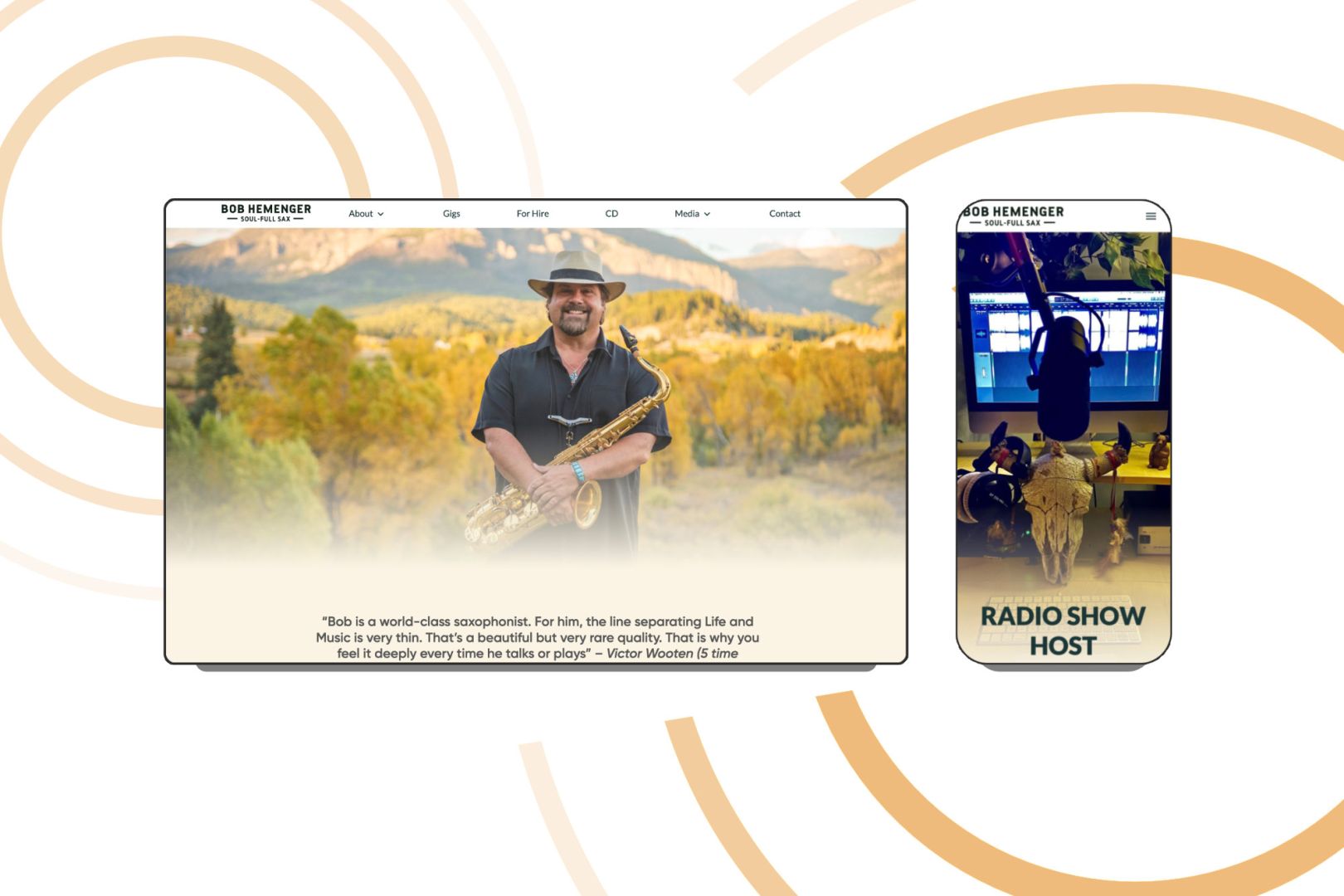
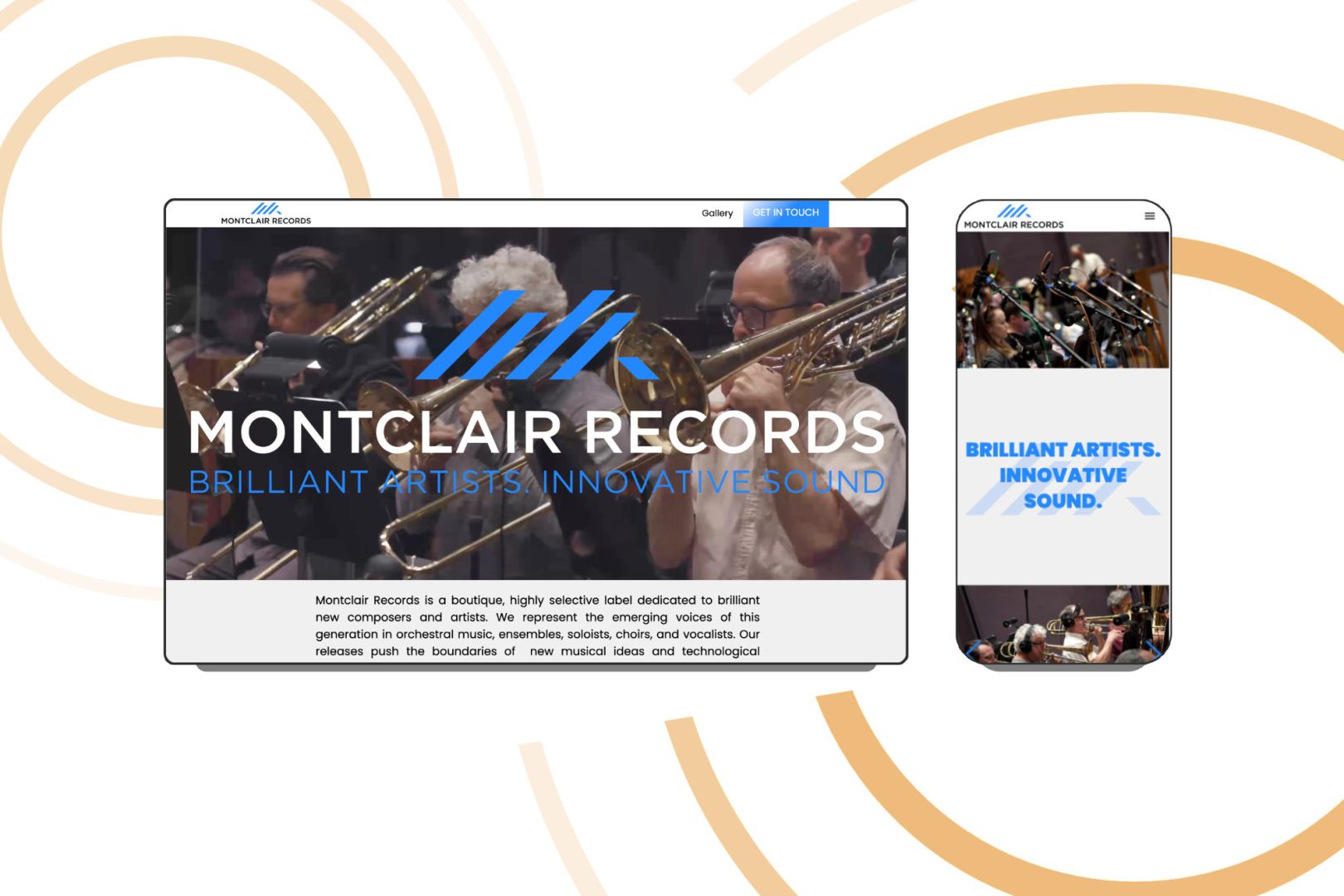
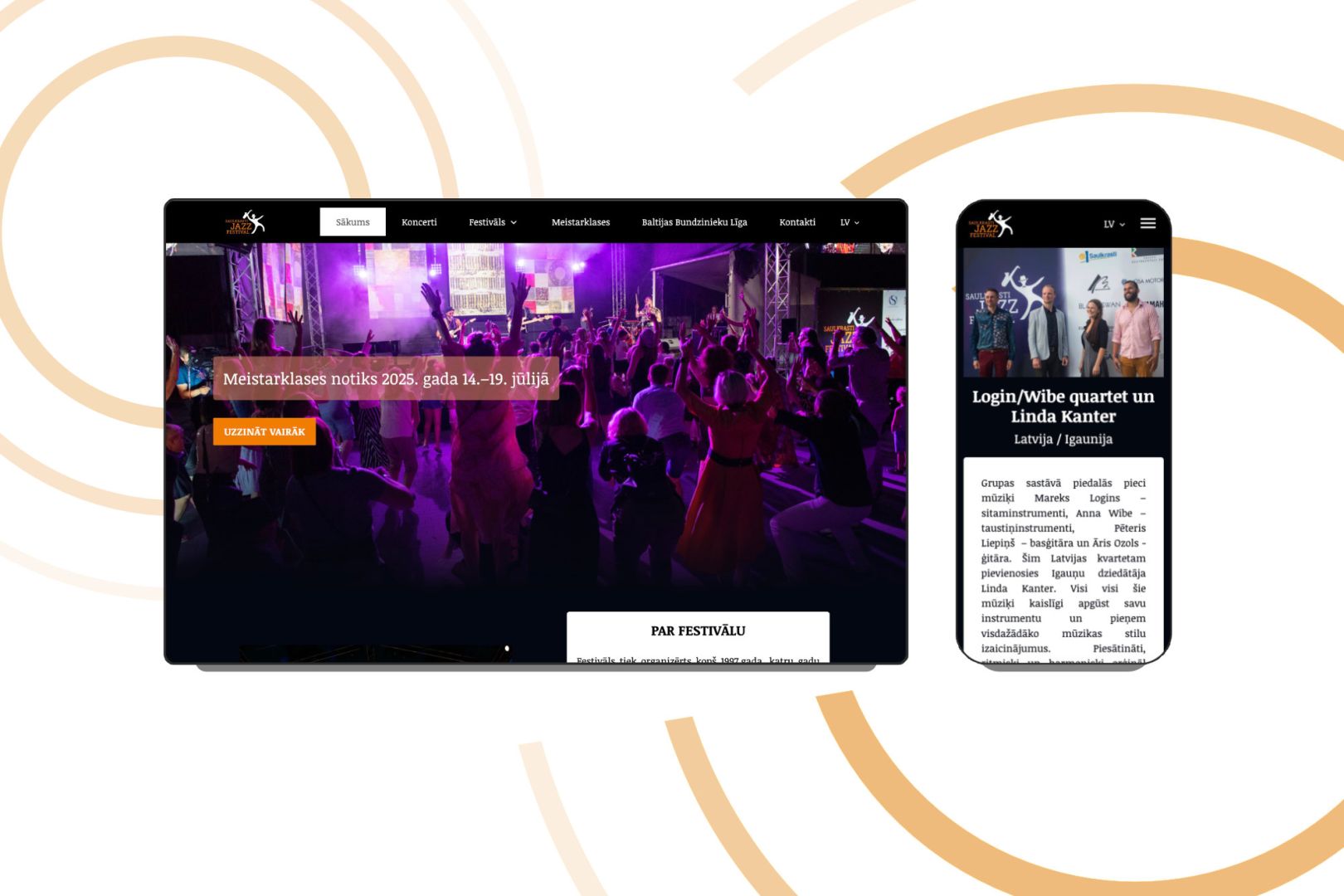
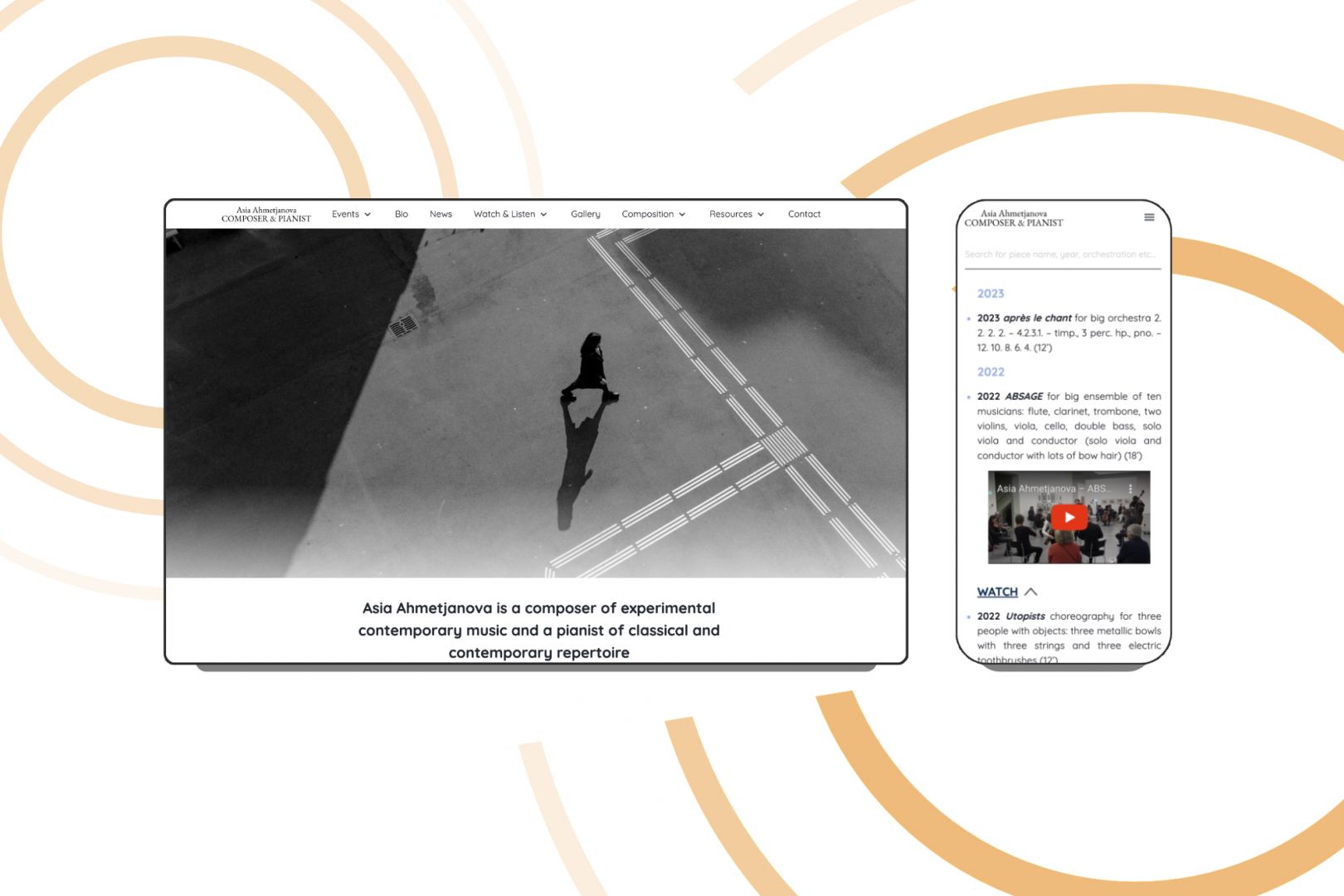
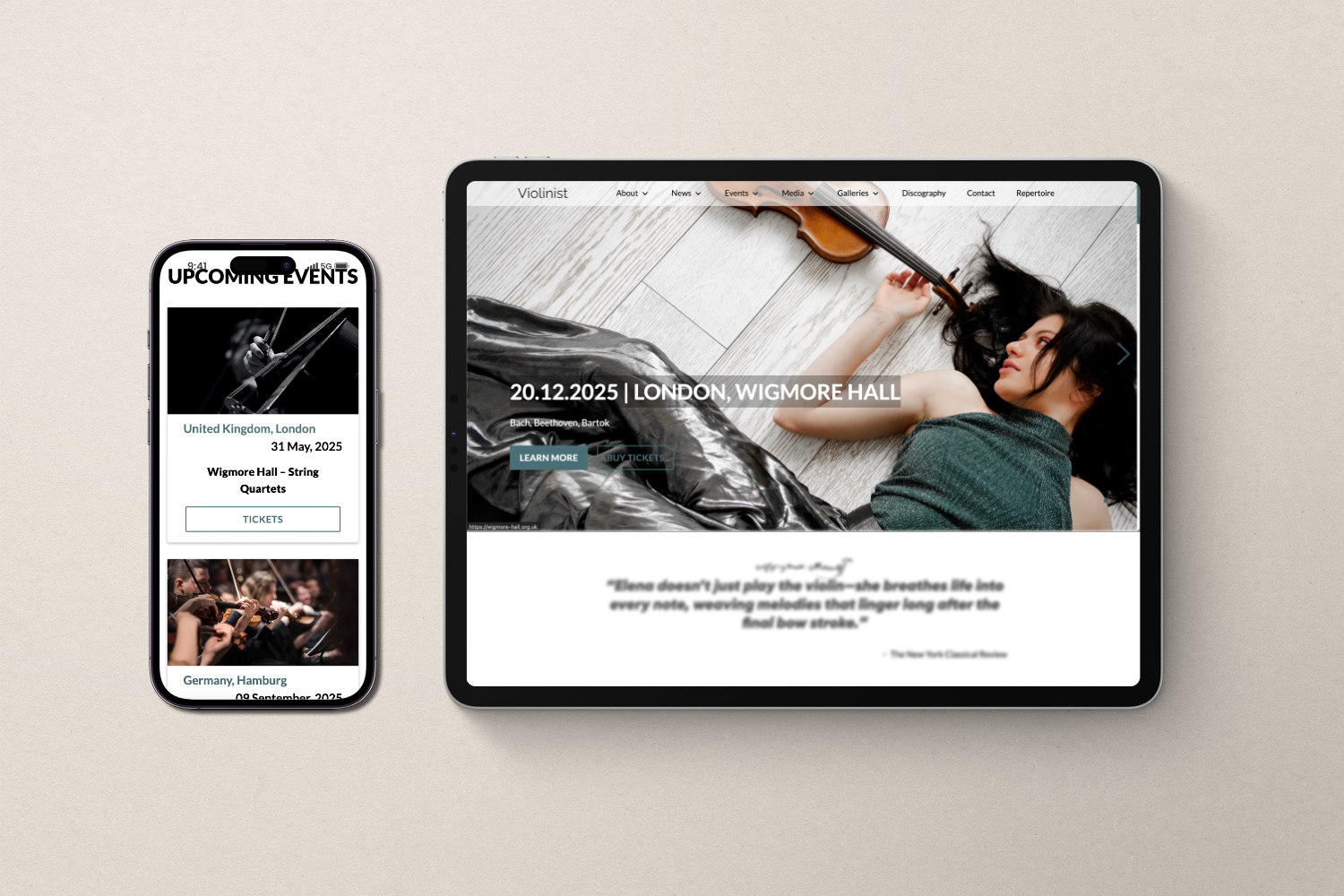
The first page visitors see when they land on your website. They should be greeted with a nice image, clear navigation and the most important information (short "About" section, upcoming events, latest news, audio downloads).
- About page
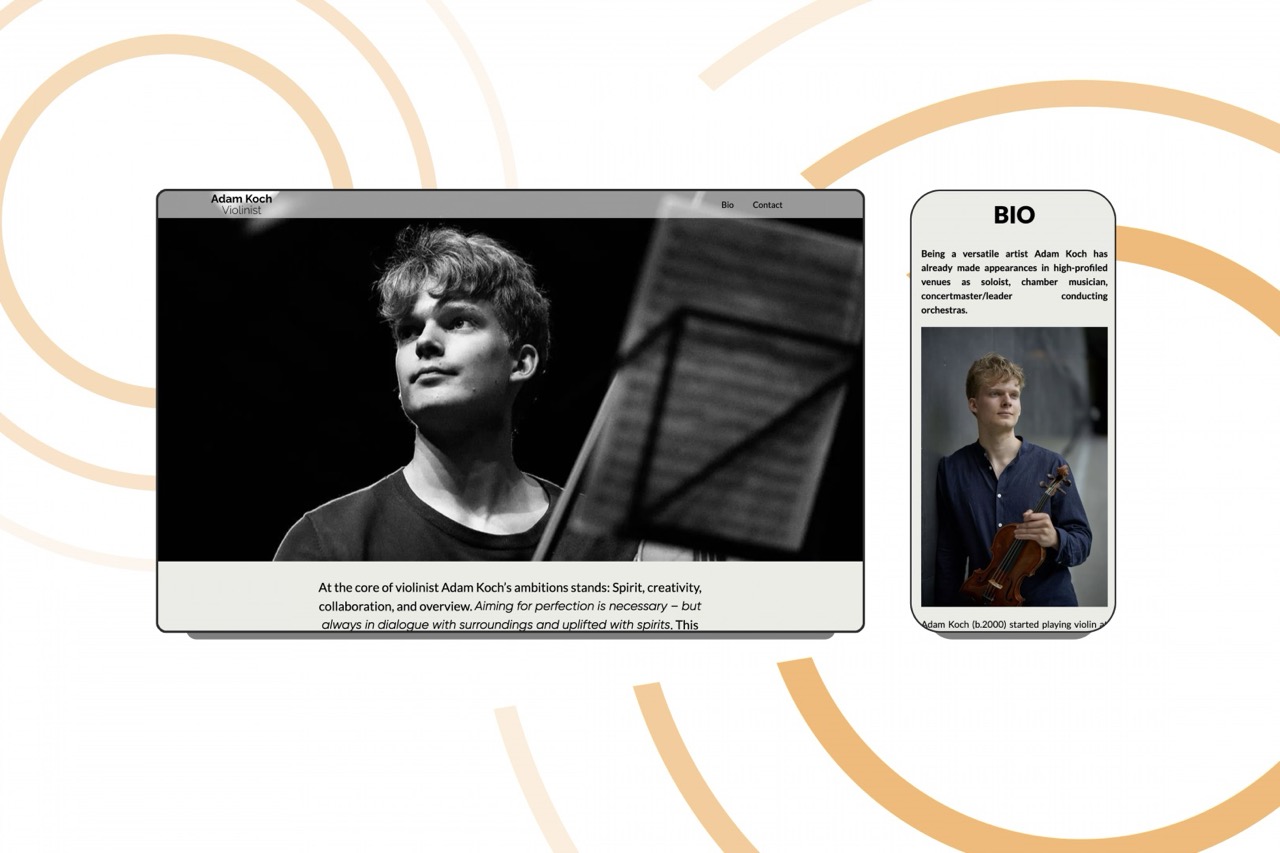
A page with a short bio and a few photos that tell your story
- Contact page
A way to get in touch with you - directly by email or via a contact form.
- Watch and listen
Share audios and videos of your performance here. You do not always need a professional studio recording to impress your audience. A good quality zoom recording is often enough.
Tip. Make sure you website has a convenient music player.
Even if you do not have your own content yet, you can always share links to YouTube, Soundcloud, Spotify, Apple Music and every other platform where people can listen to your music online.
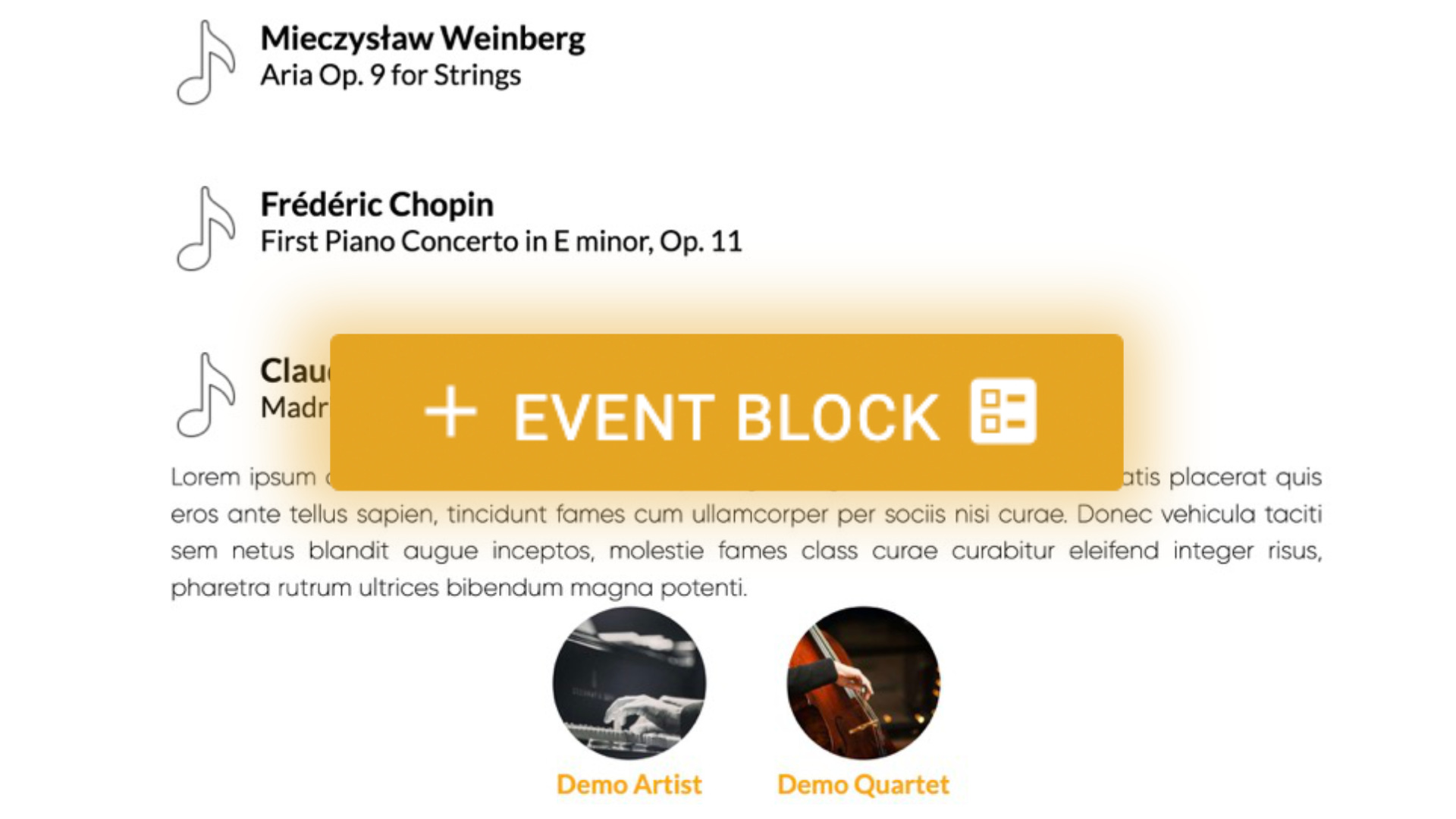
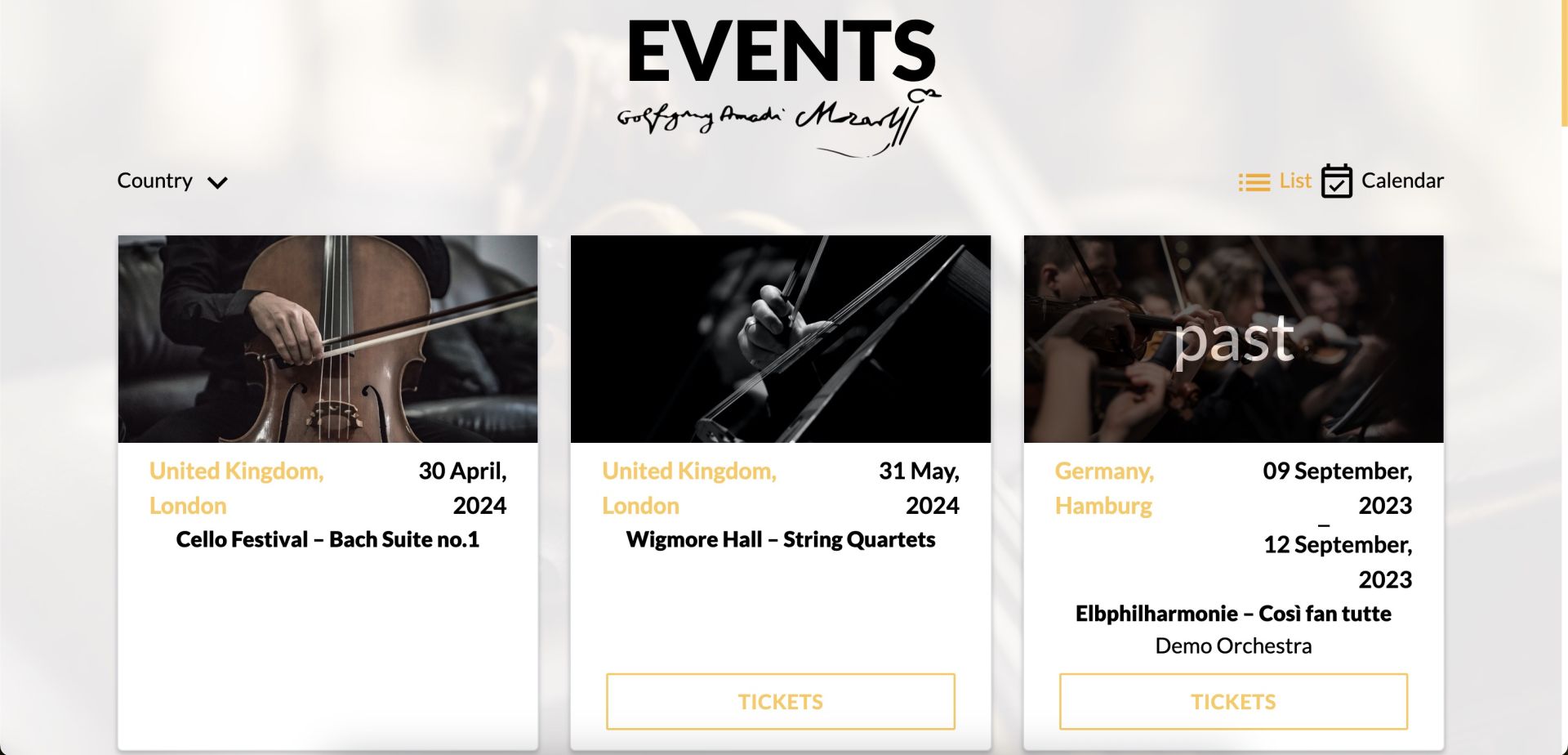
- Upcoming events
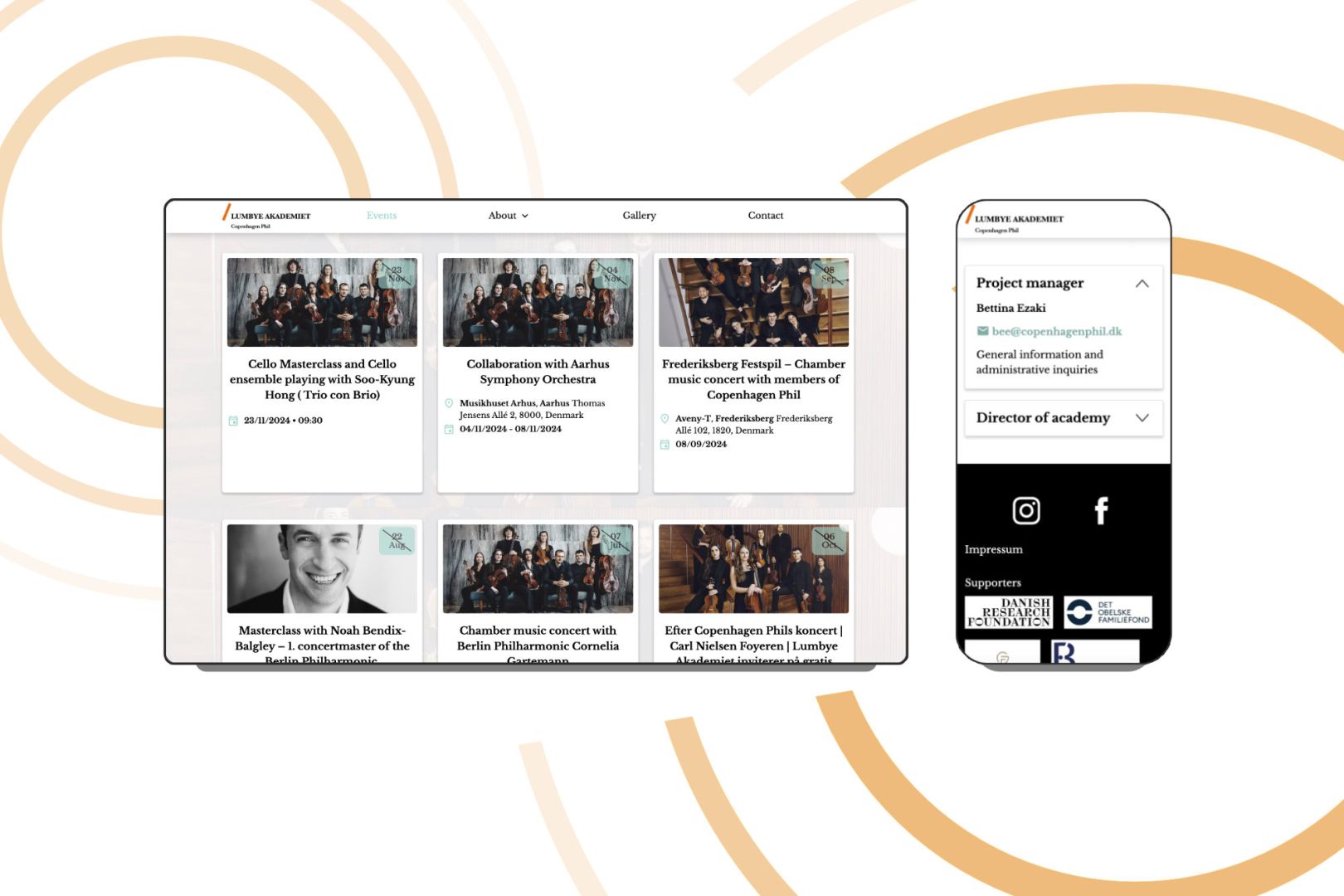
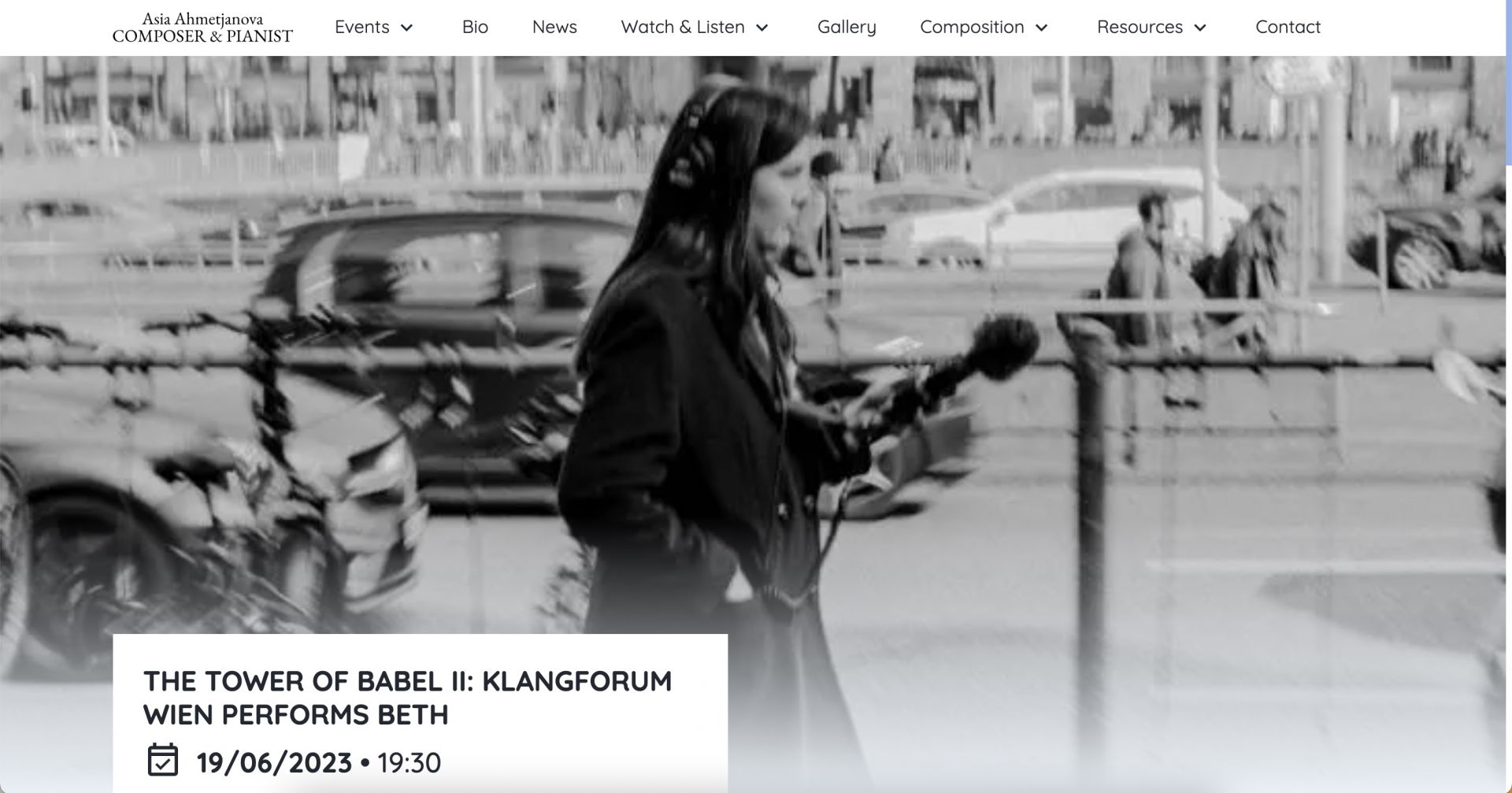
A page where you display your upcoming events. This can be as simple as listing the date, time and venue or as serious as listing the artists performing, concert schedule and program notes for each event. Do not think you do not have enough information to share here. At the beginning of your journey, you should indicate each event where you will be on stage - whether as a soloist or as part of a group.
- Gallery
Many musician websites have a gallery with their portraits. While this feature is important, I think you would be better off using the gallery to show photos from your various events and performances. This way you can better tell about your life on and off stage and provide interesting content for visitors to browse.
- News page
Share your upcoming concerts, projects and tours to draw more attention to your performances.
- Blog
Every musician has something to say about the music they play. Whether you are performing your own music or that of other composers, people would love to hear your thoughts on these pieces and how you work. When you write online articles, you have a great chance of being discovered by others when they search for information you write about. Learn more in our article on content marketing for musicians.
- Commissioned works, repertoire, arrangements.
If you have pieces that have been dedicated to you or your ensemble, you should create a special page to showcase them. You can also simply create a list of your concert programs to interest potential concert organizers and promoters.
- Discography
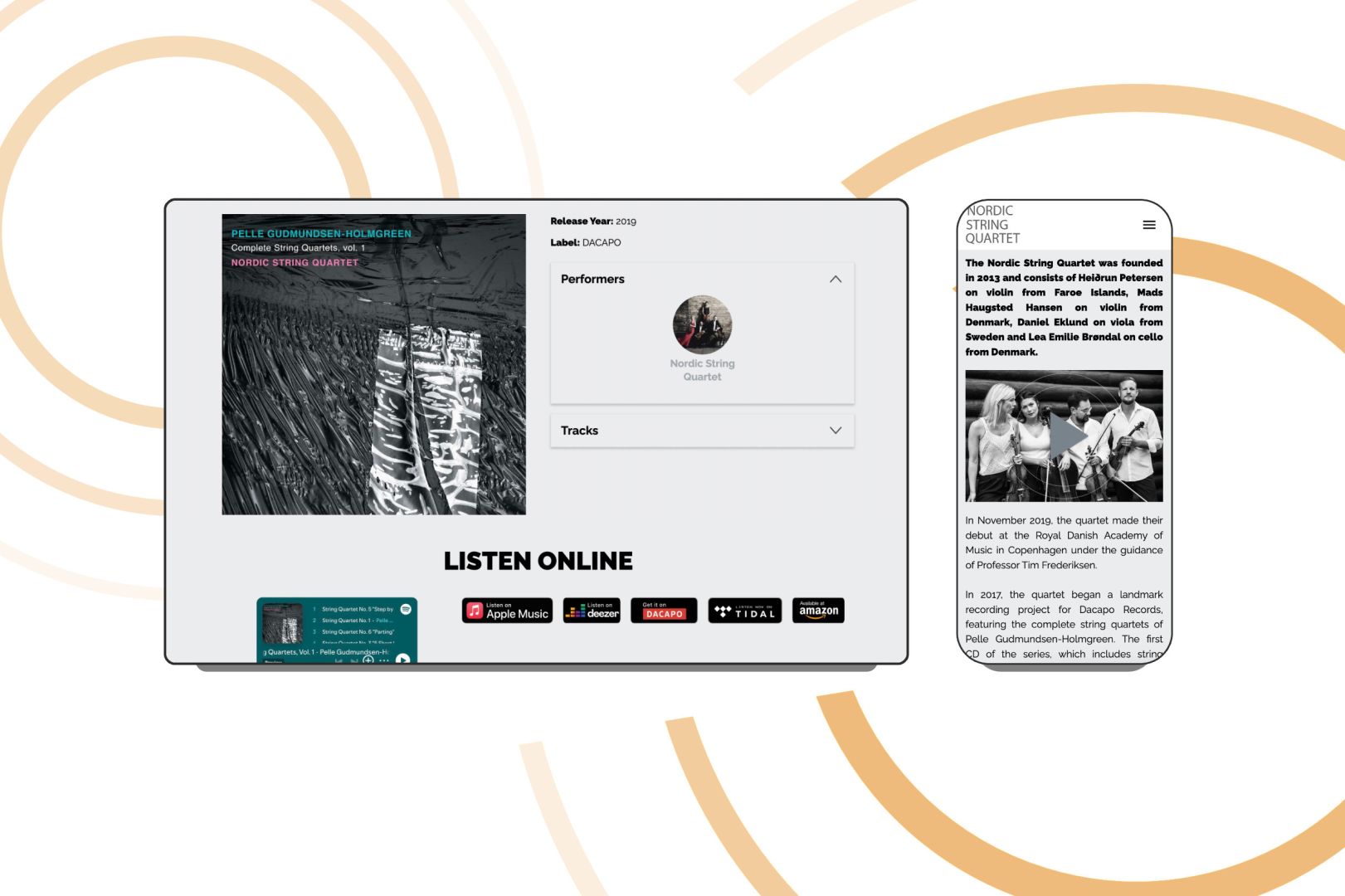
If you have a CD, it is important to show it on your website and provide links to all streaming platforms and online stores where people can listen to and buy your music.
- For the press
Make it easy for music industry professionals to write and cover you. Include your short and long bios, photos, press releases and anything else worth talking about here. This is an important tool in your music marketing and music PR strategy.
- History
You can write a story here about yourself or your group from the beginning to this moment. Include pictures from your archives, some old concert programs and the most memorable stories and anecdotes.
- Selected projects and programs
There will always be concert programs, events and collaborations that you are particularly proud of. Create a separate page for each of these events and programs to showcase your work.
- Artists, Ensembles, Composers, Collaborations
During our concert career, we perform with many outstanding artists and personalities. Create a page to showcase your most interesting and significant encounters.
- Team members, supporters, donors
Whether you need a website for a soloist, ensemble, orchestra or choir, there will always be people to help and support you. Create a special page to thank these people and show your appreciation for their support.
- Festivals
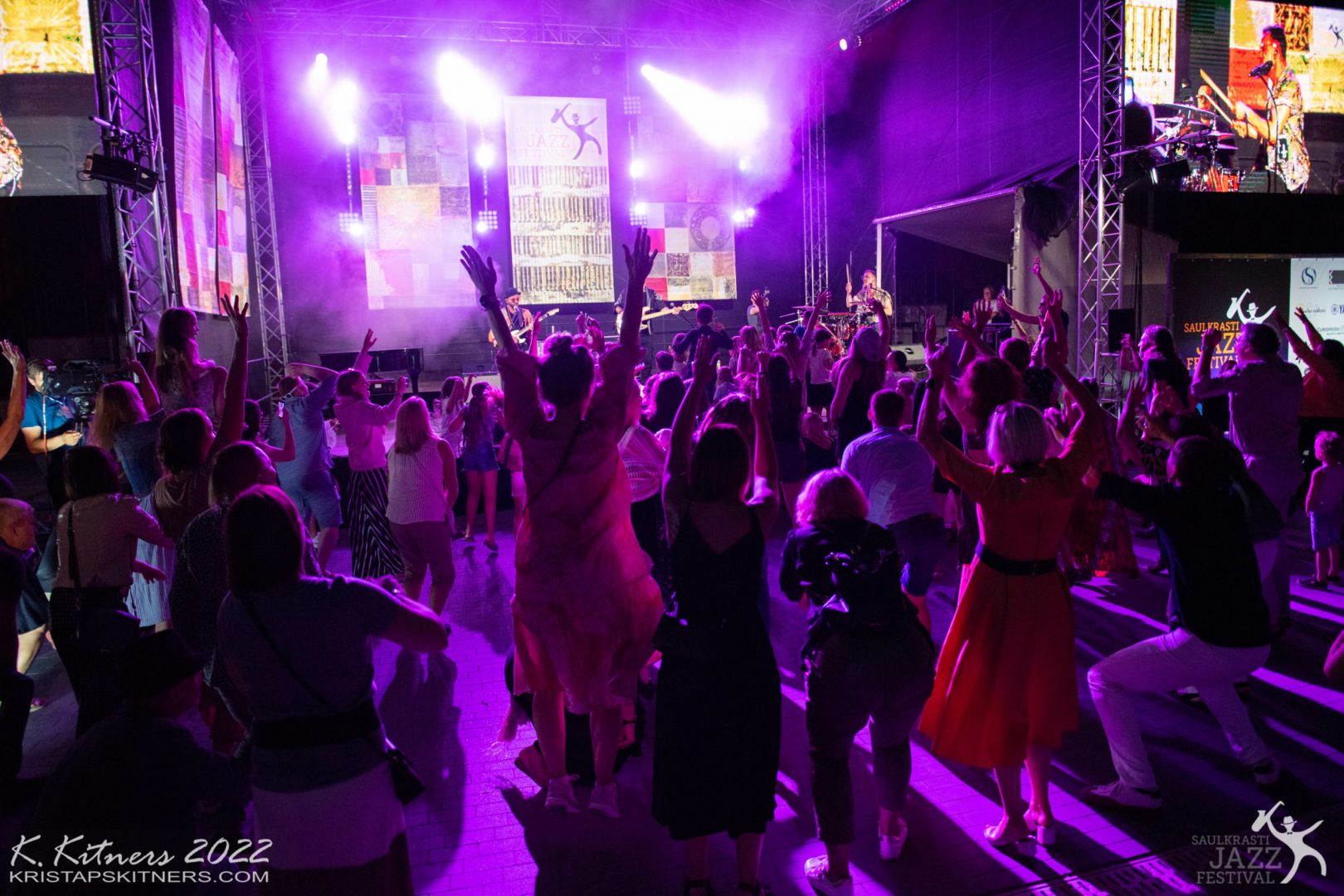
Have you started your own festival? Or have you been a frequent guest at other festivals? Share your programs, interesting stories and images from those festivals. Tell people why you enjoyed being a part of that festival and what makes them special. Do you have some recordings online of those festivals - include all the links here!
- Online store
A site where you can showcase your products and process payments.
- Links to social media
Add links to your social media profiles here.
- Data collection tools
Newsletter signup form, Google Analytics, and Facebook Pixel. Start collecting data as soon as possible. You never know when you'll need to promote your next gig or do your next crowdfunding CD.
- Donate and support button
There are many audience members who love to support artists. Give them an easy way to do so by setting up a donate button on your website where they can donate money to support your project with just a few clicks.
You do not have to create all the pages from scratch. Create pages for which you have content (Home Page, About Us, Current Events, and Contact Us) and add more pages as you need them.