
Master SEO: Essential Keyword Strategies for Musicians
Introduction
As we all know from the personal experience, the music industry thrives not only on talent but also on visibility.
Musicians need to be seen and heard, and mastering SEO (Search Engine Optimization) is essential for achieving that.
Keywords play a vital role in SEO; they are the bridge between artists and their fans.
This article aims to guide musicians in identifying and utilizing the best keywords to enhance their brand and effectively reach their audience.
Understanding Keywords in Music SEO
What Are Keywords?
Keywords are specific words or phrases that users enter into search engines when looking for information. These keywords guide search engines in displaying relevant content. In the context of music, keywords can vary widely—from general terms like “music” to more precise, niche phrases like “best indie rock songs 2025” or “live jazz performances in New York.”
Understanding the difference between general keywords and music-specific keywords is critical for musicians aiming to capture a targeted audience. For example, a country singer might use keywords like “country music festivals Texas” or “best country songs 2025,” while an electronic DJ might focus on “electronic dance music trends” or “EDM events near me.”
The Importance of Keywords for Musicians
Effective keyword strategies significantly enhance visibility and audience reach. When musicians optimize their content with relevant keywords, they are more likely to appear in search engine results, attracting more potential fans. For instance, a local band using the keyword “live music in Austin” can reach individuals looking for nearby performances.
Keyword Research for Musicians
Identifying Music-Specific Keywords
The journey begins with brainstorming potential keywords. Musicians should consider their music style, genre, and locality. Analyzing common phrases used by audiences, such as “folk music in Nashville” or “electronic music events near me,” can provide valuable insights. Here are a few examples of music-specific phrases:
- Genre-Based: “Best jazz clubs in Chicago,” “top hip hop albums 2024”
- Location-Based: “Live rock concerts in London,” “soul music events in Atlanta”
- Event-Based: “Upcoming indie music festivals in California,” “electronic dance music parties NYC”
- Trend-Based: “New pop songs 2024,” “latest K-pop hits”
Tools for Keyword Research

Google Keyword Planner
- Create or log into your Google Ads account.
- Navigate to the Keyword Planner tool.
-
Input your ideas or website URL to find keyword suggestions and search volumes.
Note: Google Keyword Planner offers limited functionality without an active Google Ads campaign.
SEMrush
SEMrush is an invaluable tool for musicians to discover organic keyword rankings and analyze competitors. It offers a free trial, allowing users to explore its features before committing to a subscription. Musicians can search for relevant keywords to gain insight into what’s working in their niche.
AnswerThePublic
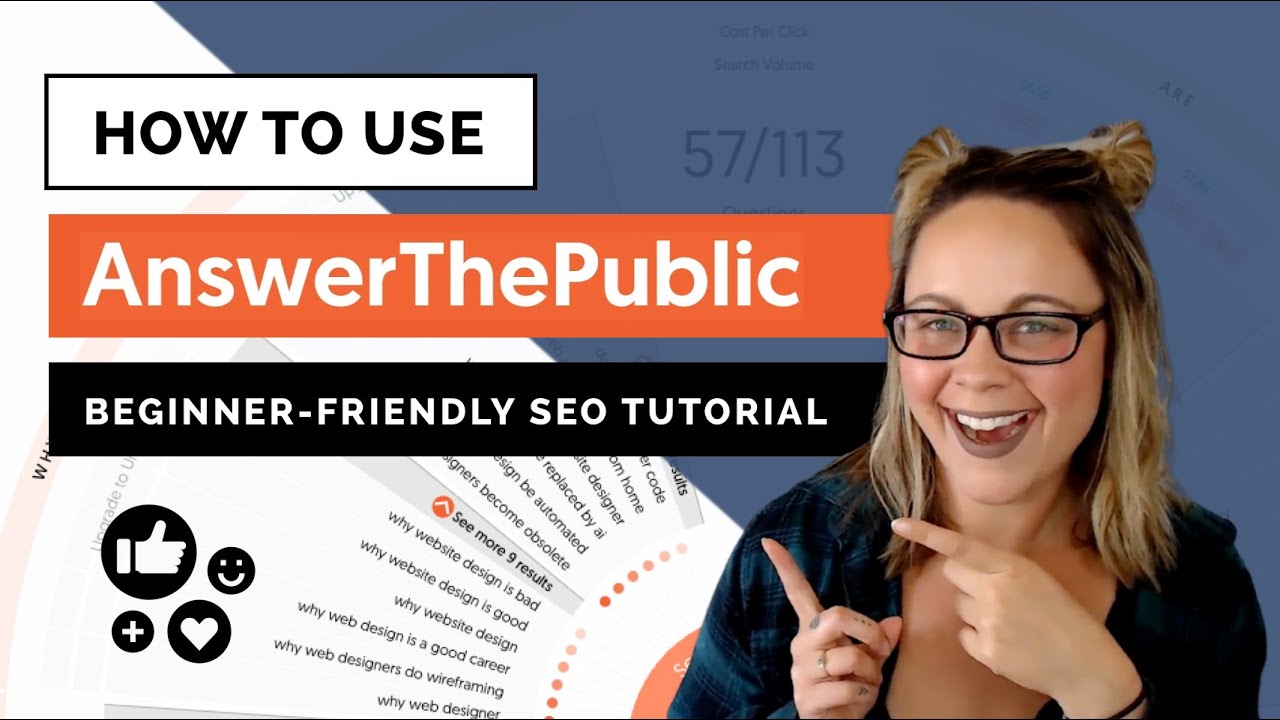
Simply enter a keyword related to your music, and this tool visualizes the questions users are asking. It allows musicians to generate content ideas based on user queries, enhancing their content strategy with audience-driven topics.

Ahrefs
Ahrefs provides comprehensive competitive analysis. Musicians can see which keywords competitors rank for, helping them to adjust and refine their keyword strategies accordingly. Ahrefs also offers a limited free version for those on a tight budget.
Other Notable Tools
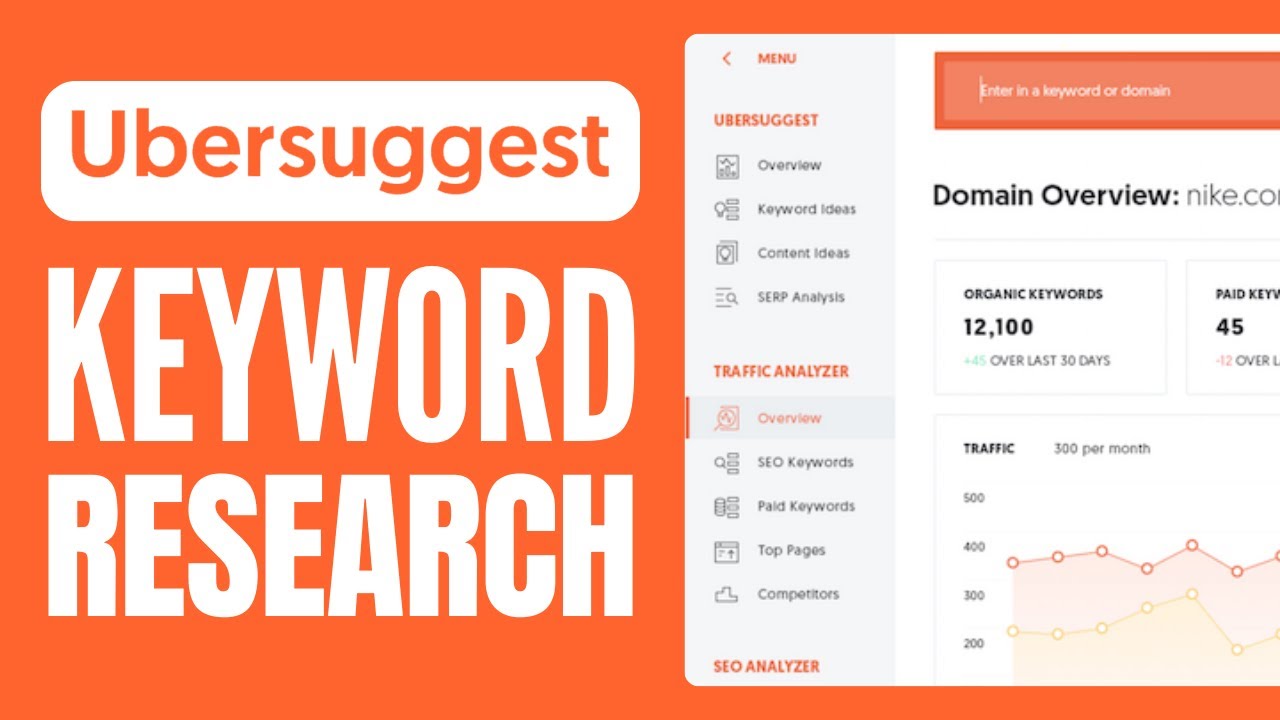
- Ubersuggest: Offers keyword suggestions and SEO insights.
- Moz Keyword Explorer: Provides keyword difficulty scores and search volume data.
Finding the Best Keywords
Analyzing Search Intent
Understanding search intent—the reason behind a user’s query—ensures that musicians target the right audience. The three primary types of search intent are:
- Informational: Users seeking knowledge (e.g., “how to promote my music”).
- Navigational: Users looking for a specific website (e.g., “Taylor Swift official site”).
- Transactional: Users wanting to make a purchase (e.g., “buy concert tickets for [band name]”).
Identifying the intent behind keywords helps musicians create content that aligns with what their audience is seeking, resulting in higher engagement and conversion rates.
Long-Tail Keywords
Long-tail keywords are longer, more specific phrases that typically evoke less competition and higher conversion rates. An example includes “upcoming indie music festivals in Los Angeles.” Musicians can use long-tail keywords throughout their website content, including blogs, album descriptions, and promotional materials, to attract a more targeted audience.
Benefits of Long-Tail Keywords:
- Lower Competition: Easier to rank for niche phrases.
- Higher Relevance: More closely match user intent.
- Better Conversion Rates: Attract users with specific needs or interests.
Optimizing Content Using Keywords
On-Page Keyword Integration
Incorporating keywords effectively within music websites is crucial. Here are best practices:
- Metadata Optimization: Ensure that titles, meta descriptions, and headers contain relevant keywords. For example, use “Live Jazz Performances in New York” as a page title for better visibility.
- Content Strategies: Create engaging articles, blogs, or stories infused with keywords, such as music reviews, personal anecdotes regarding song lyrics, or behind-the-scenes looks at songwriting processes.
- Rich Snippets and Structured Data: Utilize schema markup to enhance visibility in search results, such as displaying concert dates directly in search results or event listings.
- Technical SEO: Ensure site speed, mobile optimization, and secure connections (HTTPS) to improve overall search engine rankings.
You can use our free AI Blog Article Generator to create SEO friendly content (if you are reading this post, you know it works!)
Off-Page Keyword Strategies
Building a strong backlink profile is essential for enhancing visibility:
- Collaborate with Other Artists and Influencers: Partnering with other musicians and music influencers can widen your reach and increase keyword relevance.
- Utilize Social Media: Promote keyword-rich content across platforms like Instagram, Twitter, and Facebook to drive traffic back to your site.
- Guest Blogging: Write guest posts for music blogs or websites, incorporating your targeted keywords to gain backlinks and authority.
Tracking and Adapting Keyword Strategies
Measuring Keyword Performance
To gauge how well your keywords are performing, utilize tools like Google Analytics and Google Search Console. Monitor which keywords drive traffic and engagement; adapt your strategies in response to data-driven insights. For instance, if a keyword shows high click-through rates but low engagement, it might require content enhancement.
Key Metrics to Monitor:
- Bounce Rate: Indicates how quickly users leave your site after clicking.
- Session Duration: Measures how long visitors stay on your site.
- Pages Per Session: Tracks the number of pages viewed per visit.
- Conversion Rate: Assesses how effectively keywords drive desired actions (e.g., ticket sales, newsletter sign-ups).
Importance of Regular Updates
The music industry is dynamic, with trends constantly evolving. Regularly updating your keyword strategy ensures you stay ahead of the curve and catch emerging trends that resonate with your audience. Additionally, search engine algorithms, like Google’s, continually evolve, affecting keyword relevance and effectiveness over time. Staying informed about these changes is vital for maintaining and improving your search rankings.
Advanced SEO Strategies for Musicians
Optimizing for Voice Search
With the rise of smart devices, optimizing keywords for voice search is increasingly important. Voice searches are often more conversational and question-based. Incorporate natural language phrases and long-tail keywords that mimic how people speak. For example, instead of “concert tickets [band name],” use “Where can I buy concert tickets for [band name]?”
Social Media SEO
Integrate keywords within your social media profiles and posts. Platforms like Instagram, Twitter, and Facebook have their own search functionalities. Use relevant keywords in your bios, hashtags, and post captions to improve discoverability. Engaging content with strategic keywords can enhance your social media presence and drive traffic to your website.
Audience Persona Development
Creating detailed audience personas helps in identifying relevant keywords tailored to your target audience. Consider factors like age, location, music preferences, and online behavior. This approach ensures that your keyword strategy aligns with the interests and needs of your potential fans, leading to more effective engagement.
Local SEO for Musicians
Importance of Local SEO
For musicians targeting local audiences, local SEO strategies are essential. Incorporate location-based keywords to attract fans in your area who are interested in live performances and events.
Strategies for Local SEO:
- Google My Business: Create and optimize your profile with accurate information, including location, contact details, and event schedules.
- Local Listings: Ensure your music is listed on local directories and event platforms.
- Location-Specific Content: Write blog posts or create content focused on local events, venues, and collaborations.
Actionable Steps:
- Optimize your Google My Business profile with current information.
- Use location-based keywords in your website’s content and meta tags.
- Engage with local online communities and forums to increase your local presence.
Conclusion and Next Steps
In summary, mastering SEO and understanding keywords are essential for musicians looking to improve their online presence. Musicians should begin by brainstorming keywords related to their music, leveraging keyword research tools, analyzing search intent, and implementing effective content strategies. Additionally, incorporating advanced SEO strategies like voice search optimization, social media SEO, and local SEO can further enhance visibility.
Regular updates and performance tracking will keep your strategy fresh and relevant in this ever-changing landscape. Start your keyword research today, implement these strategies, and watch your online presence and fan engagement grow.
FAQs
- What are the best keyword research tools for musicians?
- Google Keyword Planner, SEMrush, AnswerThePublic, Ahrefs, Ubersuggest, and Moz Keyword Explorer are fantastic resources for musicians.
- How can I find long-tail keywords that fit my music style?
- Analyze user queries related to your genre using keyword research tools and think creatively about queries fans might enter. For example, a rock band might use “best rock anthems 2024” or “rock concerts near me.”
- What types of keywords should I avoid for my music website?
- Avoid overly broad or irrelevant keywords that do not connect with your music or brand identity, such as generic terms like “music” without any context or modifiers.
- How do changes in music trends affect keyword strategies?
- Monitoring trends ensures that your keyword strategy remains relevant. Capitalize on emerging genres, popular songs, or trending artists by incorporating related keywords into your content.
- What’s the best way to measure the success of my SEO keywords?
- Use Google Analytics and Google Search Console to track traffic and engagement metrics linked to your chosen keywords. Pay attention to metrics like bounce rate, session duration, and conversion rates to gauge effectiveness.
- How does SEO affect platforms like Spotify, YouTube, or Apple Music?
- SEO can enhance your visibility on these platforms by optimizing your profile descriptions, song titles, and metadata with relevant keywords, making it easier for fans to discover your music through search functionalities.
- How many keywords should I focus on?
- Focus on a mix of primary and secondary keywords. Typically, targeting 5-10 primary keywords and several long-tail variations can provide a balanced approach without diluting your content.
- What is keyword stuffing, and how can I avoid it?
- Keyword stuffing refers to the overuse of keywords in content to manipulate search rankings. Avoid this by using keywords naturally within your content, focusing on readability and user experience instead.
SEO Tools
Here is a list of tools we use for our SEO campaigns:
1. Comprehensive SEO Suites:
• Ahrefs — Offers tools for backlink analysis, keyword research, competitor analysis, and site audits.
• SEMrush — Provides features for keyword research, site audits, rank tracking, and competitive analysis.
• Moz Pro — Includes tools for keyword research, link building, site audits, and rank tracking.
2. Keyword Research Tools:
• Google Keyword Planner — A free tool to discover keyword ideas and search volume.
• Ubersuggest — Offers keyword suggestions, search volume data, and competition analysis.
• AnswerThePublic — Visualizes search questions and autocomplete queries to help with content ideas.
3. Analytics and Performance Tracking:
• Google Analytics — Provides insights into website traffic, user behavior, and conversions.
• Google Search Console — Monitors website performance in Google Search and identifies issues.
4. Technical SEO Tools:
• Screaming Frog SEO Spider — Crawls websites to analyze technical aspects like broken links and duplicate content.
• PageSpeed Insights — Analyzes page speed and provides optimization suggestions.
• Rich Results Test — Checks if your pages support rich results in Google Search.
5. Link Building and Backlink Analysis:
• Majestic — Specializes in backlink analysis and site exploration.
• BuzzStream — Manages outreach and link-building campaigns effectively.
• Pitchbox — Streamlines influencer outreach and content promotion.
6. Content Optimization Tools:
• Yoast SEO — A WordPress plugin that assists with on-page SEO optimization.
• Surfer SEO — Analyzes and optimizes content based on top-ranking pages.
• Grammarly — Enhances content quality by checking grammar and readability.
8. Local SEO Tools:
• BrightLocal — Focuses on local SEO audits, rank tracking, and citation building.
• Whitespark — Offers local citation finding and building services.
9. Free SEO Tools:
• Ahrefs Webmaster Tools — Provides free access to site audits and backlink analysis.
• Keyworddit — Extracts keywords from Reddit for content ideas.
• AlsoAsked — Explores questions related to your keywords to understand search intent.